Buying a home is not only about having a place to live. For many homeowners, it is also a long-term investment that can affect financial plans, future opportunities, and property value. One question that often comes up when considering alternative construction methods is whether modular homes appreciate in value or whether they lose value compared with traditionally built homes.
At Azure Printed Homes, we understand why this question matters. As a company creating future-focused modular living spaces through robotic 3D printing and factory-based construction, we see how the design, materials, installation process, and intended use of a home can influence its long-term potential. A modular home is not defined only by where it is built. Its value depends on how it is designed, where it is placed, how it is maintained, and how well it meets the needs of the people who use it.
Do Modular Homes Increase in Value Over Time?
A common misunderstanding is that all factory-built homes lose value. This often comes from confusion between modular homes and manufactured or mobile homes, which are different types of structures with different construction standards and intended uses.
Modular homes are built in sections inside a controlled factory environment and then assembled at the final property location. Once installed, a modular home can become a permanent residential structure that is treated similarly to a traditionally built home. Its future value is connected to the property itself, including the land, neighborhood, local housing demand, and the quality of the finished home.
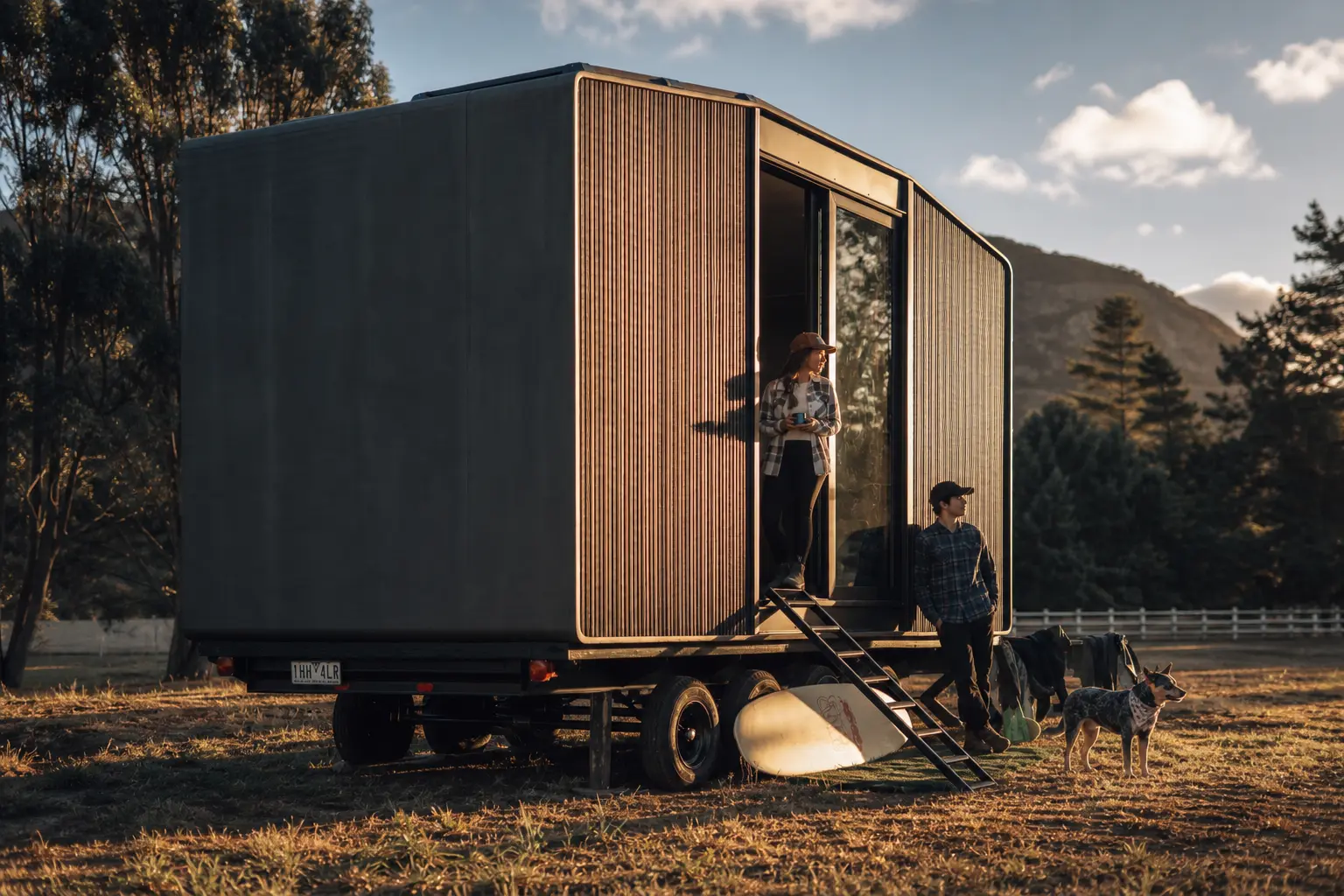
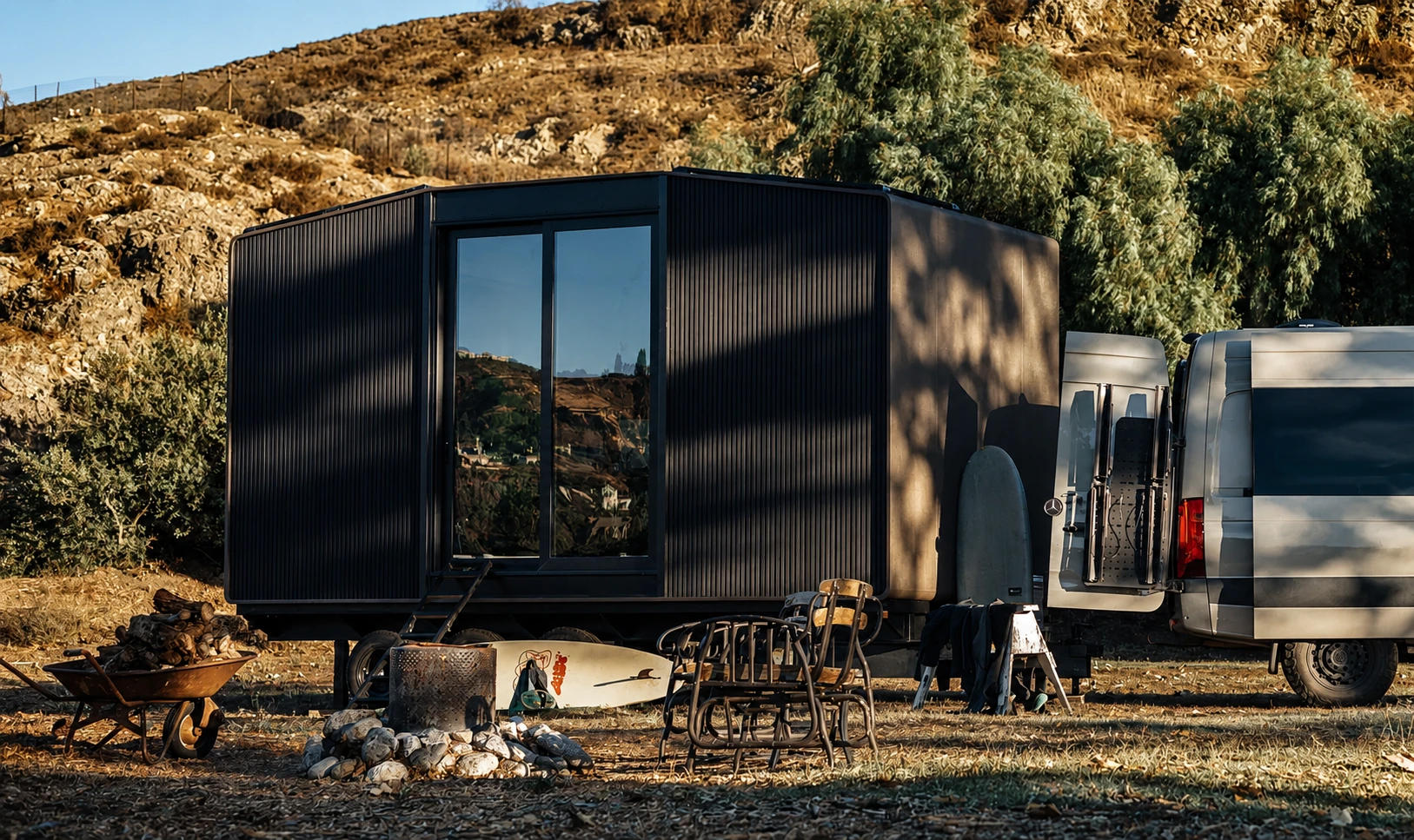
At Azure, we approach modular construction as a way to create permanent and flexible living spaces that can support different housing needs. Our homes and ADUs collection includes models designed for residential use, with options ranging from compact 360 sq ft layouts to larger 900 sq ft homes. These spaces can serve as primary residences, additional housing, guest spaces, or rental opportunities depending on the property and local requirements.
A modular home does not automatically increase in value simply because it was built in a factory. Like any home, its long-term performance depends on careful planning, proper installation, and how well it fits the surrounding market.
What Influences the Long-Term Value of a Modular Home
Several factors influence whether a modular home gains value over time. The construction method is only one part of the equation.
Location and Property Value
Location remains one of the most important factors affecting any home’s value. A well-designed modular home in an area with strong housing demand may perform differently from the same home placed in a location with limited demand.
Important considerations include:
- Neighborhood development and growth
- Access to services and amenities
- Local housing demand
- Property zoning and regulations
- The value of the land itself
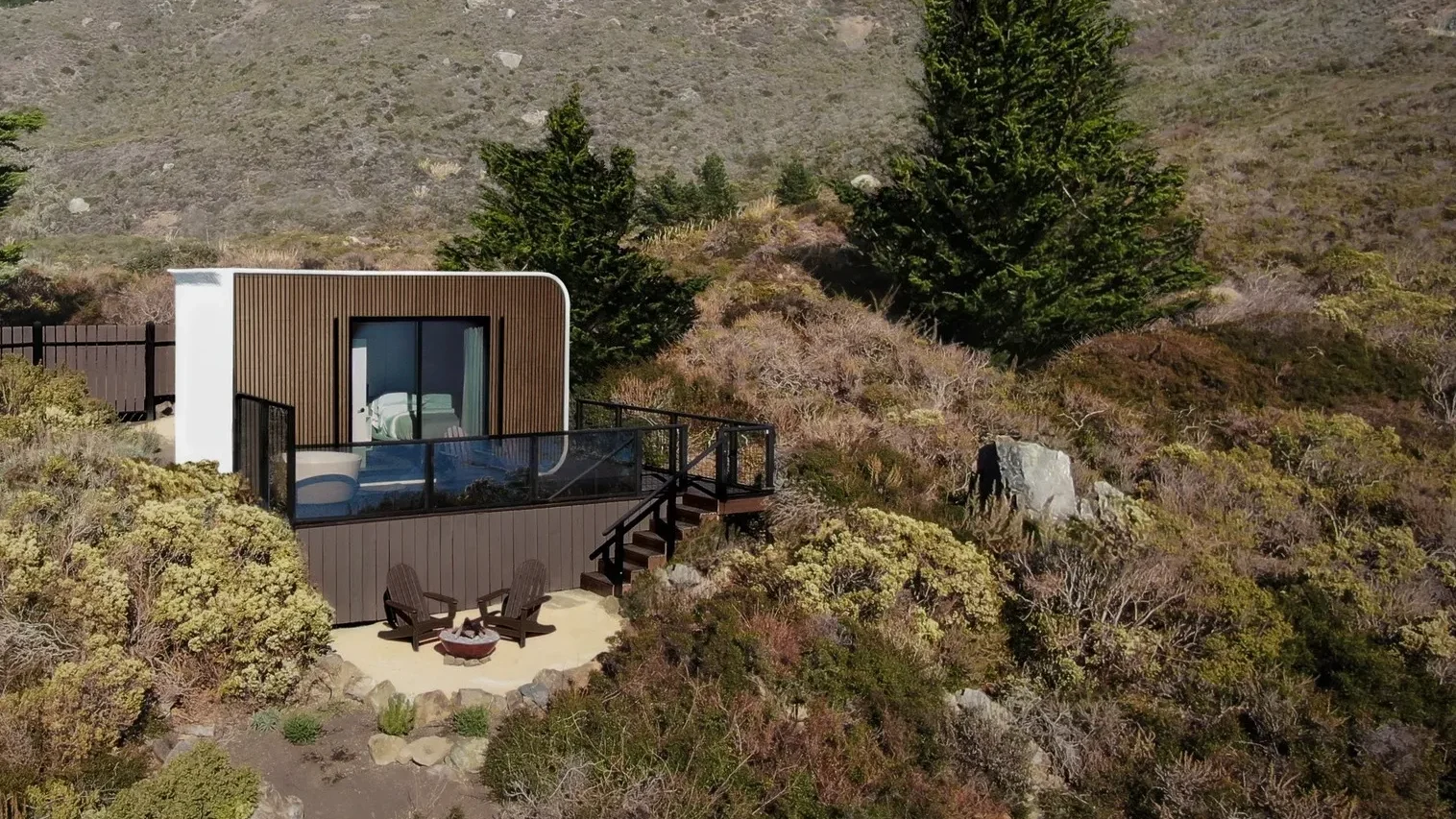
For many modular home projects, the land plays a major role in the overall investment. A home placed on a suitable property with proper planning can become part of a larger real estate strategy, whether it is used as a personal residence, an accessory dwelling unit, or an additional income-producing space.
We begin projects with a site assessment because every property has different opportunities and requirements. Understanding the location helps determine what type of structure makes sense, what approvals may be needed, and how the home can best fit the property.
Construction Quality and Materials
The quality of construction directly affects a home’s long-term value. Modular homes are produced in controlled factory environments, which can provide a more consistent building process compared with construction that takes place entirely outdoors.
Factory-based production helps protect the building process from certain weather-related delays and allows manufacturers to follow structured procedures for creating each component. The final result still depends on design choices, materials, installation, and maintenance.
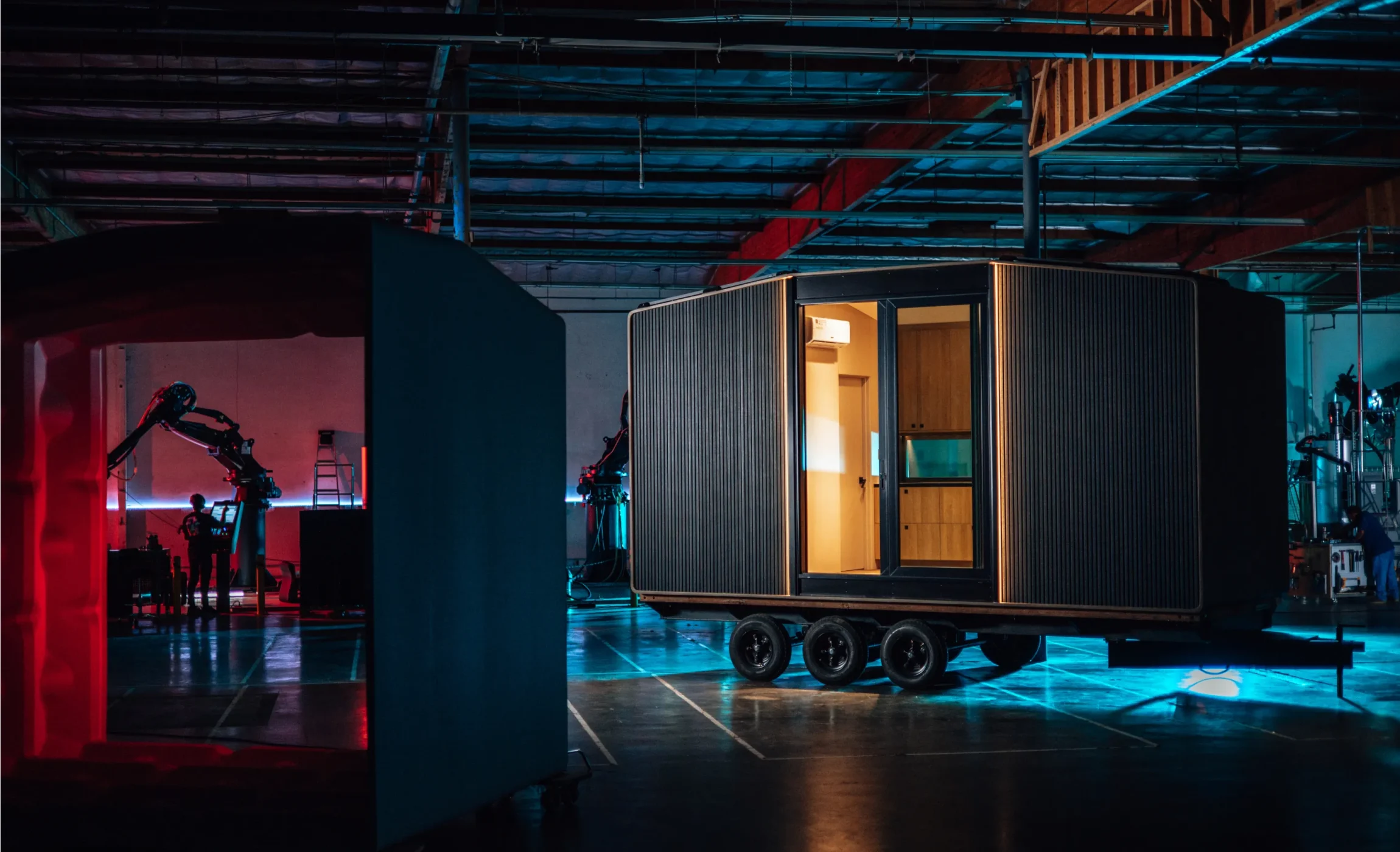
We use robotic 3D printing technology and recycled materials to create modular living spaces designed for modern housing needs. More than 60% of our print material comes from recycled plastic, and approximately 100,000 plastic bottles are recycled for every 120 sq ft of printed material. For projects where another structural approach is better suited, we also work with light gauge steel construction, which can be used for larger projects and homes in areas with specific building considerations.
Our focus is creating homes that combine efficient manufacturing with thoughtful design. Materials, construction methods, and installation all contribute to how a home performs over time.
Design, Customization, and Long-Term Usability
A home that continues to meet changing needs may have stronger long-term appeal. Buyers often look for spaces that are functional, adaptable, and suitable for different stages of life.
Modular construction can provide flexibility because homes are designed before manufacturing begins. This makes it possible to consider layouts, finishes, and features based on the intended purpose of the space.
We create customizable modular spaces rather than offering only fixed designs. Our team works with homeowners to adjust elements such as dimensions, layouts, finishes, and additional features. Depending on the project, customization can include options such as solar panels, heated floors, and different interior finishes.
This flexibility allows homeowners to create spaces that are designed around their needs instead of adapting their lifestyle to a standard layout.
Why Modular Homes Can Be a Smart Long-Term Housing Option
Modular homes continue to gain attention because they combine efficient construction methods with the ability to create personalized housing solutions.
Efficient Construction Process
One reason modular construction can provide value is the way the building process is organized. Factory production allows different parts of a project to move forward at the same time. While a home is being manufactured, site preparation can often take place at the property.
Our process begins with configuring the unit and understanding the project’s requirements. After the design is finalized, the home is robotically printed using recycled materials. We then complete finishes, electrical, plumbing, and interior elements before delivery and installation.
Our typical process includes:
- Configuring the unit based on the project needs.
- Printing the home using robotic manufacturing.
- Installing finishes, electrical, plumbing, and interior components.
- Delivering the completed unit.
- Installing the home on-site and connecting necessary services.
This approach helps create a more organized construction experience while reducing some challenges commonly associated with traditional building timelines.
Lower Construction Costs and Value Considerations
One reason buyers explore modular homes is the potential for more efficient construction costs. Factory production can reduce certain labor requirements and improve manufacturing efficiency.
However, lower construction costs do not mean lower value. The relationship between cost and appreciation depends on the final home, the property, and the local market. A well-designed modular home that meets residential needs, is properly installed, and is located in a desirable area can have long-term value similar to other types of housing.
Our models include different sizes and configurations so homeowners can choose a space that matches their goals, from compact ADUs to larger residential homes.
Energy Efficiency and Durability Features
Long-term value is also connected to how a home performs throughout its lifetime. Features that support comfort, durability, and lower maintenance needs can influence how attractive a property is to future buyers.
Our homes are designed with features such as:
- Floor, ceiling, and wall insulation
- Double-pane windows
- Materials designed to reduce risks associated with termites
- Single-piece walls, roof, and floor systems designed to reduce water intrusion risks
The specific features available depend on the model and project requirements, but the goal remains the same: creating functional spaces designed for everyday living.
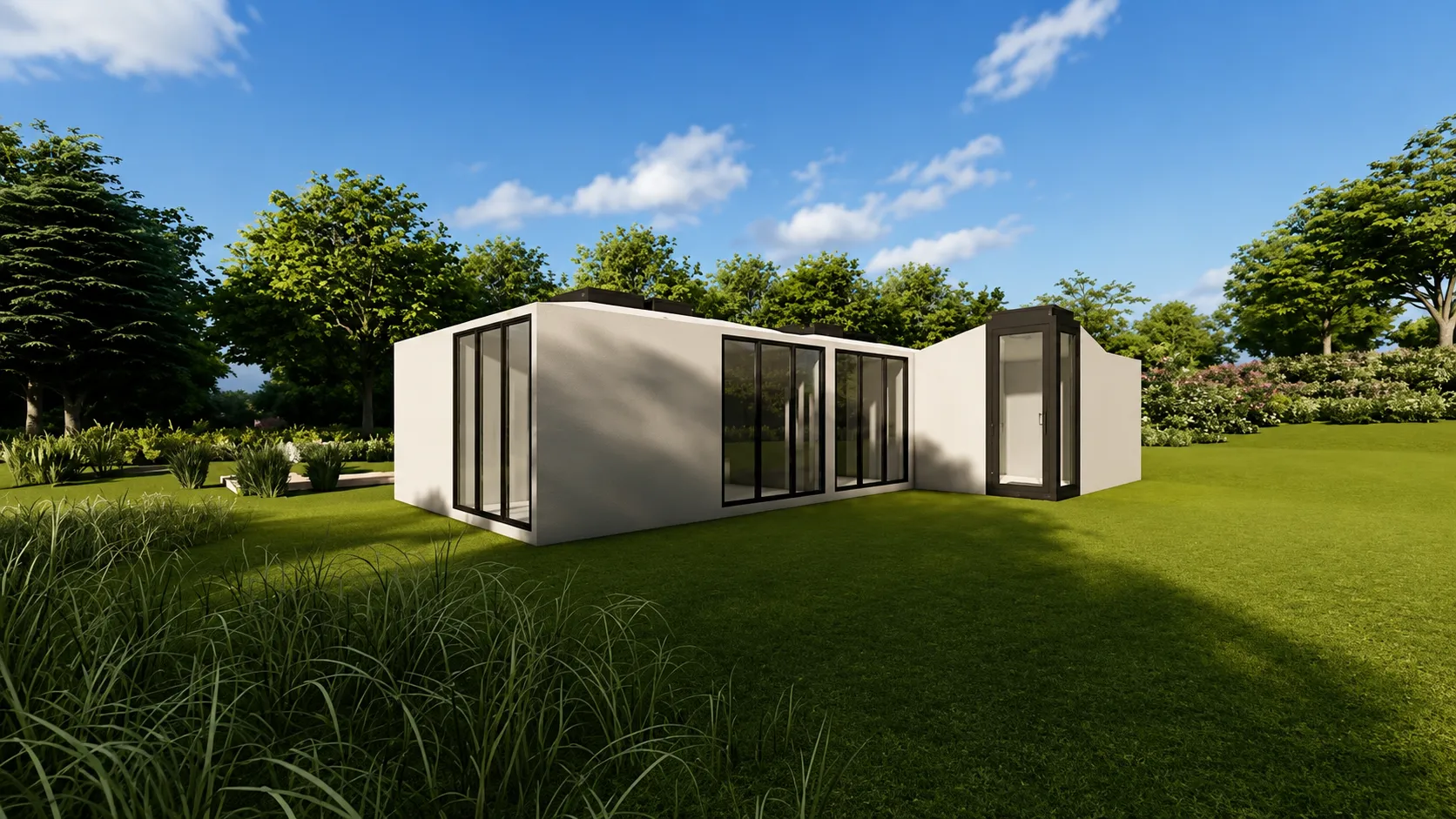
Factors That Can Affect a Modular Home’s Future Value
Like any residential property, a modular home’s long-term value depends on more than its construction method. The way the home is planned, installed, maintained, and adapted to changing needs can all influence how it performs over time. Understanding these factors helps homeowners make informed decisions and create a property that continues to provide value in the future.
Installation and Permits
Proper installation plays an important role in a home’s long-term performance. A modular home must be placed correctly, connected to necessary utilities, and completed according to applicable requirements.
We guide projects through steps such as site assessment, design development, and approval processes. We evaluate the property before construction begins to understand site conditions and project requirements.
A well-planned installation helps protect the home’s function and supports its long-term value.
Maintenance and Upgrades
Like any property, modular homes require regular maintenance. Keeping the home in good condition helps preserve its appearance, performance, and market appeal.
Homeowners may also choose upgrades over time based on changing needs. We offer customization options that can help create spaces suited for different uses, including upgraded finishes and additional features.
Market Demand
Housing needs continue to change, and demand for flexible living spaces has increased in many areas. ADUs, compact homes, and additional residential spaces can provide solutions for homeowners looking to make better use of their property.
The future value of any home depends on the relationship between the property and the local market. A modular home that meets current housing needs and is properly integrated into its location may have strong long-term potential.
Are Modular Homes a Good Investment?
Modular homes can be a valuable housing option for buyers who understand what influences appreciation. The construction method itself does not determine whether a home gains or loses value. Instead, factors such as location, quality, design, installation, and maintenance all contribute to long-term performance.
At Azure Printed Homes, we combine robotic 3D printing, recycled materials, and customizable modular designs to create spaces that support modern housing needs. From ADUs and compact homes to larger custom projects, our approach focuses on creating functional living spaces that can adapt to different uses.
For anyone considering a modular home as an investment, the most important step is evaluating the entire project, not just the building method. A thoughtfully designed and properly placed home has the potential to provide both immediate value and long-term benefits.
Conclusion
So, do modular homes appreciate? The answer depends on the same factors that influence the value of any property. A modular home can appreciate when it is located in the right market, built with quality materials, installed correctly, and maintained over time.
Modern modular construction provides new opportunities for creating efficient, customizable housing. At Azure Printed Homes, we continue developing modular living spaces that combine innovative manufacturing with practical residential design, helping homeowners create spaces built around their future needs.