When someone needs emergency housing, the question is usually very simple: where can I stay safely tonight?
In Albuquerque, the first step is not choosing a building or comparing housing models. It is getting connected to local emergency services, shelter intake, or Coordinated Entry. Those systems help people find an open bed, a temporary place to stay, or the next right person to speak with.
At Azure Printed Homes, emergency housing involves two immediate needs. People need support right away, including shelter, safety, food, transportation, case management, and clear next steps. Communities also need a faster way to add usable housing, so fewer people are left waiting for a place to stay.
Emergency housing starts with people. Emergency building helps create more places for them to land.
Start With Immediate Help
If you are in immediate danger, call 911. If you are not in danger but need shelter, housing support, food, transportation, or local service guidance in Albuquerque, call 311. You can ask where to go, what shelter options may be available, and how to connect with the right local resource.
For many people, the next step is Coordinated Entry. This is the local process used to connect people experiencing homelessness or housing instability with shelter, housing programs, and support services. You usually complete an assessment so providers can understand your situation and match you with the right type of help.
That assessment may ask about your current housing situation, safety, health needs, household size, income, and other details. It can feel personal, especially when you are already stressed. But it helps providers understand what kind of support you may need.
This is also where it helps to be very clear about your situation. If you have children with you, say that early. If you are a veteran, mention it. If you are between 18 and 24, ask whether there is youth-specific support. If you are fleeing an unsafe home, say that you have a safety concern. The more accurate the first conversation is, the easier it is for someone to point you in the right direction.
What To Ask When You Call Or Visit
Try to ask direct questions. It makes the conversation easier and helps you avoid getting passed around without answers.
Useful questions include:
- Do you have shelter beds available tonight?
- Where do I complete a Coordinated Entry assessment?
- What should I bring with me?
- Is transportation available?
- What time should I arrive?
- Can I bring my belongings?
- Are there options for families, youth, veterans, or people with medical needs?
- Are pets allowed, or is there a pet support option?
- Who should I follow up with tomorrow?
If you can, write down the names, phone numbers, addresses, hours, and next steps you are given. In a crisis, it is easy to forget details. Even a quick note in your phone can help you avoid starting over every time you speak with someone new.
What To Bring If You Have It
Do not wait to ask for help just because you do not have every document. Still, paperwork can make the next steps easier.
Bring what you can:
- Photo ID
- Birth certificates
- Social Security cards or numbers
- Insurance or Medicaid cards
- Eviction notice or court papers
- Proof of income, if any
- Medical documents
- Phone charger
- Medications
- Emergency contact information
If you do not have these items, still ask for help. People lose documents all the time during housing crises. A shelter worker, case manager, or housing navigator may be able to help you figure out what can be replaced and what can wait.
Understand The Difference Between Shelter and Housing
Emergency shelter and long-term housing are not the same thing.
Emergency shelter is for immediate safety. It may provide a bed, meals, showers, storage, transportation, and a case manager who can help you plan the next step. It is meant to help with the crisis in front of you.
Longer-term housing support may include Rapid Re-Housing, supportive housing, rental help, or other programs. These options usually take more time. They may depend on eligibility, available funding, documentation, and open housing units.
That can be frustrating, especially when the need feels urgent. But knowing the difference helps. A shelter may help you tonight. Coordinated Entry may help you get connected to longer-term housing support. Case management can help with documents, benefits, applications, health care, and rental searches.
Emergency housing is often a step-by-step process, not one single door. The first door may lead to a shelter bed. The next may lead to an assessment. After that, you may be connected to a housing program, a case manager, or another provider. It can feel slow, but each step can matter.
If You Are at Risk of Losing Housing
Do not wait until the last night if you can avoid it. If you have an eviction notice, a court date, a shutoff notice, or a landlord asking you to leave, call 311 and ask about prevention help, rental assistance, legal aid, or housing support.
Many people become homeless after couch surfing, family conflict, a breakup, job loss, medical bills, or a rent increase they cannot cover. If you still have a temporary place to stay, say that clearly. You may still need help before the situation becomes an emergency.
Early action can keep more options open. It may give you time to ask about rent support, mediation, legal help, family shelter, or another temporary plan.
If One Place Cannot Help
A full shelter does not mean there is no help anywhere. Ask where else to call or go. Ask whether there is a different access point for your household type. Ask whether there are daytime services, meals, showers, transportation, or case management available while you wait.
You may have to repeat your story more than once. That is tiring, and honestly, it should be easier than it often is. But do not let one closed door become the end of the search. Keep notes, keep asking, and keep following up.
How Emergency Building Can Help Albuquerque
For someone who needs shelter tonight, the answer is local services first. A modular home will not solve the immediate moment. But for Albuquerque as a community, the bigger question is this: how do we create more safe housing options before the next crisis?
That is where emergency building matters.
Traditional construction can take a long time. Site work, permits, labor schedules, materials, inspections, weather, and budgets can all slow a project down. When people are waiting for housing, those delays have real consequences.
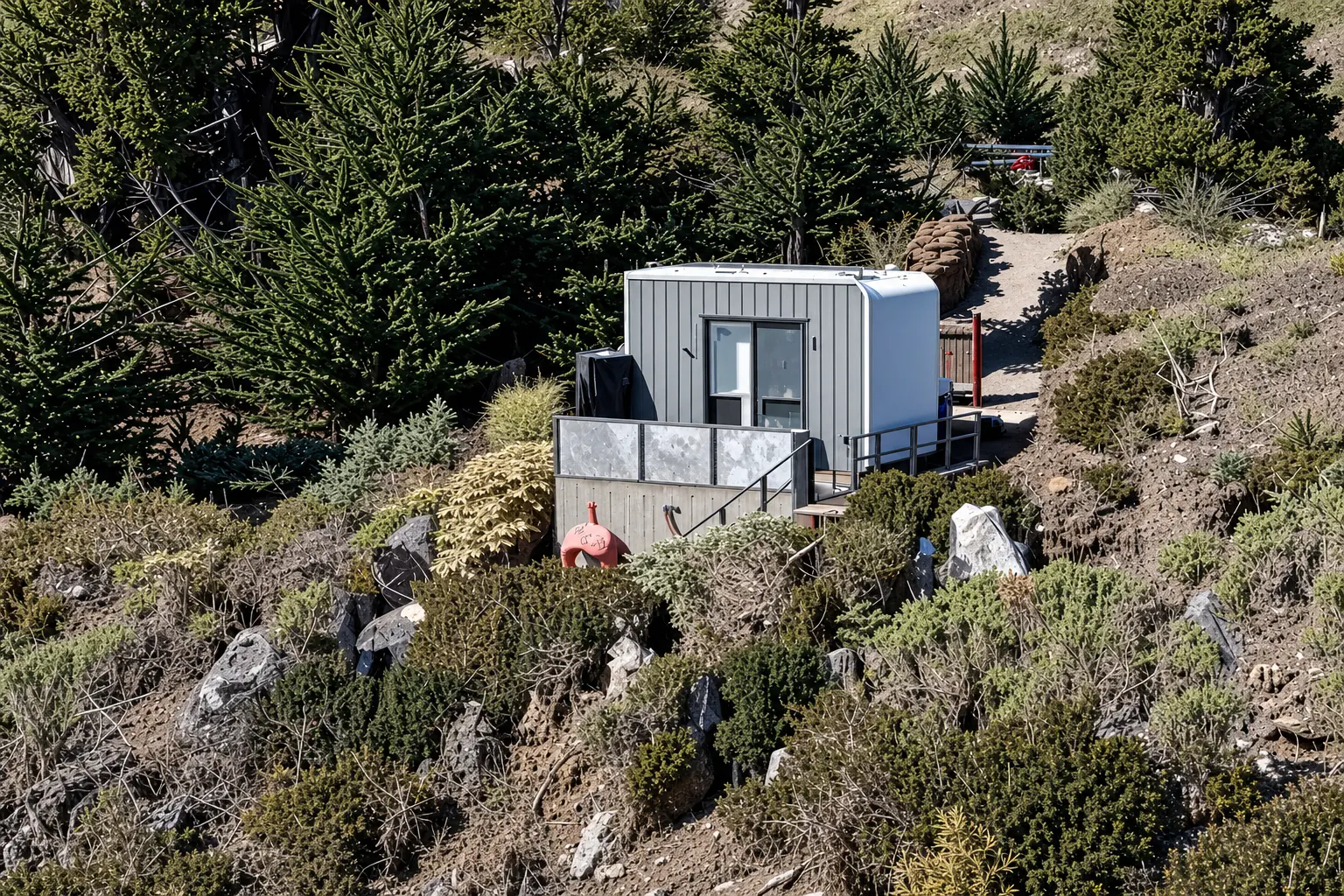
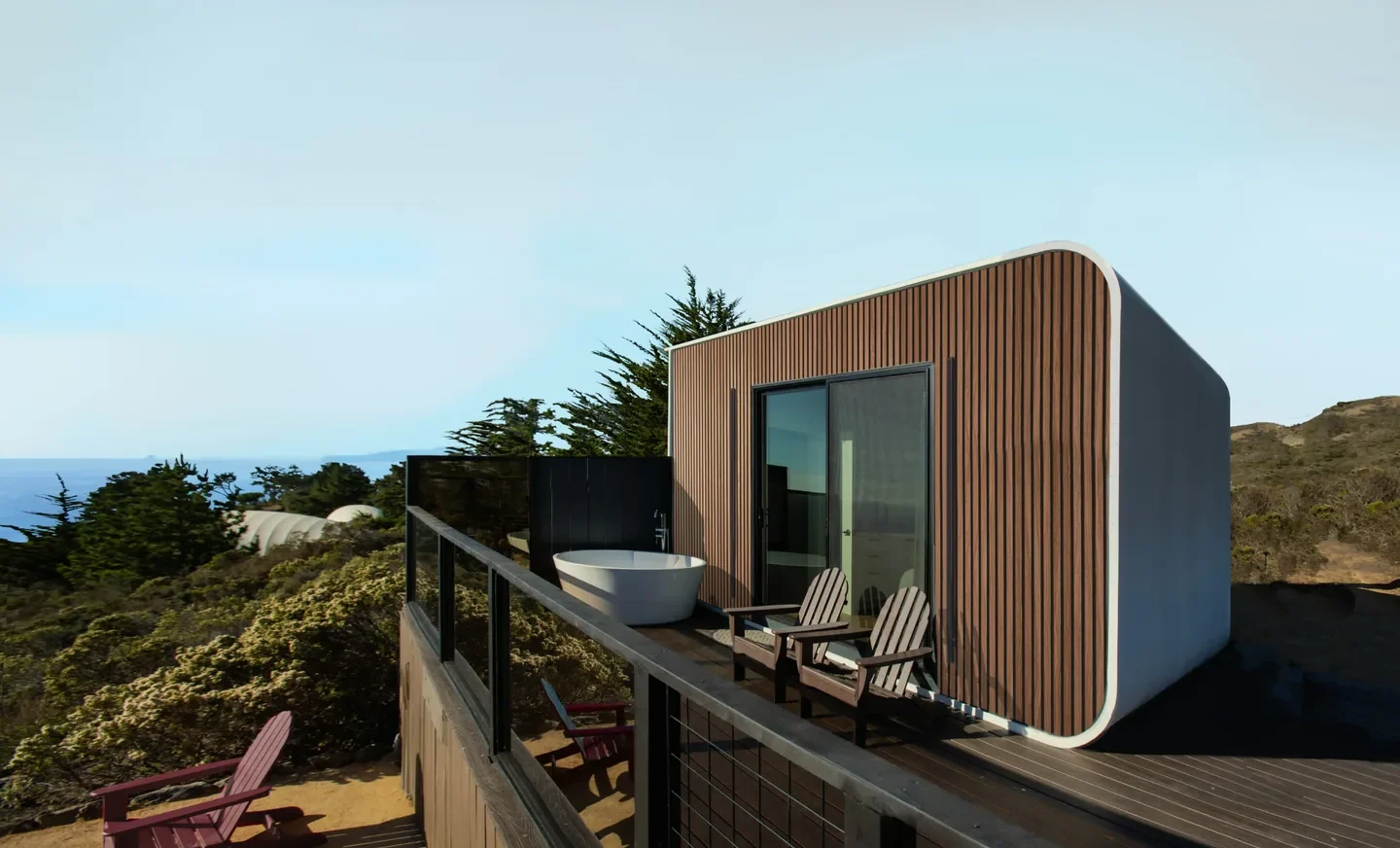
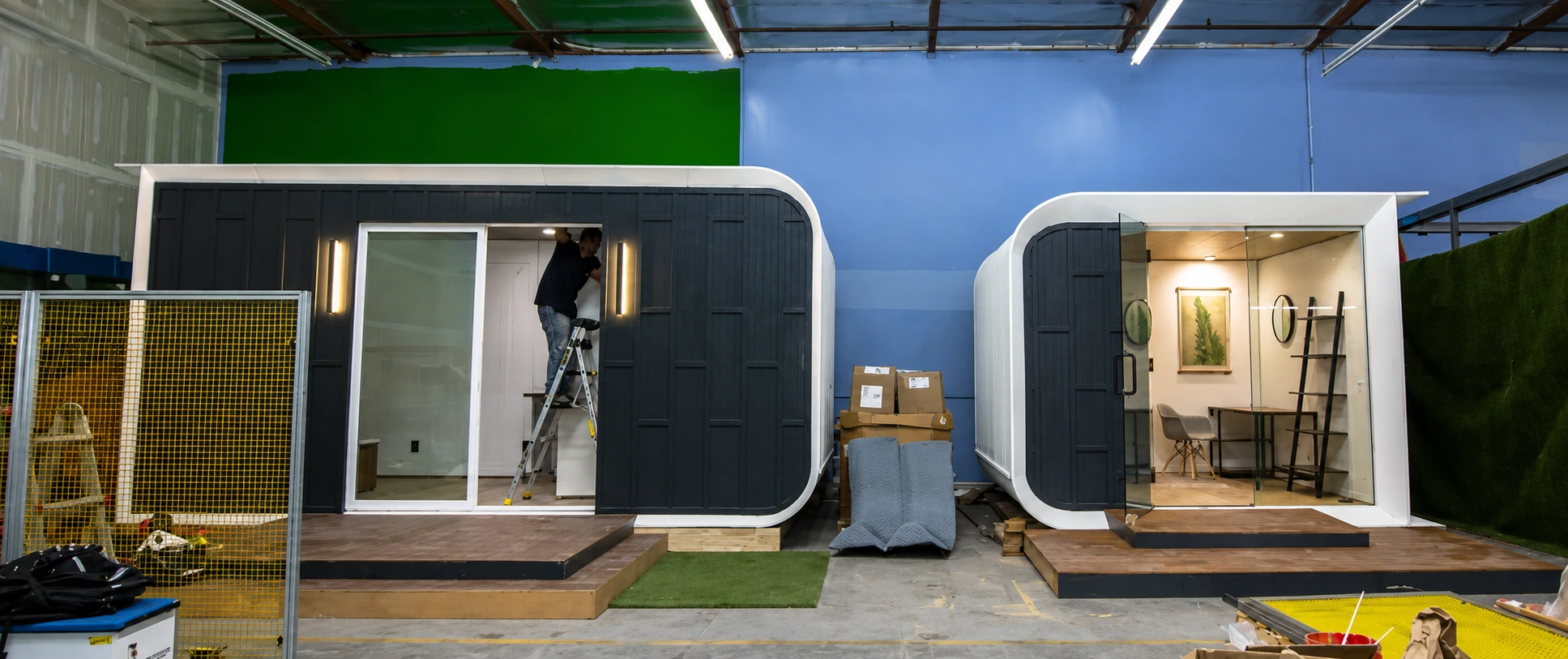
At Azure Printed Homes, we use robotically printed construction, recycled materials, and factory-controlled fabrication. Our homes and structures are made off-site, then delivered and installed when the site is ready. That helps make construction more predictable, reduce waste, and support faster deployment.
For emergency housing, this kind of building can support:
- Temporary shelter units
- Transitional housing
- Small homes for people moving out of homelessness
- Support spaces for case managers or staff
- Family overflow units
- Rapid housing after displacement or disaster
- Repeatable housing for larger community programs
The building is only one part of the answer. Emergency housing also needs land, utilities, permits, transportation, services, safety planning, maintenance, and a clear path into stable housing. A fast unit without a good plan around it will not do enough.
The goal is not to place people in a structure and call the problem solved. The goal is to create housing that is safe, practical, and connected to support. People need privacy. They need rest. They need a place to charge a phone, keep belongings safe, meet with a case manager, and take the next step without starting from zero every morning.
Matching the Right Model to the Need
Different housing needs call for different spaces. A small support building, a mobile shelter unit, and a longer-term residential space should not be planned the same way. The right model depends on the site, the timeline, the people being served, and the level of support needed around the housing.
Studio Series For Support Spaces
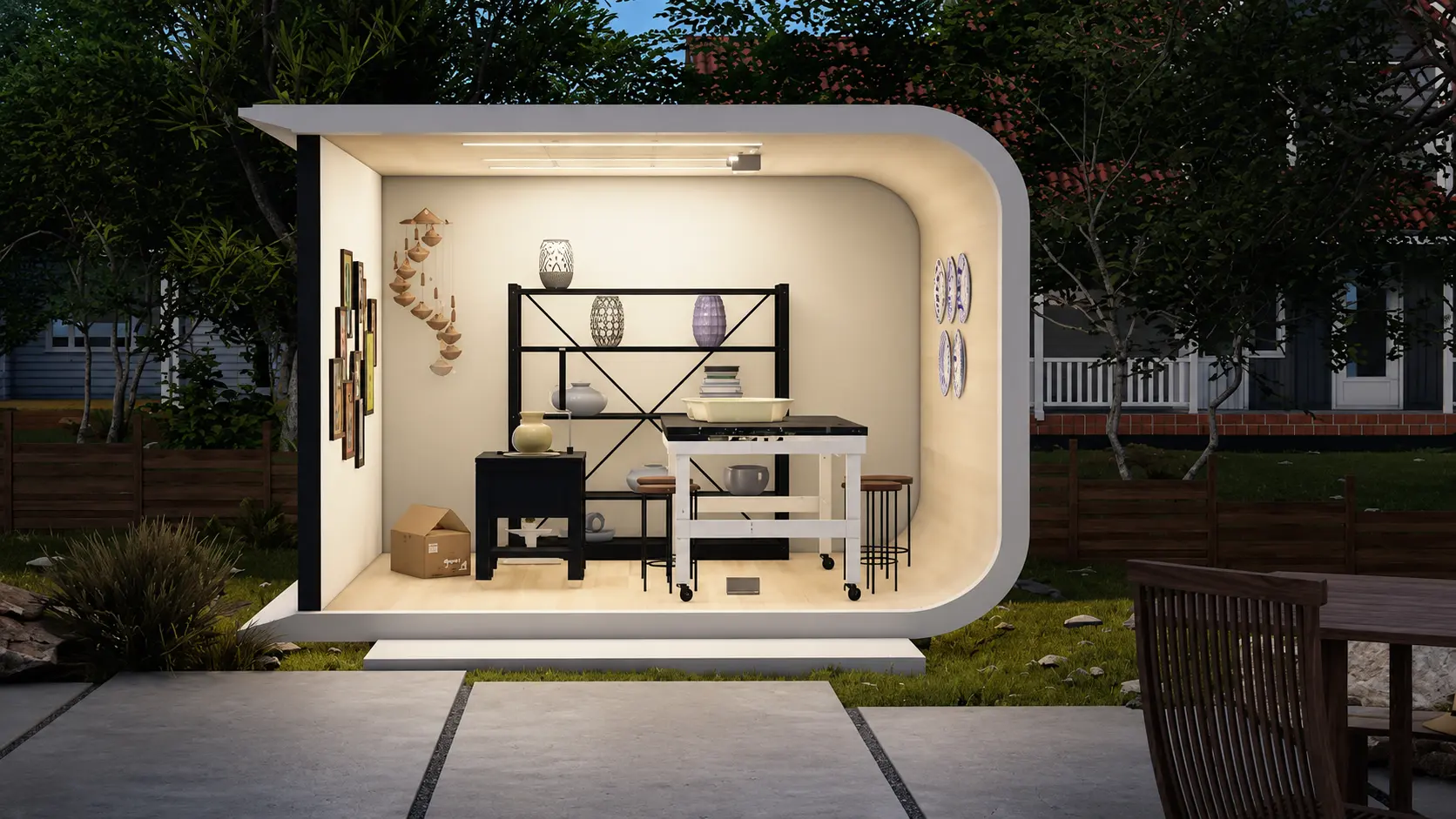
Our Studio Series can support compact, flexible buildings for offices, intake rooms, staff areas, or support spaces around a shelter site. These models are not meant to solve every housing need, but they can help create useful space quickly around a larger emergency housing program.
X Series for Flexible Placement
Our X Series Homes on Wheels are built for mobility and comfort. They can make sense where a community needs flexible placement and local rules allow that use. Mobility can be helpful for temporary programs, phased projects, or sites that may change over time.
Homes & ADUs for More Complete Living Space
Our Homes & ADUs offer larger residential-style layouts. These may work better for transitional housing, supportive housing, family housing, or longer-term emergency housing programs. They require more planning around site work, utilities, permits, access, and installation, but they also offer more complete living space.
Professional Building Systems for Larger Programs
For larger projects, our professional building systems can support developers, architects, and general contractors with repeatable components, off-site fabrication, and scalable construction planning. That can matter when the need is not one unit, but a full program.
The goal is not just to build fast. The goal is to build spaces that are safe, useful, and connected to real support.
Planning The Site Before The Unit Arrives
A fast-built unit still needs a ready site. This part can decide whether an emergency housing project works well or gets stuck.
Before placing units, a city, nonprofit, landowner, or developer needs to think through the basics:
- Is the land legally available for this use?
- Can emergency vehicles access the site?
- Are water, sewer, and power available?
- Is there safe transportation nearby?
- Can residents reach food, health care, schools, and services?
- Is the site graded for drainage?
- What permits are required?
- Who will operate and maintain the housing?
- What happens if the program needs to expand?
This is not the glamorous part of emergency housing, but it is the part that makes the housing livable. A good structure on the wrong site can still fail. A well-planned site gives people a better chance at stability.
Final Thoughts
If you need emergency housing in Albuquerque right now, start with immediate local help. Call 911 if you are in danger. Call 311 if you need shelter guidance or service referrals. Ask about Coordinated Entry. Be clear about your situation, especially if you have children, are a young adult, are a veteran, or are at risk of eviction.
If you are planning emergency housing for a community, the work looks different. You need land, approvals, utilities, services, operations, and a building method that can move faster without treating people like an afterthought.
Emergency housing should be practical, safe, and built with dignity in mind. People need somewhere to go tonight. Communities also need smarter ways to create the next place, faster.
That is the bigger picture. Immediate help matters first. But emergency building matters too, because a city cannot shelter people tomorrow with housing it never had time to build.