Finding affordable housing in New Jersey can feel overwhelming, especially with high demand and long waiting lists. But understanding how the application process works can make it much easier to navigate. Whether someone is looking for a lower-cost apartment, a rental assistance voucher, or an accessible home that better meets their needs, knowing where to start is often the biggest hurdle.
This guide explains how affordable housing works in New Jersey, who may qualify, and how to apply to improve chances of receiving assistance.
Understanding Affordable Housing in New Jersey
Affordable housing is designed to help individuals and families whose incomes make market-rate housing difficult to afford. Many housing experts recommend spending no more than 30% of household income on housing costs, and many assistance programs are structured around that guideline.
New Jersey offers several types of housing assistance, including:
- Affordable rental housing
- Subsidized housing
- Public housing
- Housing Choice Vouchers (Section 8)
- Housing for seniors
- Housing for people with disabilities
- State and federally funded rental assistance programs
Some programs reduce monthly rent directly, while others provide rental vouchers that help pay a portion of the rent in qualifying apartments. Because demand is significantly higher than the available housing supply, waiting lists are common across nearly every program.
Who Can Apply?
Eligibility depends on the specific housing program, but applications are commonly evaluated based on factors such as:
- Household income
- Family size
- Age
- Disability status
- Veteran status
- Citizenship or eligible immigration status
- Current housing situation
Each housing authority or property manager may have slightly different requirements, so applicants should always review the eligibility criteria before submitting an application. Some programs also give preference to applicants who meet specific conditions, which can improve placement on a waiting list.
Affordable Housing Programs Available
New Jersey offers several housing assistance options, each serving different needs.
Affordable Rental Housing
Affordable rental developments typically offer below-market rents for households that meet income requirements. These properties may be financed through federal or state affordable housing programs and often include apartments for families, seniors, or individuals with disabilities.
Public Housing
Public housing is owned and managed by local housing authorities. Rent is generally based on household income, making it an option for people with limited financial resources.
Housing Choice Voucher Program (Section 8)
The Housing Choice Voucher Program allows eligible households to rent qualifying housing from private landlords while receiving rental assistance. Applicants are not limited to one apartment complex. Instead, they can search for housing that meets the program’s requirements after receiving a voucher.
Specialized Housing Programs
New Jersey also offers specialized assistance for certain groups, including:
- Veterans
- Non-elderly adults with disabilities
- Individuals transitioning from institutions into community living
- Seniors
- People receiving supportive housing services
Each program has its own application process and eligibility standards.
How to Apply for Affordable Housing
Although application requirements vary, the overall process follows several common steps.
1. Determine Eligibility
Before applying, applicants should review the income limits and program requirements for each housing opportunity. Income limits may vary by county, household size, and the specific funding source.
2. Gather Required Documents
Many applications require supporting documentation, including:
- Government-issued identification
- Social Security numbers
- Income verification
- Tax returns or pay stubs
- Bank statements
- Proof of residency
- Documentation of disability or veteran status, if applicable
Preparing these documents ahead of time can help prevent delays.
3. Apply to Multiple Programs
One of the most practical strategies is submitting applications to multiple affordable housing opportunities. Because waiting lists vary by location and program, applying to several options increases the likelihood of receiving assistance sooner.
Applicants should not limit themselves to a single property or housing authority if additional opportunities are available.
4. Monitor Waiting Lists
Affordable housing applications often remain active for months or even years. Applicants should:
- Update contact information whenever it changes.
- Respond quickly to requests for additional documentation.
- Renew applications if required.
- Check the waiting list status periodically.
Missing a deadline or failing to respond can result in removal from the waiting list.
Looking Beyond Rental Assistance
Affordable housing can provide important stability, but many people eventually begin exploring long-term homeownership. New construction methods are creating new possibilities for buyers who want a home that is efficient, customizable, and built on a faster timeline.
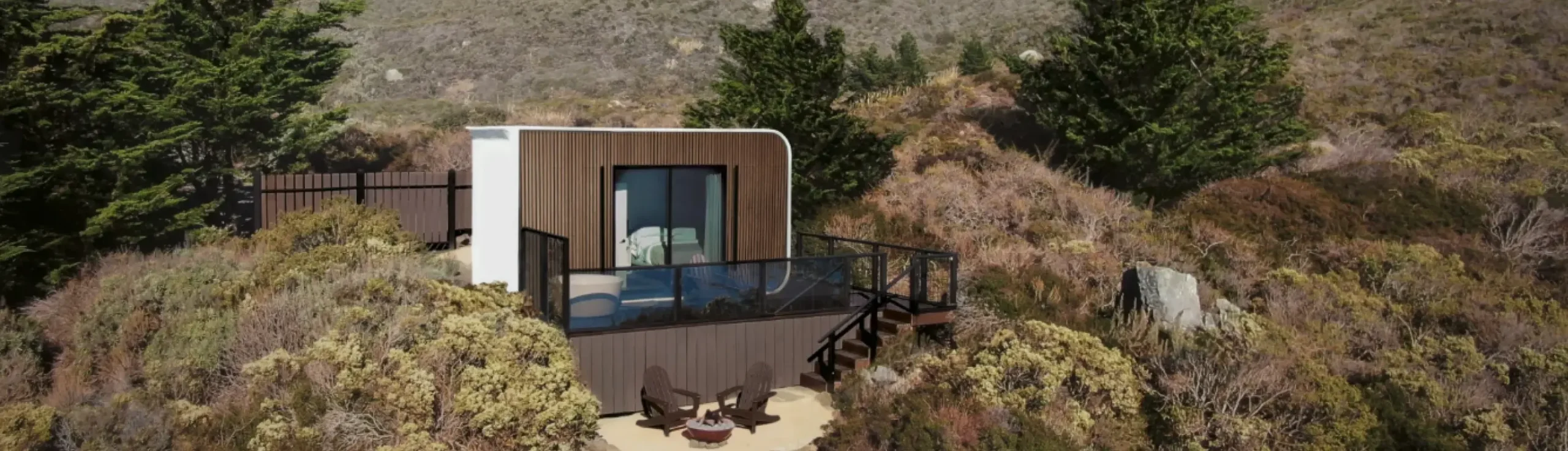
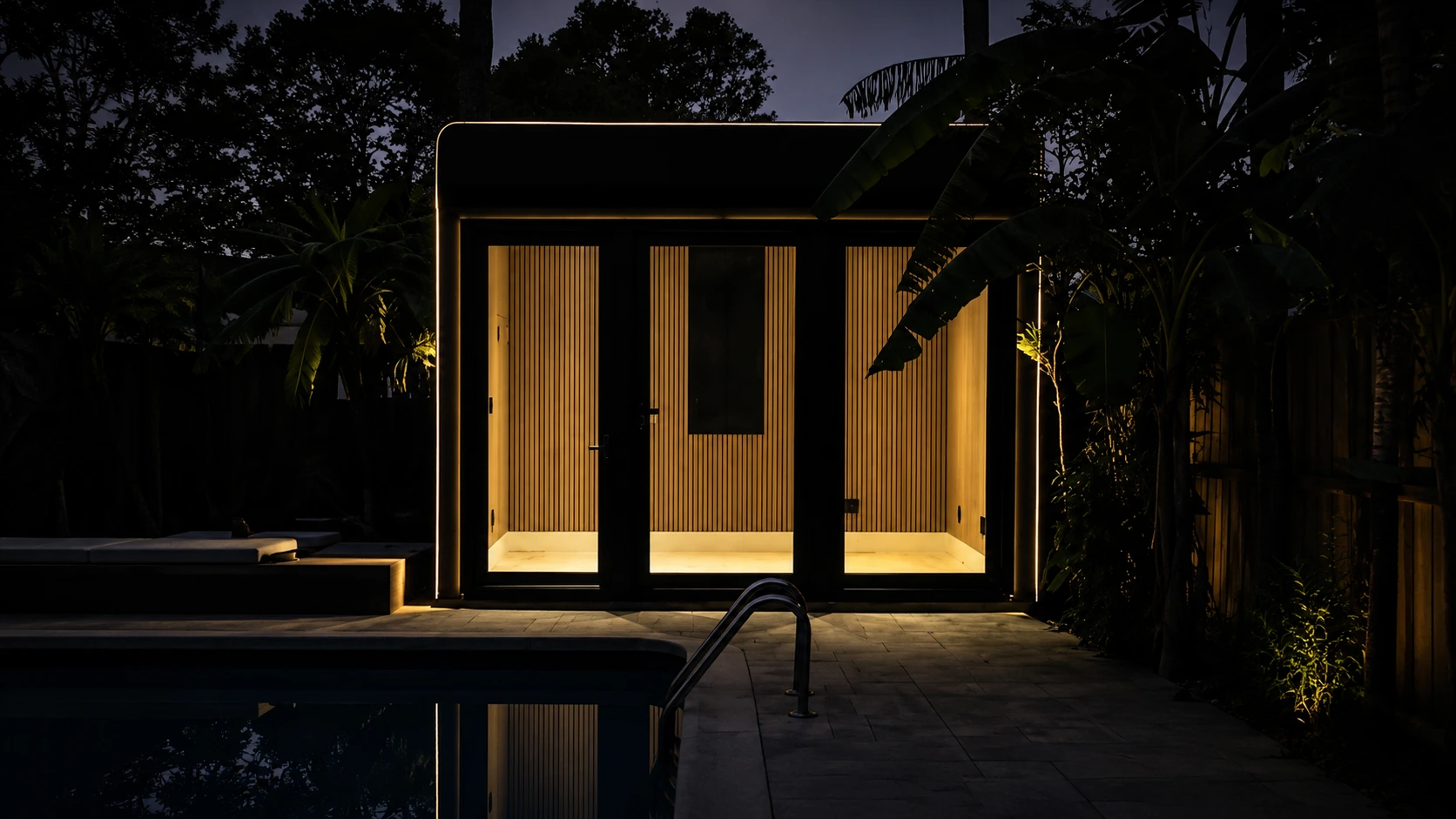
At Azure Printed Homes, we design and manufacture future-focused modular living spaces that combine robotic construction with recycled materials. A buyer can configure a unit, and we robotically print the structural shell in as little as one day using recycled plastic materials. We then complete the electrical, plumbing, and interior finishes in our factory before delivery, helping simplify the overall construction process.
Our product lineup includes studio models, ADUs, and larger homes, allowing buyers to choose a size that fits their property and future plans. Every project follows a structured process, from configuration and fabrication through delivery and installation, making it easier to understand what comes next at each stage.
For homeowners considering an accessory dwelling unit, a backyard studio, or a primary residence after renting, modular construction offers an alternative that focuses on efficiency, customization, and sustainability.
Why Modular Construction Can Be a Smarter Housing Choice for NJ
Modular construction is becoming a more practical option for people who want greater control over cost, design, and timing. Instead of completing every stage outdoors at the building site, much of the work takes place in a factory environment, where materials, systems, and finishes can be handled through a more organized production process.
Fast and Predictable Production
One of the main benefits of modular construction is speed. Traditional construction can be affected by weather, subcontractor availability, material delays, and changing site conditions. Factory production helps reduce some of these interruptions because several stages can take place in a controlled environment.
For our printed models, we can complete the robotic printing stage in approximately one day, while interior finishes may take from four to 15 days depending on the unit. Delivery generally takes one to two days, followed by approximately one to four days for on-site installation.
Competitive Starting Prices
Modular construction can also offer a more approachable entry point than many custom site-built projects. Buyers can begin with a compact studio, choose an ADU for an existing property, or select a larger home based on space requirements and budget.
Our starting prices include:
- N100 from $24,900
- A/D/C-100 from $24,900
- A/D/C-120 from $29,900
- A-180 from $49,900
- A-360 from $89,900
- A-540 from $134,900
- A-720 from $174,900
- A-900 from $219,900
These starting prices cover the manufactured unit, while site work, foundations, permits, delivery, utility connections, and certain upgrades may be separate. Looking at the complete project cost is important, but a clearly priced model range makes it easier to compare options before design work begins.
Flexible Design and Model Options
Modular housing is not limited to one type of buyer or one type of property. It can work for a backyard studio, an accessory dwelling unit, a compact primary residence, a larger family home, or a home on wheels.
We offer multiple sizes and layouts so buyers can choose a model that suits the available lot and intended use. Floor plans, dimensions, orientation, finishes, and selected features may be adjusted depending on the project. Larger custom designs can also include elements such as multiple stories, balconies, and elevators.
Delivery Across the United States
Location is an important consideration when choosing a modular home. Buyers often assume factory-built housing is only available near the manufacturer, but that is not necessarily the case.
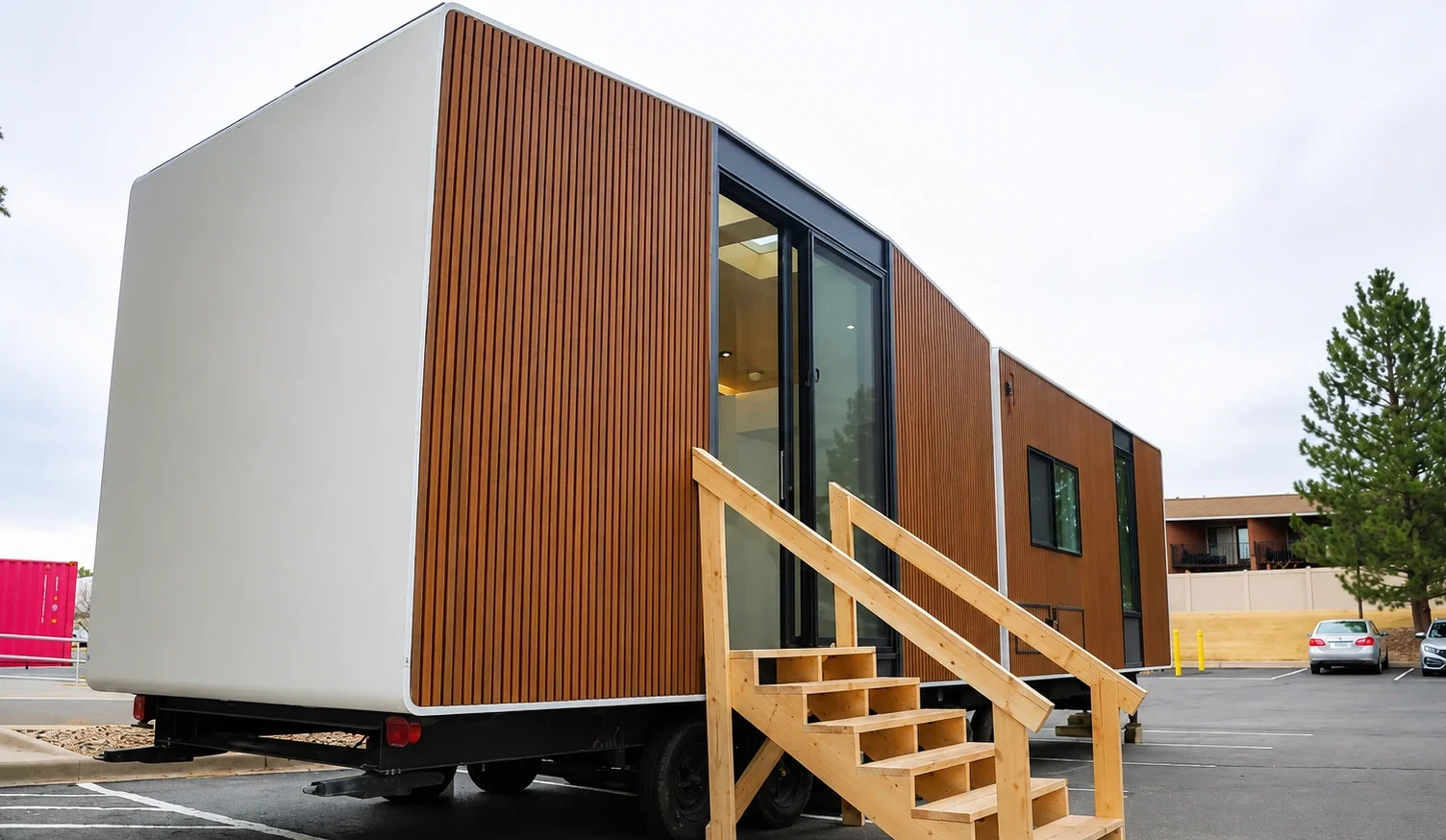
We can deliver our homes throughout the United States, including New Jersey. Units are transported by flatbed truck and arrive ready for installation after the necessary site preparation has been completed.
For New Jersey homeowners, this means access to the same future-focused modular living spaces without needing a local manufacturing facility. Whether the project involves a backyard studio, an ADU, or a larger modular home, delivery is integrated into the overall process, making it easier to plan each stage from production to installation.
Sustainable Use of Recycled Materials
Modular construction can reduce waste by using a repeatable factory process, but the building material itself also matters.
For our structures, we use a material containing more than 60% recycled plastic. Approximately 100,000 plastic bottles are repurposed for every 120 square feet of construction. This gives plastic waste a new use while supporting a precise robotic manufacturing process.
The recycled-plastic system is commonly suited to studios and ADUs. For projects in high fire hazard severity zones or for certain larger structures, light gauge steel may be the more appropriate option. We use robotically formed steel for these applications, allowing the material system to be selected according to the location and project requirements.
Ten-Year Structural Warranty
A warranty can provide useful protection after delivery. We warrant to the original purchaser that a backyard studio or ADU will be free from defects in materials and workmanship upon delivery.
We will repair or replace components that do not provide reasonable service under normal residential use for 10 years from the date of purchase. Buyers should still review the full warranty terms and coverage conditions before purchasing, but the 10-year period provides a clear level of post-purchase protection.
Energy Efficiency and Long-Term Performance
Energy efficiency is another important consideration when comparing housing options. A well-insulated modular structure can help maintain indoor comfort while reducing unnecessary energy loss.
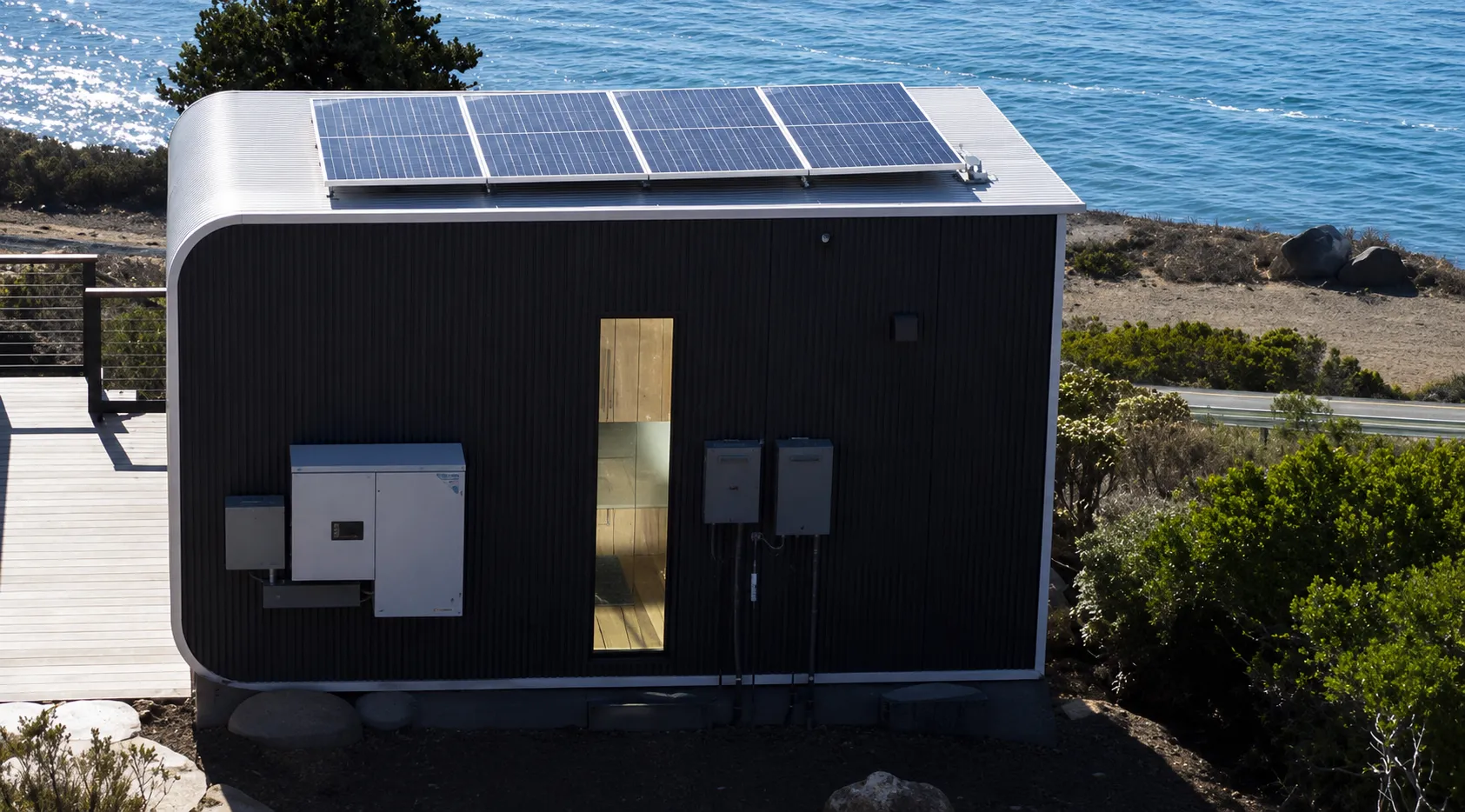
Our units include insulated floors, walls, and ceilings, along with double-pane windows. The one-piece printed wall, roof, and floor system is also designed to limit areas where water can enter the structure.
These features support everyday performance, but they also make the home easier to evaluate as a complete system. Instead of combining many unrelated components on-site, the structure, insulation, windows, and finishes are planned as part of one manufacturing process.
A Clearer Path From Design to Installation
Perhaps the biggest advantage of modular construction is not a single feature. It is the way the full process is organized. With us, the path generally includes:
- Initial project assessment
- Site assessment
- Design configuration
- Permitting or required approvals
- Factory production
- Delivery
- Installation and utility connection
Each stage has a defined purpose, which helps buyers understand what has been completed and what still needs attention. For someone moving from rental housing toward ownership, that clarity can make a major project feel less uncertain and easier to plan.
From Studios to Family Homes: Modular Options to Consider
One of the biggest advantages of modular construction is flexibility. Buyers are not limited to a single home type, footprint, or use. A modular project can create extra space on an existing property, support multigenerational living, provide a compact primary residence, or become a larger custom home designed around a specific site and lifestyle.
The right option depends on several factors, including available land, household size, local zoning rules, budget, intended use, and long-term plans. Some homeowners need a small backyard studio for work or guests. Others are looking for a fully equipped ADU, a permanent residence, or a custom design that goes beyond a standard floor plan.
We offer future-focused modular living spaces across studio, ADU, home, and custom categories. Buyers can start with an established model or work with us on a more tailored design when the project requires different dimensions, layouts, features, or architectural elements.
| Product Category | Best For | Azure Options |
| Studio Series | Home offices, guest spaces, creative studios, compact living, and backyard additions | N100, A/D/C-100, A/D/C-120 |
| Accessory Dwelling Units | Multigenerational living, independent family accommodation, rental space, and expanding an existing property | A-360, A-540 |
| Primary Homes | Full-time living for individuals, couples, and families | A-720, A-900 |
| Custom Homes | Buyers who need a unique footprint, larger layout, specialized features, or a design shaped around the property | Custom projects up to approximately 3,000 sq. ft., with options that may include modified dimensions, multi-story layouts, balconies, and elevators |
Tips for Choosing the Right Housing Solution
Every buyer’s situation is different, so choosing the right housing option starts with understanding both current needs and future goals.
Consider the following questions:
- Will the home serve as a primary residence or additional living space?
- Does the property allow an ADU or modular home under local zoning regulations?
- How much customization is important?
- Is construction speed a priority?
- What level of long-term maintenance is expected?
- Are energy efficiency and sustainable materials important factors?
It is also helpful to evaluate the complete project rather than focusing only on the home itself. Site preparation, utility connections, permitting, delivery, and installation all contribute to the overall timeline and budget.
We guide buyers through each stage, from configuring the design to fabrication, delivery, and installation. By providing a structured process and multiple product categories, we help homeowners find a solution that fits both their property and their long-term plans.
Conclusion
Applying for affordable housing in New Jersey requires patience, organization, and persistence. Understanding eligibility requirements, preparing documentation, applying to multiple programs, and keeping applications up to date can all improve the chances of securing housing assistance.
For many households, affordable rental housing provides an important first step toward greater financial stability. As housing needs change over time, options such as modular homes, ADUs, and innovative construction methods can provide additional opportunities for those planning their next move.
Whether someone is searching for rental assistance today or exploring future homeownership, taking informed steps now can make the path toward stable housing much clearer.