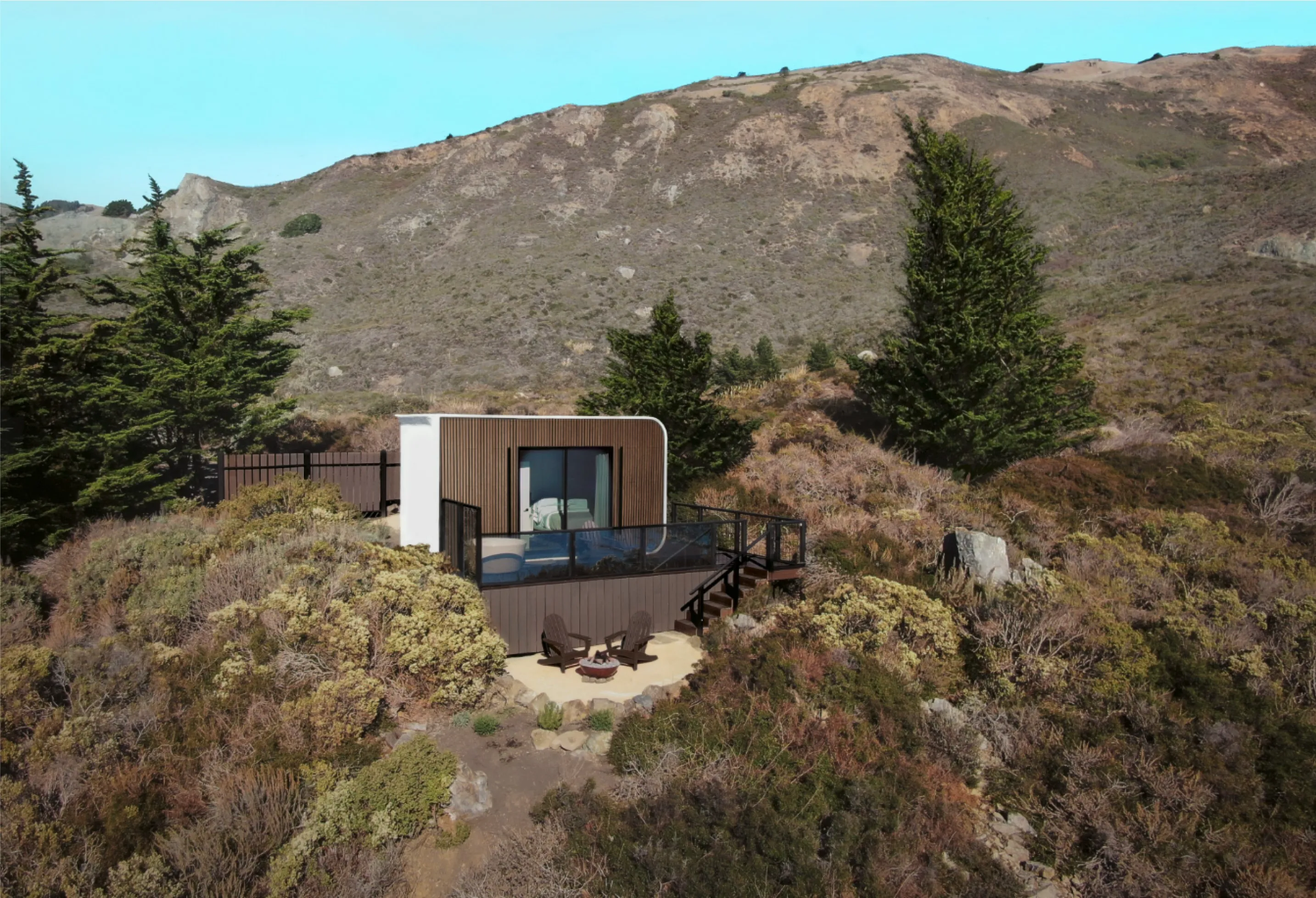
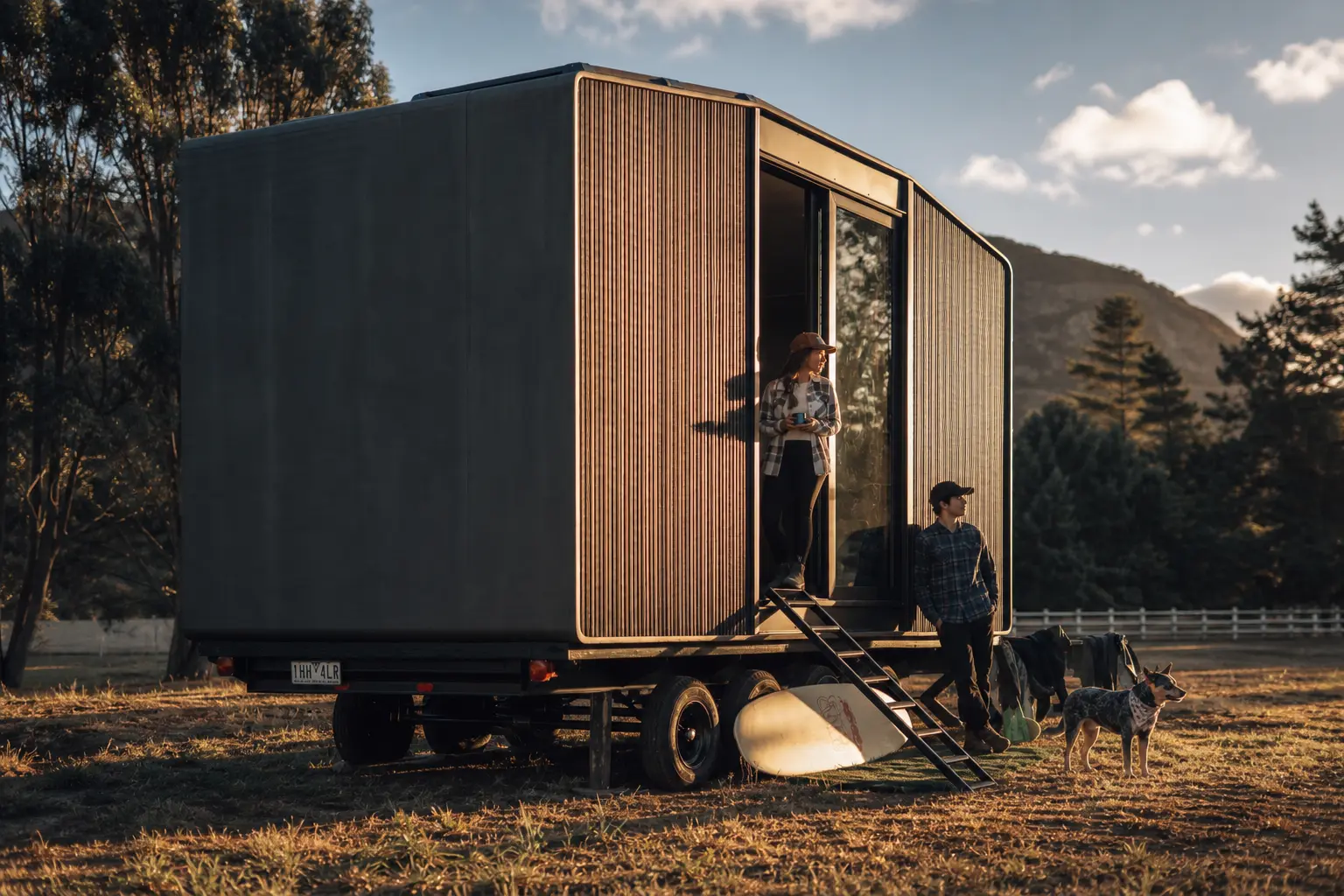
Portable cabins and tiny homes both offer a smarter way to create usable space without building a traditional house. A portable cabin is usually designed as a simple, movable structure for practical use.
The best choice depends on how the space will be used. A backyard office has different needs than a guest suite. A weekend retreat is different from a full-time tiny home. A rental unit, glamping cabin, or home on wheels may also follow different rules depending on the location.
At Azure Printed Homes, we create 3D-printed modular living spaces for many of these uses, including studios, ADUs, tiny homes, homes on wheels, backyard spaces, and hospitality units. Our goal is simple: make compact living more modern, efficient, and practical.
What Portable Cabins and Tiny Homes Actually Are
Portable cabins and tiny homes are both compact structures, but they are typically designed for different purposes.
A portable cabin is usually a small, moveable building created to add usable space to a property. Portable cabins are commonly used as backyard offices, guest rooms, creative studios, wellness spaces, glamping accommodations, workshops, or retreat areas. Depending on the design, they may be simple open spaces or include insulation, electrical systems, climate control, and interior finishes.
A tiny home is a compact dwelling designed to support everyday living. In addition to providing usable space, a tiny home often includes features such as a kitchen, bathroom, sleeping area, storage, and utility connections. Some tiny homes are installed on permanent foundations, while others are built on wheels to offer greater flexibility and mobility.
Portable Cabins vs Tiny Homes: The Main Difference
The biggest difference is purpose.
Portable cabins are often used for extra space. They may work well as offices, hobby rooms, guest spaces, wellness rooms, creative studios, site cabins, or short-stay accommodations. Some are finished simply. Others may include insulation, electrical systems, climate control, or upgraded interiors.
Tiny homes are usually closer to small houses. They are designed for living, not just occasional use. A tiny home may include a kitchen, bathroom, sleeping area, living area, storage, utilities, and more complete interior finishes.
In simple terms:
| Feature | Portable Cabin | Tiny Home |
| Main use | Extra flexible space | Compact living |
| Typical setup | Simple or semi-finished | More complete interior |
| Kitchen/bathroom | Optional | Common |
| Long-term living | Depends on design and rules | More likely |
| Mobility | Often moveable | Depends on foundation or chassis |
| Best for | Offices, guests, rentals, retreats | ADUs, full-time living, vacation homes, rentals |
Comfort and Livability
Comfort is one of the biggest differences between portable cabins and tiny homes.
A basic portable cabin may be comfortable for work, hobbies, guests, or short stays. But it may not include everything needed for daily living. If there is no bathroom, kitchen, shower, laundry area, or storage, the cabin will depend on nearby facilities.
A tiny home is usually planned around daily routines. Where will someone sleep? How will they cook? Where will clothes, supplies, and personal items go? How will heating, cooling, and ventilation work? These details matter more when the space will be used for longer stays.
This is where design matters. A compact space has to work hard. Every wall, opening, fixture, and storage area should have a purpose. Good small-space design is not only about square footage. It is about how the space feels and functions once someone is actually using it.
Cost Differences
Portable cabins are often less expensive than tiny homes because they may have fewer systems and simpler interiors. If the cabin does not need a bathroom, kitchen, full utility connections, or residential-level finishes, the starting budget may be lower.
Tiny homes usually cost more because they are more complete. Plumbing, electrical work, appliances, cabinetry, bathrooms, insulation, fixtures, delivery, site work, and permitting can all affect the final project cost.
At Azure, buyers can choose from several compact and modular living options, with model pricing starting at:
- A/D/C-100 and N100: from $24,900
- A/D/C-120: from $29,900
- A-180: from $49,900
- A-360: from $89,900
- A-540: from $134,900
- A-720: from $174,900
- A-900: from $219,900
- X180: from $69,900
- X270: from $84,900
- X360: from $109,900
This gives buyers a wide range of options, from compact studio-style spaces to larger ADU-style homes and homes on wheels.
However, model price is only one part of the decision. Buyers should also consider delivery, site preparation, permits, foundation needs, utility connections, upgrades, and long-term maintenance.
Mobility and Placement
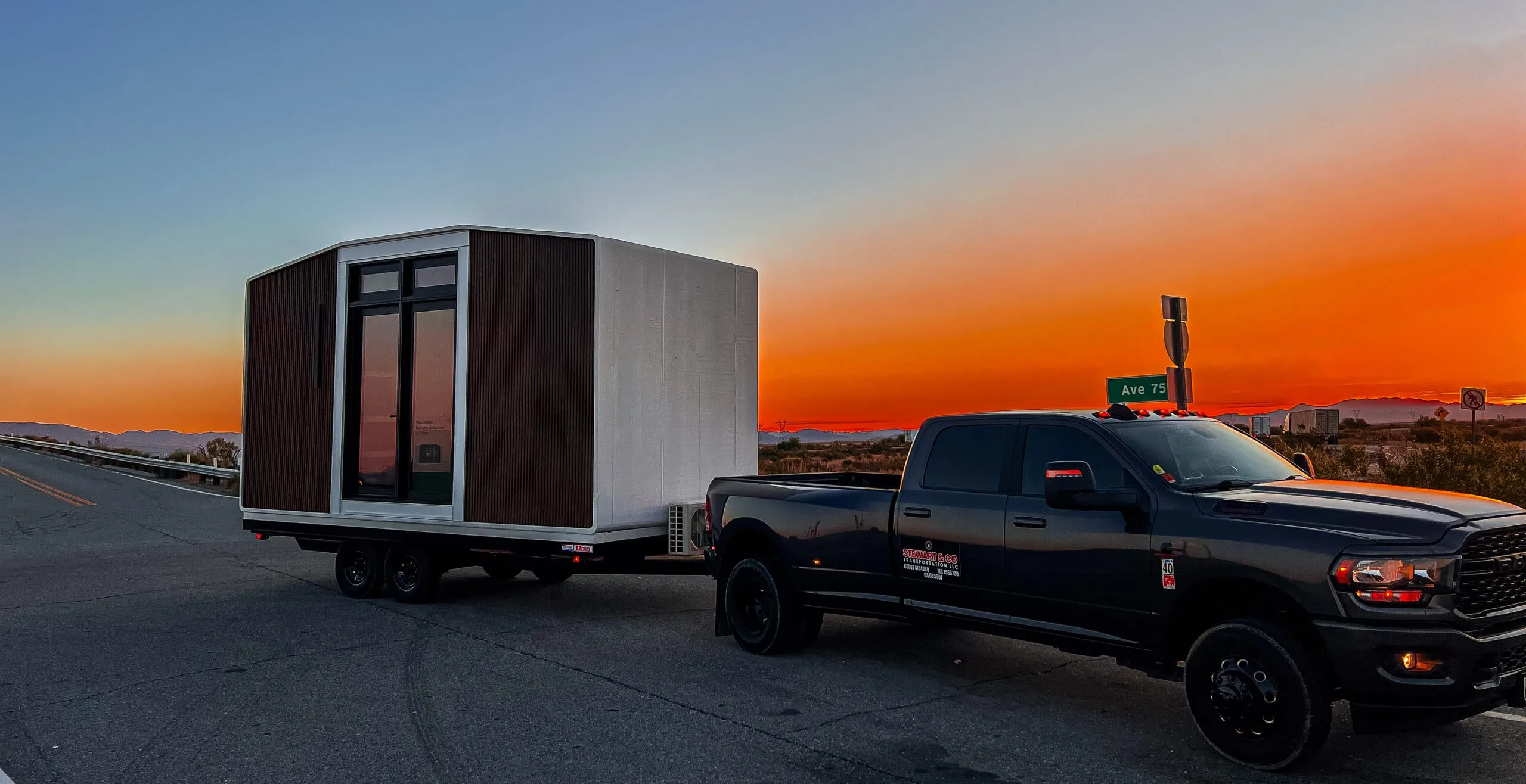
Portable cabins are usually associated with flexibility. Some can be moved or repositioned, depending on their design, size, foundation, and local rules. This can make them useful for properties that need adaptable space.
Tiny homes can also be mobile, but not always. Some tiny homes are built on wheels. Others are placed on foundations or used as permanent ADUs. The classification matters because it can affect permits, zoning, financing, insurance, and where the unit can be placed.
A home on wheels is not the same as a modular ADU. A backyard studio is not the same as a full-time residence. Before buying, it is important to understand how the structure will be classified in the local area.
Our X Series homes on wheels are designed for buyers who want compact living with a chassis-based format. This can be useful for mobility, hospitality, vacation use, and flexible living setups where local rules allow.
Site Preparation
Both portable cabins and tiny homes need proper site planning. Even a strong structure can run into problems if the site is not ready.
Important site factors include:
- Delivery access
- Ground conditions
- Grading
- Drainage
- Foundation or pad requirements
- Utility access
- Setbacks
- Local permits
- Fire access
- Long-term maintenance access
Portable cabins may need less site work if they are simple and not connected to full utilities. Tiny homes often need more preparation because they may require water, sewer or septic, electrical service, and sometimes a permanent foundation.
The smoother the site, the smoother the project usually becomes. A flat, accessible property with nearby utilities is much easier to plan than a steep, remote, or restricted lot.
Sustainability and Materials
Sustainability is another reason many buyers compare portable cabins and tiny homes. Smaller spaces usually use fewer materials than traditional homes, and they can reduce energy needs when designed well.
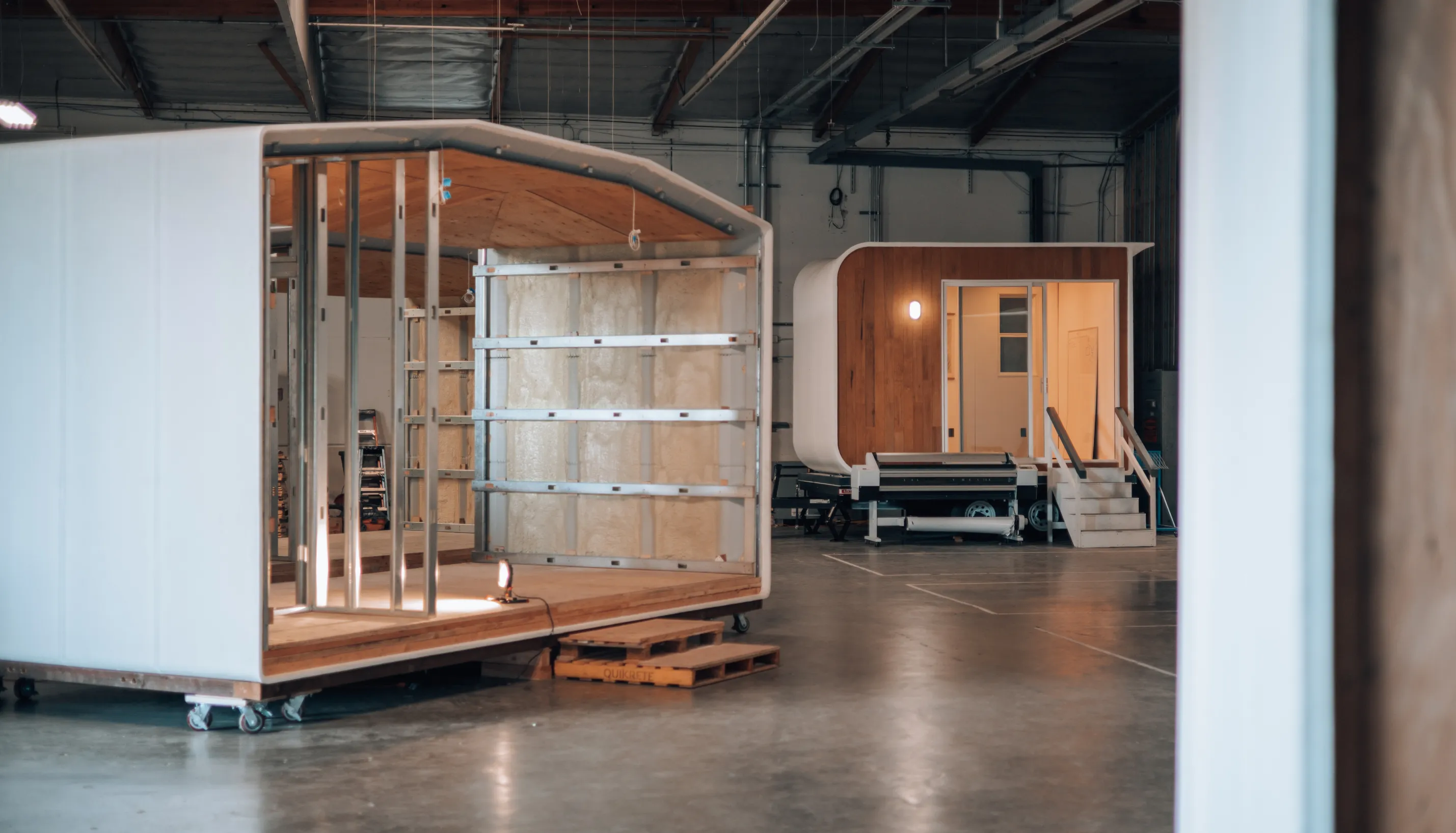
At Azure, sustainability is central to how we build. We use recycled materials in our 3D-printed construction process. For a 120 sq ft unit, about 100,000 plastic bottles are used in the printed material. That turns waste into a modern, practical structure with a more efficient production process.
Our homes are robotically printed with precision, which helps reduce waste and support repeatable quality. This approach fits buyers who want a compact space that feels modern, useful, and connected to better resource use.
Which Option Is Better for Rentals and Full-Time Living
Both portable cabins and tiny homes can work for rental use, but the right choice depends on the rental strategy.
A portable cabin may work for short stays, glamping sites, backyard guest use, or simple retreat spaces. It can be easier to manage when guests do not need a full kitchen or long-term living setup.
A tiny home may be better for longer stays, vacation rentals, ADUs, or compact housing where guests expect a full bathroom, cooking area, storage, and more privacy.
For full-time living, a tiny home is usually the stronger choice. It is more likely to include the systems and layout needed for daily life.
A portable cabin can feel comfortable, but it may not be practical as a full-time home unless it is designed and permitted for that purpose. Without a bathroom, kitchen, utilities, and enough storage, daily living can become difficult.
Buyers should think beyond the first impression. A space that feels large enough for a weekend may feel very different after several months. Long-term comfort depends on layout, storage, privacy, heating, cooling, ventilation, natural light, and access to utilities.
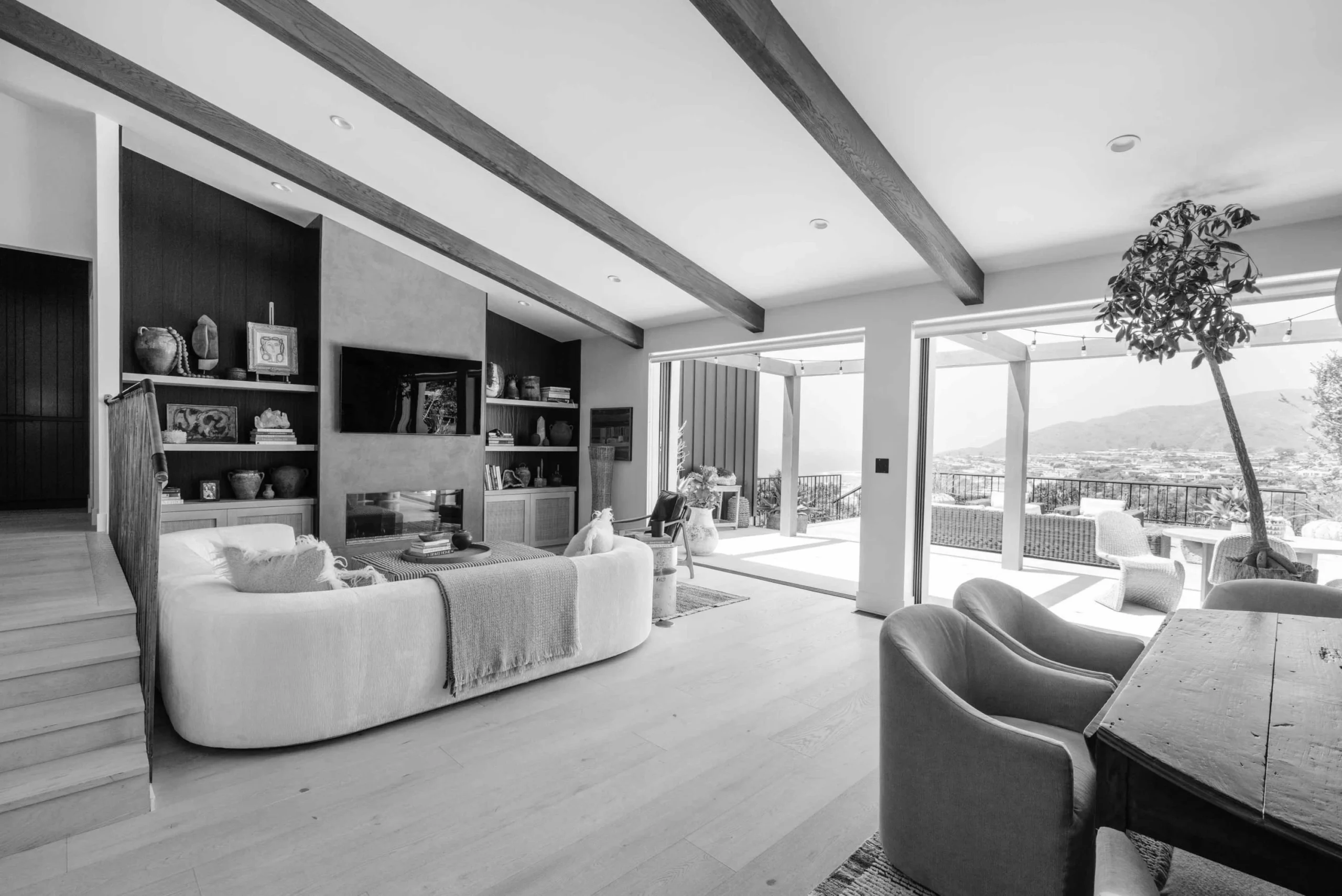
Choosing Between a Portable Cabin and a Tiny Home
The better choice depends on how complete the space needs to be. A portable cabin may be enough when the goal is simple, flexible space. A tiny home may make more sense when the space needs to support daily living.
Portable Cabins for Flexible Extra Space
A portable cabin may be the better choice when the buyer needs usable space, but not a full residence. It can be a smart fit for properties where a complete dwelling is not needed or where local rules limit residential use.
Portable cabins can work well for:
- Backyard offices
- Guest rooms
- Creative studios
- Yoga or wellness spaces
- Hobby rooms
- Glamping units
- Pool houses
- Short-term retreat spaces
- On-site workspaces
- Flexible rental spaces where allowed
The main benefit is simplicity. A cabin can provide a defined space without the same level of planning required for a full home. That can make the project easier to understand, especially when plumbing, full kitchens, or permanent occupancy are not part of the plan.
Our Studio Series is a good example of this kind of flexible space. Models such as the A/D/C-100 and A/D/C-120 are designed for compact uses like backyard studios, offices, guest areas, wellness rooms, or creative spaces. They give buyers a modern structure without forcing every project to become a full residential build.
Tiny Homes for Complete Living
A tiny home may be the better option when the space needs to function more like a real home. That usually means more planning, more utilities, and more interior features.
Tiny homes can work well for:
- Full-time compact living
- Guest housing
- Vacation properties
- Rental units
- ADUs where allowed
- Family overflow space
- Glamping or hospitality sites
- Downsized living
- Homes on wheels
Tiny homes are usually more involved than portable cabins because they may need plumbing, sleeping areas, cooking space, bathrooms, storage, and stronger utility planning. That can increase cost and complexity, but it also makes the space more livable.
At Azure, we build compact homes and ADU-style spaces for buyers who want more than a simple room. Our larger models can support more complete living needs, while our X Series homes on wheels are designed for buyers who want a chassis-based compact home with more flexibility.
Conclusion
Portable cabins and tiny homes are both useful, but they solve different problems.
A portable cabin is often best for flexible extra space. It can work as a studio, office, guest room, glamping unit, or retreat space. A tiny home is usually better when the buyer needs a more complete living environment with daily-use features.
At Azure Printed Homes, we build future-focused modular living spaces for both simple and more complete uses. From compact studios to ADU-style homes and homes on wheels, our 3D-printed models are designed to make small-space living more practical, modern, and sustainable.
The best place to start is not with square footage. It is with purpose. Once the use case is clear, the right compact living solution becomes much easier to choose.