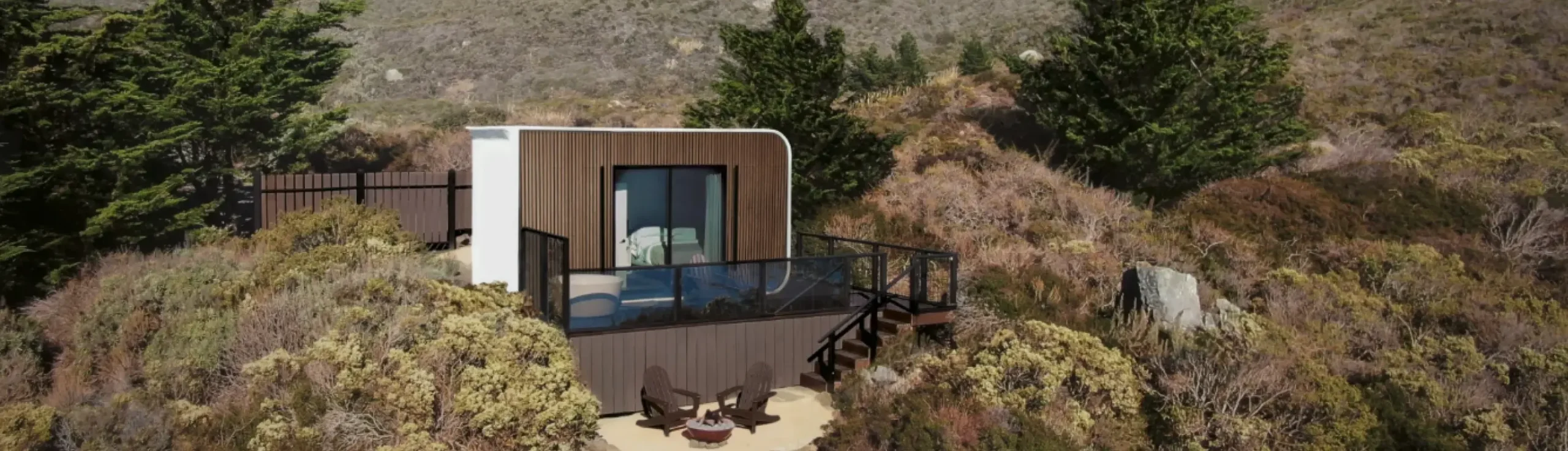
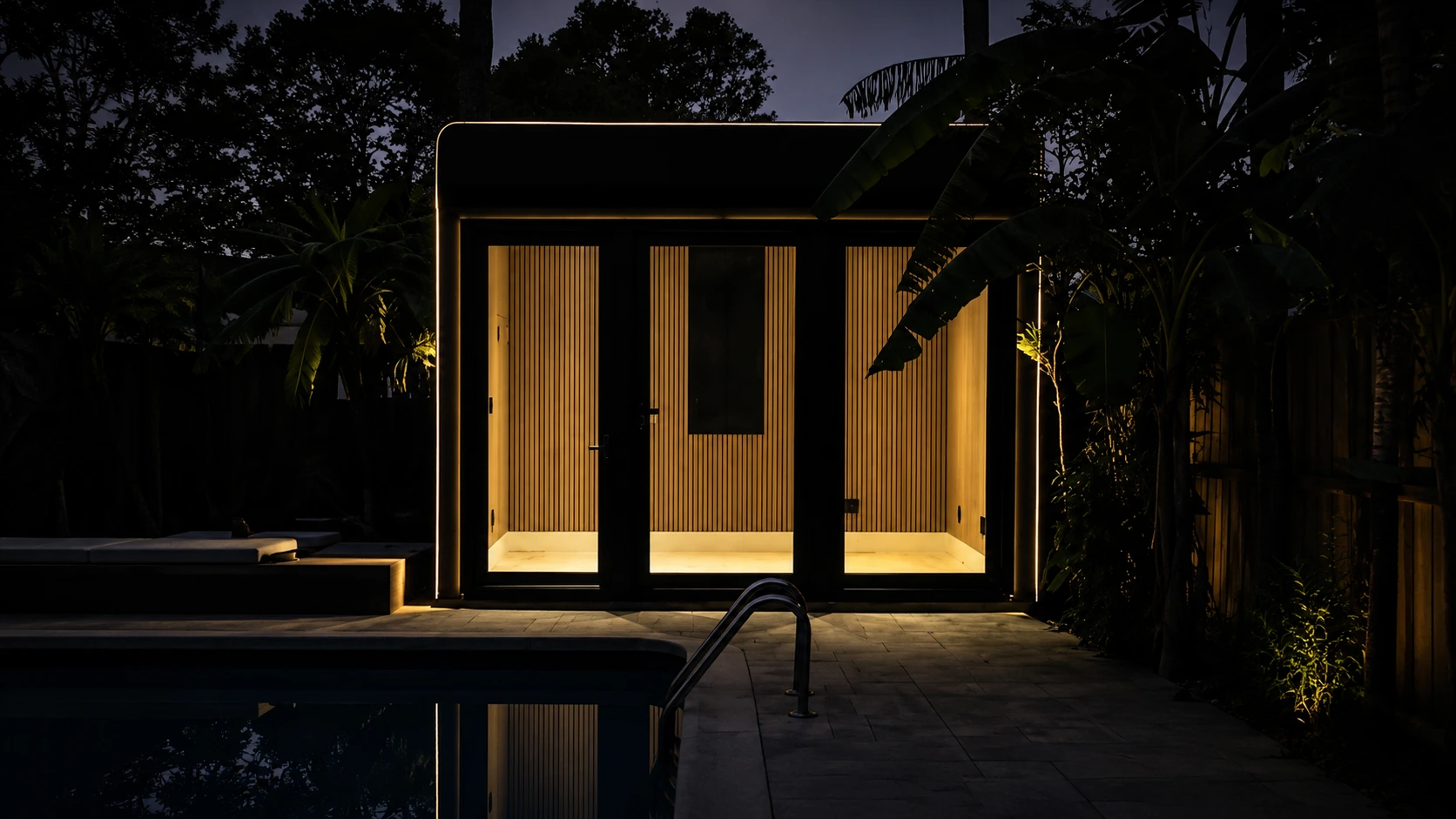
Choosing between a modular home and a stick-built home is a major decision, especially when the goal is to build something comfortable, durable, and worth the investment. We know the real question is not simply how the finished home will look. Buyers want to understand how each construction method compares in quality, strength, timing, cost, energy efficiency, and long-term value.
At Azure Printed Homes, we produce future-focused modular living spaces using robotic manufacturing, recycled materials, and a controlled factory process. That gives us a close view of how modular construction differs from a home built entirely on-site.
This guide explains where modular and stick-built homes are similar, where they differ, and which option may make more sense depending on the site, budget, design goals, and expected timeline.
Understanding the Difference Between Modular and Stick-Built Homes
Although both result in permanent residential structures, the construction process is very different.
What a Stick-Built Home Is
A stick-built home is constructed entirely on the building site. Contractors frame the walls, install the roof, complete the mechanical systems, and finish the interior while the structure remains outdoors throughout construction.
This traditional approach allows builders to adapt to unusual sites or highly customized architectural designs. However, it also means construction depends heavily on weather conditions, subcontractor schedules, and material deliveries.
What a Modular Home Is
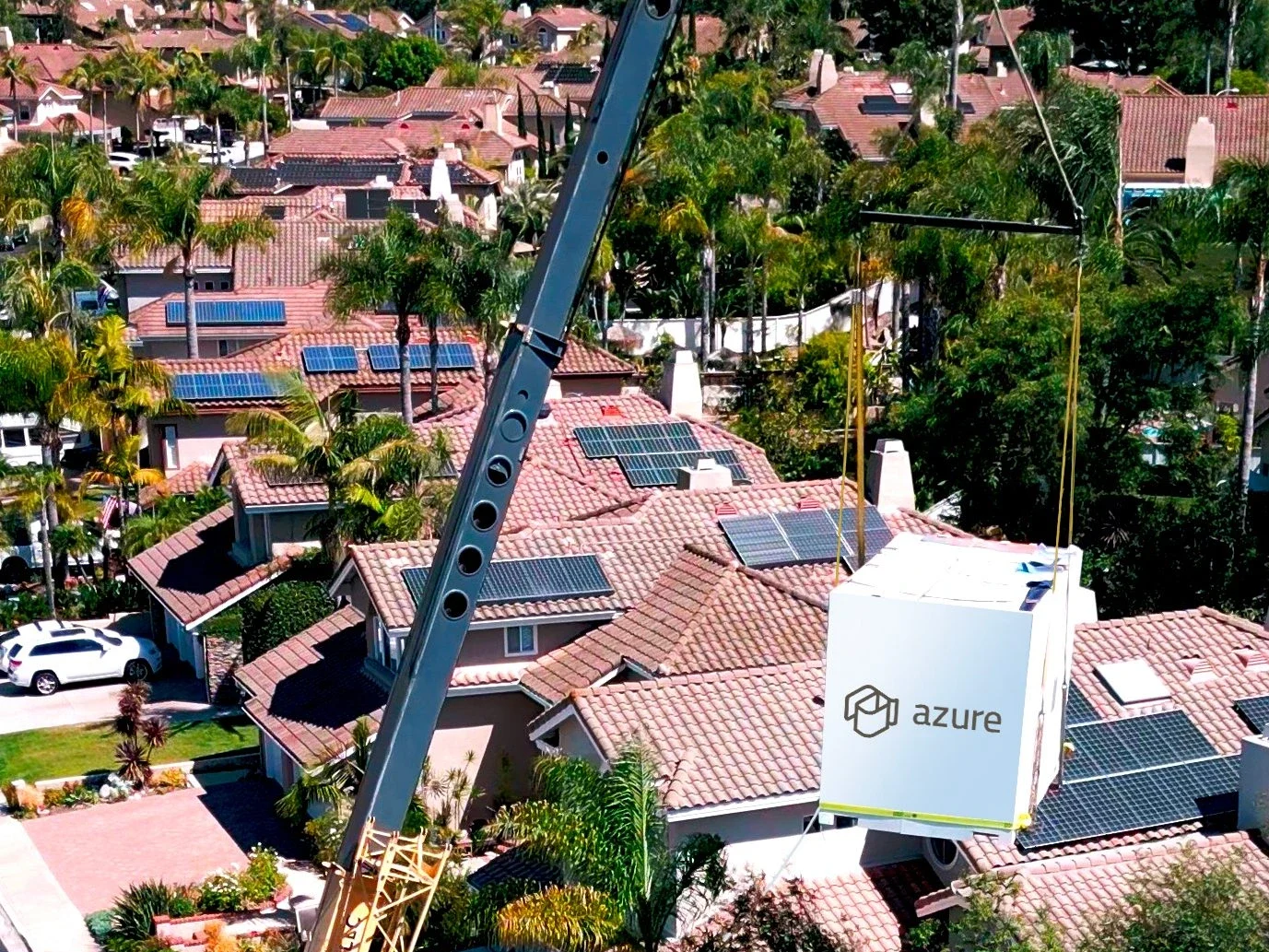
A modular home is manufactured in sections inside a controlled production facility before being transported to the building site for installation on a permanent foundation.
Rather than assembling every component outdoors, much of the construction happens indoors where temperature, moisture, and production quality can be carefully managed.
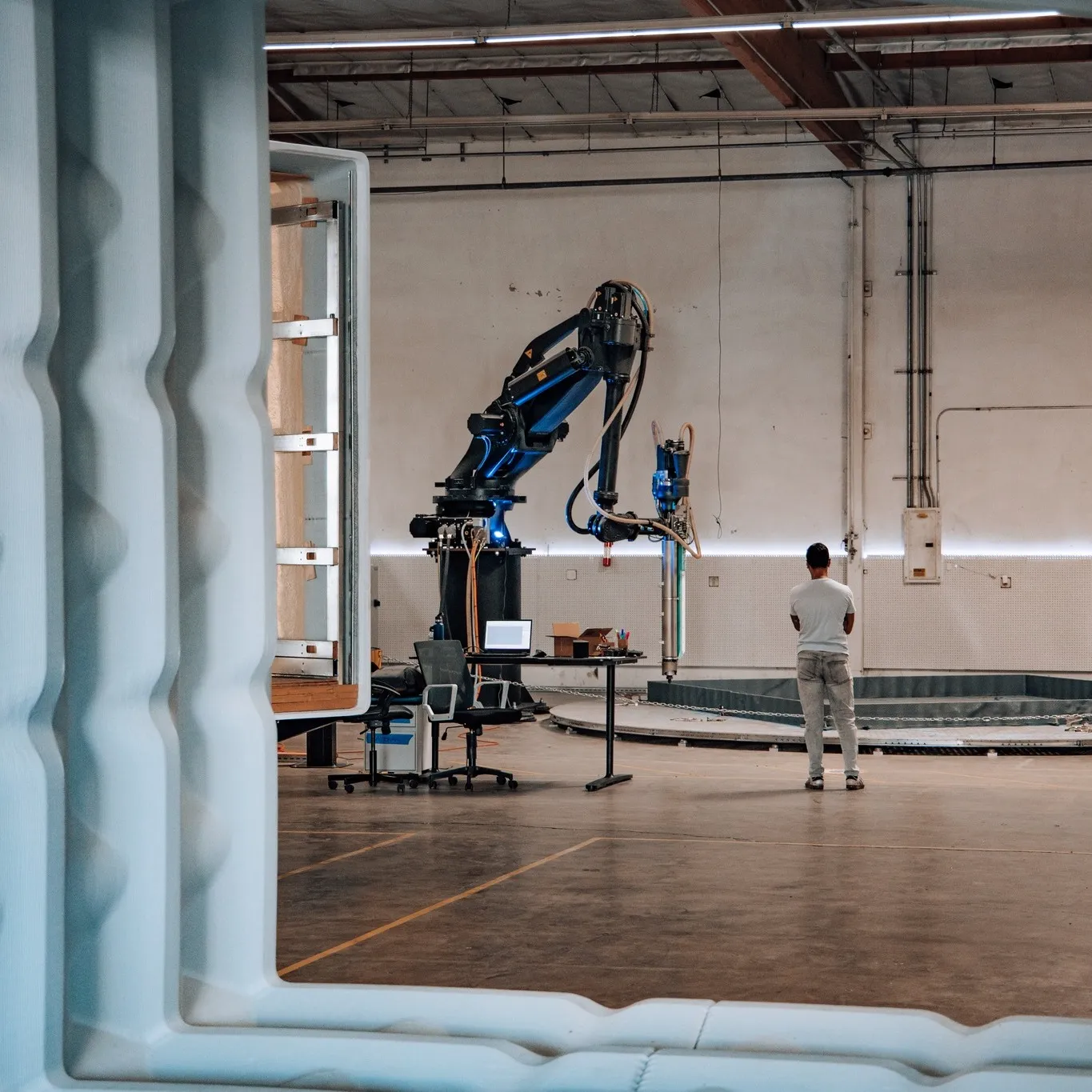
At Azure, we bring another level of innovation to modular construction by robotically printing future-focused modular living spaces utilizing recycled plastic waste. Our process allows us to combine precision manufacturing with customizable designs while creating homes that are energy efficient and move-in ready once installed.
Although modular homes are built differently, they are permanent homes, not mobile homes, and are designed to meet applicable residential building requirements.
How Modular and Stick-Built Homes Compare
A modular home can match a stick-built home in quality, durability, comfort, and long-term value. In some areas, it may also offer practical advantages, including faster production, more consistent quality control, lower material waste, and better protection from weather during construction.
We produce robotically manufactured modular homes, so we know the difference between factory-built and site-built construction is not simply about where a home is assembled. What matters more is how the structure is engineered, which materials are used, how carefully each stage is controlled, and how well the home is installed on its foundation.
Build Quality and Structural Strength
One of the most common misconceptions is that a modular home must be lower quality because it is built in a factory. In practice, factory construction can create a more controlled and repeatable building process.
Modular homes are produced indoors using consistent measurements, specialized equipment, and standardized inspections. Materials remain protected from rain, snow, excessive humidity, and sudden temperature changes while the home is being built.
Because modules must be transported, lifted, and placed on-site, their structural systems also need to handle the stresses of delivery and installation. This does not automatically make every modular home stronger than every stick-built home, but it does mean transportation requirements are considered during engineering.
We use robotic manufacturing to improve consistency and precision throughout production. Our structures are designed as integrated shells with the walls, roof, and floor forming a continuous system. We also offer robotically formed light-gauge steel construction for projects where steel is a better fit.
Stick-built homes can also be strong and well constructed. Their quality depends heavily on the builder, subcontractors, materials, weather protection, and supervision at the site. The main difference is that more of the work happens outdoors, where changing conditions can affect materials and scheduling.
Construction Time
Time is often one of the clearest differences between modular and stick-built construction. With a traditional site-built home, most stages follow one another. The foundation is prepared, framing begins, the structure is enclosed, mechanical systems are installed, and interior finishes follow. A delay at one stage can affect everything that comes after it.
Modular construction allows site work and factory production to move forward at the same time. While the foundation, grading, drainage, and utility connections are being prepared, the home can already be taking shape indoors.
We begin with a client and site assessment, then move through design development and approval before factory construction starts. Buyers configure the unit, choose finishes, and tailor the design before production. The structure is then manufactured, fitted with electrical, plumbing, mechanical systems, and interior finishes, delivered, installed, and connected on-site.
Our backyard studios can typically be delivered in about 30 to 60 days, depending on the location, size, lead time, and customization. ADUs and homes can typically be delivered in around 90 to 120 days. These are project-dependent estimates, but they show how coordinated factory production can shorten the path from design to installation.
Design and Customization
Modular homes are sometimes pictured as identical boxes with little room for personal choice. Modern factory construction is much more flexible than that.
Buyers can often customize:
- Floor plans
- Bedroom and bathroom arrangements
- Kitchens
- Cabinets and countertops
- Flooring
- Lighting
- Windows
- Exterior finishes
- Building orientation
- Optional features
We let buyers choose and customize a design before production begins. Depending on the model and project, we can modify dimensions, rework bedroom and bathroom layouts, change finishes, reorient the home on the site, and add features such as solar panels, heated floors, balconies, or elevators.
Stick-built construction may provide greater freedom for extremely unusual forms, complicated curves, or sites that require constant adjustment during the build. For most residential layouts, however, modular construction offers far more flexibility than many buyers expect.
Energy Efficiency
Energy efficiency depends on insulation, windows, air sealing, mechanical systems, orientation, and the overall building envelope. Both modular and stick-built homes can perform well when these details are handled correctly.
Factory production can make precise installation easier. Insulation can be fitted in stable indoor conditions, openings can be measured consistently, and gaps can be addressed before the unit leaves the facility. A tighter envelope may reduce unwanted air movement and help the heating and cooling system maintain a more comfortable indoor temperature.
We design our modular living spaces with energy efficiency as a central part of the product, not an optional afterthought. Standard features include double-pane windows, and our controlled production process supports consistent insulation and sealing. The result is a home designed for comfortable year-round use with less unnecessary energy loss.
A stick-built home can achieve the same level of performance, but the outcome depends on the design, materials, site supervision, and the care taken during installation.
Long-Term Durability and Maintenance
A modular home does not have a shorter useful life simply because it was built off-site. Durability depends on structural design, material quality, foundation work, installation, weather protection, and ongoing maintenance.
Both modular and stick-built homes require normal care, including:
- Roof inspections
- HVAC maintenance
- Exterior checks
- Gutter cleaning
- Window and seal inspections
- Prompt repairs when problems appear
Our recycled-plastic and steel systems resist termites, while the integrated design of the shell helps reduce points where water may enter. The homes are also designed for earthquake resistance, and available material systems can be selected based on fire conditions and project requirements.
A well-designed modular home installed on a suitable foundation can provide decades of reliable use, just like a well-built traditional home.
Sustainability and Material Use
The construction method also affects waste. A traditional building site may generate leftover lumber, drywall scraps, packaging, damaged materials, and offcuts that cannot easily be reused. Factory production generally makes it easier to measure materials accurately, store them properly, and reuse suitable excess material in future work.
We take that idea further by using recycled plastic waste in many of our models. More than 60% of the print material comes from recycled plastic, and a 120-square-foot structure uses the equivalent of approximately 100,000 plastic bottles.
This material is recommended for products such as backyard studios and homes on wheels. For larger homes, ADUs, or sites in high fire hazard severity zones, we can use robotically formed light-gauge steel instead. The steel option is non-combustible and is offered at the same product cost as our recycled-plastic construction system.
Stick-built homes can also use sustainable materials and efficient systems. The difference is that sustainability depends on the individual design and builder, while our production approach places recycled materials and reduced waste at the center of the process.
Cost and What the Price Includes
The final cost of either type of home depends on much more than the structure itself. Important budget items include:
- Size
- Design
- Interior finishes
- Site preparation
- Foundation
- Grading and drainage
- Permit fees
- Utility connections
- Delivery
- Installation
- Local labor conditions
Factory production can improve cost control by reducing delays, limiting waste, and completing more work before the home reaches the property. However, buyers should always check what a quoted starting price includes.
We complete the electrical, mechanical, plumbing, and factory-installed finishes before delivery. Homes on wheels also include the chassis. Site preparation, foundations, permits, delivery, and some utility work are separate.
Financing and Resale Value
Permanent modular homes are generally evaluated as real property when they meet applicable codes and are installed on a permanent foundation. This means financing, insurance, appraisal, and resale are not determined by the factory construction method alone.
Long-term value depends more heavily on:
- Location
- Local housing demand
- Construction quality
- Foundation and installation
- Home condition
- Maintenance
- Neighborhood
- Comparable sales
A well-maintained modular home in a desirable area can hold and gain value much like a stick-built home. The same is true in the opposite direction. A poorly maintained home, regardless of how it was built, may lose appeal and value.
The important point is that modular homes should not be confused with temporary or movable housing. When properly approved, installed, and maintained, they can serve as permanent homes with the same practical ownership considerations as site-built construction.
So, Are Modular Homes Better or Worse Than Stick-Built Homes?
There is no universal winner. A modular home can match a stick-built home in comfort, durability, and appearance, but the better option depends on the project.
Modular construction offers a more controlled production process, while stick-built construction allows more adjustments to happen directly on-site. That difference matters when the timeline, property conditions, design, and level of customization are considered.
At Azure Printed Homes, we use robotic manufacturing and recycled materials to produce customizable modular living spaces before they are delivered and installed on-site. This approach is well suited to projects that benefit from a clear process, factory-installed systems and finishes, and less dependence on changing site conditions.
When deciding between the two approaches, consider questions such as:
- Is completing the project faster a priority?
- Does the site require extensive on-site adjustments?
- How important are energy efficiency and sustainable materials?
- Would a standardized production process provide more confidence than on-site construction?
- Is the design highly complex, or can it be manufactured in modules?
For many homeowners, a modular home offers an excellent balance of quality, efficiency, customization, and long-term value. For projects involving highly unusual architecture or challenging building sites, stick-built construction may provide greater flexibility. The best choice is the one that aligns with the property’s requirements, the project budget, and the homeowner’s priorities.
Final Thoughts
Are modular homes as good as stick-built homes? For most homeowners, the answer is yes.
Modern modular homes provide comparable strength, durability, comfort, and long-term value while offering additional advantages such as faster construction, controlled manufacturing, reduced material waste, and excellent energy performance.
The best choice ultimately depends on the project’s goals, budget, site conditions, and desired level of customization. Buyers interested in efficient, sustainable construction now have more options than ever before, including robotically printed modular homes that combine innovative manufacturing with practical, everyday living.
As modular technology continues to evolve, the gap between traditional and factory-built construction continues to narrow, making modular homes an increasingly attractive choice for homeowners looking to build smarter without compromising on quality.