
Affordable modular homes,
cheaper by design — not by cutting corners.
Azure's modular homes start at $24,900 because the way they're made removes cost at the source: printed from recycled plastic in about a day, with 0% print waste, finished in the factory, and delivered up to 70% faster than a conventional build.
Where the savings actually come from.
Most "affordable" housing gets cheap the hard way: thinner materials, smaller crews, longer waits. Azure's homes are affordable for a structural reason — the manufacturing process itself eliminates the four biggest cost drivers of conventional construction.
A robotic printer builds the entire shell from recycled polymer — the equivalent of roughly 100,000 plastic bottles per 120 sq ft — in as little as one day. Printing deposits exactly the material the design needs, so there's no offcut pile, no dumpster fees, and effectively 0% print waste. The feedstock is recycled plastic, not lumber priced by a volatile commodity market. And because electrical, plumbing, and interior finishes are installed inside the factory (typically 4–15 days), there are no weather delays, no idle crews, and none of the overruns that inflate a site-built budget.
The result: a finished, move-in-ready home delivered up to 70% faster, at a fixed price you see before you commit. If you're comparing budgets across the market, start with our modular home cost guide — and if you want the specific models that fit a five-figure budget, see the full list of modular homes under $100k. This page explains the why; that one lists the what.
Efficiency you can count.
How printing takes cost out of the build.
Every dollar a conventional build spends on waste, weather, and rework is a dollar Azure's process never has to charge you for.
Zero print waste
Framing a house means cutting material down and throwing the rest away. A printer deposits only what the design calls for — 0% print waste, no offcuts, no disposal costs baked into your price.
Robots print, people finish
The shell is printed robotically, so skilled labor is spent where it matters — electrical, plumbing, and finishes — in an efficient factory line instead of scattered site visits by multiple trades.
Weeks, not months
Print in about a day, finish in 4–15 days, deliver in 1–2, install in 1–4. Up to 70% faster overall — which means less financing interest, less rent paid while you wait, and no weather-delay overruns.
Recycled feedstock
The structure is printed from fortified recycled polymer — about 100,000 plastic bottles per 120 sq ft — a feedstock that sidesteps lumber-price volatility while keeping plastic out of landfills.
Azure economics vs. a conventional build.
- Fixed price known up front — from $24,900
- Shell printed in ±1 day with 0% print waste
- Finished indoors — no weather delays or idle crews
- Recycled-polymer structure, immune to lumber spikes
- Delivered move-in ready, up to 70% faster
- Estimates that routinely climb during the build
- Months of framing, with offcut waste you pay for
- Weather, permitting, and trade-scheduling delays
- Material costs exposed to lumber-market swings
- Carrying costs accrue for every extra month
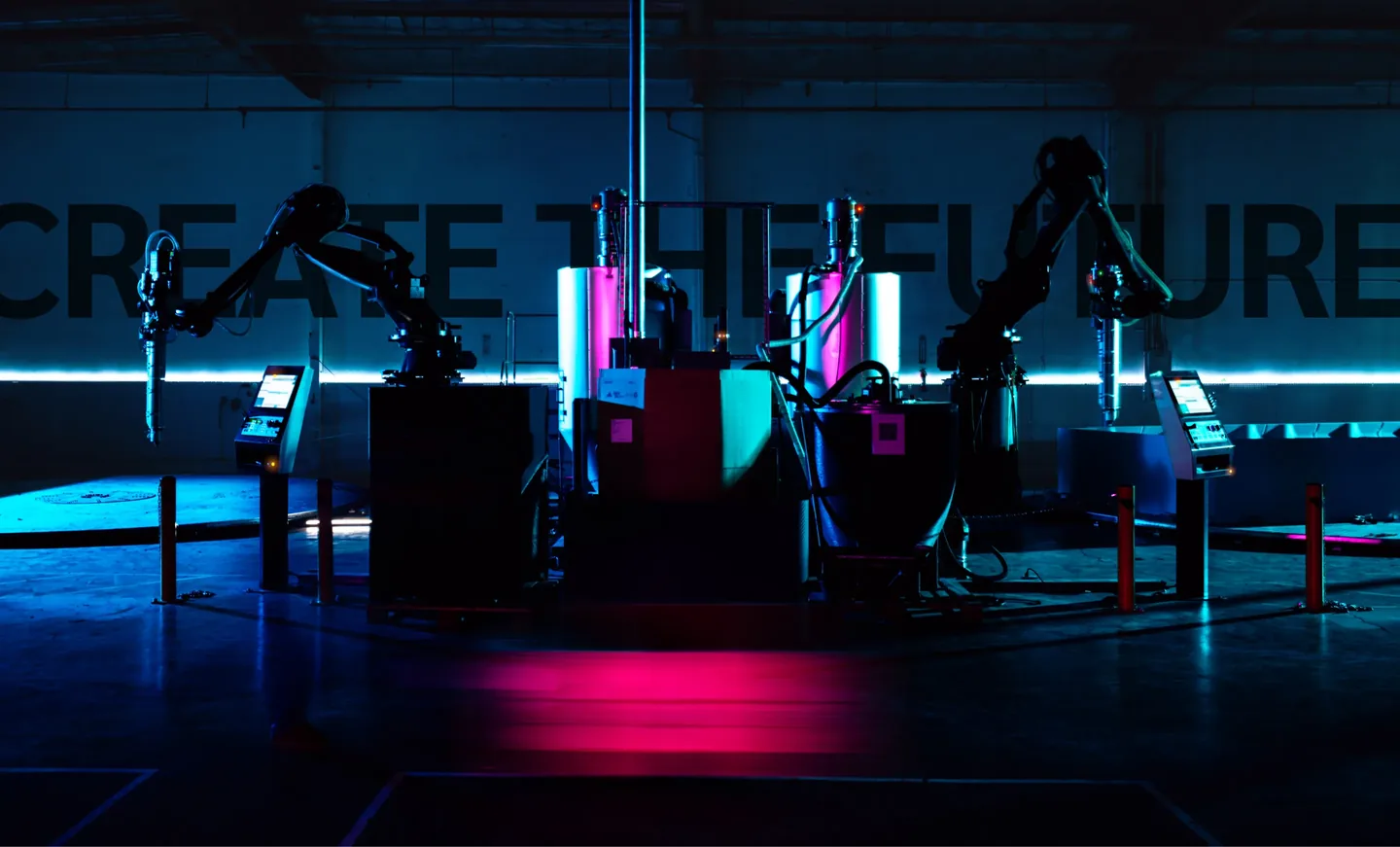
The factory is the discount.
This is where the affordability happens: robotic printers in Azure's Gardena, California facility building home shells from recycled polymer, around the clock, in controlled conditions. No rain days, no re-mobilized crews, no material shrinkage between deliveries.
The same controlled line handles finishing — electrical, plumbing, insulation, interiors — so quality is repeatable and pricing stays fixed. It's the same reason prefab modular homes beat site-built on cost, taken one step further by removing framing altogether.
See your fixed price.
Tell us your budget and site — we'll send exact pricing, delivery timelines, and options that fit, no obligation.
Real entry prices, real financing.
Every series has an honest published starting price — and you can pre-qualify for a loan before you commit to anything.
Financing that starts before the build does
You don't need cash in hand to find out what's possible. Azure partners with Acorn Finance so you can apply for a loan and pre-qualify up front — checking rates and monthly payments before you configure a unit. Because the purchase price is fixed, the amount you finance is the amount you pay: there's no mid-build change order waiting to blow up the loan. Smaller footprints stretch budgets furthest — browse small modular homes or Azure's tiny homes (from $24,900) if maximum affordability is the goal.
Talk budget with a real person.
Book a free consultation — we'll match a model and financing route to your budget, honestly.
Affordable modular home FAQs.
Why are Azure's modular homes cheaper than site-built homes?
The savings are structural, not cosmetic. The shell is 3D-printed from recycled polymer in about a day with 0% print waste, and all finishing happens inside the factory — so there are no weather delays, no scattered trade crews, and no material offcuts to pay for. The whole process runs up to 70% faster than traditional construction, which also cuts the carrying costs that quietly inflate a site-built budget.
What is the cheapest Azure modular home?
The Studio Series N_100 — a 100 sq ft open studio (9'×11') with an asymmetrical roofline — starts at $24,900, the same price as Azure's park-model tiny homes. For a full rundown of every model that fits a five-figure budget, see our modular homes under $100k page.
Does a low price mean lower quality?
No. The price is low because the process is efficient, not because the spec is thin. Homes are printed from fortified recycled polymer with a sealed, energy-efficient envelope, then finished in the factory with real electrical, plumbing, and interior work. Azure's technology was recognized in TIME's Best Inventions of 2022.
Can I finance an affordable modular home?
Yes. Azure partners with Acorn Finance so you can apply for a loan and pre-qualify before you buy — you'll see rates and estimated monthly payments up front. Because Azure's pricing is fixed, the amount you pre-qualify for is the amount the home actually costs.
What's included in the starting price — and what isn't?
Starting prices cover the printed, factory-finished unit itself. Delivery to your site (1–2 days) and on-site installation and hookups (1–4 days) are scoped in your quote, and site-specific items like foundations, utility connections, and permits vary by location. Because everything is quoted before you commit, there are no mid-build surprises.
How long does it take to get an affordable modular home?
Configuration takes about an hour, printing takes roughly a day, factory finishing runs 4–15 days, delivery 1–2 days, and on-site installation 1–4 days — weeks from order to move-in, up to 70% faster than a conventional build.
Keep researching your budget.
Ready for an affordable modular home?
Tell us your budget and site, and we'll send fixed pricing, financing options, and delivery timelines. We respond to every inquiry within one business day.
18101 S Figueroa St
Gardena, CA 90248