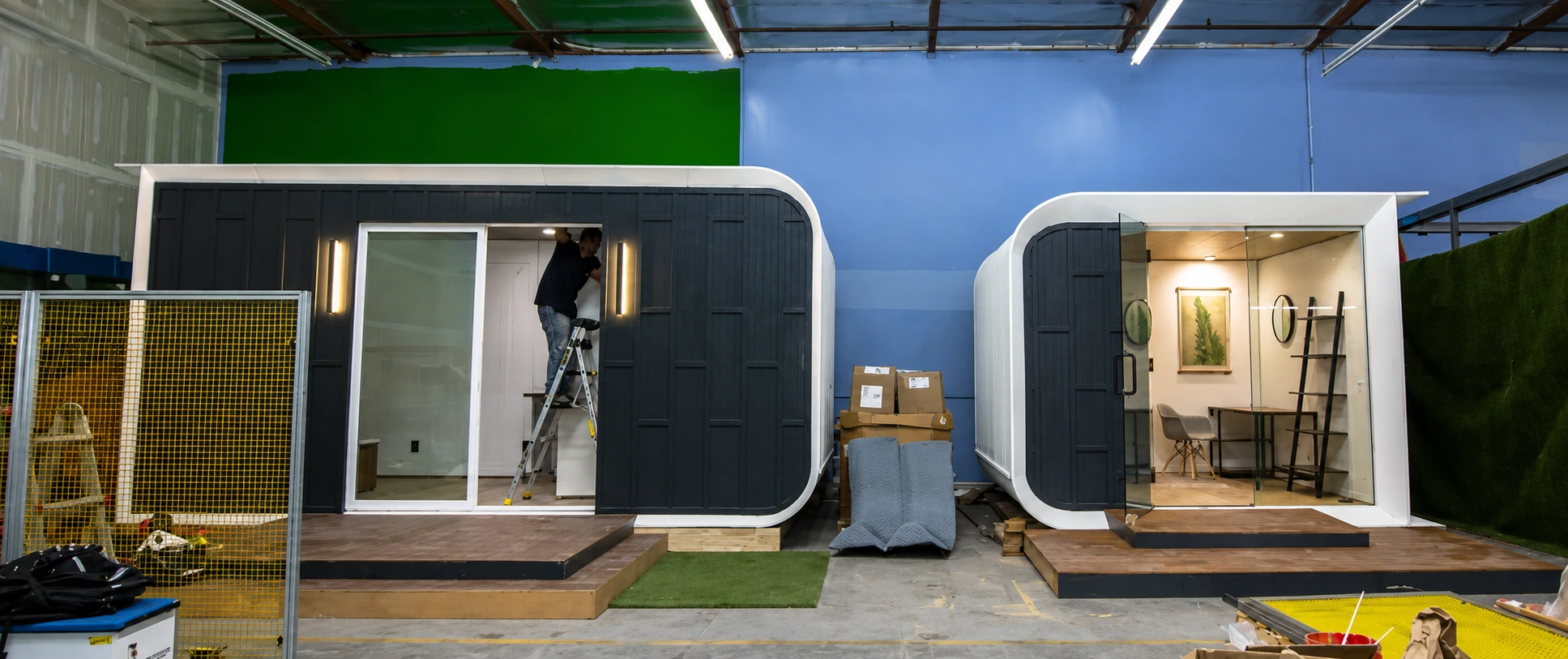
Buying a modular home comes with a lot of practical questions, especially when it comes to what is included at delivery. Do modular homes come furnished? In most cases, they do not. They are typically completed with built-in systems, fixtures, and interior finishes, while sofas, beds, tables, and other movable furniture are purchased separately.
As a modular home manufacturer, we at Azure Printed Homes design future-focused living spaces that can be configured before production begins. In this guide, we will explain what modular homes usually include, what buyers may need to add, and how customization can shape the final interior.
What Furnished and Move-In Ready Actually Mean
The word “furnished” can be misleading because it is often used as if it means the home is completely ready for daily life. In reality, a furnished home and a move-in-ready modular home are two different things.
A furnished home includes movable items that are added after construction, such as sofas, beds, dining tables, chairs, dressers, nightstands, and office furniture. These pieces are not part of the structure itself and can be replaced, moved, or removed at any time.
A move-in-ready modular home refers to the condition of the home after fabrication, delivery, installation, and utility connections are complete. It may include finished walls, flooring, lighting, cabinetry, plumbing fixtures, electrical systems, windows, doors, and other built-in elements, but that does not automatically mean loose furniture is included.
This distinction is especially important when buyers view staged photos, model units, or showroom displays. Furniture and décor may be used to show how the space could look, but those items are usually not part of the standard purchase. The most reliable way to understand what comes with a specific model is to review the written inclusions and confirm which features are standard, optional, or purchased separately.
So, Do Modular Homes Come Furnished?
Usually, no. New modular homes generally do not come with loose furniture such as sofas, beds, dining tables, chairs, or dressers. Buyers normally add those items after the home has been delivered and installed.
What a modular home does include depends on the manufacturer and selected model. The home may arrive with installed systems, built-in fixtures, cabinetry, flooring, lighting, and interior finishes, but these features do not make it fully furnished.
Leaving furniture out gives homeowners more control over the final space. They can choose pieces that suit the layout, match their style, and fit their budget instead of paying for a preselected furniture package. It also makes the home price easier to understand because the cost of the structure and finishes stays separate from the cost of furnishing it.
This is useful across different types of modular living spaces, including full-time homes, backyard studios, vacation units, and ADUs. Each space may serve a different purpose, so choosing furniture after installation often makes more sense than receiving a standard package that may not fit the buyer’s plans.
What Comes With a Modular Home
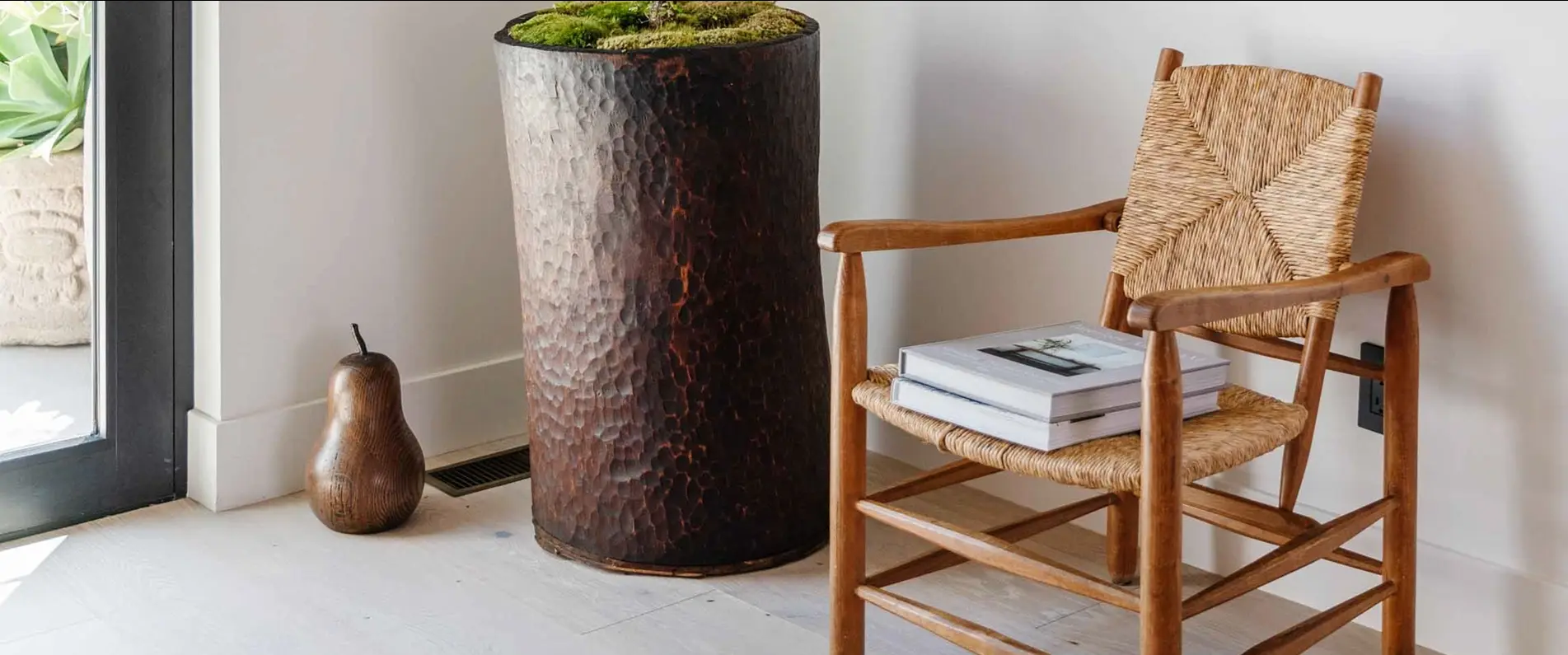
The exact features included with a modular home depend on the manufacturer, the floor plan, and any optional upgrades selected during the design process. However, most new modular homes follow a similar approach. They are delivered with the permanent systems, fixtures, and interior finishes needed to create a functional living space, while movable furniture and decorative items are left to the homeowner.
Understanding this distinction makes it easier to compare models, plan a budget, and avoid surprises before delivery.
What Is Usually Included
Most modular homes include the structural components and built-in features that are installed during manufacturing and remain part of the home after installation. These permanent elements are designed to make the home functional while allowing buyers to personalize the space later with their own furniture and décor.
| Area | Common Inclusions |
|---|---|
| Kitchen | Cabinets, countertops, sink, plumbing connections, and installed electrical systems |
| Bathroom | Shower or bathtub, toilet, vanity, sink, faucets, and other fixed fixtures |
| Interior | Finished walls, flooring, interior paint, doors, trim, and installed lighting |
| Structure | Exterior walls, roof, windows, insulation, electrical wiring, plumbing, and mechanical systems |
| Built-in elements | Permanent cabinetry, fixed storage, and other model-specific features |
At Azure, we complete electrical, plumbing, mechanical systems, and interior finishes during fabrication. Buyers can also configure design details before production begins, allowing the selected layout, finishes, cabinetry, and other permanent features to be incorporated before the home is delivered.
What Is Usually Not Included
Items that are not permanently attached to the home are typically sold separately. This allows buyers to furnish and decorate the space according to their own needs, style, and budget instead of paying for a standard furniture package that may not suit them.
| Category | Common Exclusions |
|---|---|
| Living room furniture | Sofas, sectionals, coffee tables, TV stands, and accent chairs |
| Bedroom furniture | Beds, mattresses, dressers, nightstands, and freestanding wardrobes |
| Dining furniture | Dining tables, chairs, benches, and bar stools |
| Home décor | Curtains, artwork, rugs, decorative lamps, mirrors, cushions, and accessories |
| Outdoor items | Patio furniture, outdoor seating, planters, grills, and freestanding storage |
| Personal equipment | Televisions, computers, small appliances, and other movable household items |
Because these items are not part of the home’s permanent structure, buyers can choose furnishings that fit the intended use of the space. Whether the home will serve as a primary residence, an ADU, a backyard studio, or a vacation retreat, selecting furniture after installation provides greater flexibility and makes it easier to create an interior that reflects individual preferences and lifestyle.
Why Many Buyers Prefer an Unfurnished Home
At first glance, a furnished modular home might sound convenient. In reality, many homeowners prefer starting with an empty interior.
More Freedom
Every buyer has different tastes. Some prefer minimalist interiors, while others want traditional furnishings or modern Scandinavian-inspired spaces. Buying furniture separately allows each room to evolve naturally.
Better Budget Control
Furniture can represent a significant investment. Rather than financing furniture together with the home, buyers can spread purchases over several months or even years. Many people already own furniture from a previous home, making bundled furniture unnecessary.
Easier Future Updates
Interior styles change over time. Choosing furniture independently makes it much easier to refresh a room later without feeling locked into selections made during construction.
Can You Customize the Interior Before Construction?
Yes. Interior customization is one of the main advantages of modern modular construction because many design decisions can be made before the home enters production. Instead of buying a finished unit and changing it later, buyers can shape key parts of the interior from the start.
Depending on the model and available options, these choices may include:
- Cabinet styles and finishes
- Countertop materials
- Flooring
- Interior colors
- Lighting
- Bathroom finishes
- Kitchen layouts
- Built-in storage
- Optional upgrades
Making these selections early helps create a more cohesive interior and can reduce the need for remodeling after delivery. It also gives buyers a clearer idea of how the finished space will look and function before construction begins.
We start by helping buyers configure the unit before robotic printing begins. The layout and selected finishes are confirmed first, then the home moves into fabrication. This approach gives buyers control over the parts of the home that are difficult or expensive to change later. Loose furniture can still be added after installation, but the permanent interior elements are already planned around the intended use of the space.
How the Modular Home Process Works
Understanding the construction process also helps explain why furniture is usually not included. Modular manufacturing is focused on completing the structure, built-in systems, and fixed finishes before the unit reaches the property. Sofas, beds, tables, and décor are normally added later because those choices depend on personal style, room use, and budget.
We follow a five-stage process designed to keep the project clear from the first design decision through final installation.
1. Configuring the Unit
The buyer selects the model, layout, finishes, and available options. This stage can be completed with a salesperson or through the online configuration platform and may take about an hour.
2. Robotically Printing the Home
Once the design is approved, the main shell is robotically printed using recycled materials. The printing stage can take approximately one day, depending on the unit and production requirements.
3. Installing the Finishes and Systems
The unit then moves through fabrication. We install electrical systems, plumbing, mechanical components, and interior finishes according to the selected configuration. This stage typically takes between 4 and 15 days.
4. Delivering the Completed Unit
After fabrication and inspection are complete, the home is transported to the prepared site. Delivery generally takes 1 to 2 days, depending on distance, access, and project conditions.
5. Completing On-Site Installation
Our team installs the unit and connects the necessary services so the home can become move-in ready. On-site installation typically takes 1 to 4 days once the property is prepared.
Because furniture is not part of the permanent structure, buyers can furnish the space after installation. This keeps the construction process focused while giving homeowners more freedom to choose pieces that fit the room dimensions and intended use.
How Much Should Buyers Budget for Furniture?
One advantage of buying an unfurnished modular home is the flexibility to furnish it over time. Instead of paying for a furniture package that may not match their preferences, buyers can prioritize the rooms they use most and spread out purchases as their budget allows.
The total furnishing budget depends on several factors, including the size of the home, the number of rooms, and the quality of the furniture selected. A compact backyard studio will naturally require far fewer pieces than a three-bedroom modular home.
When planning a furnishing budget, it helps to think beyond the largest furniture items. Buyers may also need to account for:
- Living room furniture
- Bedroom furniture and mattresses
- Dining tables and chairs
- Window coverings
- Rugs and décor
- Small kitchen appliances
- Home office furniture, if needed
- Outdoor seating and accessories
Because we offer a variety of layouts, from compact studios to larger homes and ADUs, buyers can begin planning furniture while configuring their unit. Thinking about how each room will be used before production starts often makes it easier to choose finishes, storage solutions, and layouts that complement the future interior.
Furnishing Different Types of Modular Spaces
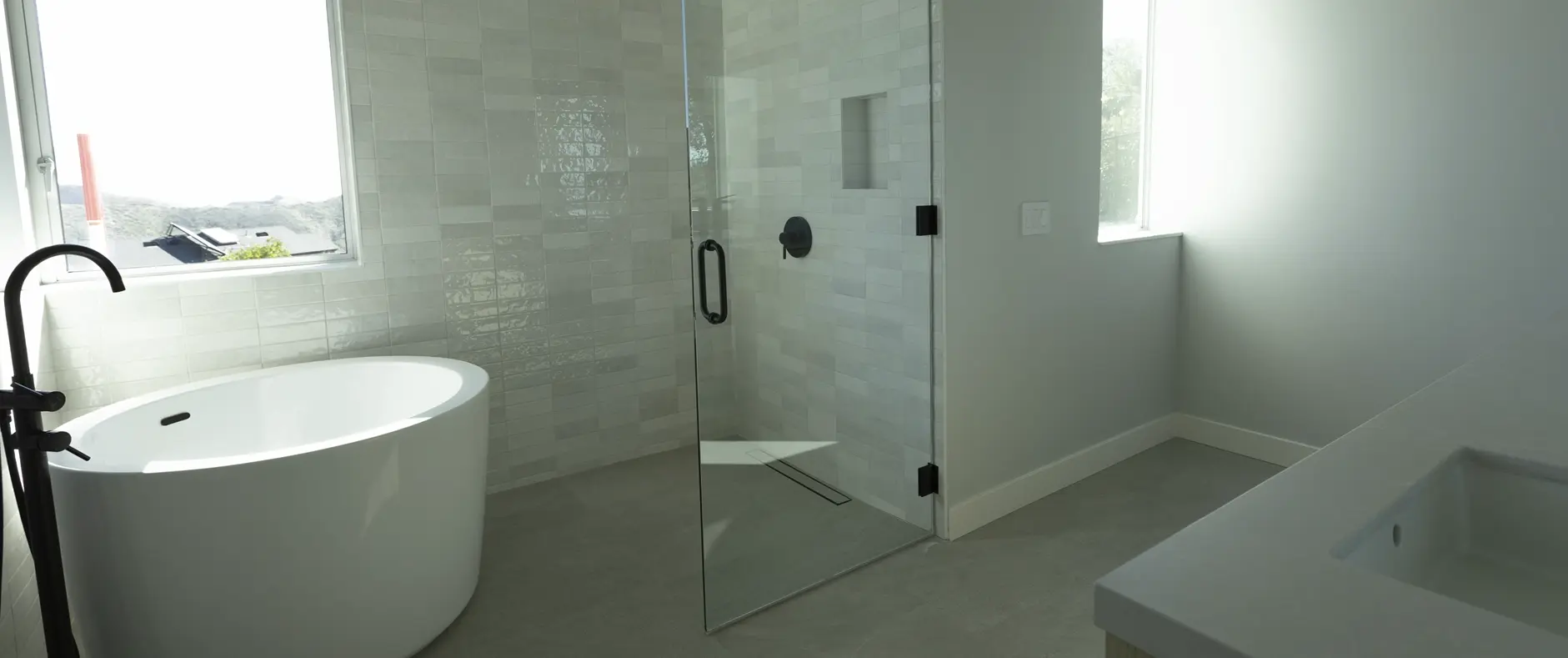
The best furniture choices depend on how the modular home will be used. A full-time residence has different needs than a guest house or backyard studio, so it’s worth planning the interior around the intended lifestyle rather than simply filling every room.
Full-Time Modular Homes
A primary residence usually requires a complete furniture plan, including living, dining, and bedroom areas. Buyers often focus on everyday comfort, storage, and durability while selecting pieces that fit the available floor space without making rooms feel crowded.
ADUs
Accessory dwelling units can serve many purposes, including guest accommodations, housing for family members, long-term rentals, or independent living spaces. Flexible furniture works well in these settings, allowing the space to adapt as needs change over time. Multifunctional tables, storage beds, and compact seating can help maximize usable square footage.
Backyard Studios
Backyard studios are often designed around a specific activity rather than everyday living. Some become home offices with ergonomic desks and shelving, while others are used as art studios, fitness rooms, music spaces, or creative workshops. Planning the furniture around the primary function helps create a more practical and comfortable workspace.
Because we offer future-focused modular living spaces for a variety of uses, buyers can configure the layout before production begins, making it easier to create an interior that supports the way the space will actually be used.
What Should Be Ready Before Furniture Arrives?
Furniture should generally be delivered only after the modular home has been installed and all required work has been completed. Waiting until the home is fully prepared helps protect new finishes and makes moving furniture much easier.
Before scheduling furniture delivery, buyers should confirm that:
- The home has been delivered and installed.
- Utility connections have been completed.
- Interior finishes have been inspected.
- Floors are clean and protected during move-in.
- Furniture can fit through doorways and hallways.
- Each room has been measured for larger pieces.
- Electrical outlets and lighting locations have been considered when arranging furniture.
We complete the process by delivering the home and installing it on-site, connecting the necessary services so it is move-in ready. Once installation is complete, buyers can begin furnishing the interior with confidence, knowing the permanent systems and finishes are already in place.
Conclusion
Most modular homes do not come furnished, and for many buyers, that is an advantage rather than a limitation. Permanent systems, built-in features, and interior finishes are completed during construction, while furniture is chosen separately to suit individual needs, preferences, and budget.
Planning ahead makes the entire process easier. Understanding what is included, deciding how each room will be used, and budgeting for furniture before move-in can help create a space that feels comfortable from day one.
At Azure Printed Homes, we combine robotically printed construction, recycled materials, and customizable designs to simplify that journey. We help buyers configure their homes before production begins, complete the electrical, plumbing, mechanical systems, and interior finishes during fabrication, then deliver and install the finished unit so it is ready for the final step: making it feel like home.