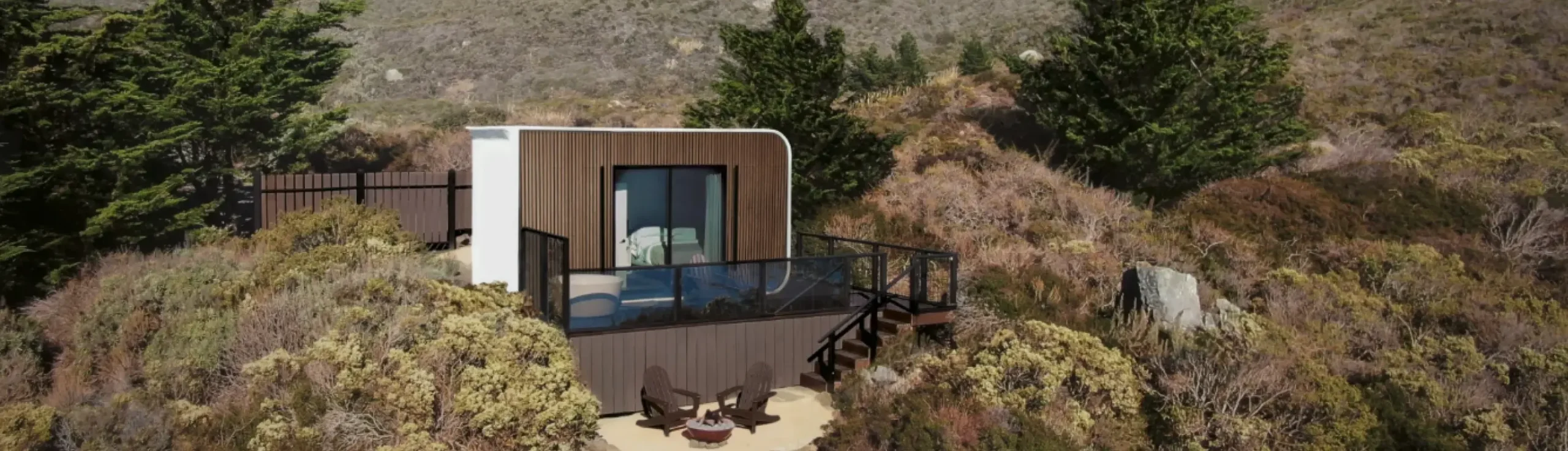
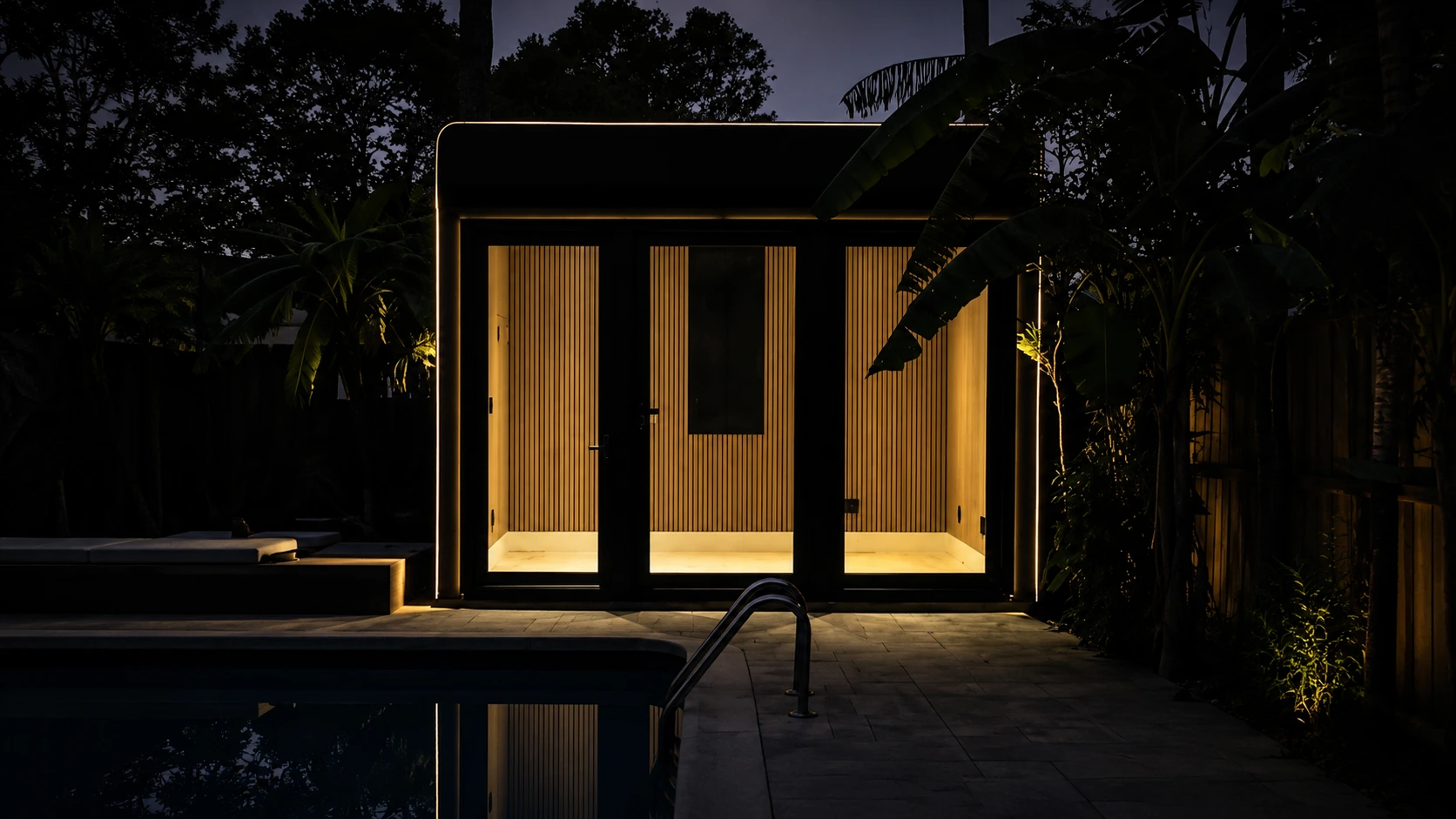
One of the biggest concerns for homebuyers is whether a modular home will hold its value over time. It’s a reasonable question. Buying a home is a long-term investment, and resale potential matters whether someone plans to live there for decades or eventually move.
The good news is that modular homes do not automatically lose value simply because they are built differently. In many cases, a well-built modular home on a permanent foundation performs much like a traditional site-built home. Appreciation depends on the same fundamentals that affect nearly every residential property: location, construction quality, maintenance, and local housing demand.
At Azure Printed Homes, we create future-focused modular living spaces through robotically printed construction utilizing recycled materials. We guide buyers from configuring their unit through printing, interior finishes, delivery, and installation, making the entire process more predictable while delivering homes designed for long-term ownership.
Do Modular Homes Lose Value Over Time?
The simple answer is no, not by default.
A modular home is real property when it is permanently installed on a properly engineered foundation and complies with local building codes. Once completed, it functions like any other residential home. Its future value is determined by market conditions and property characteristics rather than the fact that modules were factory built.
Many people still confuse modular homes with manufactured or mobile homes. Although both are factory built, they are completely different housing types.
Modular homes are assembled from factory-built sections but are installed on permanent foundations and must satisfy the same local residential building codes as comparable site-built homes. Because of this, lenders, appraisers, insurers, and buyers generally evaluate them similarly to conventional housing.
That distinction is one of the biggest reasons modular homes can retain and increase value over time.
Why Some People Think Modular Homes Depreciate
The misconception often comes from older generations of factory-built housing. For years, many buyers grouped modular homes together with mobile homes, temporary structures, or low-cost prefabricated buildings. That comparison no longer reflects how modern modular homes are designed, engineered, and completed.
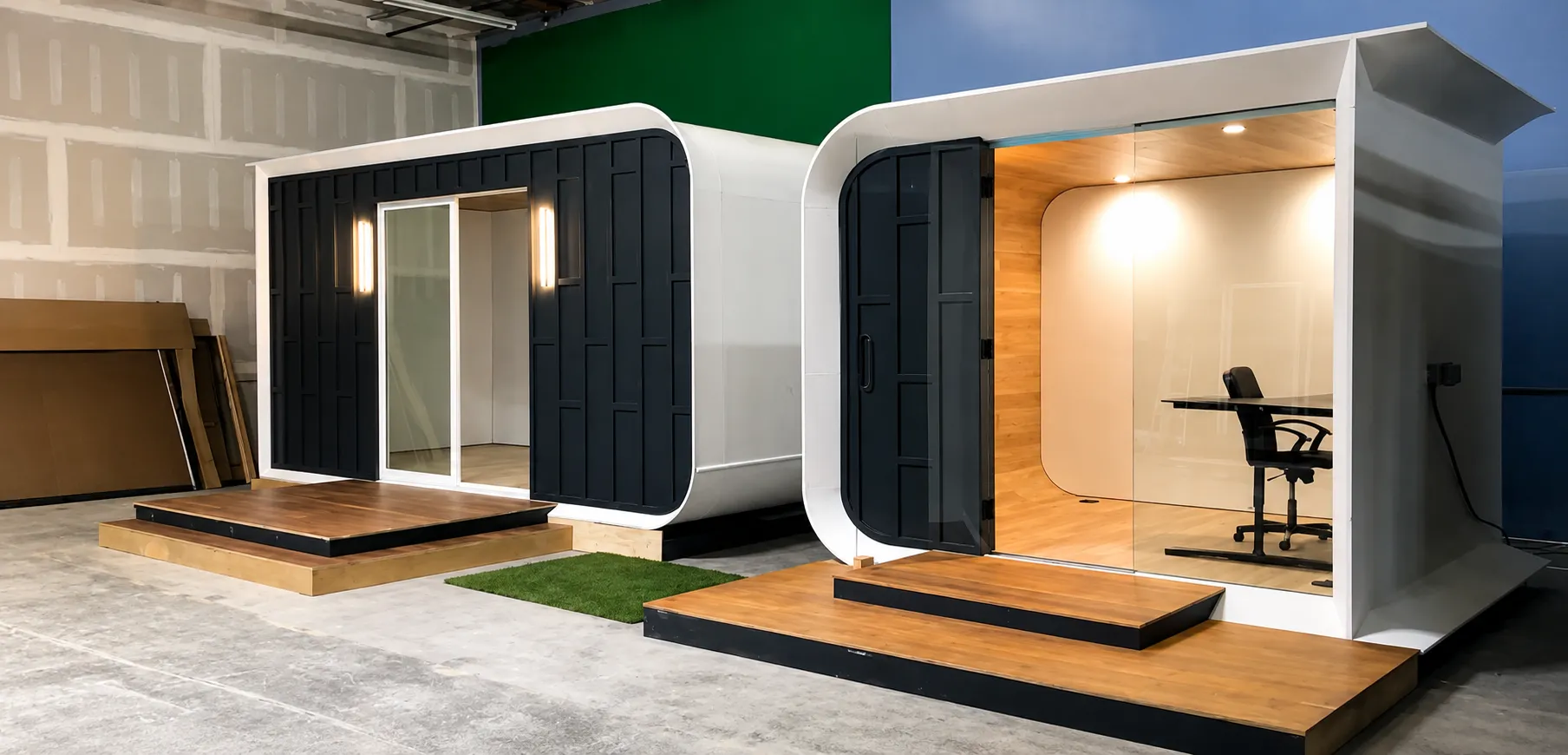
Today, modular construction can include permanent foundations, customized layouts, energy-efficient systems, durable materials, and factory-installed finishes. At Azure, we robotically print modular living spaces utilizing recycled materials, then complete the electrical, plumbing, and interior finishes in the factory. This controlled process supports consistency while giving buyers choices in layout, glazing, flooring, cabinetry, fixtures, and selected upgrades.
Some of the confusion also comes from homes that were installed on inadequate foundations, built with poor materials, or completed without the proper permits. Those issues can affect financing, maintenance costs, and resale value, but they are not caused by modular construction itself. Any property can lose value when workmanship is poor, documentation is missing, or maintenance is neglected.
The Biggest Factors That Affect Modular Home Value
Several factors influence whether a modular home appreciates or struggles in the resale market.
Location
Just like traditional homes, location remains the biggest driver of value. A modular home in a growing community with strong schools, nearby employment, convenient transportation, and desirable amenities has much greater appreciation potential than an identical home in a declining market.
Even the highest-quality home cannot fully overcome weak local market conditions. When planning a new modular home, buyers should evaluate:
- Long-term population growth
- Employment trends
- Future infrastructure projects
- School districts
- Neighborhood development
- Comparable home sales
These factors often have a greater influence on resale value than the construction method itself.
Permanent Foundation
Foundation type plays an important role in how lenders, appraisers, and future buyers view a property. Homes installed on permanent residential foundations are generally treated as real estate, which can support conventional financing and long-term appreciation.
A full concrete slab is not always necessary. We generally advise using a perimeter concrete or concrete masonry unit foundation. Each unit should be secured to the foundation with hold-down bolts, similar to a traditional structure.
For a standard flat lot with properly compacted soil, standard foundation details may be suitable. Sites with slopes, unstable soil, drainage concerns, or other unusual conditions will usually require a foundation designed for the specific property.
Choosing the right foundation from the beginning helps reduce permitting and financing complications while supporting the home’s long-term value.
Construction Quality
Not every modular home is built to the same standard. Quality materials, precise manufacturing, proper engineering, and careful installation all contribute to durability and buyer confidence.
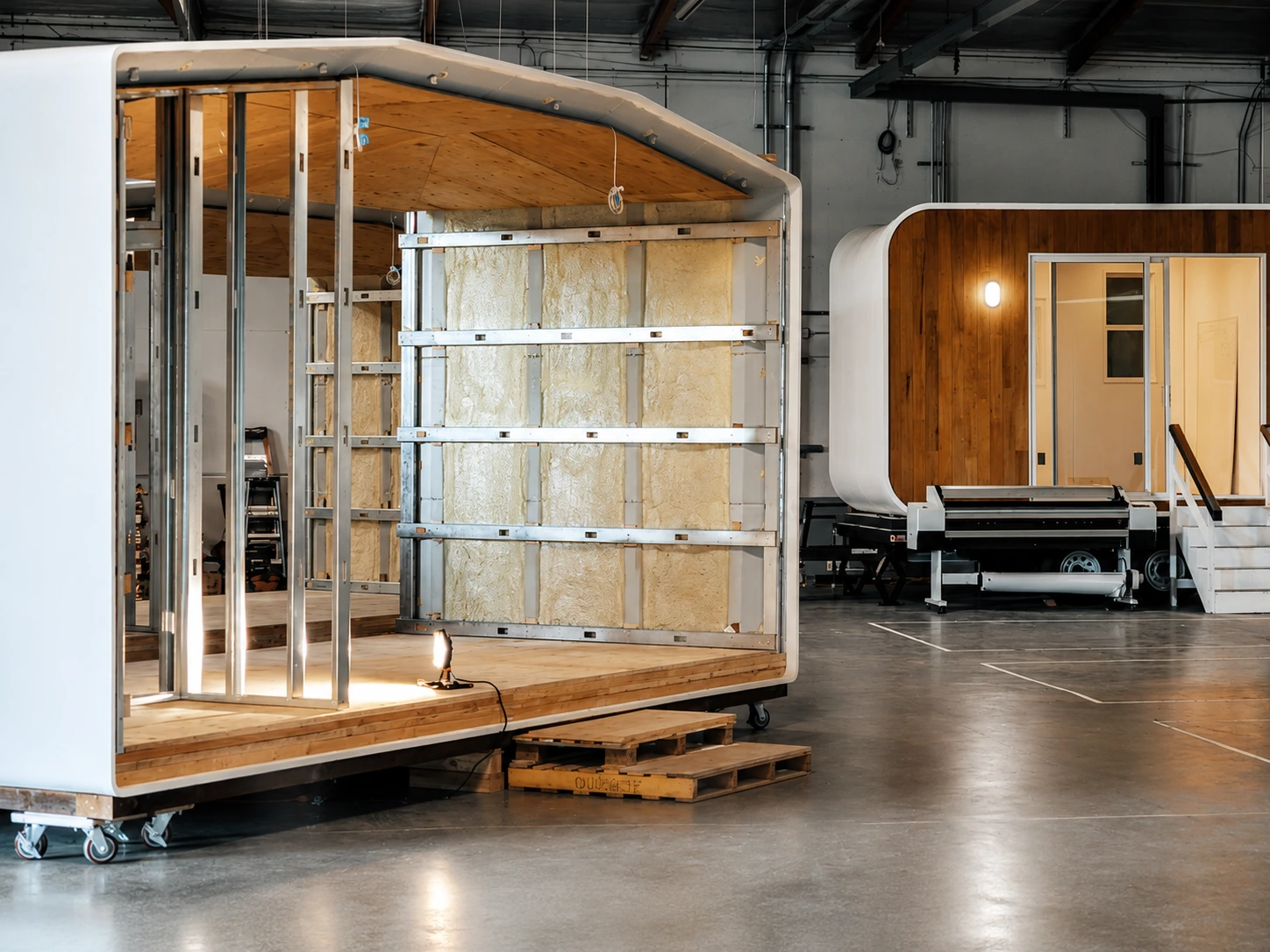
This is one area where factory production offers meaningful advantages. We robotically print structural shells utilizing recycled plastic materials, helping achieve consistent precision while reducing construction waste. After printing, we complete electrical systems, plumbing, and interior finishes in the factory before the home is delivered for installation. This controlled manufacturing process helps maintain quality throughout production rather than relying entirely on changing weather conditions at a construction site.
Consistent manufacturing can reduce many of the variables that often occur during traditional construction.
Ongoing Maintenance
Every home requires maintenance. Keeping the roof, windows, HVAC systems, plumbing, finishes, and exterior in good condition protects both comfort and resale value.
Deferred maintenance can reduce buyer confidence regardless of whether the home was modular or site built. Simple maintenance habits include:
- Repairing small issues before they become major problems.
- Maintaining exterior finishes.
- Servicing HVAC systems regularly.
- Protecting against moisture intrusion.
- Keeping landscaping well maintained.
A well-maintained home almost always performs better during resale.
How Modern Modular Construction Supports Long-Term Value
Long-term value is shaped by more than location and maintenance. The way a home is designed, manufactured, finished, and installed also influences how buyers view it years later.
We combine robotic printing, recycled materials, customizable interiors, and a structured delivery process. These elements can strengthen market appeal by improving precision, efficiency, comfort, and design flexibility.
Factory Construction Improves Consistency
Factory production helps reduce many of the variables that can affect traditional construction. Materials are protected from changing weather conditions, production steps follow a defined sequence, and quality checks can take place throughout the build.
This approach can provide several practical advantages:
- Greater construction precision
- Better protection of materials during production
- Reduced material waste
- Faster project timelines
- More predictable scheduling
- Consistent installation of factory-completed systems and finishes
We robotically print the structural shell, then complete electrical, plumbing, mechanical systems, and interior finishes in the factory. Many studio shells can be printed in approximately one day, while finishes are completed during 4-15 days over the following production period based on the selected configuration.
This does not guarantee appreciation on its own, but consistent construction quality can help protect condition, durability, and buyer confidence over time.
Sustainable Materials Strength Buyer Appeal
Sustainability is becoming a more important part of how buyers evaluate a home. Many people now consider not only the purchase price, but also how the home was built, how much material waste was created, and how efficiently it may perform.
We utilize recycled plastic materials in many of our robotically printed models. Approximately 100,000 plastic bottles are used to create 120 square feet of printed structure. This gives plastic waste a new purpose while reducing reliance on more conventional construction methods.
For buyers who value environmentally responsible design, recycled materials can add another layer of appeal. Sustainability may not determine resale value by itself, but it can help a property stand out as buyer priorities continue to change.
Energy Efficiency Improves Marketability
Energy efficiency affects both everyday comfort and long-term ownership costs. A home that is easier to heat and cool can be more attractive to future buyers, especially in areas with high energy costs or demanding climates.
Modern modular homes may include:
- High-quality insulation
- Efficient building envelopes
- Double-pane windows
- Energy-efficient HVAC systems
- Solar-ready features
- Battery options
- Climate-specific insulation packages
We offer destination-specific insulation, HVAC systems, solar panels, and battery solutions depending on the model and project. These options allow the home to be adapted to local climate conditions and the buyer’s energy goals.
Lower operating costs and improved indoor comfort can support resale appeal, particularly when energy performance is documented and the systems have been properly maintained.
Customization Broadens Resale Appeal
A modular home does not have to follow a fixed, one-size-fits-all design. Modern production methods allow buyers to personalize layouts, finishes, glazing, fixtures, and selected room configurations before manufacturing begins.
We start by helping buyers configure the unit around the property, intended use, and preferred design. Depending on the model, customization can include:
- Layout and room configuration
- Unit dimensions and orientation
- Side-wall glazing or solid-wall options
- Flooring
- Wall and ceiling finishes
- Cabinetry
- Lighting
- Plumbing fixtures
- Selected upgrades such as solar panels or heated floors
Thoughtful customization can improve daily living while also supporting future resale. The strongest choices are usually those that feel personal without becoming so unusual that they limit the future buyer pool.
Practical layouts, useful storage, natural light, durable finishes, and flexible rooms tend to appeal to a broader range of buyers.
A Predictable Process Supports Quality
A clear production and installation process can also help protect long-term value. When each stage is planned in advance, there is less room for confusion about responsibilities, site preparation, utility connections, and final installation.
Our process moves through five main stages:
Configuring the Unit
The buyer selects a model and customizes the available layout, finishes, systems, and design features. This stage can often be completed with a salesperson or through the configuration process in about one hour.
Printing the Home
The structural shell is robotically printed utilizing recycled materials. Depending on the model, printing may take approximately one day or several days for larger units.
Completing the Finishes
Electrical, plumbing, mechanical systems, cabinetry, flooring, fixtures, and interior finishes are installed in the factory. This stage generally takes between 4 and 15 days, depending on the unit and selected options.
Delivering the Unit
Once factory work is complete, the home is transported to the prepared site. Delivery commonly takes one to two days, depending on distance, access, and project conditions.
Installing and Connecting
The unit is placed and secured on the prepared foundation. Required utility connections and final installation work are then completed so the home can become move-in ready. Installation generally takes one to four days, depending on the site and project scope.
This structured workflow gives buyers a clearer view of what happens at each stage. It also helps ensure that factory production, site preparation, foundation work, delivery, and installation stay coordinated.
How Buyers Can Protect Their Investment
Although no home is guaranteed to appreciate, several decisions can improve long-term value.
Choose Quality From the Beginning
Selecting an experienced manufacturer and investing in quality construction often pays off over the long term. Higher-quality materials and better engineering generally reduce future maintenance while improving buyer confidence during resale.
Keep Complete Documentation
Maintain records of permits, inspections, warranty information, major repairs, upgrades, and maintenance history. Well-organized documentation demonstrates that the home has been properly maintained.
Invest in Thoughtful Upgrades
Some improvements continue adding value for years.
Examples include:
- Energy-efficient systems
- Landscaping
- Outdoor living spaces
- Modern kitchens
- Updated bathrooms
- Premium flooring
- Solar options where appropriate
The best upgrades improve everyday living while also appealing to future buyers.
Common Myths About Modular Home Value
Many concerns about modular home value come from outdated information or confusion with other types of factory-built housing. While every property is different, modern modular homes are often misunderstood. Separating common myths from reality can help buyers make more informed decisions before investing in a home.
Myth: Modular Homes Always Lose Value
Modular homes do not automatically depreciate simply because they are built in sections. Their long-term performance depends on location, construction quality, maintenance, foundation type, and local housing demand. A well-built modular home on a permanent foundation can be treated as real property and evaluated much like a site-built home.
Myth: Modular Homes Are the Same as Manufactured Homes
Modular and manufactured homes are different housing categories. Modular homes are built in factory sections and then assembled on-site according to local or state building codes. They are typically installed on permanent foundations and become part of the property. Manufactured homes are built under a separate federal construction standard and may be treated differently for financing, appraisal, and resale.
Myth: Buyers Do Not Want Modular Homes
Buyer interest often depends more on design, condition, location, and functionality than on the construction method itself. Modern modular homes can offer practical layouts, attractive finishes, shorter production timelines, and consistent factory construction. Sustainability and energy efficiency can also strengthen appeal.
Myth: Modular Homes Cannot Be Customized
Modern modular construction can offer substantial design flexibility. Depending on the model and project, buyers may be able to adjust layouts, dimensions, orientation, glazing, flooring, cabinetry, fixtures, lighting, wall finishes, and selected room configurations. Optional upgrades can also include solar panels, batteries, heated floors, and climate-specific insulation.
Final Thoughts
So, do modular homes lose value? Not simply because they are modular.
Long-term value is influenced by the same fundamentals that shape every residential property: location, quality construction, permanent installation, ongoing maintenance, and changing market demand.
Modern modular construction has come a long way. Buyers now have access to customizable homes built with advanced manufacturing techniques, consistent quality control, and sustainable materials.
At Azure Printed Homes, we combine robotic 3D-printed construction with recycled materials, customizable designs, energy-efficient options, and a structured production process that takes projects from configuration to move-in readiness. By focusing on quality manufacturing and thoughtful design from the beginning, we help create homes built not only for today’s lifestyle but also for long-term ownership and lasting value.