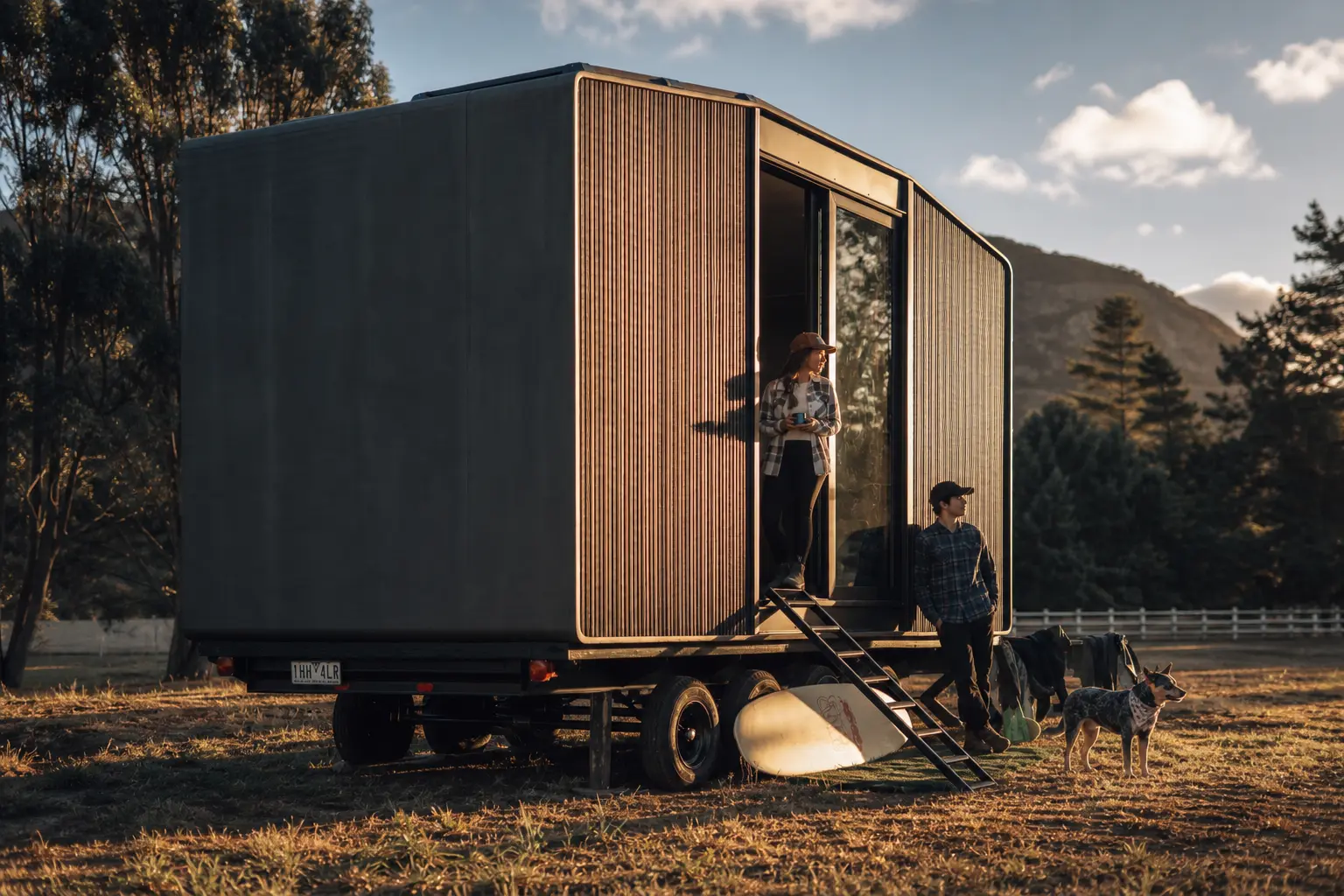
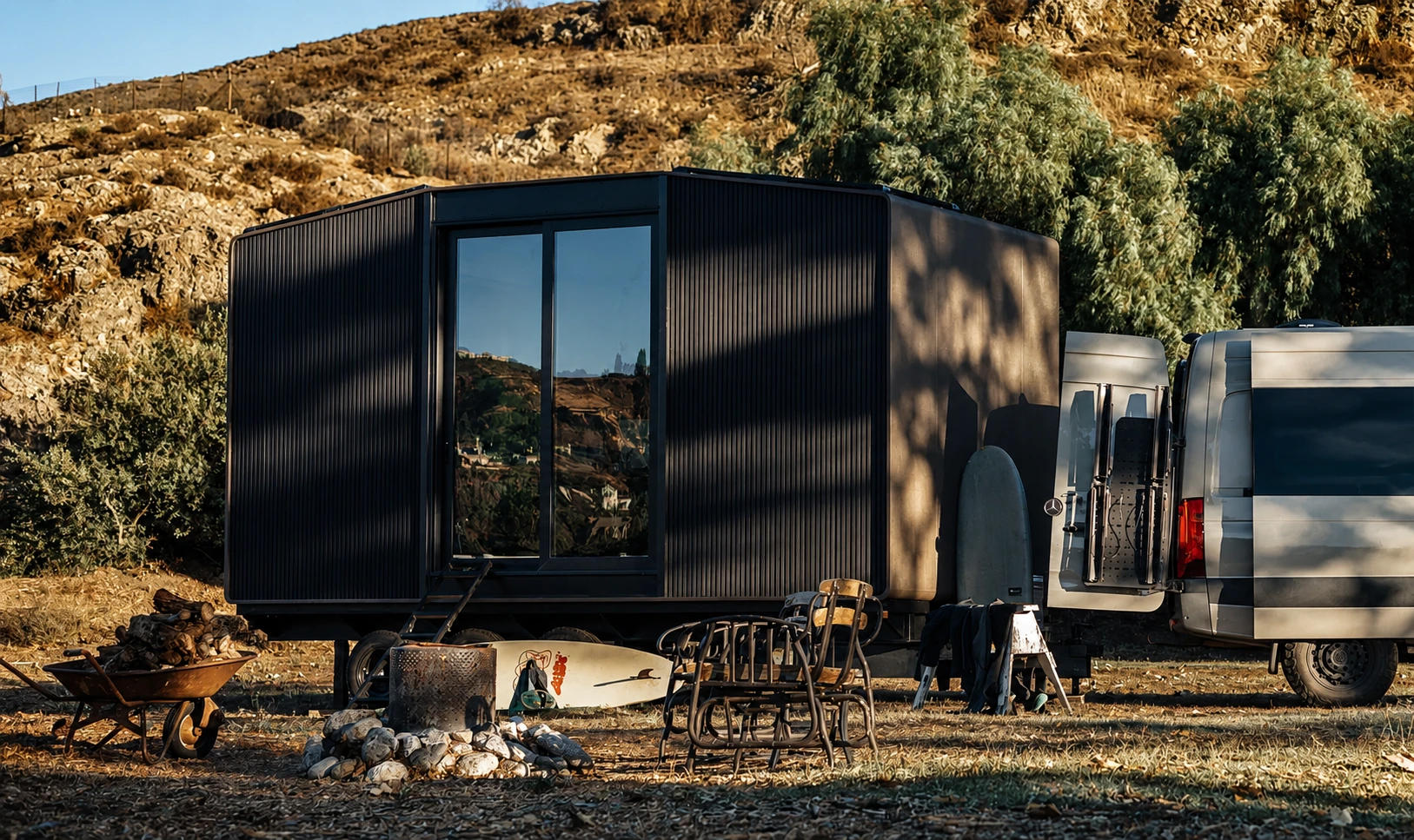
Many homeowners search for states that will pay them to build tiny homes for free. The reality is a little different. Most programs do not fund tiny homes simply because they are tiny. Instead, they support accessory dwelling units (ADUs) or other affordable housing projects that meet specific eligibility requirements.
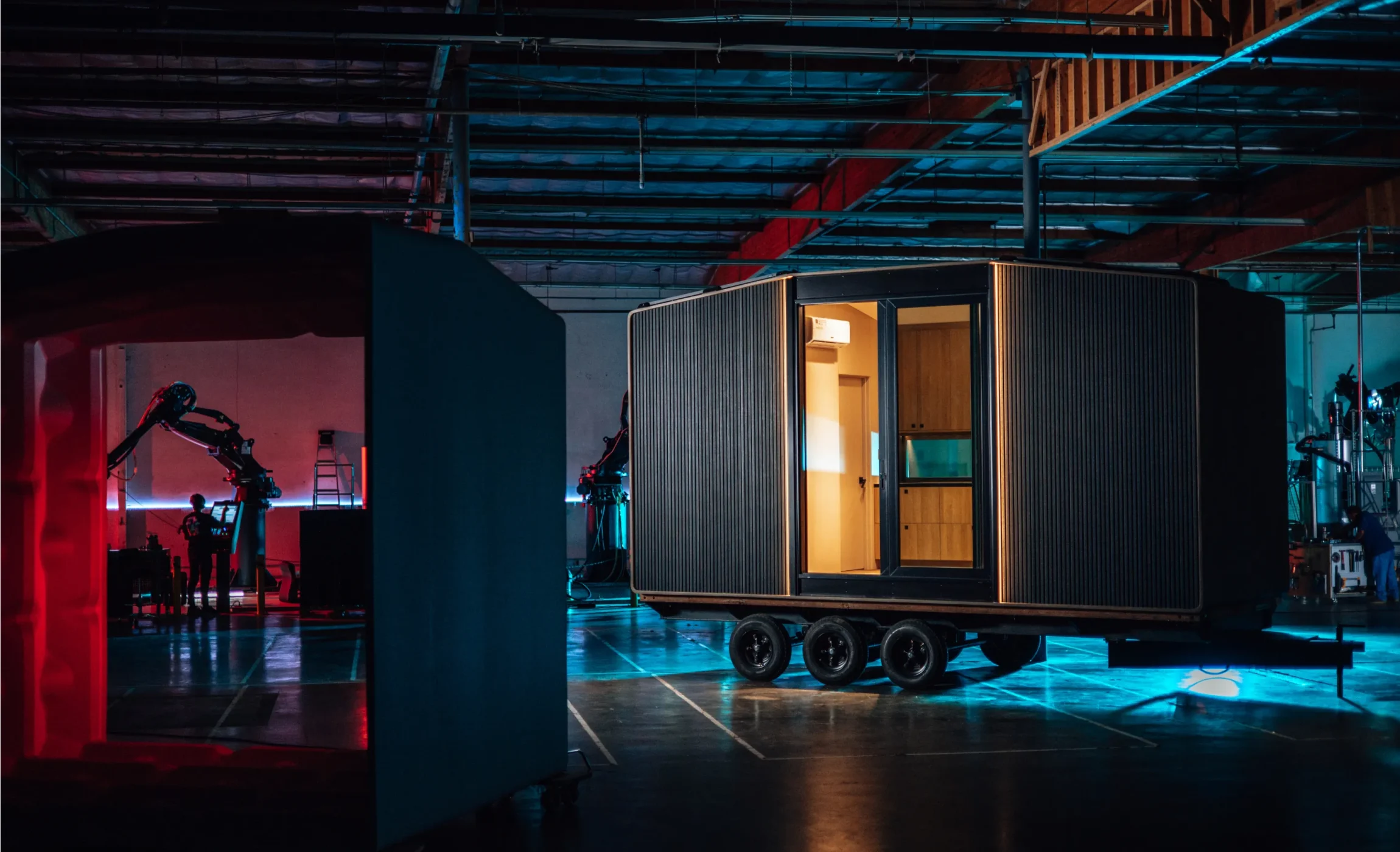
For homeowners considering a backyard home, understanding how these programs work is just as important as choosing the right building system. At Azure Printed Homes, we manufacture robotically printed modular homes, ADUs, studio spaces, and homes on wheels. Because our homes are built in a factory with electrical, plumbing, mechanical systems, and interior finishes completed before delivery, our approach fits naturally into many projects where homeowners want predictable timelines and transparent project planning.
This guide explains which states currently offer ADU incentives, how these programs work, and what to consider before starting a project.
Can You Really Get a Tiny Home for Free?
Usually, no. Most states do not offer programs that pay for any type of tiny home. In practice, grants and other forms of assistance are usually connected to accessory dwelling units, or ADUs. An ADU is a secondary residential unit located on the same property as a primary home.
This distinction matters because not every small structure qualifies. A tiny home on wheels, a backyard studio without a full kitchen, or a unit intended for short-term rental use may fall outside the program rules. Eligible projects usually need to meet local zoning, permitting, building code, utility, and occupancy requirements.
Even when a project qualifies, the available support rarely covers the full cost. Financial assistance may include:
- Grants for pre-construction expenses
- Construction grants
- Low-interest financing
- Permit fee assistance
- Utility or development fee reductions
- Interest-rate subsidies
- Technical assistance
Many programs also require homeowners to meet income limits, follow rent restrictions, use the unit for long-term housing, or keep the property as a primary residence. For that reason, these programs are better understood as financial support for approved ADU projects rather than an offer of a completely free tiny home.
Why States Are Offering ADU Incentives
Housing shortages continue to affect communities across the United States, especially in areas where land is limited, construction costs are high, and new housing takes years to approve and complete. Accessory dwelling units offer states and local governments a practical way to add more homes without requiring entirely new neighborhoods, major road expansions, or large-scale infrastructure projects.
An ADU can be built on a property that already has access to streets, utilities, schools, and public services. That makes it possible to increase housing supply within established communities while using land more efficiently. In many cases, a backyard unit, garage conversion, or attached addition can be completed faster than a traditional housing development.
These homes can also serve different needs. Some families use ADUs for aging parents, adult children, or relatives who need more independence while remaining close by. Others use them as long-term rentals, creating additional housing for local workers, students, or smaller households. When programs include affordability rules, ADUs may also help create lower-cost rental options in communities where housing prices have risen sharply.
States offer incentives because many homeowners are interested in building ADUs but cannot afford the full upfront cost. Design, permits, site preparation, utility connections, and construction can make a small unit much more expensive than expected. Grants, fee waivers, low-interest financing, and technical support can help more homeowners move forward with projects that would otherwise remain out of reach.
For modular ADU projects, factory production can also support this broader housing goal. At Azure Printed Homes, we manufacture units while site preparation can move ahead separately. This coordinated process can reduce delays and make timelines easier to manage, which is especially useful when a public program requires construction to be completed within a set period.
Rather than relying only on large housing developments, many states now see ADUs as one part of a wider housing strategy. They allow communities to add homes gradually, support multigenerational living, expand long-term rental supply, and make better use of residential lots that already exist.
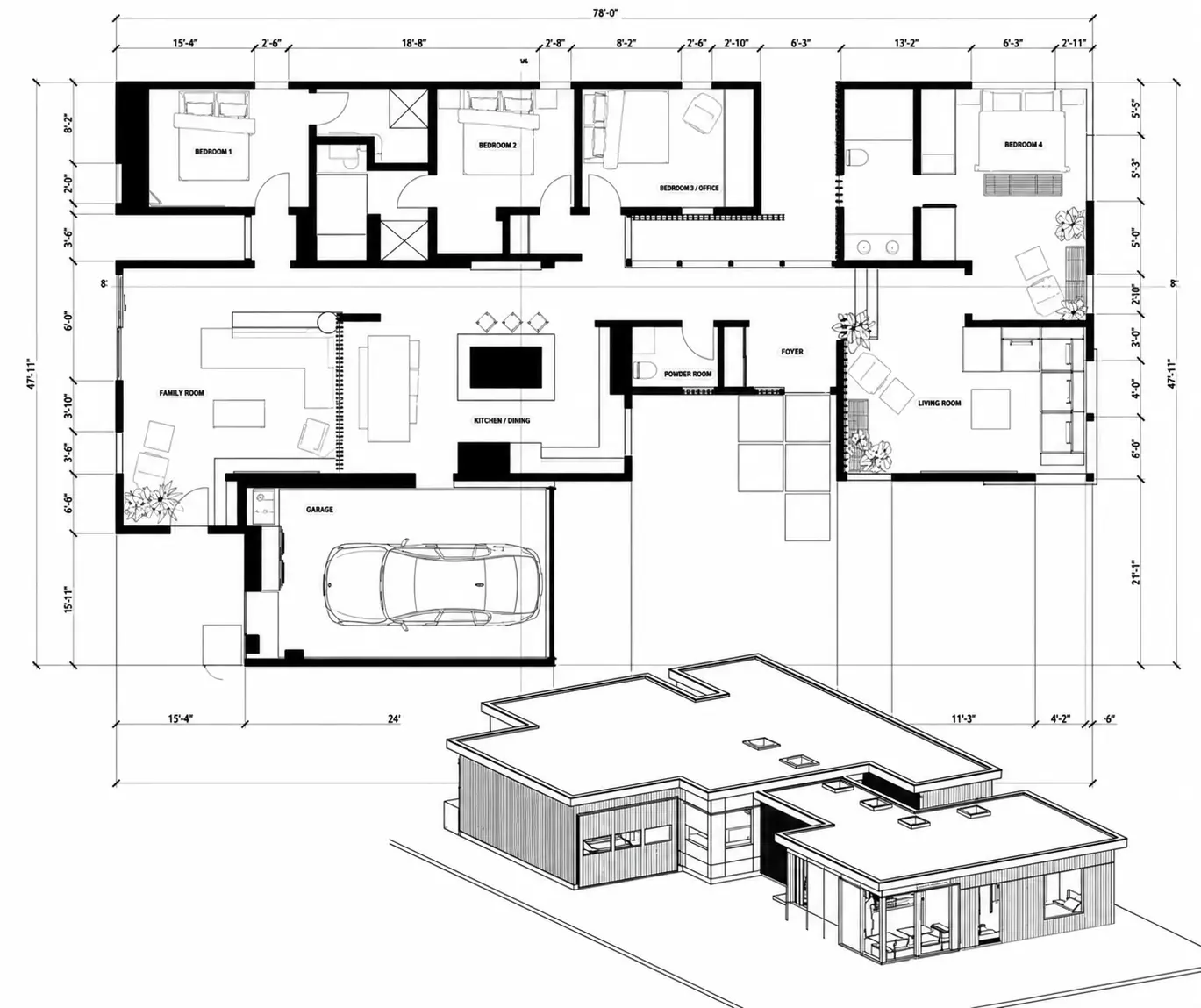
States That Currently Offer ADU Financial Assistance
Several states have established programs that help reduce the cost of building an ADU. These programs change over time, so homeowners should always verify current funding before beginning a project.
New York
New York currently operates one of the largest homeowner-focused ADU assistance programs. The Plus One ADU Program may provide eligible homeowners with up to $125,000 through participating nonprofit organizations and municipalities.
Depending on the project, funding may support:
- Detached backyard homes
- Basement apartments
- Attic conversions
- In-law suites
- Garage conversions
The program generally requires household income within program limits, long-term residential occupancy, no short-term rental use, and compliance with local zoning.
Vermont
Vermont’s Housing Improvement Program may provide grants of up to $50,000 for qualifying ADU projects. Recipients typically must:
- Complete construction within the required timeframe
- Meet rental affordability requirements if the unit will be rented
- Follow local zoning and building regulations
The program is intended to expand long-term housing while helping property owners improve existing residential lots.
Colorado
Colorado has recently expanded statewide ADU support. Rather than providing one universal homeowner grant, the state funds several programs that help local governments and homeowners.
Current initiatives include ADU-supportive local planning, financing assistance, interest-rate reductions, credit enhancements, and technical assistance. Availability depends on whether the local jurisdiction participates in the state’s ADU framework.
Hawaii
Several counties in Hawaii provide financial incentives rather than one statewide program. Examples include Maui County grants for qualifying workforce housing projects and Kauai development fee waivers and financial incentives for eligible affordable rental units.
These programs often require homeowners to rent the ADU as long-term housing rather than use it for vacation rentals.
California
California helped popularize ADU construction and previously operated one of the country’s best-known grant programs.
Earlier funding provided up to $40,000 for pre-construction expenses such as design, permitting, soil reports, and surveys. However, the previous statewide funding has been exhausted, and the program is no longer accepting applications. Future funding depends on additional legislative appropriations.
What Costs Usually Remain the Homeowner’s Responsibility
Even when grant funding is available, homeowners often remain responsible for several project costs.
These may include:
- Land improvements
- Site grading
- Foundations
- Utility trenching
- Landscaping
- Delivery
- Local inspection fees
- Project-specific upgrades
At Azure Printed Homes, we clearly separate factory production from site-specific work so homeowners can understand where project costs begin and end. We complete the home’s electrical, mechanical, plumbing, and interior finishes during factory production, while foundations, permits, utility connections, delivery, and other site work are planned separately based on each property. This approach helps create realistic project budgets from the beginning.
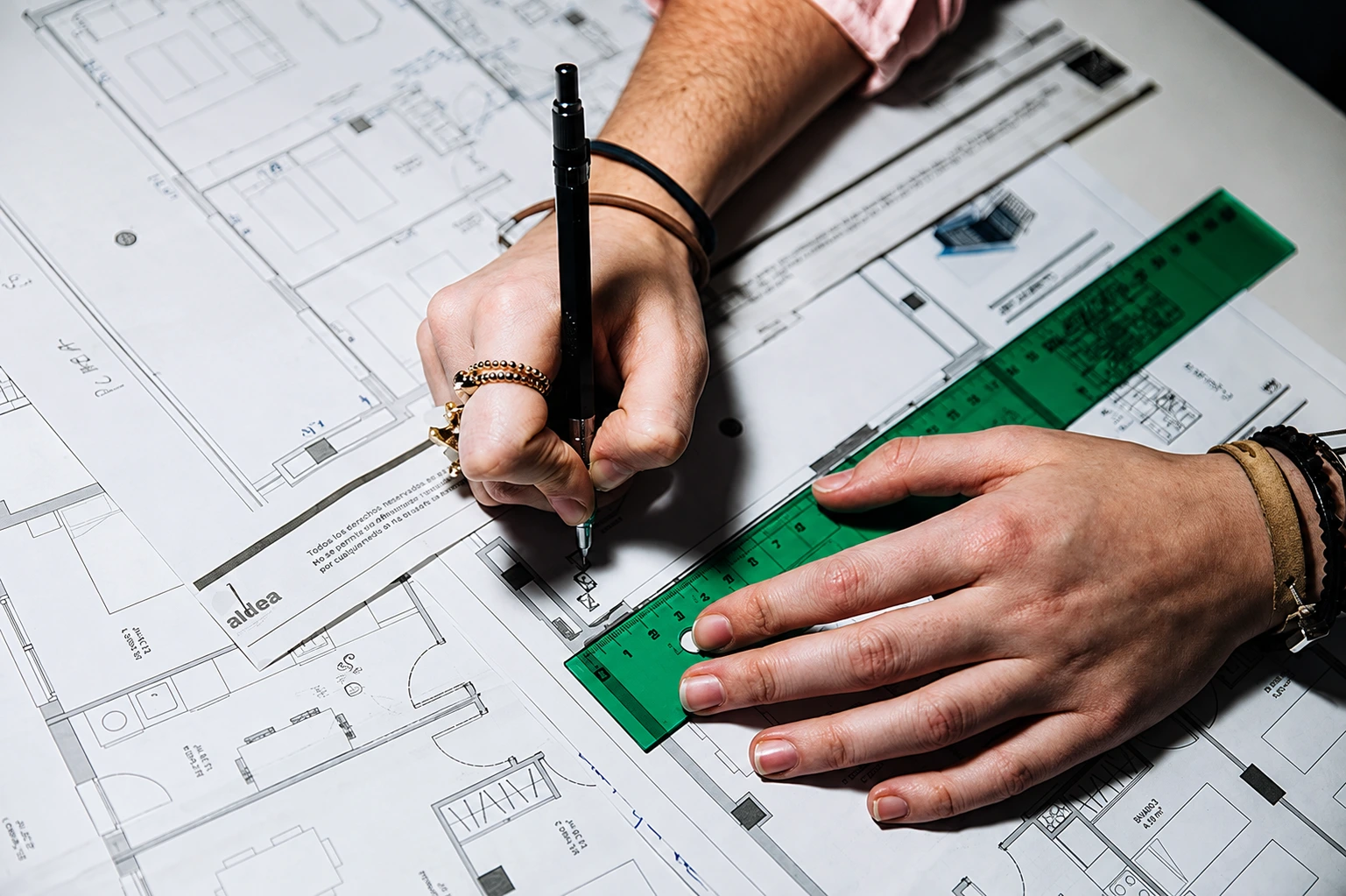
Choosing and Planning an ADU
Selecting an ADU starts with the property, not the model. A compact home may look suitable on paper, but it still needs to fit the lot, comply with local rules, connect to utilities, and match the intended use. Homeowners should review zoning, setbacks, foundation requirements, maximum building size, utility access, site conditions, and budget before settling on a layout.
This is also where the difference between a movable tiny home and a permanent ADU becomes important. Many grant and incentive programs are designed for permitted residential units installed on a permanent foundation. A home on wheels may be useful in other situations, but it may not qualify for the same funding, zoning treatment, or long-term occupancy rules.
Matching the Layout to the Property
The right size depends on how the unit will be used. A one-bedroom ADU may suit a family member, long-term tenant, or guest arrangement, while a larger two-bedroom layout may work better for a household that needs more separation and storage. The available yard space, access route, utility placement, and local lot coverage limits can all affect which option is realistic.
At Azure Printed Homes, we manufacture several modular homes and ADUs that can be considered for backyard projects:
- 360: 18 x 20 ft, 1 bedroom, 1 bathroom, 1 kitchen, starting at $89,900
- 540: 18 x 30 ft, 1 bedroom, 1 bathroom, 1 kitchen, starting at $134,900
- 720.1 and 720.2: 18 x 40 ft with one- or two-bedroom layouts, starting at $174,900
- 900: 18 x 50 ft, 2 bedrooms, 1.5 bathrooms, starting at $219,900
- Custom homes: Projects up to approximately 3,000 sq ft
The larger range does not mean every model will suit every lot. A smaller unit may be easier to place, while a larger one may provide more usable living space but require more extensive site work. The best choice depends on local limits and the homeowner’s goals.
Looking Beyond the Unit Price
The model price is only one part of the full project budget. Foundations, permits, site preparation, utility connections, delivery, and installation can add substantially to the total cost. These expenses vary by property, which is why early site review matters.
We complete electrical, mechanical, plumbing, and interior finishes during factory production, while site-specific work is planned separately. This separation can make the budget easier to understand because the manufactured unit and the property work are treated as related but distinct parts of the project.
For homeowners applying for an ADU grant, that distinction may also help when identifying which expenses are eligible. Some programs focus on construction, while others cover design, permits, inspections, or financing support.
How the Project Moves Forward
An ADU project usually develops through several connected stages. The process begins with a discussion of the intended use, preferred layout, budget, and non-negotiable requirements. The property then needs to be assessed to determine what can be built and how the unit can be positioned.
At Azure, we organize the process around six main stages:
- Client assessment
- Site assessment
- Architectural, structural, MEP, and energy planning
- Submission of module construction documents for approval
- Factory production while site work is prepared
- Delivery, installation, and utility connection coordination
This approach allows factory work and site preparation to progress at the same time where the project allows it. That can reduce delays compared with a fully sequential build, although the final schedule still depends on approvals, customization, location, project size, and current lead times.
Timelines and Practical Expectations
Backyard studio projects may be delivered in approximately 30 to 60 days, while homes and ADUs may be delivered within about 90 to 120 days. These figures are estimates rather than guarantees. Permitting delays, site conditions, utility work, design changes, and local inspections can all extend the schedule.
For grant-funded projects, timing can be especially important. Some programs require the work to be completed within a set period, so homeowners should confirm both the program deadline and the expected construction schedule before committing to a model.
A suitable ADU is therefore not simply the smallest or least expensive option. It is the one that fits the property, qualifies under local rules, supports the intended use, and can be delivered within a realistic budget and timeline.
What to Consider Before Applying
Before submitting an application, homeowners should verify several important details.
Questions worth answering include:
- Does local zoning allow an ADU?
- Is the property large enough?
- Are utility connections available?
- Is owner occupancy required?
- Are income limits applicable?
- Will rental restrictions apply?
- Are there long-term affordability requirements?
- Does the project need to be completed within a specific timeframe?
- Which costs does the program actually reimburse?
Reviewing these requirements early can prevent costly changes later in the process.
Conclusion
States are not generally giving away free tiny homes, but many are helping homeowners build ADUs through grants, financing programs, fee reductions, and technical assistance. New York, Vermont, Colorado, Hawaii, and previously California have all created programs that support additional residential housing under specific conditions.
For homeowners exploring these opportunities, selecting the right building approach is just as important as securing funding. At Azure Printed Homes, we manufacture modular homes and ADUs using robotic printing and recycled materials, with factory-completed electrical, plumbing, mechanical systems, and interior finishes. By combining transparent production with a structured project process, we help homeowners move from planning to installation with a clearer understanding of timelines, costs, and available housing options.