Colorado offers more opportunities for tiny-home living than many buyers initially realize. Counties across the state allow compact homes, accessory dwelling units, factory-built residences, and homes on wheels under different sets of rules. The difficult part is not finding a county that recognizes tiny homes. It is finding a property where the intended type of home is permitted.
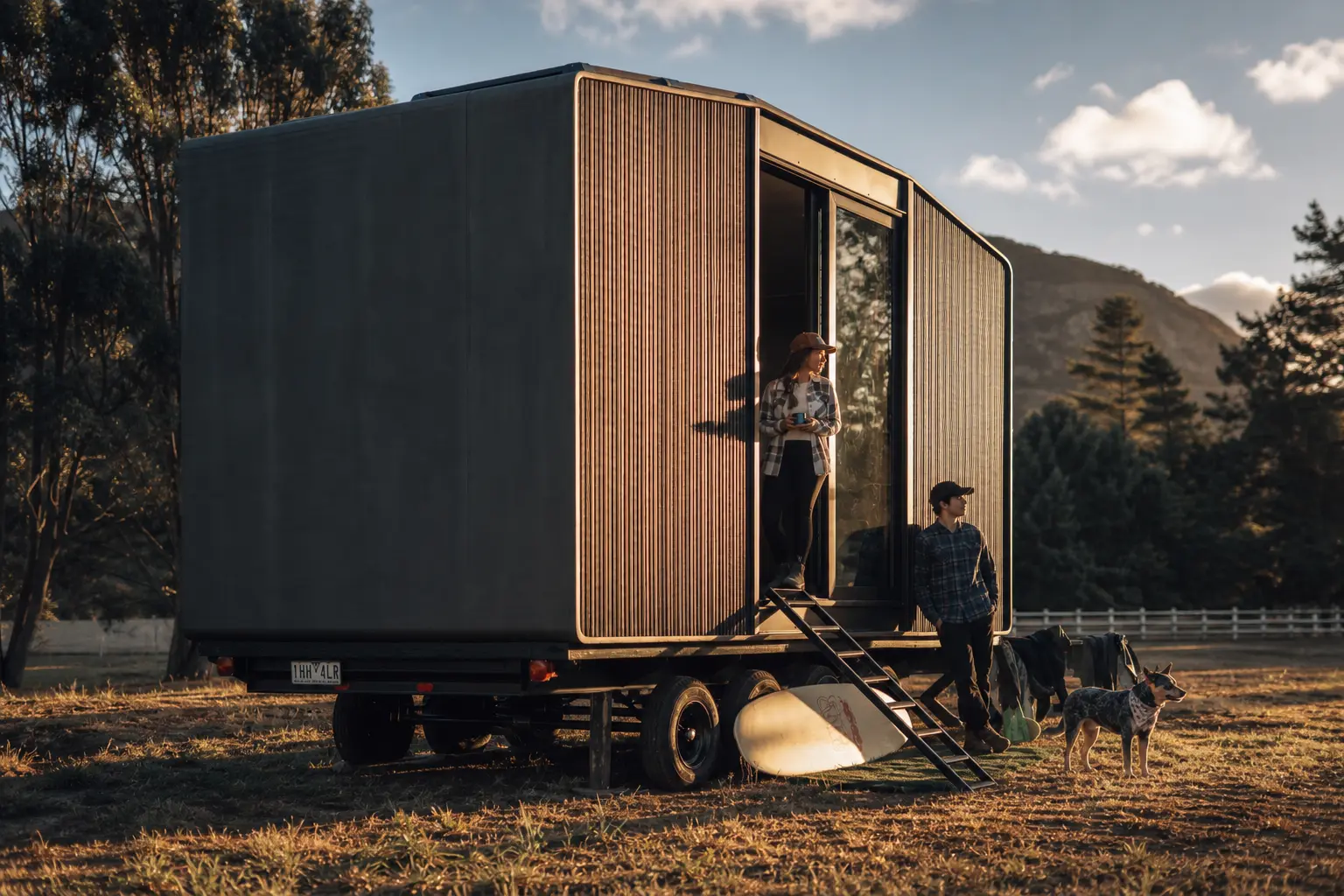
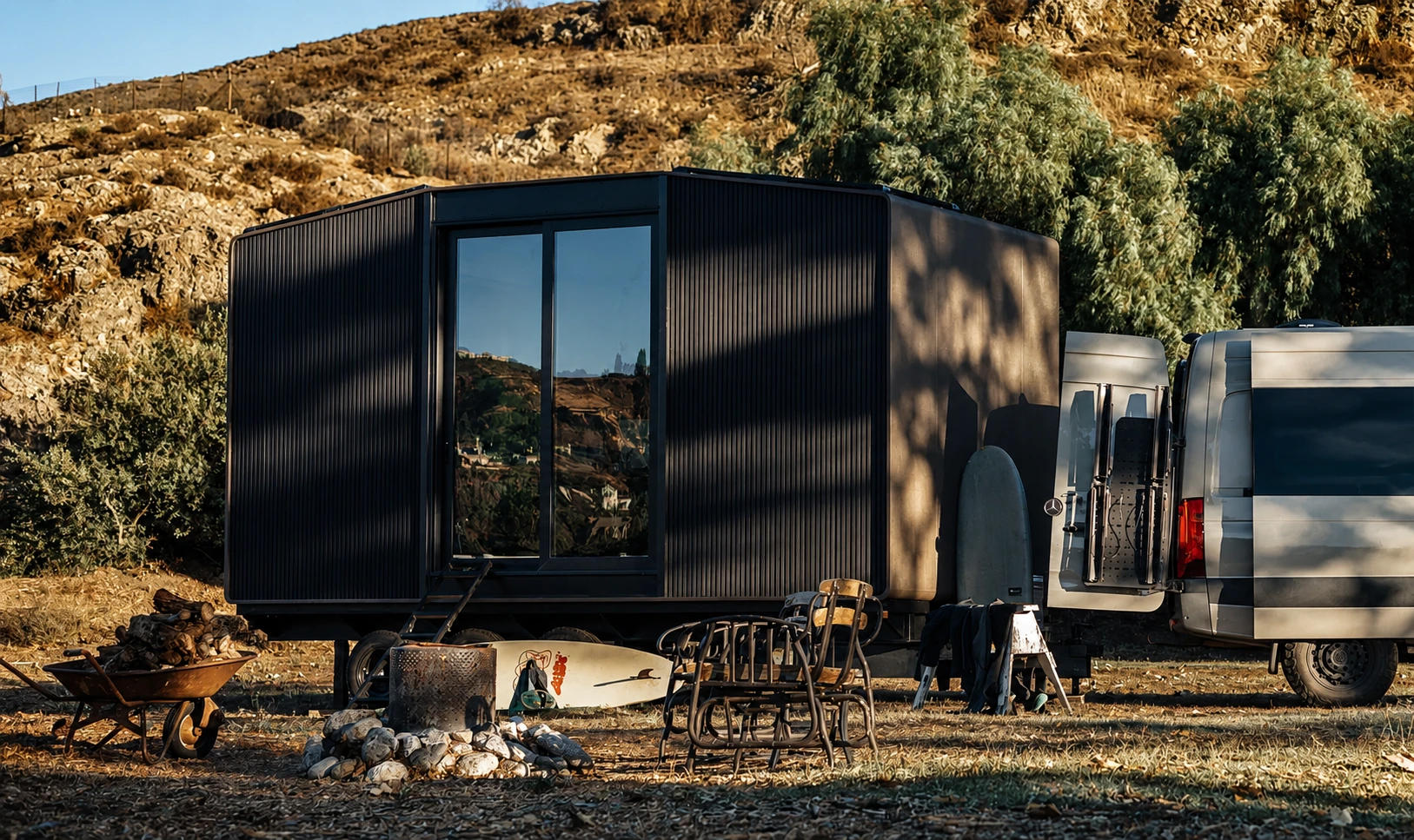
At Azure Printed Homes, we manufacture several types of compact modular living spaces, including backyard studios, homes on wheels, and permanent homes and ADUs. That range matters in Colorado because local authorities may classify each option differently. A home installed on a permanent foundation may be treated as a residential dwelling or ADU, while a chassis-based model may fall under RV or park-model rules.
This guide explains which Colorado counties are generally open to tiny homes, how local regulations differ, and what buyers should confirm before selecting land or ordering a unit.
Are Tiny Homes Legal in Colorado?
Tiny homes can be legal permanent residences in Colorado, but state recognition does not remove local zoning and permitting requirements.
Colorado has taken steps to create a clearer path for factory-built tiny homes, including legislation affecting qualifying homes of 400 square feet or less. The state also uses residential construction standards that may include the International Residential Code and Appendix Q, depending on the jurisdiction and project.
Still, a home that meets construction standards does not automatically have permission to sit on any parcel. Counties and municipalities continue to control matters such as:
- Permitted land uses
- Minimum dwelling sizes
- Setbacks
- Lot coverage
- Foundation requirements
- Water and wastewater systems
- Utility connections
- Fire-zone requirements
- Parking
- Permanent occupancy
This distinction is important for anyone comparing models. We offer permanent homes as well as chassis-based homes on wheels, but buyers should first determine how the local authority classifies the unit they want.
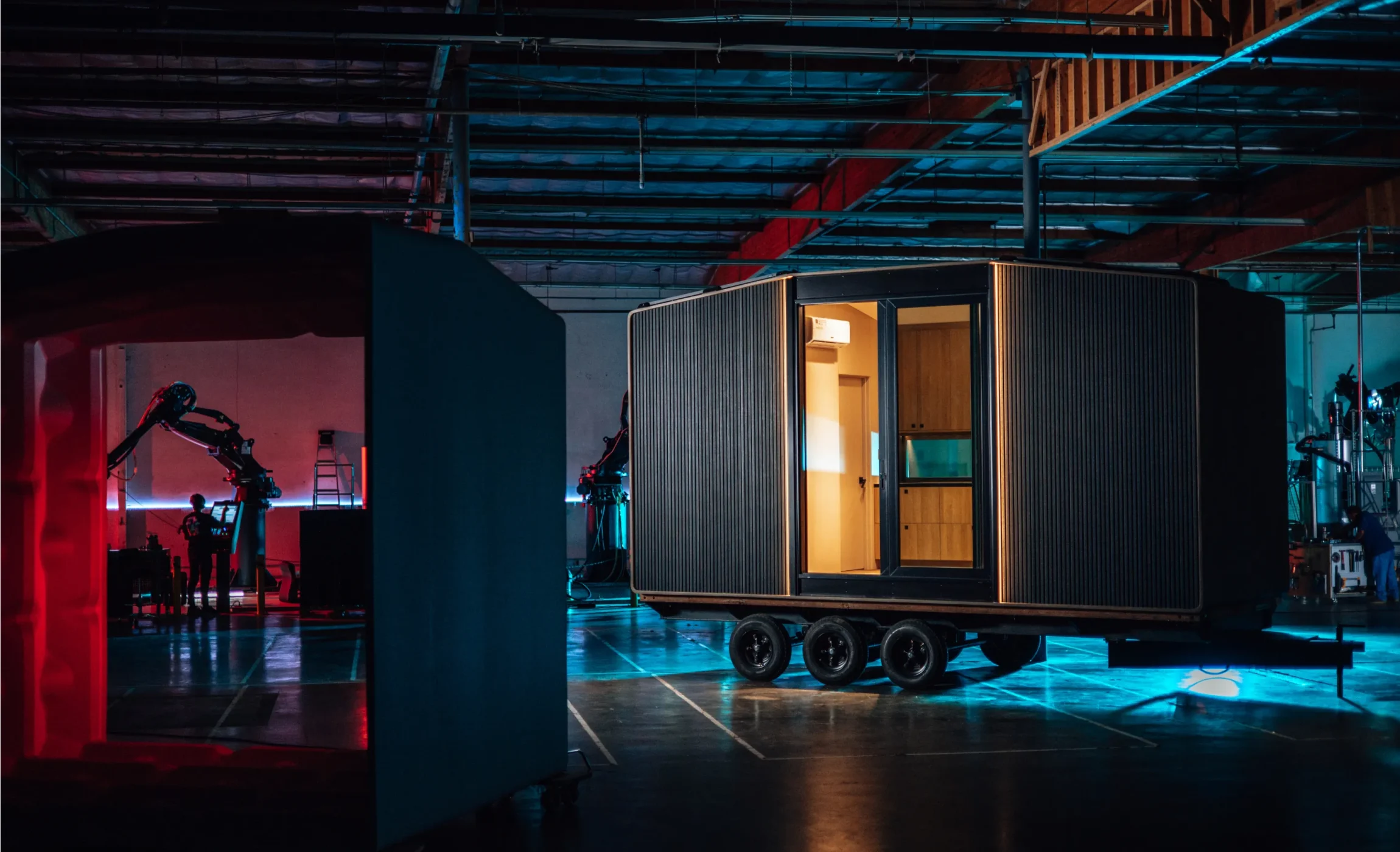
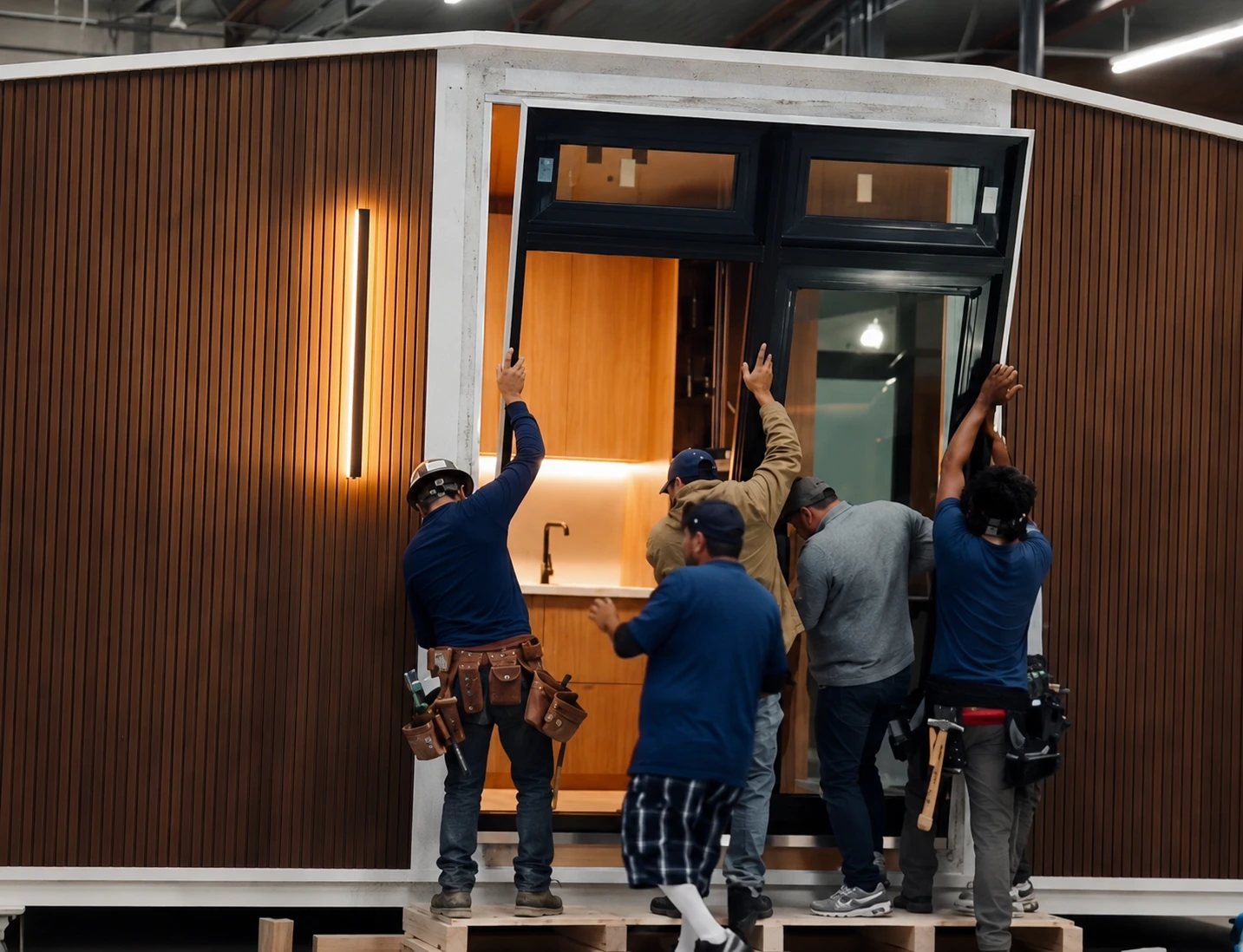
We also operate a 25,000 sq ft manufacturing facility in east Denver, where we produce factory-built homes, ADUs, and other modular living spaces for delivery across Colorado. Local production can simplify transportation and project coordination, but it does not replace county zoning, permitting, foundation, or utility requirements. The same model type can still face different placement rules from one county to another.
Colorado Counties That Allow Tiny Homes
A number of Colorado counties have established pathways for tiny homes, ADUs, or compact permanent residences. This does not mean every lot in these counties is suitable. Regulations may change by municipality, zoning district, development type, and whether the home is a primary residence, an ADU, a park model, or a recreational vehicle.
El Paso County
El Paso County is one of the more accommodating areas for tiny homes in Colorado. Depending on zoning, a unit may be allowed on an individual parcel or in an approved RV park. Chassis-based homes may need ANSI or RVIA compliance, while permanent residences must meet local rules for foundations, utilities, exterior finishes, and occupancy.
Colorado Springs has separate city requirements, so a property inside city limits should not be judged only by county rules. Community projects may also face limits on density, spacing, parking, access, and fire protection.
For buyers planning a permanent installation, our 360 model may suit some smaller residential projects. It measures 18 by 20 feet and includes one bedroom, one bathroom, and one kitchen, but the parcel must still qualify for residential use.
Jefferson County
Jefferson County allows small permanent residences when they meet applicable building codes. A broad minimum dwelling size may not apply in every case, but permits, zoning approval, utilities, structural compliance, and inspections are still required.
Golden is a city within Jefferson County and follows its own municipal rules. Qualifying tiny homes may need to be permanently installed, properly permitted, and placed on residentially zoned land.
Buyers should also review:
- Road and delivery access
- Slope and drainage
- Wildfire exposure
- Water and wastewater availability
- Utility connection costs
Adams County
Adams County recognizes tiny homes under defined size and development standards, often in the range of approximately 100 to 400 square feet. The exact definition depends on the zoning district and proposed use.
The county may also allow tiny-home villages through a separate development process. Those projects can involve minimum parcel sizes, shared infrastructure, access planning, utilities, and additional permits.
Factory production can reduce the amount of work completed outdoors, but it does not replace those site requirements. We build the unit in a controlled facility while the foundation and utility work can move forward separately.
Larimer County
Larimer County allows tiny homes that satisfy local zoning and building requirements. Foundation-based homes generally need a permit, permanent foundation, approved water and wastewater systems, inspections, setbacks, and compliance with local climate conditions.
Fort Collins is located within Larimer County but follows separate city rules. Small homes may be allowed as ADUs or permanent residences in qualifying zones, with additional controls on height, parking, and neighborhood design.
For permanent projects, our 360, 540, 720, and 900 models provide several residential layouts. The right option depends on whether the unit will serve as a primary home, detached ADU, or another approved use.
Boulder County
Boulder County allows tiny homes in some areas, including certain unincorporated locations, but the approval process can be detailed.
A permanent home may require:
- A permanent foundation
- Site plan review
- Approved water and wastewater
- Residential and energy-code compliance
- Setback and lot-coverage approval
A small structure approved as an office or studio is not automatically legal for full-time living. Our N-100, A-120, and D-120 do not include bedrooms, bathrooms, or kitchens as standard, so they are better suited to non-residential uses unless a customized design and local approval support occupancy.
Pueblo County
Pueblo County follows standards connected to the 2018 International Residential Code and Appendix Q for qualifying tiny houses. Permanent homes generally need approved foundations, permanent utility connections, permits, and inspections.
Factory-built units may also need documentation showing that they were inspected during production. Rural parcels can add costs for wells, septic systems, road improvements, and utility extensions, so an affordable parcel may still require substantial site work.
Broomfield County
Broomfield commonly treats tiny homes as ADUs rather than as a separate housing category. An ADU may be allowed alongside an existing single-family home, but its size can be limited by the floor area of the main residence or by a fixed maximum.
Approval may depend on parking, entrances, height, setbacks, utility capacity, occupancy, and owner-use rules. Our 360 and 540 models may fit the general scale of some ADU projects, but model size alone does not determine approval.
Garfield County
Garfield County allows ADUs on qualifying single-family properties, usually with limits on size and the number of accessory units. Building permits and compliance with water, wastewater, access, fire, and zoning standards are required.
Mountain and rural sites may also involve grading, drainage, snow loads, wildfire conditions, and difficult delivery access. For projects in high fire hazard severity zones, we may use light-gauge steel rather than our recycled-plastic construction method, which is not recommended for those locations.
La Plata County
La Plata County permits ADUs in various situations, although the rules depend on zoning and location. In many cases, one accessory dwelling may be allowed alongside a primary residence.
Durango has separate municipal regulations, so projects there may face additional requirements for snow loads, parking, fire access, water, sewer, and short-term rentals. Our 360 and 540 may suit one-bedroom ADU projects, while the 720 is available in one-bedroom and two-bedroom layouts for buyers who need more space.
Eagle County
Eagle County allows permanent tiny homes under specific conditions. Foundation-based homes generally need approved potable water and wastewater systems.
Homes on wheels are more likely to be restricted to RV parks, campgrounds, or other approved locations. A unit may be legal to manufacture and transport without being legal for full-time occupancy on private land.
Our chassis-based options include:
- X-180: 9 by 20 feet, studio layout
- X-270: 9 by 30 feet, one bedroom
- X-360: 9 by 40 feet, two bedrooms
Fremont County
Fremont County permits compact homes and ADUs within defined size and occupancy limits. Local rules may address floor area, bedroom count, foundations, utilities, permits, and the number of ADUs allowed on one parcel.
Cañon City and nearby areas have attracted tiny-home and hospitality projects, but full-time residences, short-term rentals, park models, and RVs may all follow different rules. The legal classification matters more than the label “tiny home.”
Routt County
Routt County allows tiny homes, but size limits and development standards vary by municipality. Some areas may allow units up to around 400 square feet, while others permit closer to 500 square feet.
Mountain projects also need careful planning for snow loads, frost depth, heating, insulation, roof design, seasonal roads, and delivery conditions. Our units include insulated floors, walls, and ceilings, along with standard double-pane windows, but the final design must still meet local climate and energy codes.
Park County
Park County attracts buyers looking for rural land and mountain views, but its rules can be stricter than expected. Requirements may differ for stick-built, modular, factory-built, manufactured, and wheel-based homes.
Some projects may need to meet minimum-size standards above the usual tiny-home range. Rural land can also require wells, septic systems, engineered foundations, driveways, and fire mitigation. A low land price should be weighed against access, utility, foundation, and site-development costs.
Gunnison County
Gunnison County has adopted standards associated with Appendix Q, which generally applies to tiny houses of 400 square feet or less, excluding qualifying lofts.
The rules address loft access, ceiling heights, stairs, emergency escape, habitable rooms, and structural safety. Permanent homes still require zoning approval, utilities, foundations, permits, and inspections.
Archuleta County
Archuleta County allows qualifying permanent tiny homes that meet building codes and receive the required permits. Permanent residences may need to remain below a defined floor area, while temporary or seasonal use may follow separate camping rules.
A home on wheels may therefore be permitted for limited use without being approved for year-round occupancy.
Clear Creek County
Clear Creek County may allow permanent single-family homes without a broad minimum-size requirement, provided all applicable codes are met. Mobile tiny homes generally face tighter restrictions and may only be permitted temporarily.
Mountain parcels can create challenges involving narrow roads, steep grades, drainage, snow, and installation access. Our process begins with a client and site assessment before the architectural, structural, mechanical, electrical, plumbing, and energy plans are developed.
San Miguel County
San Miguel County may regulate compact homes as ADUs in qualifying residential zones. Local rules can limit floor area and require the unit to remain secondary to a principal residence. Requirements may also address parking, utilities, occupancy, affordability, and exterior design.
Conejos County
Conejos County distinguishes between permanent tiny homes and movable park-model-style units. A permanent residence may need a foundation, utility connections, residential permits, inspections, and compliance with size limits. A park model may remain on wheels under different rules, but that does not automatically permit full-time occupancy.
Huerfano County
Huerfano County, especially Walsenburg, is often described as tiny-home-friendly. Walsenburg has reduced some minimum-size barriers that previously made compact homes harder to approve.
Permanent homes still need compliant foundations, utilities, permits, and safety approvals. Buyers should confirm whether the parcel falls under city or unincorporated county rules.
Ouray County
Ouray County allows qualifying tiny homes on permanent foundations. Local standards may require a complete kitchen and bathroom, minimum habitable-room dimensions, approved utilities, a compliant foundation, and a certificate of occupancy.
Its local definition may extend beyond the 400-square-foot threshold often associated with Appendix Q, which shows why tiny-home rules are not consistent across Colorado.
Counties With Unclear or More Restrictive Rules
Some Colorado counties have limited public guidance or treat tiny homes mainly through existing rules for RVs, manufactured homes, ADUs, or conventional residences.
These include areas such as:
- Douglas County
- Weld County
- Mesa County
- Montrose County
- Summit County
- Morgan County
- Elbert County
- Teller County
- Chaffee County
- Grand County
- Lake County
- Costilla County
- Montezuma County
- Phillips County
“Unclear” does not always mean prohibited. It often means the buyer must contact the county directly and provide a parcel number, proposed use, unit specifications, foundation plan, and utility plan.
Lake County, for example, may be difficult for very small homes because many zoning districts require a larger minimum occupied area. Costilla County may allow small homes but can apply a 600-square-foot minimum, depending on the project and location.
Permanent Tiny Homes Versus Homes on Wheels
The most important planning decision is whether the home will be permanent or mobile.
Permanent Tiny Homes
A permanent tiny home is usually installed on an approved foundation and connected to utilities. It may be classified as:
- A primary residence
- An ADU
- A modular home
- A factory-built home
- A small single-family dwelling
This type generally has more options for full-time occupancy but requires more site work and permitting.
Tiny Homes on Wheels
A tiny home on wheels may be classified as:
- An RV
- A park model
- A recreational structure
- A temporary dwelling
These models offer mobility, but many counties restrict where and how long they can be occupied. Common permitted settings include approved RV parks, campgrounds, tiny-home communities, or specially zoned parcels.
We manufacture both types because there is no single format that works for every Colorado property. The right choice depends on the intended use and the county’s classification, not simply on which design the buyer prefers.
Conclusion
Colorado allows tiny homes in many counties, but every project depends on local details.
El Paso, Larimer, Jefferson, Adams, Boulder, Pueblo, Eagle, Fremont, Gunnison, Routt, Park, La Plata, San Miguel, Conejos, Huerfano, Ouray, and several other counties provide possible pathways for compact housing. Some treat tiny homes as permanent residences. Others regulate them as ADUs, manufactured homes, park models, or RVs.
The safest approach is to begin with the property rather than the floor plan. Once the zoning, foundation, utility, fire, and occupancy requirements are clear, the buyer can choose a home that fits those conditions.
At Azure Printed Homes, we offer studios, homes on wheels, permanent homes and ADUs, and custom modular solutions because Colorado projects rarely follow one standard pattern. Matching the building type to the county’s rules from the beginning creates a clearer path through design, permitting, factory production, delivery, and installation.