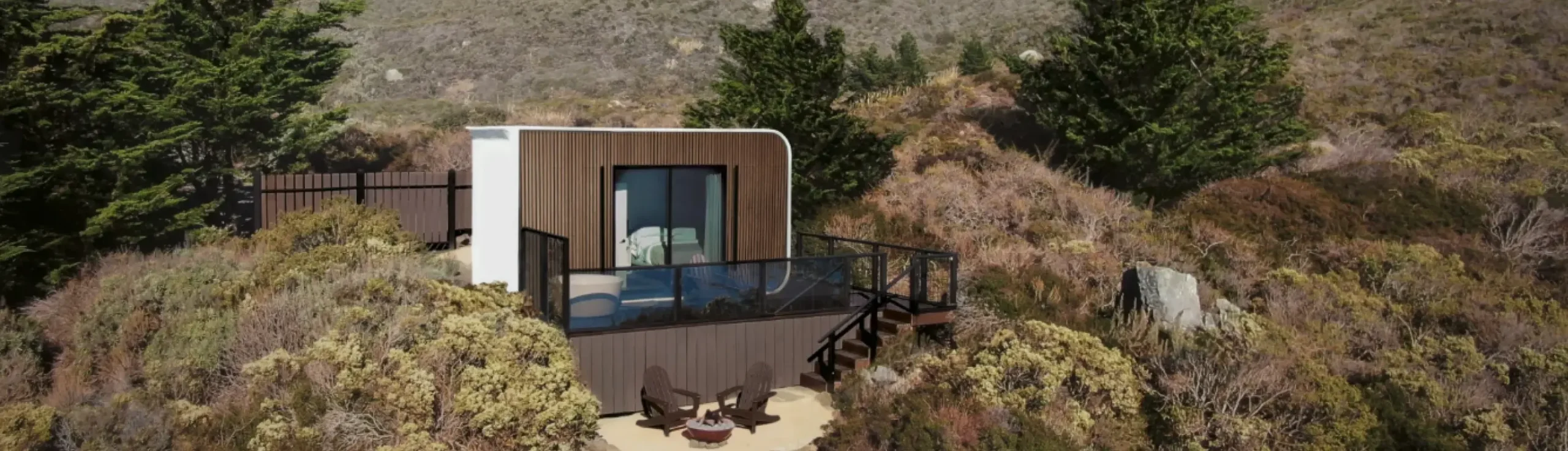
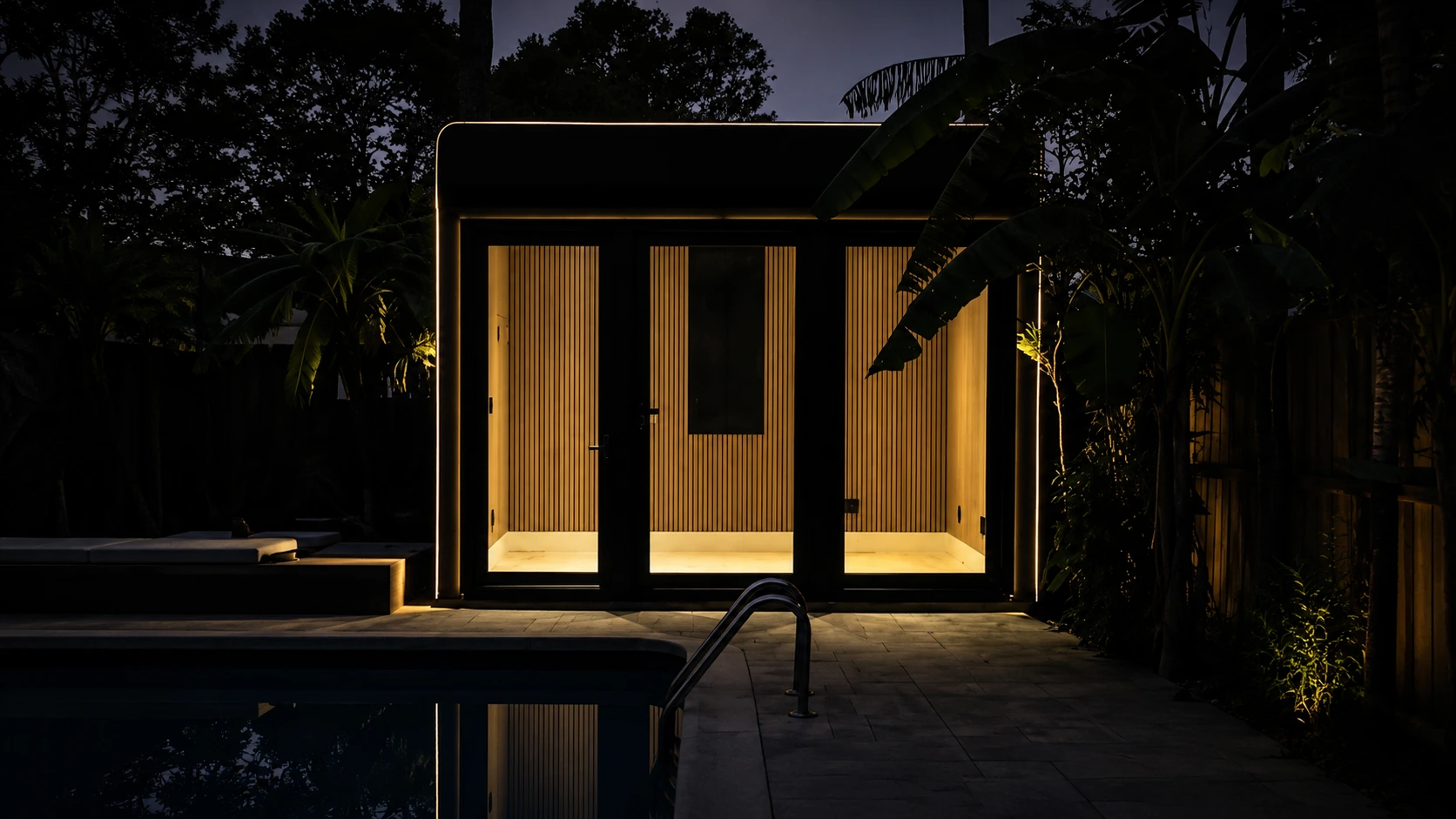
Corporate housing provides fully furnished homes for professionals who need temporary accommodation for work. It offers more space and flexibility than a hotel without requiring a long-term lease.
This article explains how corporate housing works, who uses it, its main benefits, and how modular construction can help developers and businesses create practical housing for temporary employees and project teams.
What Actually Corporate Housing Rental Means
Corporate housing rental refers to fully furnished residential accommodation designed primarily for business-related stays. Unlike a vacation rental, the goal is not tourism. Instead, the property serves as a temporary home where guests can maintain their everyday routines while working away from home.
A typical corporate housing unit includes:
- A furnished bedroom
- A living area
- A private bathroom
- A full kitchen or kitchenette
- Internet access
- Utilities
- Laundry facilities when available
- Workspace suitable for remote work
Most stays last between one and several months, although some may be shorter or longer depending on the employer’s needs.
For guests, corporate housing offers more privacy, flexibility, and comfort than staying in a hotel for an extended period. For companies, it creates predictable housing costs while helping employees settle into a space that feels more like home.
Who Uses Corporate Housing, and How the Process Works
Corporate housing is used by professionals who need temporary accommodation for work but do not want to stay in a hotel for weeks or months. It is common across industries where employees travel, relocate, or work on short-term projects away from home.
Typical users include:
- Employees relocating for a new role
- Healthcare professionals on temporary assignments
- Consultants and project managers
- Construction and utility crews
- Executives and government contractors
- Film production teams
- Insurance and disaster recovery personnel
- Visiting university staff
- Corporate interns
In most cases, the employer arranges and pays for the accommodation. The company may book directly with a housing provider, sign an agreement for a set period, and cover the monthly rate, utilities, internet, and any included services. Some professionals book independently and later receive reimbursement from their employer.
The stay is usually more flexible than a traditional lease. Corporate housing may be reserved for a few weeks, several months, or longer, depending on the assignment. The property is already furnished and ready to use, so the guest can move in without buying furniture, opening utility accounts, or setting up internet service.
Some businesses make a single booking for one employee, while others arrange recurring housing for teams who travel to the same location. In larger projects, companies may need several units at once for construction crews, healthcare workers, or other temporary staff.
The main goal is simple: provide a practical home for someone who is working away from their permanent residence.
Comparing Corporate Housing With Hotels and Traditional Rentals
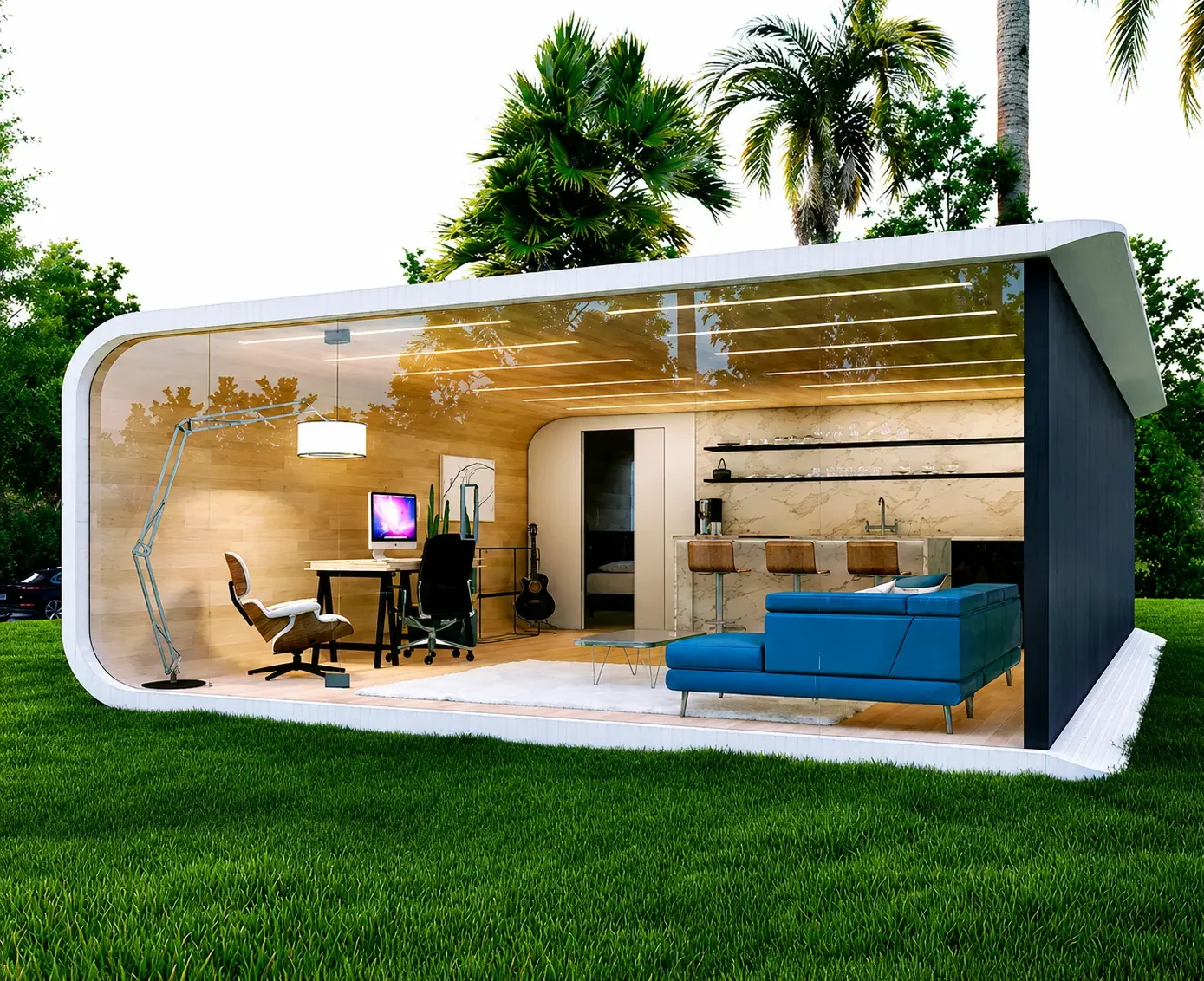
Corporate housing sits between a hotel stay and a traditional residential lease. It provides the flexibility needed for temporary work assignments while offering more space and everyday comfort than a hotel.
Hotels are usually better suited to short business trips lasting a few days. They offer convenient services, but a standard room can feel limited during a stay of several weeks or months. Corporate housing typically includes a private kitchen, separate living and sleeping areas, laundry access, and more room to work and relax. Guests can cook, follow a normal routine, and treat the property as a temporary home rather than a place to sleep between meetings.
Traditional rentals provide a residential environment, but they usually require a longer commitment. Tenants may need to sign a year-long lease, pay a security deposit, purchase furniture, arrange utilities, and set up internet service. Corporate housing removes many of those steps because the property is already furnished and connected to essential services.
This makes corporate housing especially useful for relocations, temporary projects, training periods, and assignments where the guest needs more than a hotel room but does not need permanent housing.
| Feature | Corporate Housing | Hotel | Traditional Rental |
| Typical stay | Several weeks to several months | A few days to a few weeks | Usually one year or longer |
| Furnished | Yes | Yes | Often no |
| Private kitchen | Usually included | Limited or unavailable | Usually included |
| Separate living space | Usually included | Often limited | Usually included |
| Utilities | Commonly included in the rate | Included | Usually paid separately |
| Internet | Commonly included | Included | Usually arranged separately |
| Laundry | Often in-unit or on-site | May be limited or paid | Often available |
| Lease commitment | Flexible | No long lease | Usually long-term |
| Setup required | Minimal | Minimal | Furniture and utility setup may be required |
| Best suited for | Temporary work, relocations, project teams | Short business trips | Permanent or long-term housing |
Growing Demand and the Role of Modular Corporate Housing
Demand for corporate housing continues to grow as businesses operate across more locations and move employees between offices, project sites, and temporary assignments. Remote and hybrid work have also made flexible living arrangements more common, especially for professionals who split their time between cities or need accommodation near a short-term workplace.
Companies are looking for housing that balances cost, comfort, and flexibility. Furnished apartments can meet part of that need, but existing rental inventory is not always enough, particularly in areas with rapid business growth, major infrastructure projects, seasonal workforce demand, or limited housing availability.
That shortage is pushing developers and employers to look beyond existing apartments and hotels. Purpose-built modular housing can help create new inventory for employees, project teams, and relocating professionals without relying entirely on what is already available in the local rental market.
Modular construction moves much of the building process into a controlled factory environment. Instead of completing every stage at the project site, homes are manufactured as modules or complete units before delivery and installation. Electrical, plumbing, mechanical systems, and interior finishes can also be completed during factory production, depending on the project.
We offer one example of how this approach can support corporate housing. At Azure Printed Homes, we manufacture modular living spaces in our factory using robotic construction methods and recycled materials, giving developers and businesses another way to create practical accommodation for temporary and extended stays.
This can be especially useful when several similar units are needed at once. Developers can create housing for individual employees, relocating families, or project teams while keeping layouts, finishes, and systems more consistent across the site.
Modular construction does not remove the need for zoning approval, permits, site preparation, delivery planning, and utility connections. It does, however, give businesses and developers another way to expand corporate housing supply when existing rental options cannot keep up with demand.
Why Modular Construction Fits Corporate Housing
Corporate housing is designed for people who temporarily live where they work, so the homes need to be comfortable, practical, and consistent across multiple units. Modular construction helps meet those goals by allowing homes to be manufactured in a controlled environment before installation, making it easier to deliver housing for employees, project teams, and relocating professionals.
Faster Project Delivery
One advantage of modular construction is that factory manufacturing and site preparation can often happen at the same time. While foundations and utility work are being completed on-site, the homes themselves are already being built, which can help streamline the overall project schedule.
At Azure Printed Homes, we manufacture our modular living spaces in a factory using robotic construction technology. The structural shell can be robotically printed in approximately one day, while electrical, plumbing, mechanical systems, and interior finishes are completed during factory production where they apply to the selected design. This reduces the amount of interior construction that must take place after delivery.
Flexible Housing for Different Workforce Needs
Corporate housing projects rarely consist of identical residents. Some employees travel alone, while others relocate with a partner or family. Developers often need housing that can accommodate different household sizes without designing every residence from scratch.
We offer both standard floor plans and custom modular homes, allowing projects to combine different layouts while maintaining a consistent architectural style. This flexibility helps businesses create housing that fits their workforce rather than adapting employees to limited housing options.
Consistent Quality Across Multiple Homes
When a development includes many units, consistency becomes just as important as speed. Similar layouts, finishes, and building systems simplify furnishing, maintenance, future repairs, and day-to-day property management.
Because we manufacture our homes in a controlled factory environment, each unit follows the same production process. That consistency can be valuable for developers building multiple corporate residences that need predictable specifications across the community.
Sustainable Construction
Many businesses are also looking for housing solutions that support broader sustainability goals. Factory production can reduce material waste, while modern building methods can improve resource efficiency compared with traditional construction practices.
Sustainability is a core part of how we build. Our robotic printing process uses recycled plastic material containing more than 60% recycled content, with approximately 100,000 plastic bottles used to create the printed structure of a 120 sq ft unit. We also offer light gauge steel construction for projects that require a different structural approach.
Move-In Ready Living Spaces
Corporate housing should be ready for everyday life from the moment residents arrive. Comfortable interiors and completed residential systems reduce the work required before a home can be occupied.
We complete electrical, plumbing, mechanical systems, and interior finishes during factory production where they apply to the selected design. Kitchens, bathrooms, living spaces, and other residential features are integrated into the home before delivery, while foundations, site preparation, utility connections, and final installation are completed on-site.
Corporate Modular Housing Options for Different Project Needs
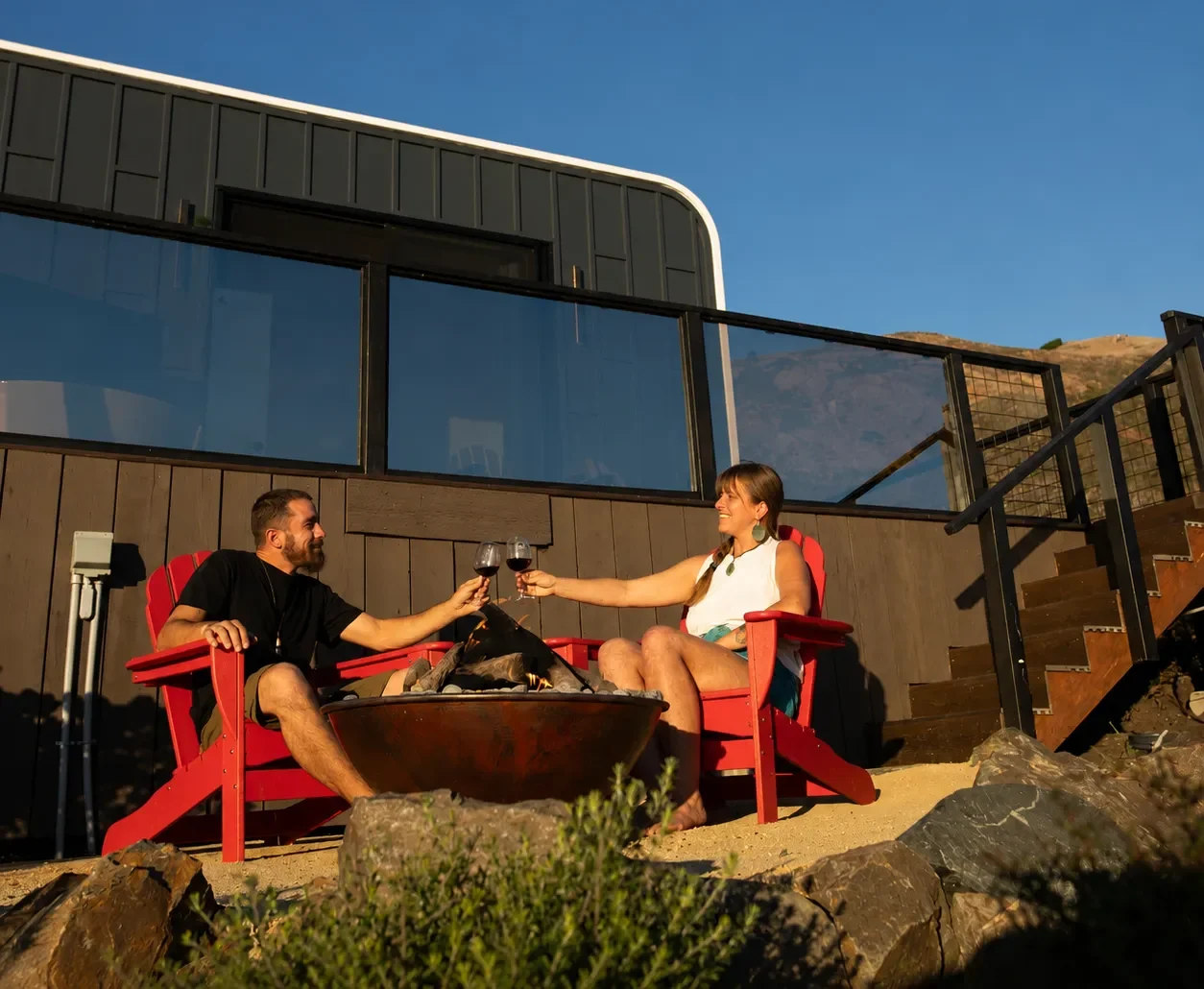
Corporate housing can take many forms, depending on who will live there, how long they will stay, and how many units a business or developer needs. A small project may require compact private spaces for individual professionals, while a larger development may need complete homes for relocating employees, families, or long-term project teams.
We offer several modular housing options that can be used for corporate and workforce accommodation where local zoning, permitting, and occupancy rules allow.
Compact Studios for Individual Stays
Studios can work well for professionals who need a private place to sleep, work, and unwind during a temporary assignment. They are especially useful when space is limited or when a project requires several smaller units rather than fewer large homes.
Our studio options include:
- N-100: Approximately 100 sq ft, starting at $24,900
- A-120: Approximately 120 sq ft, starting at $29,900
- D-120: Approximately 120 sq ft, starting at $29,900
- D-180: Approximately 180 sq ft, starting at $39,900
These models can support uses such as private workspaces, compact staff accommodation, or part of a larger housing site, depending on the final configuration and local requirements. Smaller studio units may not include a full kitchen or bathroom in their standard form, so the intended use should be confirmed early in the planning process.
Homes and ADUs for Extended Corporate Stays
Professionals staying for several months usually need more than a sleeping space. A complete kitchen, private bathroom, living area, and separate bedroom can make the property feel more like a temporary home than short-term lodging.
Our homes and ADUs include:
- 360: 360 sq ft, 1 bedroom, 1 bathroom, 1 kitchen, starting at $89,900
- 540: 540 sq ft, 1 bedroom, 1 bathroom, 1 kitchen, starting at $134,900
- 720.1: 720 sq ft, 1 bedroom, 1 bathroom, 1 kitchen, starting at $174,900
- 720.2: 720 sq ft, 2 bedrooms, 1 bathroom, 1 kitchen, starting at $174,900
- 900: 900 sq ft, 2 bedrooms, 1.5 bathrooms, 1 kitchen, starting at $219,900
These layouts can support individual employees, couples, small families, or shared accommodation for project staff. They can be used as standalone residences or incorporated into a larger corporate housing development, subject to site conditions and local approvals.
Custom Housing for Larger Developments
Standard floor plans are useful for many projects, but some corporate housing developments require different room counts, larger shared spaces, or layouts designed around a specific workforce.
We offer custom modular homes of up to approximately 3,000 sq ft, with pricing around $400 per sq ft. Custom projects may include changes to overall dimensions, bedroom and bathroom count, floor-plan orientation, interior finishes, multiple stories, balconies, elevators, solar panels, and heated floors.
This option can suit businesses planning executive housing, family accommodation, shared workforce residences, or a mixed development with several unit types.
Multi-Unit Developments
Larger employers may need housing for entire teams rather than one or two individuals. This is common in construction, infrastructure, manufacturing, healthcare, energy, disaster recovery, and other industries that bring temporary workers into a region.
We can manufacture multiple modular homes for a coordinated development, allowing businesses to combine studios, one-bedroom units, two-bedroom homes, and custom designs within the same project. Using repeatable models can help maintain consistent specifications across the site, while a mix of layouts allows the housing to serve different types of residents.
Factory production can take place while foundations, utilities, access roads, and other site work are being prepared. This does not remove the need for local approvals or installation planning, but it can make the overall development process more coordinated.
Planning a Corporate Housing Development
Successful corporate housing starts with understanding who the homes are being built for and how they will be used. A project designed for relocating executives may look very different from one intended for healthcare professionals, construction crews, or employees working on long-term assignments. Defining the target residents early helps determine the number of units, the right layouts, and the amenities that will provide the greatest value.
Before moving forward, developers should review several practical factors:
- Expected number of residents
- Typical length of stay
- Preferred unit sizes and layouts
- Available land and site access
- Local zoning and building requirements
- Parking needs
- Utility capacity
- Delivery and installation access
- Project budget
- Possibility of future expansion
Choosing the right housing type is equally important. At Azure, we offer studios, homes, ADUs, and custom residential solutions for different project needs.
Planning for long-term operations is just as important as planning construction. Durable materials, practical layouts, energy-efficient features, and consistent building specifications can help simplify maintenance and create a more comfortable living environment for residents. By considering both immediate housing needs and future expansion, developers can create corporate housing that remains useful beyond a single assignment or project.
Conclusion
Corporate housing rental gives businesses a flexible way to accommodate employees during temporary assignments, relocations, and project-based work. By combining the comfort of a home with the convenience of a furnished rental, it provides an alternative to both hotels and traditional leases.
As demand continues to grow, developers and employers are exploring new ways to expand housing inventory. Modular construction has become one of those options because it allows much of the building process to be completed in a factory before installation on-site.
We design and manufacture modular homes, ADUs, and larger residential solutions that can support corporate housing projects of different sizes. By combining factory production, customizable floor plans, and completed interior systems, we provide developers and businesses with another approach to creating modern accommodations for today’s mobile workforce.