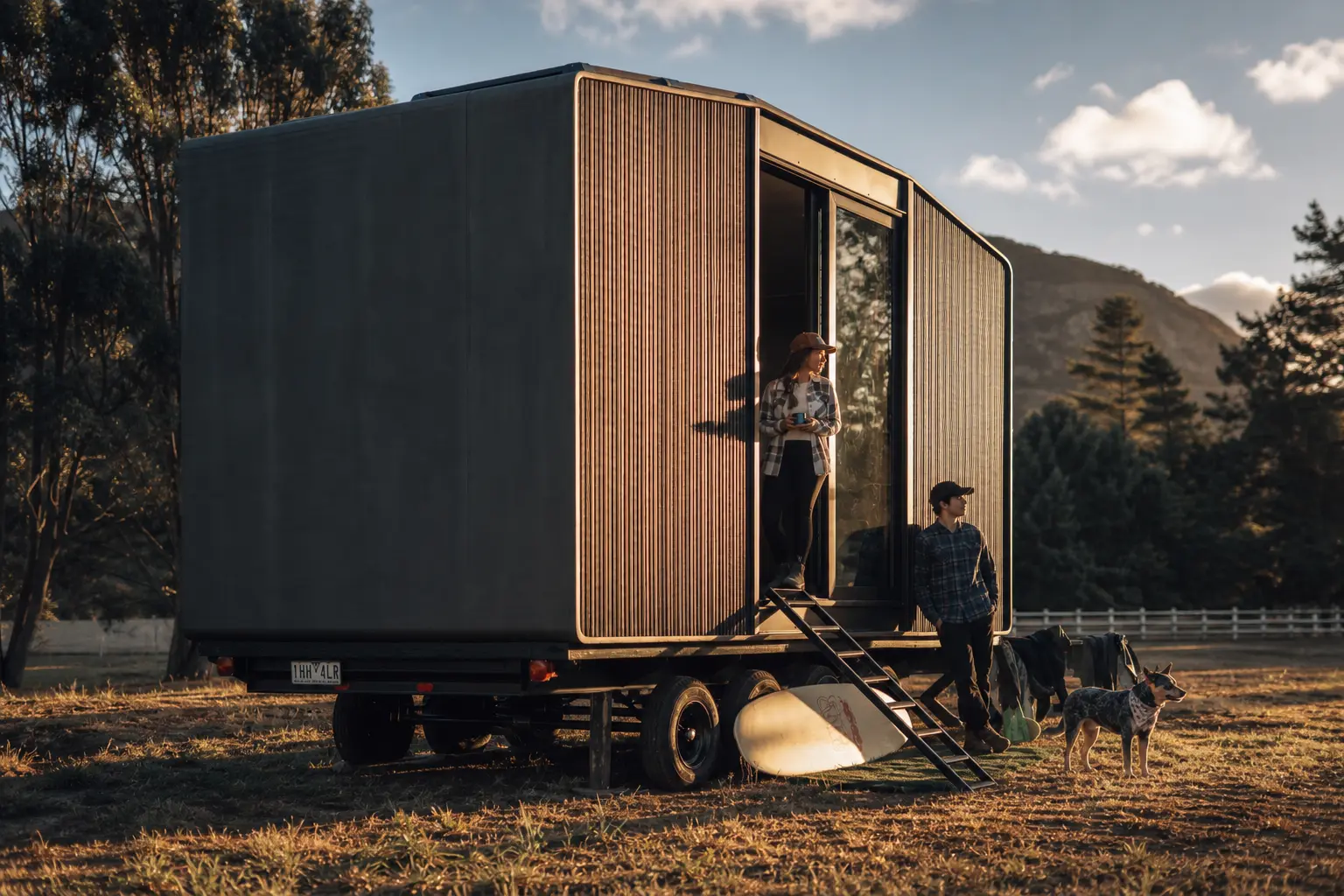
The way people think about home construction is changing. Rising building costs, longer timelines, and the need for more flexible housing options are leading many buyers to consider modular homes as an alternative to traditional construction. However, understanding whether a modular home is a good investment requires looking beyond the initial cost and considering factors such as location, construction quality, intended use, and long-term value.
At Azure Printed Homes, we work with modular housing every day and understand how design, materials, and the building process can influence a home’s performance over time. From primary residences and ADUs to additional living spaces, modular homes can provide flexible solutions for different housing needs while offering the benefits of factory-based construction, customization, and modern building technology.
This guide explores what buyers should consider before investing in a modular home.
Understanding the Investment Potential of Modular Homes
A home is usually considered a long-term investment because it provides both immediate use and potential future value. While market conditions influence appreciation, the quality of the property and how well it fits future demand also play important roles.
Modern modular homes are no longer viewed only as a lower-cost alternative to traditional construction. They are designed as complete living spaces that can include modern layouts, efficient systems, and customizable features.
Several factors determine whether a modular home can become a strong investment:
- The location where the home is placed
- Whether the buyer owns the land
- The quality of construction and materials
- How the space can be used over time
- Local demand for housing
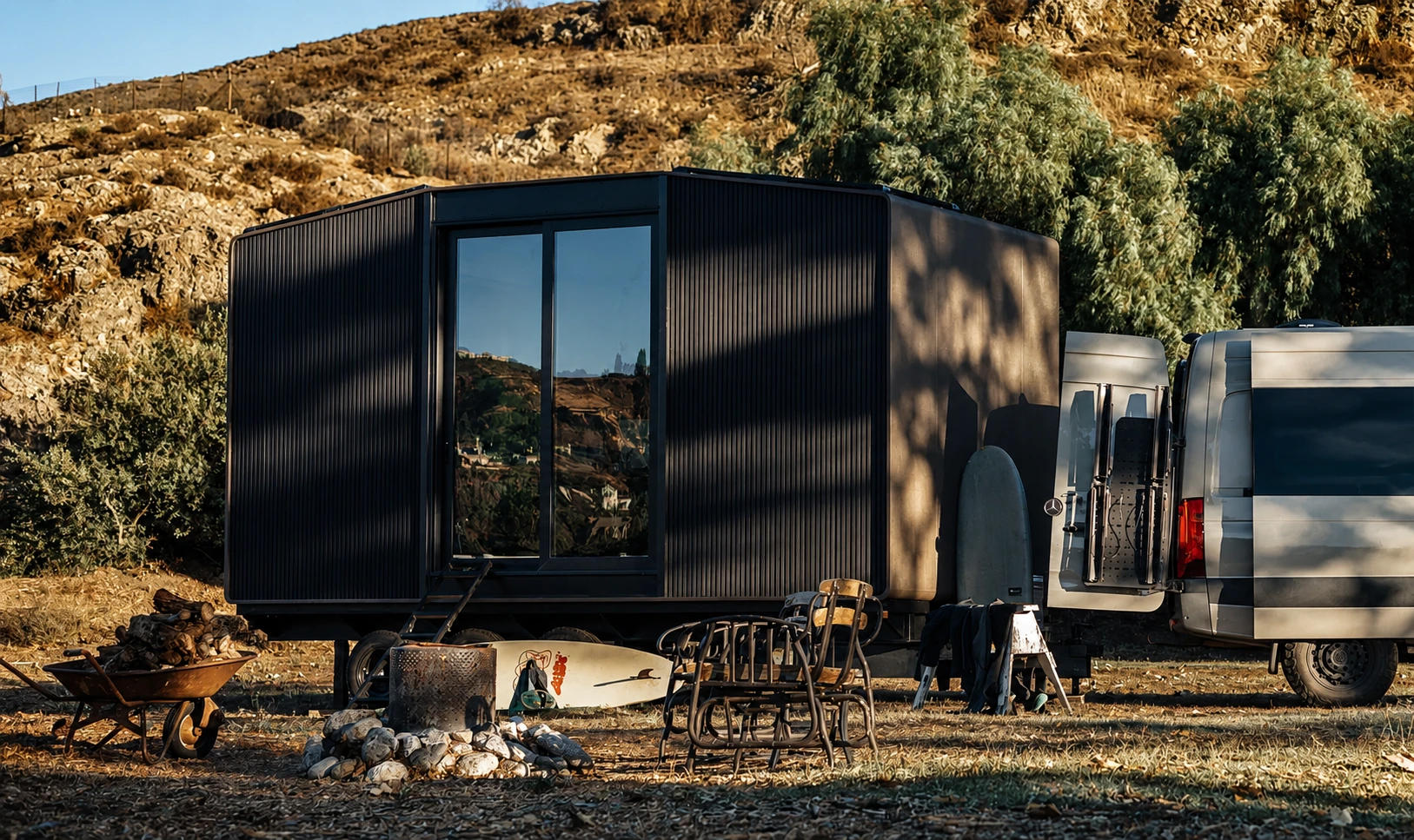
A well-planned modular home can support different goals. Some buyers may use it as a primary residence, while others may see value in adding an ADU, creating additional living space, or developing a rental opportunity where permitted.
At Azure we focus on creating modular solutions that adapt to different property goals. Our product range includes studio units, homes, and ADUs, allowing buyers to consider different approaches depending on their available space, lifestyle, and investment plans.
Factors That Influence Modular Home Value
A modular home does not automatically increase in value simply because it was factory-built. Like any real estate investment, its long-term value depends on several connected factors.
Location and Land Ownership
Location remains one of the most important parts of any housing investment. A well-designed home in an area with strong demand may have better long-term potential than a similar home in a market with fewer buyers.
Important considerations include:
- Neighborhood demand
- Local development trends
- Access to services and infrastructure
- Zoning regulations
- Future property use opportunities
Land ownership is another important factor. A modular home placed on owned land becomes part of a larger real estate asset that includes both the structure and the property itself.
Before investing in a modular home, buyers should understand whether the property allows the intended use and whether the location supports their long-term goals. This is especially important for ADUs, rental units, and additional living spaces because local rules can vary significantly.
We help create modular homes and ADUs designed for different property situations. Our collection includes models from compact residential options to larger layouts, giving buyers flexibility when planning how a home will fit their property.
Construction Quality and Long-Term Durability
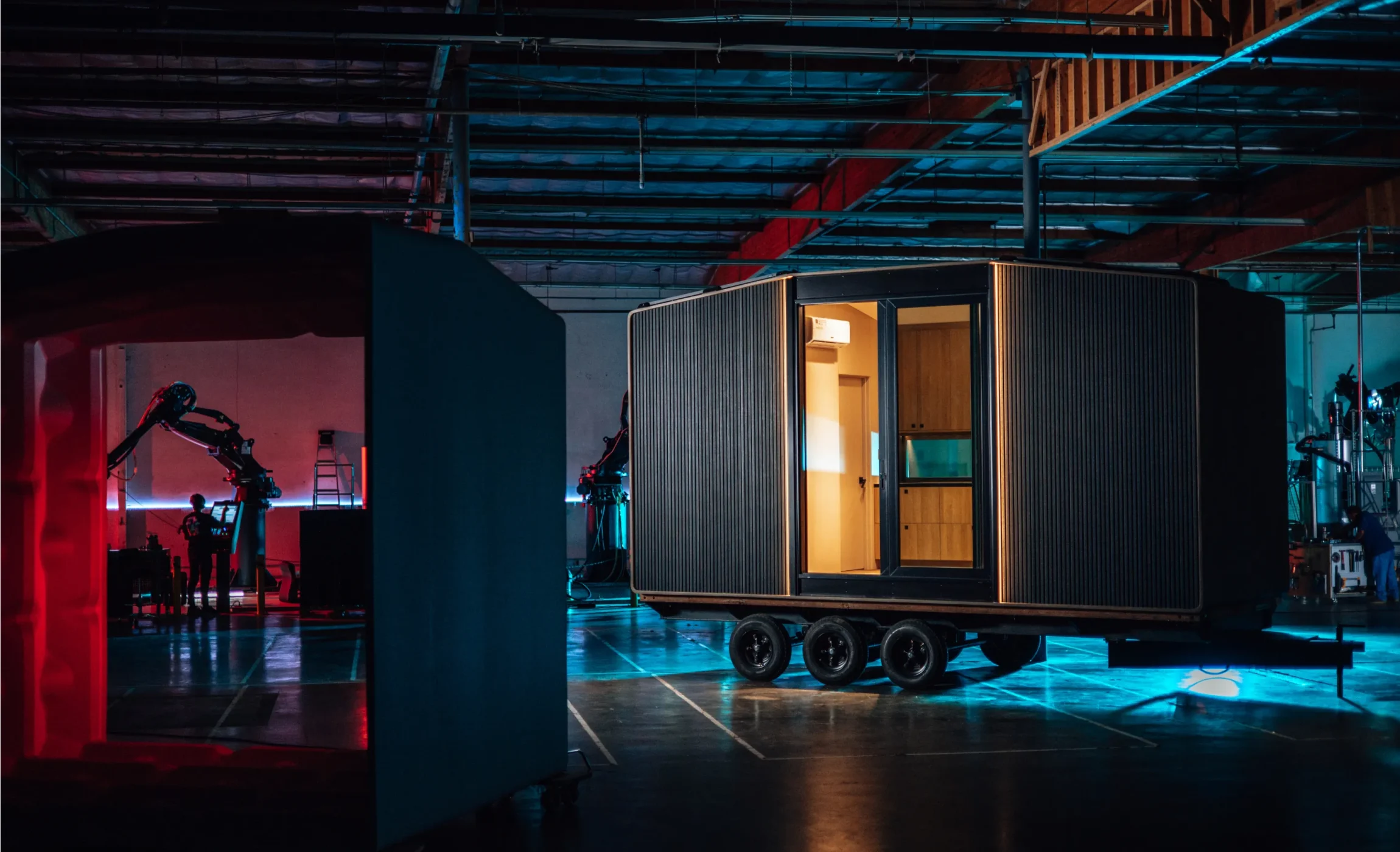
Construction quality plays a major role in the long-term performance of any home. One advantage of modular construction is that many building stages take place in a controlled factory environment rather than being completed entirely on-site.
This approach can help create a more consistent production process by reducing exposure to weather conditions and allowing manufacturers to manage different construction steps more efficiently.
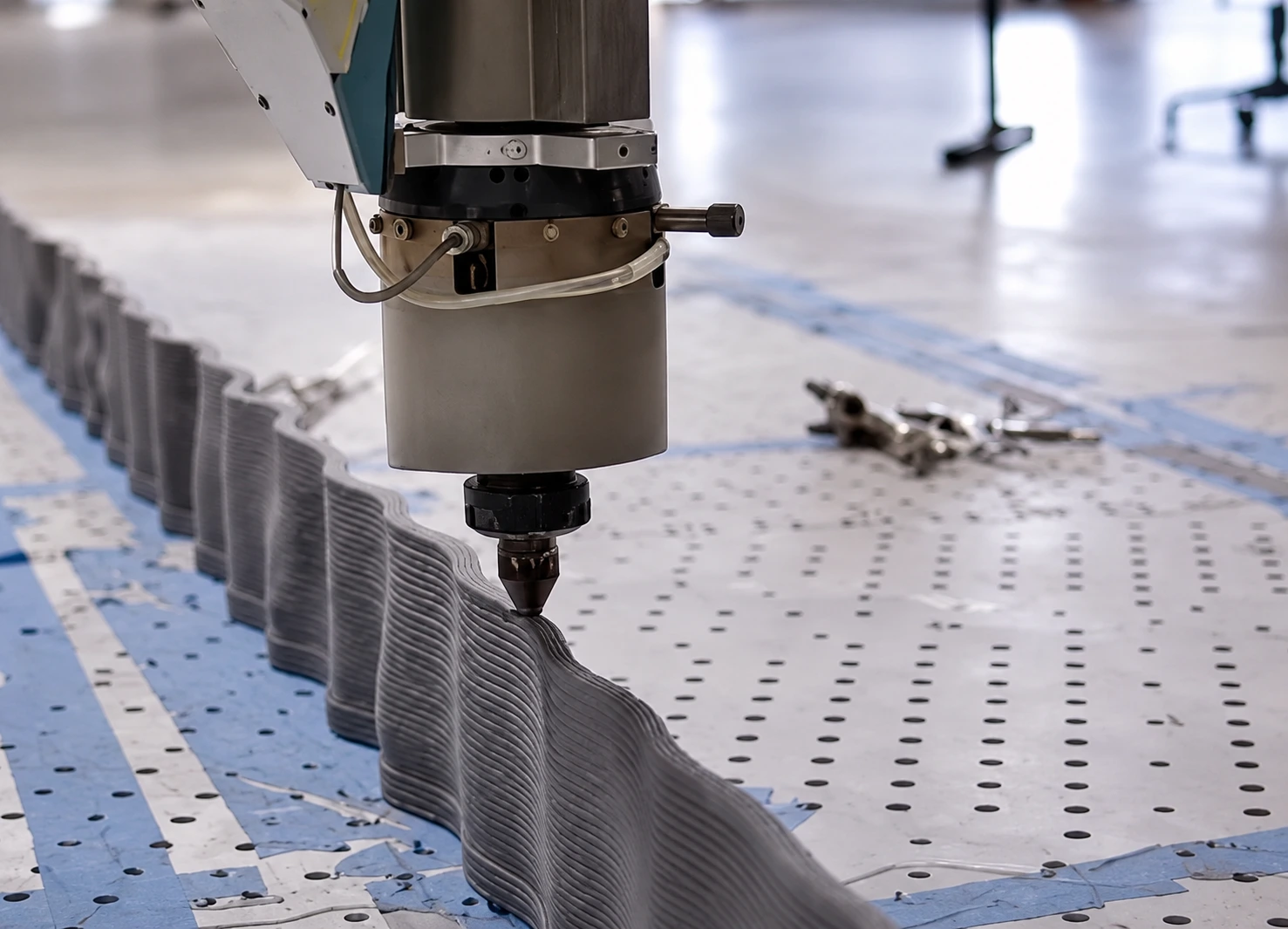
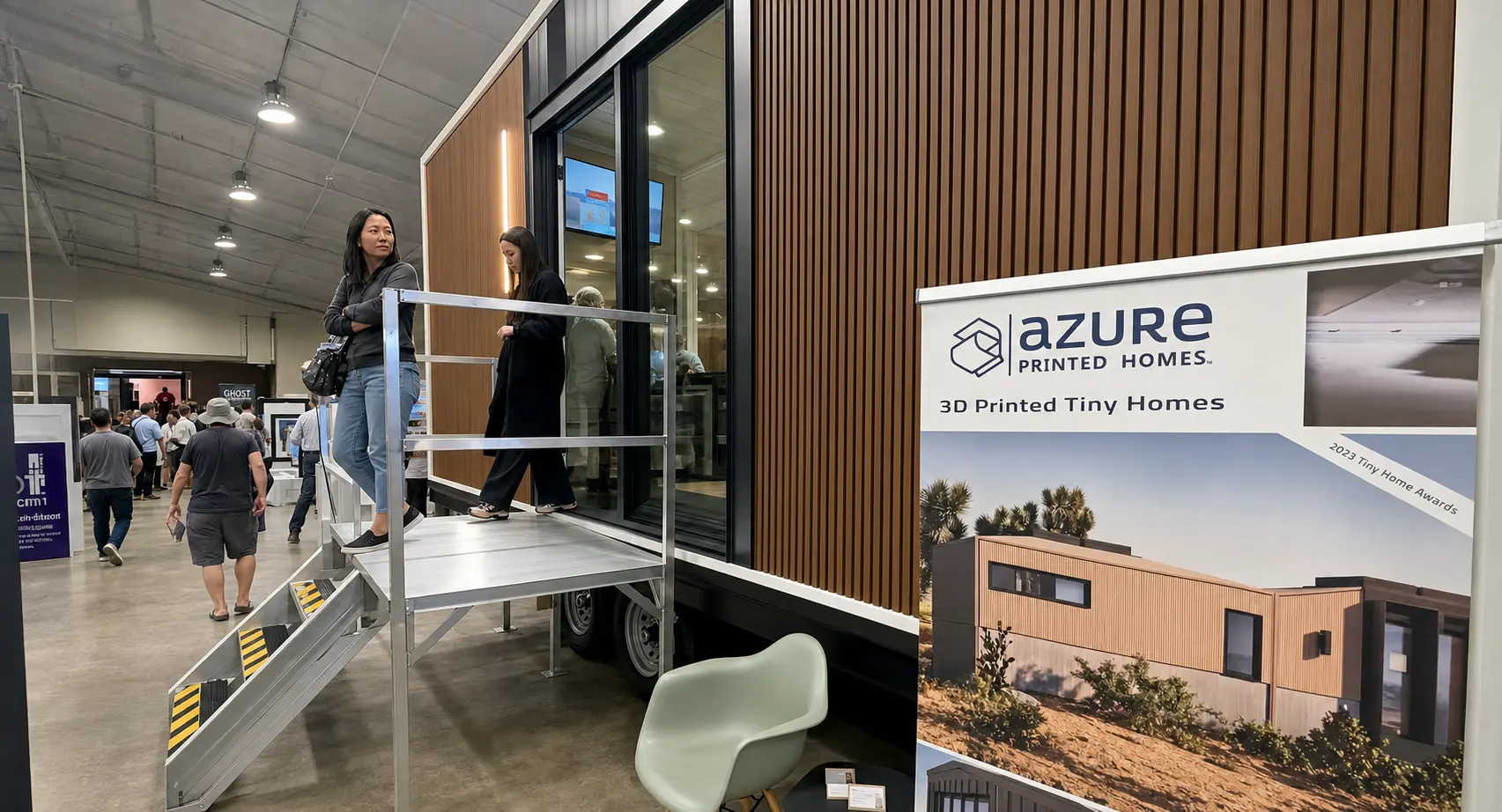
We combine robotic 3D printing technology with factory production to create modular living spaces. Our process includes designing the unit, printing the structure, completing electrical, plumbing, and interior finishes, and preparing the home for delivery and installation.
Material selection also affects long-term performance. We use recycled plastic materials for certain projects, with more than 60% of the print material coming from recycled plastic. For projects with different requirements, we also offer light gauge steel options, including solutions suitable for larger projects and areas with higher fire hazard considerations.
Potential Use and Income Opportunities
One of the factors that can influence a modular home’s investment potential is how the space can be used over time. A home that serves multiple purposes may provide more value because it can adapt to different housing needs.
Depending on the property, location, and local regulations, modular homes can be used as primary residences, accessory dwelling units (ADUs), rental spaces, guest accommodations, and multigenerational housing solutions.
Our collection includes models such as the 360 with 360 sq ft, one bedroom, one bathroom, and kitchen; the 540 with 540 sq ft, one bedroom, one bathroom, and kitchen; and larger models like the 720 and 900 designed for additional living space.
When evaluating a modular home as an investment, buyers should consider not only the current purpose of the home but also how useful it may remain in the future.
Timeline and Cost Control
Another factor that affects the investment potential of modular homes is the ability to better plan the construction process. Traditional construction projects may face delays caused by weather, scheduling issues, and changing site conditions, which can make budgets harder to predict.
Modular construction moves many stages of the build into a controlled factory environment. This approach allows much of the work to be completed before the home arrives at the property, creating a more organized process from design to installation.
At Azure Printed Homes, we follow a structured production process that includes:
- Configuring and customizing the unit design
- Robotically printing the home structure
- Installing electrical, plumbing, and interior finishes
- Delivering the completed unit
- Installing the home on-site and connecting required services
The timeline depends on the type of project, location, and customization level. Backyard studios may be delivered within 30-60 days, while homes and ADUs may be delivered within 90-120 days.
A more predictable construction timeline can help buyers plan their investment more effectively by reducing uncertainty around completion dates and allowing the space to be used sooner.
However, buyers should still consider the full project scope, including site preparation, foundation requirements, permits, utilities, and delivery costs, as these factors vary depending on the property and location.
Understanding the Total Cost of a Modular Home Investment
When evaluating a modular home as an investment, buyers should look beyond the initial purchase price and consider the full cost of completing the project. The final budget is influenced by factors such as the property itself, local requirements, installation needs, and the intended use of the home.
One of the advantages of modular construction is that it can provide more clarity during the planning stage because much of the building process is completed before the home reaches the property. However, the overall investment still depends on project-specific factors that are different for every location.
The total cost may be affected by:
- Whether the land is already owned or needs to be purchased
- The condition of the site and preparation required
- Local permits and approval processes
- Utility connections and infrastructure needs
- Delivery and installation considerations
For buyers, understanding these expenses early helps create a more realistic investment plan. A modular home should be evaluated based on its complete value, including how it will be used, how it fits the property, and what long-term benefits it can provide.
Choosing the Modular Home for Different Investment Goals
The best modular home investment depends on what the buyer wants to achieve. A compact unit may make sense for adding a small functional space, while a larger model may be more suitable for full-time living or additional housing opportunities.
| Investment Goal | Suitable Option | Why It May Be a Good Fit |
| Adding a small backyard space | Studio Series | Compact units can be used as offices, guest spaces, creative studios, or additional private areas without requiring a large footprint. |
| Creating an additional living unit | Homes + ADUs | ADU models provide independent living spaces with features such as kitchens, bathrooms, and bedrooms, making them suitable for family housing or rental opportunities where permitted. |
| Building a primary residence | Larger Homes + ADUs models | Larger layouts can provide more complete residential solutions with dedicated bedrooms, bathrooms, and kitchen areas. |
| Developing a custom project | Custom modular solutions | Custom designs allow buyers to adjust the space based on specific property requirements and long-term goals. |
For buyers considering a modular home as an investment, choosing the right type of structure is one of the most important decisions. A home that matches the property’s purpose and future needs is more likely to provide long-term value.
Potential Challenges to Consider Before Investing
Modular homes can provide an efficient alternative to traditional construction, but they still require careful planning before becoming a successful investment. The construction method can simplify many parts of the building process, but buyers should also consider factors such as regulations, property conditions, financing, and future market demand.
Understanding these challenges helps homeowners and investors choose a modular home that fits their property, budget, and long-term goals.
Local Regulations and Approval Requirements
Before investing in a modular home, buyers need to understand what is allowed on their property. Zoning rules, permits, building requirements, and installation standards can vary by location and may affect the type of home that can be built.
This is especially important for ADUs and additional housing units because local regulations may determine where the structure can be placed, how large it can be, and how it can be used.
At Azure Printed Homes, we work with customers to understand their project goals and create modular solutions that fit different property requirements. We consider the intended use of the space and help customers explore options that align with their plans before moving into the production stage.
Site Conditions and Property Requirements
The condition of the property can have a major impact on the overall investment. Even when a modular home design is selected, the site itself may create additional requirements that affect preparation, installation, and project planning.
Factors such as access to the property, available utilities, foundation needs, and terrain conditions should be evaluated before construction begins.
We help customers think through how their modular home will work within the chosen location. By considering the relationship between the design and the site, we can better understand what adjustments or planning steps may be needed for a successful installation.
Financing and Budget Considerations
Financing is another factor buyers should evaluate before investing in a modular home. The available options can depend on the type of project, how the home will be installed, the property situation, and lender requirements.
A realistic budget should include more than the cost of the home itself. Buyers should understand the full scope of the project and consider expenses connected to the property, preparation work, approvals, and installation.
We offer different modular housing options to support a variety of project goals and budgets. From compact spaces to larger residential solutions, our models allow customers to consider different approaches depending on their needs and investment plans.
Future Market Demand and Resale Potential
Like any real estate investment, the future value of a modular home depends on more than the construction method. Location, housing demand, design, maintenance, and how well the home fits future buyers’ needs all influence resale potential.
A flexible and well-planned home may remain valuable because it can adapt to changing lifestyles. Spaces that work for different purposes, such as residential living, guest accommodation, or additional housing, may have broader appeal over time.
We create modular living spaces designed around flexibility and changing housing needs. Our goal is to provide options that can serve different purposes, from homes and ADUs to additional living spaces, while giving customers the ability to choose designs that fit their long-term plans.
Considering these factors helps buyers approach modular home investments realistically. The strongest value comes from choosing the right property, planning the project carefully, and selecting a home that continues to meet needs over time.
Final Thoughts
Modular homes can be a strong investment option for buyers who choose the right property, plan carefully, and select a home that fits long-term needs.
Their potential comes from a combination of factors: efficient construction, flexible designs, modern materials, and the ability to create different types of living spaces.
At Azure Printed Homes, we combine robotic 3D printing, recycled materials, and modular construction to create housing solutions designed for changing needs. From compact studios and ADUs to larger homes, our goal is to provide flexible options for people looking at a different approach to modern living.
The best modular home investment is not simply the one with the lowest initial cost. It is the one that fits the property, serves its purpose well, and continues to provide value over time.