Buying a home involves more than choosing a design and location. One of the most important parts of the process is understanding how the home will be financed. While traditional site-built homes have a long history with standard mortgage options, modular homes can raise questions for buyers who are unfamiliar with factory-built construction.
Many people assume modular homes require completely different financing or are more difficult to finance than traditional homes. In reality, financing depends on several factors, including how the home is classified, whether it is permanently installed, the property where it will be placed, the buyer’s financial situation, and the lender’s requirements.
Understanding the differences between modular home loans and site-built home loans can help buyers prepare for the financing process and choose the right path for their project.
How Loans for Modular Homes Works
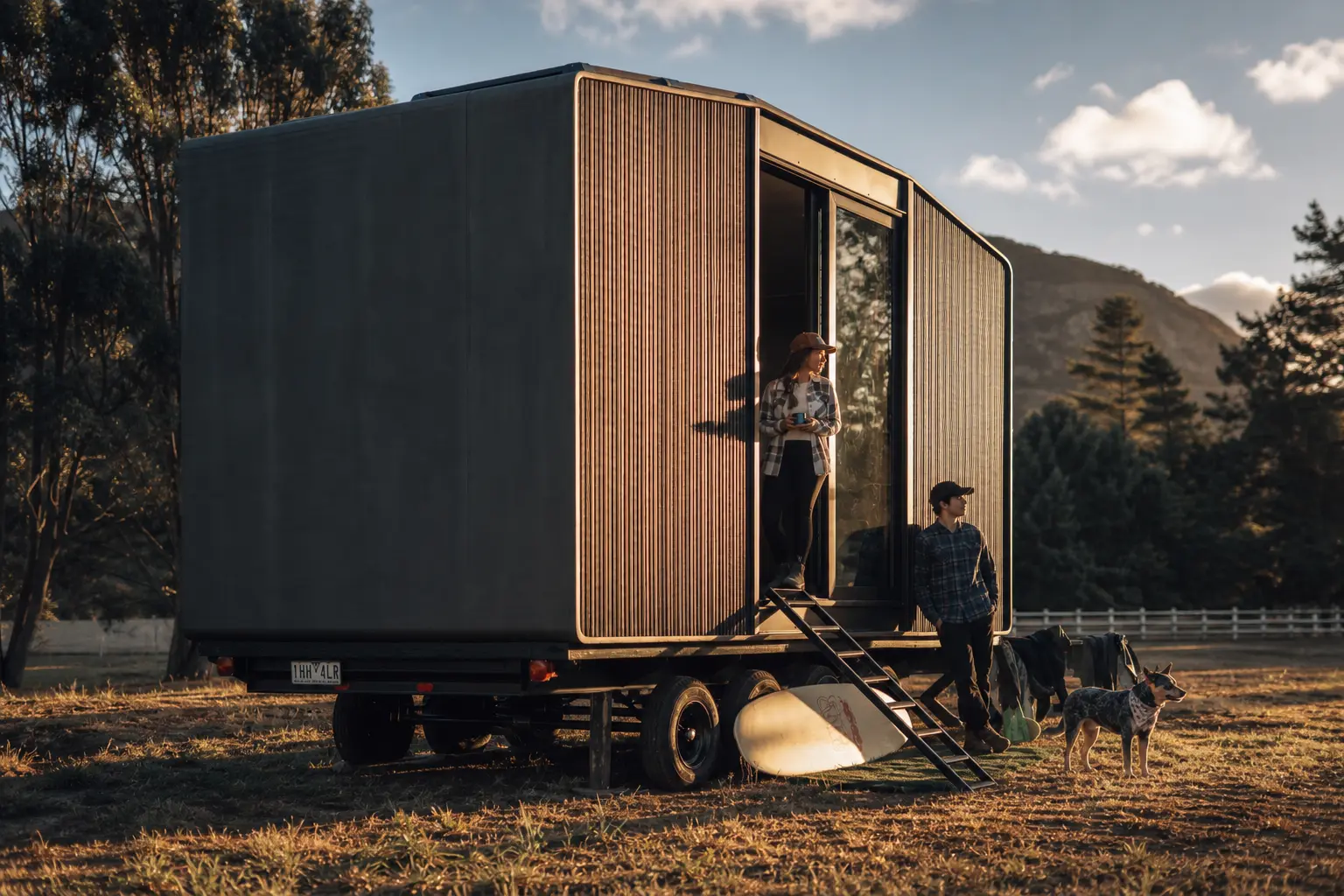
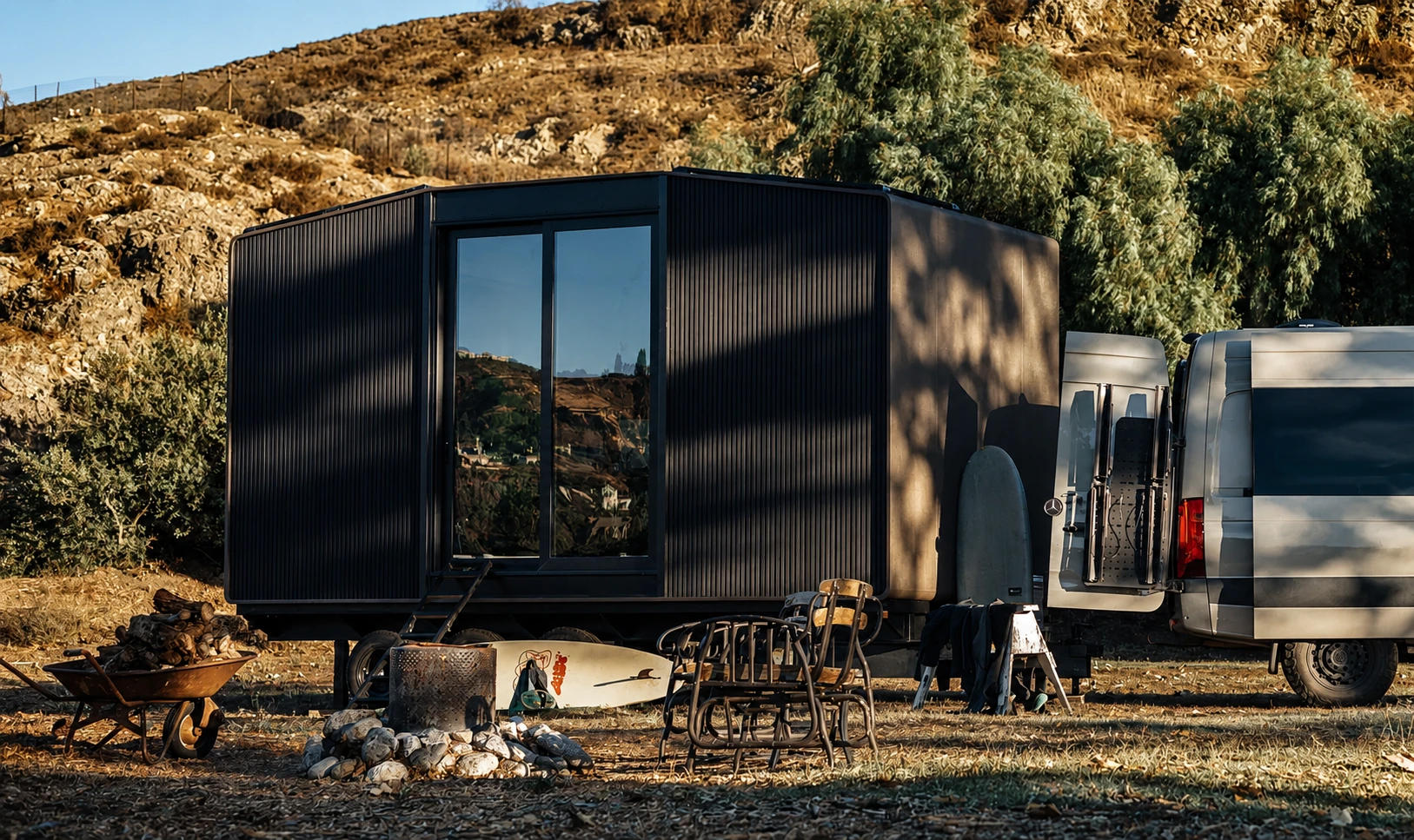
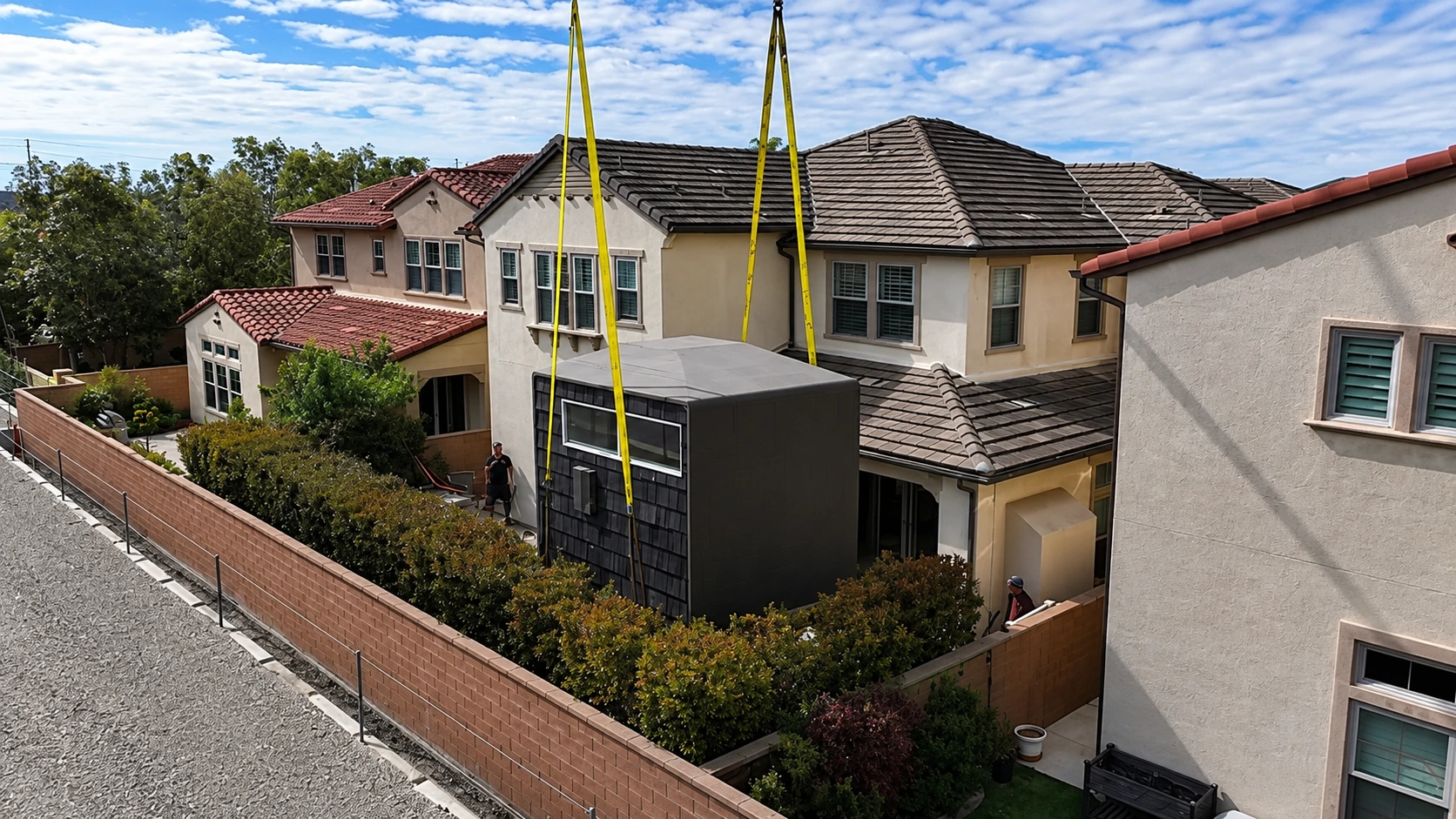
Modular homes are built in a controlled factory environment and then transported to the final property for installation. Unlike some other types of manufactured housing, modular homes are generally designed to meet local building requirements and can become permanent residential structures once installed.
The financing process often depends on the final use and installation of the home. A modular home placed on a permanent foundation may be treated similarly to a traditional site-built home by many lenders. Buyers may have access to options such as construction loans, traditional mortgages, or other financing programs depending on their circumstances.
The main difference is not always the loan itself but the timing and structure of the project. Because parts of the home are completed before arriving at the property, buyers may need financing that accounts for factory production, transportation, site preparation, and final installation.
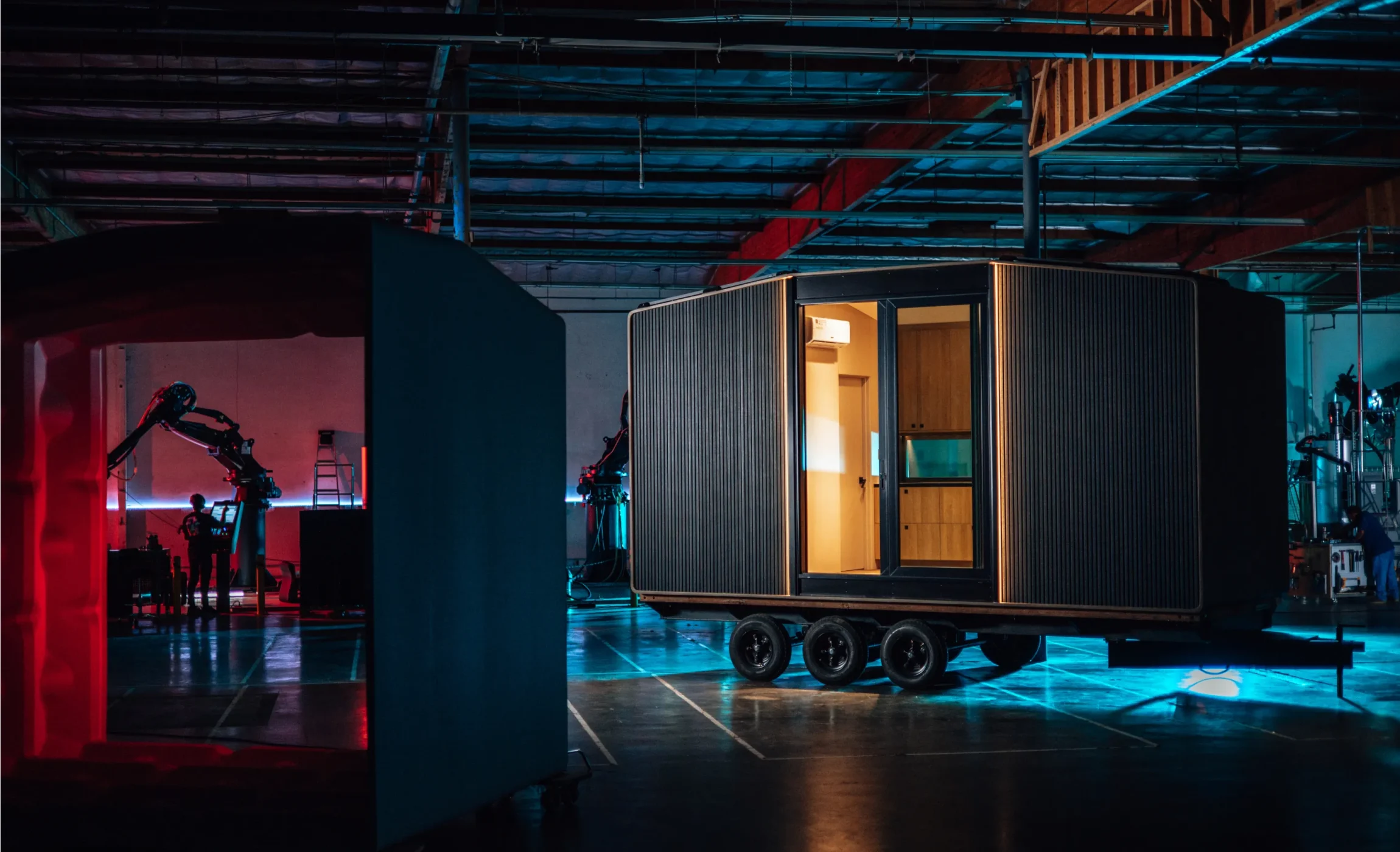
At Azure Printed Homes, we help customers create modular living spaces through a factory-based process. We handle much of the construction before delivery, including electrical, mechanical, plumbing, and interior finishes. This approach gives buyers a clearer understanding of what is included in the home-building process before the unit arrives on-site.
How Site-Built Home Loans Typically Work
Site-built homes follow a more traditional construction process where most work happens directly on the property. Financing usually follows a familiar path because lenders have extensive experience with this type of construction.
For a new site-built home, buyers may use:
- Construction loans during the building phase
- Traditional mortgages after completion
- Refinancing options after the home is finished
During construction, lenders often evaluate the building plans, contractor information, project budget, and property value. After completion, the loan may convert into a standard mortgage depending on the agreement.
Because site-built construction is common, many buyers are already familiar with the process. However, the financing requirements can still vary based on location, lender policies, and the overall project details.
Modular Home Loans vs Site-Built Home Loans
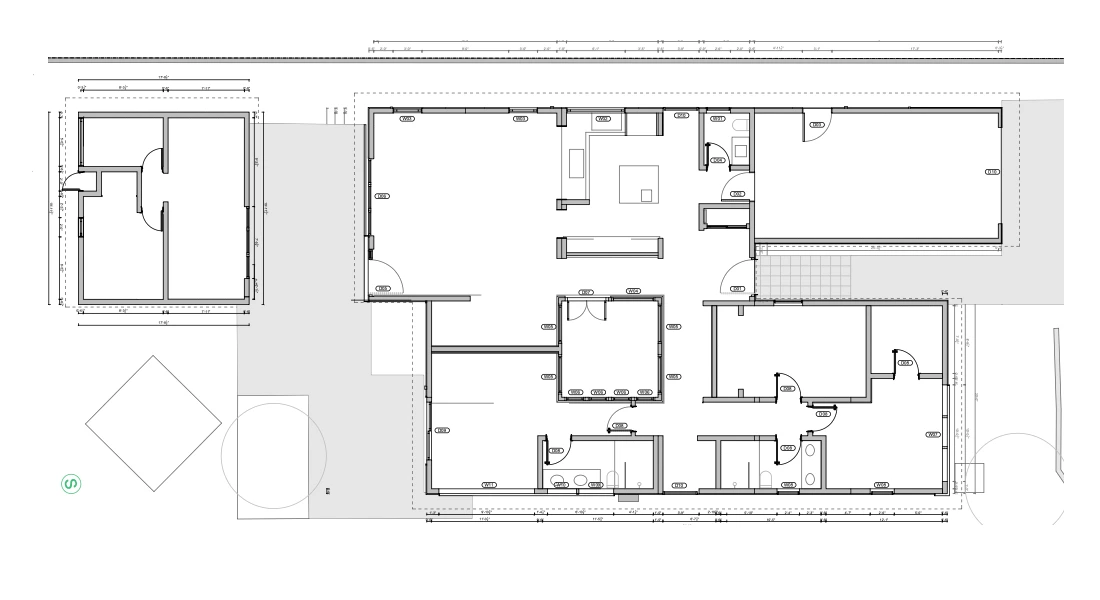
Although modular and site-built homes use different construction methods, financing can have many similarities. The biggest differences usually come from the construction timeline, documentation requirements, and how the lender evaluates the project.
| Factor | Modular Homes | Site-Built Homes |
| Construction location | Built mainly in a factory and installed on-site | Built primarily at the property |
| Financing approach | May use construction loans or mortgage options depending on installation | Often follows traditional construction financing |
| Project timeline | Factory production can reduce on-site construction time | Construction timeline depends on site progress |
| Cost planning | Factory production can provide more predictable manufacturing costs | Costs may change during construction due to site conditions |
| Site requirements | Requires property preparation, utilities, and installation planning | Requires full construction preparation at the property |
The right financing choice depends less on whether a home is modular or site-built and more on the complete project details.
Factors That Affect Financing for Modular and Site-Built Homes
Financing a home depends on several factors, whether the project involves a modular home or a traditional site-built home. Lenders usually evaluate the property, buyer’s financial profile, construction details, and the final use of the home before deciding which financing options may be available.
Land Ownership and Property Requirements
Owning the land where the home will be built can make financing easier for both modular and site-built projects. When buyers own the property, lenders can evaluate the land and the home together, which may provide additional security for the loan.
Modular homes require careful property planning before installation. The site may need foundation preparation, utility connections, permits, and other improvements before the home arrives. At Azure Printed Homes, we work with customers through the early stages of a project, including site assessment, to understand how the property can be used and what requirements should be considered before installing a modular structure.
For site-built homes, the property is typically prepared before construction begins, with factors such as zoning, access, utilities, and building requirements reviewed early in the process.
Credit Score and Financial Profile
A buyer’s financial situation plays an important role in financing any type of home. Whether purchasing a modular home or building a site-built residence, lenders typically review:
- Credit history
- Income
- Employment stability
- Existing debts
- Down payment amount
- Ability to manage monthly payments
For buyers exploring modular housing, understanding the full project scope can also help with financial planning. We create modular living spaces with different applications, from compact studios models to larger ADUs, so each project can involve different considerations depending on the intended use, property, and installation requirements.
A stronger financial profile can help buyers access more financing options and potentially better loan terms. The construction method does not replace the importance of showing financial stability, because lenders still need to evaluate the overall risk of the loan.
Construction Process and Loan Structure
The biggest difference between modular and site-built homes is where most of the construction takes place.
With a modular home, much of the construction takes place in a factory before the unit is transported to the final location. This can change how the financing process is structured because buyers may need to consider factory production, delivery, installation, and site preparation.
We use robotic 3D printing technology and factory-based production to create modular structures before they are delivered to the property. Our process includes fabricating units with electrical systems, plumbing, and interior finishes completed as part of the manufacturing process.
With a site-built home, construction happens directly on the property. Financing may follow the progress of the build, with lenders reviewing plans, construction costs, contractors, and completed stages of the project.
Home Classification and Final Installation
The way a home is classified and installed can influence financing options. A permanently installed modular home connected to utilities and placed according to local requirements may be evaluated similarly to a traditional residence.
Site-built homes usually follow this process naturally because they are constructed directly on the property. Modular homes, however, can include different types of structures depending on their intended purpose.
The final installation plays an important role in determining how a project is viewed. We offer different modular solutions for customers looking for a more flexible living option. Understanding how the structure will be used and where it will be placed can help buyers choose the financing approach that fits their project.
Project Cost and Budget Planning
Both modular and site-built homes require buyers to consider the complete project cost rather than only the construction price.
Common expenses may include:
- Home construction
- Land preparation
- Foundation work
- Permits
- Utility connections
- Delivery
- Installation
- Optional upgrades
Site-built homes may experience cost changes during construction because materials, labor, and site conditions can affect the final budget. Modular homes can offer more predictable factory production costs, although property preparation and installation expenses still need to be included.
For example, our studio series includes options such as the N-100 starting at $24,900 and the A/D-120 models starting at $29,900, while larger homes and ADUs include models like the A-360 starting at $89,900, A-540 starting at $134,900, and A-900 starting at $219,900. The final project cost depends on factors such as the selected model, site preparation, delivery, installation requirements, and any custom upgrades added to the home.
Do Modular Homes Cost Less to Finance?
The cost of financing a home depends on more than the purchase price of the structure itself. Whether a buyer chooses a modular home or a site-built home, the total project budget should include all expenses connected to preparing, delivering, and completing the property.
Important costs to consider include:
- Home construction cost
- Delivery expenses
- Site preparation
- Foundation work
- Permit fees
- Utility connections
- Installation costs
- Optional upgrades and custom features
Modular homes can make some parts of budgeting easier because much of the construction happens in a controlled factory environment. Since major parts of the building process are completed before delivery, buyers may have a clearer understanding of the manufacturing costs and timeline compared with projects where most work happens directly on-site.
However, a lower construction price does not always mean a lower overall project cost. Modular home buyers still need to plan for expenses outside the factory-built unit, including preparing the property, completing foundation requirements, connecting utilities, handling permits, and arranging delivery and installation.
For example, our Azure models are delivered after factory completion, but site-related costs depend on the location, project requirements, and local regulations. We help customers evaluate their projects from the early planning stages so they can better understand the factors that may influence the final budget.
When comparing modular and site-built homes, the best financing decision comes from looking at the complete project cost rather than only the initial construction price. A well-planned budget helps buyers choose a home solution that matches their property, financing options, and long-term goals.
Questions Buyers Should Ask Before Applying for a Loan
Before applying for financing, buyers should understand the details of their project and how different factors may affect the loan process. Asking the right questions early can help avoid unexpected costs and delays:
- Is the home considered permanent or movable? The classification and final installation of the home can influence which financing options may be available.
- Does the lender have experience with modular construction? Working with lenders familiar with factory-built homes can make it easier to understand the documentation, requirements, and financing process.
- What costs are included in the total project budget? Buyers should understand which expenses are included in the loan and which costs require separate planning.
- How long will the construction and installation process take? The timeline can affect financing needs because modular projects may involve multiple stages, including factory production, transportation, and on-site installation.
- What site requirements need to be completed before installation? Buyers should confirm whether the property requires preparation work, approvals, utility connections, or other improvements before the home can be installed.
- What documents will the lender require? Depending on the project, buyers may need to provide information about the home design, construction plans, property details, estimated costs, and personal financial information.
- How will the completed home be evaluated? Buyers should understand how the finished property will be assessed because this can affect available financing options and long-term plans.
Taking time to answer these questions before applying for a loan can help buyers better understand their financing options and prepare for the full modular home purchasing process.
Choosing the Right Financing Path
The choice between financing a modular home and a site-built home depends on the buyer’s goals, property situation, budget, and preferred construction approach. Both options can provide long-term housing solutions, but the financing process may differ depending on how the home is built, installed, and evaluated.
| Factor | Modular Home Financing | Site-Built Home Financing |
| Construction process | Much of the home is built in a factory before delivery and installation | Most construction takes place directly on the property |
| Loan considerations | Financing may need to account for factory production, delivery, installation, and site preparation | Financing usually follows traditional construction stages and on-site progress |
| Construction timeline | Factory production can create a more structured timeline with fewer weather-related delays | Timelines may vary depending on site conditions, labor availability, and construction progress |
| Cost planning | Factory-based construction can make some building costs easier to estimate before installation | Costs may change during construction due to materials, labor, and unexpected site conditions |
| Design options | Offers flexible layouts and customization depending on the manufacturer and model | Provides flexibility through traditional architectural planning and on-site construction |
| Best suited for buyers who want | A modern construction process, factory-controlled production, and flexible modular solutions | A familiar building approach with traditional construction methods and financing structures |
A modular home may be a good option for buyers who value a factory-controlled building process, modern construction technology, flexible design options, and a more structured production timeline. A site-built home may appeal to buyers who prefer a traditional construction process where the entire build takes place on the property and follows a familiar financing structure.
Final Thoughts
Modular homes are becoming a more recognized option for buyers looking for efficient and flexible ways to create residential spaces. While financing may involve different considerations compared with traditional construction, modular homes can often qualify for many of the same types of financing when they meet lender and property requirements.
The most important steps are understanding the project details, preparing financial documents, choosing the right lender, and considering all costs involved.
At Azure Printed Homes, we create future-focused modular living spaces using robotic 3D printing, recycled materials, and factory production. From compact studios to homes and ADUs, our goal is to provide flexible housing solutions that fit different property needs and lifestyles.