Choosing a prefabricated home is becoming an increasingly popular option for buyers looking for a more efficient way to create a living space. However, not all prefab homes are built the same way. The term “prefab” covers several construction approaches, including manufactured homes, modular homes, and modern 3D-printed structures.
Home Nation and our Azure Printed Homes represent two different approaches to factory-built housing. Home Nation focuses on a wide range of factory-direct housing options, including manufactured homes, modular homes, ADUs, and stick-built homes. We at Azure focus on robotically printed modular structures that combine 3D printing technology, recycled materials, and customizable designs.
Understanding how these approaches differ can help homeowners, developers, and property owners decide which type of construction better fits their goals, whether they prioritize traditional factory-built options, modern manufacturing methods, sustainability, or design flexibility.
Understanding Home Nation Prefab Homes
Home Nation offers several types of factory-built housing solutions, including single-wide homes, double-wide homes, modular homes, ADUs, and stick-built homes. The company works with different manufacturers to provide buyers with a variety of floorplans, customization options, and price points.
One of the main features of this approach is the use of established factory construction methods. Homes are built in controlled manufacturing environments and then delivered to the property for installation. This process can help reduce some of the challenges associated with traditional on-site construction, such as weather delays and longer building timelines.
Home Nation provides access to hundreds of floorplans and allows buyers to select different layouts, finishes, and features. Depending on the type of home selected, customers can customize elements such as colors, kitchen features, and interior options.
The company also provides delivery and setup services, helping customers manage different stages of the home-buying process, from selecting a model to preparing the property for installation.
Understanding Azure Modular Homes
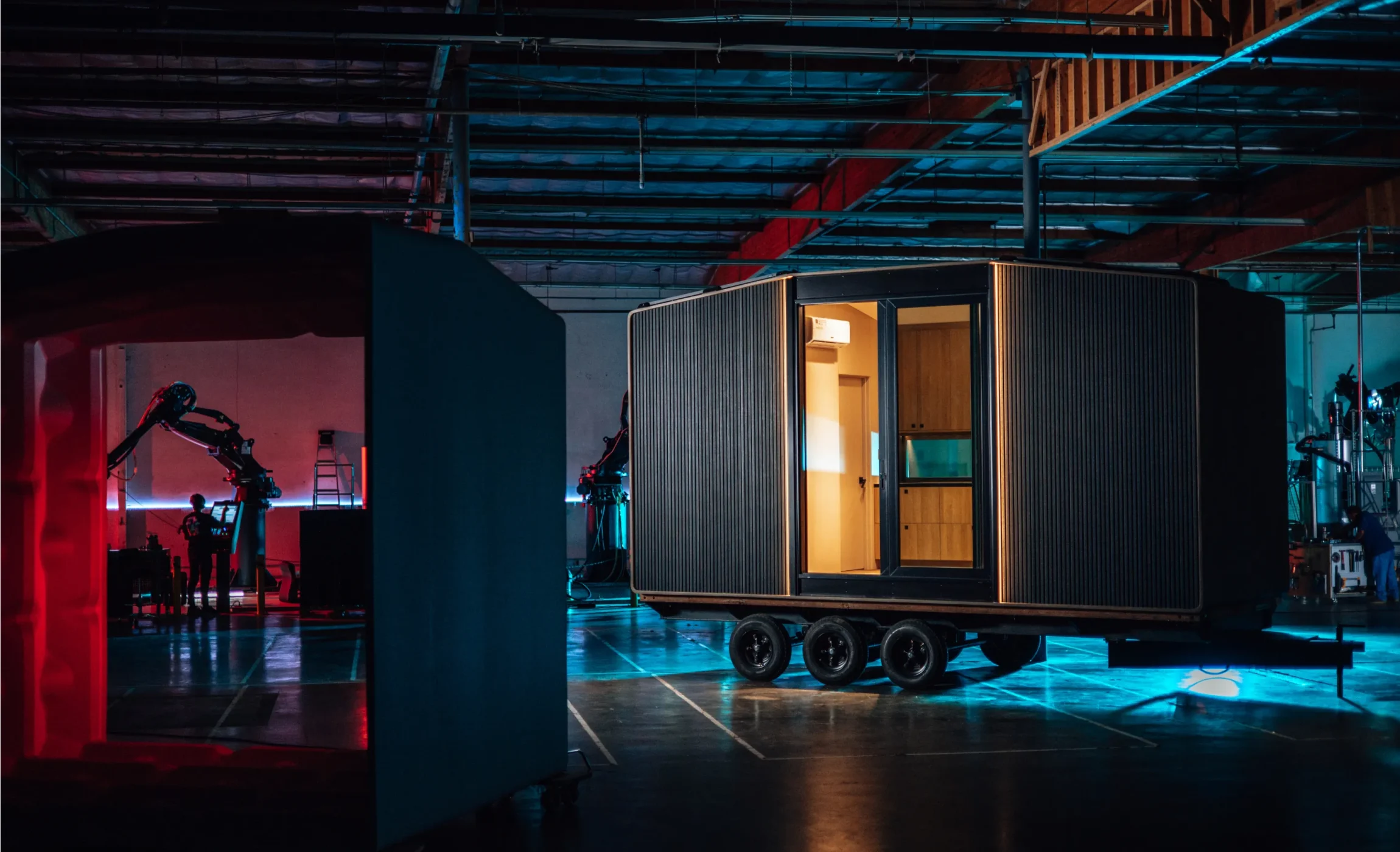
At Azure Printed Homes, we take a different approach to prefab construction by combining modular housing with robotic 3D printing technology. Instead of using only traditional factory assembly methods, we create structures through an automated printing process using recycled materials.
We combine robotic 3D printing, modular construction, and recycled materials to create adaptable living spaces for different residential needs. Our process starts with configuring a unit based on project requirements, followed by robotic printing, installation of electrical and plumbing systems, interior finishes, delivery, and on-site installation.
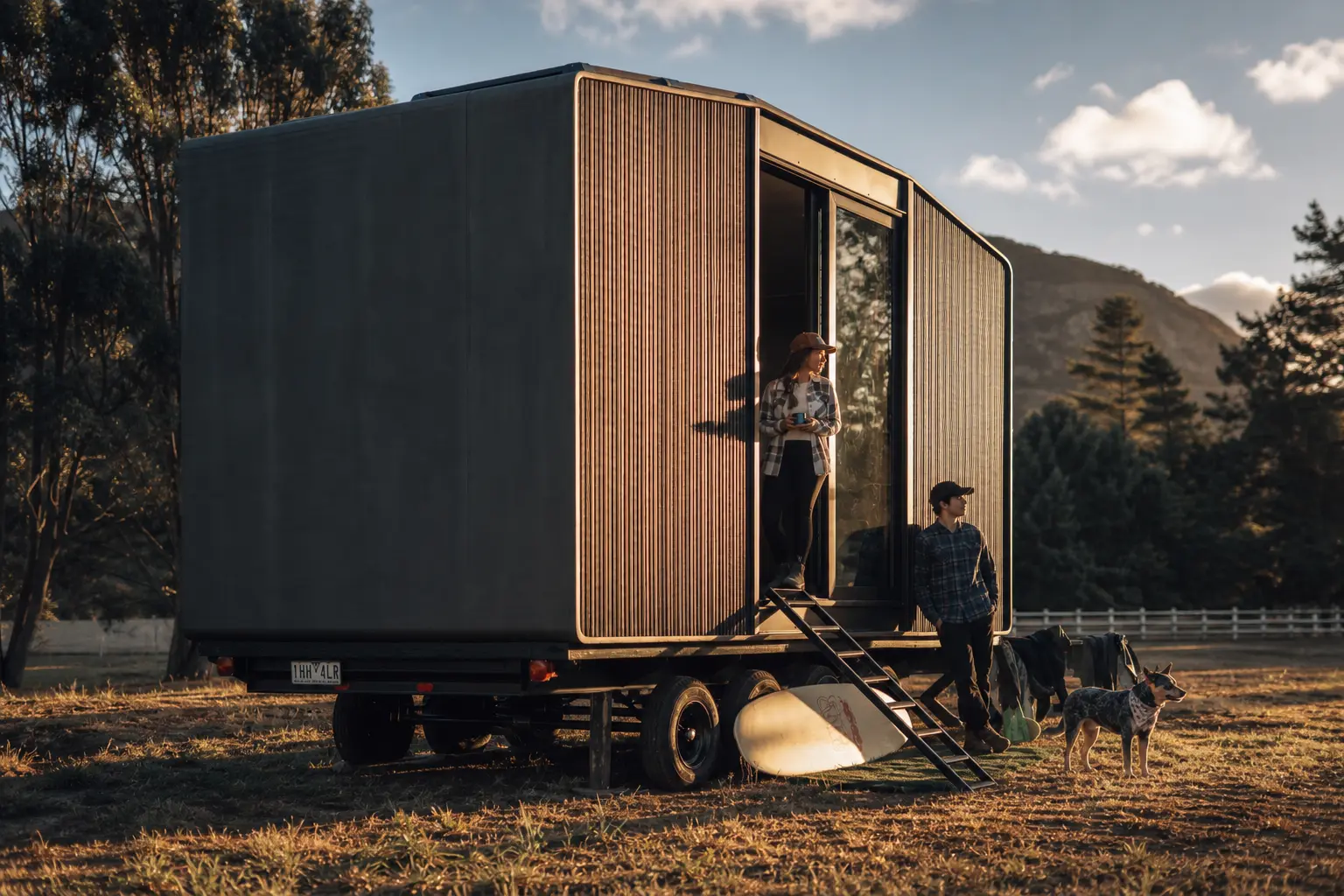
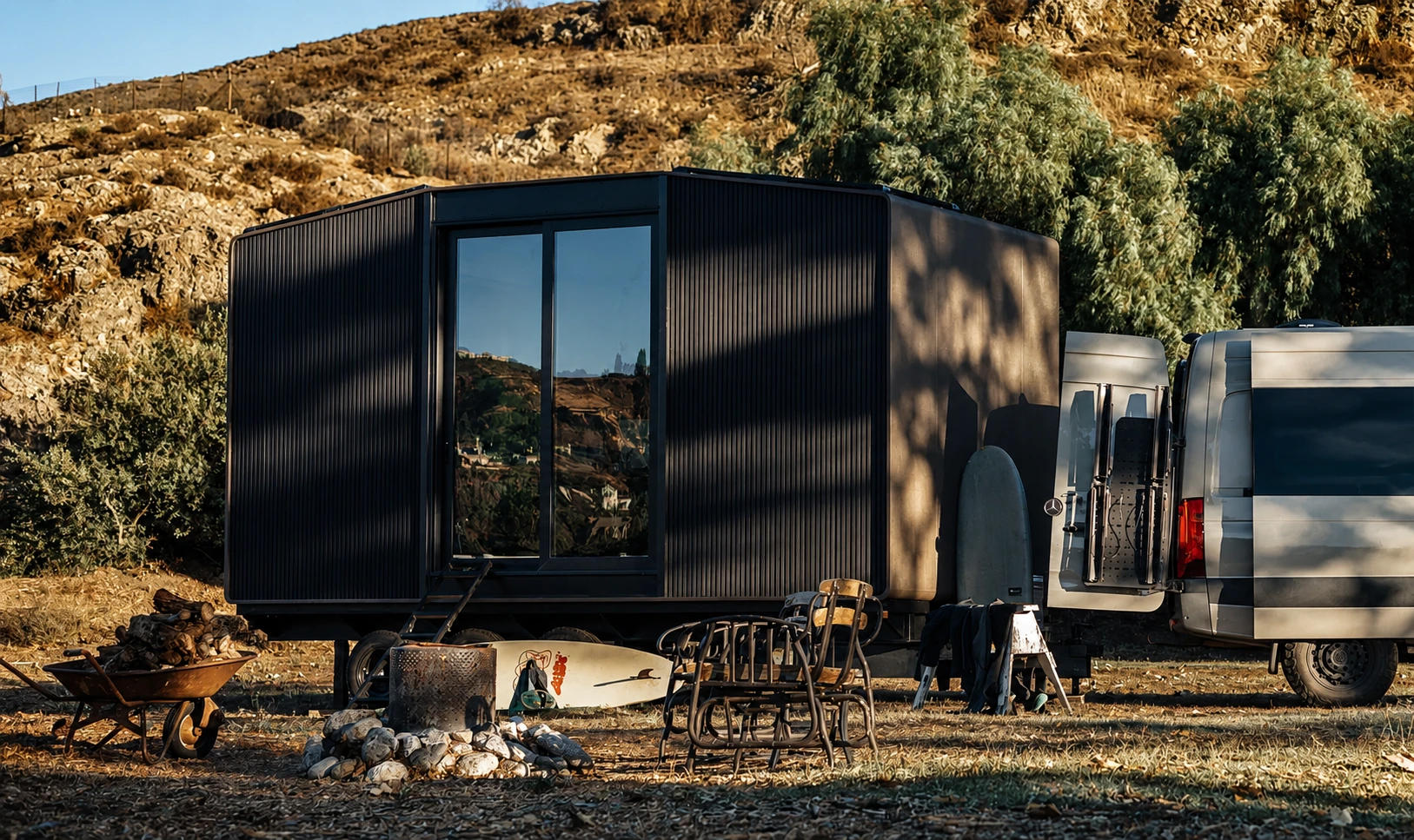
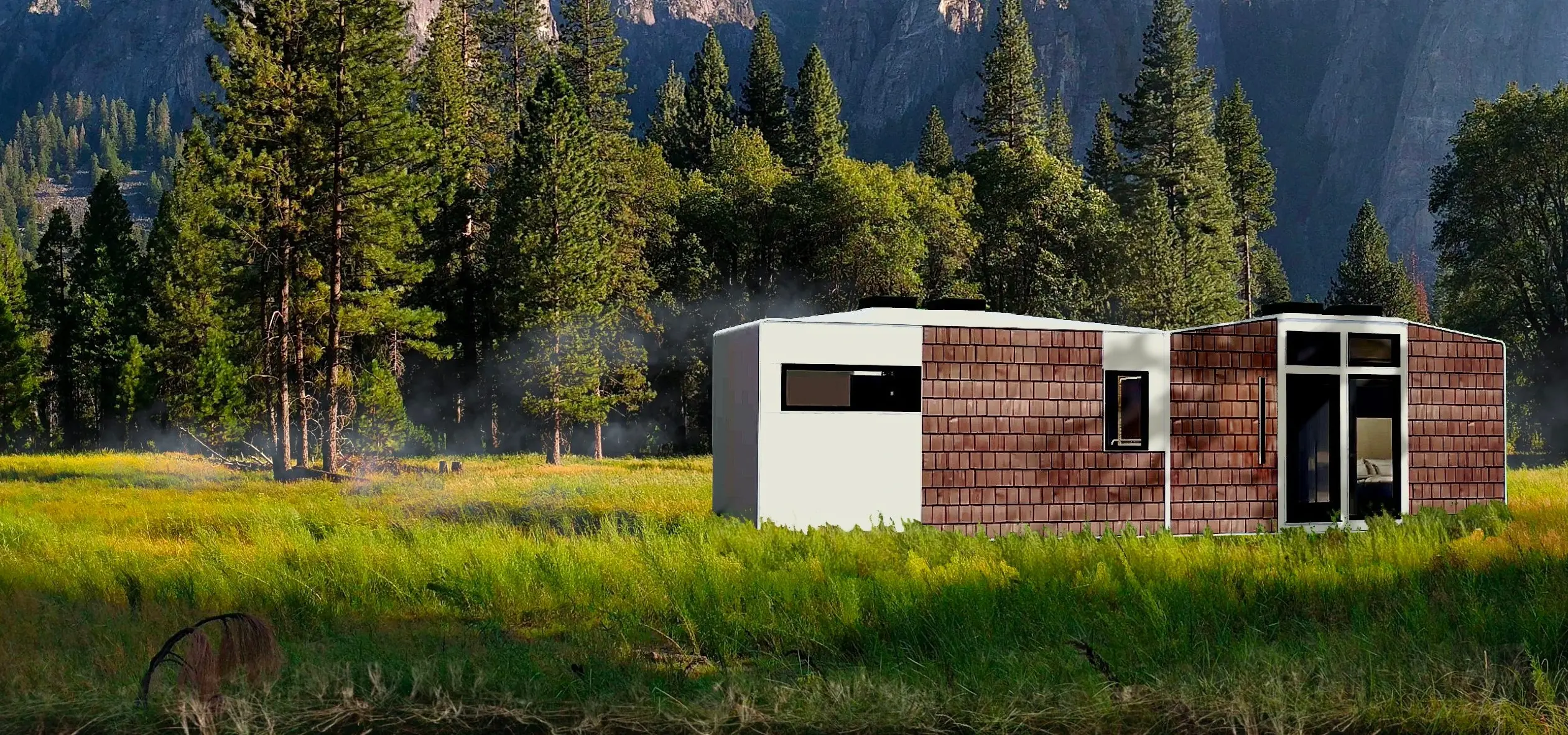
We offer several product categories, including studio series units, homes and ADUs, and homes on wheels. These options are designed for different applications, from backyard studios and additional living spaces to full residential units.
Our approach focuses on creating efficient manufacturing processes while maintaining flexibility in design. We can adjust units through customization options, including layout changes, dimensions, finishes, and additional features.
Comparing Home Nation Prefab Homes and Azure Modular Homes
Home Nation and our Azure Printed Homes represent two different approaches to factory-built housing. The following comparison explores the main differences between them, including construction methods, materials, customization options, applications, timelines, and costs.
Construction Approaches
The biggest difference between Home Nation prefab homes and our modular homes is the way each company approaches manufacturing.
Home Nation primarily uses traditional factory-built construction methods. Manufactured and modular homes are produced in controlled environments, transported to the property, and installed according to the requirements of the selected home type.
We at Azure use a more technology-focused manufacturing process. We create structures using robotic 3D printing technology, which forms the building components before the unit moves through the finishing and installation stages.
The two approaches serve different purposes:
| Feature | Home Nation Prefab Homes | Azure Modular Homes |
| Construction method | Factory-built manufactured and modular construction | Robotic 3D printing combined with modular construction |
| Main focus | Variety of traditional prefab housing options | Technology-driven modular living spaces |
| Manufacturing approach | Factory production with multiple home types | Automated printing and factory completion |
| Customization | Floorplans, finishes, and upgrades | Configurable designs, dimensions, finishes, and features |
| Applications | Homes, manufactured housing, modular homes, ADUs | Studios, ADUs, homes, and homes on wheels |
Both methods provide an alternative to fully on-site construction, but the experience and final product can be different depending on the buyer’s priorities.
Materials and Sustainability
Materials are another important difference between these two housing approaches.
Traditional prefab construction typically relies on common building materials selected according to the type of home being produced. The exact materials can vary depending on the manufacturer, model, and design specifications.
We place a stronger focus on recycled materials as part of our manufacturing process. We use recycled plastic in our 3D printing technology and more than 60% of our print material comes from recycled plastic. Approximately 100,000 plastic bottles are reused per 120 square feet of printed material.
At Azure Printed Homes, we transform recycled plastic into functional living spaces through our printing process. Our recycled plastic material is designed for applications such as backyard studios and homes on wheels, while light gauge steel options are available for projects where different structural requirements apply.
Material selection can affect factors such as durability, project suitability, maintenance, and environmental impact. Buyers should consider which characteristics matter most for their specific location and intended use.
Customization Options
Customization is an important factor when selecting any type of prefabricated home. Buyers often want a home that fits their property, lifestyle, and long-term plans.
Home Nation provides customization options through its large selection of floorplans and available upgrades. Buyers can select different layouts, colors, finishes, and additional features depending on the chosen model.
We approach customization through a configurable modular system. Instead of being limited only to standard layouts, we can adjust projects based on specific requirements.
At Azure Printed Homes, we help customers configure their units based on their needs and preferences. We can adjust designs, dimensions, orientations, finishes, and optional upgrades such as solar panels, heated floors, and different material selections.
For larger projects, we can also accommodate more complex requirements, including multiple stories, elevators, and balconies.
Home Sizes and Applications
The best choice between Home Nation prefab homes and our modular homes often depends on how the space will be used.
Home Nation provides a broad selection of housing types, including larger manufactured and modular homes designed for traditional residential living. This can be suitable for buyers looking for conventional home layouts with established floorplans.
We focus on flexible modular spaces that can serve different purposes, including:
- Backyard studios
- ADUs
- Residential homes
- Development projects
- Homes on wheels
Our models range from compact studio units to larger ADUs. For example, the studio series include smaller models designed for additional living space, while larger models provide more room for bedrooms, kitchens, and bathrooms.
The choice depends on whether the priority is a traditional home format or a more flexible modular structure designed around a specific project.
Construction Timeline and Installation Process
Construction timelines are one of the reasons buyers consider prefab housing.
Factory-based construction can help make the building process more predictable because much of the work takes place in a controlled environment. However, final timelines depend on factors such as design choices, permits, site preparation, transportation, and installation requirements.
Home Nation coordinates delivery and setup services as part of the home-buying process. Buyers typically need to prepare their property and complete required site work before installation.
We follow a structured manufacturing process:
- Configuring the unit: Customers select and customize their design according to their needs.
- Printing the home: We use robotic 3D printing technology to create the structure, with printing completed in as little as one day and interior finishing and system installation adding approximately 4-10 additional days depending on customization.
- Completing interior systems: We install electrical, plumbing, and interior finishes before delivery.
- Delivery and installation: We transport the completed unit to the property and install it on-site.
Our backyard studios can be delivered in approximately 30-60 days depending on location, while ADUs and homes can be delivered within approximately 90-120 days.
Cost Considerations
The final cost of any prefab home depends on several factors, including size, design, location, transportation, site preparation, permits, and selected upgrades.
Home Nation offers factory-direct pricing across different housing categories, allowing buyers to compare models based on their budget and requirements. The company provides manufactured homes, modular homes, and stick-built options at different price levels.
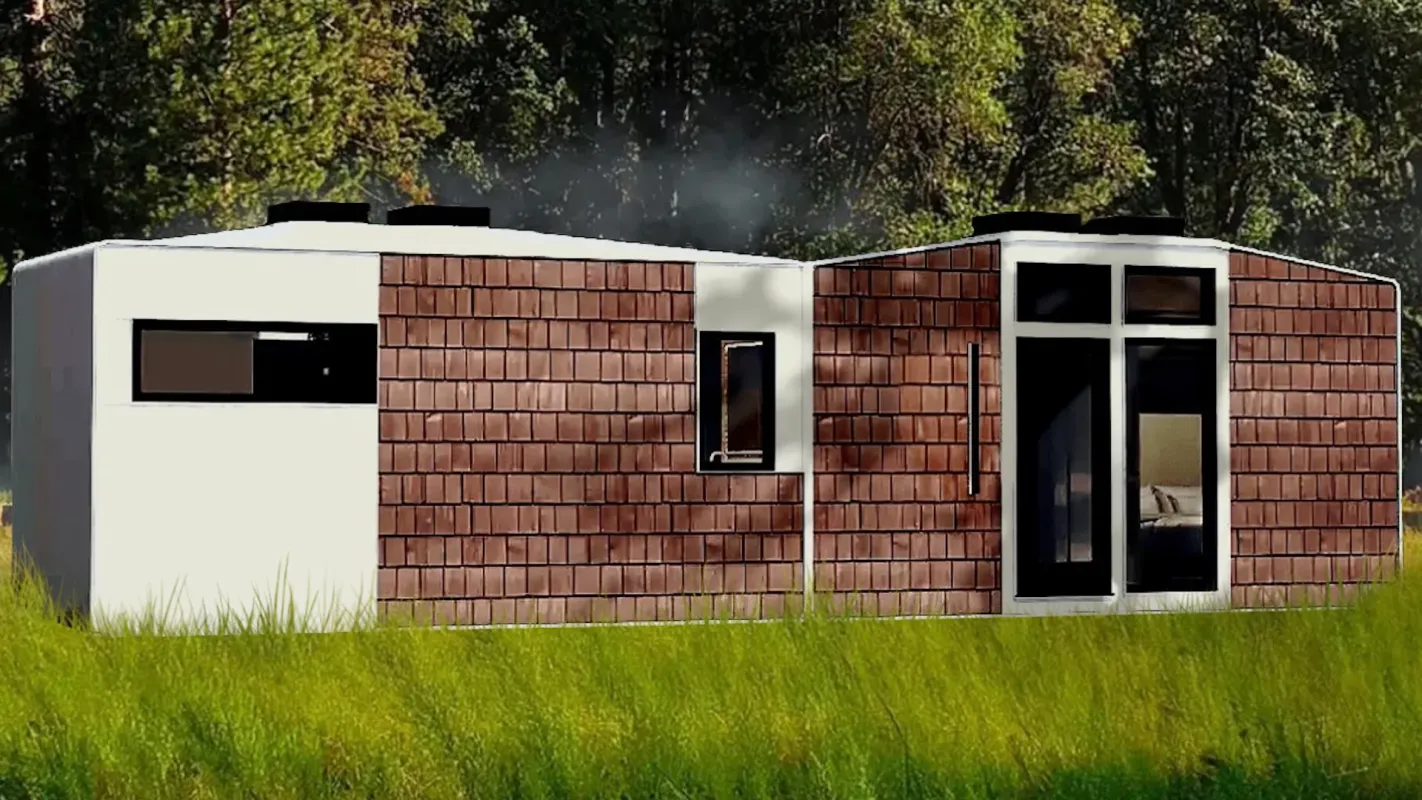
We offer models ranging from compact studios to larger residential units. Our studio options include models such as the N100 starting at $24,900, homes on wheels models beginning at $69,900, and larger ADUs models starting from $89,900.
At Azure Printed Homes, we focus on creating efficient modular solutions that combine factory production, customization, and modern manufacturing methods. The final project cost depends on the selected model, customization choices, location, delivery, and site requirements.
It is important for buyers to compare the complete project scope rather than only the base home price.
Which Option Is Right for Your Project?
The choice between Home Nation prefab homes and our modular homes depends on what buyers are looking for in a housing solution. While both approaches provide alternatives to traditional on-site construction, they are designed around different priorities.
Home Nation may be a better fit for buyers who want a broader selection of traditional factory-built housing options, while our approach may appeal to those interested in modern manufacturing methods, 3D-printed structures, and flexible modular designs.
| Consideration | Home Nation Prefab Homes | Azure Modular Homes |
| Construction approach | Suitable for buyers looking for traditional manufactured and modular home construction methods | Suitable for buyers interested in robotic 3D printing combined with modular construction |
| Home selection | Offers a wide range of prefab housing options, including manufactured homes, modular homes, ADUs, and stick-built homes | Offers Studio Series units, Homes & ADUs, and Homes on Wheels designed for different applications |
| Floorplans and design | Provides many established floorplans with options for layouts, finishes, and upgrades | Provides configurable designs with options to adjust dimensions, layouts, finishes, and features |
| Technology focus | Uses established factory-building processes | Uses robotic 3D printing technology and factory-based completion |
| Materials | Uses materials selected according to the chosen home type and manufacturer specifications | Uses recycled plastic materials in the printing process, with more than 60% of print material coming from recycled plastic |
| Best suited for | Buyers looking for conventional residential layouts and a variety of factory-built home options | Buyers looking for customizable modular spaces, ADUs, studios, homes, and development projects |
The right choice depends on several factors, including the intended use of the property, desired level of customization, preferred construction method, and overall project goals. Buyers looking for a more traditional prefab experience may prioritize available floorplans and established home types, while those interested in a more technology-focused approach may prefer the flexibility of our modular solutions.
Final Thoughts
Prefab housing continues to evolve, giving buyers more choices than traditional construction alone. Home Nation represents a broad factory-built housing model with manufactured homes, modular homes, ADUs, and site-built options. We offer a different approach by combining robotic 3D printing with modular construction and recycled materials.
For buyers looking for a more traditional prefab experience with many floorplans and housing categories, factory-built homes may provide the flexibility they need. For those interested in modern manufacturing, adaptable designs, and innovative materials, our modular approach offers another path to creating a customized living space.
As housing needs continue to change, different construction methods will continue to provide new ways to create efficient, practical, and personalized homes.