Housing solutions are designed to address different needs, and two terms that are often discussed together are supportive housing and affordable housing. While both aim to improve access to stable homes, they serve different purposes and provide different levels of assistance.
Affordable housing focuses mainly on making housing costs manageable for people with lower incomes. Supportive housing combines housing with additional services that help residents overcome challenges and maintain long-term stability.
This guide explains the key differences between these housing models, how they support residents, and how modern construction solutions can help create flexible housing options.
Affordable Housing: Providing Access to Stable Homes
Affordable housing refers to homes designed to remain financially accessible for individuals and families with limited or moderate incomes. The main goal is to reduce the financial pressure of housing costs and help residents maintain a stable place to live.
A commonly used guideline considers housing affordable when residents spend no more than 30% of their income on housing expenses. Keeping monthly costs manageable allows households to dedicate more resources to other important needs, such as food, transportation, healthcare, education, and savings.
Affordable housing can include different types of residential options, including rental housing, ownership opportunities, workforce housing, and smaller independent living spaces. The specific structure depends on the community, program requirements, and intended residents.
The focus of affordable housing is accessibility. It does not necessarily include ongoing services or additional assistance. Instead, the primary purpose is providing homes that are financially within reach.
Supportive Housing: Combining Homes With Extra Support
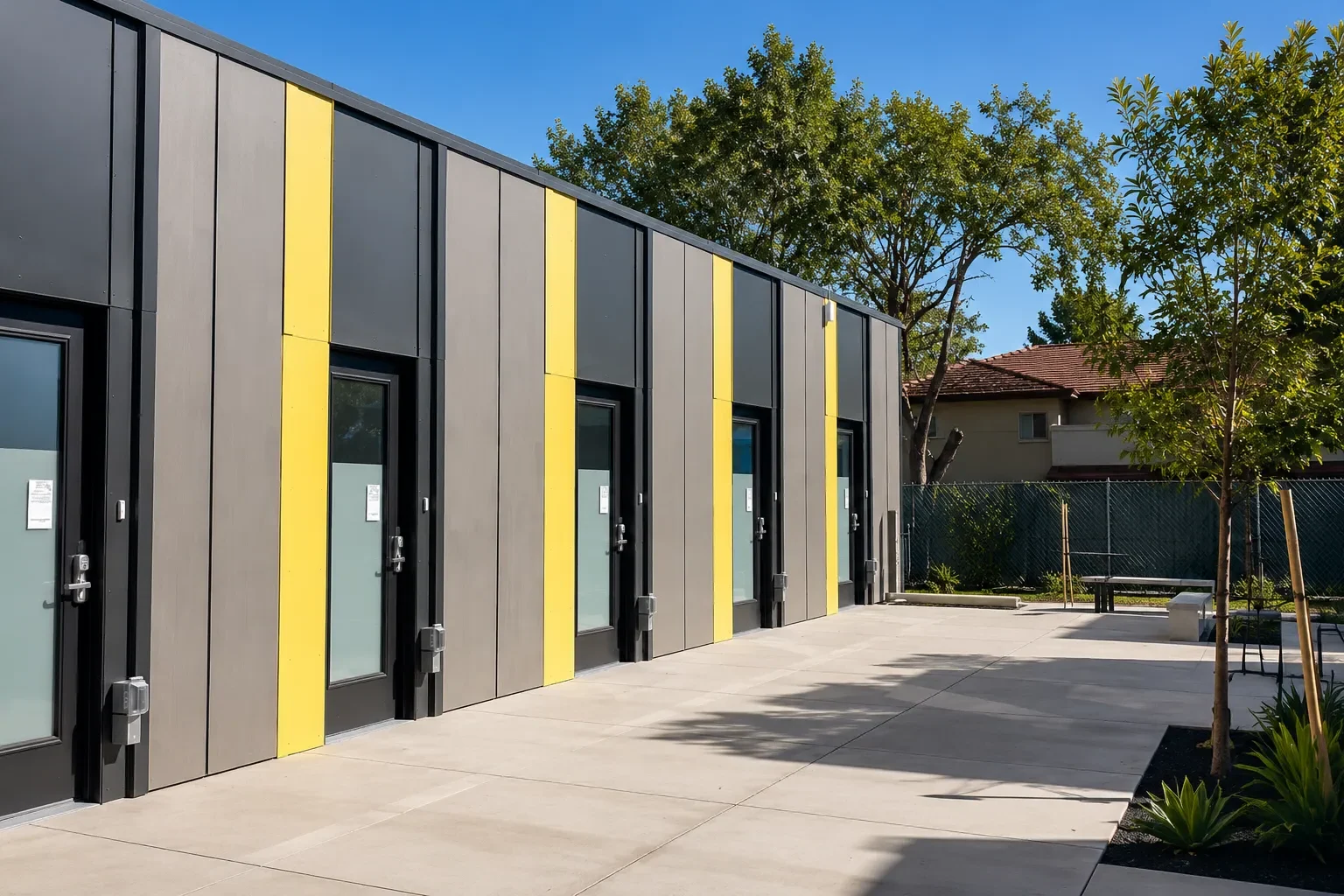
Supportive housing combines affordable housing with services designed to help residents maintain long-term housing stability. It is typically created for individuals and families who may need additional assistance beyond having access to a home.
The housing itself provides a stable living environment, while supportive services help address challenges that can affect a person’s ability to remain housed.
Depending on the program and resident needs, supportive housing may include access to:
- Mental health services
- Employment assistance
- Financial education
- Healthcare resources
- Community support programs
The goal is not only to provide a place to live but to create an environment where residents have the resources needed to build stability over time.
Supportive housing is often used as part of broader strategies to address housing insecurity because it combines a physical home with resources that support residents’ long-term success.
How Supportive Housing and Affordable Housing Differ
Although supportive housing and affordable housing overlap, the main difference is the level of support provided alongside the home.
| Feature | Affordable Housing | Supportive Housing |
| Main purpose | Provide accessible housing costs | Provide housing with additional support services |
| Primary focus | Financial accessibility | Long-term housing stability |
| Residents | People who need lower-cost housing options | People who may need additional assistance to remain housed |
| Services | Usually not included | Often includes supportive programs |
| Housing structure | Can include many types of homes and apartments | Usually combines housing with coordinated services |
Affordable housing addresses the challenge of housing costs. Supportive housing addresses both housing costs and additional barriers that may affect housing stability.
Neither option replaces the other. Many communities need both approaches to create a complete housing strategy.
Modular Solutions for Affordable Housing
Creating more housing requires solutions that balance quality, efficiency, flexibility, and long-term value. Traditional construction methods can involve long timelines, multiple stages, and challenges related to labor availability, weather conditions, and coordinating different parts of the building process.
Modular construction provides another approach by moving much of the building process into a controlled manufacturing environment. This allows key construction steps to be completed in a more organized way while maintaining consistency and design flexibility. Factory-based production can help simplify project planning, improve quality control, and create repeatable housing solutions that can be adapted for different needs.
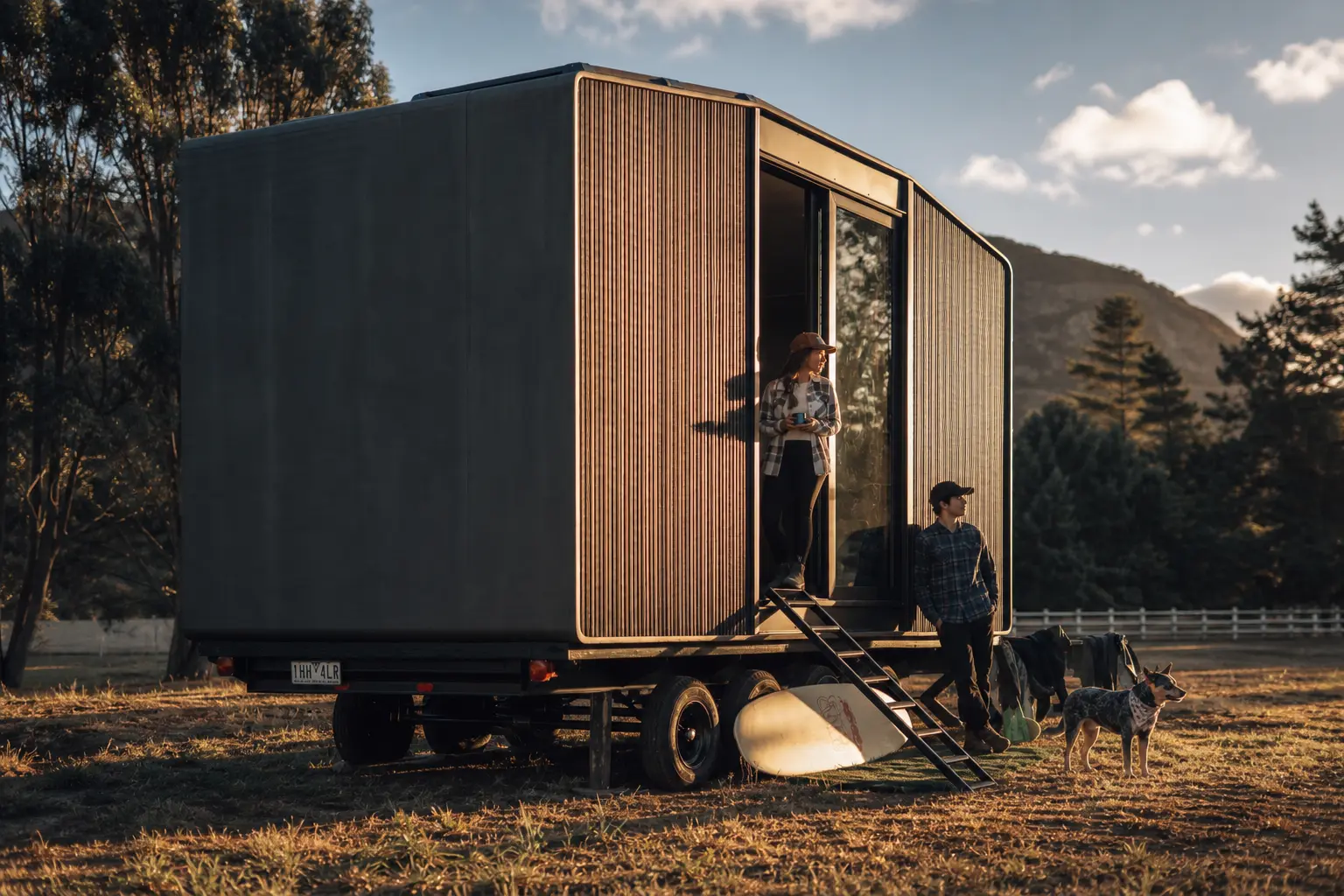
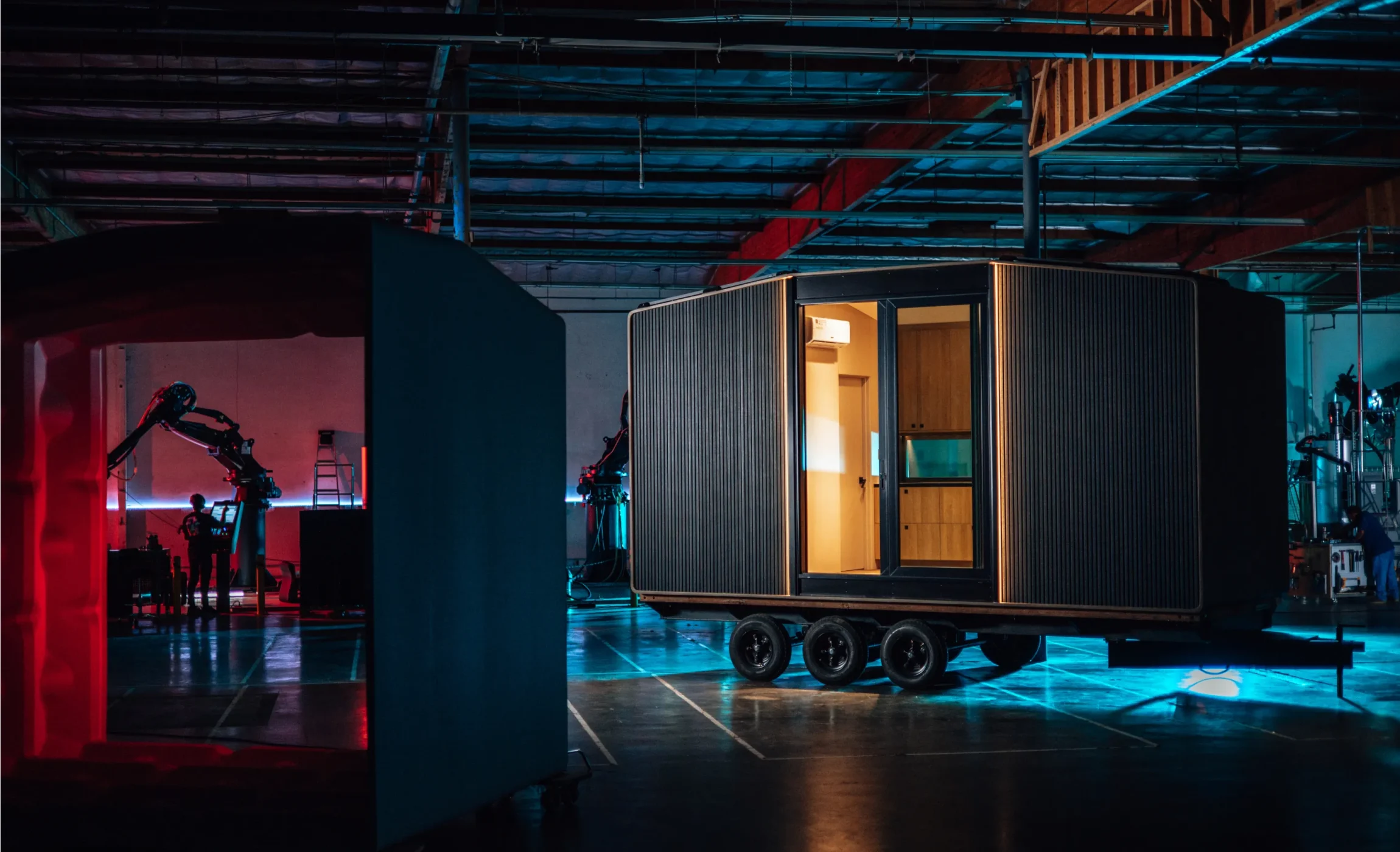
At Azure Printed Homes, we create future-focused modular living spaces using robotic 3D printing technology, recycled materials, and factory-based production. We manufacture units in a controlled environment where key systems, including electrical, plumbing, and interior finishes, can be completed before delivery. This helps reduce the amount of work required once the unit arrives at the property.
This approach can support different housing applications, including smaller residential units, additional living spaces, workforce housing, and larger residential projects where efficient production and adaptable designs are important. By combining modern manufacturing with customizable layouts, modular construction provides another way to create functional housing solutions for evolving community needs.
Can Modular Homes Be Used for Supportive Housing?
Supportive housing requires more than just a physical structure. It requires homes that provide residents with safe, comfortable, and functional living environments while creating a foundation for long-term stability.
Modular housing can support supportive housing initiatives by providing efficient residential spaces that can be combined with community services and assistance programs. Since modular units can be manufactured with different layouts and sizes, they can be adapted to meet the needs of different residents and project goals.
For example, modular units can be designed as:
- Individual residential spaces
- Small community housing developments
- Transitional living environments
- Additional housing units on existing properties
The home itself provides the foundation, while organizations can coordinate the services residents need, such as counseling, employment support, healthcare resources, or other community programs.
We offer a range of unit sizes and layouts that can be adapted based on project requirements, from compact individual spaces to larger residential solutions. This allows organizations to develop housing options that match specific community needs while maintaining an efficient and scalable construction approach.
The flexibility of modular construction allows projects to be designed around specific goals rather than relying on a single housing model. Whether a project requires compact individual units or larger residential solutions, modular construction provides an adaptable option for expanding supportive housing opportunities.
How Modular Homes Can Be Useful for Housing Development
Housing projects often require solutions that can adapt to different locations, resident needs, and development goals. Modular construction can provide several advantages for organizations planning affordable or supportive housing.
Faster Production and Installation
One challenge in expanding housing availability is the time required to complete construction. Factory-based manufacturing allows different stages of the process to happen in a more organized way.
We complete the printing process in as little as one day, followed by 4-10 days of interior finishing and system installation depending on customization and project requirements. This helps create a more streamlined path from design to installation.
Flexible Housing Options
Affordable and supportive housing projects are not all the same. Some may require compact private spaces, while others may need larger residential layouts.
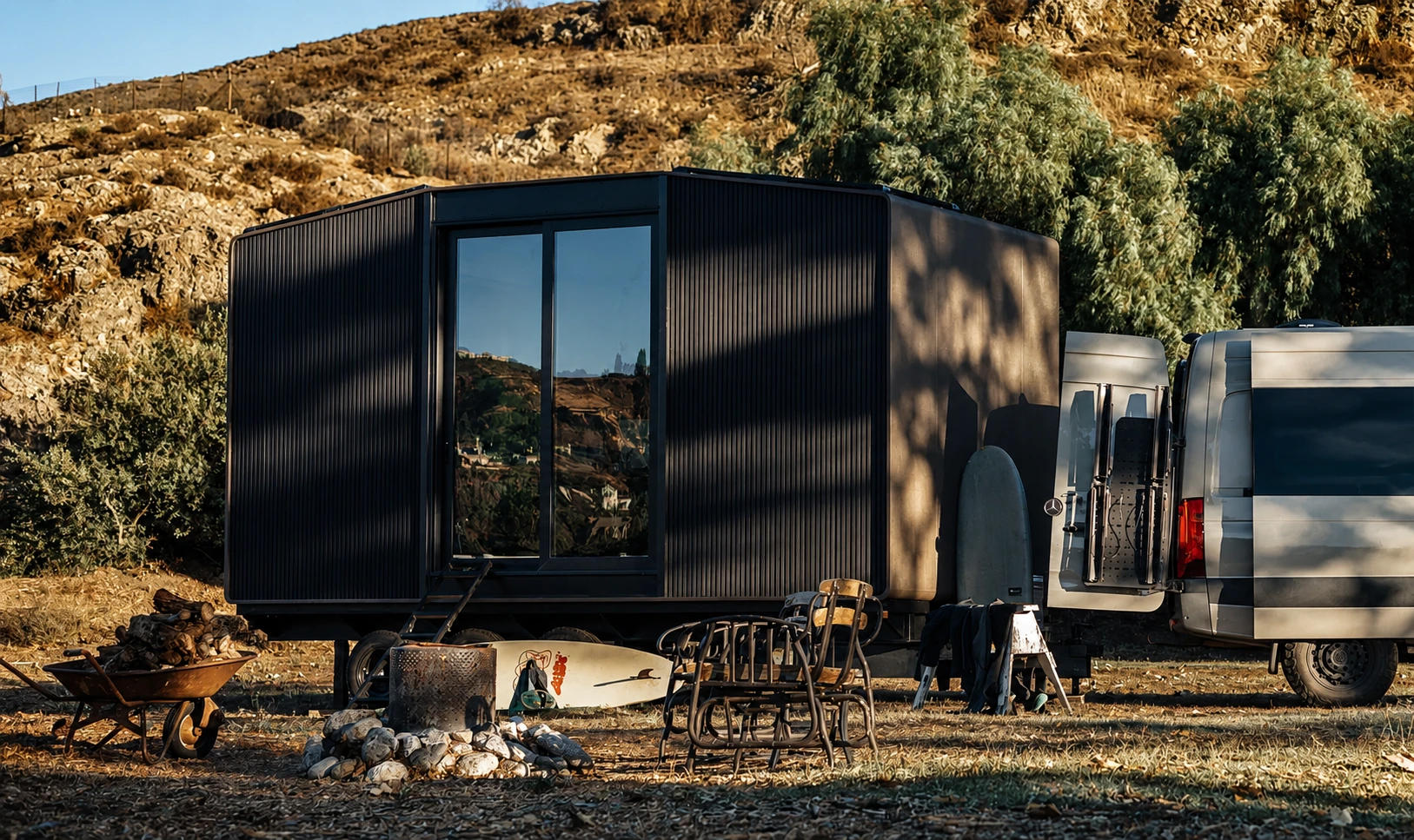
We offer different modular options, including studio units, homes and ADUs, and larger residential models. These solutions can be adapted for different applications, from standalone living spaces to larger housing developments. Customization options can include layout adjustments, finishes, and additional features based on project requirements.
Efficient Use of Materials
Sustainability is becoming an important consideration in modern housing development. Efficient material use and responsible manufacturing can help reduce waste during construction.
We use recycled plastic materials in our 3D printing process. More than 60% of our print material comes from recycled plastic, and approximately 100,000 plastic bottles are reused per 120 square feet of printed material.
This approach combines modern construction technology with material reuse while creating durable modular structures.
Choosing the Right Housing Approach
The right housing approach depends on the needs of the people who will live there, the goals of the organization developing the project, and the type of housing solution required. Modular construction can support different approaches by providing flexible residential options that can be adapted for various community needs.
Affordable housing may be the right choice when the main challenge is:
- High housing costs
- Limited availability of reasonably priced homes
- The need for additional rental or ownership options
Supportive housing may be more appropriate when residents need:
- Housing combined with ongoing assistance
- Access to supportive services
- Additional resources to maintain long-term stability
In some cases, projects may combine both approaches by creating affordable homes with access to supportive programs. Modular solutions can help make these projects more adaptable by offering customizable layouts and efficient construction methods that can respond to different housing goals.
Planning Affordable or Supportive Housing
Planning affordable or supportive housing requires more than choosing a building type. Successful projects need to consider the needs of future residents, available resources, location requirements, and how the housing will function over time.
One of the first considerations is understanding the purpose of the project. Affordable housing initiatives often focus on creating accessible homes for individuals and families, while supportive housing projects may require additional planning for services and community resources. Defining these goals early helps determine the right type of space, layout, and overall approach.
Matching Housing Design With Resident Needs
The design of a housing project should reflect the people it is intended to serve. Compact private units may work well for individual residents, while larger layouts may be more suitable for families or shared community environments.
Important factors to consider include:
- Number of residents the project will support
- Required living space and privacy
- Accessibility needs
- Shared or individual amenities
- Potential future uses of the space
A flexible design approach can make housing more adaptable and allow projects to respond to different community requirements.
Evaluating Location and Site Requirements
The property itself plays an important role in planning affordable or supportive housing. Before development begins, projects need to consider factors such as available space, local regulations, utility access, and installation requirements.
Site conditions can influence the type of housing that can be developed and the overall project timeline. Careful planning helps ensure that the selected housing solution works well with the surrounding environment and long-term goals.
Balancing Affordability With Quality
Keeping housing accessible does not mean overlooking comfort, durability, or functionality. Projects need to balance financial considerations with the goal of creating homes that residents can rely on for years.
We work with homeowners, developers, and organizations to configure units based on project requirements, offering different models and customization options for various housing applications.
Planning for Long-Term Flexibility
Housing needs can change over time, especially as communities grow and resident requirements evolve. A successful project should consider how spaces can remain useful beyond their initial purpose.
Flexible housing solutions can support different applications, from individual living spaces to larger residential projects. By considering future needs during the planning stage, organizations can create housing that remains practical, functional, and responsive over time.
The Future of Flexible Housing Solutions
The demand for accessible housing continues to grow, creating a need for solutions that are efficient, adaptable, and designed around real community needs. As housing challenges become more complex, communities require different approaches that can address affordability, availability, and the need for supportive living environments.
Affordable housing helps create more opportunities for individuals and families to access stable homes, while supportive housing combines residential spaces with additional resources that help residents maintain long-term stability. Meeting these needs requires more than increasing the number of available homes. It requires flexible solutions that can adapt to different locations, resident needs, and development goals.
Modern construction methods can help expand these options by making housing production more efficient and adaptable. We combine modular construction, robotic 3D printing, and recycled materials to create customizable living spaces designed for different residential applications. We create units that can support a variety of projects, from compact standalone spaces to larger residential solutions, while using a manufacturing approach that helps streamline the building process.
As communities continue looking for new ways to create housing, modular construction provides an opportunity to rethink how homes are designed and delivered. By combining efficient manufacturing with thoughtful design, these solutions can become part of a broader approach to creating housing that is practical, flexible, and built around evolving needs.
Conclusion
Supportive housing and affordable housing address different challenges, but both play an important role in creating stronger housing systems. Affordable housing focuses on making homes financially accessible, while supportive housing combines stable living spaces with additional services that help residents overcome barriers and maintain stability.
The future of housing will require solutions that are not limited to one model. Flexible construction methods, customizable designs, and efficient production can help communities create residential options that better match their goals.
At Azure Printed Homes, we use robotic 3D printing technology, modular construction, and recycled materials to create modern living spaces designed for a range of applications. We focus on combining efficient manufacturing with adaptable designs to help support projects that require practical and scalable housing solutions.