The cost difference between modular and stick-built homes is not always as simple as comparing one price per square foot. The final investment depends on factors such as the size of the home, materials, customization, site conditions, permits, installation requirements, and how much work is completed before the home arrives on the property.
Understanding how these two construction methods compare can help buyers evaluate which option better matches their priorities, whether they are focused on budget, timeline, customization, or the overall building process.
Understanding How Modular and Stick-Built Homes Differ
The main difference between modular and stick-built homes comes down to where construction takes place and how the building process is organized.
A stick-built home is constructed entirely on the property. Materials are delivered to the site, and each stage of construction is completed one after another. Framing, electrical systems, plumbing, insulation, drywall, and finishing work are all performed at the building location.
This approach has been used for decades and allows builders to create a wide range of designs. However, because most work happens outdoors, construction can be affected by weather conditions, material deliveries, and the availability of different contractors.
A modular home is built in sections inside a factory environment. These sections, often called modules, are manufactured before being transported to the final location for installation. Factory production allows many construction steps to happen in a controlled setting before the home reaches the property.
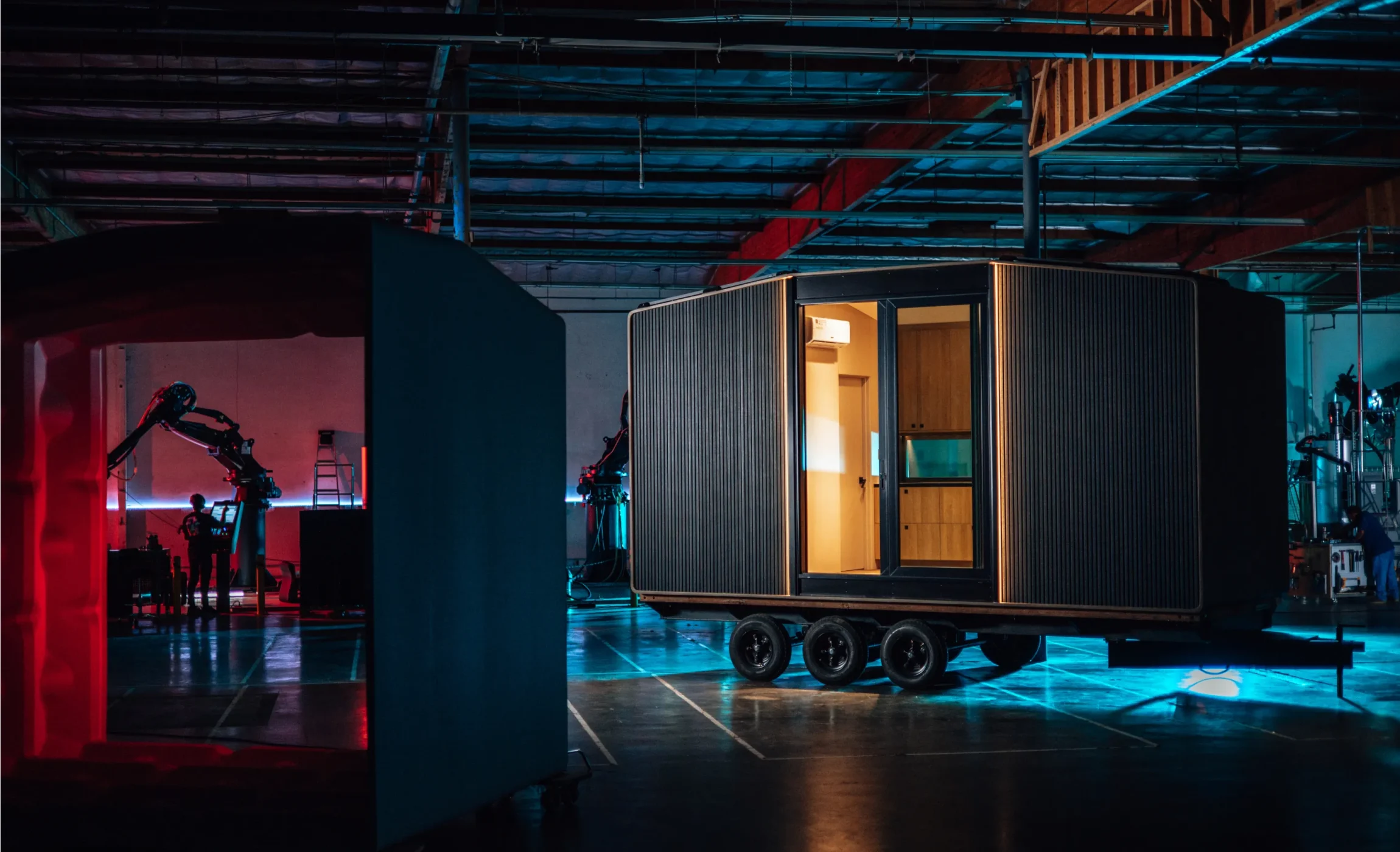
At Azure Printed Homes, we combine modular construction with robotic 3D printing to create a more streamlined manufacturing process. We begin by helping customers configure their unit and customize the design. Our structures are then robotically printed using recycled materials, followed by the installation of electrical, plumbing, and interior finishes before delivery.
This difference in construction approach can influence project scheduling, cost planning, and the level of control buyers have throughout the process.
Average Cost Comparison
The cost of building a home can vary significantly depending on location, size, materials, finishes, and project requirements. For traditional stick-built homes, construction costs commonly range from approximately $200 to $260+ per square foot. The final price depends on factors such as labor expenses, design complexity, selected materials, site conditions, and the amount of customization involved.
Because stick-built homes are constructed entirely on-site, the total project cost may include a wide range of expenses, including framing, electrical and plumbing installation, interior finishes, permits, foundation work, and site preparation. More complex designs, premium finishes, and longer construction timelines can increase the overall investment.
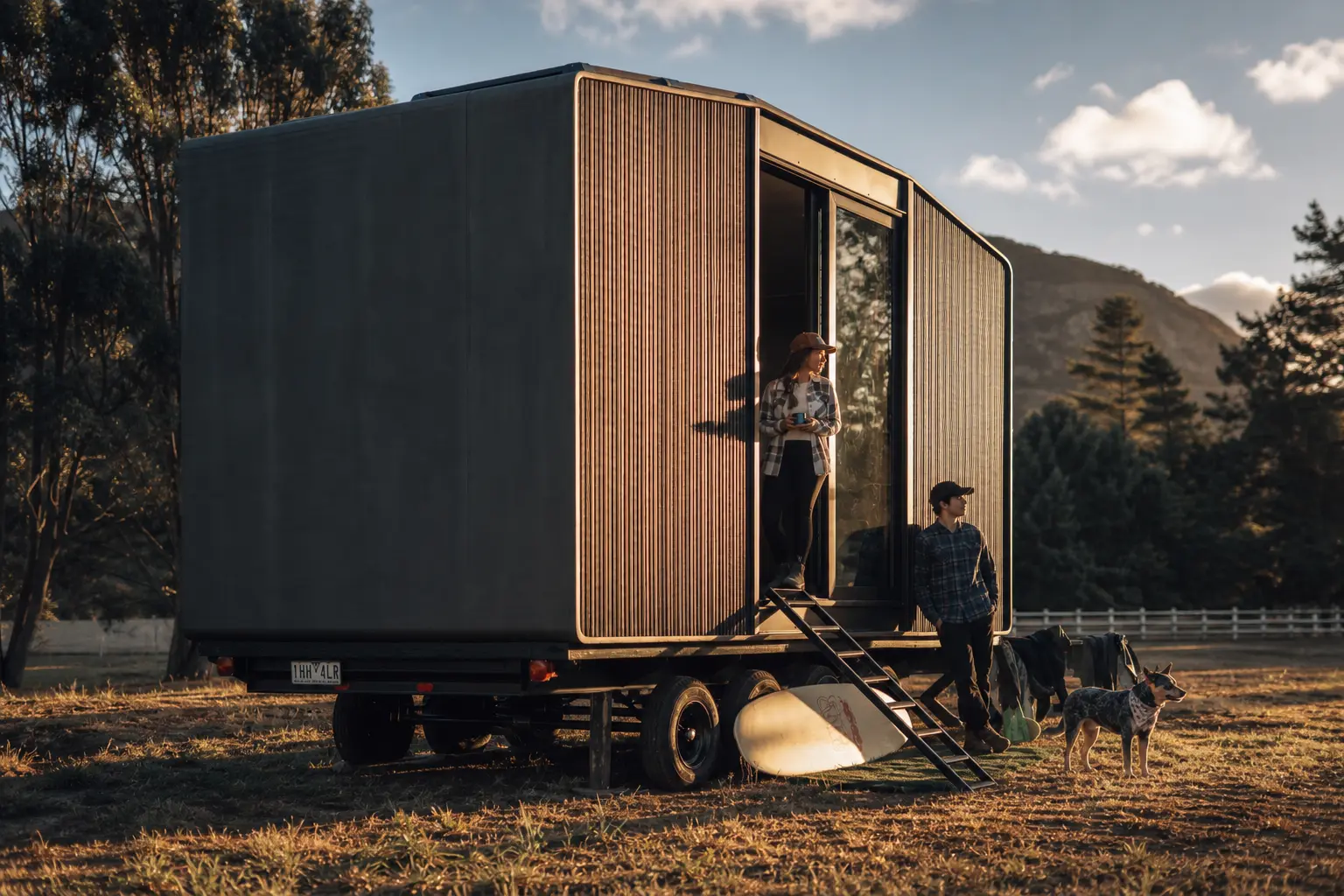
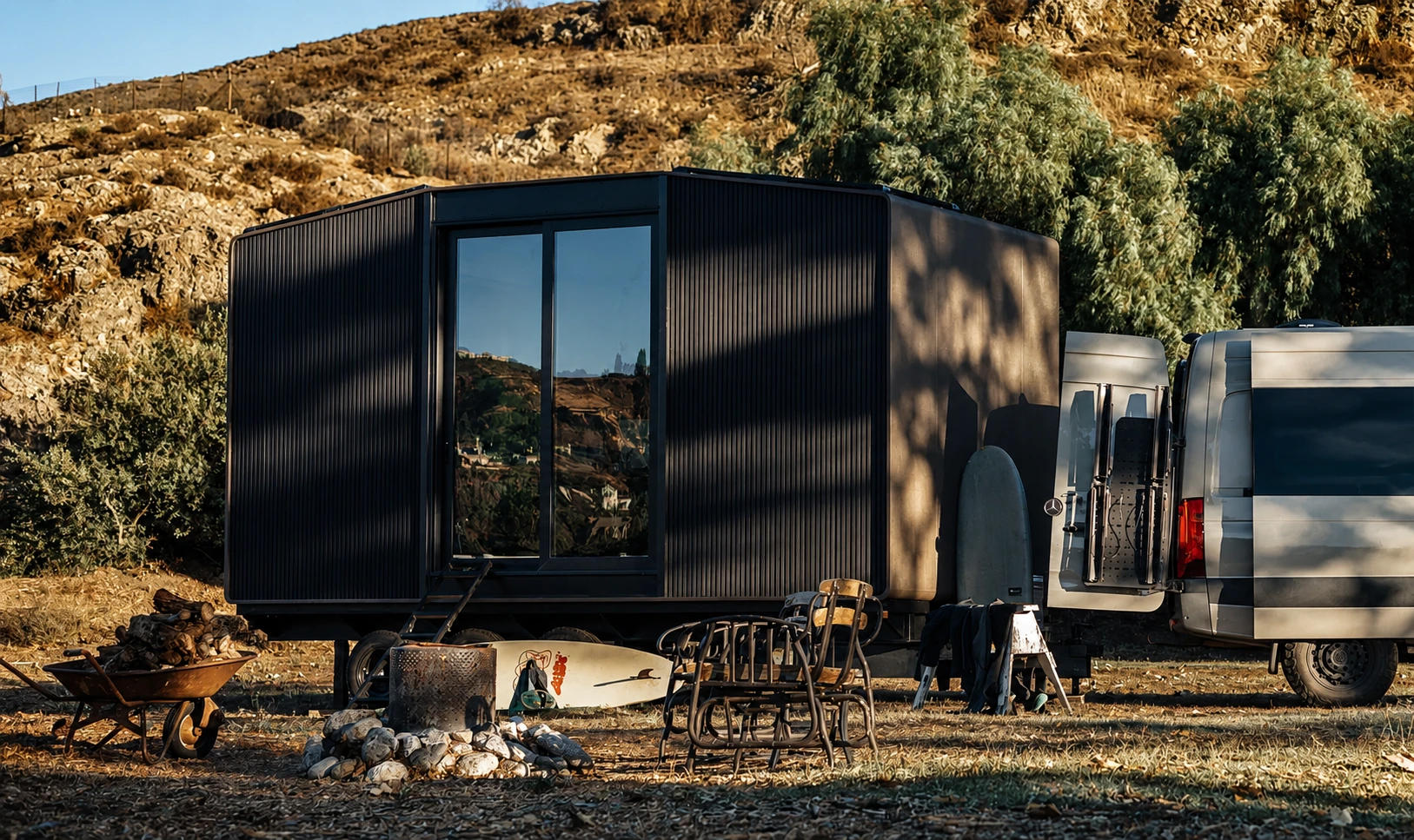
Modular construction offers a different approach by completing much of the building process in a controlled manufacturing environment before delivery. At Azure, we offer different modular solutions depending on the size, purpose, and level of customization required. Our categories range from compact studios to larger residential units and fully customized projects.
| Azure category | Price range | Typical applications |
| Studio Series | $24,900-$49,900 | Smaller modular spaces designed for offices, guest spaces, studios, and additional living areas. |
| Homes & ADUs | $89,900-$219,900 | Larger residential units designed for homeowners, property owners, and development projects, with different layouts, sizes, and customization options. |
| Custom Modular Designs | Approximately $400/sq ft | Fully customized modular projects created based on specific requirements, including size, complexity, materials, and selected features. |
The final cost depends on factors such as the selected design, customization options, site conditions, delivery requirements, and additional project features.
What Is Included in Modular and Stick-Built Home Pricing?
One of the most important parts of comparing construction costs is understanding what the price includes.
Two homes with similar starting prices may have very different levels of completion depending on the construction method.
What Modular Home Pricing May Include
Depending on the project, modular construction pricing may include:
- Factory-built structure
- Interior systems
- Plumbing installation
- Electrical installation
- Interior finishes
- Delivery preparation
We complete several major systems before the unit reaches the property. Our process includes electrical, mechanical, plumbing, and interior finishes before delivery, helping simplify the final installation stage.
Additional project costs may include foundation, site preparation, permits, utility connections, and delivery. For our projects, delivery costs depend on the unit type and distance. Studios are calculated at $2.50 per mile, while homes and larger ADUs are calculated at $5 per mile.
What Stick-Built Home Pricing May Include
Traditional construction pricing usually covers the work completed on-site, including:
- Framing
- Installation of systems
- Interior construction
- Exterior finishing
Additional expenses can come from weather-related delays, changes during construction, additional labor requirements, and material price changes. Because all construction takes place on the property, project management plays an important role in maintaining the schedule and budget.
Factors That Affect the Cost of Both Construction Methods
While modular and stick-built homes use different processes, many cost factors are shared between both approaches.
Home Size and Layout
The size of a home is one of the biggest influences on cost. Larger spaces require more materials, more systems, and more finishing work.
A compact studio and a full residential home serve different purposes and come with different requirements. Smaller units may work well as guest spaces, offices, or additional living areas, while larger homes provide more traditional residential functionality.
We offer different modular formats to support these needs. Customers can adjust layouts, dimensions, finishes, and additional features depending on their project goals.
Materials and Finishes
Material choices influence the cost of any construction project. Traditional homes may vary significantly depending on selected finishes, while modular homes can offer different material options through factory production.
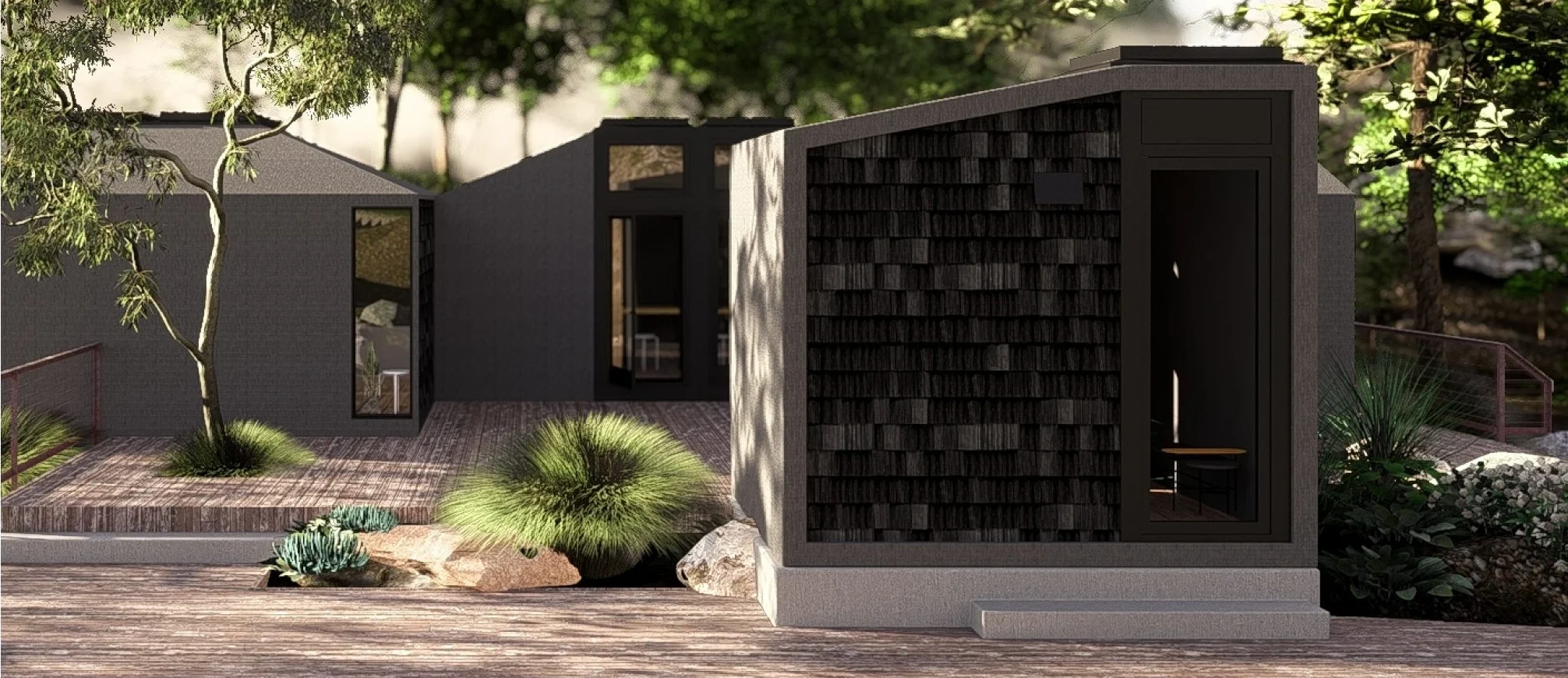
We use recycled plastic materials as part of our robotic 3D printing process. More than 60% of our print material comes from recycled plastic, and approximately 100,000 plastic bottles are reused per 120 square feet of printed material. We also offer light gauge steel options for projects where different material requirements are needed.
Site Conditions
The property itself can affect the total cost regardless of the construction method. Important considerations include:
- Land preparation
- Foundation requirements
- Utility access
- Local regulations
- Transportation access
A well-prepared site can help reduce unexpected challenges during installation and completion.
Construction Timeline
Time is another factor that can influence the overall cost of a home project. Stick-built construction typically follows a sequential process where each stage depends on the previous one. Modular construction can allow factory production and site preparation to happen at the same time.
At Azure, our process includes five main stages:
- Configuring your unit
- Printing your home
- Finish installation
- Delivering the completed unit
- Completing installation on-site
The printing stage can be completed in as little as one day, with interior finishing and system installation adding approximately 4-10 additional days depending on customization and location.
Cost vs Quality: Comparing Modular and Stick-Built Homes
When comparing construction methods, a lower price does not always mean lower quality. One of the most common misconceptions about modular homes is that they are a cheaper alternative because they use less durable materials or involve a simpler construction process. In reality, modular homes are built using the same principles of structural design and must meet the required building standards for their location.
The main difference is not the quality of the finished home but the way it is produced. Modular construction moves a large part of the building process into a controlled factory environment, where materials are protected from weather conditions and construction stages follow a more organized workflow. This approach can help improve consistency while reducing delays and unnecessary waste.
Stick-built homes are constructed entirely on-site and can achieve the same level of durability when built with quality materials and proper workmanship. However, the construction process depends heavily on site conditions, contractor coordination, and external factors that can influence the timeline and overall cost.
We approach modular construction with the goal of creating spaces that are designed for everyday use over the long term. Our manufacturing process allows us to maintain consistency during production, while our materials and design choices are selected to support durability, comfort, and efficient maintenance. This means customers can receive a modern living space that combines the benefits of factory production with the functionality expected from a permanent structure.
When evaluating the value of a home, buyers should consider not only the initial cost but also the efficiency of construction, durability of materials, expected maintenance, and how well the space meets their long-term needs. Modular construction can offer a more predictable and efficient path to a high-quality home while maintaining the flexibility needed for modern living.
Choosing Between Modular and Stick-Built Homes
Choosing between a modular and stick-built home depends on the priorities of each project. Both construction methods can create durable and comfortable living spaces, but they differ in how the home is built, how costs are managed, and how much involvement is required during the process.
| Factor | Modular Homes | Stick-Built Homes |
| Construction process | Built in a factory environment where major construction stages can be completed before delivery. | Built entirely on-site, with each stage completed at the property. |
| Timeline | Factory production and site preparation can happen at the same time, which can help create a more predictable schedule. | Construction follows a step-by-step process and may be affected by weather, material availability, and contractor scheduling. |
| Cost planning | Factory manufacturing can help make costs more predictable by reducing some uncertainties during construction. | Final costs can change depending on labor, materials, design changes, and project conditions. |
| Customization | Layouts, finishes, dimensions, and features can be adjusted depending on the project requirements. | Offers flexibility through on-site construction and custom design options. |
| Construction environment | Most work happens in a controlled setting with protection from outdoor conditions. | Construction takes place outdoors, which can create additional scheduling challenges. |
| Best fit | Suitable for buyers looking for a streamlined construction process with modern manufacturing methods. | Suitable for buyers who prefer a traditional building approach completed directly on their property. |
We create modular living spaces using robotic 3D printing technology, recycled materials, and factory-based construction. Our process allows us to complete important stages before delivery, including electrical systems, plumbing, and interior finishes. This approach helps simplify installation while giving customers flexibility to customize their units based on their project needs.
Questions to Ask Before Making a Final Decision
Before choosing between a modular and stick-built home, buyers should compare more than the initial construction price. Understanding what is included, how the process works, and what additional expenses may apply can help create a more accurate picture of the total investment.
Important questions to consider include:
- What is included in the quoted price? Check whether the estimate covers the structure, finishes, delivery, installation, and other necessary work.
- Are there additional costs beyond the initial estimate? Consider expenses such as permits, foundation work, site preparation, utility connections, and other project-specific requirements.
- How long will the complete project take? Compare the full timeline, including planning, approvals, construction, delivery, installation, and final preparation.
- How much customization is available? Understand whether you can adjust the layout, size, materials, finishes, and features to match your needs.
- What level of involvement will be required? Some buyers prefer managing different parts of the construction process, while others prefer a more streamlined approach.
- How will the home be delivered and installed? For modular construction, transportation, site access, and installation planning are important parts of the project.
- Does the construction method match the intended purpose? A small studio, backyard space, ADU, or full-time residence may require different layouts and features.
Taking time to evaluate these factors helps buyers choose a construction method based on the complete value of the project rather than focusing only on the starting price.
Final Thoughts
Modular and stick-built homes can both provide quality living spaces, but the construction process creates important differences in pricing, scheduling, and project management.
Stick-built homes offer a traditional approach with construction completed directly on-site. Modular homes provide a factory-based alternative that can improve efficiency, reduce delays, and create a more organized building experience.
At Azure Printed Homes, we are developing a new approach to modular living by combining robotic 3D printing, recycled materials, and customizable designs. Our goal is to create efficient, modern spaces that can support different housing needs, from compact studios to larger residential projects.
When comparing modular vs stick-built homes, the best choice depends on the priorities of the project. Understanding the full cost, included features, timeline, and construction process helps buyers choose the option that fits their goals.