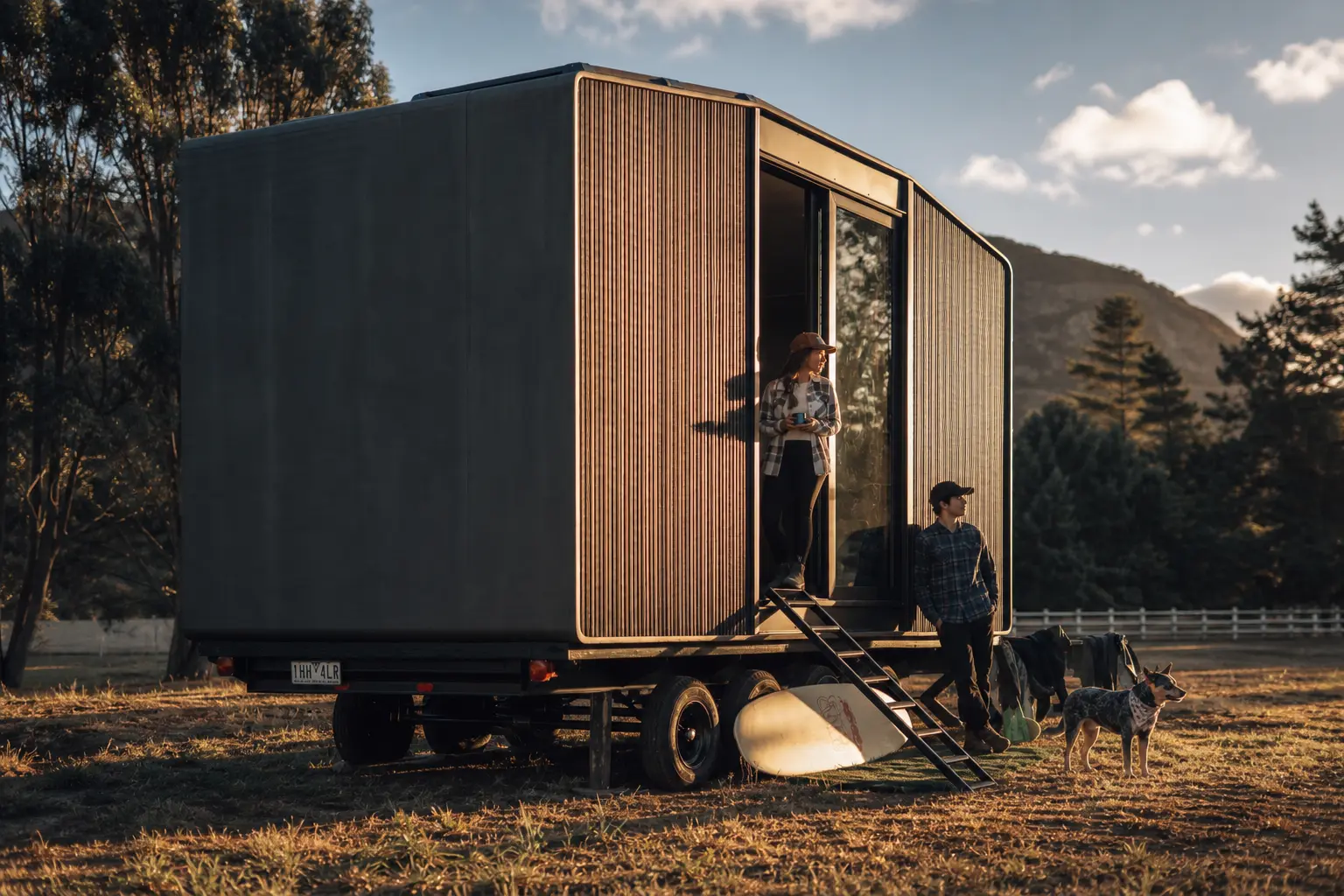
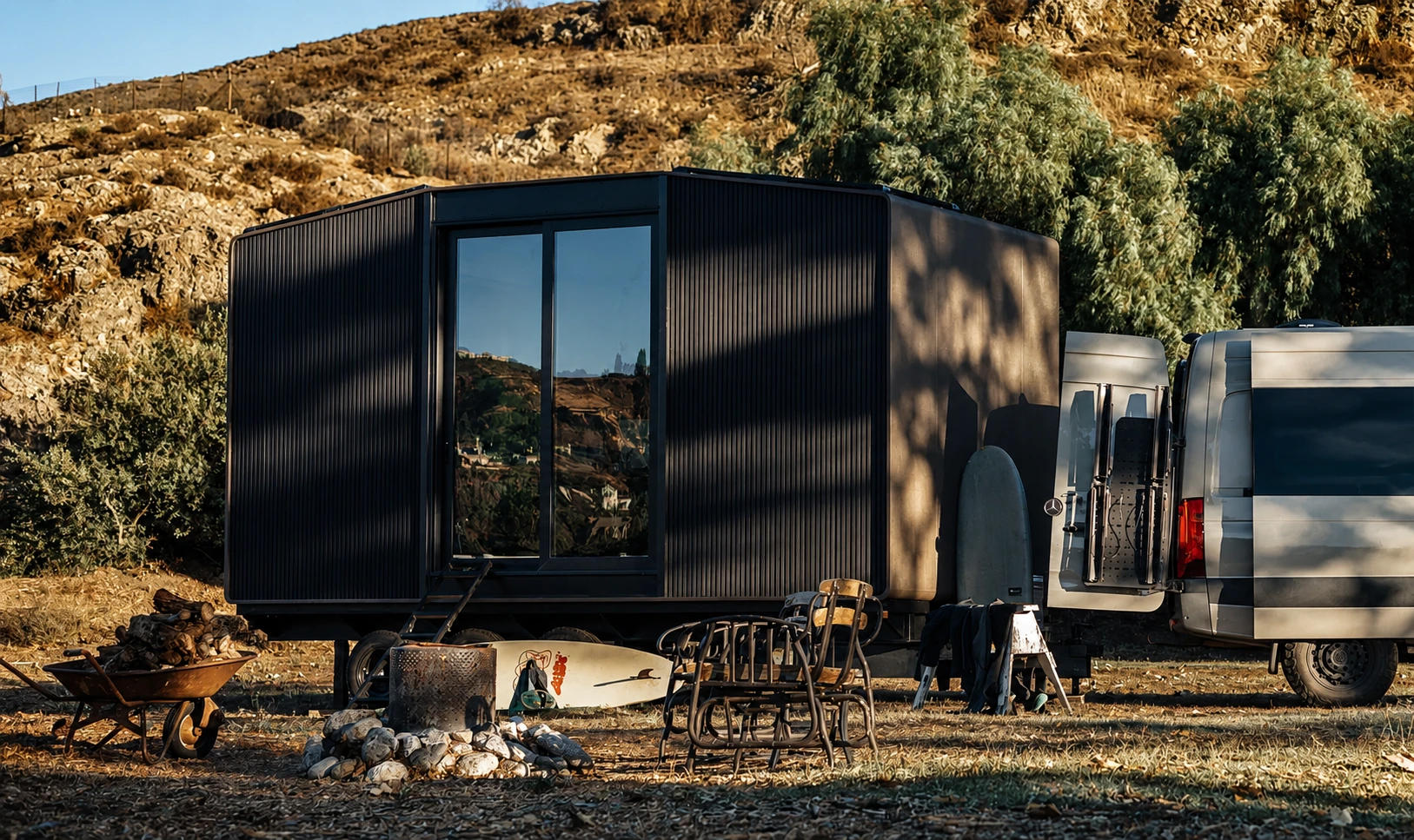
Tiny homes have changed the way people think about compact living. They can serve as backyard studios, guest spaces, additional living areas, rental units, or efficient homes designed around a simpler lifestyle. However, not every tiny home project starts the same way. Some buyers choose a tiny home shell and complete the interior themselves, while others prefer a fully finished tiny home that arrives ready for use.
The difference between these two options goes beyond appearance. A tiny home shell provides the structure and exterior foundation for a personalized project, while a fully finished tiny home offers a more complete solution with interior systems, finishes, and installation handled as part of the process.
Understanding how these approaches compare can help buyers decide which option matches their timeline, budget, design goals, and level of involvement.
What Is a Tiny Home Shell?
A tiny home shell is the exterior structure of a small home without a completed interior. It typically includes the main building envelope, such as walls, roof, windows, and doors, while leaving the inside open for customization.
For many buyers, a shell creates an opportunity to design the interior from the ground up. They can choose their own flooring, cabinets, fixtures, layouts, and finishes. This approach can be appealing for people who enjoy hands-on projects or want complete control over every interior detail.
A tiny home shell can be used for different purposes depending on local regulations and the final design. Common applications include:
- Backyard offices
- Guest houses
- Creative studios
- Additional living spaces
- Compact residential units
The main advantage is flexibility. The buyer starts with a completed exterior and creates the interior experience independently.
What Is a Fully Finished Tiny Home?
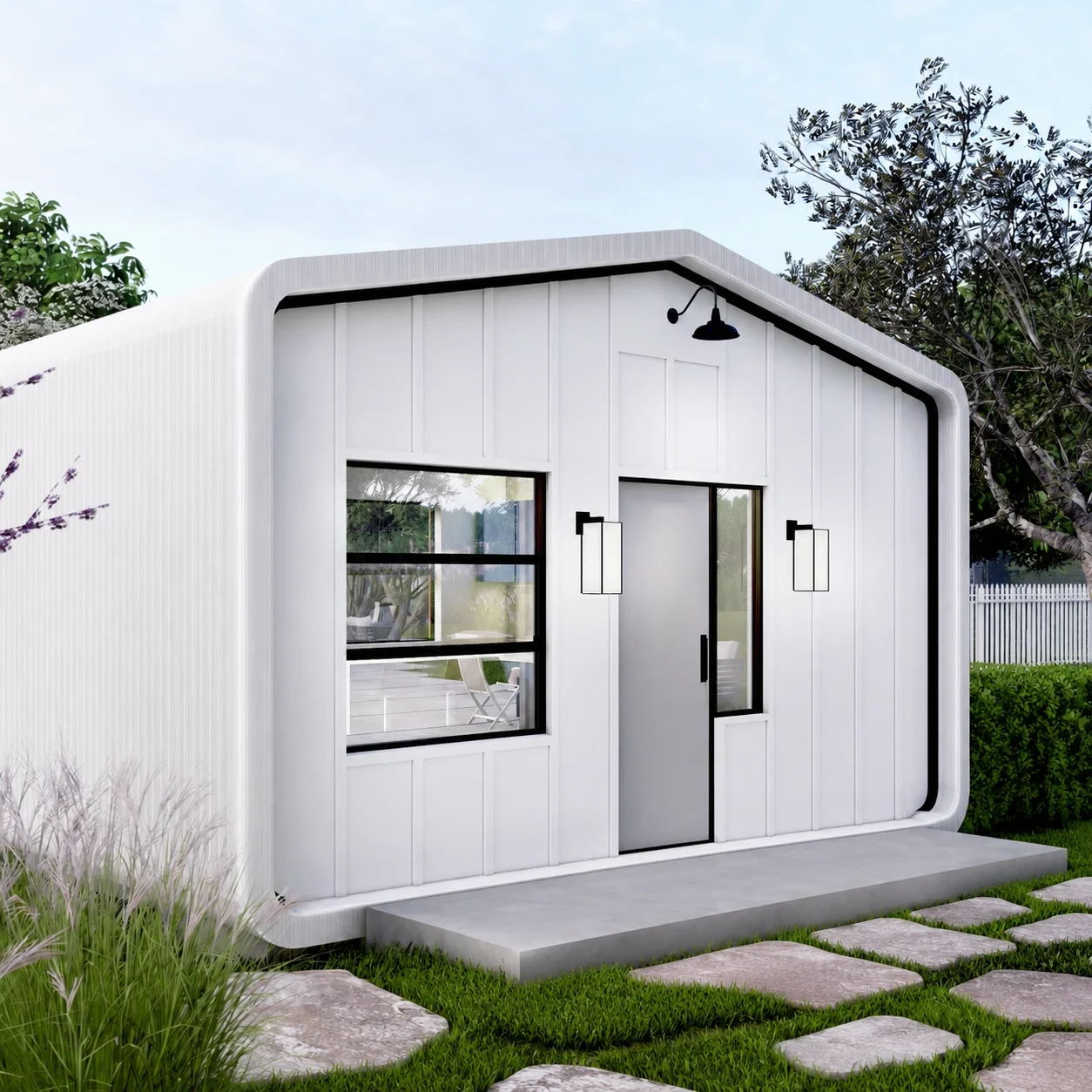
A fully finished tiny home is a complete living space where major construction elements and interior features are already installed before delivery.
Instead of managing multiple stages of interior work, buyers receive a home that is much closer to move-in ready. Depending on the design, a finished tiny home may include:
- Electrical systems
- Plumbing
- Interior walls and finishes
- Flooring
- Kitchen elements
- Bathroom components
- Lighting
- Built-in features
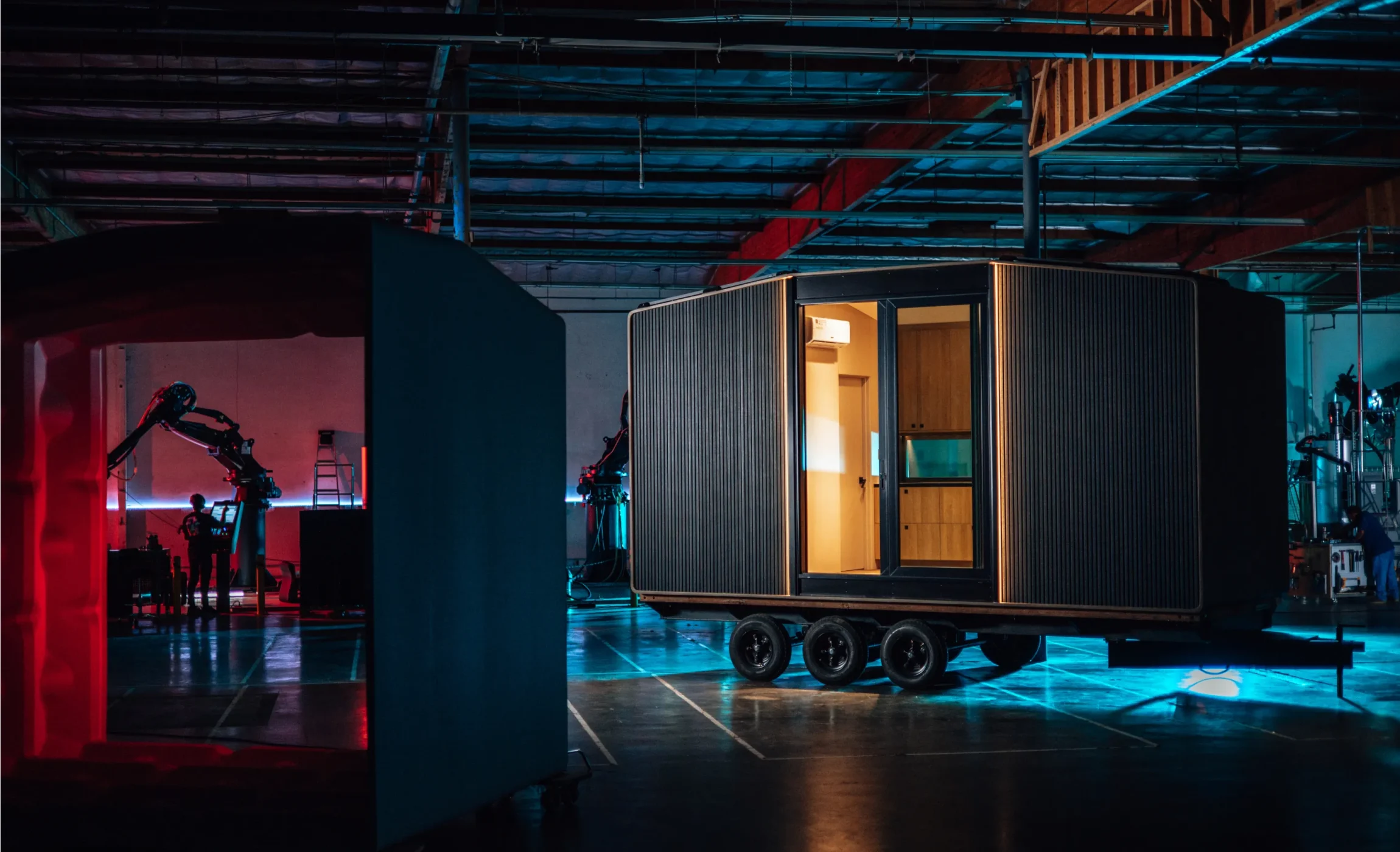
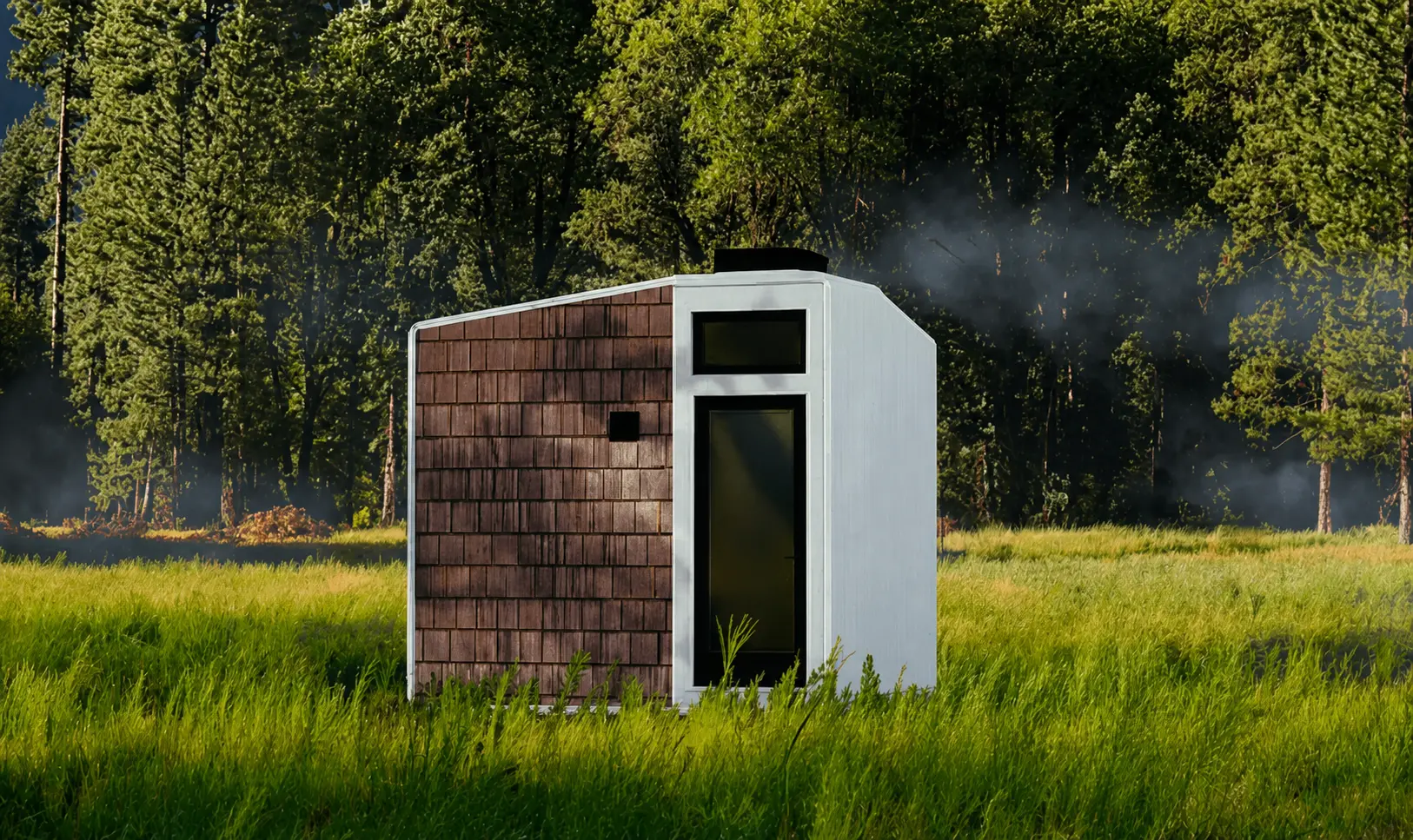
At Azure Printed Homes, we create fully finished tiny homes using robotic 3D printing technology and factory-based manufacturing. We design and produce small living spaces with completed electrical, mechanical, plumbing, and interior finishes before delivery. This approach allows customers to focus more on how the space will be used rather than managing every construction step themselves.
Main Differences Between Shells and Fully Finished Homes
Both options can create functional and personalized small living spaces, but they offer very different experiences when it comes to construction, customization, cost, timelines, and ownership.
Construction Process
A tiny home shell represents an earlier stage of the building process. It typically includes the exterior structure, including walls, roof, windows, and doors, while the interior remains unfinished.
For buyers who enjoy DIY projects, this can be an appealing option. They can decide how every part of the interior comes together, from the layout and materials to storage solutions and finishes. However, the responsibility for completing the home remains with the owner.
After receiving a shell, additional work may include:
- Installing electrical systems
- Adding plumbing
- Completing insulation and interior walls
- Installing flooring
- Building kitchens and bathrooms
- Selecting fixtures and appliances
This level of involvement can be rewarding, but it also means coordinating different parts of the project and managing additional costs along the way.
A fully finished tiny home follows a different approach. Instead of starting with only the exterior structure, the home is completed through a more integrated construction process before delivery.
This is the approach behind Azure Printed Homes’ tiny homes. We combine robotic 3D printing, modular construction, and factory-based production to create completed living spaces. Our process includes printing the modules, installing electrical, mechanical, plumbing, and interior finishes, and preparing the unit before it arrives at the property.
By completing more of the work in a controlled environment, we help simplify the construction process for buyers who want a finished space without managing every stage of an interior build.
Customization Options
Customization is possible with both tiny home shells and fully finished tiny homes, but the timing of those decisions is different.
With a tiny home shell, most customization happens after purchase. The buyer starts with the exterior structure and creates the interior independently. This provides a high level of creative freedom because every choice can be made from scratch. This approach works well for buyers who already have a strong vision for the space and want to personally manage the design process.
A fully finished tiny home allows customization to happen earlier, during the planning and manufacturing stages. Instead of modifying an unfinished structure later, the design choices are incorporated into the production process from the beginning.
We create customizable modular living spaces designed around different needs, from backyard studios and workspaces to compact homes and additional living areas. We help customers configure designs and select features that match how they plan to use the space, while the construction process handles the technical details behind the scenes.
Cost Considerations
The difference in cost between a tiny home shell and a fully finished tiny home usually comes down to what is included from the beginning.
A tiny home shell often has a lower upfront price because the interior construction is not completed. However, the final project cost depends on the materials selected and the amount of professional work required afterward.
Additional expenses may include:
- Interior materials
- Labor
- Electrical installation
- Plumbing
- Flooring
- Cabinets
- Fixtures
- Appliances
For buyers who can complete some of the work themselves, a shell may provide a way to control expenses. For others, hiring contractors and managing multiple stages of construction can significantly increase the final investment.
A fully finished tiny home generally requires a higher initial investment because more work is completed before delivery. However, the overall budget can be easier to understand because many major components are already included.
We create finished tiny homes in different sizes to support a variety of uses, from compact backyard spaces to larger standalone living solutions. Our studio series includes smaller models such as the N100 starting at $24,900 and A/D/C-120 models starting at $29,900. For buyers looking for more space, our homes and ADUs line includes the 360 model starting at $89,900, the 540 starting at $134,900, the 720 starting at $174,900, and the 900 starting at $219,900.
For buyers comparing these options, the choice is often between a lower starting point with more work required later or a more complete solution with fewer construction steps to manage.
Project Timeline
A tiny home shell may require fewer initial construction stages because the interior is not completed before delivery. However, the project continues after the structure arrives.
The remaining timeline depends on factors such as:
- Availability of contractors
- Material selection
- Interior design complexity
- Utility installation
- Local requirements
For some buyers, completing the home gradually is part of the experience. It allows them to spread out the work and make decisions over time. For buyers who want a more predictable process, a fully finished tiny home can reduce many of these challenges.
We configure the unit design, robotically print the structure using recycled materials, complete finishes, deliver the home, and install it at the final location. Our process allows site preparation and home production to happen at the same time, helping reduce delays that can occur when every construction step depends on on-site work.
Energy Efficiency and Building Performance
Energy efficiency depends on many factors, including insulation, materials, windows, construction methods, and the quality of installation.
With a tiny home shell, buyers have complete control over these decisions. They can choose their preferred insulation materials, energy systems, and interior components based on their priorities.
A fully finished tiny home takes a more integrated approach because the structure, systems, and finishes are planned together from the start. We use recycled materials in our 3D-printed homes, with more than 60% of the print material coming from recycled plastic. Approximately 100,000 plastic bottles are recycled to create 120 square feet of our sustainable 3D-printed homes.
By combining advanced manufacturing with efficient design principles, we create spaces that are designed to support comfortable modern living while reducing material waste.
Maintenance and Long-Term Ownership
The ownership experience can be very different depending on whether the buyer chooses a shell or a finished tiny home. With a tiny home shell, the owner takes responsibility for completing the interior and ensuring that all systems are installed correctly. This provides flexibility but requires more involvement throughout the project.
A fully finished tiny home reduces the number of separate construction decisions after purchase. Since major systems and finishes are completed before delivery, owners can focus on using the space rather than coordinating additional building work.
For buyers looking for a compact living solution with a simpler path from design to completion, a fully finished tiny home can provide a more streamlined experience.
Finding the Right Tiny Home Approach for Your Goals
Choosing between a tiny home shell and a fully finished tiny home is less about finding a universally better option and more about choosing the approach that matches the buyer’s goals, experience, and preferred level of involvement.
A tiny home shell gives buyers more control over the building process. It can be a good choice for people who enjoy designing spaces themselves, want to complete the interior gradually, or prefer selecting every material and finish independently.
A fully finished tiny home is designed for buyers who want a simpler path to a completed space. Instead of managing multiple stages of interior construction, they receive a home where major systems, finishes, and features are already completed before delivery.
The best choice depends on how much time, creativity, and responsibility a buyer wants to put into the project.
| Consideration | Tiny Home Shell | Fully Finished Tiny Home |
| Level of involvement | Suitable for buyers who want to manage the design and finishing process themselves | Suitable for buyers who want more of the construction completed before delivery |
| Interior design | Provides full control over materials, layouts, finishes, and personal design choices | Allows customization during the planning stage while keeping the construction process more streamlined |
| Project management | Requires coordinating additional work such as interior construction, utilities, and installations | Reduces the number of separate construction stages after delivery |
| Timeline | Completion depends on the owner’s schedule, contractor availability, and finishing choices | Offers a more structured process from production through installation |
| Budget planning | May have a lower initial cost but requires planning for future finishing expenses | Provides a clearer project scope because more components are included upfront |
| Best suited for | DIY projects, personalized builds, and buyers who enjoy hands-on construction | Buyers looking for a completed, efficient, and professionally manufactured living space |
For buyers who see the construction process as part of the experience, a tiny home shell provides the flexibility to create a highly personalized space. For those who want the benefits of compact living without managing every construction detail, a fully finished tiny home offers a more convenient solution.
Tiny Home Shell and Finished Home Myths
Tiny homes are often misunderstood because they can be built using very different approaches. Some buyers assume that a shell and a finished tiny home are almost the same thing, while others believe that a completed tiny home limits creativity. Understanding the differences can help set realistic expectations.
“A Tiny Home Shell Is Always the Cheaper Option”
A tiny home shell often has a lower starting cost because the interior is unfinished. However, the final investment depends on the work required after purchase. A shell may be the more affordable choice for someone who can complete part of the work independently. However, buyers who need professional help for most interior construction should consider the complete project cost rather than only the initial purchase price.
“A Fully Finished Tiny Home Cannot Be Customized”
A common misconception is that choosing a finished tiny home means accepting a standard design with limited flexibility. In reality, many finished tiny homes can be customized before production begins. The difference is that customization happens during the design stage rather than after the structure is delivered.
For example, we create customizable modular living spaces designed for different uses. We work with customers to configure layouts and finishes based on how they plan to use the space, whether it is a backyard studio, additional living area, or compact home.
“Tiny Home Shells and Finished Tiny Homes Have the Same Timeline”
Although a shell may require fewer initial construction steps, it does not necessarily mean the entire project will be completed faster. After delivery, the owner still needs to manage the remaining work, including interior construction, contractor schedules, and utility installation. A fully finished tiny home moves more of the construction process into a controlled manufacturing environment.
“A Smaller Home Means Fewer Design Possibilities”
The size of a tiny home does not automatically limit functionality. Good design can help create spaces that support different lifestyles and uses. Tiny homes can include flexible living areas, efficient storage solutions, home office spaces, guest accommodations, and additional property uses.
“DIY and Factory-Built Homes Are Completely Different Concepts”
DIY projects and factory-built homes may seem like opposite approaches, but both focus on creating personalized spaces.
A tiny home shell gives buyers control by allowing them to complete the final stages themselves. A factory-built tiny home shifts more of the technical work into a professional manufacturing environment while still allowing design choices before production.
Final Thoughts
Tiny home shells and fully finished tiny homes serve different types of buyers. A shell offers creative freedom and hands-on involvement, while a finished tiny home provides convenience, efficiency, and a more complete building experience.
For those who enjoy designing every interior detail, a shell can be an exciting starting point. For those looking for a modern small home with integrated systems and a simplified process, a finished tiny home can be the better fit.
As construction technology continues to evolve, fully finished tiny homes are becoming an increasingly practical way to create flexible living spaces. With robotic manufacturing, recycled materials, and customizable designs, we at Azure Printed Homes are helping bring a new approach to compact housing.