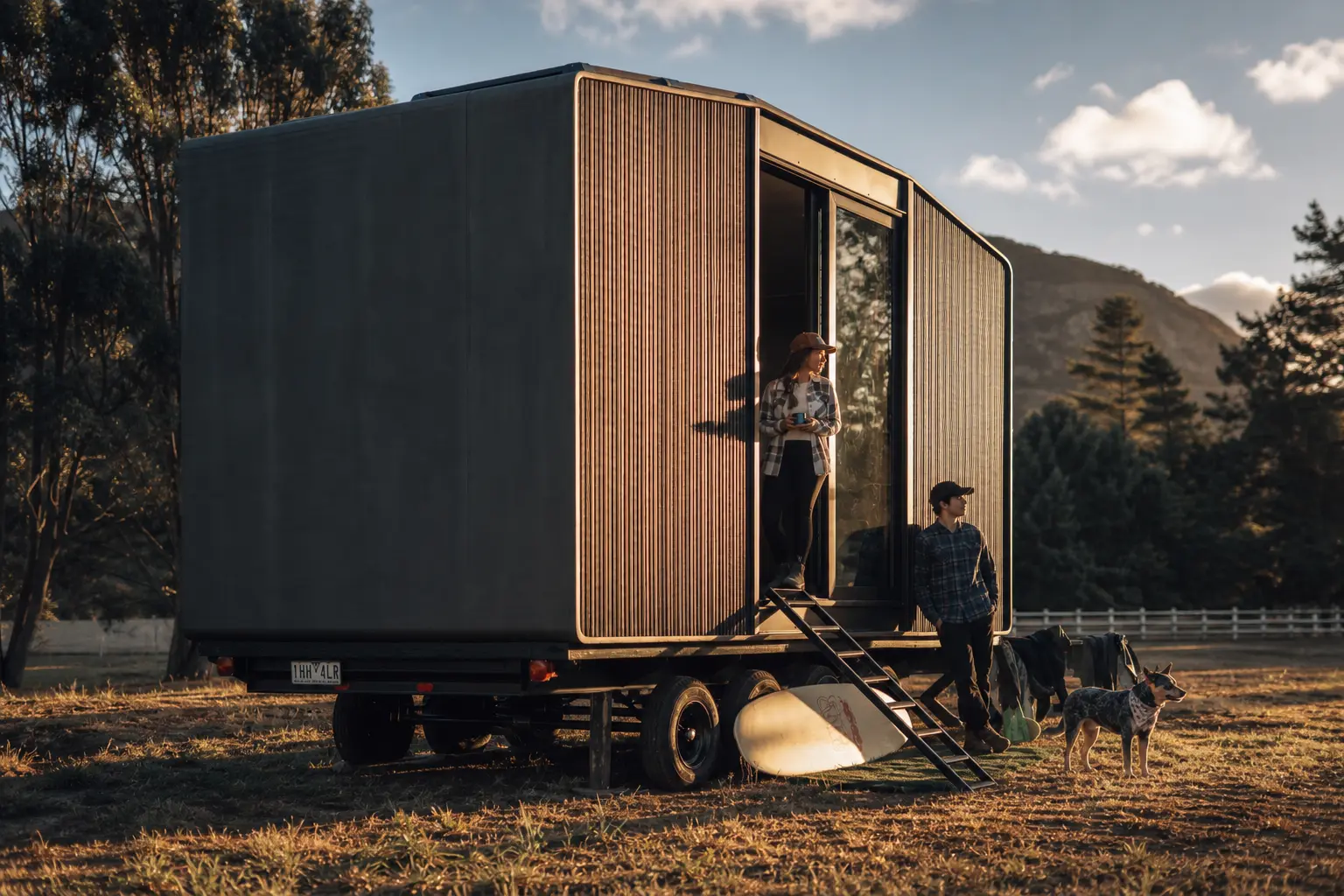
The difference between modular homes and traditional construction is not simply where a home is built. It involves how materials are handled, how teams work, how quality is managed, and how the final structure comes together. Traditional construction relies on step-by-step building directly on the property, while modular construction uses factory production, precision manufacturing, and on-site assembly.
Understanding these construction methods helps homeowners, developers, and property owners decide which approach best fits their project, location, and expectations.
What Traditional Construction Is
Traditional construction is the conventional method most people associate with home building. The entire structure is created at the building site, with workers completing each stage in a specific order.
The process usually begins with preparing the land and creating the foundation. Once the foundation is complete, construction teams move through framing, roofing, exterior finishes, electrical systems, plumbing, insulation, drywall, interior finishes, and final inspections.
Because every stage happens on-site, traditional construction allows builders to adapt throughout the project. Changes can often be made during construction, although modifications may affect the timeline and overall cost.
A typical traditional construction process includes:
- Site preparation and foundation work
- Framing the structural walls and roof system
- Installing plumbing and electrical systems
- Adding insulation and interior walls
- Completing flooring, cabinets, fixtures, and finishes
- Final inspections and preparation for move-in
One of the biggest characteristics of traditional construction is that the home is built piece by piece at its final location. This approach provides flexibility but requires coordination between multiple teams, suppliers, and contractors working on the same site.
What Modular Construction Involves
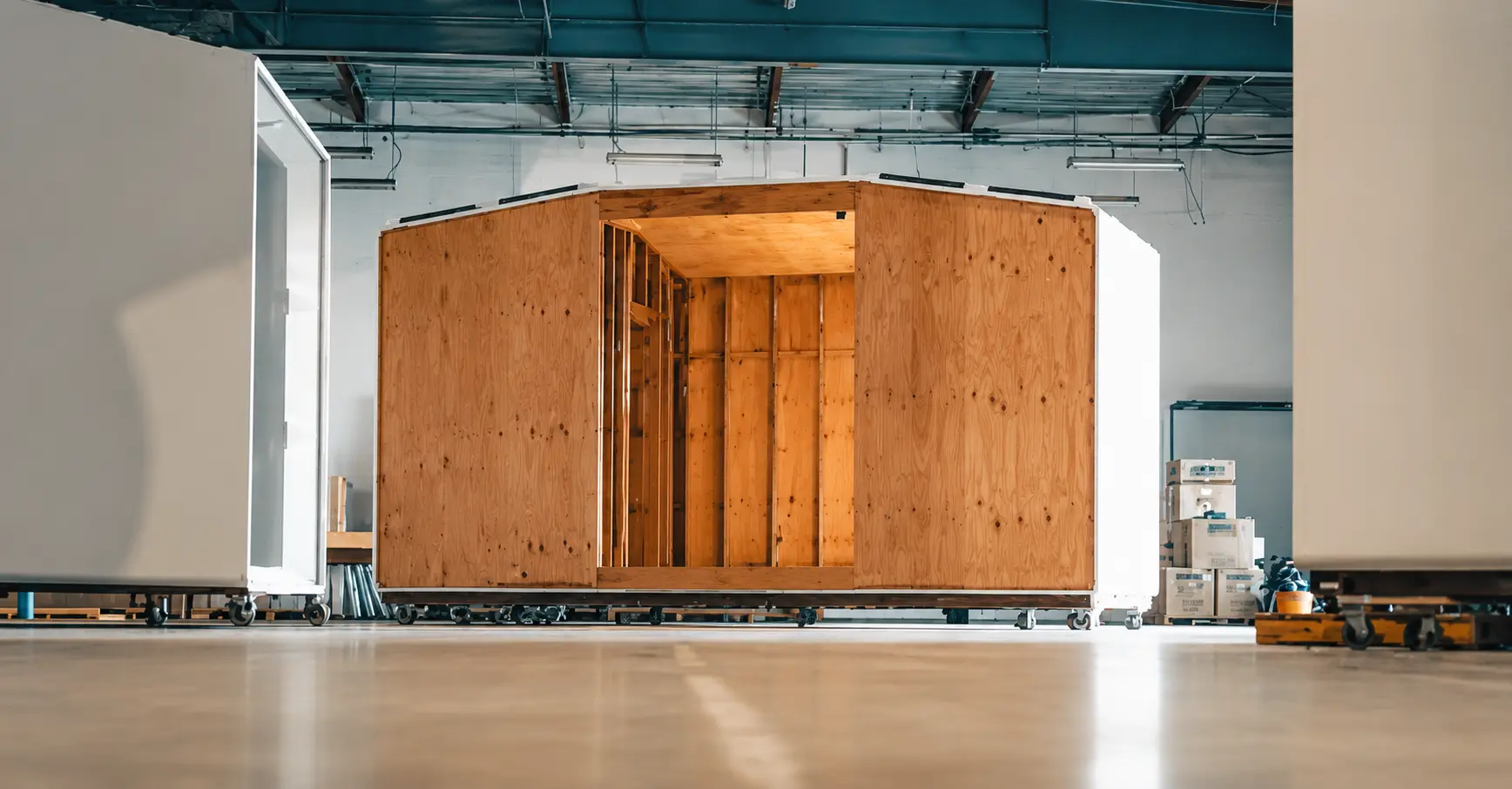
Modular construction changes the traditional building process by moving much of the work from the construction site into a controlled manufacturing environment. Instead of assembling an entire home piece by piece outdoors, modular homes are produced in sections or components that are manufactured, finished, and prepared before being delivered to the property.
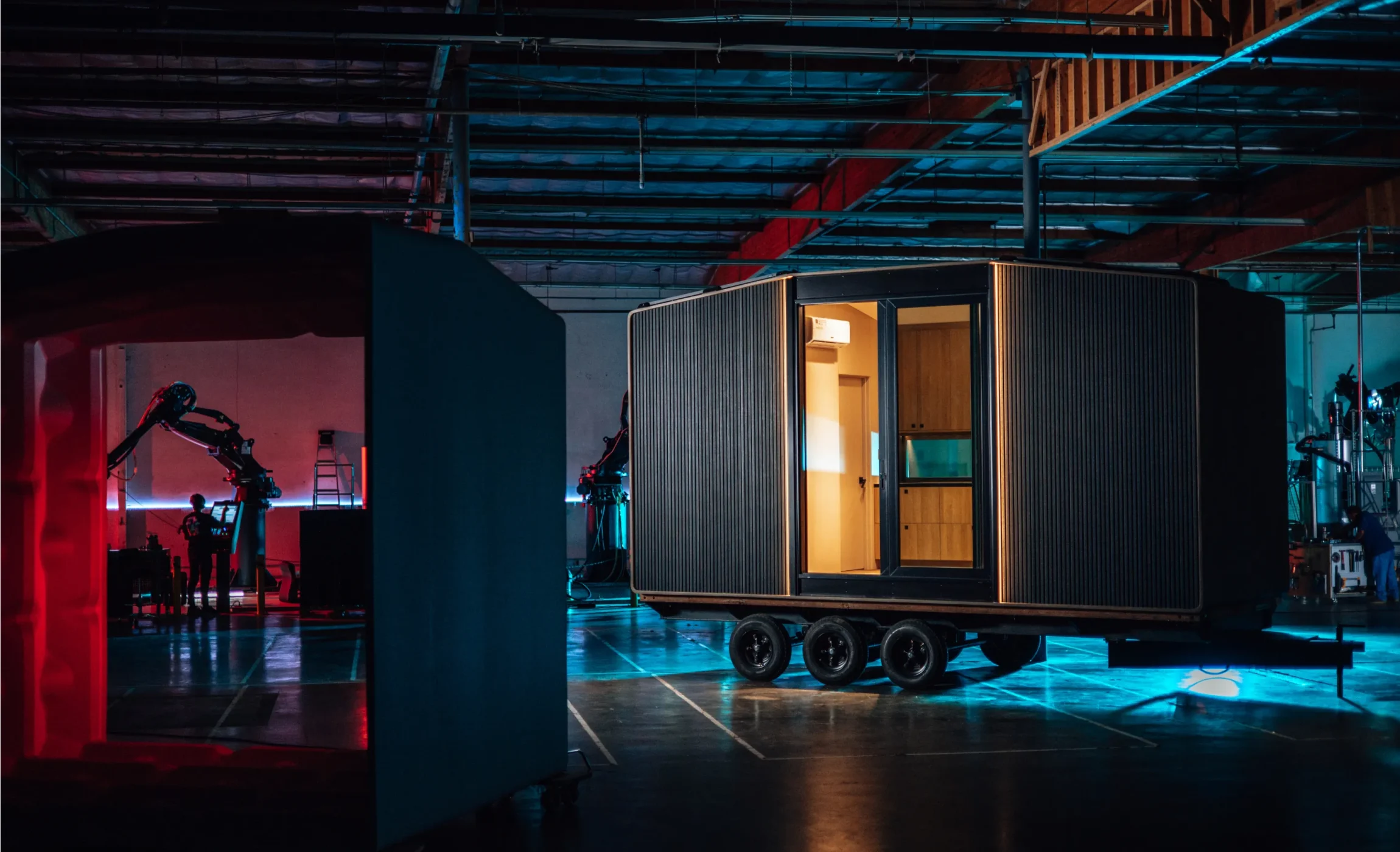
Modern modular construction can take different forms depending on the technology and materials used. At Azure Printed Homes, we combine modular construction with robotic 3D printing, digital design, and recycled materials to create future-focused living spaces. Our process allows homes, ADUs, and studios to be manufactured with greater control over production while reducing unnecessary material waste.
The modular construction process typically begins with designing and configuring the home based on the project requirements. Once the design is finalized, digital plans guide the manufacturing process, where structural components are produced in a controlled environment.
Our construction process includes several key stages:
- Configure the unit: Customers select and customize their design based on their needs, preferences, and intended use.
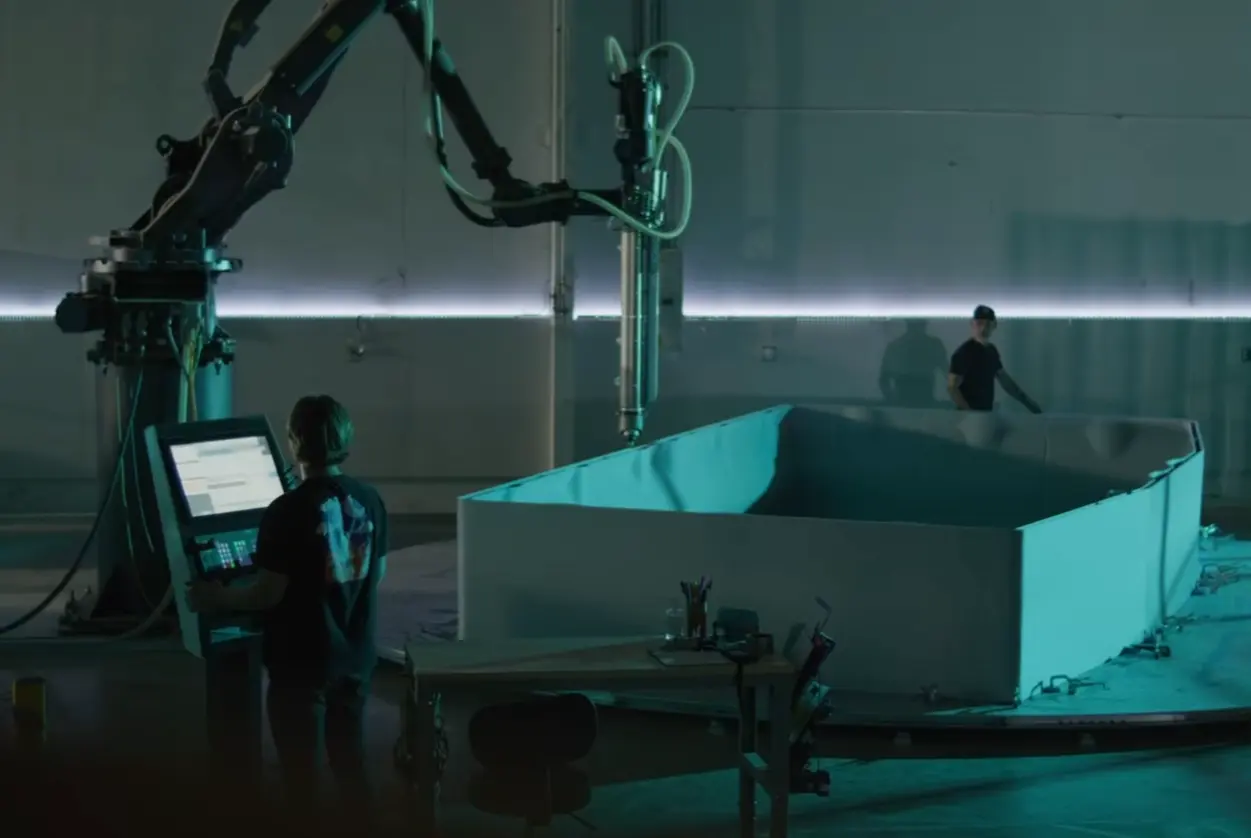
- Robotically print the structure: Advanced 3D printing technology creates the main structural components using recycled materials.
- Install finishes and systems: Electrical, plumbing, and interior finishes are added to prepare the unit for delivery.
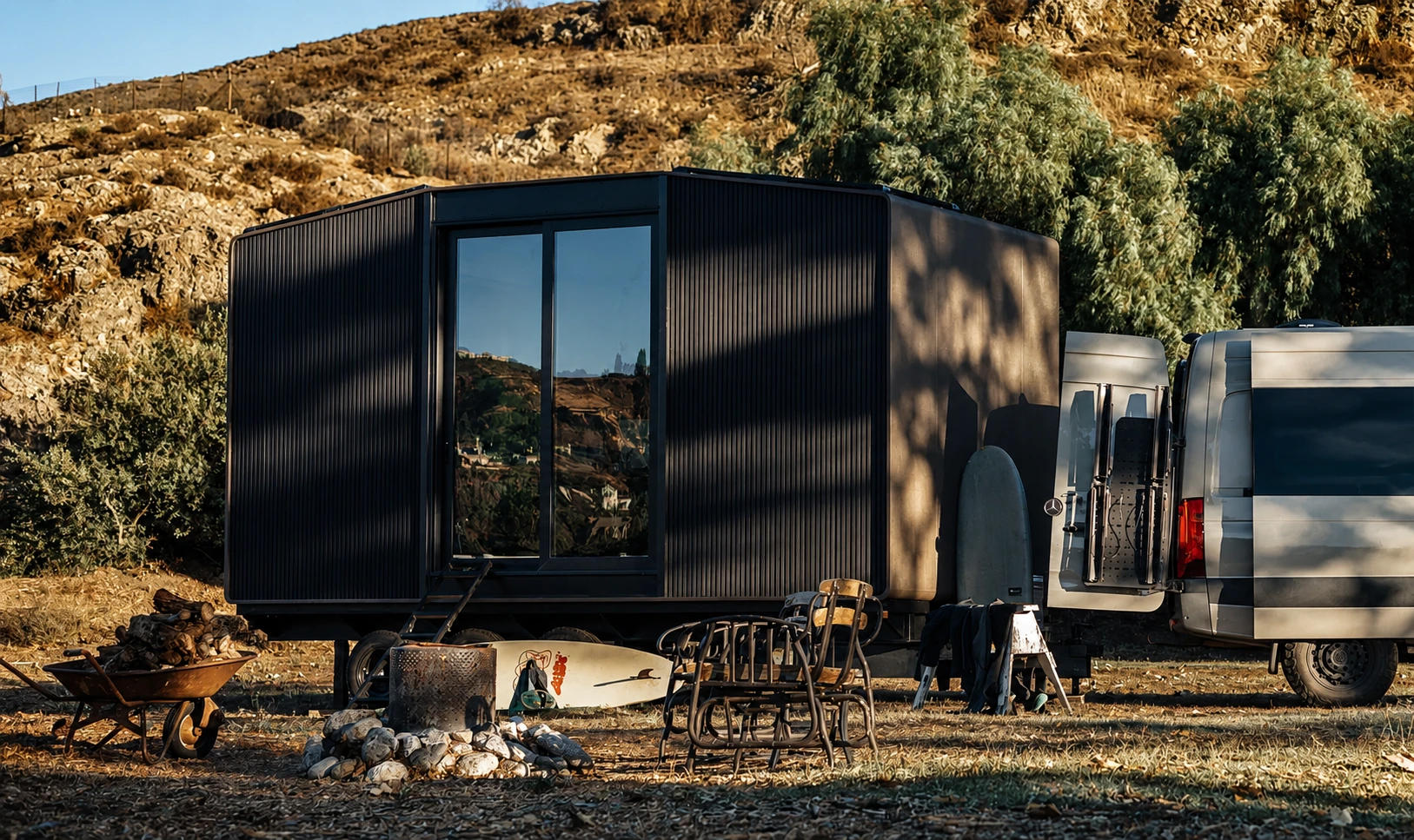
- Deliver the completed home: The finished structure is transported to the property.
- Complete on-site installation: The home is placed, connected to necessary services, and prepared for use.
One of the main advantages of modular construction is that factory production and site preparation can happen at the same time. While the home is being manufactured indoors, the property can be prepared for installation, helping reduce delays and create a more organized construction process.
Unlike traditional construction, where most work depends on the previous step being completed on-site, modular construction creates a more streamlined workflow. Materials are handled in a controlled setting, production follows a structured process, and many elements of the home can be completed before the structure arrives at its final location.
For homeowners and developers, this approach offers a different way to think about construction – one that combines manufacturing efficiency with the ability to create customized living spaces.
How Construction Methods Affect the Building Process
The way a home is built influences nearly every part of the project, from the first design decisions to the final installation. Traditional construction has relied on building directly at the property for generations, while modern modular construction is changing the process by moving more work into controlled manufacturing environments.
Construction Timeline
One of the biggest differences between traditional and modular construction is how the building timeline is organized.
Traditional construction usually follows a step-by-step sequence. The foundation must be completed before framing begins, framing must be finished before interior systems are installed, and different contractors need to coordinate their work throughout the project. Weather conditions, material deliveries, inspections, and scheduling between teams can all influence how quickly the project moves forward.
Modular construction takes a different approach by allowing much of the building process to happen in a factory while site preparation takes place separately. Instead of completing every stage at the property, modular components are manufactured in a controlled environment, then transported and assembled on-site. This parallel workflow can help reduce delays and make the overall process more predictable.
We streamline this modular construction process through digital manufacturing and automated construction methods. We begin by configuring the unit based on project needs, then use robotic 3D printing technology to create the structure before installing electrical systems, plumbing, and interior finishes. Once the home is complete, it is delivered and installed at the property.
Because much of the production happens in a controlled environment, certain stages can move forward while site preparation takes place at the same time. This reduces the amount of construction that needs to happen directly on-site and creates a more organized workflow.
Quality Control
The environment where a home is built plays an important role in maintaining consistent quality.
Traditional construction takes place almost entirely outdoors, which means materials and construction activities can be affected by changing weather conditions. The final result can also depend on coordination between multiple crews working at different stages of the project.
Modular construction improves control over many parts of the building process by moving production into a factory setting. Materials can be stored indoors, manufacturing steps can follow a consistent process, and components can be inspected before they reach the property. This does not eliminate the importance of on-site installation, but it changes when and where many quality checks happen. For example, our robotic 3D printing technology works from digital designs, allowing us to produce structural components with precision before the home reaches the property.
This approach allows important construction steps to be managed before delivery, including:
- Material preparation
- Structural production
- System installation
- Interior finish installation
- Quality checks before transportation
By moving more construction into a controlled setting, modular building reduces some of the variables that can affect traditional on-site construction and creates a more structured production process.
Materials and Technology
Construction technology is changing the way homes are designed, manufactured, and assembled.
Traditional construction typically brings raw materials directly to the property, where workers cut, modify, and install components throughout the building process. This approach provides flexibility, but it also means more production steps depend on conditions at the construction site.
Modular construction uses manufacturing processes to prepare building components in a more controlled environment. We use digital designs to guide production and incorporate recycled plastic into our manufacturing process, helping transform waste materials into functional homes and living spaces. This creates opportunities to introduce automation, digital design tools, and advanced materials that can improve efficiency and reduce unnecessary material use.
Design Flexibility
Customization is an important consideration when choosing between traditional and modular construction.
Traditional construction has long been associated with design flexibility because changes can be made directly on-site throughout the project. This can be useful for highly unique architectural designs or projects where adjustments are expected during construction.
Modular construction offers a different type of flexibility. Because modules are produced in a factory, many design decisions need to be finalized earlier in the process. However, modern modular systems can support a wide range of layouts, finishes, and configurations while maintaining the efficiency of factory production.
At Azure, we create customizable modular spaces designed for different needs, including homes, ADUs, and studios. Customers can configure their units based on their preferred layout, purpose, and lifestyle requirements before manufacturing begins.
Customization options can include:
- Different layouts
- Various interior finishes
- Multiple home sizes
- Spaces designed for specific uses
For many homeowners, modular construction provides the advantage of a clearer building process where important decisions are made upfront and then translated into a finished space through controlled manufacturing.
Resource Efficiency
The construction method affects not only how a home is built but also how materials are managed throughout the process.
Traditional construction often requires materials to be delivered, stored, cut, and adjusted directly at the building site. While this allows builders to make changes during construction, it can create additional waste from leftover materials and on-site modifications.
Modular construction allows materials to be measured, prepared, and used within a more controlled production environment. Factory-based manufacturing can help reduce unnecessary cutting and improve how resources are managed from the beginning of the project.
Traditionally, sustainability is part of our construction approach. We incorporate recycled plastic materials into our robotic 3D printing process, helping convert waste materials into components used for modern modular living spaces.
Controlled manufacturing, digital design, and automation allow materials to be planned more efficiently while supporting a more thoughtful approach to construction. As building methods continue to evolve, modular construction is creating new opportunities to combine efficiency, innovation, and sustainable practices in residential development.
Deciding on the Right Construction Approach
The right construction method depends on the goals of the project, the building site, the desired timeline, and the level of customization required. Traditional and modular construction each offer different advantages, so the best choice depends on what matters most for a specific home or development.
| Project Priority | Traditional Construction | Modular Construction |
| Complex architectural designs | Better suited for highly unique structures, unusual shapes, and one-of-a-kind designs | Works well for customized designs that can be planned before manufacturing begins |
| Making changes during construction | Allows more adjustments after construction has started | Requires most design decisions to be finalized earlier in the process |
| Challenging building sites | Can adapt more easily to difficult locations, limited access, or unusual terrain | Works best when the site allows transportation, delivery, and installation of modules |
| Faster construction timelines | Usually follows a sequential process where each stage depends on the previous one | Allows factory production and site preparation to happen at the same time |
| Quality consistency | Depends on site conditions, materials, and coordination between different crews | Benefits from controlled manufacturing environments and structured quality checks |
| Material efficiency | Materials are often cut and adjusted directly at the building site | Factory production allows more precise material planning and reduced waste |
| Flexible living solutions | Built around traditional on-site construction methods | Supports customizable homes, ADUs, studios, and other modular spaces |
For many residential projects, modular construction offers a balance between design possibilities, efficient production, and smarter use of materials. However, the right approach ultimately depends on the specific requirements of the project.
Conclusion
The shift toward modern construction does not mean replacing every traditional building method. Traditional construction will continue to play an important role, especially for projects that require highly customized designs, complex site conditions, or frequent changes during the building process. However, modular construction is creating new possibilities by bringing more control, efficiency, and innovation into residential development.
As technology continues to improve, construction is becoming more focused on reducing waste, improving production processes, and creating homes that better match changing needs. At Azure, we are building on this evolution by using advanced manufacturing methods to create customizable modular living spaces designed for a more efficient and sustainable future.
For homeowners and developers looking for new ways to approach construction, modular building offers an alternative path that combines thoughtful design, modern technology, and a more streamlined building experience.