Choosing between a modular home and a site-built home often comes down to one major question: which option provides better value for the investment? While traditional construction has been the standard approach for generations, modular construction has changed how many homeowners think about building a new home.
The difference is not simply where the home is built. Site-built homes are constructed entirely on the property, while modular homes are manufactured in controlled environments and assembled at the final location. This change in the building process can influence labor costs, construction timelines, material efficiency, customization options, and overall project predictability.
For homeowners exploring modern housing solutions,this guide provides the cost differences between modular and site-built homes and helps create realistic expectations for a more informed decision.
Difference Between Modular Homes and Site-Built Homes
A site-built home is constructed directly on the property from the foundation upward. Contractors coordinate each stage of construction at the building location, including framing, electrical work, plumbing, insulation, interior finishes, and exterior elements. Because every step takes place on-site, the timeline and overall cost can be influenced by weather conditions, labor availability, and project coordination.
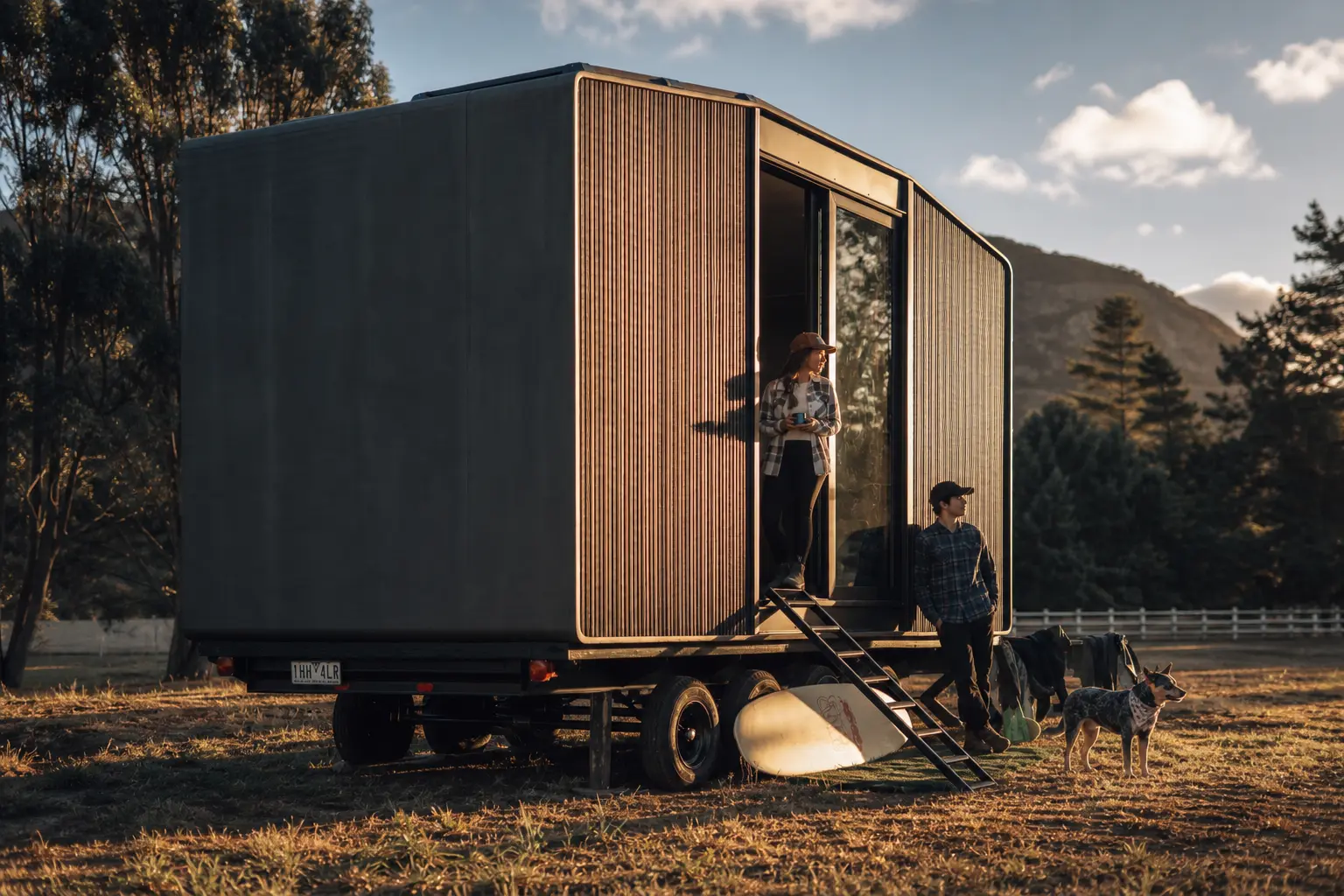
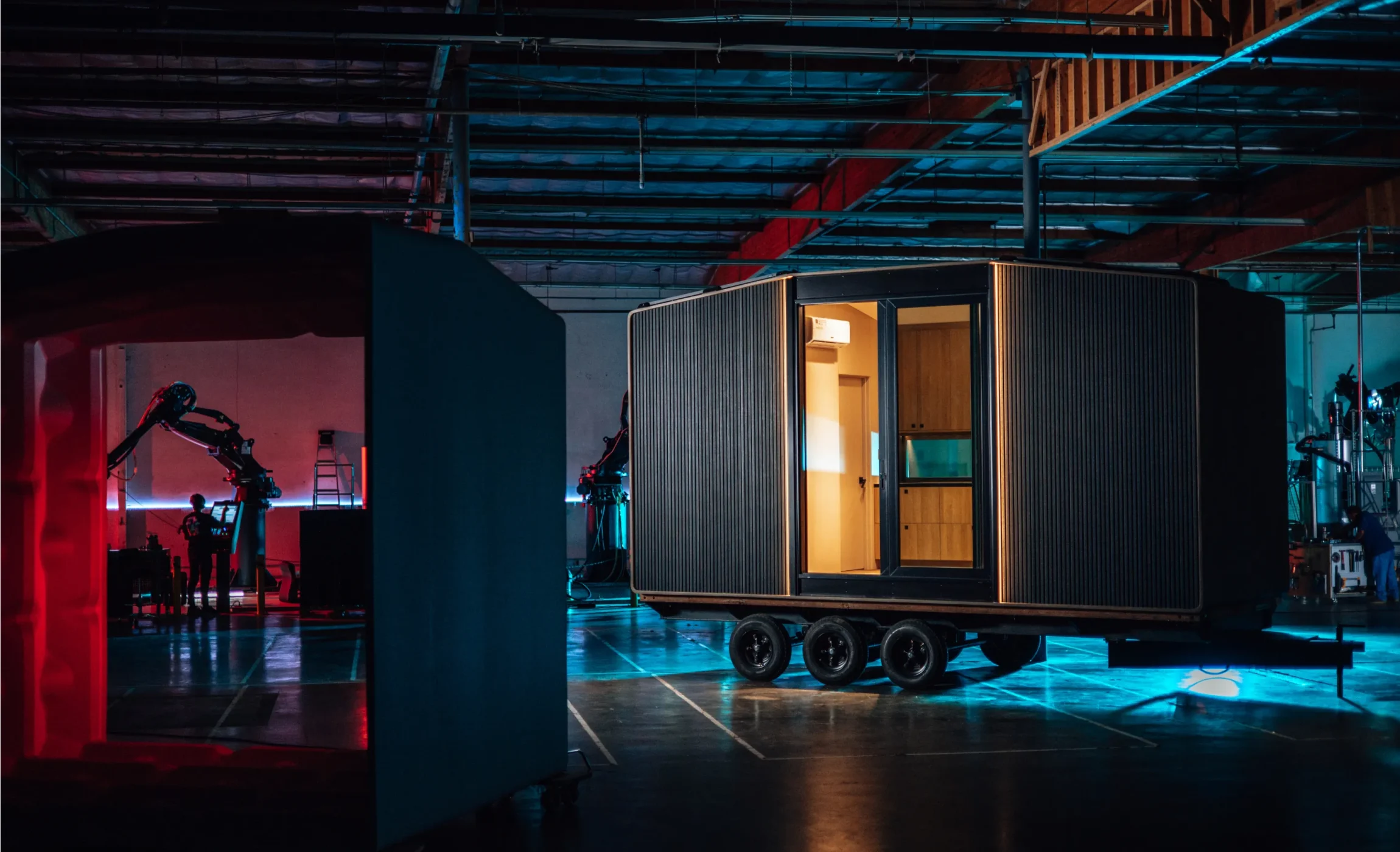
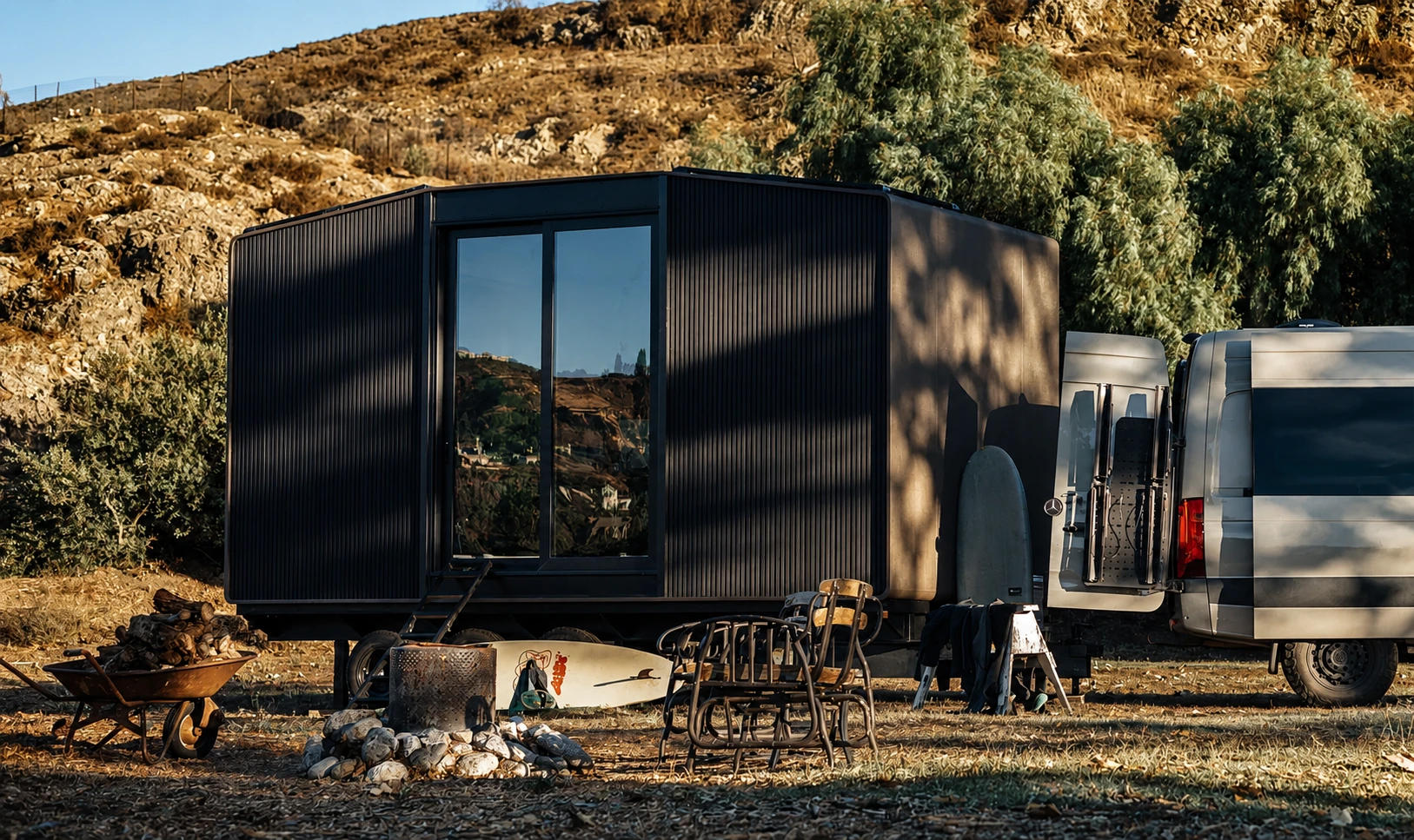
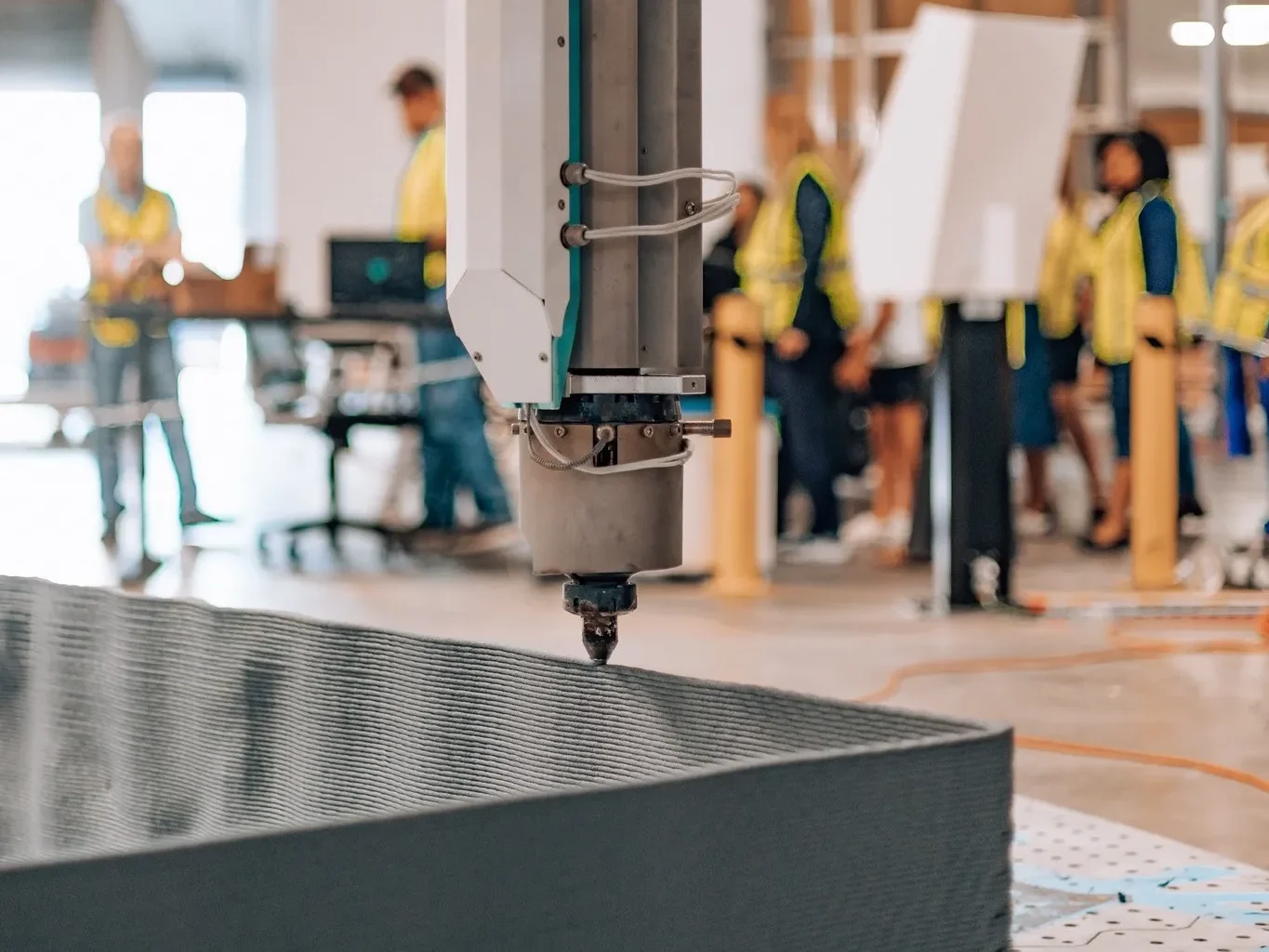
A modular home follows a different process. Major sections of the home are built in a factory setting, where construction teams can work with consistent conditions, specialized equipment, and carefully controlled production steps. At Azure Printed Homes, we take this approach further by combining robotic 3D printing technology, recycled materials, and advanced manufacturing methods to create modular homes and ADUs with greater precision and efficiency. Once completed, the modules are transported to the property and assembled on a prepared foundation.
Both construction methods can create permanent residential structures designed for long-term living. The main difference is not the quality of the finished home, but how the building process is organized. Traditional construction relies heavily on sequential on-site work, while modular construction allows manufacturing and site preparation to happen at the same time. This parallel approach can help reduce delays, improve cost predictability, and create a more streamlined path from design to move-in.
Average Cost of Modular Homes vs Site-Built Homes
Cost is one of the biggest factors when comparing modular and site-built homes. While the final price depends on location, size, materials, site conditions, permits, and customization, understanding general cost ranges helps homeowners evaluate which option fits their goals.
A site-built home typically costs around $150-$400+ per square foot, depending on the region and level of customization. The final budget can increase due to longer construction timelines, on-site labor, weather-related delays, and changing material costs. The factory-based approach helps create a more predictable building process by reducing construction delays and improving material efficiency.
At Azure, we take a special approach to controlling construction costs by moving much of the building process into a technology-driven manufacturing environment. Our robotic 3D printing process helps optimize material use and improve production efficiency, allowing us to create modular homes and ADUs with more predictable construction timelines and fewer traditional on-site challenges.
Here is an example of what modular home costs can look like with Azure, from compact spaces to larger residential solutions.
| Azure Solution | Models | Size Range | Starting Price | Common Uses |
| Compact Studio Spaces | N-100, A/D/C-100, A/D/C-120 | Approx. 100-120 sq ft | $24,900-$29,900 | Backyard studios, workspaces, flexible small spaces |
| Small Modular Homes & ADUs | A-180 | Approx. 180 sq ft | $49,900 | Compact living spaces, guest units, ADUs |
| One-Bedroom Modular Homes & ADUs | A-360 | Approx. 360 sq ft | $89,900 | Full-time living, backyard homes, additional housing |
| Larger Modular Homes & ADUs | A-540 | Approx. 540 sq ft | $134,900 | Comfortable residential living, extended family spaces |
| Expanded Modular Homes & ADUs | A-720 | Approx. 720 sq ft | $174,900 | Larger homes, multi-purpose residential spaces |
| Two-Bedroom Modular Homes & ADUs | A-900 | Approx. 900 sq ft | $219,900 | Larger family living, spacious ADU solutions |
The overall project budget may include additional costs such as site preparation, foundation work, permits, utility connections, delivery, and installation. Therefore, for homeowners comparing modular and site-built construction, the difference is not only about the initial cost. It is about choosing a building method that matches their timeline, design goals, and expectations for the future of home construction.
How Modular Home Costs Compare to Site-Built Homes
The total cost of a home depends on many factors, including size, location, design complexity, materials, permits, land conditions, and selected finishes. However, modular construction can often reduce certain expenses because of the efficiencies built into the manufacturing process.
Labor Costs and Construction Efficiency
Labor is one of the largest expenses in any homebuilding project. With site-built construction, many workers must complete tasks directly at the property, and the project timeline can be affected by weather conditions, scheduling conflicts, and availability of skilled trades.
Modular homes reduce some of these challenges by moving much of the construction process into a factory environment. Workers can complete multiple stages simultaneously, reducing delays between different parts of the build.
Factory production also allows teams to optimize workflows. Materials are organized, tools are readily available, and construction does not stop because of rain or other outdoor conditions. We create modular living spaces using automated processes that improve precision, reduce material waste, and help streamline construction from design to delivery.
Site Preparation and Additional Costs
A common misconception is that modular homes eliminate all construction-related expenses. In reality, both modular and site-built homes require preparation before the home can be completed.
Costs may include:
- Land preparation
- Foundation work
- Utility connections
- Permits
- Local requirements
- Landscaping
- Additional site improvements
The difference is how much construction happens on-site. Site-built homes require nearly every construction stage to take place on the property. Modular homes arrive with major portions already completed, which can reduce the amount of labor required at the site.
Careful planning is important for either option. Understanding local requirements, property conditions, and project goals early can prevent unexpected costs later in the process.
Material Costs and Waste Reduction
Material expenses can vary significantly depending on market conditions and project requirements. Site-built homes often require materials to be delivered directly to the property, stored on-site, and managed throughout a longer construction timeline.
Modular construction can improve material efficiency because components are measured and manufactured in a controlled setting. Production teams can better manage inventory, reduce excess material usage, and create more consistent results. Our 3D-printed homes incorporate recycled plastic, helping transform waste materials into durable building components while supporting a more efficient way of creating modern housing.
This approach is especially important as more homeowners look for sustainable building methods. Efficient material use does not only affect costs. It can reduce unnecessary waste and create a more responsible construction process.
Construction Timelines
Time is another major factor when comparing modular and site-built homes. A traditional home build usually follows a step-by-step process:
- Site preparation
- Foundation construction
- Framing
- Exterior installation
- Interior work
- Final inspections
Because each stage depends on the previous one, delays in one area can affect the entire project.
Modular construction can shorten the overall timeline because factory production and site preparation can happen simultaneously. While the home sections are being manufactured, the property can be prepared for installation. We follow a streamlined production process where customization, robotic printing, finishing, delivery, and installation are organized into clear steps.
This approach can help reduce delays and make the building process easier to plan. Instead of waiting for every construction stage to happen at one location, different parts of the project move forward at the same time.
Design Flexibility and Customization Options
One concern some buyers have is whether modular homes offer the same design flexibility as traditional homes. Modern modular construction has changed significantly, and many designs can be customized to meet different lifestyles and needs.
Site-built homes have historically been associated with unlimited customization because every element is created on-site. However, modular construction now offers a wide range of layouts, finishes, and design choices.
Customization can include:
- Floor plan adjustments
- Interior finishes
- Window placement
- Room configurations
- Energy-efficient features
- Architectural details
At Azure Printed Homes, our customers can customize layouts, finishes, and features to create homes that fit their goals, whether they are looking for a primary residence, an accessory dwelling unit, or another flexible living solution.
Comparing the Quality and Long-Term Value
When comparing the cost of modular and site-built homes, the initial price is only part of the equation. Long-term value depends on the quality of construction, durability of materials, energy efficiency, maintenance requirements, and how well the home supports changing needs over time.
Quality in any home depends on the materials used, design decisions, construction standards, and attention to detail throughout the building process. One of the key advantages of modular construction is the controlled factory environment, where components are protected from weather exposure and each stage of production can be carefully monitored. Precise measurements, repeatable processes, and organized workflows help create consistent results before the home reaches the property.
Site-built homes can achieve excellent quality as well, but the construction process can be affected by factors such as weather conditions, job-site organization, and coordination between different trades. Since much of the work happens outdoors, maintaining the same level of consistency throughout every stage can require careful project management.
At Azure, we focus on using advanced manufacturing and robotic 3D printing to create modular homes with precision and efficiency. Our production approach allows us to control more of the building process in a factory environment while incorporating recycled materials, customizable designs, and energy-efficient features that support comfortable modern living.
Over time, the value of a home goes beyond the initial construction cost. Homeowners often consider factors such as:
- Energy efficiency and ongoing utility expenses
- Maintenance requirements
- Durability of materials
- Everyday comfort
- Flexibility for future needs
Modern modular homes can be designed with features that improve long-term performance, including efficient insulation, durable building materials, and thoughtful layouts. Because modular homes are built to meet residential building standards, they can provide lasting value comparable to traditionally constructed homes when properly designed, installed, and maintained.
For homeowners evaluating the total cost of ownership, a well-designed modular home can offer benefits that continue long after construction is complete. A more efficient building process, consistent quality, and lower ongoing operating costs all contribute to the overall value of the investment.
Sustainability and the Future of Home Construction
The future of home construction is moving toward building methods that are faster, more efficient, and better adapted to the challenges of modern housing. As demand grows for more flexible and sustainable living solutions, new technologies are changing how homes are designed, manufactured, and delivered.
Modular construction plays an important role in this shift by bringing more of the building process into controlled environments. Factory-based production can help reduce material waste, improve construction consistency, and create more predictable timelines. Instead of relying entirely on traditional on-site workflows, modern building methods use automation and advanced manufacturing to make construction more efficient from the earliest design stages through final installation.
Sustainability will continue to influence the future of housing as homeowners and communities look for ways to use resources more responsibly. Efficient material use, recycled components, energy-conscious designs, and smarter production processes are becoming increasingly important considerations when choosing a construction method.
Traditional construction will remain valuable for many projects, especially those requiring highly specialized designs or unique architectural approaches. However, modular homes provide another path forward for homeowners who want a more streamlined, technology-driven way to create modern living spaces.
We are building toward the future of housing by combining robotic 3D printing, recycled materials, and customizable designs. Our goal is to create modular spaces that bring together advanced technology, efficient construction, and practical solutions for the way people want to live today and in the future.
Which Option to Choose
There is no single answer that works for every homeowner. The right choice depends on individual priorities, budget, timeline, location, and design goals. Understanding the differences between modular and site-built construction can help buyers choose a building method that matches both their immediate needs and long-term plans.
A site-built home may be the right fit for buyers who want a fully traditional construction experience or a highly specialized design created entirely on location. This approach can provide extensive customization, especially for projects with unique architectural requirements or complex site conditions.
A modular home may be a better option for homeowners who value:
- More predictable construction timelines
- Efficient production and installation
- Reduced material waste
- Modern customization options
- Better control over the building process
- A more streamlined path from design to completion
The most important step is understanding what each construction method offers and comparing the full project value, not just the initial cost. Considering factors such as construction time, long-term efficiency, maintenance, and lifestyle needs can help homeowners make a confident decision.
Final Thoughts
The comparison between modular homes and site-built homes is no longer about choosing between speed and quality. Modern modular construction has evolved into a practical housing solution that combines efficiency, durability, and design flexibility.
While traditional construction remains a familiar choice, modular homes provide a different approach that can simplify the building process and create more predictable results.
With advanced manufacturing, robotic technology, and sustainable materials, we are helping redefine how modern homes are designed and built. By bringing together innovation and thoughtful design, our modular construction is opening new possibilities for the future of residential living.