Housing affordability has become one of the biggest challenges facing communities today. Rising home prices, increasing rents, and limited housing supply have encouraged governments, developers, and manufacturers to explore a wide range of housing solutions. Along the way, terms like reserved housing and affordable housing are often used interchangeably, even though they do not mean exactly the same thing.
Understanding the distinction is important whether someone is searching for a rental, planning to buy a first home, or simply trying to understand how different housing programs work. While both concepts aim to make housing more accessible, they differ in who they serve, how eligibility is determined, and how homes are provided.
This guide explains reserved housing and affordable housing, highlights their similarities and differences, and explores how modern construction methods are creating more opportunities for people looking for attainable housing.
What Does Affordable Housing Mean?
Affordable housing is an umbrella term for homes that cost households no more than about 30% of their gross income, including housing expenses such as rent or mortgage payments and utilities. This widely used benchmark helps determine whether housing remains financially manageable while leaving enough income for transportation, healthcare, food, education, and other everyday necessities.
Affordable housing exists in many forms. It can include:
- Apartments with below-market rents
- Subsidized rental housing
- Income-restricted developments
- Public housing
- Affordable homeownership programs
- Workforce housing
- Naturally affordable housing available without government subsidies
- Smaller homes, ADUs, and efficiently designed residences that reduce overall housing costs
The important point is that affordable housing describes the cost of housing relative to income, not a specific building type or ownership model.
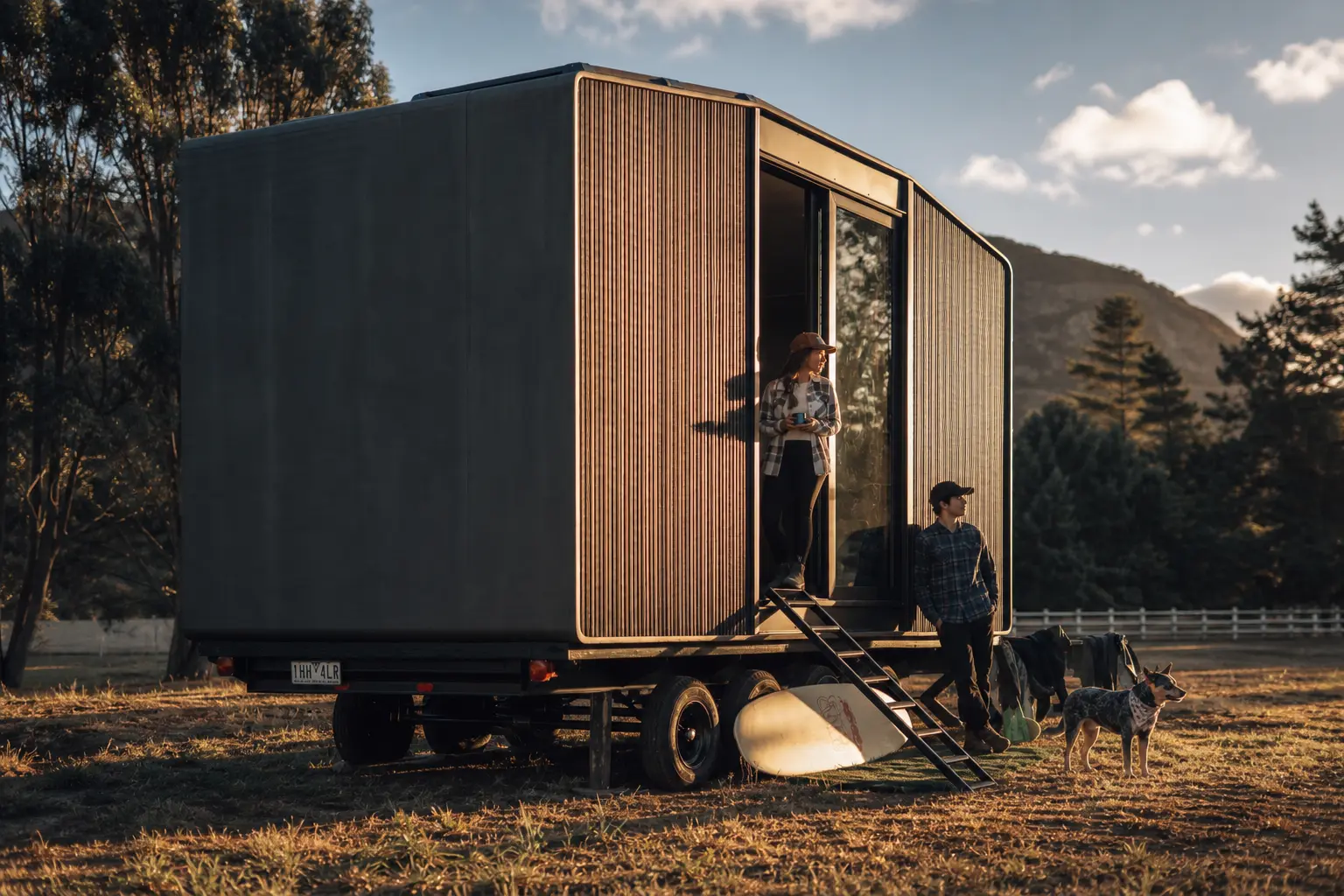
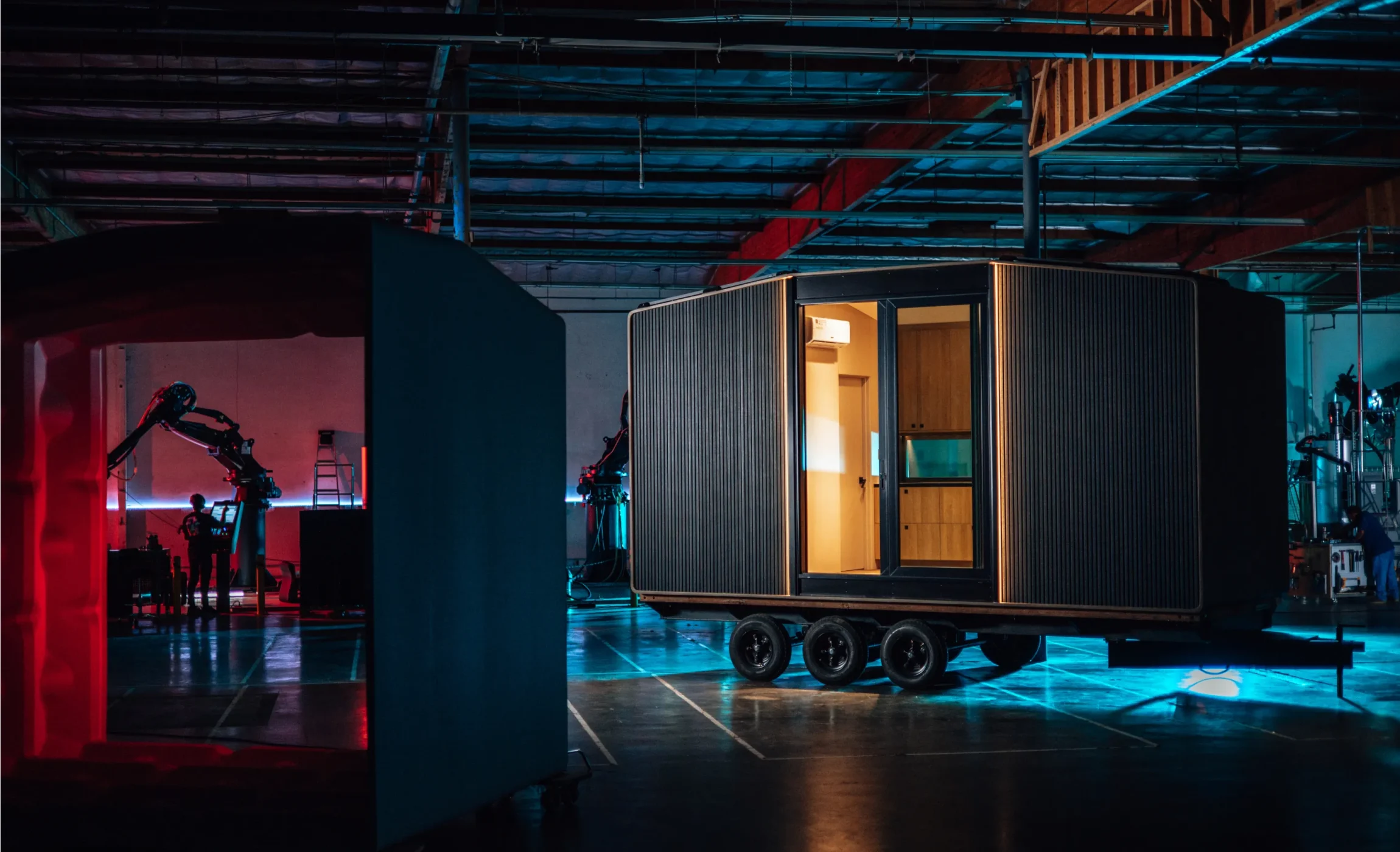
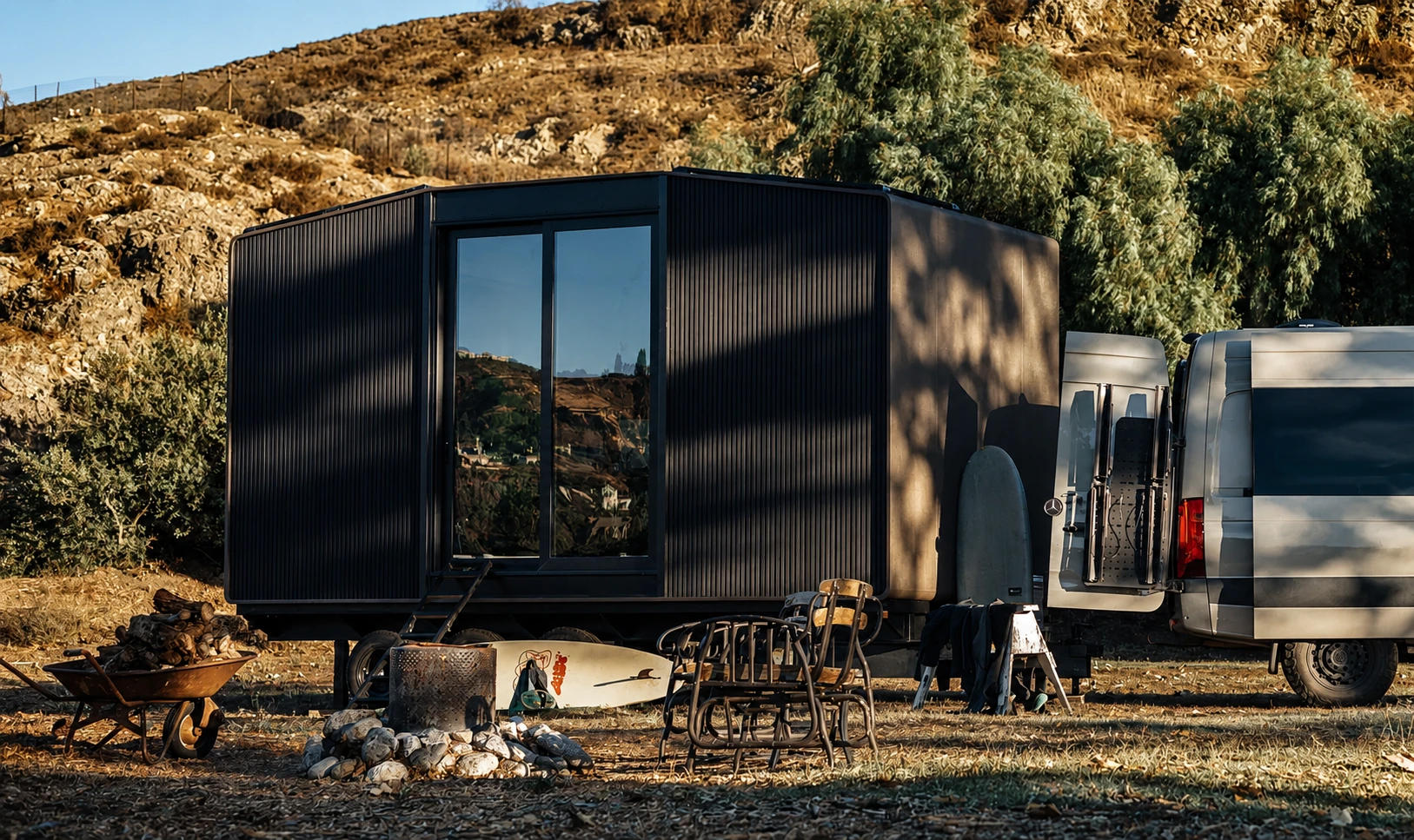
At Azure Printed Homes, we combine robotic manufacturing, modular construction, recycled materials, and customizable designs to create efficient living spaces that support a wide range of housing needs. Rather than treating affordability as a compromise, we focus on building comfortable, energy-efficient homes that make better use of materials and modern production methods.
Reserved Housing: Definition and Purpose
Reserved housing refers to housing that is set aside for households meeting specific eligibility requirements, most commonly based on income.
Unlike affordable housing, which describes a broad category of housing solutions, reserved housing focuses on who is allowed to occupy the home.
Eligibility requirements may include:
- Household income
- Family size
- Local residency requirements
- Employment qualifications
- Other criteria established by a housing authority or affordable housing program
Because access is limited to qualified applicants, reserved housing is sometimes described as income-restricted or designated housing.
In simple terms, affordable housing describes housing that is financially accessible, while reserved housing describes housing reserved for eligible households.
Reserved Housing vs Affordable Housing
Although the terms overlap, they are not interchangeable.
| Feature | Reserved Housing | Affordable Housing |
| Main purpose | Reserve homes for eligible households | Make housing financially attainable |
| Eligibility required | Yes | Sometimes, depending on the program |
| Income restrictions | Usually | Often, but not always |
| Government involvement | Frequently | May be public, private, or mixed |
| Available to general public | No | Sometimes |
| Includes market-rate homes | No | Yes, if the total housing cost remains affordable |
A useful way to think about the relationship is that reserved housing is one type of affordable housing, but affordable housing includes many additional approaches beyond reserved units.
How Eligibility Works
Reserved housing programs typically require applicants to demonstrate that they qualify before moving into a home.
Requirements often include:
- Annual household income
- Number of people living in the household
- Area Median Income (AMI) thresholds
- Documentation of employment or residency
- Verification of assets and financial circumstances
Because housing demand often exceeds available units, some communities maintain waiting lists for reserved housing.
Affordable housing, however, covers a much broader range of options. Some affordable homes require income verification, while others simply cost less because of their size, design efficiency, location, or construction method.
Affordable Housing Beyond Government Programs
Government-supported housing programs remain an important part of the housing system, but they are not the only path toward making homes more attainable. Today, affordability is influenced by much more than subsidies or income qualifications. Construction methods, material efficiency, energy performance, and project timelines all affect the final cost of building and owning a home.
That shift has encouraged the housing industry to look beyond traditional approaches. Factory-built construction, advanced manufacturing, and thoughtful design are helping create homes that can be completed more efficiently while maintaining the quality and comfort people expect from a permanent residence.
At Azure, we build affordability into the construction process itself. We use robotic manufacturing, modular production, recycled materials, and customizable designs to streamline how each home is made while reducing unnecessary waste. This helps us create comfortable, energy-efficient homes and ADUs designed for real daily living, long-term use, and more efficient project delivery.
Rather than replacing public housing initiatives, these innovations expand the range of housing options available to homeowners, developers, and communities. As housing needs continue to evolve, construction technology is becoming another valuable tool for increasing housing supply and supporting long-term affordability.
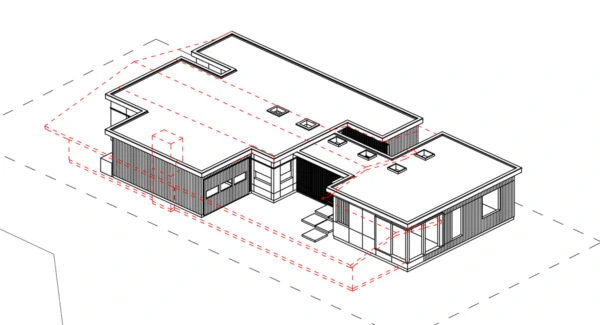
Modern Housing Options for Different Needs
Affordable housing is not defined by a single floor plan or ownership model. Today’s buyers have access to a growing range of housing solutions that serve different lifestyles, household sizes, and property types. Choosing the right option depends on how the space will be used both today and in the years ahead.
Backyard Studios
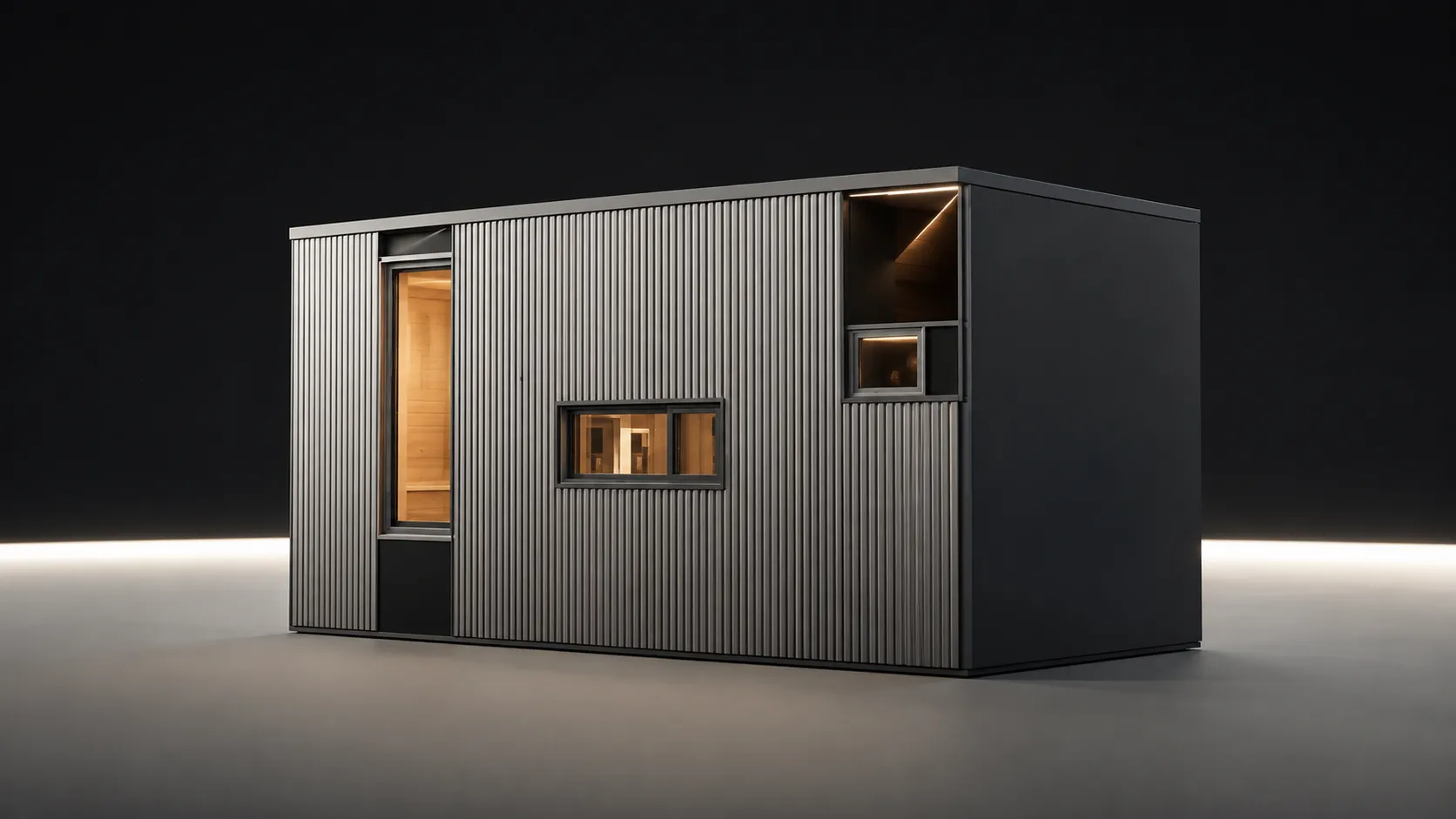
Compact studio buildings have become a practical solution for homeowners who need additional space without expanding their primary residence. They can serve as home offices, creative studios, hobby rooms, wellness spaces, or private guest accommodations.
We offer compact studio models that are designed to maximize functionality within a smaller footprint. Because each unit is manufactured in a controlled environment, homeowners can enjoy a streamlined construction process while creating flexible space that adapts to changing needs.
Accessory Dwelling Units (ADUs)
ADUs continue to gain popularity as communities search for ways to increase housing options without dramatically changing existing neighborhoods. They provide independent living space while making better use of residential properties.
An ADU may be suitable for:
- Multigenerational living
- Adult children returning home
- Aging parents who want to live nearby
- Long-term rental opportunities
- Guest accommodations
Our ADUs are designed as complete living spaces with kitchens, bathrooms, and thoughtfully planned layouts. Multiple floor plans and customizable designs allow homeowners to choose a solution that fits both their property and their long-term goals.
Custom Homes
For buyers planning a permanent residence, efficient design has become just as important as square footage. Well-planned layouts can create comfortable living environments while reducing unnecessary space and ongoing maintenance.
We build a range of modular homes that accommodate different household sizes, from compact one-bedroom layouts to larger two-bedroom designs. Each home is manufactured with precision and completed with electrical, plumbing, and interior finishes before delivery, helping simplify the path from production to installation.
Why Developers Are Exploring New Construction Methods
Communities across the country are under pressure to deliver more housing while dealing with higher construction costs, labor shortages, and unpredictable project timelines. For developers, affordability is not only about the final price of a home. It is shaped by how efficiently a project can move from design to production, delivery, and installation.
Modern manufacturing helps address these challenges by moving more of the construction process into a controlled production environment. This can improve consistency, reduce weather-related delays, limit unnecessary material waste, and make timelines easier to manage.
We developed our process to support individual homes, ADUs, and larger residential projects with a more efficient way to build. Our main benefits include:
- Faster construction timelines: Our homes can be built up to 70% faster than traditional construction methods.
- Predictable factory production: Much of the work happens in a controlled environment, helping reduce delays caused by weather, site conditions, and fragmented scheduling.
- Reduced construction waste: Robotic manufacturing and recycled materials help limit unnecessary material use during production.
- Customizable designs: Homeowners and developers can choose from standard models or adapt layouts, finishes, and features to better match project goals.
- Energy-efficient living spaces: Insulated floors, walls, and ceilings support long-term comfort and performance.
- Factory-completed systems: Electrical, plumbing, mechanical systems, and interior finishes are completed before delivery.
- Scalable project support: The process can serve backyard ADUs, primary homes, and larger community or developer-led housing projects.
- Practical installation process: After production, homes are delivered and installed on-site with utility connections completed as part of the project workflow.
For many residential developments, affordability is influenced not only by the selling price of each home but by the efficiency of the entire construction process. Faster production, reduced waste, and streamlined installation all contribute to housing solutions that are easier to deliver at scale.
Which Housing Option Is the Best Fit
There is no single housing solution that works for everyone. The right choice depends on individual goals, available land, household size, budget, and long-term plans.
| Housing need or goal | Option to consider | Why it may fit |
| Qualifying for income-restricted housing | Reserved housing | Designed for households that meet specific income or eligibility rules. |
| Reducing rent or monthly housing costs | Affordable housing program | May include rental assistance, income-restricted units, or below-market housing. |
| Adding a separate living space on an existing property | ADU | Can support family housing, guest space, or long-term rental use. |
| Creating a private workspace without remodeling the main home | Backyard studio | Useful for offices, creative work, hobbies, or flexible extra space. |
| Planning a larger residential project | Developer-focused modular housing | Can support faster production, repeatable designs, and more predictable timelines. |
We design multiple home sizes and layouts so homeowners and developers can select a solution that matches their available space, project goals, and future plans rather than adapting their lifestyle to a one-size-fits-all design.
Whether someone qualifies for reserved housing or is exploring other affordable housing opportunities, understanding the full range of available options makes it easier to choose a solution that supports both current needs and future growth.
Looking Ahead: The Future of Housing Affordability
Several trends are likely to shape the next stage of affordable housing. None of them is a complete solution on its own, but together they point toward a more practical and flexible housing future:
- Faster construction: Communities need homes that can move from planning to occupancy more efficiently.
- Better use of land: ADUs, smaller homes, infill housing, and compact layouts can add housing without relying only on large developments.
- Lower long-term costs: Energy efficiency, durable materials, and smarter layouts can make housing more affordable beyond the initial price.
- More flexible homes: Future housing needs to support remote work, multigenerational living, smaller households, and changing family needs.
- Sustainable building methods: Reduced waste, recycled materials, and factory-built construction are becoming part of the affordability conversation.
As these ideas become more common, affordable housing will likely continue moving beyond a single definition. It will include income-based programs, privately developed housing, modern construction methods, and practical home designs that respond to how people actually live.
Final Thoughts
Reserved housing and affordable housing share the same overall goal of making homes more accessible, but they achieve it in different ways. Reserved housing limits occupancy to households that meet specific eligibility requirements, while affordable housing includes a much broader range of programs, building methods, and homeownership opportunities designed to reduce housing costs.
As housing needs continue to evolve, improving affordability is no longer only about subsidies or income qualifications. Smaller homes, efficient layouts, modern manufacturing, and sustainable construction are expanding the range of housing options available to individuals, families, and communities.
At Azure Printed Homes, innovation plays a practical role in expanding what affordable housing can look like. We combine robotic manufacturing, modular construction, recycled materials, and customizable designs to create homes and ADUs that support a more efficient building process while giving homeowners and developers greater flexibility.
Understanding the differences between reserved housing and affordable housing is the first step toward making an informed decision. Whether someone qualifies for an income-based housing program or is exploring modern housing solutions, evaluating long-term costs, lifestyle needs, and available housing options can help identify the right path forward.