Finding a home at a price that fits the household budget has become more challenging in many parts of the world. As housing costs continue to rise, terms like affordable housing and council housing appear more frequently in conversations about homeownership, renting, and housing policy. Although they are often used interchangeably, they describe different types of housing with different purposes, funding models, and eligibility requirements.
Understanding the distinction can help prospective homeowners, renters, developers, and communities make more informed decisions. While council housing is generally associated with publicly owned rental homes for eligible residents, affordable housing is a much broader category that includes various ownership and rental opportunities designed to reduce housing costs.
This guide explains the differences between affordable housing and council housing, explores their benefits and limitations, and looks at how modern construction methods are helping create more accessible housing for the future.
What Is Affordable Housing?
Affordable housing refers to homes that cost less than typical market-rate housing while remaining safe, comfortable, and built to modern standards. The exact definition varies by country, region, and local policy, but the common goal is the same: making housing attainable for people whose incomes may not support rising market prices.
Affordable housing can include:
- Homes for purchase at below-market prices
- Discounted rental properties
- Workforce housing
- Shared ownership programs
- Community housing developments
- Modular and prefabricated homes designed to lower construction costs
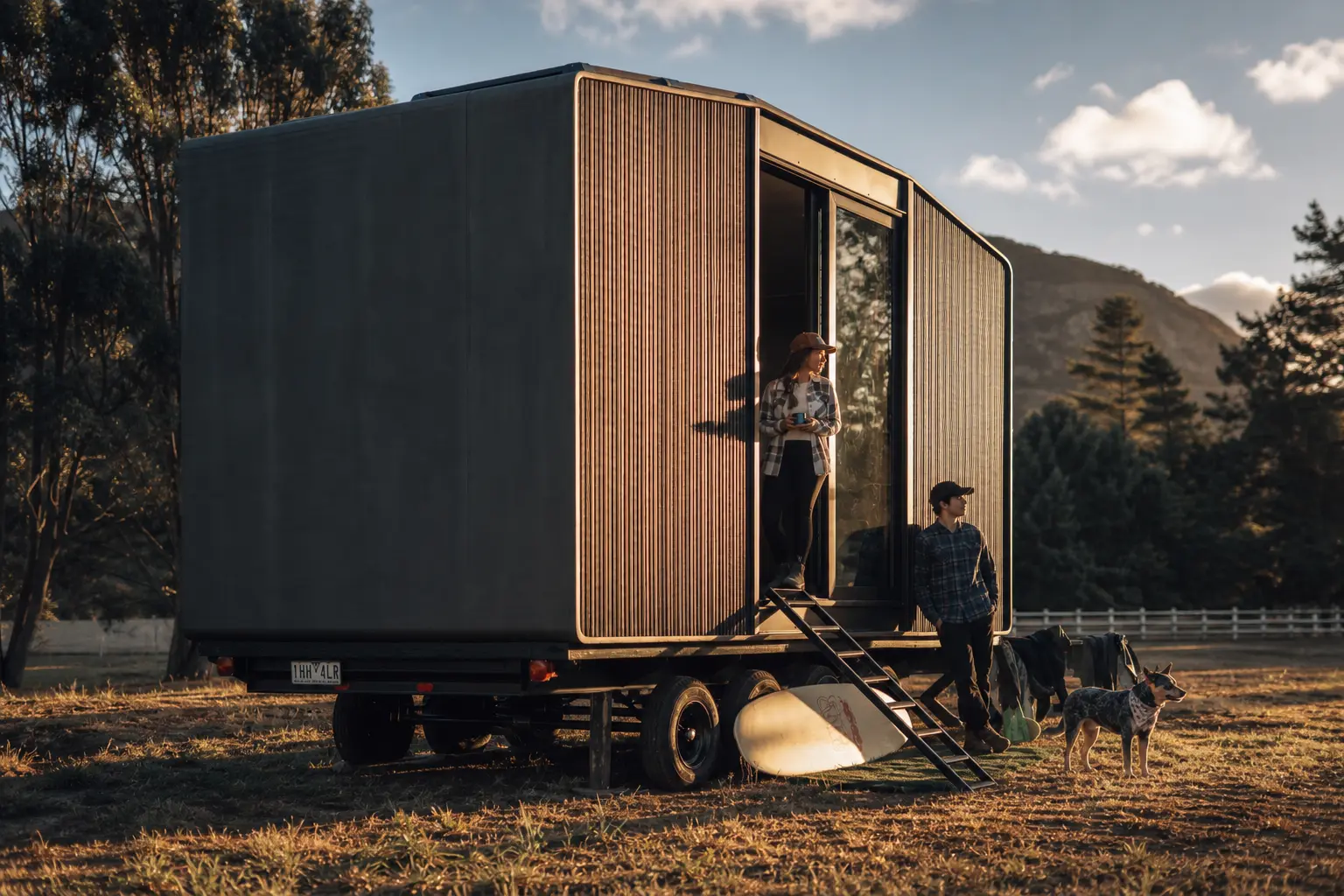
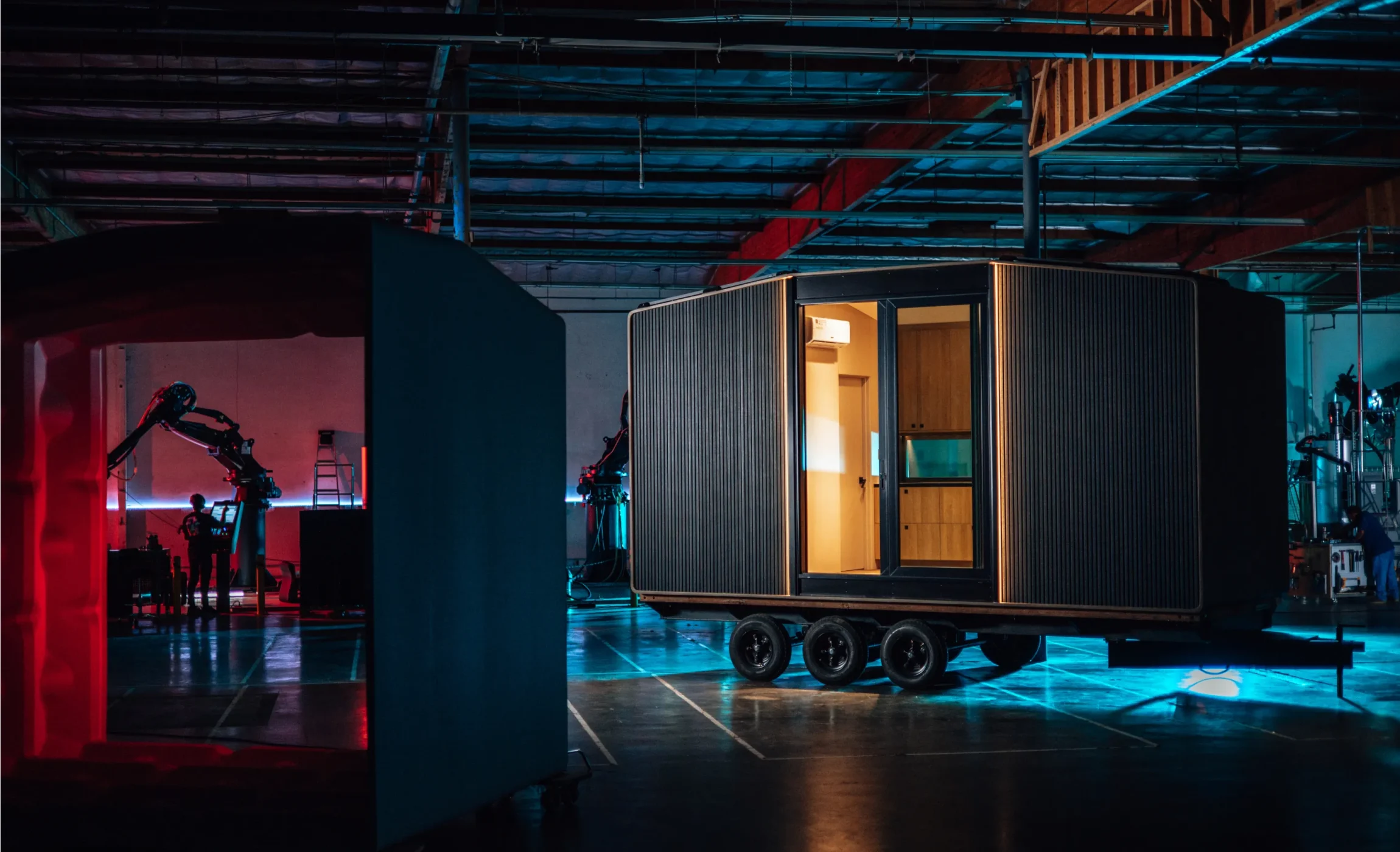
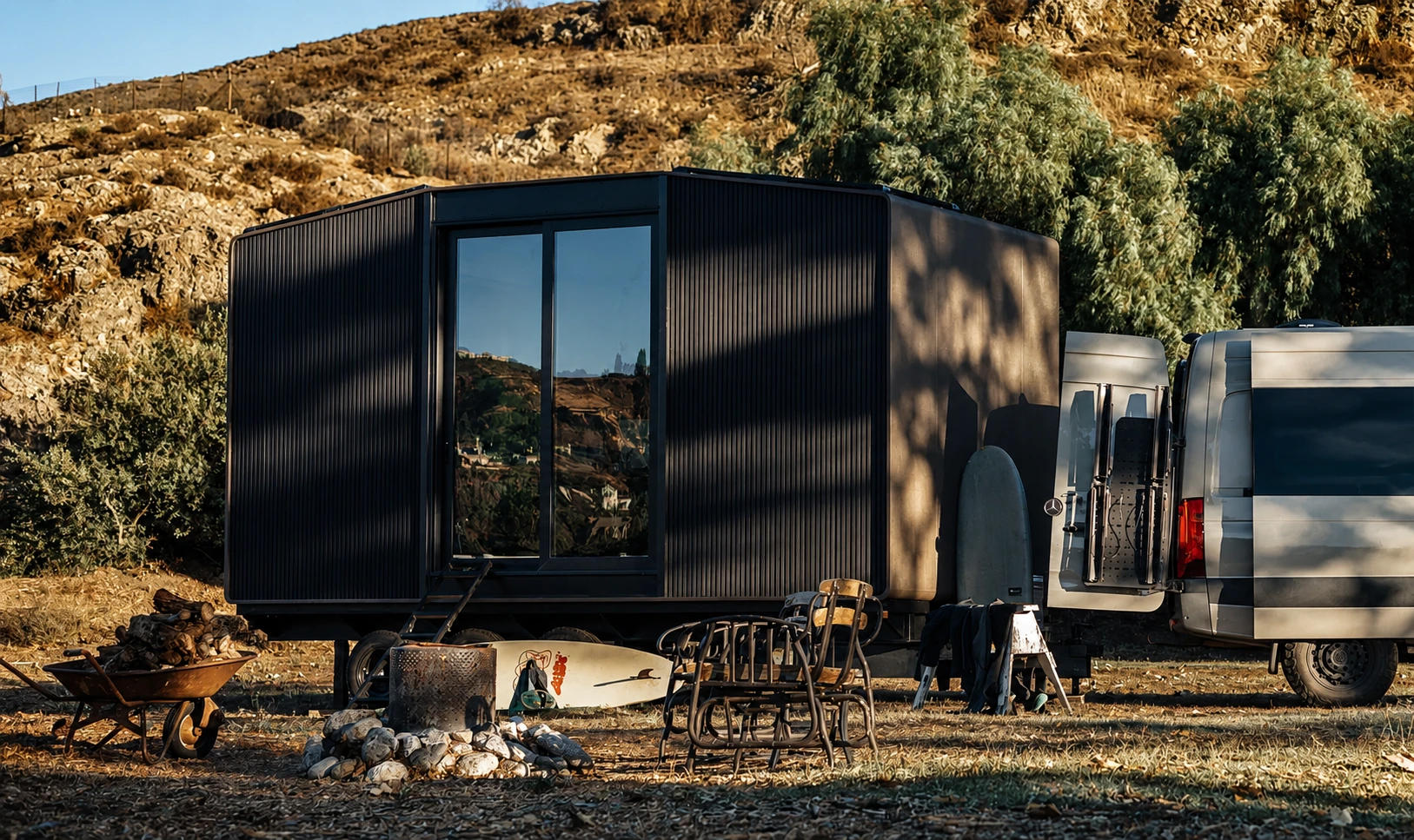
As housing needs continue to evolve, new construction methods are expanding what affordable housing can look like. At Azure Printed Homes, we use robotic manufacturing, modular construction, and recycled materials to create homes and ADUs that support faster construction, customizable designs, and greater efficiency. Our innovative manufacturing can help make high-quality housing more accessible while reducing construction waste and shortening project timelines.
Unlike council housing, affordable housing may be developed by public organizations, private companies, nonprofit groups, or partnerships between them. One of the biggest advantages of affordable housing is its flexibility. Different housing types can serve young professionals, first-time buyers, families, seniors, and essential workers while supporting a wide range of community needs.
What Is Council Housing?
Council housing is a form of publicly owned rental housing provided by local government authorities. It is typically intended for households with the greatest housing need, including individuals with low incomes or those facing housing insecurity.
Residents generally apply through a local authority, which assesses eligibility based on criteria such as:
- Household income
- Family size
- Current housing situation
- Medical or accessibility needs
- Local residency requirements
Unlike many affordable housing models, council housing is usually provided through local authorities and is primarily rental-based. Demand often exceeds supply, meaning waiting lists can be lengthy in many areas. Council housing plays an important role in providing stable, long-term accommodation for eligible residents while helping reduce homelessness and housing instability.
Affordable Housing vs Council Housing: The Main Differences
Although both aim to improve housing accessibility, several important differences separate affordable housing from council housing.
| Feature | Affordable Housing | Council Housing |
| Ownership | Public, private, nonprofit, or mixed | Local government |
| Purpose | Lower-cost housing for a broad range of households | Public rental housing for eligible residents |
| Purchase Options | Often available | Generally rented, although it may depend on local rules |
| Rental Options | Yes | Yes |
| Eligibility | Varies by program | Usually based on housing need and income |
| Funding | Public, private, or mixed | Public funding |
| Housing Types | Apartments, townhomes, single-family homes, ADUs, modular homes | Mostly rental apartments and houses |
Affordable housing covers a much wider range of solutions, while council housing represents one specific form of public housing.
Cost Comparison
Affordability does not always mean the same thing across different housing programs. Council housing rents are often calculated using government formulas rather than market demand, so rents may remain significantly below private market rates.
Affordable housing pricing varies more widely because it includes multiple ownership and rental models. Some homes are sold below market value, while others are offered through shared ownership or income-based programs. Construction costs matter here too, because the way a home is built can directly affect the final price.
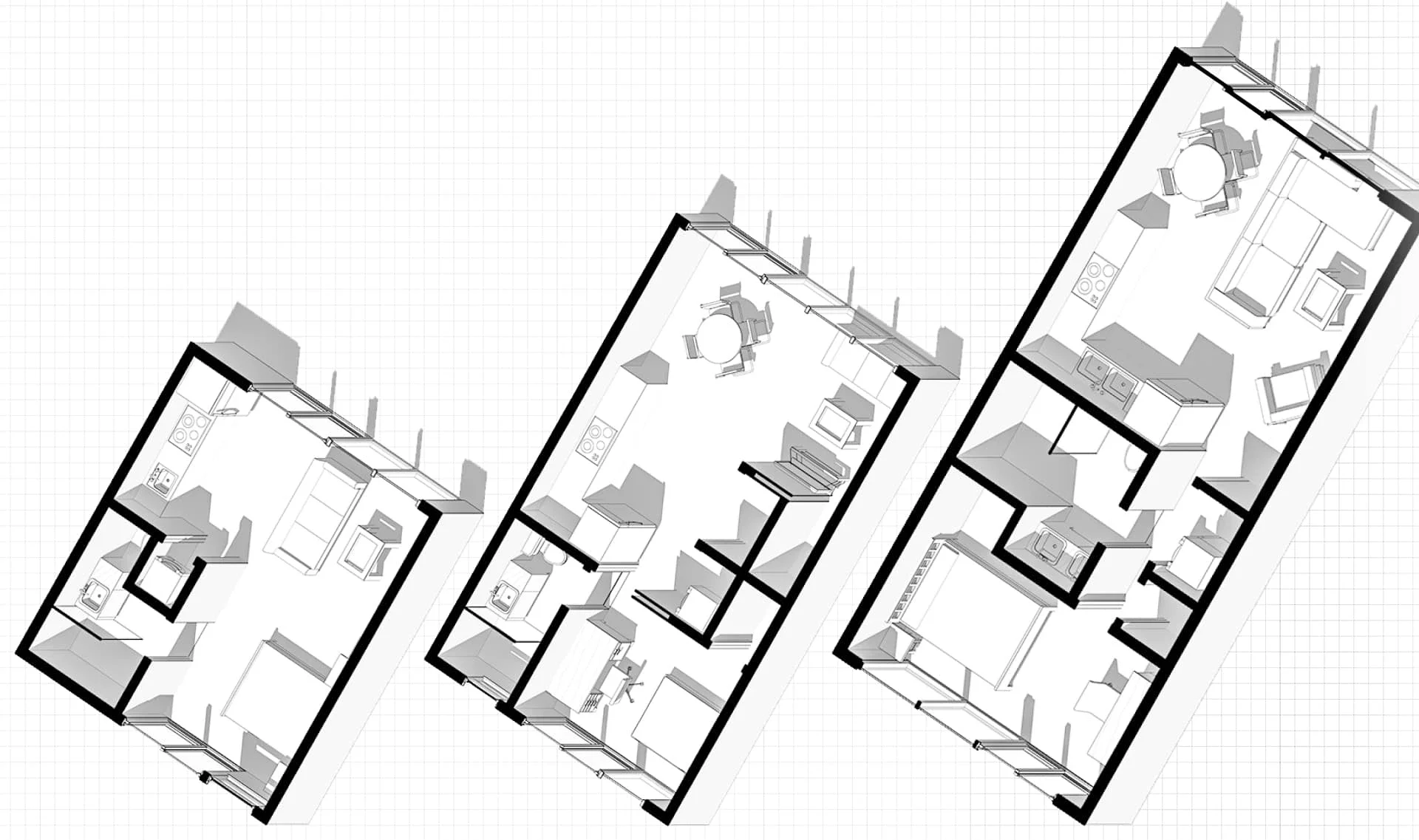
That is where modern manufacturing can make a practical difference. We build modular homes and ADUs in a controlled factory environment, with electrical, plumbing, mechanical systems, and standard finishes completed before delivery. Our homes + ADUs start at $89,900 for the 360 model, $134,900 for the 540 model, $174,900 for the 720 models, and $219,900 for the 900 model. For smaller studio spaces, our models start at $24,900 for the N-100 and $29,900 for the A-120 and D-120.
By using robotic manufacturing, standardized production, and recycled materials where appropriate, we can reduce waste, improve consistency, and shorten project timelines. For buyers comparing affordable housing options, that kind of cost clarity can be just as important as the starting price itself.
Design and Quality
A common misconception is that affordable housing offers fewer design choices or lower construction quality than conventional housing.
Modern affordable homes often include:
- Open floor plans
- Energy-efficient insulation
- Durable exterior materials
- Contemporary kitchens
- Flexible layouts
- Smart storage solutions
Many affordable developments now prioritize long-term durability, sustainability, and lower operating costs rather than simply reducing initial construction expenses. Factory-built modular housing has contributed to this shift by improving consistency during production while allowing customization for different sites and homeowner preferences.
Sustainability and Long-Term Value
Housing affordability increasingly includes more than purchase price alone. Utility costs, maintenance requirements, and energy efficiency all influence the true cost of homeownership or renting. Many newer affordable homes incorporate improved insulation, efficient windows, sustainable materials, reduced construction waste, and better thermal performance.
We manufacture many of our modular living spaces using recycled materials, including recycled plastic, while maintaining durable construction and modern design. Automation allows us to reduce production waste and improve manufacturing precision, supporting a more sustainable approach to housing.
Sustainability can benefit both homeowners and communities by lowering operating costs while reducing environmental impact.
Who Benefits from Affordable Housing?
Affordable housing serves many different groups whose housing costs may otherwise consume a significant portion of household income.
Examples include:
- First-time homebuyers
- Working families
- Essential workers
- Young professionals
- Retirees
- People downsizing
- Individuals seeking smaller, more efficient homes
Modern construction methods have expanded affordable housing options beyond traditional apartment developments. Smaller homes, accessory dwelling units (ADUs), and modular construction now provide additional ways to increase housing supply without requiring large-scale developments.
As housing costs keep rising, the building method matters more than ever. We use robotic manufacturing to create modular homes and ADUs with cleaner production, more predictable timelines, and less material waste. Buyers can still choose layouts and finishes, but the process is built to move faster than traditional construction and keep quality consistent from factory to site.
Who Qualifies for Council Housing?
Council housing eligibility depends on local government rules, which differ between regions.
Common factors include:
- Household income
- Existing housing conditions
- Number of dependents
- Local connection requirements
- Special housing needs
Applicants are often assigned different priority levels based on urgency. Households facing homelessness or unsafe living conditions may receive higher priority than applicants seeking more affordable accommodation.
Because housing availability is limited, waiting periods may range from months to several years depending on location.
Challenges Facing Affordable and Council Housing
Despite growing demand, both affordable housing and council housing face similar challenges.
Limited Supply
Population growth and rising construction costs continue to increase housing demand faster than new homes are built in many regions. Even when there is strong interest in affordable housing, supply can take years to catch up. Labor shortages, material costs, and limited construction capacity all make it harder to deliver enough homes at the pace communities need.
Rising Land Costs
Land availability remains one of the largest barriers to expanding affordable housing developments. In high-demand areas, the cost of land can make even a modest project expensive before construction begins. This often pushes affordable housing farther from jobs, schools, transit, and essential services.
Longer Approval Processes
Planning approvals, permitting, and infrastructure requirements can extend project timelines before construction even begins. A project may be financially realistic on paper, but delays can increase costs and make it harder to keep homes affordable. Faster construction methods help, but they still depend on local review and approval timelines.
Funding Constraints
Affordable housing projects often require partnerships between developers, lenders, nonprofits, and government agencies to become financially viable. These partnerships can help close funding gaps, but they can involve complex requirements, long application processes, and strict compliance rules.
Growing Demand
Housing affordability now affects a wider range of income levels than in previous decades. It is not only a concern for very low-income households. Many working families, first-time buyers, seniors, and essential workers need lower-cost housing options, which increases demand for rentals, smaller homes, ADUs, and other flexible housing models.
Benefits of Modular Construction in Affordable Housing
Construction innovation is becoming an important part of the affordable housing conversation. When homes are built only through traditional on-site methods, every stage depends heavily on weather, labor availability, material deliveries, and local construction schedules. Those delays can add cost before a family ever moves in.
Modular construction changes the process. Much of the home is built inside a controlled factory environment while site preparation can happen at the same time. This parallel workflow can help shorten timelines, reduce weather-related delays, improve quality control, and make project planning more predictable.
Factory production can make affordable housing projects more efficient from the earliest planning stages through final installation. By moving much of the building process indoors, teams can work with greater precision, reduce material waste, and maintain more consistent quality standards. It can also make scheduling easier because factory construction and site preparation can happen at the same time. For communities facing housing shortages, this means homes can be delivered faster while still allowing room for repeatable designs, flexible layouts, and project-specific customization.
At Azure, we bring these benefits into modular homes and ADUs through a process built around speed, consistency, and smarter use of materials.
Our modular construction benefits include:
- Faster project timelines: Backyard studios can be delivered in 30-60 days, while ADUs and homes can be delivered in 90-120 days.
- Factory-completed systems: Electrical, mechanical, plumbing, and standard finishes are completed before delivery.
- Less construction waste: Robotic manufacturing helps reduce waste during production.
- Recycled materials: Many units use recycled plastic, including around 100,000 plastic bottles per 120 sq ft.
- Flexible model sizes: Homes and ADUs range from 360 to 900 sq ft, with custom projects available up to approximately 3,000 sq ft.
- Predictable starting prices: Homes and ADUs start at $89,900, and studio models start at $24,900.
- Customizable designs: Layouts, dimensions, orientation, finishes, and larger configurations can be adjusted based on the project.
For communities, modular construction offers a way to expand housing supply more quickly while maintaining modern standards for comfort, durability, and everyday use.
Which Housing Option to Choose
The right choice depends on household needs, income, location, and long-term housing goals. Council housing and affordable housing both aim to make homes more accessible, but they usually serve different situations.
| Situation | Council Housing May Fit Better | Affordable Housing May Fit Better |
| The household needs long-term rental support | Yes, especially if the household meets local eligibility rules | Possible, but options vary by program |
| The household wants to buy a home | Usually not the main path | Often a better fit through below-market homes, shared ownership, smaller homes, or ADUs |
| Income is very limited | Often designed for this need | May help, depending on income limits and local programs |
| The household does not qualify for council housing | Usually not available | Often offers more flexible options |
| Fast access is important | Waiting lists can be long | Availability depends on the program, builder, and local approvals |
| Flexibility matters | Usually limited to available public housing stock | Broader range of housing types, sizes, and ownership models |
| The goal is a smaller or more efficient home | Depends on local housing supply | Often a strong fit, especially with modular homes, ADUs, and compact designs |
Council housing may be appropriate for households that meet eligibility requirements and need rental assistance through public housing programs. Affordable housing offers a broader range of opportunities for renters and buyers who still need housing that better fits their budget. For people interested in ownership, affordable housing can provide more flexibility through smaller homes, ADUs, modular construction, and other practical housing solutions.
Common Misconceptions
Affordable housing and council housing are often misunderstood, which can make the topic feel more confusing than it needs to be. Some people assume both terms mean the same thing, while others picture affordable housing as basic, low-quality, or available only to a narrow group of residents. In reality, housing affordability covers a much wider range of people, programs, and property types.
“Affordable Housing Is Only for Very Low-Income Households”
Many affordable housing programs serve middle-income workers, first-time buyers, healthcare professionals, teachers, and other households that face rising housing costs. In many areas, even full-time workers can struggle to afford market-rate housing, especially near job centers, schools, and public services.
“Council Housing and Affordable Housing Are the Same”
Council housing is one type of affordable housing, but affordable housing includes many additional ownership and rental models beyond publicly owned housing. It can include discounted rentals, shared ownership, workforce housing, ADUs, smaller homes, and modular housing options.
“Affordable Homes Sacrifice Quality”
Affordable does not have to mean poorly built. Modern construction methods, improved materials, energy-efficient systems, and factory-controlled manufacturing have raised the quality, durability, and comfort of many affordable homes. The best affordable housing solutions focus on long-term value, not just a lower upfront cost.
Final Thoughts
Affordable housing and council housing share the goal of making homes more accessible, but they achieve that goal in different ways. Council housing provides publicly managed rental homes for eligible households, while affordable housing includes a much wider range of ownership and rental opportunities supported by different organizations and construction approaches.
As housing needs continue to evolve, innovative building methods are expanding the possibilities for affordable living. We combine robotic manufacturing, modular construction, recycled materials, and customizable designs to create efficient homes and ADUs that support faster project delivery without compromising durability or everyday comfort. By rethinking how homes are built, modern manufacturing can play an important role in creating housing that is both practical and accessible for more people.