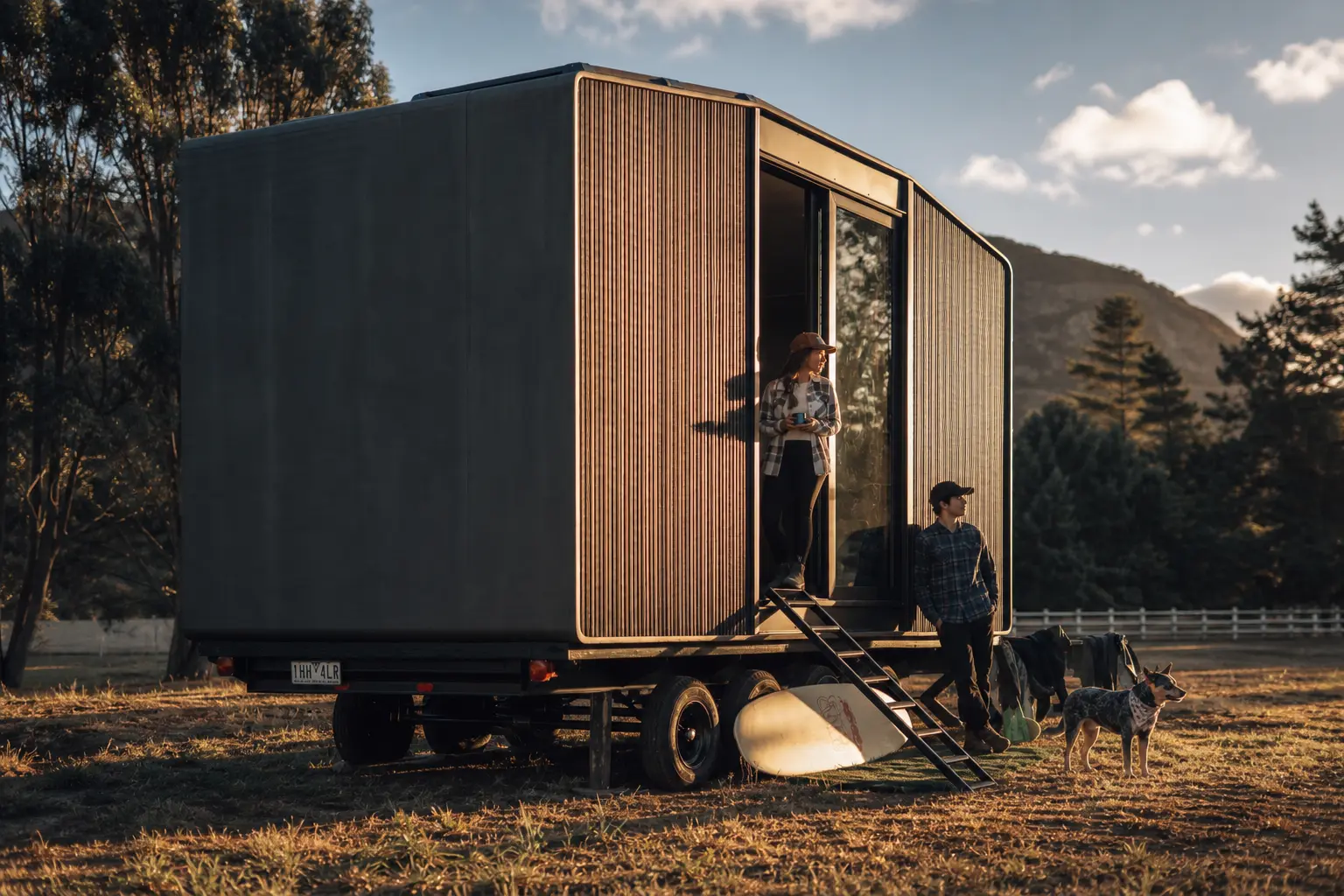
The idea of living with less has become more appealing than ever. Rising housing costs, remote work, and a growing interest in sustainable living have encouraged many people to explore alternatives to traditional homes. Two of the most popular options are tiny homes and recreational vehicles (RVs).
At first glance, they may seem similar. Both offer compact living spaces, lower ownership costs than many conventional homes, and the flexibility to live differently. However, once you look beyond their size, the differences become much clearer.
Understanding how tiny homes and RVs compare can help buyers make a more confident decision. From construction and comfort to customization, maintenance, and long-term living, each option offers unique advantages depending on your goals.
What a Tiny Home Means
A tiny home is a compact residence designed to maximize every square foot without sacrificing comfort. While there is no universal size limit, most tiny homes range from about 100 to 400 square feet, though larger models are available.
Unlike RVs, tiny homes are designed primarily as places to live rather than vehicles for travel. They often include full kitchens, comfortable bathrooms, dedicated sleeping areas, living spaces, and efficient storage solutions that support everyday life.
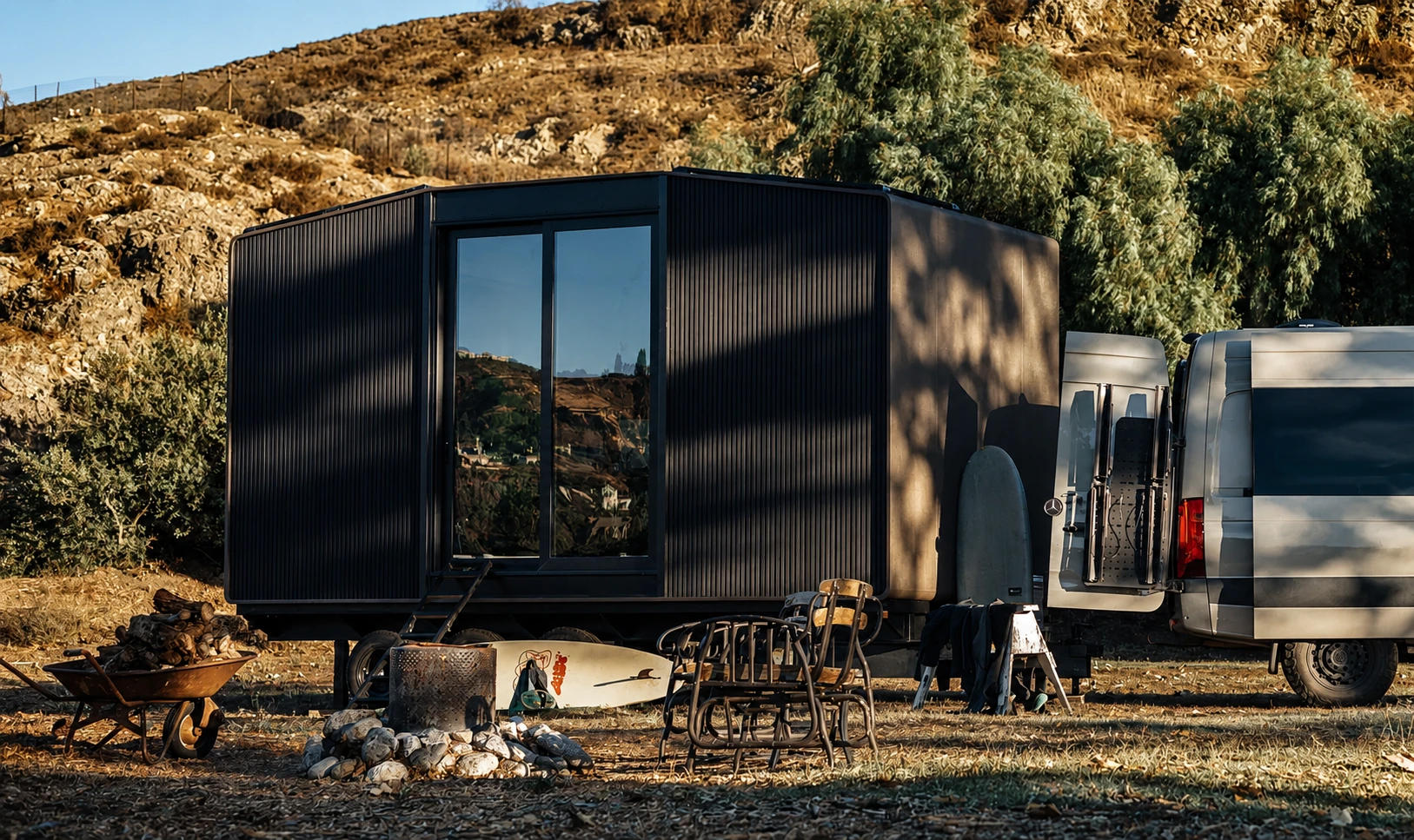
Tiny homes can be built on permanent foundations or manufactured in a factory before being delivered to the property. Factory-built models offer consistent quality, controlled production conditions, and shorter construction timelines.
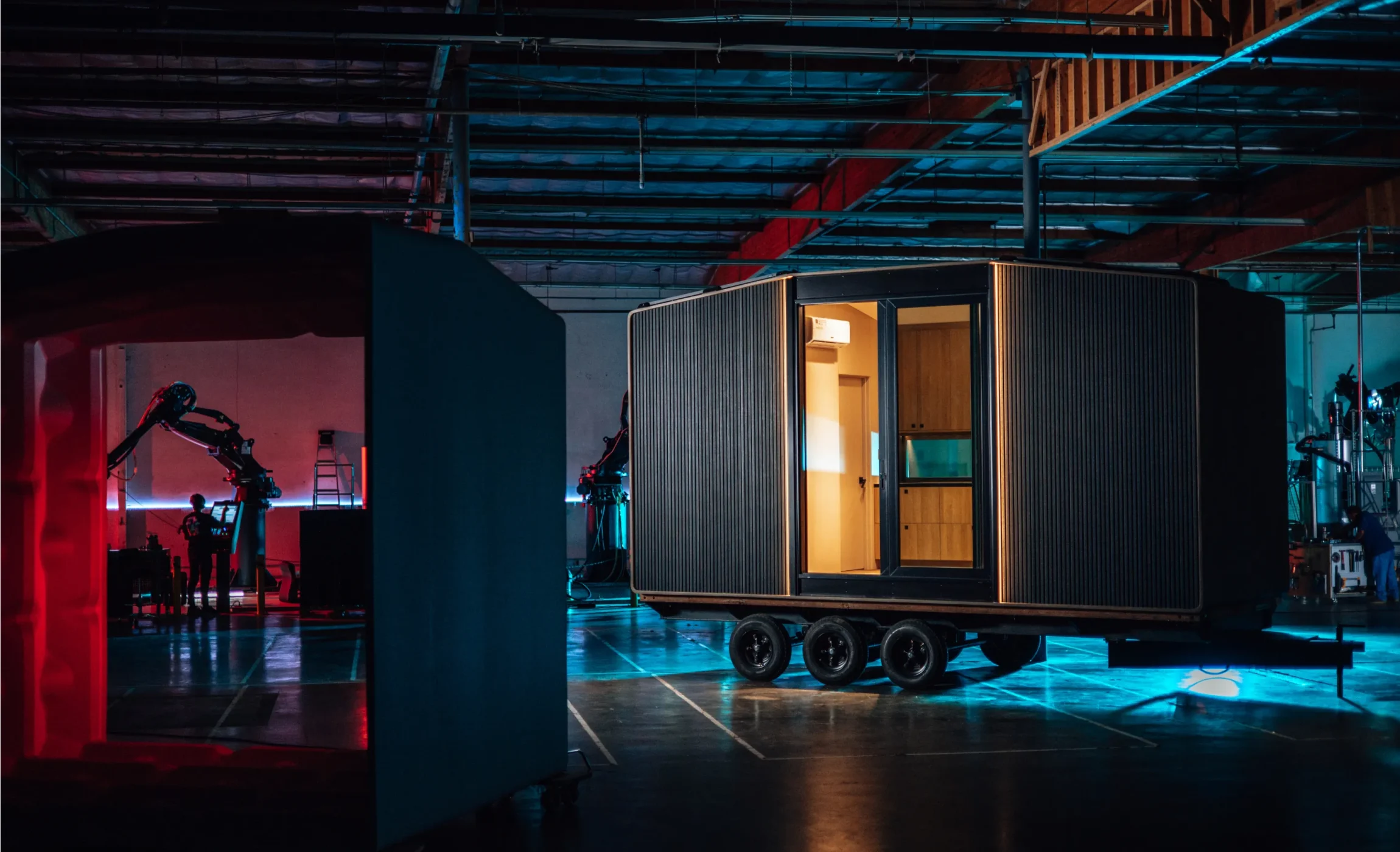
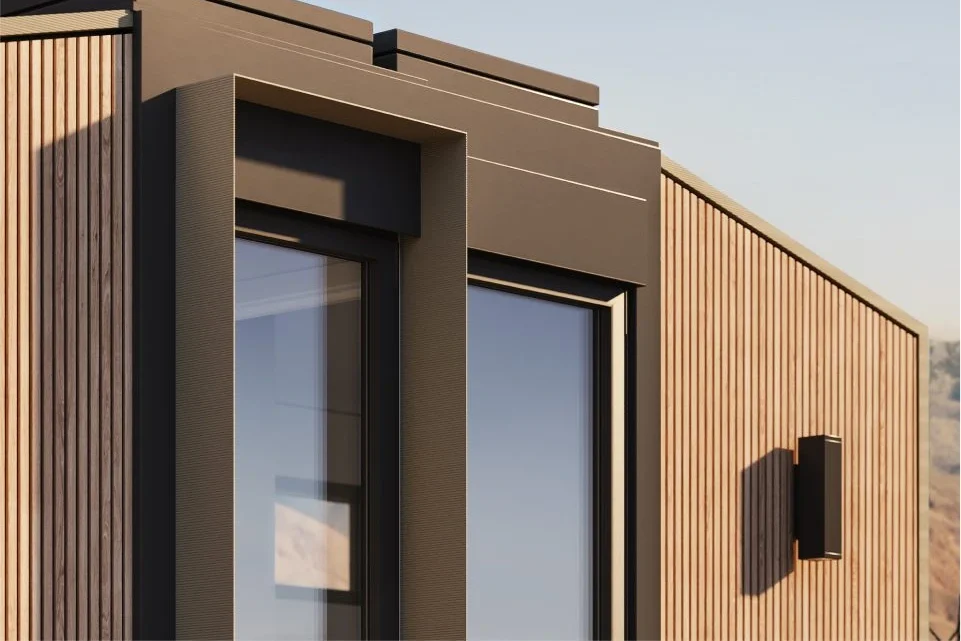
At Azure Printed Homes, we build modern factory-produced tiny homes using robotic manufacturing, recycled materials, and energy-efficient construction. We focus on creating durable living spaces that combine thoughtful design with precision manufacturing while allowing buyers to personalize layouts and finishes to suit their lifestyle.
What Is an RV?
A recreational vehicle, or RV, is designed primarily for travel. Depending on the model, it may include sleeping areas, a kitchenette, a bathroom, and basic living space while remaining fully road legal.
Many RV owners use their vehicles for vacations, seasonal travel, or temporary accommodation. Some choose to live in them full time, particularly those who enjoy frequent travel or work remotely while moving between locations.
Because RVs are built for transportation, their design priorities often focus on minimizing weight and maximizing mobility. Every component is engineered to withstand regular travel, which can influence the layout, storage capacity, and overall living experience.
Tiny Homes vs RV: The Biggest Differences
Although both options offer compact living, they serve different purposes.
Purpose
A tiny home is designed first and foremost as a residence. The emphasis is on creating a comfortable place for daily living with features that support long-term use.
An RV is designed primarily for mobility. Living space is balanced with transportation requirements, making it ideal for travel but often less spacious for permanent living.
Construction
Tiny homes generally use residential construction methods, insulation, windows, flooring, and finishes intended for everyday occupancy.
We manufacture our homes in a controlled factory environment using robotic 3D printing technology and recycled materials. Electrical, plumbing, interior finishes, and many key building components are completed before delivery, helping simplify installation while maintaining consistent quality.
RVs use lightweight construction materials that reduce towing weight and improve fuel efficiency. While modern RVs can be very comfortable, their materials are selected with frequent transportation in mind.
Mobility
Mobility is where RVs clearly stand out. An RV can be driven or towed frequently, making it ideal for road trips, extended travel, and changing locations whenever desired.
Tiny homes can be transported, but they are generally intended to remain in one location for much longer periods. Many owners move their tiny home only when relocating permanently.
Living Experience
The interior of a tiny home often feels closer to a conventional house. Higher ceilings, larger kitchens, residential appliances, full-size bathrooms, generous windows, and thoughtful storage can make everyday life more comfortable.
RVs prioritize flexibility and compact design. Furniture may serve multiple purposes, and storage is carefully integrated to keep the vehicle lightweight and functional during travel.
Cost Comparison
Cost is one of the biggest reasons buyers explore both options. The purchase price of an RV varies significantly depending on its size, age, features, and level of luxury. Ongoing ownership costs may include insurance, registration, campground fees, fuel, and routine mechanical maintenance.
Tiny homes also vary in price based on size, customization, site preparation, utility connections, and optional upgrades. Our studio series begin at $24,900, while larger homes and ADUs start at $89,900. Because every project is different, buyers should also consider delivery, permits, site preparation, utility connections, and optional features when planning their total investment.
Looking beyond the purchase price helps create a more realistic budget and reduces surprises later in the project.
Customization Options
One of the biggest advantages of many tiny homes is flexibility. Owners can often personalize layouts, finishes, exterior materials, storage solutions, lighting, and energy features based on how they plan to use the space.
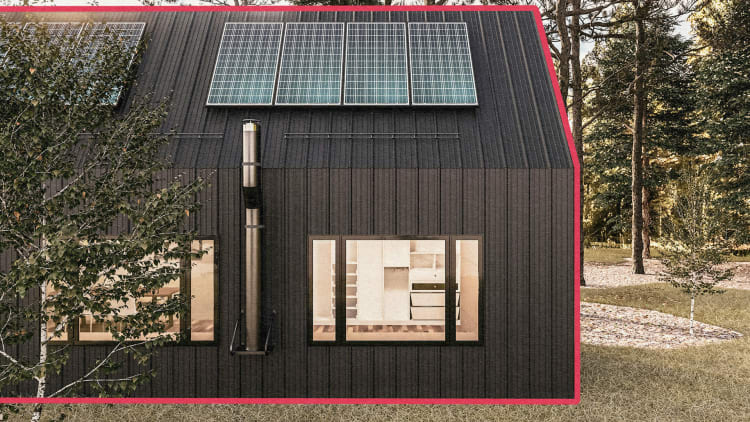
We design our homes with customization in mind. Buyers can choose finishes, adjust layouts on larger models, explore energy-efficient options such as solar systems, and create living spaces that match both personal preferences and property requirements.
RVs typically offer fewer customization opportunities because their layouts are optimized for manufacturing efficiency and road travel.
Comfort for Everyday Living
Living comfortably in a compact space depends on thoughtful design rather than simply adding square footage. Tiny homes often provide:
- Residential kitchens
- Larger bathrooms
- Better insulation
- Dedicated sleeping areas
- More storage
- Greater privacy
Many are designed specifically for year-round occupancy.
RVs can certainly support extended stays, especially newer luxury models, but many owners eventually notice the compromises required to maintain mobility, including smaller appliances, lighter construction, and more limited storage.
Energy Efficiency
Smaller homes naturally consume less energy than larger houses, but construction quality also plays an important role. Well-insulated walls, quality windows, and efficient heating and cooling systems can improve comfort while reducing monthly utility costs.
We combine energy-efficient construction with insulated building assemblies and recycled materials to create homes designed for year-round comfort. Our manufacturing approach helps reduce material waste while supporting a more sustainable way to build compact housing.
Maintenance
Every home requires maintenance, but the type of maintenance differs.
RV owners often maintain:
- Engines or tow vehicles
- Tires
- Braking systems
- Suspension
- Roof seals
- Mechanical travel components
Tiny homes eliminate many vehicle-related maintenance tasks. Owners instead focus on maintaining the home itself, similar to any residential property.
Tiny Homes vs RV: Pros and Cons
Neither option is universally better. The right choice depends on how the space will be used, how often it will move, and what daily life should look like.
Tiny Homes
Tiny homes are designed first as living spaces, so their strengths usually come from comfort, customization, and long-term use.
Pros:
- Feels more like a traditional home
- Greater flexibility for layouts and interior design
- Better insulation for year-round comfort
- Larger kitchens and bathrooms in many models
- More storage for everyday living
- Suitable for primary residences, guest houses, ADUs, or rental properties
- Can support sustainable construction methods and energy-efficient features
Cons:
- Usually intended to stay in one location for extended periods
- Site preparation, utility connections, and permits may be required
- Zoning and placement regulations vary by location
- Delivery and installation add to the overall project cost
RVs
RVs are built first for mobility, which makes them ideal for travel but less residential in everyday use.
Pros:
- Built specifically for frequent travel
- Easy to relocate whenever needed
- Available in a wide range of sizes and price points
- Ideal for vacations, road trips, and seasonal living
- No separate transport company is needed when moving
Cons:
- Less living space for everyday life
- Limited customization options
- More vehicle-related maintenance
- Mechanical systems require ongoing servicing
- Interior materials are often designed for lightweight travel rather than long-term residential comfort
How to Choose Between a Tiny Home and an RV
The easiest way to choose is to start with lifestyle, not square footage. A person who wants to travel every few weeks will need something very different from someone planning to create a long-term guest house, home office, rental unit, or compact primary residence.
| Priority | Tiny Home | RV | Why it matters |
| Full-time living | Better fit | Possible, but less ideal | Tiny homes are designed more like residences, with comfort, insulation, and daily use in mind. |
| Frequent travel | Less practical | Better fit | RVs are built to move often and handle regular road use. |
| Residential comfort | Better fit | More limited | Tiny homes can feel closer to traditional housing, especially with larger bathrooms, kitchens, and storage. |
| Custom layouts and finishes | Better fit | More limited | Tiny homes often allow more flexibility in floor plans, finishes, and built-in features. |
| Vacation use | Good for fixed stays | Better fit | RVs work well for camping, road trips, and seasonal travel. |
| Home office or guest house | Better fit | Less ideal | Tiny homes can create a more permanent, comfortable space on private property where allowed. |
| Long-term placement | Better fit | Less ideal | Tiny homes are usually intended to stay in one location longer. |
| Road trips and camping | Less practical | Better fit | RVs are made for mobility, hookups, and travel-based living. |
| Larger kitchens and bathrooms | Better fit | More compact | Tiny homes can prioritize residential layouts instead of road-weight limits. |
| Easy relocation every few weeks | Less practical | Better fit | Moving a tiny home often requires more planning, while RVs are designed for repeat relocation. |
Common Misconceptions About Tiny Homes and RVs
Because tiny homes and RVs are both compact living options, they are often grouped together. In reality, they are built for different priorities, and those differences affect comfort, mobility, customization, regulations, and everyday use.
“Tiny Homes and RVs Are Basically the Same Thing”
Although they may look similar from the outside, they are built with different purposes in mind. An RV is designed primarily for transportation, while a tiny home is designed primarily as a place to live.
“Tiny Homes Are Only for Minimalists”
Many people choose a tiny home for reasons beyond minimalism. Some want a backyard guest house, a home office, an ADU, or a more affordable path to homeownership. Others simply appreciate efficient design and lower maintenance.
“Living Small Means Sacrificing Comfort”
Modern tiny homes can include full kitchens, comfortable bathrooms, quality insulation, and attractive finishes. Smart layouts often make compact spaces feel much larger than their square footage suggests.
“Tiny Homes Cannot Be Customized”
Many factory-built tiny homes offer extensive customization. We offer a variety of layouts, finishes, and optional upgrades that allow buyers to create a home that reflects their lifestyle while benefiting from precision manufacturing and efficient construction.
“An RV Is Always the Cheaper Option”
The purchase price is only part of the equation. Fuel, campground fees, insurance, mechanical maintenance, and travel costs can significantly affect the total cost of RV ownership. Likewise, tiny homes involve site preparation, utility connections, and installation. Comparing the complete cost of ownership provides a much more accurate picture than looking at the initial price alone.
Final Thoughts
Tiny homes and RVs both offer practical alternatives to traditional housing, but they are designed with different priorities in mind.
RVs excel when mobility is the main goal, making them well suited for travel and life on the road. Tiny homes focus on creating comfortable, efficient living spaces that support everyday life while using less space and fewer resources.
For buyers looking for a modern approach to compact housing, factory-built tiny homes offer an appealing combination of thoughtful design, efficient construction, and long-term comfort. At Azure Printed Homes, we use robotic manufacturing, recycled materials, customizable designs, and energy-efficient construction to create tiny homes that make smaller living feel both practical and inspiring. Whether the goal is a primary residence, a backyard living space, or a compact home that supports a simpler lifestyle, choosing the right solution starts with understanding how each option fits the way you want to live.