Whether you’re relocating for work, managing a long-term project, or simply need temporary housing, the choice often comes down to corporate housing or Airbnb. Both options offer furnished living spaces, but they are designed with different priorities in mind. One focuses on flexibility and variety, while the other emphasizes consistency, convenience, and long-term living.
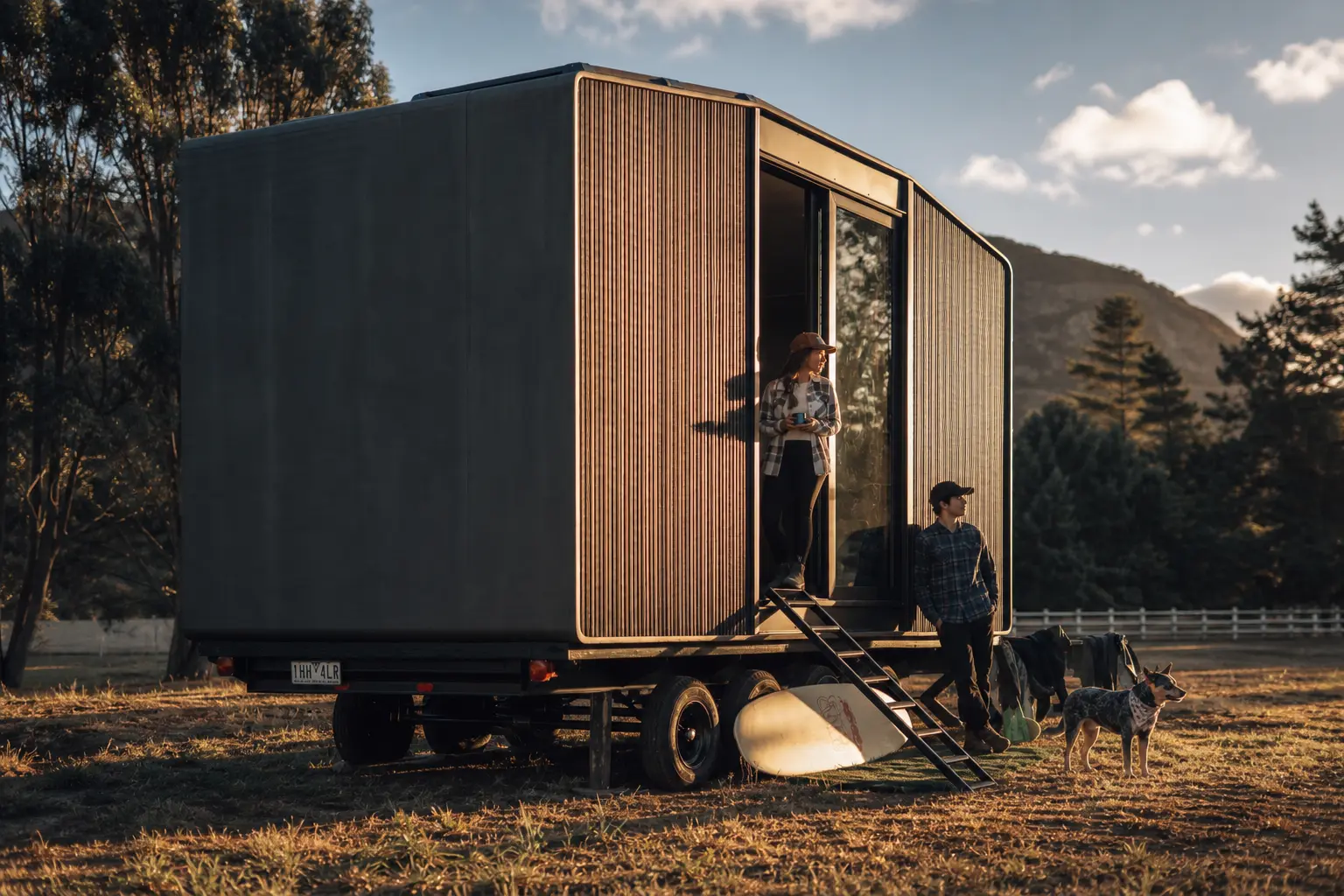
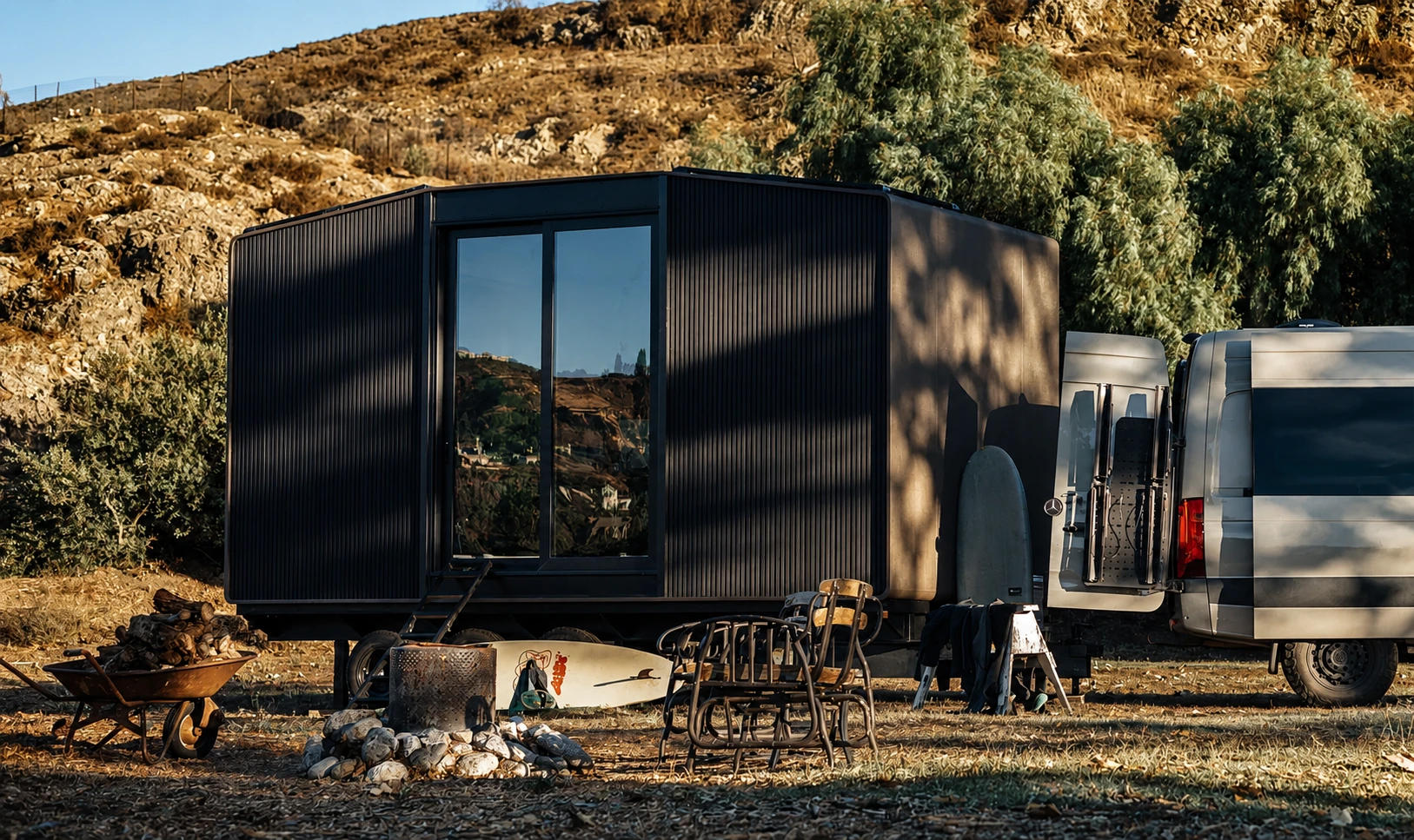
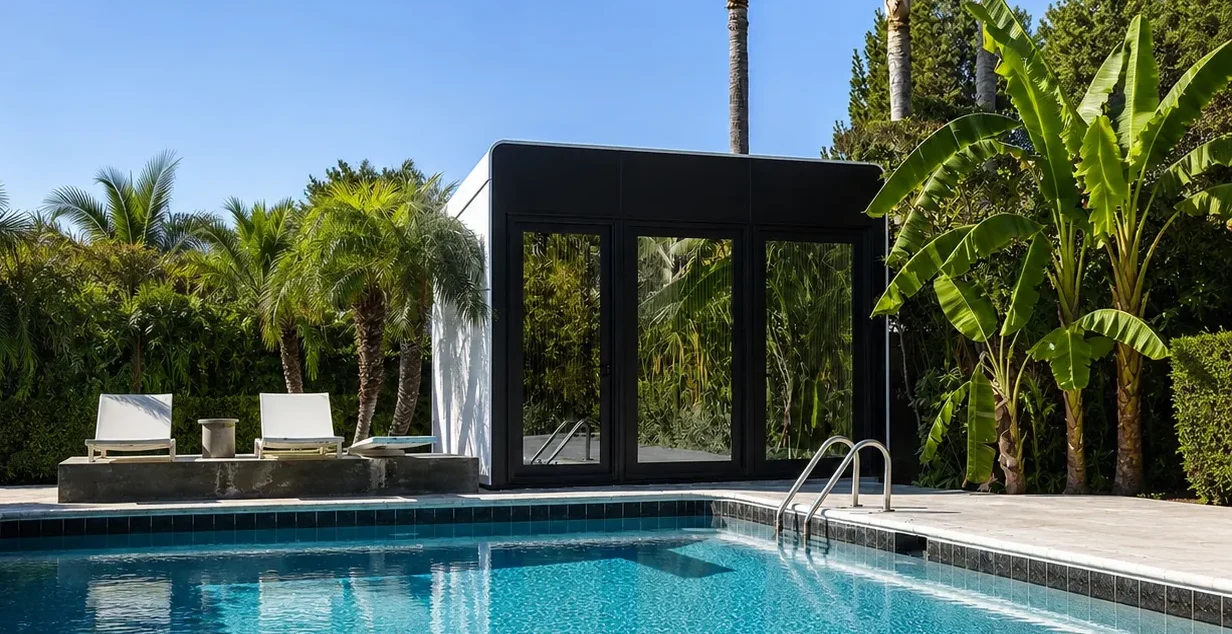
At Azure Printed Homes, we think about housing from a broader perspective. We design and manufacture robotically printed modular homes, ADUs, studios, and homes on wheels that make high-quality housing more accessible. Many of these homes can serve as corporate housing, workforce accommodation, relocation housing, or temporary living spaces, making them a practical alternative for organizations and property owners looking beyond traditional rental models.
This guide explains the differences between corporate housing and Airbnb so you can choose the option that best fits your needs.
What Is Corporate Housing?
Corporate housing is fully furnished accommodation designed for temporary living, usually for stays lasting several weeks or several months. Although the name suggests business travel, corporate housing is now used for many situations, including employee relocation, temporary housing during renovations, insurance claims, government projects, healthcare assignments, and workforce accommodation.
Most corporate housing includes everything needed for everyday living, such as furnished bedrooms, full kitchens, private bathrooms, laundry facilities, utilities, internet access, and comfortable living spaces. Instead of functioning like a vacation rental, these homes are intended to provide a stable residential environment where people can maintain their normal routines.
At Azure Printed Homes, we see corporate housing continuing to evolve beyond traditional apartments. Our modular homes, ADUs, and workforce housing solutions provide another way to create comfortable temporary accommodations that can be delivered quickly and remain valuable long after a single project has ended. Because every home is manufactured in a controlled factory environment before delivery, organizations can develop housing that is designed specifically for long-term occupancy.
For employers, property owners, and organizations managing multiple residents, corporate housing often provides a practical balance between flexibility and everyday comfort.
What Is Airbnb?
Airbnb is an online marketplace that connects travelers with property owners offering short-term and extended stays. Guests can choose from apartments, houses, cabins, condominiums, private rooms, and many other types of accommodations in locations around the world.
One of Airbnb’s biggest advantages is variety. Travelers can often find unique properties in neighborhoods where traditional accommodations may be limited. Many listings include kitchens, furnished living areas, internet access, and self check-in, while some hosts offer discounts for monthly stays.
Because every property is managed individually, however, the overall experience can vary. Amenities, furnishings, communication, maintenance, and house rules depend on the individual host rather than a standardized operating model.
For vacations, weekend trips, and flexible travel schedules, Airbnb offers an enormous selection of accommodations that appeal to many different types of travelers.
Corporate Housing vs Airbnb: Key Differences
Corporate housing and Airbnb can both provide furnished places to stay, but they are built for different situations. One focuses on creating a comfortable home for several weeks or months, while the other emphasizes flexibility and a wide variety of locations. Understanding these differences makes it easier to choose the right option.
Purpose
The biggest difference is the purpose behind the accommodation. Corporate housing is designed for people who need a temporary home rather than simply a place to spend the night. It is commonly used for employee relocations, long-term business assignments, workforce housing, insurance claims, government projects, and temporary living during home renovations.
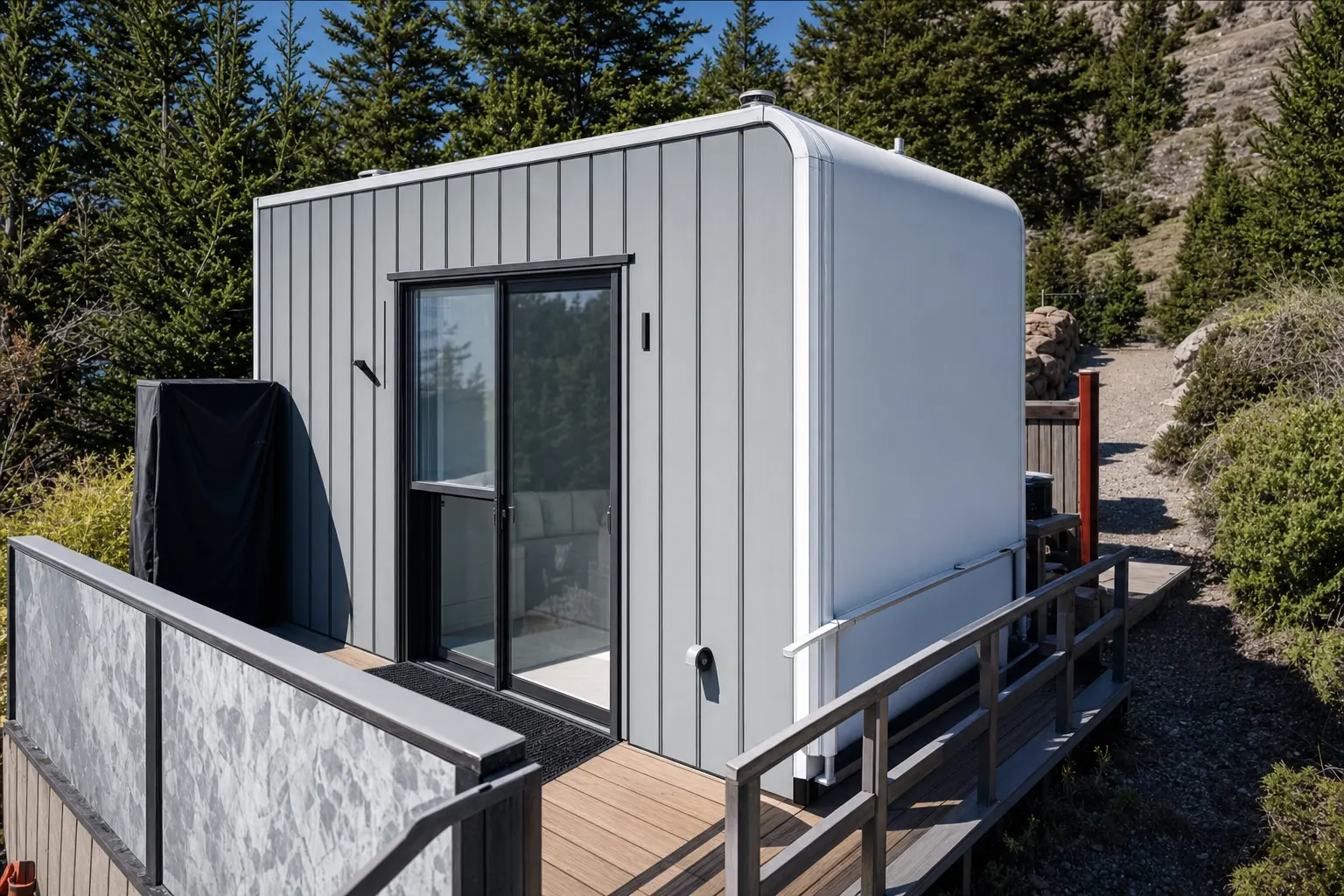
At Azure Printed Homes, we see many organizations looking for something beyond traditional rentals. Instead of searching for available housing every time a new project begins, we help create modular homes, ADUs, studios, and workforce communities that can support employees, contractors, and residents for years to come.
Airbnb serves a different purpose. It offers access to millions of individually managed properties and works particularly well for vacations, weekend trips, and flexible travel plans.
Comfort for Longer Stays
As temporary housing becomes long-term housing, comfort starts to matter much more. Corporate housing is usually designed around everyday routines instead of short visits. Residents often have everything they need to cook, work, relax, and live comfortably without constantly adapting to the space.
Many corporate housing options include:
- Fully equipped kitchens
- Laundry facilities
- Furnished living and dining areas
- Reliable internet
- Practical storage for everyday belongings
We approach every Azure home with those same priorities. Rather than creating spaces that feel temporary, we manufacture homes with electrical, plumbing, insulation, and interior finishes already integrated into the design. Our goal is to create a space that feels complete from the day it is installed.
Airbnb properties may offer similar features, but the overall experience depends on the individual listing and the host managing it.
Flexibility and Booking
Flexibility means different things depending on the length of the stay. Airbnb makes it easy to search for available properties, compare prices, and book quickly. That convenience makes it attractive for short trips, changing travel plans, and locations where flexibility is the highest priority.
Corporate housing often requires more planning before move-in, but that planning usually results in greater stability throughout the stay. For businesses managing employee accommodations, knowing housing is arranged well in advance can simplify logistics.
We often work with organizations that are thinking beyond a single reservation. Rather than asking where employees will stay on the next project, they are looking for housing that can continue supporting future projects as well. Modular construction makes that possible by creating housing that remains available whenever it is needed.
Cost Over Time
Comparing accommodation costs requires looking beyond the advertised nightly rate. Airbnb pricing may change depending on seasonal demand, cleaning fees, service charges, and local availability. While the initial price can look attractive, the final cost may be considerably different.
Corporate housing often combines utilities, internet, furnishings, and other living expenses into one monthly payment, making it easier to estimate the total cost of an extended stay.
When comparing the overall value of each option, it helps to consider:
- Length of the stay
- Utilities and internet
- Cleaning and service fees
- Furnishings and household essentials
- Transportation and commuting costs
- Whether the housing will be used once or repeatedly
Our modular home can continue serving workforce housing, relocation projects, or temporary communities for years, creating long-term value instead of solving only one short-term housing need.
Consistency and Reliability
For extended stays, consistency often becomes just as important as location. Corporate housing generally provides a more standardized living experience. Furnishings, maintenance, and support are often managed using established processes, giving residents greater confidence about what to expect.
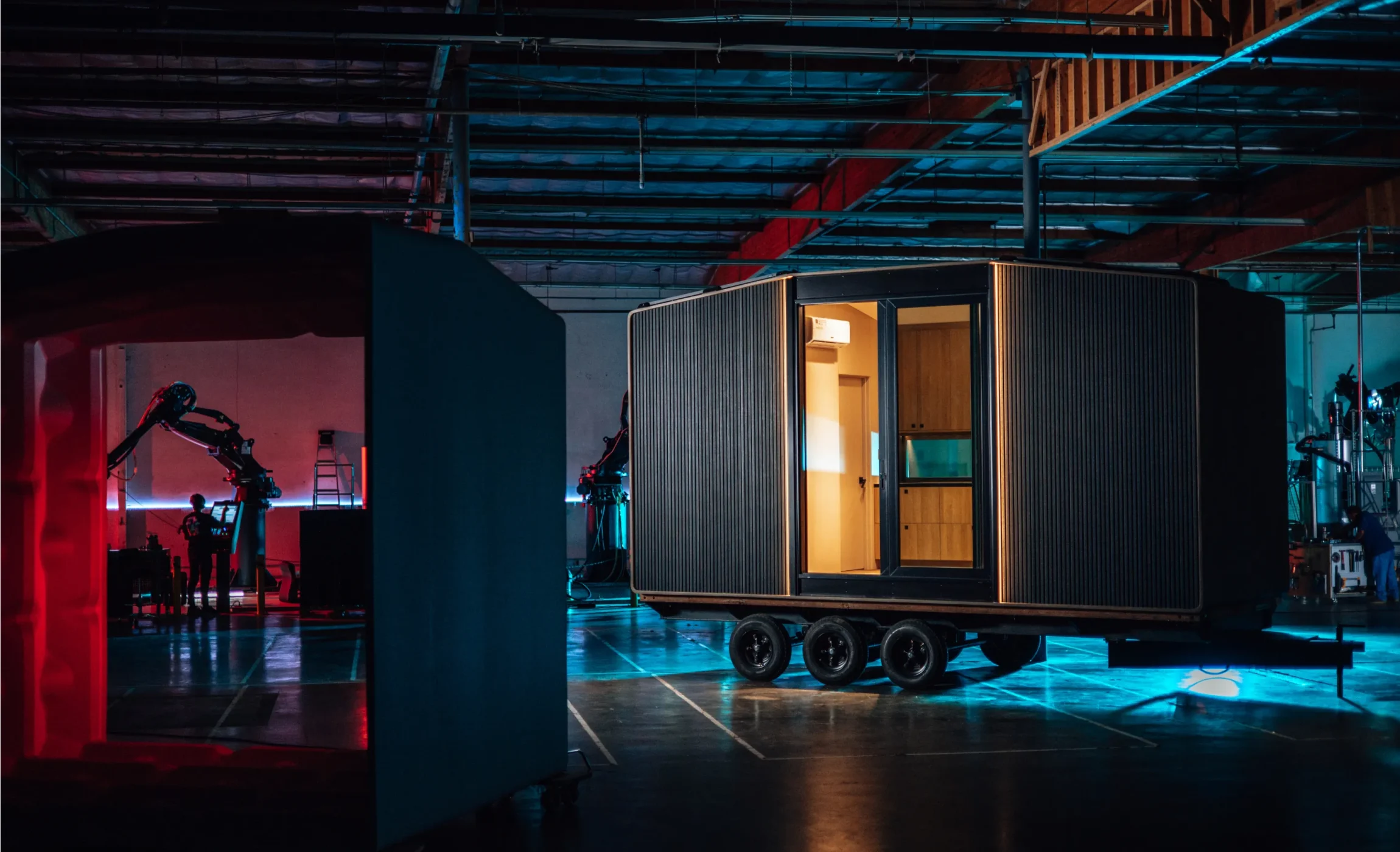
Consistency is one of the reasons we manufacture every Azure home in a controlled factory environment before delivery. That process allows us to build homes using repeatable methods, helping organizations create workforce housing, employee accommodations, and residential communities where every unit is designed to meet the same expectations.
Airbnb listings vary because every property is managed independently. Many hosts provide excellent accommodations, but the level of maintenance, amenities, and communication naturally differs from one listing to another.
Sustainability
Environmental impact is becoming an increasingly important part of housing decisions.
Existing homes and furnished rentals can reduce the need for new construction, while newly developed housing can improve sustainability through more efficient building methods and materials.
We have made sustainability part of the way we build from the very beginning. Many of our homes are robotically printed using recycled materials, and our manufacturing process helps reduce construction waste while maintaining precision throughout production. For organizations planning new housing, that means sustainability becomes part of the project itself rather than an afterthought.
When evaluating housing for long-term use, it is worth considering:
- How the home is built
- The materials used during construction
- Energy efficiency
- Long-term durability
- The environmental impact of the construction process
These factors often have a much greater impact over the lifetime of the housing than the initial purchase or rental decision alone.
Strengths and Limitations of Each Option
Before choosing between corporate housing and Airbnb, it helps to look at both options side by side. Each can work well in the right situation, but the best fit depends on the length of stay, level of comfort needed, budget expectations, and how much consistency matters.
Pros and Cons of Corporate Housing
Like any housing option, corporate housing offers advantages as well as limitations. Understanding both sides helps determine whether it matches your particular situation.
Pros:
- Designed specifically for extended stays
- Comfortable residential layouts
- Fully furnished living spaces
- Full kitchens and laundry facilities
- Predictable monthly costs in many cases
- Suitable for employee relocation and workforce housing
- Consistent living environment
- Practical for families and professionals
Cons:
- May not be ideal for very short trips
- Availability depends on the local market
- Fewer unique property styles than vacation rentals
- Longer booking periods are often preferred
Pros and Cons of Airbnb
Airbnb has transformed short-term travel by offering millions of accommodation choices, but it serves different priorities than corporate housing.
Pros:
- Large variety of properties
- Flexible booking options
- Suitable for short vacations and weekend trips
- Wide range of locations
- Opportunity to stay in unique homes
- Monthly stay discounts may be available
Cons:
- Property quality varies by host
- Additional cleaning and service fees may apply
- Amenities differ between listings
- Workspace quality is inconsistent
- Long-term comfort depends on the individual property
Choosing Between Corporate Housing and Airbnb
The right accommodation depends less on the platform itself and more on how the space will actually be used. Thinking about daily routines, project timelines, and long-term comfort usually leads to a better decision than comparing prices alone.
| If your priority is… | Corporate Housing | Airbnb |
| Several months away from home | Better fit because it is designed for extended daily living | Possible, but comfort and amenities depend on the listing |
| Weekend getaway | Usually more than you need for a short trip | Better fit for short, flexible stays |
| Employee relocation | Strong fit because it offers stability, privacy, and a home-like setup | Can work for short relocation periods if the listing is reliable |
| Workforce housing | Strong fit for teams, crews, and longer assignments | Limited fit because quality, availability, and support vary |
| Vacation travel | Possible, but not usually the main purpose | Strong fit because of variety, location choice, and unique properties |
| Predictable residential living | Strong fit because standards, amenities, and costs are often more consistent | Less predictable because each property is host-managed |
| Maximum location variety | Available in many markets, but inventory may be more limited | Strong fit because of broad listing variety |
| Flexible booking | Usually requires more planning and may favor longer stays | Strong fit for changing dates, short stays, and quick bookings |
Issues to Consider Before Making a Decision
Before choosing between corporate housing and Airbnb, look beyond the listing itself. A place can look good online but still fall short if it does not support the way someone needs to live day after day.
Think through the practical details:
- How long will the stay last, and could the timeline change?
- Will the resident need reliable WiFi and a comfortable workspace?
- Is the kitchen suitable for everyday meals, not just quick snacks?
- Are laundry, storage, parking, and privacy important?
- Will one person stay there, or does the space need to support a family or team?
- Is predictable monthly budgeting more important than the lowest advertised rate?
- Would a purpose-built modular housing solution make more sense for a larger workforce or repeated long-term housing needs?
For shorter trips, flexibility may matter most. For extended stays, comfort, consistency, and total cost usually become more important. Answering these questions makes it easier to choose the option that fits the actual stay, not just the first impression.
Final Thoughts
Corporate housing and Airbnb each serve different needs, and neither is universally better than the other.
Airbnb offers flexibility, unique properties, and convenient booking for travelers, while corporate housing provides greater stability, comfort, and functionality during extended stays. For longer-term or repeated housing needs, we see modular construction as another practical path. At Azure Printed Homes, we create homes, ADUs, studios, and homes on wheels that can support workforce housing, relocation, temporary living, and larger residential projects.
The best choice depends on the purpose of the stay, the daily living requirements, and whether the need is short-term, recurring, or part of a bigger housing plan.