The terms public housing and affordable housing are often used interchangeably, but they describe two different approaches to making housing more accessible. While both aim to help people find safe, stable places to live, they differ in ownership, funding, eligibility, and the way housing is developed and managed.
Understanding these differences is valuable whether you’re looking for housing, planning a residential development, or working on community housing initiatives. It also highlights that improving housing affordability is about more than assistance programs alone. Expanding housing choices and increasing the supply of quality homes are equally important parts of the solution.
At Azure Printed Homes, we work with developers, municipalities, nonprofits, and private property owners to create modular housing solutions for a wide range of residential projects. From studios and ADUs to larger residential homes, we see firsthand how different housing types can help communities respond to changing housing needs.
What Public Housing Means
Public housing consists of residential properties that are owned and managed by local public housing authorities with support from federal housing programs. Its primary purpose is to provide affordable homes for households with very low incomes, including families, seniors, and people with disabilities who meet program eligibility requirements.
Unlike traditional rental housing, public housing is publicly owned. Residents generally pay rent based on their household income according to established program guidelines, helping ensure housing remains within reach for eligible households.
Public housing has played an important role in providing long-term housing stability for decades. It continues to serve communities across the country by offering homes to residents who may otherwise struggle to secure safe, affordable housing.
Public housing remains an essential part of the housing system, but it is only one approach to expanding access to housing. As communities continue looking for ways to address housing shortages, innovative construction methods are creating new opportunities to build high-quality homes more efficiently. At Azure Printed Homes, we support this effort by designing and manufacturing modular studios, ADUs, homes on wheels, and larger residential homes for a wide range of residential projects.
How Affordable Housing Differs
Affordable housing is a broader concept than public housing. Rather than describing who owns a property, it refers to housing that is reasonably priced relative to household income.
A commonly accepted guideline is that housing should cost no more than 30% of a household’s gross income. When housing costs exceed that level, families may have less money available for essentials such as food, transportation, healthcare, and education.
Affordable housing can be developed by:
- Private developers
- Nonprofit organizations
- Public-private partnerships
- Local housing organizations
Many affordable housing developments receive financial support through tax credits, grants, local incentives, or other financing programs that help keep housing costs accessible.
Affordable housing is not limited to one building type. It may include apartment communities, townhomes, duplexes, modular homes, ADUs, and single-family residences. At Azure Printed Homes, we design and manufacture studios, ADUs, homes on wheels, and larger residential homes because different communities require different housing solutions. Expanding the variety of available home types creates more opportunities for homeowners, developers, nonprofits, and local governments to meet growing housing demand.
Public Housing vs Affordable Housing: Side-by-Side Comparison
Public housing and affordable housing both help people access stable homes, but they are structured differently. The biggest differences come down to ownership, funding, eligibility, management, rent structure, and housing type.
Ownership
Public housing is usually owned by a local public housing authority. These properties are part of the public housing system and are managed for eligible households.
Affordable housing is often owned by private developers, nonprofit organizations, or public-private partnerships. It may receive public support, but the property itself is not necessarily government-owned.
Funding
Public housing is funded through public housing programs. These funds help support operations, maintenance, and rent affordability for residents.
Affordable housing may be supported through tax credits, grants, local incentives, private investment, nonprofit funding, or other financing tools. This allows communities to create affordable homes without relying only on government-owned properties.
Purpose
Public housing primarily serves very low-income households, including families, seniors, and people with disabilities who meet program requirements. Affordable housing may serve low- and moderate-income households depending on the specific program. This can include working families and individuals who earn income but still struggle to afford market-rate housing.
Management
Public housing is managed by public housing authorities. Affordable housing is usually managed by the property owner, a management company, or a nonprofit housing operator. Program rules may still apply, especially when public funding or affordability requirements are involved.
Rent and Affordability
In public housing, rent follows public housing program rules and is often based on household income. In affordable housing, rent or housing costs are designed to remain affordable relative to household income. A common benchmark is that households should not spend more than 30% of income on housing.
Housing Types
Public housing typically refers to government-owned residential properties. Affordable housing can take many forms, including apartments, townhomes, duplexes, modular homes, ADUs, studios, and other residential formats. At Azure Printed Homes, we build studios, ADUs, homes on wheels, and larger residential homes because affordability can be supported through many different housing types, not just one model.
Although these systems operate differently, both can help expand access to housing and may complement each other within the same community.
Common Housing Types Used in Affordable Housing Projects
Affordable housing is often associated with apartment buildings, but in reality, it includes a wide variety of housing types. The right solution depends on factors such as available land, local zoning, project goals, population needs, and budget.
Communities that offer a mix of housing options are often better positioned to meet the needs of families, seniors, working professionals, and individuals looking for smaller or more flexible living spaces.
Apartment Communities
Apartment developments remain one of the most common forms of affordable housing, particularly in urban and suburban areas where land is limited. Multifamily buildings can provide a large number of homes within a relatively small footprint, making them well suited for higher-density residential projects.
Many affordable apartment communities include a combination of market-rate and income-restricted units, helping create mixed-income neighborhoods that offer greater housing choice while supporting long-term community growth.
Accessory Dwelling Units (ADUs)
ADUs have become an important part of many housing strategies. Built on the same property as an existing home, they create additional living space without requiring new subdivisions or large-scale residential developments.
An ADU may serve as:
- Long-term rental housing.
- Housing for family members.
- Independent living space for older adults.
- A home for caregivers.
- Flexible residential space that adapts to changing household needs.
At Azure Printed Homes, ADUs are one of our core product categories. We offer a range of layouts that can support both private residential projects and larger community housing initiatives where compact, permanent homes are needed.
Studios
Studio homes provide another flexible housing option, particularly where smaller living spaces make the most sense. Their compact footprint can help maximize available land while creating independent residences for individuals or couples.
Studios may be used for:
- Permanent housing.
- Transitional housing.
- Backyard living space.
- Guest accommodations.
- Independent residences within larger housing communities.
Our Studio Series includes compact modular designs that can be customized for different residential applications, giving property owners and organizations additional flexibility when planning new housing projects.
Homes on Wheels
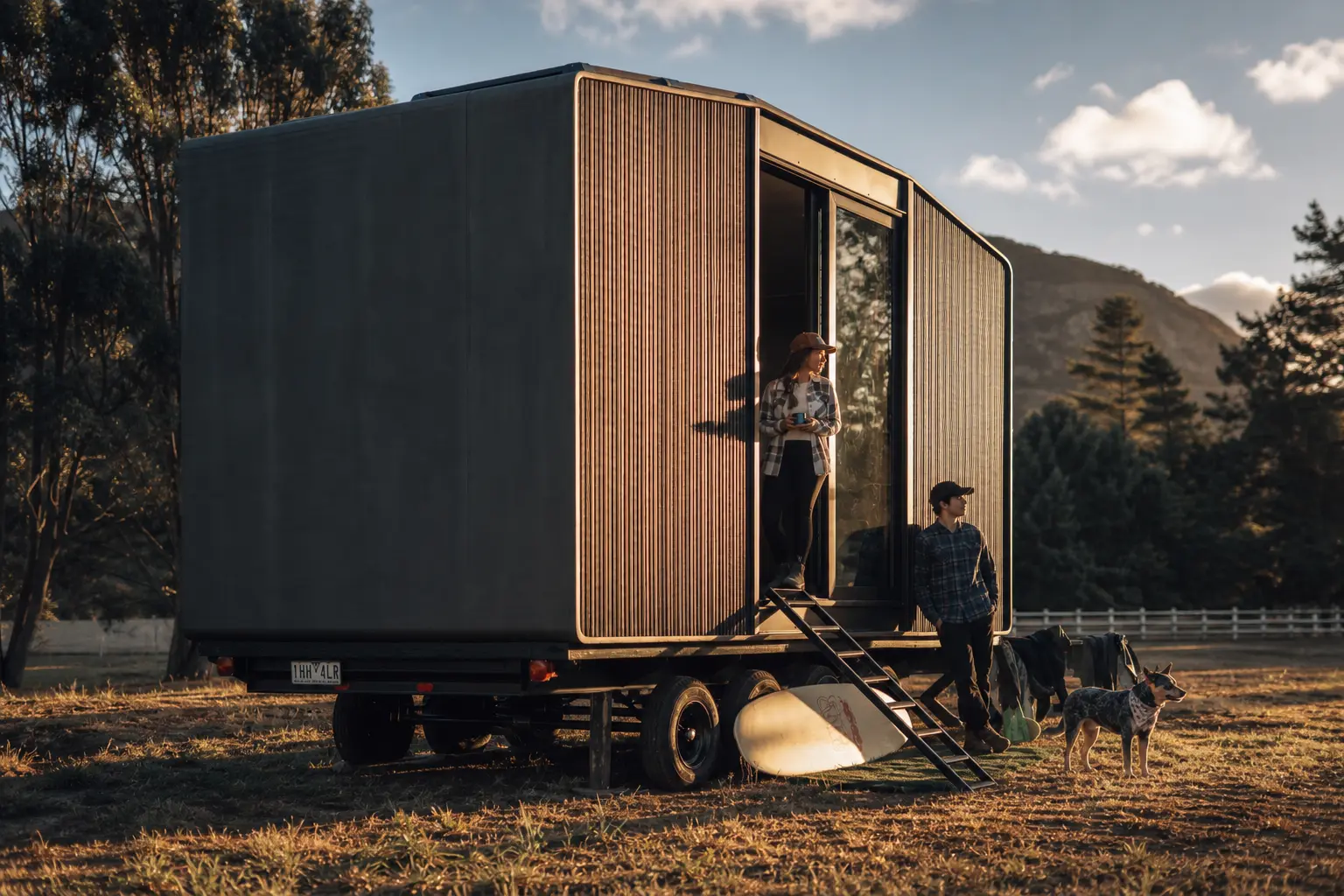
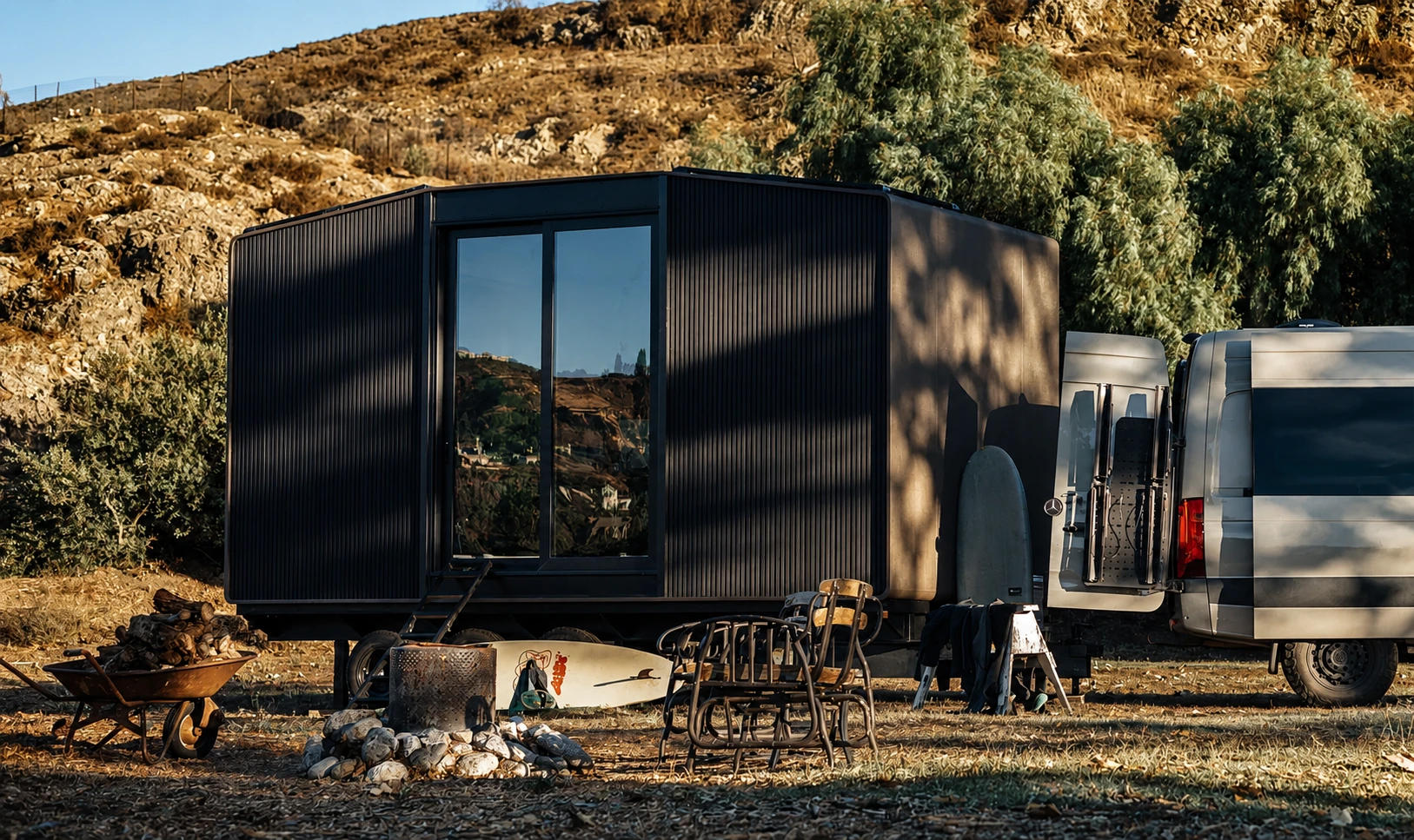
Some housing situations call for mobility as well as comfort. Homes on wheels can provide a practical solution for temporary housing, workforce accommodations, disaster response, hospitality, or locations where permanent foundations may not be the preferred option.
At Azure Printed Homes, our homes on wheels combine factory-built construction with modern residential features, providing flexible housing that can adapt to a variety of project requirements while maintaining the comfort of a permanent home.

Why Increasing Housing Supply Matters
Housing affordability is influenced by more than rental assistance or financing programs. It is closely tied to the overall supply of homes available within a community.
When the number of available homes cannot keep pace with demand, prices and rents tend to rise, making housing less accessible for households across many income levels. Expanding the housing supply helps create more opportunities for families, individuals, and communities while supporting long-term economic growth.
Increasing housing supply often requires multiple strategies working together, including:
- Building new residential communities.
- Encouraging infill development.
- Adding ADUs to existing properties.
- Redeveloping underused land.
- Using construction methods that improve project efficiency.
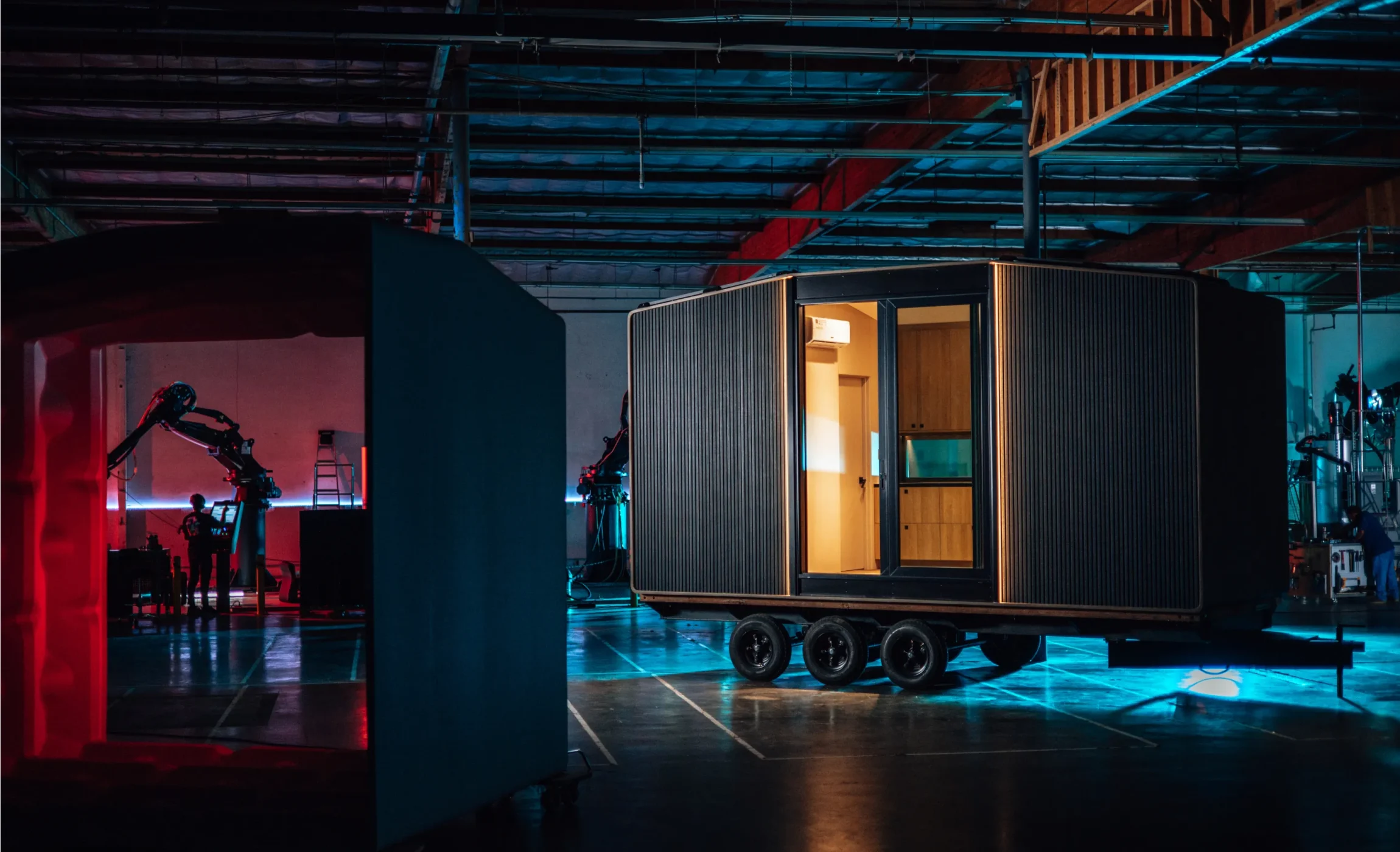
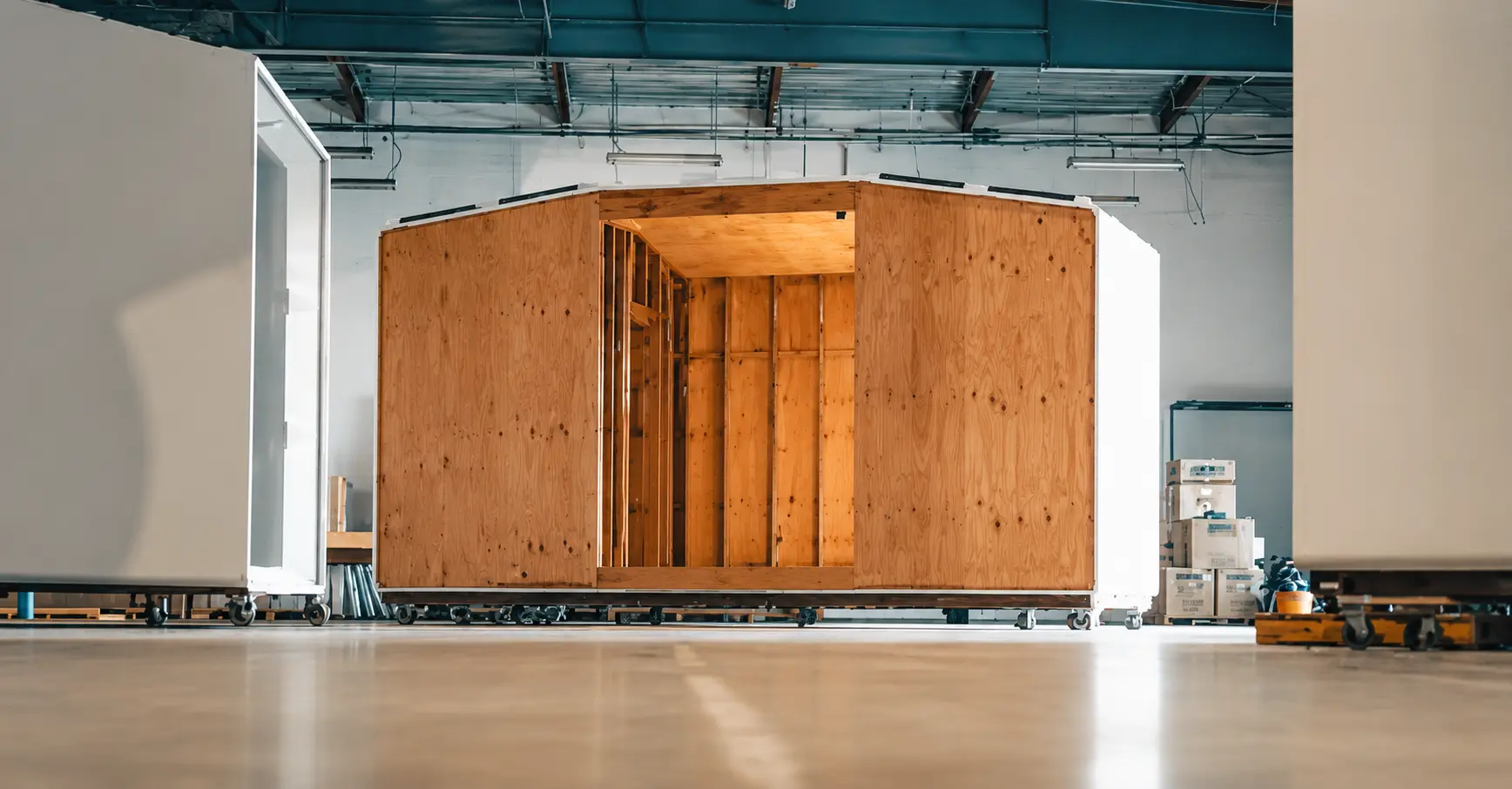
At Azure Printed Homes, we see modular construction as one of many tools that can help address these challenges. By combining robotic manufacturing, recycled materials, and customizable designs, we build studios, ADUs, homes on wheels, and larger residential homes that can support projects ranging from individual residences to larger housing developments.
Common Myths About Public and Affordable Housing
Misunderstandings around housing programs can make planning harder for communities and create unnecessary resistance to new projects. Public housing and affordable housing are often discussed in broad terms, but the details matter. When residents, developers, and public agencies understand how these housing models actually work, it becomes easier to make practical decisions about land use, funding, design, and long-term community needs.
Myth 1: Public Housing and Affordable Housing Are the Same
Although they share a common goal of improving housing access, they are different housing models. Public housing is generally owned and managed by public housing authorities. Affordable housing includes a much broader range of developments that may be owned by private companies, nonprofit organizations, or public-private partnerships while remaining affordable for eligible households.
Myth 2: Affordable Housing Only Means Apartment Buildings
Affordable housing can include many different residential formats. In addition to apartments, communities may use modular homes, ADUs, townhomes, duplexes, single-family homes, and mixed-income neighborhoods. At Azure Printed Homes, we build studios, ADUs, homes on wheels, and larger residential homes because expanding the range of available housing types helps communities respond to diverse housing needs.
Myth 3: Affordable Housing Lowers Nearby Property Values
This is one of the most common misconceptions. Well-designed affordable housing developments are often integrated into existing neighborhoods and built to the same quality standards as surrounding homes. Many modern developments focus on creating attractive, mixed-income communities that complement the surrounding area rather than separating affordable housing from the rest of the neighborhood.
Myth 4: Government Agencies Are the Only Organizations Building Affordable Housing
Many affordable housing projects are developed through partnerships involving private developers, nonprofit organizations, municipalities, and other community stakeholders.
These collaborations allow communities to combine financing, land, planning, and construction expertise to expand housing opportunities in ways that would be difficult for any one organization to achieve alone.
Choosing the Right Housing Approach
Every community has different housing needs, so the best approach depends on the people being served, the land available, the project goals, and the funding behind it. Public housing, affordable housing, ADUs, modular homes, and mixed-income developments can all play a role, but they do not solve the same problem in the same way.
| Factor | Why It Matters |
| Population served | Seniors, families, individuals, workers, and people transitioning out of homelessness may need different housing formats. |
| Available land | A small infill lot may work well for ADUs or studios, while a larger parcel may support a broader residential community. |
| Zoning and regulations | Local rules affect what can be built, where it can be placed, and how quickly a project can move forward. |
| Project size | A single backyard unit, a small group of homes, and a larger development each require a different planning approach. |
| Funding sources | Grants, tax credits, private investment, and public programs may influence design, timeline, and affordability requirements. |
| Community goals | Some projects focus on permanent housing, while others prioritize emergency shelter, transitional housing, or long-term neighborhood growth. |
Different housing formats meet different needs. At Azure Printed Homes, we approach housing as a set of tools, not one fixed product. A compact studio may work for a small infill site. An ADU may help add rental housing behind an existing home. A larger modular residence may make more sense for a permanent housing development. The right format depends on the site, the budget, and the people who will actually live there.
Final Thoughts
Public housing and affordable housing are closely related, but they are not the same. Public housing provides government-managed homes for eligible households, while affordable housing includes a much wider range of housing types and development models designed to keep housing costs within reach.
Addressing today’s housing challenges requires a combination of approaches. Public programs remain essential, but increasing the overall housing supply through thoughtful planning and innovative construction methods is equally important.
At Azure Printed Homes, we design and manufacture robotically printed studios, ADUs, homes on wheels, and larger modular homes that support a wide range of residential projects. Expanding the variety of available housing options gives communities greater flexibility to respond to changing housing needs.