Finding affordable housing can be confusing, especially when terms like “affordable housing,” “Section 8,” “public housing,” and “housing assistance” are often used interchangeably. In reality, they refer to different programs with different goals.
Understanding those differences is important whether you’re looking for a place to live, exploring housing development opportunities, or simply trying to learn how affordable housing works in the United States.
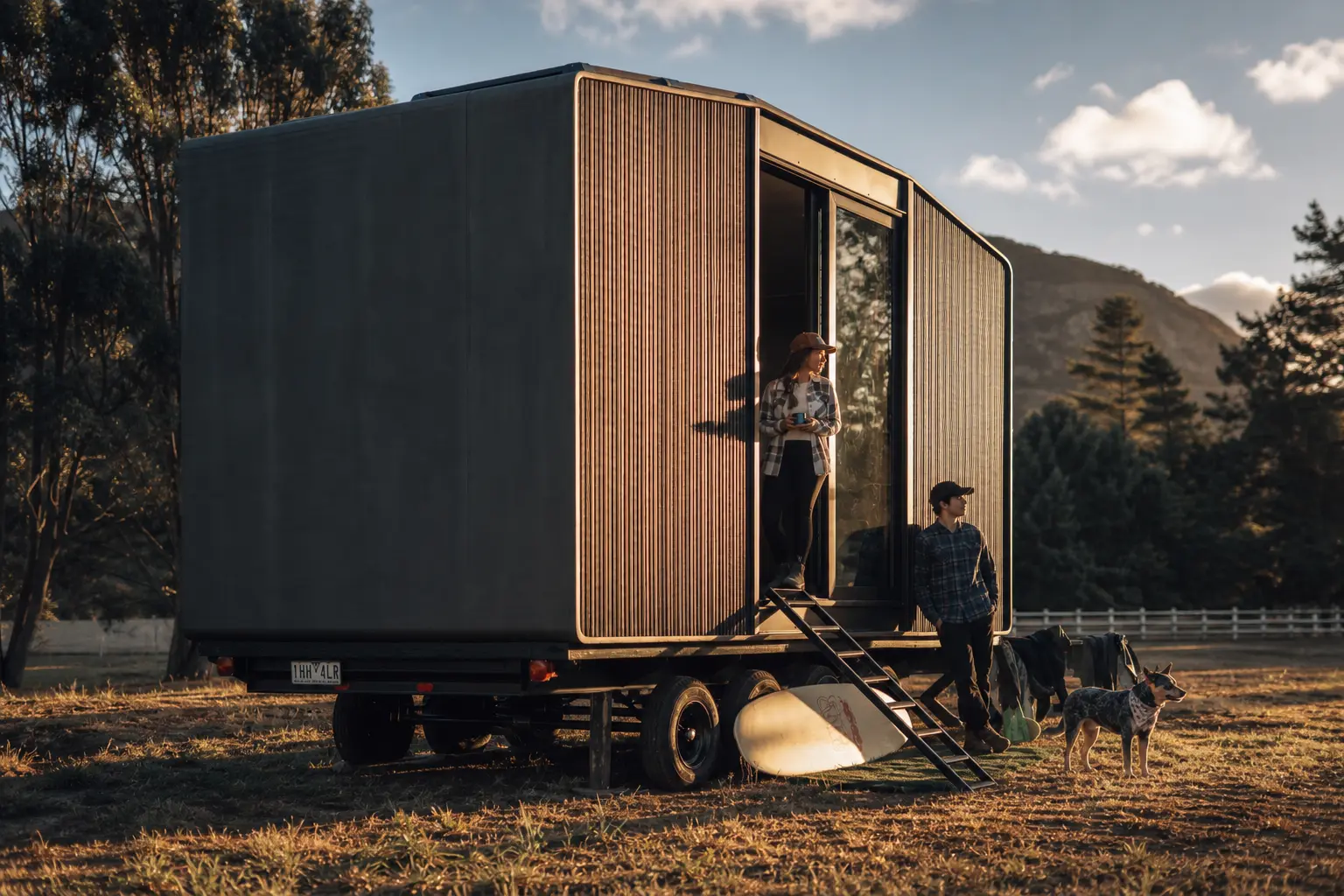
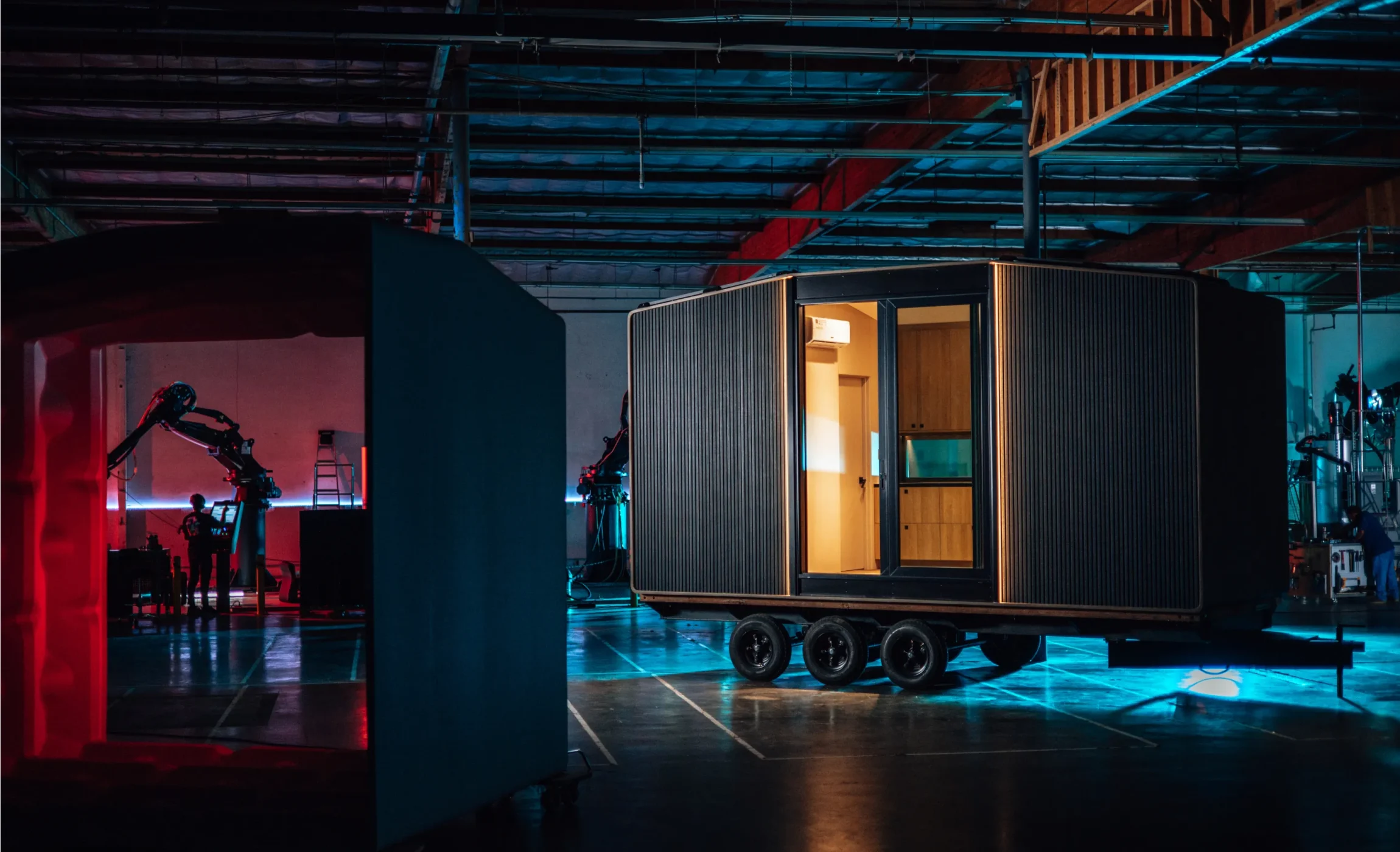
At Azure Printed Homes, we’re helping expand the housing supply through robotically printed homes made with recycled materials. Our approach combines efficient factory production with customizable designs for homeowners, developers, governments, and communities.
What Affordable Housing Actually Means
Affordable housing is a broad term for homes that people can reasonably afford based on their income. It is not one single program, building type, or ownership model. It can refer to rental housing, homes for purchase, ADUs, senior housing, workforce housing, modular communities, and other options designed around realistic monthly costs.
A common guideline is that housing should not take more than about 30% of a household’s gross monthly income. Once housing costs climb far beyond that, everyday expenses become harder to manage. Food, transportation, healthcare, school costs, and savings all get squeezed.
Affordable housing can include:
- Apartments
- Townhomes
- Single-family homes
- Accessory dwelling units
- Tiny homes
- Modular communities
- Senior housing
- Workforce housing
At Azure Printed Homes, we build robotically printed homes, ADUs, studios, and modular living spaces that can support a wider mix of housing needs. Our homes are created with recycled materials and efficient factory production, which helps shorten construction timelines and reduce waste. For affordable housing projects, that matters. More predictable building methods can help homeowners, developers, and public agencies move projects forward faster.
The important point is that affordable housing is about the cost of the home compared with the income of the people living there. It can be created by public agencies, private developers, nonprofit groups, or partnerships between several organizations. It may be supported by grants, zoning incentives, tax credits, local programs, or newer building methods that help lower construction timelines and project costs.
Understanding How Section 8 Works
Section 8 is different. It is a specific federal housing assistance program run through the U.S. Department of Housing and Urban Development and local Public Housing Authorities.
Instead of describing a type of home, Section 8 describes a form of rental support. The program helps eligible households pay rent by using housing vouchers. In many cases, the tenant chooses a qualifying rental home from a private landlord, and the voucher helps cover part of the monthly rent.
The process usually works like this:
- A household applies through a local Public Housing Authority.
- The authority reviews income, household size, and eligibility.
- If approved, the household may receive a housing voucher.
- The tenant looks for a rental property that accepts the voucher.
- A portion of the rent is paid directly to the property owner.
- The tenant pays the remaining amount based on household income.
This gives families more choice than being limited to one specific public housing property. Still, Section 8 depends on voucher availability, landlord participation, local rent limits, and open housing supply. That is why rental assistance can help many households, but it does not solve the shortage of available homes by itself.
The Difference Between Affordable Housing and Section 8
The easiest way to separate the two is to think about housing supply versus rental support. Affordable housing refers to homes priced for specific income levels. Section 8 is a voucher program that helps eligible renters pay for housing.
| Affordable Housing | Section 8 |
| Broad housing category | Specific federal assistance program |
| May be publicly or privately developed | Administered through HUD and local housing authorities |
| Can include rental and ownership opportunities | Primarily supports rental housing |
| The home itself is designed to be affordable | A voucher helps cover part of the rent |
| Available to different income groups depending on the project | Available only to households that meet eligibility requirements |
Both can play a role in making housing more accessible, but they solve different parts of the problem. Affordable housing adds or preserves lower-cost homes. Section 8 helps qualified households afford rent in approved housing.
Who Qualifies for Affordable Housing or Section 8
Eligibility depends on the program, the property, and the local housing market. There is no single rule that applies everywhere.
Affordable housing developments usually set income limits based on the area median income, often called AMI. A home or apartment may be reserved for households earning below a certain percentage of AMI. Some projects are designed for very low-income households, while others serve moderate-income workers, seniors, veterans, students, people with disabilities, or families with specific housing needs.
Section 8 has a more formal eligibility process. Local Public Housing Authorities review each application and decide whether a household qualifies based on several factors, including:
- Household income
- Family size
- Citizenship or eligible immigration status
- Local program rules
- Rental limits in the area
- Availability of vouchers
Even when someone qualifies, assistance is not always immediate. Demand is often much higher than available funding, so many communities have long waiting lists. Some waiting lists close for months or years when there are too many applicants.
That is one reason housing supply matters so much. Rental assistance can help people pay for housing, but communities still need enough homes available at the right price points. Affordable housing programs, ADUs, modular homes, and faster construction methods can all help create more options.
The Role of Factory-Built Homes in Affordable Housing
In many cases, yes. Factory-built housing is increasingly being considered for affordable housing projects because it offers predictable manufacturing, repeatable quality, and scalable production.
Depending on the project, factory-built homes may be used for:
- Permanent affordable housing
- Workforce housing
- Transitional housing
- Community redevelopment
- Housing for displaced residents
- Government-supported housing initiatives
Because homes are produced in a controlled factory environment, construction is less dependent on weather conditions, helping projects stay on schedule.
At Azure, we work with homeowners, developers, and government organizations to create housing solutions that range from compact backyard studios to larger homes and community-scale developments. Robotically printed construction and modular manufacturing allow us to build efficiently while using recycled materials and modern production methods.

Building Affordable Housing Today
Communities across the country continue searching for faster, more cost-effective ways to increase housing supply. Traditional construction remains an important part of the housing market, but it often faces challenges such as labor shortages, weather delays, and rising material costs. As demand continues to grow, many developers and public agencies are looking at additional construction methods that can deliver homes more efficiently.
Factory-built housing is one of those approaches. By completing much of the construction in a controlled manufacturing environment, projects can benefit from greater consistency, predictable production schedules, and less time spent building on site. Today, affordable housing can take many forms, depending on the needs of the community.
Accessory Dwelling Units (ADUs)
ADUs are smaller homes built on the same property as an existing residence. They have become an increasingly popular way to add housing without developing entirely new neighborhoods.
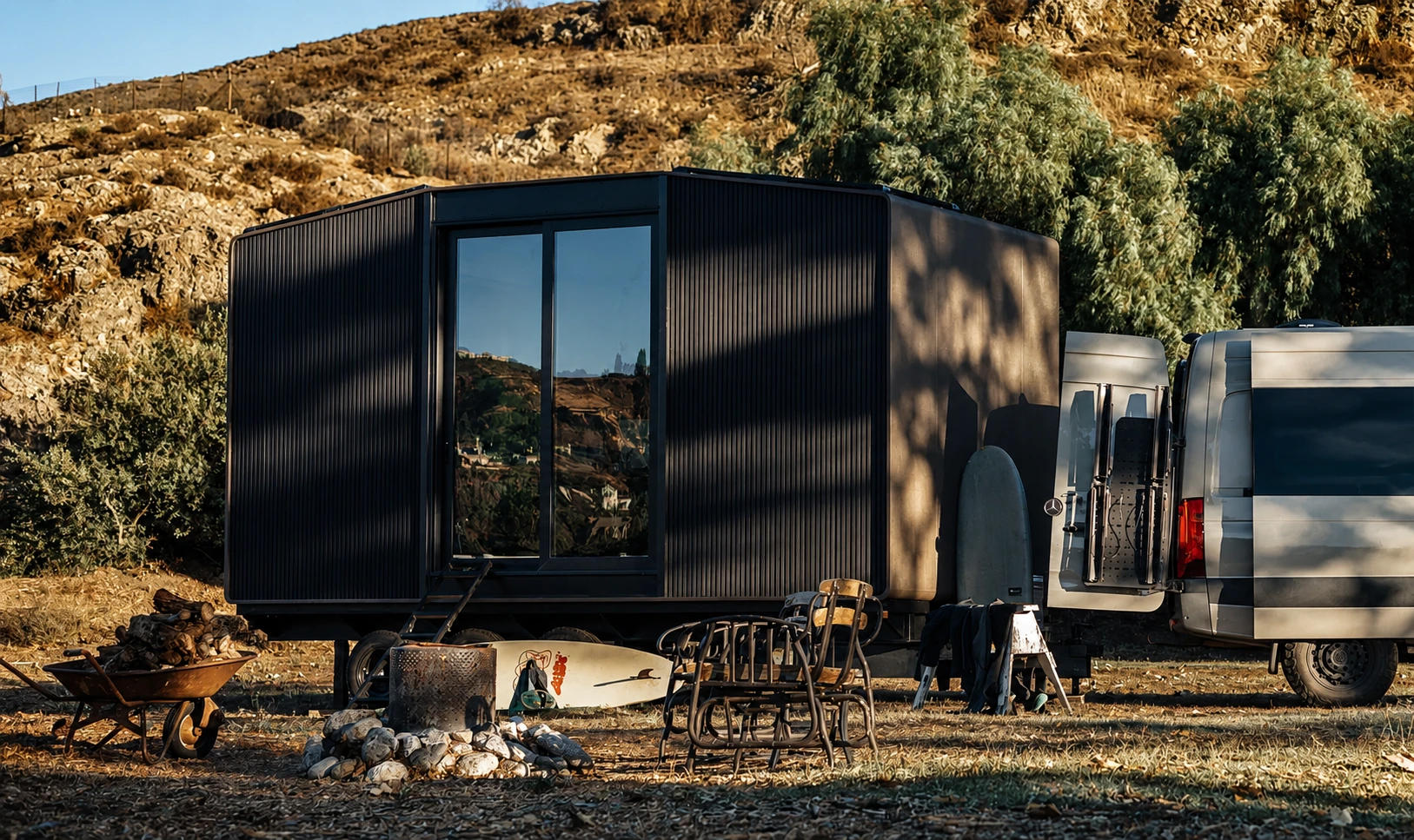
An ADU may be used as long-term rental housing, housing for family members, guest accommodations, caregiver housing, and independent living for aging parents. At Azure Printed Homes, our ADUs are robotically printed and factory finished before delivery, helping homeowners and developers add living space with a streamlined construction process.
Tiny Homes and Backyard Studios
Tiny homes and backyard studios provide another option for expanding housing in a compact footprint. They require less space than traditional homes while offering flexible uses for homeowners, businesses, and communities.
These smaller units can serve as starter homes, rental units, home offices, creative studios, temporary housing, and guest accommodations. Our Studio Series includes compact models designed for a variety of residential and commercial uses, with customizable layouts and factory-installed finishes.
Workforce and Community Housing
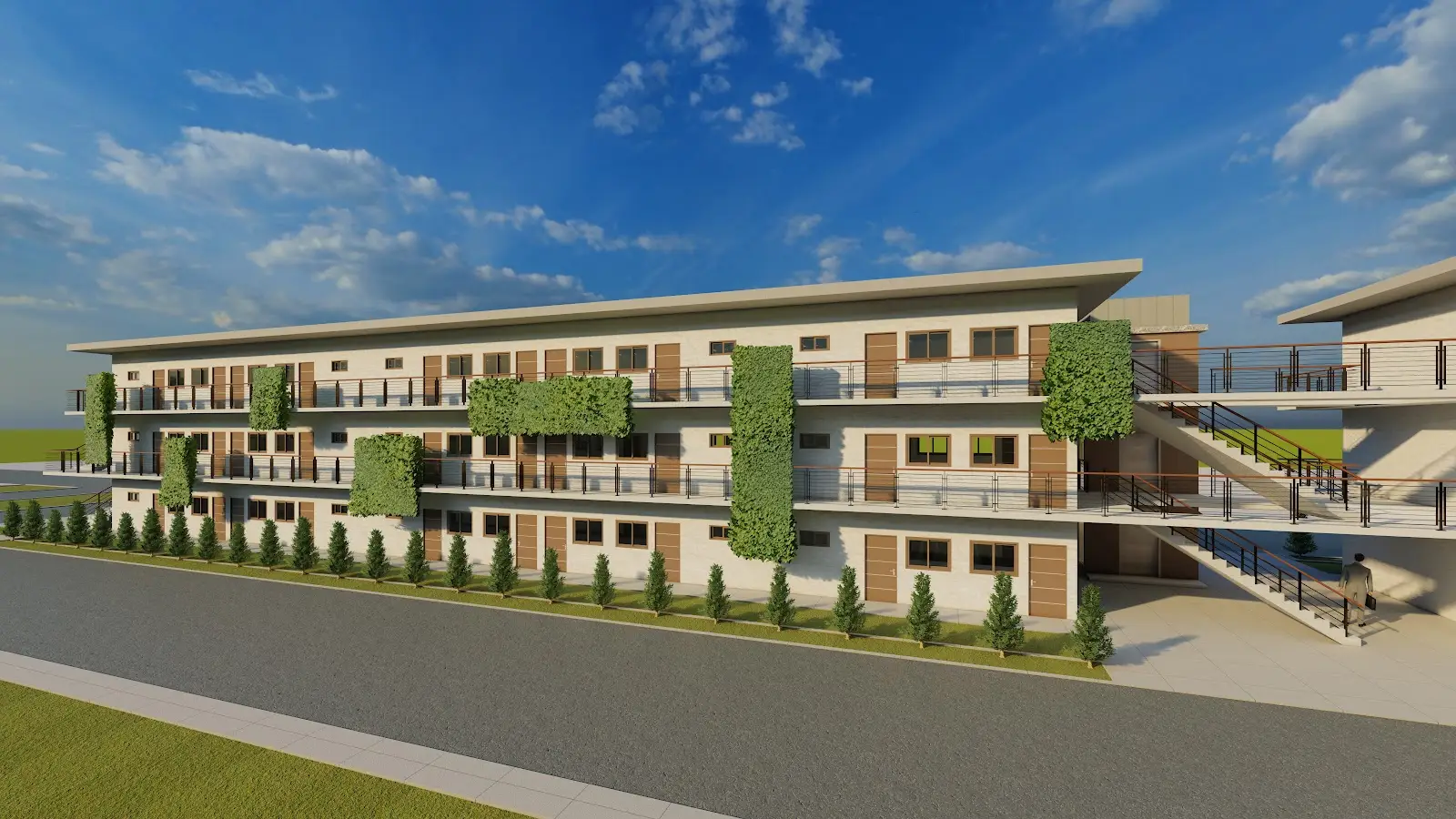
Larger housing challenges often require more than individual homes. Workforce housing, multifamily developments, and planned residential communities help create housing at a greater scale while supporting local employers and growing populations.
Factory-built construction can make these projects more predictable by allowing multiple homes or modules to be produced simultaneously. For larger developments, this approach can reduce construction timelines while maintaining consistent quality across every unit.
Rather than relying on a single housing type, many communities combine modular homes, ADUs, tiny homes, workforce housing, and multifamily developments to create a broader mix of housing options. As demand continues to grow, this flexibility allows projects to better match local needs while increasing the overall housing supply.
Choosing the Right Housing Solution
There is no single answer to the housing affordability challenge. Different approaches solve different problems, and in many communities, several solutions work together to increase access to housing.
When evaluating housing options, consider:
- Target residents: Families, seniors, students, veterans, workers, and individuals with special housing needs may all benefit from different types of housing.
- Available financial assistance: Rental assistance programs and income-restricted housing can improve affordability for eligible households.
- Construction timeline: Faster building methods can help communities respond more quickly to housing demand.
- Project scale: Individual ADUs, modular neighborhoods, multifamily developments, and larger residential communities each address housing shortages in different ways.
- Property type and location: Apartments, single-family homes, modular homes, tiny homes, and ADUs should match the available land, local regulations, and intended use.
As housing needs continue to evolve, expanding the housing supply will require a combination of public programs, private development, and innovative construction methods that create more homes for a wider range of households.
Final Thoughts
Affordable housing and Section 8 serve related but different purposes. Affordable housing refers to homes that are reasonably priced for the people who live in them, while Section 8 is a federal program that helps eligible households pay rent.
Meeting today’s housing demand requires more than financial assistance alone. It also depends on building more homes, shortening construction timelines, and creating housing options that fit different communities and budgets.
At Azure, we’re helping move that effort forward with robotically printed homes, efficient factory production, and flexible housing solutions designed for homeowners, developers, and public sector projects alike.