Finding emergency housing in Michigan can feel stressful, especially when time is short. A person may be facing eviction, sleeping somewhere unsafe, leaving a difficult situation, or trying to help a family member find shelter fast. The first goal is simple: get connected to local help as quickly as possible.
In Michigan, emergency housing help may include shelters, short-term housing programs, rental assistance, utility support, relocation help, or referrals through local agencies. At the same time, many communities are also looking beyond traditional housing systems and exploring faster, more flexible ways to create safe places to live.
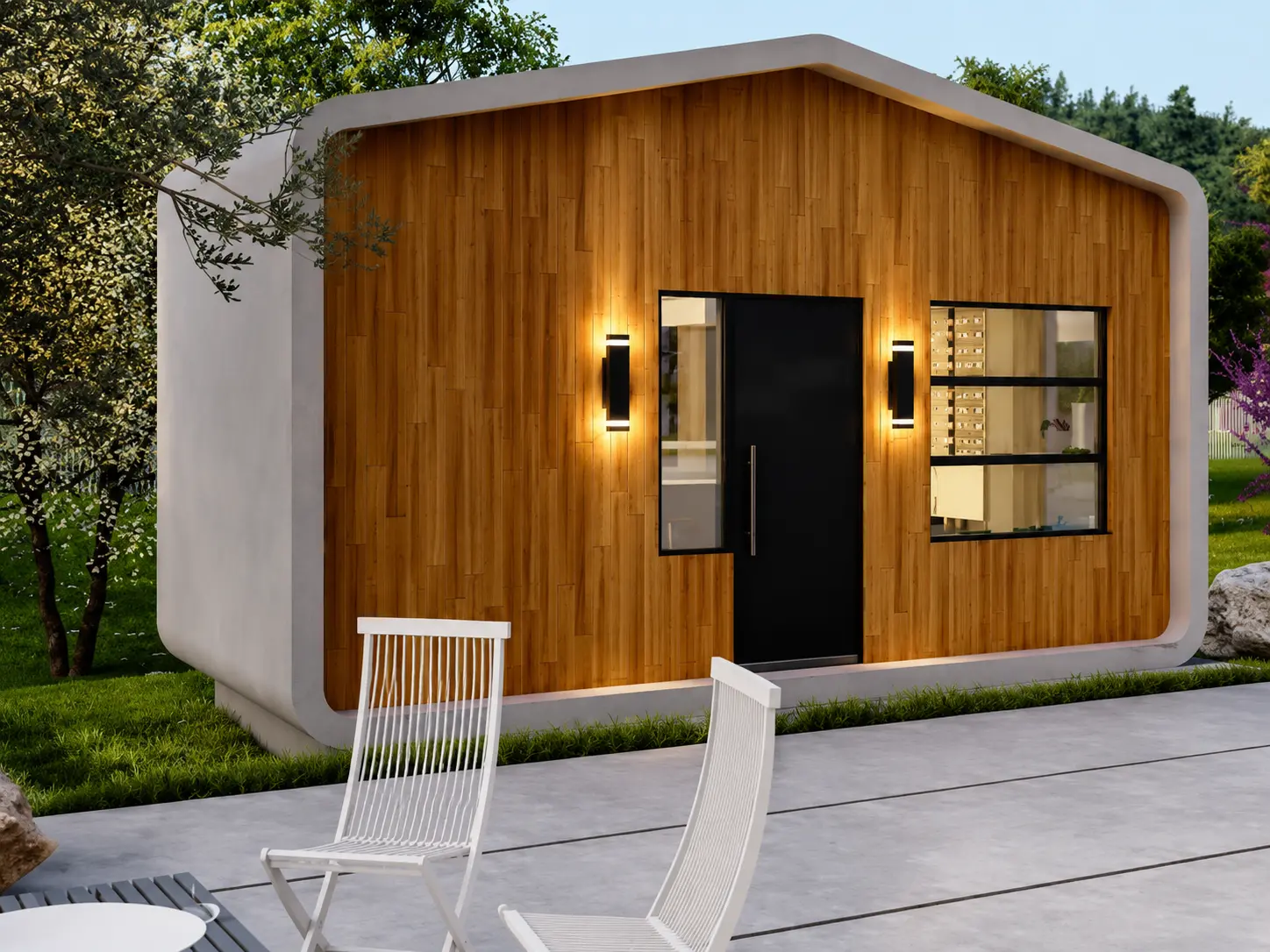
Modular construction can help fill that gap. At Azure Printed Homes, we build future-focused living spaces with robotic 3D printing, recycled materials, and efficient layouts. Emergency housing usually starts with urgent support, but lasting solutions also need faster ways to create safe, practical places to live.
Emergency Housing Options in Michigan
Emergency housing is not one single program. The right option depends on the situation, location, household size, income, and how urgent the need is.
211 Housing Referrals
For many Michigan residents, 211 is the first place to start. Michigan 211 connects people with local housing resources, shelter referrals, rental help, food support, utility assistance, and other community services.
Through 211, households may be able to ask about:
- Emergency shelter openings
- Rental assistance
- Utility assistance
- Food and basic needs
- Local housing agencies
- Support for families, veterans, seniors, or people with disabilities
Anyone who needs help can call 211, send a text, or search online for services nearby. This is useful because emergency housing programs are usually local. A shelter or rental assistance program in Detroit may have different rules or availability than one in Grand Rapids, Lansing, Flint, Ann Arbor, Kalamazoo, or a rural county.
Emergency Shelters
Emergency shelters provide short-term safety for people who do not have a safe place to stay. Some shelters serve individuals, while others focus on families, youth, veterans, or people leaving unsafe home situations.
Shelter availability can change quickly. It may be necessary to contact several shelters, call 211, or speak with a local housing agency before finding an available opening.
Housing Assessment and Resource Agencies
Michigan uses Housing Assessment and Resource Agencies, often called HARAs, to support people who are homeless or at risk of homelessness. These agencies help with intake, housing assessment, shelter diversion, and rapid re-housing connections.
Depending on the situation, a HARA may help connect someone with:
- Emergency shelter
- Rental assistance
- Case management
- Help avoiding homelessness
- Referrals to other housing programs
- Longer-term housing support
State Emergency Relief
Michigan’s State Emergency Relief program may help with urgent needs such as relocation, utility bills, home repairs, or other housing-related emergencies. It is not the same as a shelter, but it may help keep a housing crisis from becoming worse.
If eviction or a utility shutoff is approaching, applying early can improve the chances of receiving assistance.
Rental Assistance and Eviction Prevention
Some households do not need shelter yet. They need help staying where they are. Eviction prevention may include rental assistance, payment support, mediation, legal referrals, or help with deposits and moving costs.
When rent is overdue or an eviction notice has arrived, it is better to ask for help right away. Waiting until the court process is further along can limit the available options.
Transitional and Supportive Housing
Some people need more than a temporary shelter bed. Transitional housing and supportive housing programs may help households move toward stability with case management, services, and longer-term planning.
These programs may be especially important for families recovering from homelessness, people with disabilities, older adults, or anyone rebuilding after a major life disruption.
Modular Housing and Printed Model Construction
Traditional emergency housing systems are important, but they are often stretched. Shelters fill up. Rental markets can be expensive. New construction can take a long time.
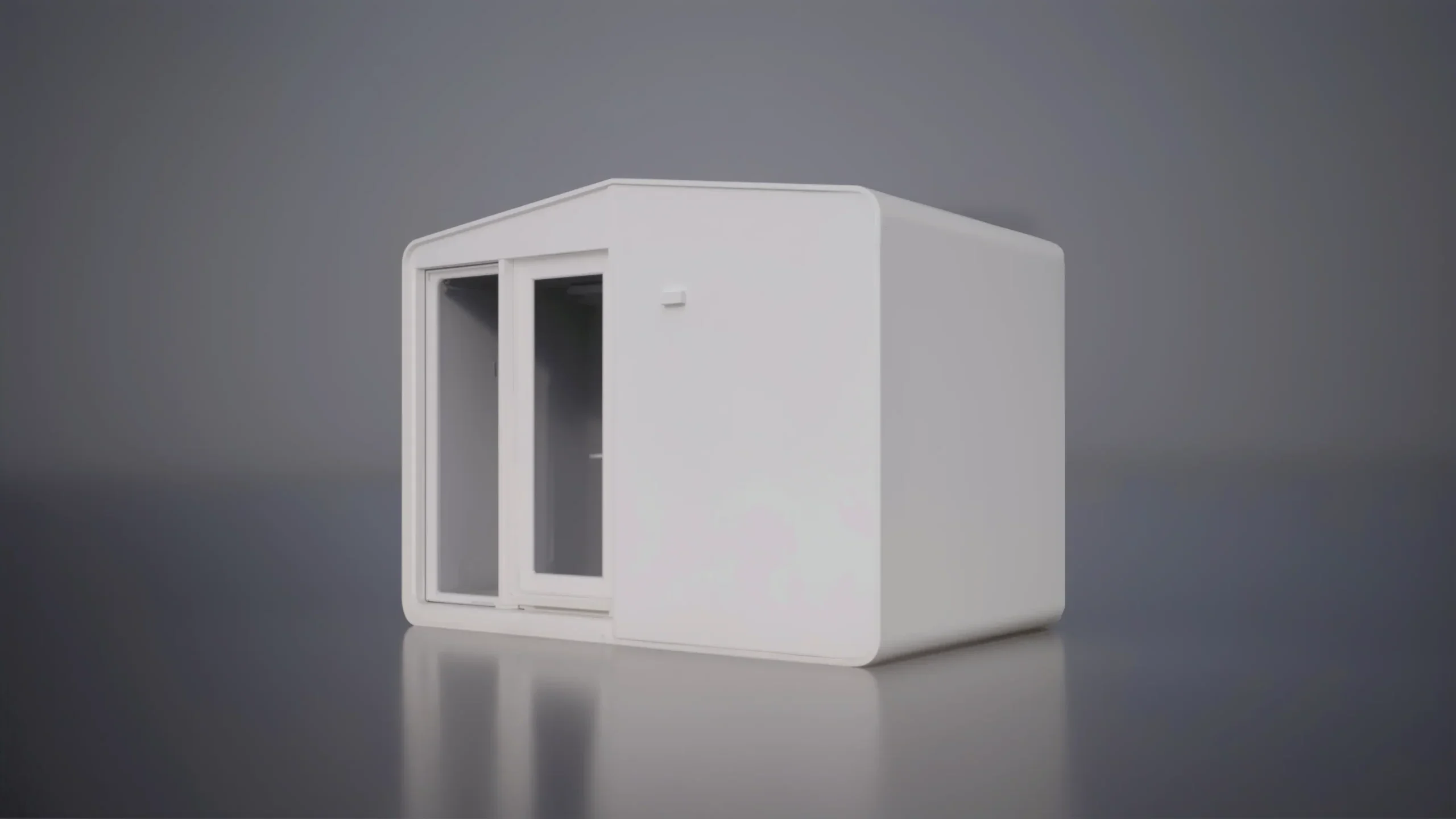
Modular housing offers another path. Instead of building everything from the ground up on-site, modular units can be produced in a more controlled process and delivered to where they are needed. This can help communities, organizations, developers, and property owners think differently about emergency housing, workforce housing, supportive housing, and small-footprint living.
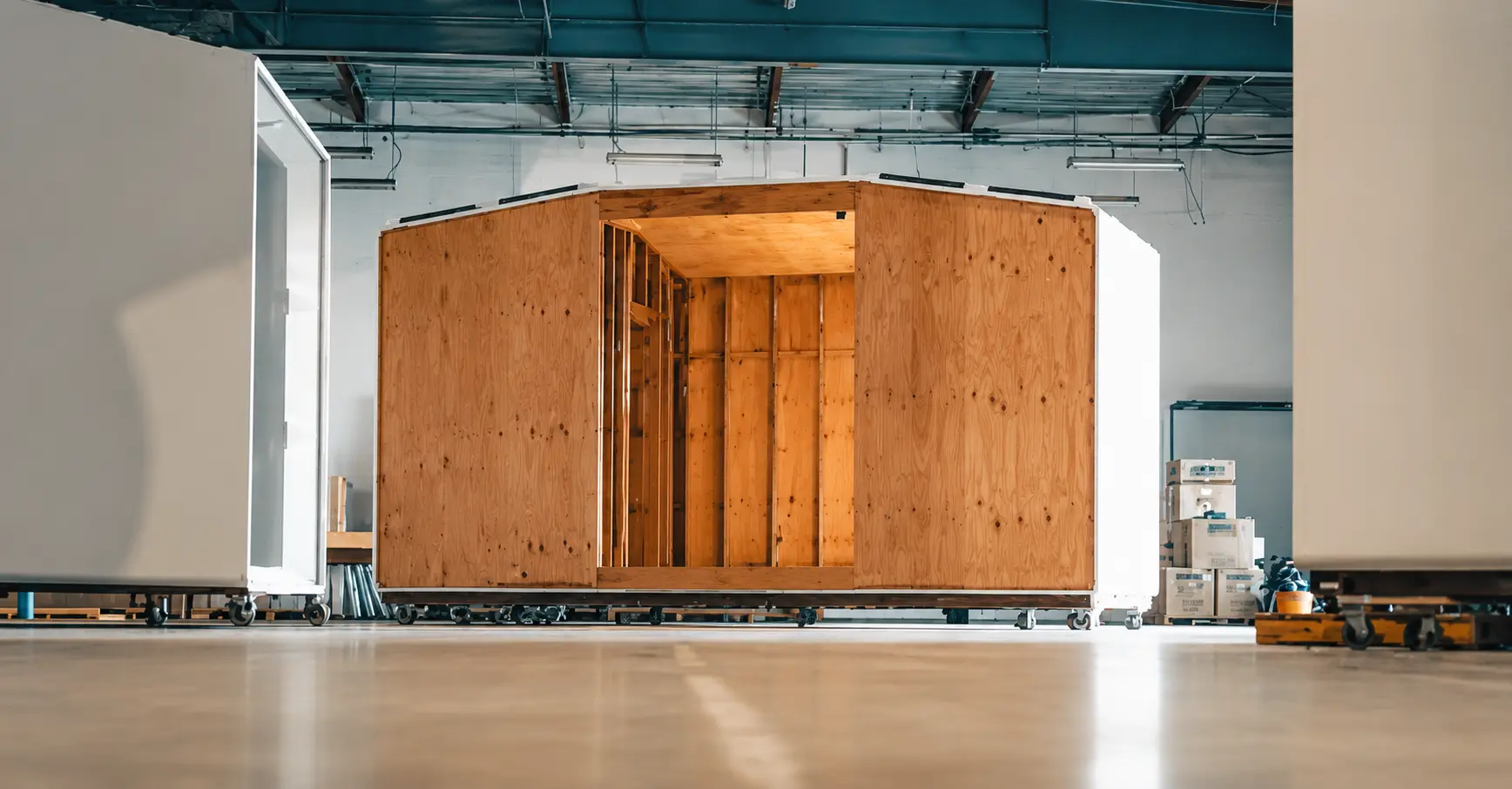
At Azure Printed Homes, we create robotically printed modular units using recycled plastic materials. Our process is designed to support faster production, flexible design, energy efficiency, and reduced construction waste. For housing challenges that need practical answers, modular construction can become part of a more flexible housing strategy.
Why Modular Construction Matters for Emergency Housing
Emergency housing is about speed, safety, and dignity. A solution needs to be available quickly, but it also needs to be livable.
Faster Project Timelines
Traditional construction can take longer because several factors can slow the work down, including:
- Weather delays
- Contractor schedules
- Material delays
- Long on-site building phases
- Inspection timing
- Custom changes during construction
Modular construction can make the timeline more predictable because much of the work happens before the unit reaches the site.
At Azure Printed Homes, the process starts with configuration, then robotic printing, finishes, delivery, and installation. A unit can be printed in about one day, with finishes completed afterward depending on the model and project scope.
More Flexible Placement
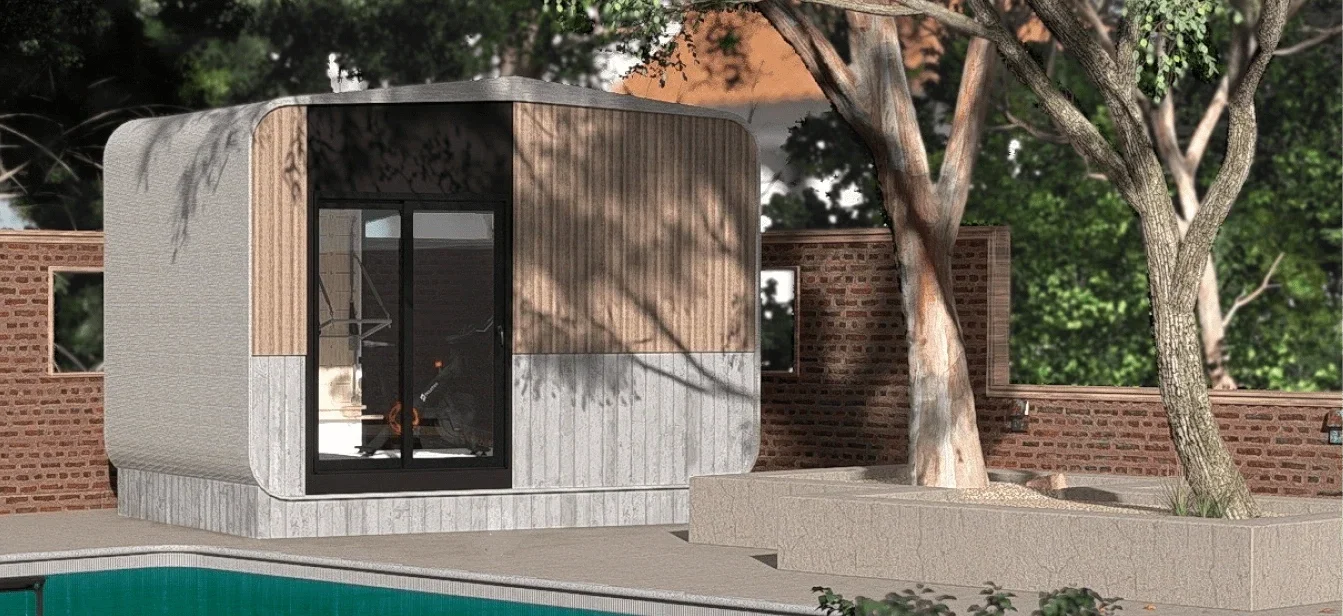
Modular units can support different types of housing needs. They may be used as backyard studios, ADUs, tiny homes, homes on wheels, glamping units, office pods, or community housing solutions.
For emergency and transitional housing, this flexibility matters. A city, nonprofit, housing provider, or property owner may not need one large building. They may need smaller units that can be planned around available land, utility access, and community needs.
Efficient Use of Materials
Housing solutions should be practical, but they should also avoid unnecessary waste. Azure Printed Homes uses recycled plastic materials in its robotically printed homes.
This approach can support:
- Reduced construction waste
- More efficient material use
- A smaller-footprint building process
- New use for recycled plastic
- More sustainable housing production
A 120 sq ft Azure unit uses the equivalent of about 100,000 recycled plastic bottles. That connects housing production with sustainability and gives communities another way to think about emergency housing beyond traditional construction.
Better Long-Term Use
A temporary housing need can become a long-term housing opportunity when the unit is designed well. A modular unit may serve as emergency housing today, transitional housing later, and supportive or workforce housing in the future. That kind of flexibility can help communities plan beyond the immediate crisis.
Printed Housing Models for Different Needs
We at Azure Printed Homes offer several model types for different needs, from compact studios to larger ADU-style homes and homes on wheels.
Studio Series
Studio models are compact units that can work well as private rooms, backyard offices, guest spaces, creative studios, or small housing support units. These models are usually best when the goal is to add a practical space without taking up too much land.
| Model | Approx. Size | Starting Price | Description |
| A/D/C-100 | 100 sq ft | $24,900 | Compact studio unit for a small private room, office, creative space, or basic support space. |
| A/D/C-120 | 120 sq ft | $29,900 | Slightly larger studio option with more flexibility for daily use, storage, or guest needs. |
| N100 | 100 sq ft | $24,900 | Small-footprint studio model designed for efficient use of limited space. |
These models are useful when the goal is to create a smaller, efficient space without overbuilding. For emergency housing planning, compact units can be especially valuable when land is limited.
Homes and ADUs
Larger ADU-style models are designed for more complete living needs. These can support guest housing, family housing, rental use, workforce housing, or longer-term residential use.
| Model | Approx. Size | Starting Price | Description |
| A-180 | 180 sq ft | $49,900 | Compact ADU-style unit for basic living needs, guest use, or a small independent space. |
| A-360 | 360 sq ft | $89,900 | Larger living unit with more room for sleeping, storage, and daily comfort. |
| A-540 | 540 sq ft | $134,900 | Mid-size housing option that can support longer stays, family use, or rental-style living. |
| A-720 | 720 sq ft | $174,900 | Larger ADU model for more complete residential use with added room and privacy. |
| A-900 | 900 sq ft | $219,900 | Full-size modular housing option for more spacious long-term living needs. |
These models offer more space for daily living and can be a better fit when a household needs privacy, sleeping space, a bathroom, kitchen features, and room to stay longer.
Homes on Wheels
Homes on wheels provide another flexible option for people who need mobility or a unit that can be placed with fewer long-term site commitments, depending on local rules.
| Model | Approx. Size | Starting Price | Description |
| X180 | 180 sq ft | $69,900 | Wheel-based compact unit for flexible placement, temporary use, or mobile living needs. |
| X270 | 270 sq ft | $84,900 | Mid-size home on wheels with more usable interior space for longer stays or flexible housing. |
| X360 | 360 sq ft | $109,900 | Larger wheel-based model for people who need more comfort, storage, and livable space. |
These models can make sense for flexible housing, temporary placement, hospitality, or situations where a wheel-based unit is more practical than a permanent structure.
How the Modular Housing Process Works
The modular housing process is built around clear steps. This helps property owners, developers, agencies, and communities understand what to expect before a project begins.
Configure the Unit
The first step is choosing and customizing the design. The layout, size, finishes, utilities, and intended use all matter. A backyard studio has different needs than a full-time ADU or a housing unit for a community project.
Print the Home
After the design is selected, the unit is robotically printed with recycled materials. Printing can happen in about one day, depending on the model and production plan.
Install Finishes
The next stage includes interior finishes, electrical, plumbing, and other details based on the selected configuration. This stage may take several days or longer depending on the scope.
Deliver the Unit
Once the unit is completed, it is delivered to the site. Delivery timing depends on location, access, scheduling, and site readiness.
Install and Connect
The final stage is on-site installation. This may include setting the unit in place and connecting the necessary services so the space can be used.
How to Prepare for a Modular Housing Project
A modular project works best when the site and purpose are clear from the beginning.
Start With the Housing Need
Before choosing a model, define the goal. Is the space meant for short-term emergency shelter, transitional housing, family support, rental income, a backyard studio, or long-term living?
The intended use affects the size, layout, utility needs, privacy requirements, and budget.
Review Local Rules
Permits, zoning, utility connections, setbacks, and placement rules vary by city and county. Michigan property owners should check local requirements before moving forward.
A small studio may have different rules than a larger ADU. A home on wheels may also be treated differently depending on the location.
Check the Site
The site should be reviewed for access, foundation needs, drainage, utility connections, delivery space, and installation conditions.
A ready site can help the project move more smoothly. A site that needs major utility or foundation work may take longer and cost more.
Plan the Full Budget
The starting price of the unit is only one part of the total project cost. A realistic budget may also include:
- Permits
- Site preparation
- Foundation or pad work
- Utility connections
- Delivery
- Installation
- Optional upgrades
- Landscaping or access paths
- Local inspections
Planning for these items early helps avoid surprises.
How Long Can Modular Building Take?
Timeline depends on the model, finishes, site readiness, permits, delivery, and installation needs.
A small studio may move faster than a larger ADU-style home. A site that already has clear access and utilities may also move faster than a site that needs major preparation.
Azure’s process is designed to be efficient. A unit can be printed in about one day. Finishes may take 4 to 15 days depending on the project. Delivery may take 1 to 2 days, and installation may take 1 to 4 days once the site is ready.
Permits and site work can add time, so the full project should be planned with local requirements in mind.
Conclusion
If someone needs emergency housing in Michigan right now, the first step is to contact 211 or a local housing agency. Emergency shelters, HARAs, rental assistance, State Emergency Relief, and local programs may help depending on the situation.
But Michigan’s housing needs are not only about today. Communities also need more ways to create housing that is faster, more efficient, and more flexible.
At Azure Printed Homes, we create modular living spaces with recycled materials, real-world design, and a faster printed construction process. The result is housing that can be efficient, durable, and adaptable. For emergency housing providers, developers, property owners, and communities, printed modular construction can support new approaches to shelter, recovery, and long-term housing stability.
Emergency housing starts with safety. The next step is building more places where people can actually stay, recover, and move forward.