Emergency housing in North Carolina can look different depending on the situation. A family facing eviction may need rental help. Someone without a safe place to sleep may need a shelter bed. A local government may need a faster way to add temporary or long-term housing units.
The first step for most people is to contact NC 211. It can connect people with local shelters, housing programs, food support, utility help, and other emergency resources. In many counties, people may also be directed to Coordinated Entry, which is the local access point for homelessness services.
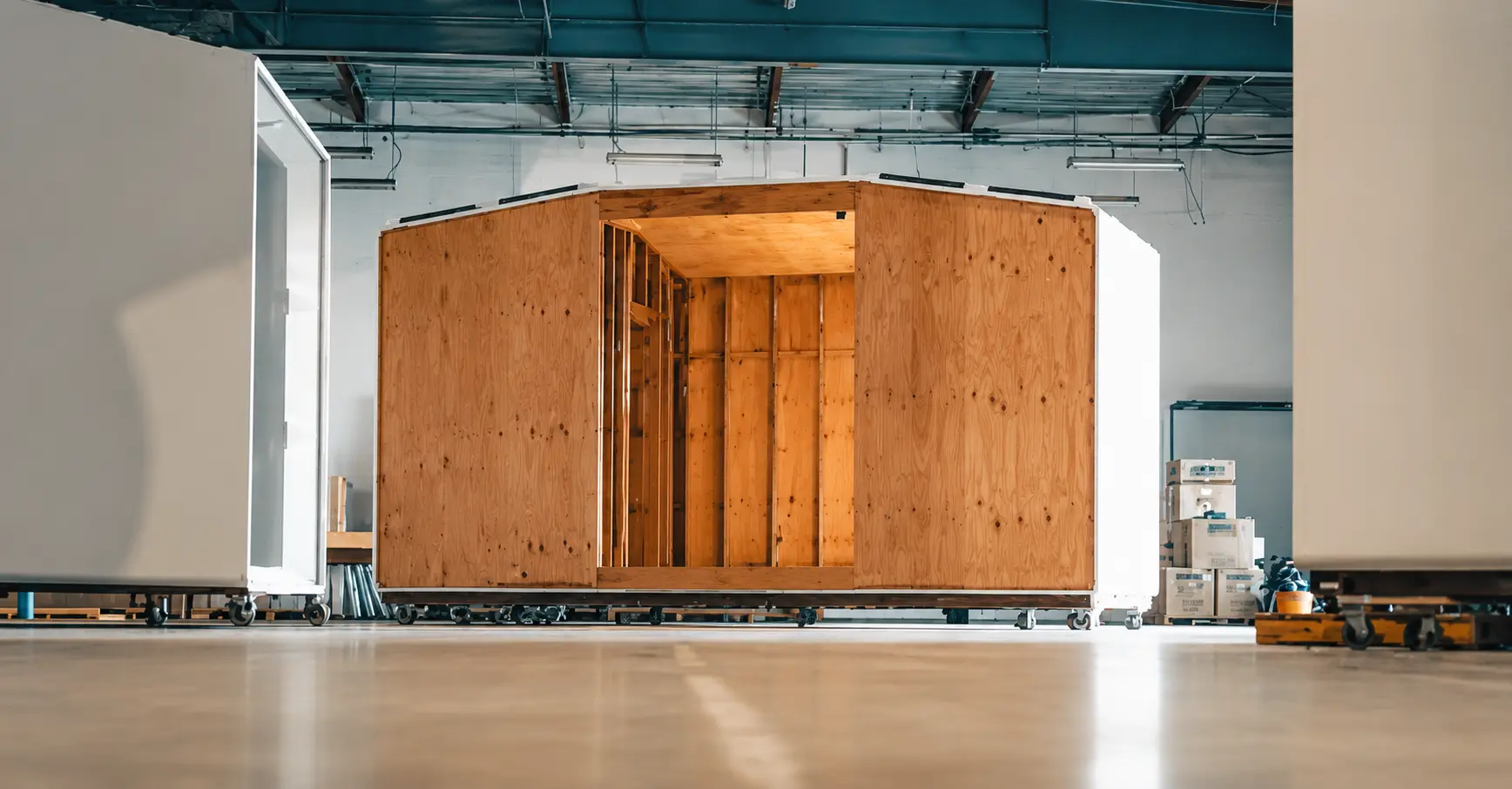
At the same time, North Carolina’s housing shortage cannot be solved by referrals alone. Communities need more physical places for people to live. That is where printed modular construction can become part of the conversation. At Azure Printed Homes, we build robotically printed modular living spaces using recycled materials, giving communities another way to think about emergency shelter, recovery housing, ADUs, and longer-term housing capacity.
Main Emergency Housing Paths in North Carolina
Emergency housing in North Carolina is not one single program. It can include shelters, short-term help, rental support, supportive housing, and new housing construction. The right path depends on the person’s location, household size, income, safety needs, and how urgent the situation is.
Start with NC 211
For people who need help right away, NC 211 is often the best starting point. A person can call 211 or visit the NC 211 website to find local resources.
NC 211 may help connect people with:
- Shelter referrals
- Rent or utility assistance
- Food and transportation support
- Local nonprofit services
- Other emergency resources nearby
This matters because emergency housing programs are usually local. A program available in Charlotte may not be the same as one available in Raleigh, Durham, Asheville, Wilmington, or a rural county.
Use Coordinated Entry for Homelessness Services
Coordinated Entry is used in many communities to connect people experiencing homelessness, or at risk of homelessness, with available services. It helps local providers understand the person’s situation and match them with support when available.
Depending on the area, Coordinated Entry may help with:
- Shelter placement
- Housing navigation
- Rapid rehousing
- Referrals to local service providers
- Longer-term housing support
This system does not always mean housing is immediate. Availability depends on local capacity, funding, eligibility, and current demand.
Look for Emergency Shelter Space
Emergency shelters can provide a safe place to stay during an immediate crisis. Some shelters serve individual adults, while others focus on families, veterans, young people, domestic violence survivors, or people with specific support needs.
Each shelter may have different rules, space limits, length-of-stay policies, locations, transportation access, and support services such as meals, case management, or referrals.
Shelter space can fill quickly, especially during extreme weather, disasters, or periods of high housing demand. That is one reason many communities are looking for ways to add more flexible housing units.
Ask About Rental Help and Eviction Prevention
Some people do not need a shelter. They need help staying where they already live. Rental assistance, utility help, mediation, legal referrals, and payment plans may help prevent homelessness before it happens.
This option may be useful when someone is:
- Behind on rent
- Facing an eviction notice
- Waiting for income or benefits
- Struggling with utility bills
- At risk of losing housing but still housed
If someone has received an eviction notice or is behind on rent, it is better to ask for help early. Waiting until the court process is almost finished can reduce the number of available options.
Consider Supportive Housing for Longer-Term Stability
Supportive housing can help people who need both housing and ongoing services. This may include people with disabilities, people leaving institutions, people experiencing long-term homelessness, or households with complex needs.
Supportive housing may include case management, health-related support, rental assistance, and help staying housed over time. It is not just about a roof. It is about creating a path toward more stable living.
Add Capacity with Modular Construction
Modular construction is different from emergency services. It does not replace shelters, rental assistance, or case management. It solves another part of the problem: the shortage of actual housing units.
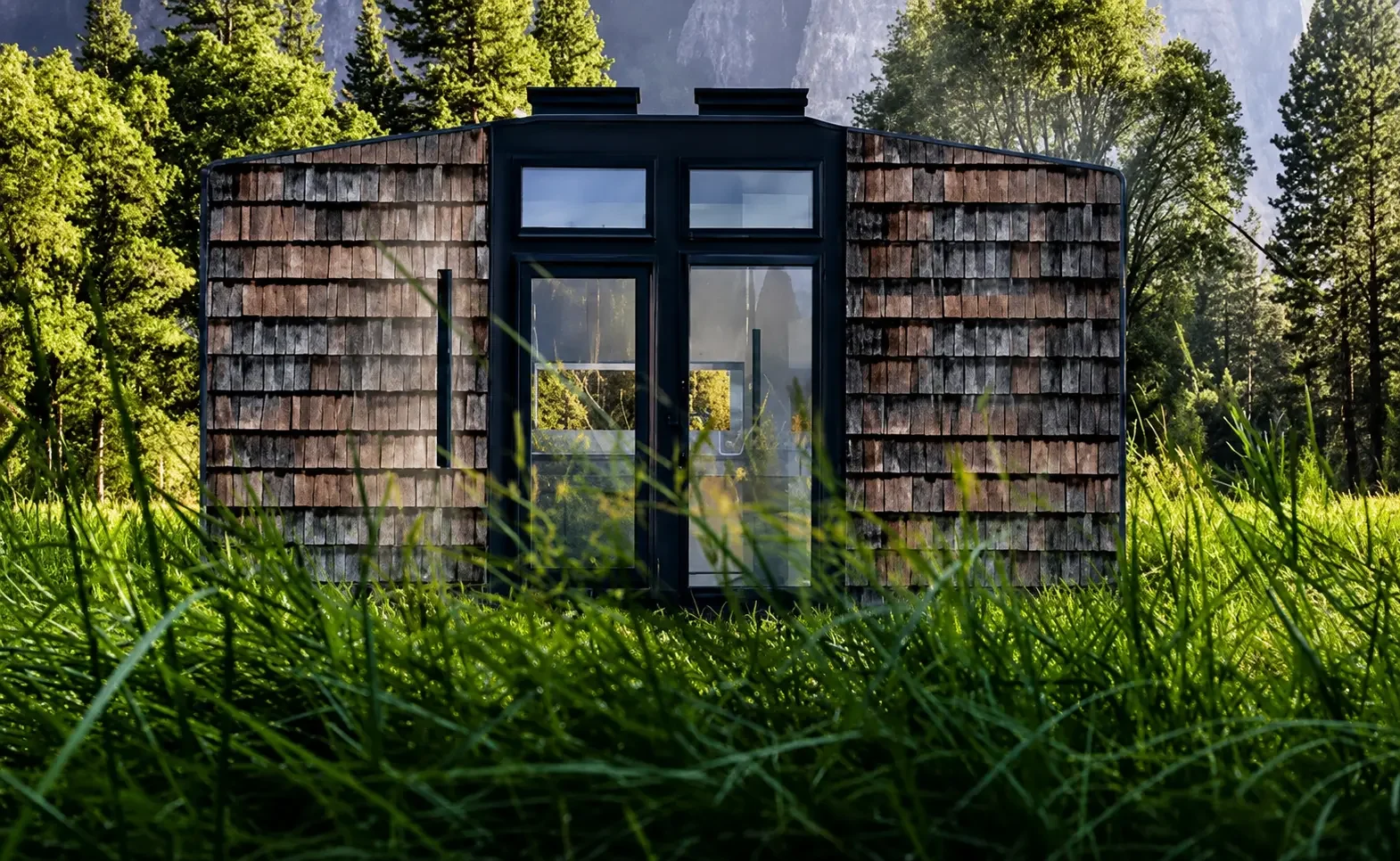
Printed modular homes can help communities add capacity faster than many traditional building methods. They can be used for backyard studios, ADUs, tiny homes, temporary housing, workforce housing, recovery housing, or larger site-based housing projects.
Benefits of Printed Modular Emergency Housing
Printed modular construction is not the only housing solution, but it can help fill a real gap. It gives communities another way to add usable housing when traditional construction is too slow, too expensive, or too difficult to scale.
Faster Paths to Usable Housing
When people need housing, time matters. Modular construction can reduce the amount of work that has to happen on-site, which may help projects move faster once approvals and site preparation are complete. This matters in emergency housing because delays are not just frustrating. They can leave people stuck in unsafe or unstable situations.
Layouts That Fit Different Needs
Emergency housing is not one-size-fits-all. Some people need a private sleeping space. Others need a unit with a bathroom, kitchenette, or enough room for longer-term living. At Azure Printed Homes, our models range from compact studios to larger ADU-style homes and homes on wheels. That variety makes it easier to match the unit to the actual need.
Recycled Materials with Practical Purpose
Azure homes are printed with recycled materials, including plastic waste. This gives housing projects a more sustainable construction path while still focusing on practical use. For cities, developers, and housing organizations, sustainability can be part of the housing solution instead of a separate goal.
Flexible Use Across Many Housing Projects
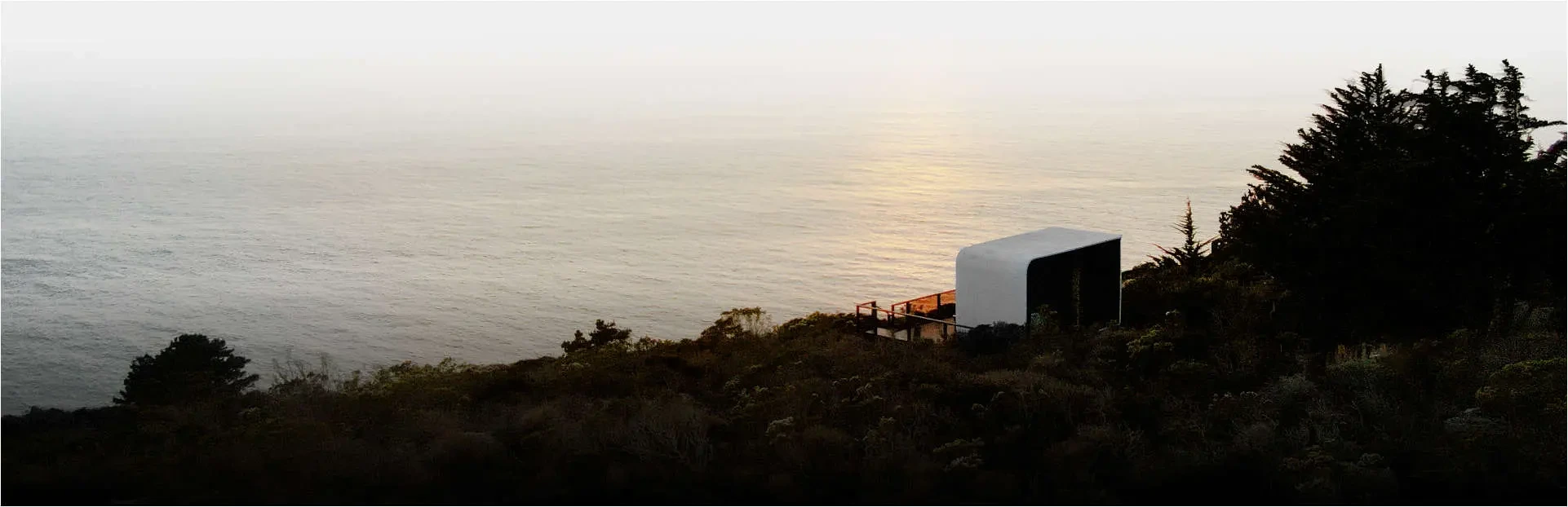
Printed modular units can be used in many settings. They may support backyard housing, emergency shelter expansion, transitional housing, workforce housing, disaster recovery, glamping sites, tiny home communities, or permanent ADU development. That flexibility is important in a state like North Carolina, where housing needs vary between large cities, coastal communities, mountain towns, and rural counties.
More Predictable Planning and Phasing
Traditional construction can be affected by weather, labor schedules, material delays, and long on-site timelines. Modular construction does not remove every challenge, but it can make more of the process controlled and repeatable. That can help property owners and organizations plan budgets, schedules, and project phases with more confidence.
Printed Homes Modular Options
At Azure Printed Homes, we design several types of printed modular living spaces for different housing needs. Some models are compact and simple. Others provide more room for independent living, family use, or longer stays.
Studio Models
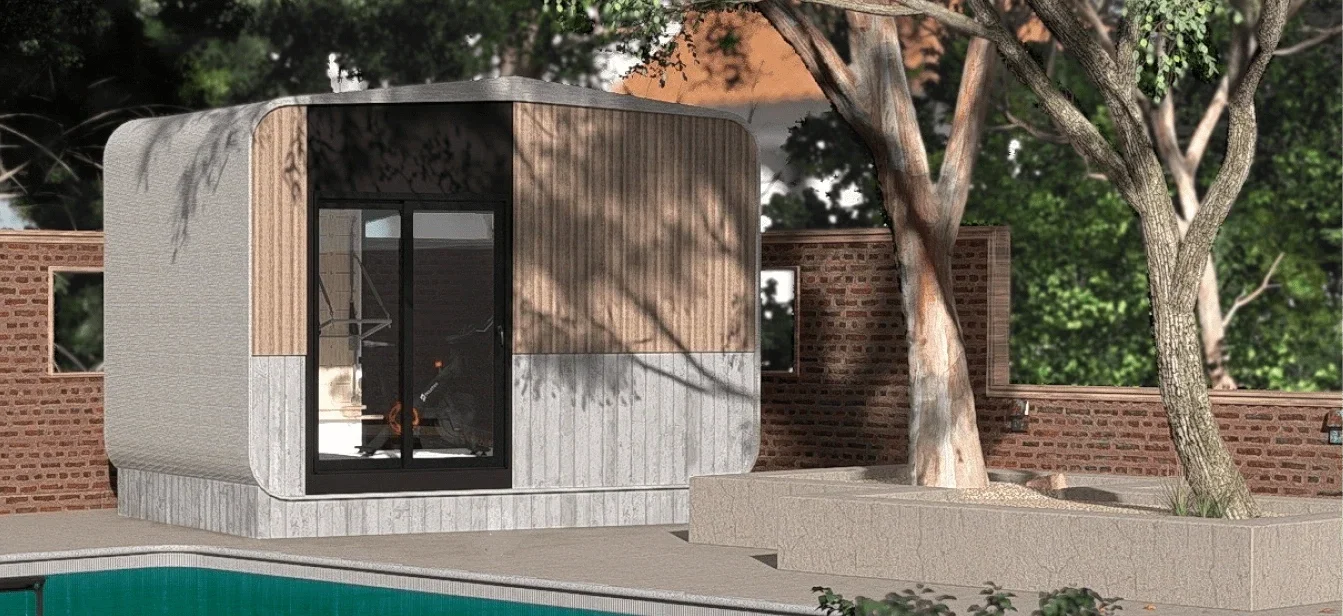
Our studio models are built for small, efficient spaces that still feel useful and private. They can work well as backyard studios, guest spaces, offices, private rooms, compact shelter units, or small site-based housing options.
Models such as A/D/C-100, A/D/C-120, and N100 are practical choices when a project needs a smaller footprint. For emergency housing, this type of unit can help create more privacy and personal space than a shared shelter setting.
ADU-Style Homes
Our ADU-style homes offer more living space and can support longer-term use. They may be a good fit for backyard housing, family support, rental use, staff housing, recovery housing, or community housing projects.
Models such as A-180, A-360, A-540, A-720, and A-900 give projects a wider range of layouts and sizes. These homes can be especially useful when the goal is not just temporary shelter, but a more complete living arrangement with greater comfort, privacy, and stability.
Homes on Wheels
Our homes on wheels are designed for flexibility. They can support projects where mobility, temporary placement, or changing site needs are important.
Models such as X180, X270, and X360 can help when a housing plan needs to adapt over time. For emergency housing, wheel-based units may be useful when land use, deployment timing, or future relocation are part of the planning process.
Printed Modular Housing Price Breakdown
At Azure Printed Homes, our model starting prices include:
| Category | Models | Size Range | Starting Price Range | Best Fit |
| Studio models | A/D/C-100, A/D/C-120, N100 | 100-120 sq ft | $24,900-$29,900 | Compact studios, private rooms, offices, guest spaces, or small housing support units. |
| ADU-style homes | A-180, A-360, A-540, A-720, A-900 | 180-900 sq ft | $49,900-$219,900 | Backyard housing, independent living, family support, rental use, or longer-term housing. |
| Homes on wheels | X180, X270, X360 | 180-360 sq ft | $69,900-$109,900 | Mobile living, temporary placement, flexible housing plans, or projects that may need relocation. |
Final cost can vary based on configuration, delivery, installation, site work, utilities, finishes, and local requirements.
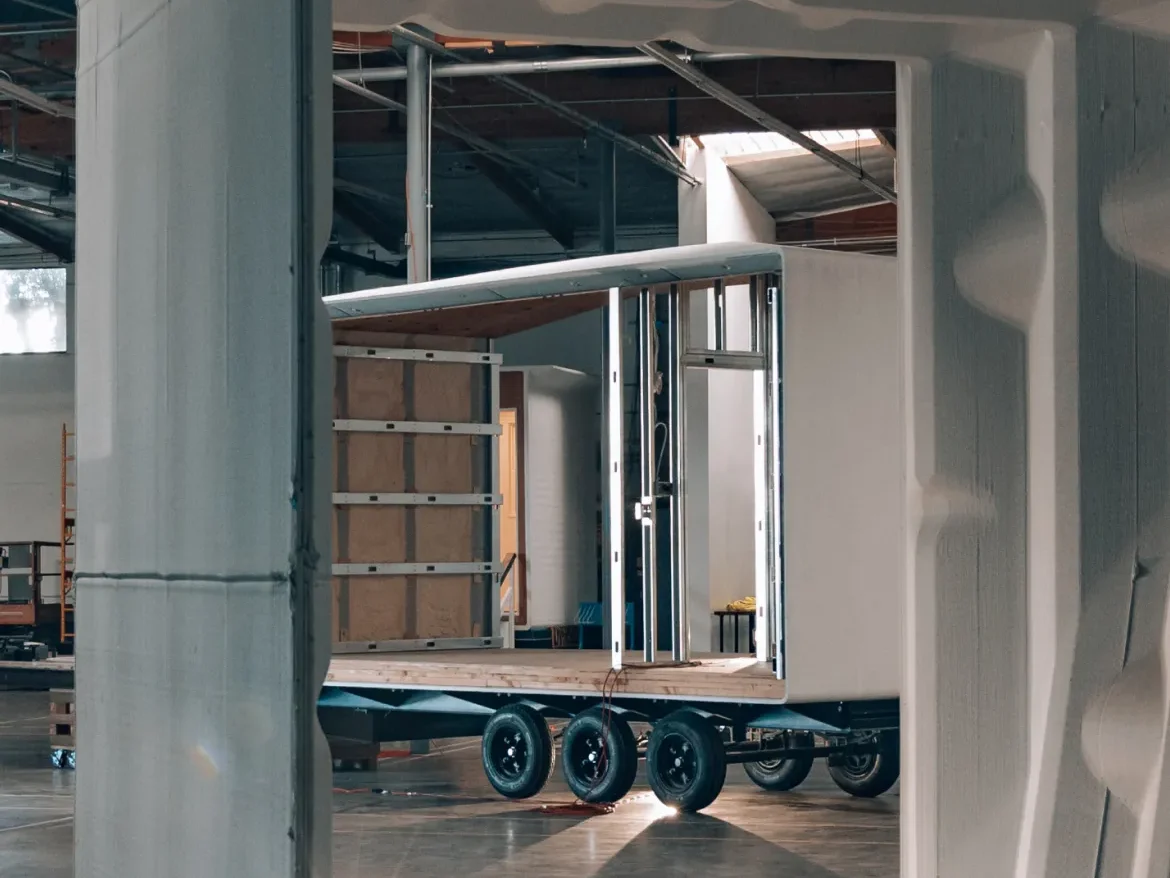
How the Modular Housing Process Works
Azure’s process is built around clear steps. The goal is to make housing easier to plan, from the first design conversation to installation.
Configure the Unit
The project starts with choosing a model and configuration. This may include size, layout, finishes, utility needs, delivery access, and intended use. A compact emergency housing unit may need a different setup than a backyard ADU or a mobile unit. Thinking through those details early helps avoid delays later.
Print the Home
The unit is robotically printed with recycled materials. This is one of the biggest differences between Azure and traditional construction. The printed shell can be produced quickly and with a high level of precision. Our process is designed to reduce construction waste while creating durable, usable living spaces.
Install Finishes
After printing, the unit is finished according to the order. This may include electrical, plumbing, interior finishes, and other details depending on the model and configuration. This step is important because people do not just need a structure. They need a space that can function in daily life.
Deliver the Unit
Once the unit is ready, it is transported to the site. Delivery timing depends on distance, access, route conditions, and project coordination. For larger projects, delivery planning is especially important because multiple units may need to arrive in a specific order.
Install On-Site
The final step is installation. The unit is placed and connected to necessary services so it can be ready for use. Site preparation, permits, utilities, foundations, hookups, and inspections can affect the schedule. A project moves more smoothly when those details are handled before the unit arrives.
How Long Modular Construction Can Take
Timeline depends on the model, site readiness, permitting, utility work, delivery, installation conditions, and project size. A single backyard studio is different from a multi-unit emergency housing project.
Our general process includes these estimated stages:
- Unit configuration: More than 1 hour
- Printing the home: About 1 day
- Installing finishes: 4 to 15 days
- Delivery: 1 to 2 days
- Installation: 1 to 4 days
These timelines do not include every outside factor. Permits, site work, inspections, foundations, utility connections, and local approvals can add time. Still, moving more of the construction process into production can make the overall project easier to plan.
Final Thoughts
For a person in crisis, the first step is usually to call NC 211 and ask about local emergency housing resources. Depending on the situation, that may lead to shelter, Coordinated Entry, rental assistance, eviction prevention, or supportive housing.
For communities, the question is bigger. North Carolina needs more ways to add housing faster, with practical designs and clear project planning. Printed modular construction can help meet that need.
At Azure Printed Homes, we create future-focused modular living spaces with recycled materials, robotic printing, and real-world housing use in mind. From compact studios to larger ADUs and homes on wheels, our models give property owners, developers, and communities another way to build housing capacity when it is needed most.