When someone needs emergency housing in Arizona, the first step is finding safe help right away. That usually means reaching out to local shelter services, 2-1-1, or housing support programs that can connect people with available beds, temporary housing, or rent assistance.
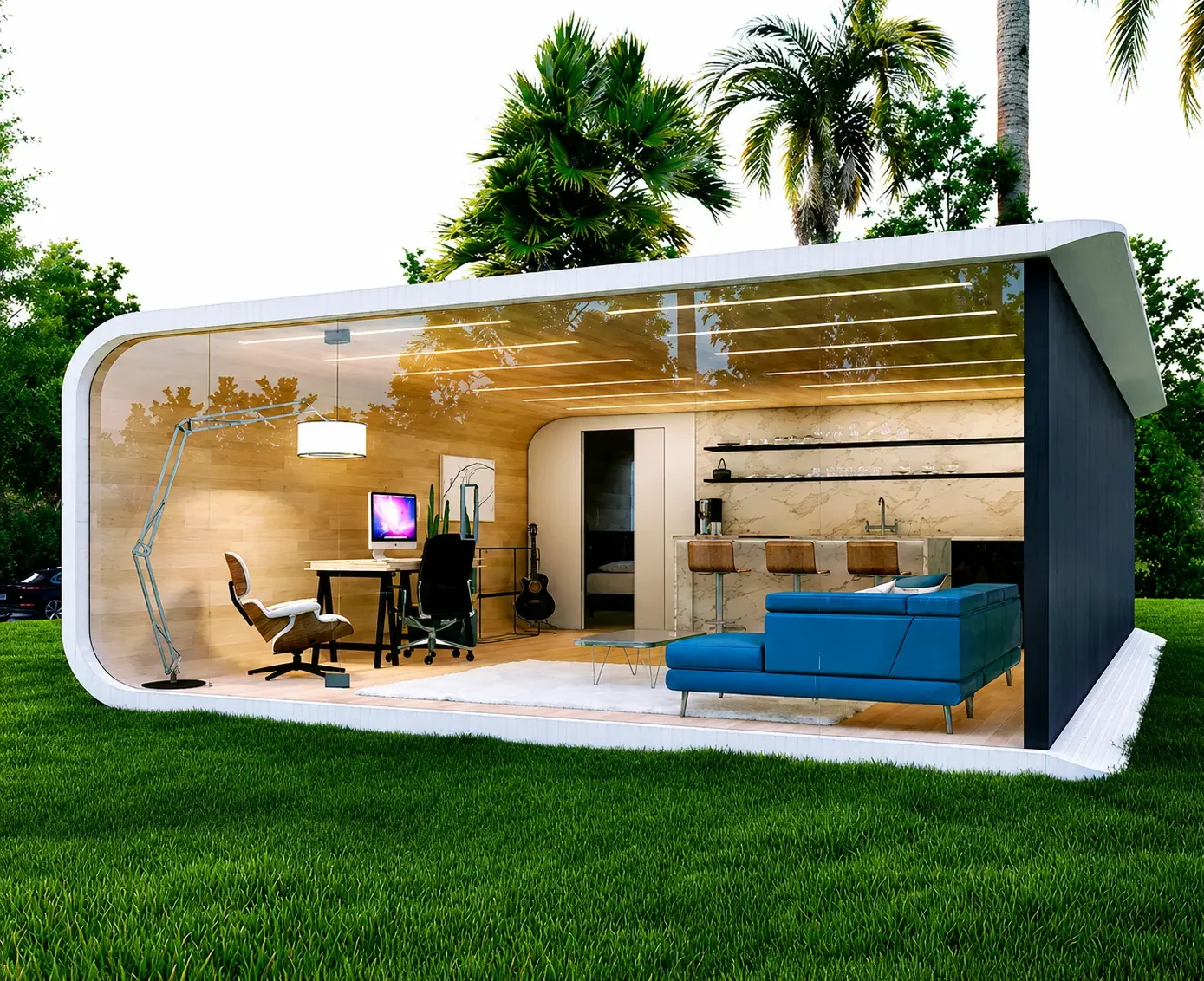
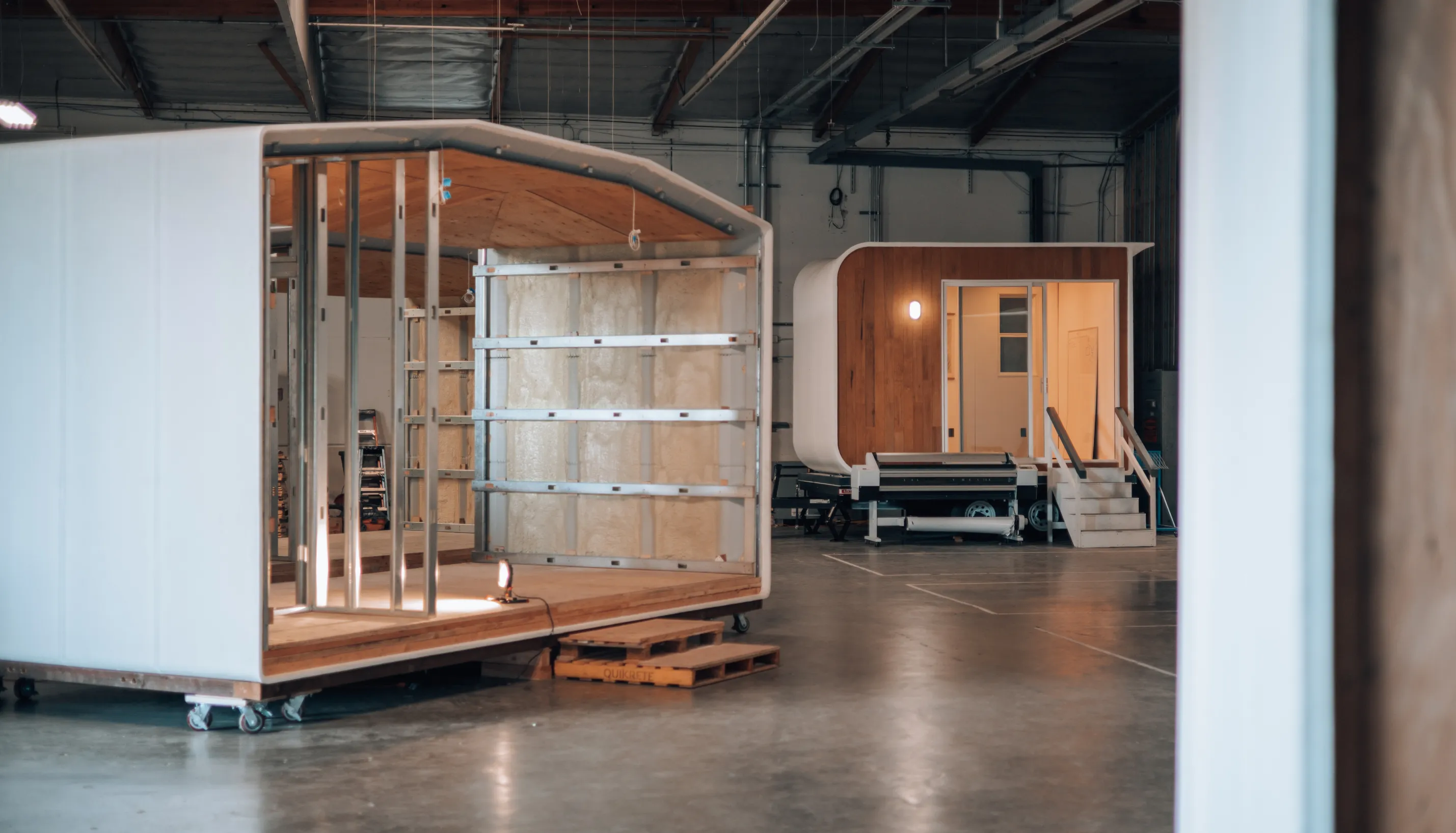
But emergency housing is also a bigger building problem. Arizona needs more places that can be delivered faster, built with less waste, and designed for real people who need stability now – not years from now. At Azure Printed Homes, we manufacture modular living spaces using robotic 3D printing, recycled materials, and off-site fabrication. These units can support emergency and transitional housing projects by helping cities, developers, and community partners add usable housing space faster and with a clearer build process.
Start With Safety First
If you are in immediate danger, call 911. That includes medical emergencies, fire, violence, abuse, or any situation where someone is not safe.
If you need housing right away but the situation is not life-threatening, call 2-1-1. In Arizona, 2-1-1 is one of the main starting points for emergency shelter, housing support, food help, rent assistance, utility assistance, and local nonprofit resources.
A simple way to start the call is:
“I need emergency housing in Arizona. I do not have a safe place to stay. Can you help me find shelter or housing resources near my ZIP code?”
That is enough to begin. You do not need to explain everything perfectly. Just be clear about where you are, who is with you, and whether you have somewhere safe to sleep tonight.
What Emergency Housing Can Include
Emergency housing is not one single thing. Depending on the situation, it may mean a short-term shelter bed, a family shelter, a domestic violence shelter, temporary motel placement, transitional housing, rapid rehousing, or help staying in your current home.
Some programs are for single adults. Others are for families, veterans, youth, seniors, or people fleeing violence. Some have waitlists. Some fill up quickly. Some require an intake appointment or assessment before placement.
That can be frustrating, especially when the need is urgent. Still, getting into the right local access system is usually better than calling random shelters without knowing which ones fit your situation.
Call 2-1-1 and Ask for Homeless Services
For most people, 2-1-1 is the cleanest first step. You can ask for homeless services, emergency shelter, rent help, utility help, or rapid rehousing.
Before you call, gather what you can. Do not delay the call if you do not have everything.
Helpful details include:
- Your city or ZIP code
- Whether you are alone or with others
- Whether children are with you
- Whether anyone is a veteran
- Whether anyone is over 55
- Whether anyone has a disability or medical need
- Whether you are fleeing violence
- Whether you have pets or service animals
- Whether you have transportation
- Whether you can stay somewhere safely tonight
These details help match you with the right resource. A single adult, a parent with children, a veteran, and a youth may all be sent to different programs.
Documents That May Help
You should still ask for help even if you do not have documents. People lose paperwork all the time during a housing crisis.
If you can gather documents safely, these may help:
- Photo ID
- Birth certificates for children
- Social Security cards, if available
- Proof of income or benefits
- Eviction notice or lease paperwork
- Utility shutoff notice
- Medical paperwork, if relevant
- Veteran documents, if relevant
- Contact information for a caseworker, school, doctor, or advocate
Do not wait to ask for help because one paper is missing. Call first. Ask what is needed later.
Emergency Shelter Is Usually the First Step
Emergency shelter can be life-changing in the moment, but it is usually not the whole plan. Most people need more than a bed. They may need help with documents, benefits, job support, childcare, healthcare, transportation, landlord communication, or longer-term housing.
That is where rapid rehousing, case management, and prevention programs can matter. The process can feel slow, and sometimes it is. That does not mean you did anything wrong. It often means the need is bigger than the available housing supply.
This is where Arizona’s emergency housing problem becomes a building problem too.
What Emergency Building Should Solve
Emergency housing should never mean cheap boxes dropped wherever there is space. People in crisis still need dignity, cooling, privacy, safety, and basic comfort.
A useful emergency housing project should answer practical questions:
- Who will live there?
- How long will people stay?
- Will units serve individuals, families, seniors, or mixed groups?
- Is the goal shelter, transitional housing, or longer-term housing?
- Who will operate the site?
- Are services nearby?
- Can the site connect to utilities?
- Is there shade, cooling, water, power, and safe access?
- Can the project scale if the need grows?
The building is only one part of the answer. But without the building, the rest of the plan has nowhere to land.
Why Modular Housing Fits Emergency Needs
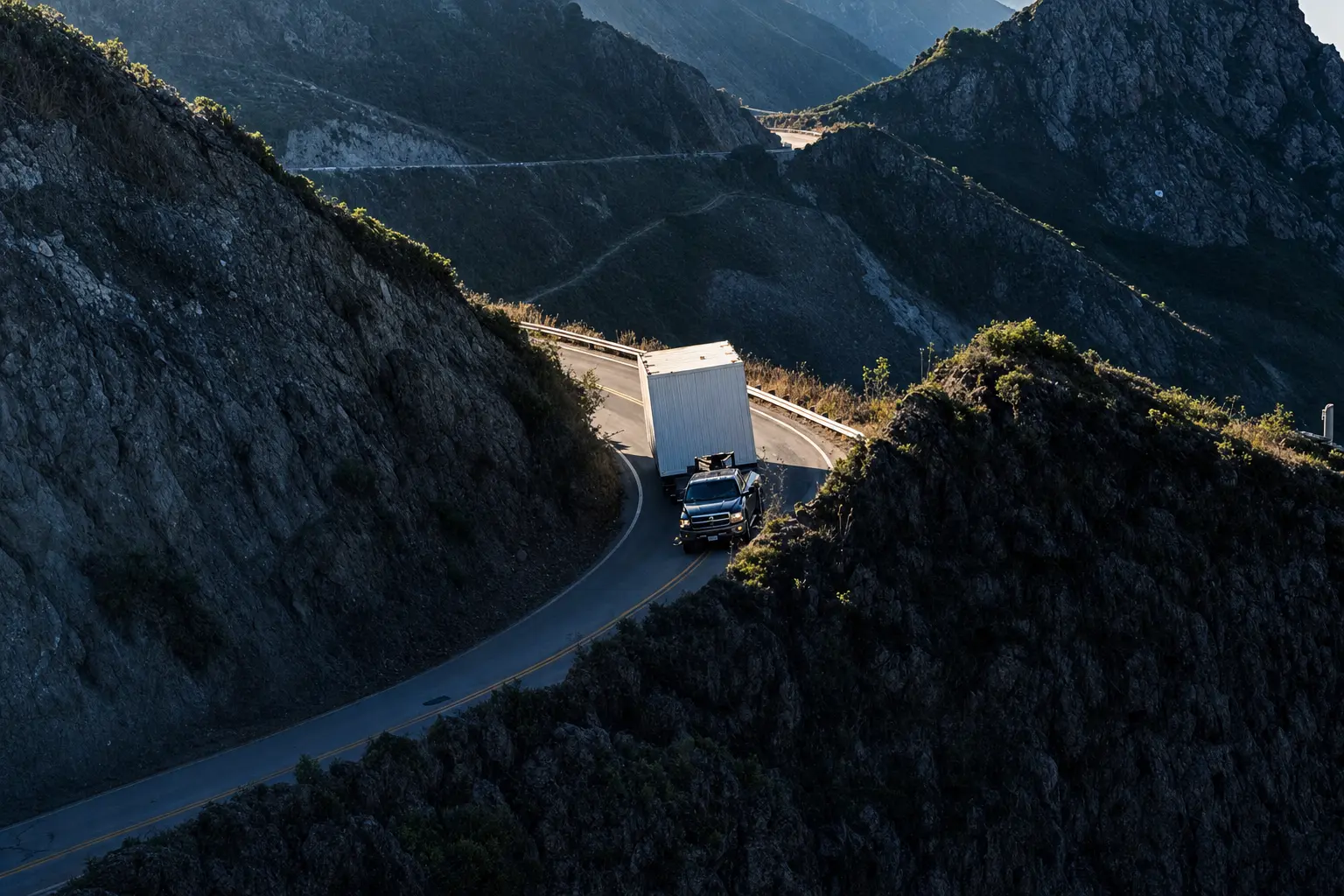
Modular housing can help because much of the construction happens off-site. Instead of building every wall and detail outdoors from scratch, the structure is fabricated in a controlled environment and then delivered for installation.
That matters when time matters.
Traditional construction can run into long schedules, weather delays, labor gaps, site disruption, and cost surprises. Modular construction does not remove every challenge, but it can make the process easier to plan.
At Azure Printed Homes, our process is built around robotic 3D printing, recycled materials, precision manufacturing, and off-site fabrication. For emergency housing, that can support:
- Faster project timelines
- More repeatable unit designs
- Less on-site disruption
- More predictable fabrication
- Smaller, efficient living spaces
- Lower material waste
- Scalable layouts for multiple units
Site work, permits, utilities, operations, and services still matter. But when the structure itself can be produced faster and more consistently, communities have more room to move.
Building the Right Fit for Emergency Housing
Not every model fits every emergency housing use. The use case should lead the building decision.
Homes & ADUs
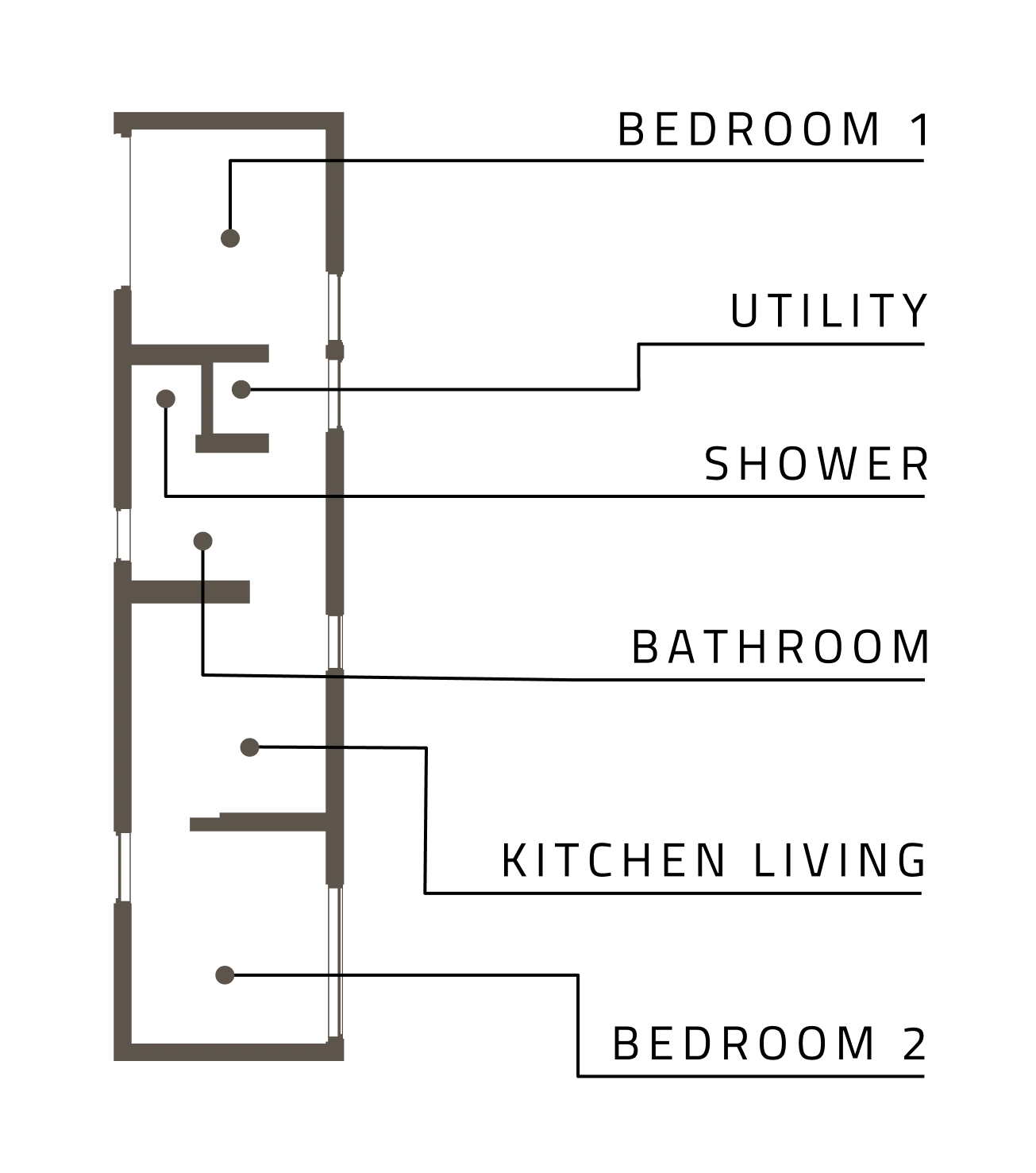
Our Homes & ADUs models are the strongest fit for more complete housing needs. These units can include bedrooms, bathrooms, kitchens, and living space. For emergency or transitional housing, they may support family housing, interim housing, staff housing, or longer stays.
These projects need proper planning around permits, foundations, utilities, drainage, and site access.
Studio Series
Our Studio Series models are compact 100-120 sq ft structures. They may fit support uses such as intake rooms, staff offices, wellness rooms, storage, or flexible site space. They should not be treated as full housing when the project needs kitchens, bathrooms, and longer-term living.
X Series Homes on Wheels
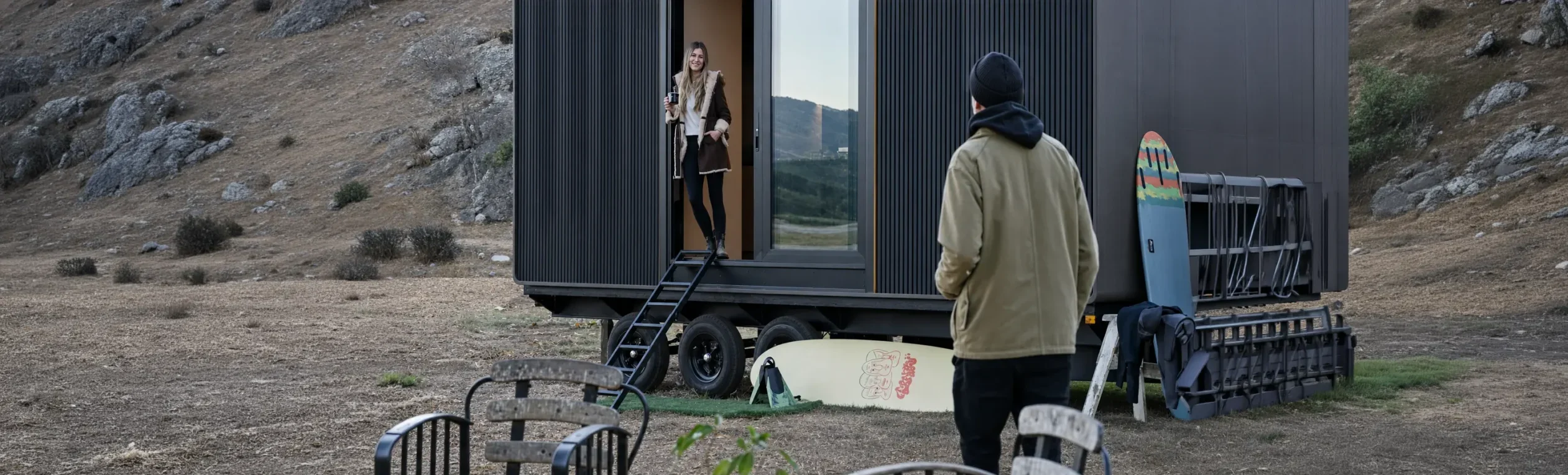
Our X Series homes on wheels offer compact living layouts and mobility. They may work where chassis-based or park model-style placement is allowed. A movable unit still needs a legal, safe, serviced place to sit.
Professional Building Systems
For larger projects, our professional building systems may be the better fit. These systems combine light-gauge steel, high-performance envelopes, 3D-printed elements, and advanced fabrication. They can support repeatable community housing, multifamily projects, missing middle housing, and supportive housing.
The Site Still Matters
A good unit on the wrong site is still a problem.
Before a city, nonprofit, developer, church, or landowner starts an emergency housing project, the site needs a real review. Ask:
- Is the land owned, leased, or donated?
- Does zoning allow the use?
- Are water, sewer, power, and drainage available?
- Can emergency vehicles access the site?
- Is the site safe during extreme heat?
- Can residents reach services, transit, schools, clinics, or jobs?
- Who handles maintenance, trash, security, and daily management?
- Can units be delivered without major access problems?
Emergency building should be fast, but not careless. The goal is to create a safe place to land, not another unstable situation.
Heat Has to Be Part of the Plan
Arizona heat changes everything. A shelter bed matters, but a cooled room matters too. Shade, insulation, ventilation, power, and access to water are not small details. During the hottest months, lack of housing can become dangerous very quickly.
Emergency housing in Arizona should be planned for the climate from the beginning. That means thinking about comfort, durability, cooling, and performance before units are placed, not after people have already moved in.
A Simple Checklist
If you need emergency housing now:
- Call 2-1-1 and ask for homeless services
- Say where you are and whether you have a safe place tonight
- Ask about shelter, coordinated entry, rent help, and rapid rehousing
- Write down every phone number and next step
- Call back if your situation changes
- Keep documents together if you can
If you are planning emergency housing as a community project:
- Define who the housing will serve
- Decide whether the goal is shelter, transitional housing, or longer-term housing
- Confirm zoning and site control
- Plan utilities, access, drainage, shade, and cooling
- Identify the operator before choosing units
- Match the unit type to the length of stay
- Include site work and operations in the budget
- Use modular options where speed and repeatability matter
So, How Do I Get Emergency Housing in Arizona?
Start with 2-1-1. Ask for homeless services and explain your situation clearly. If you are in Maricopa County, the correct access point may depend on whether you are a single adult, family, veteran, youth, or domestic violence survivor. If you are outside Maricopa County, ask for your local coordinated entry or homeless service provider.
That is the immediate path.
The longer-term answer is building more places for people to go. Arizona needs emergency and transitional housing that can be delivered faster, designed for the climate, and planned around real human needs.
Smarter building can be part of that answer. At Azure Printed Homes, we build homes, not intake systems. When a community needs more safe places quickly, the construction method matters.