When someone needs emergency housing in Oregon, the first question is usually not complicated. They need to know where to go, who to call, and what kind of help may be available right now.
The short answer is this: start with local shelter access, 211info, county housing services, Coordinated Entry, and community providers in your area. These are the places that can help connect people with shelter beds, temporary housing, rent support, housing navigation, or other emergency resources.
But there is another side to this question too. Oregon does not only need better ways to connect people with housing. It also needs more housing that can be built faster.
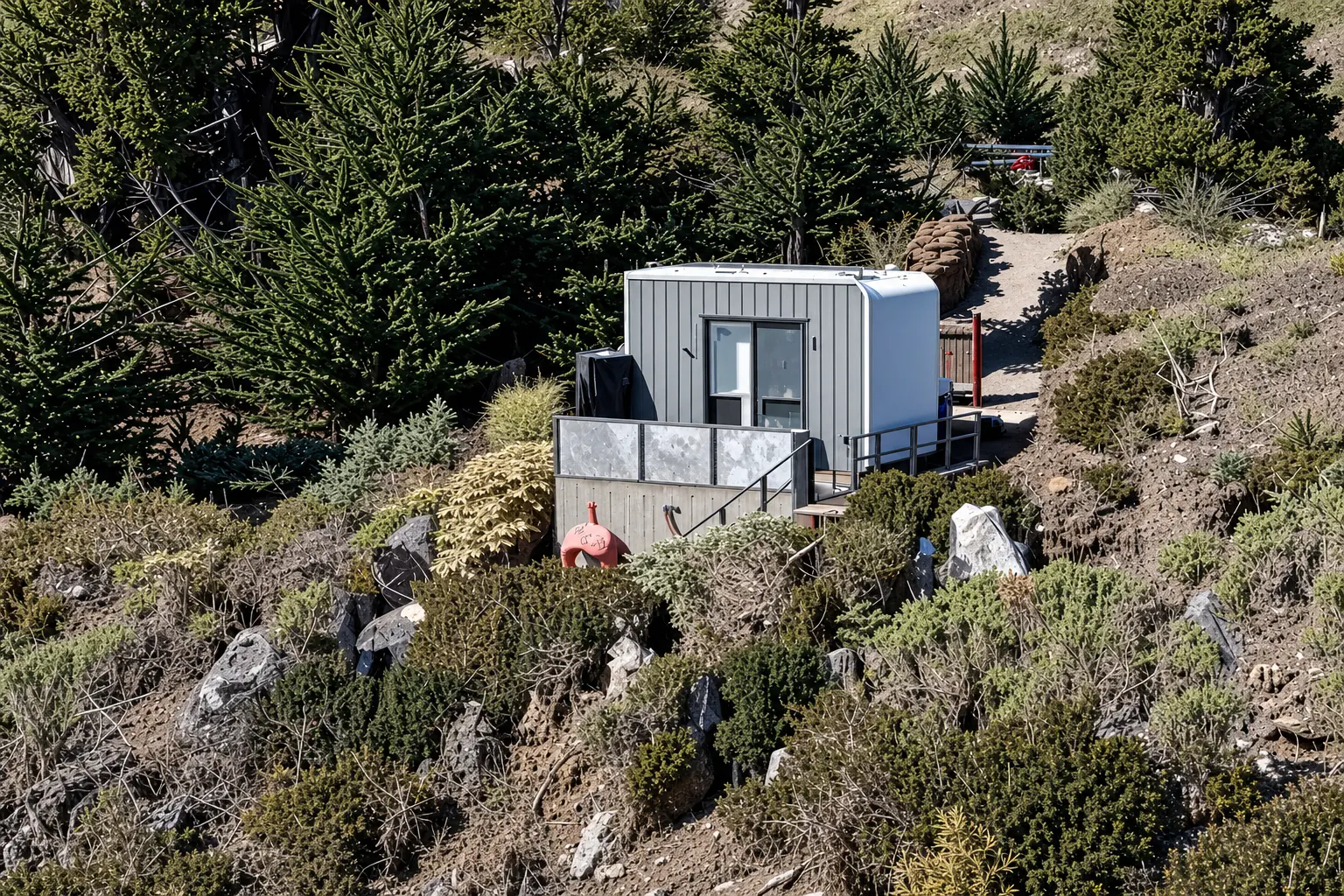
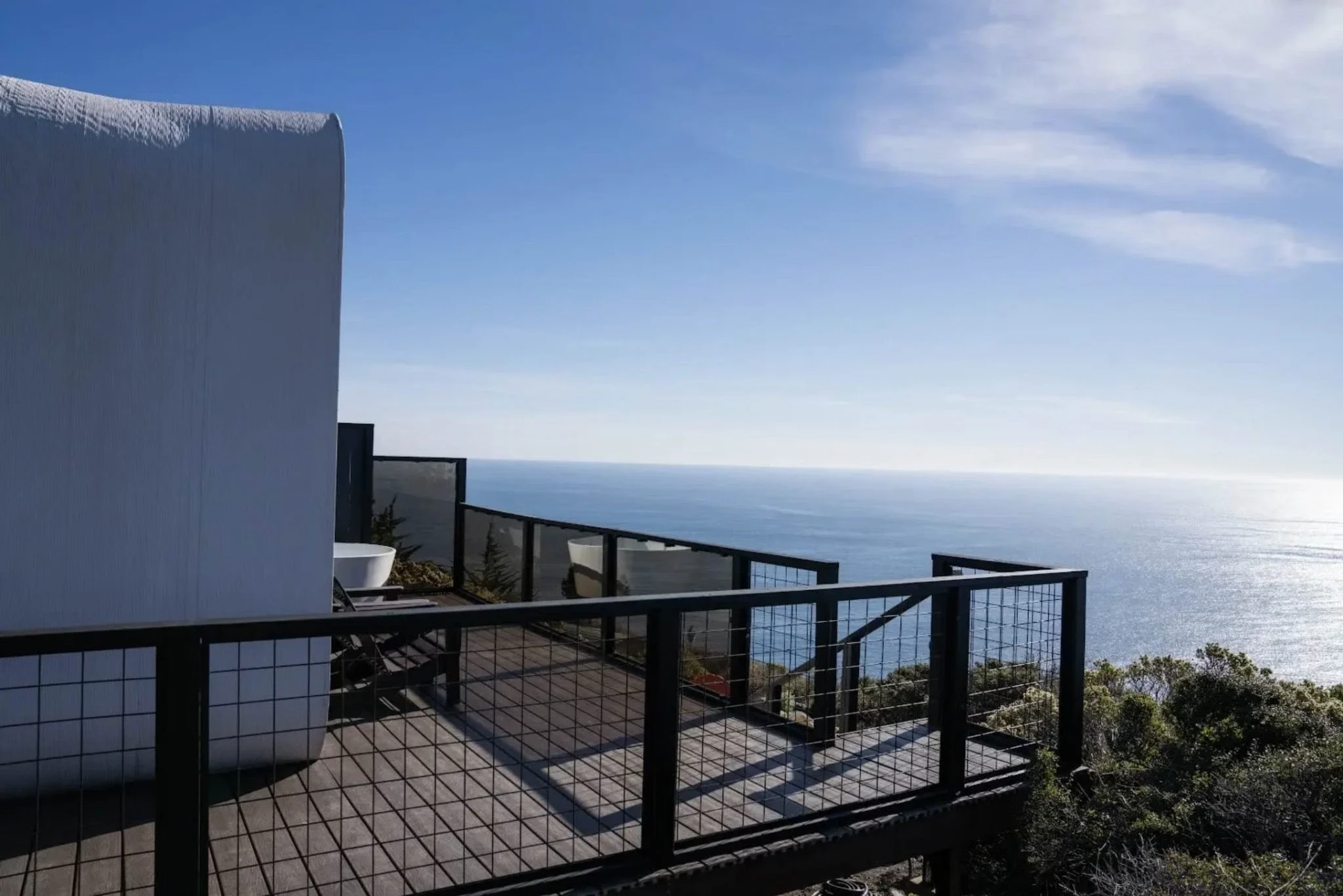
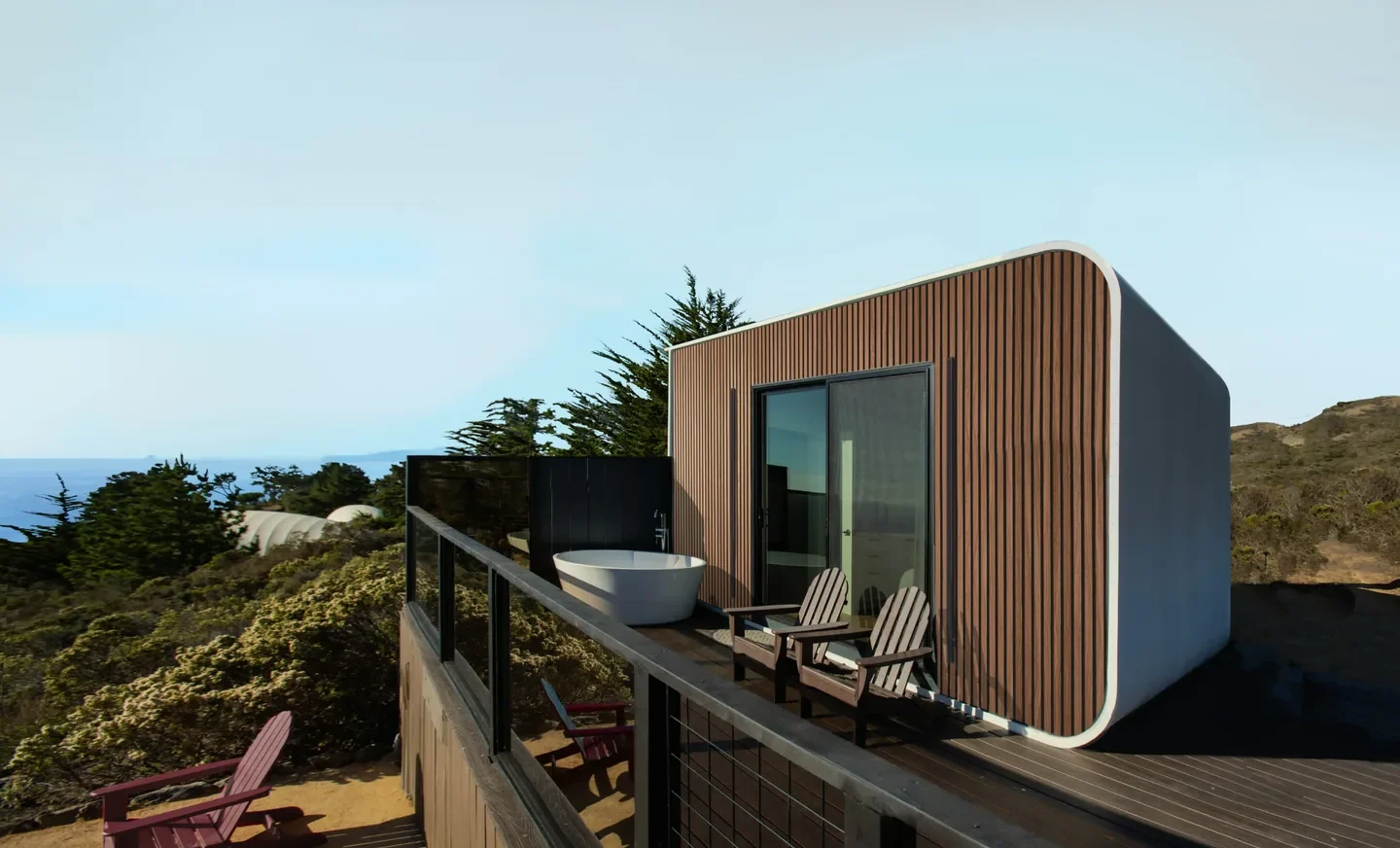
That is where emergency building comes in. At Azure Printed Homes, we make future-focused modular living spaces using robotically 3D-printed construction and recycled materials. For emergency housing, that matters because communities often need safe, practical spaces much sooner than traditional construction can deliver.
Start With the Fastest Local Help
If you need emergency housing now, start by contacting 211info. You can ask about shelters, temporary housing programs, rent assistance, warming or cooling centers, and local homeless service providers.
211 is not the housing itself. It is more like a local guide that points you toward the right door. Since emergency housing works differently by county, your ZIP code matters. A shelter in Portland, Eugene, Salem, Bend, Medford, or a smaller rural community may have a completely different intake process.
When you reach out, try to explain the situation clearly:
- Where you are located
- Whether you have a safe place to sleep tonight
- How many people are in your household
- Whether children, seniors, pets, or medical needs are involved
- Whether you are fleeing an unsafe situation
- Whether you already received an eviction notice
- Whether you need transportation or accessibility support
You do not need to have everything perfectly organized before asking for help. Emergency housing systems are built for real life, and real life is rarely neat.
Ask About Coordinated Entry
Many Oregon communities use Coordinated Entry, sometimes called Coordinated Access. This is a local intake process that helps connect people experiencing homelessness, or at serious risk of it, with available housing programs.
It does not always mean you will get housing immediately. That is the hard part. But it can help place you into the local system so providers understand your situation and can match you with shelter, rapid re-housing, rental help, supportive housing, or other services when available.
If you are not sure where to start, ask this directly:
“Can you connect me with Coordinated Entry for emergency housing in my county?”
That one question can save time. It also helps you avoid calling five different agencies and repeating the same story again and again.
If You Are About to Lose Housing, Ask Early
Emergency housing is not only for people who are already outside. If you are behind on rent, facing eviction, leaving an unsafe home, staying temporarily with someone else, or close to losing a motel room, ask about prevention help as soon as possible.
Some programs may help with rent, deposits, utilities, move-in costs, landlord communication, or housing navigation. Funding changes, and not every program is open all the time. Still, asking early gives you more room to work with.
Use plain language. Say:
“I am at risk of homelessness and need prevention help.”
That helps providers understand what type of support you need.
Why Emergency Housing Is Also a Building Problem
People often talk about emergency housing as if the whole issue is finding the right program. That is part of it, but not all of it.
A referral only works if there is a bed. A housing voucher only works if there is a unit. A rapid re-housing program only works if there are places people can actually move into.
That is why building speed matters.
Traditional construction can take a long time. It can also become expensive, unpredictable, and complicated once site work, labor, weather, materials, and approvals get involved. In an emergency housing situation, those delays are not just frustrating. They can leave people waiting without a safe place to go.
Communities need building methods that can move faster without treating housing like a temporary afterthought. People still need safety, comfort, privacy, heat, cooling, durability, and dignity.
What Faster Emergency Building Should Include
Emergency building should not mean rushed or careless. It should mean practical, repeatable, and ready for real use.
A strong emergency housing project needs more than a small unit. It needs a full plan around the site, people, and long-term operation.
Key pieces usually include:
- A clear use case, such as shelter, interim housing, supportive housing, or recovery housing
- A site that can support access, utilities, drainage, and emergency vehicles
- Safe electrical, water, sewer, and heating or cooling systems
- Durable materials that can handle regular use
- Layouts that support privacy and basic daily comfort
- Space for services, staff, storage, laundry, or shared facilities if needed
- A realistic plan for permits, inspections, and local approval
- Maintenance planning after installation
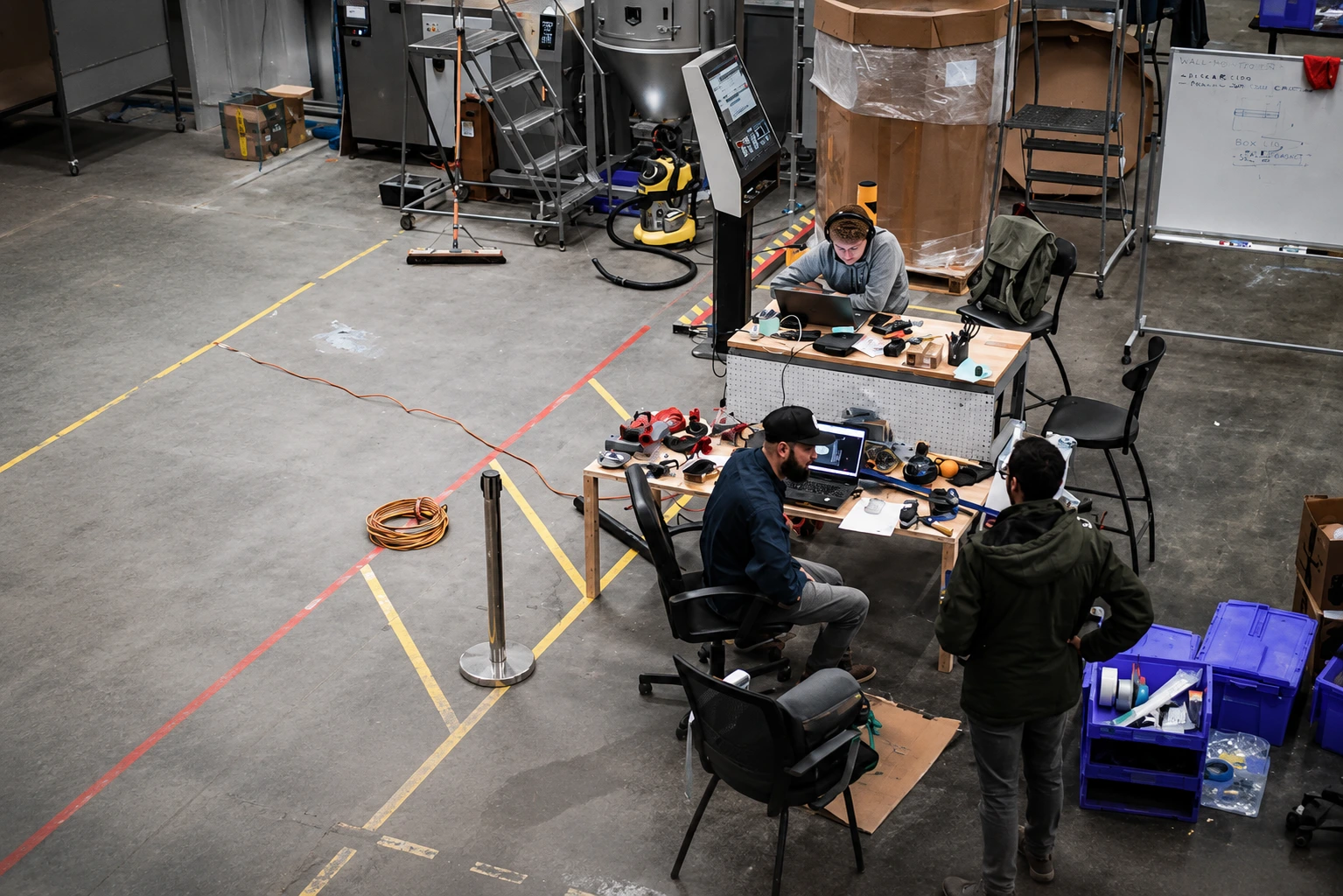
This is where modular construction can help. When more of the work happens in a controlled factory setting, the process becomes more predictable. The structure can be produced while site work moves forward. Designs can be repeated. Waste can be reduced. Timelines can be easier to manage.
For emergency housing, that kind of predictability is not a small detail. It can change how quickly a city, county, nonprofit, or housing partner can respond.
Where Faster Building Fits Into Emergency Housing
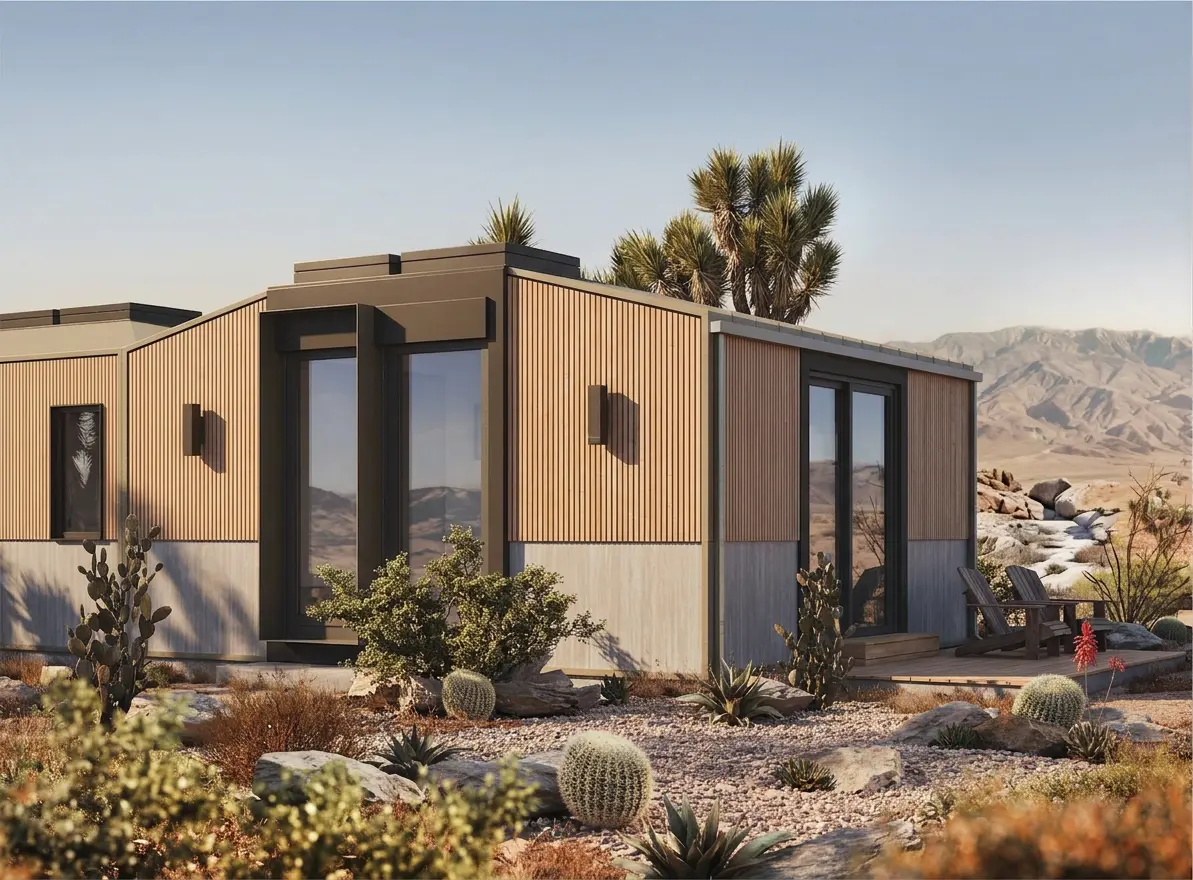
At Azure Printed Homes, we build modular living spaces with robotically 3D-printed construction and recycled materials. Our process is designed to create spaces with less waste, more consistency, and faster production than conventional construction.
That does not replace local housing programs. It supports them.
Emergency housing still needs service providers, funding, land, case management, and local coordination. But once a community has a plan, the building method matters. A faster, more predictable structure can help turn an idea into a usable place sooner.
Our work can support different kinds of emergency housing needs:
Small Support Spaces
Compact studio-style units can be useful for support functions, staff space, intake rooms, storage, service areas, or flexible site needs. Not every emergency housing project needs every structure to be a full home. Sometimes a site needs the smaller pieces that make daily operations work better.
Interim and Transitional Housing
For communities trying to move people indoors faster, modular units can help create private, practical spaces that are more stable than a temporary cot or overnight shelter. This can be especially useful when paired with outreach, case management, and a clear pathway to longer-term housing.
Larger Housing Systems
For developers, architects, general contractors, cities, and counties, scalable building systems can support larger emergency or supportive housing projects. Our professional building approach includes off-site fabrication, light-gauge steel, high-performance envelopes, and 3D-printed facade options. That kind of system is built for repeatable projects where speed, cost predictability, and durability matter.
What Oregon Communities Should Plan Before Building
For Oregon communities, the building question should start with the actual need. A winter shelter, wildfire recovery site, family housing program, rural emergency housing project, and permanent supportive housing development will not all use the same plan.
Before choosing a unit or system, it helps to ask:
- Who will live there?
- Is the housing temporary, transitional, or permanent?
- How quickly does the site need to open?
- Who owns or controls the land?
- Are utilities already available?
- What permits or approvals are needed?
- Who will operate and maintain the site?
- What services will residents need nearby?
- Can the same design be used again on future sites?
These questions keep the project grounded. The fastest unit in the world will still get stuck if the land, utilities, and approvals are not ready.
Common Mistakes to Avoid
One mistake is waiting too long to ask for help. If you are close to losing housing, start calling before the final day if you can.
Another mistake is assuming one statewide office handles every emergency housing case. Oregon’s system is local. Your county, city, and nearby providers matter.
For communities, a common mistake is thinking emergency housing can be solved with units alone. The structure matters, but so does the site plan. Utilities, access, operations, safety, and services have to be part of the project from the beginning.
The best emergency housing projects are not just fast. They are useful, durable, and planned around real people.
Final Thoughts
If you need emergency housing in Oregon, start with 211info, local shelters, county housing services, and Coordinated Entry. Ask clearly for emergency shelter, prevention help, rent assistance, or housing navigation based on your situation.
If you are working on the building side, the question is bigger: how can Oregon create safe housing faster, with less waste and fewer delays?
That is where modular and 3D-printed construction can help. Emergency housing needs urgency, but it also needs care. People need more than a place to stand. They need a door, a roof, a warm room, and a path toward something more stable.
Building faster will not solve every part of the housing crisis. But it can give communities something they need badly: more places ready when people need them.