Emergency housing usually starts with one simple question: does someone need a safe place to live right now?
The answer can come from many different situations. A family may have lost their home in a fire. A person may be leaving unsafe housing. A community may need temporary homes after a natural disaster. Or a local agency may be looking for faster ways to house people who cannot wait through a long construction timeline.
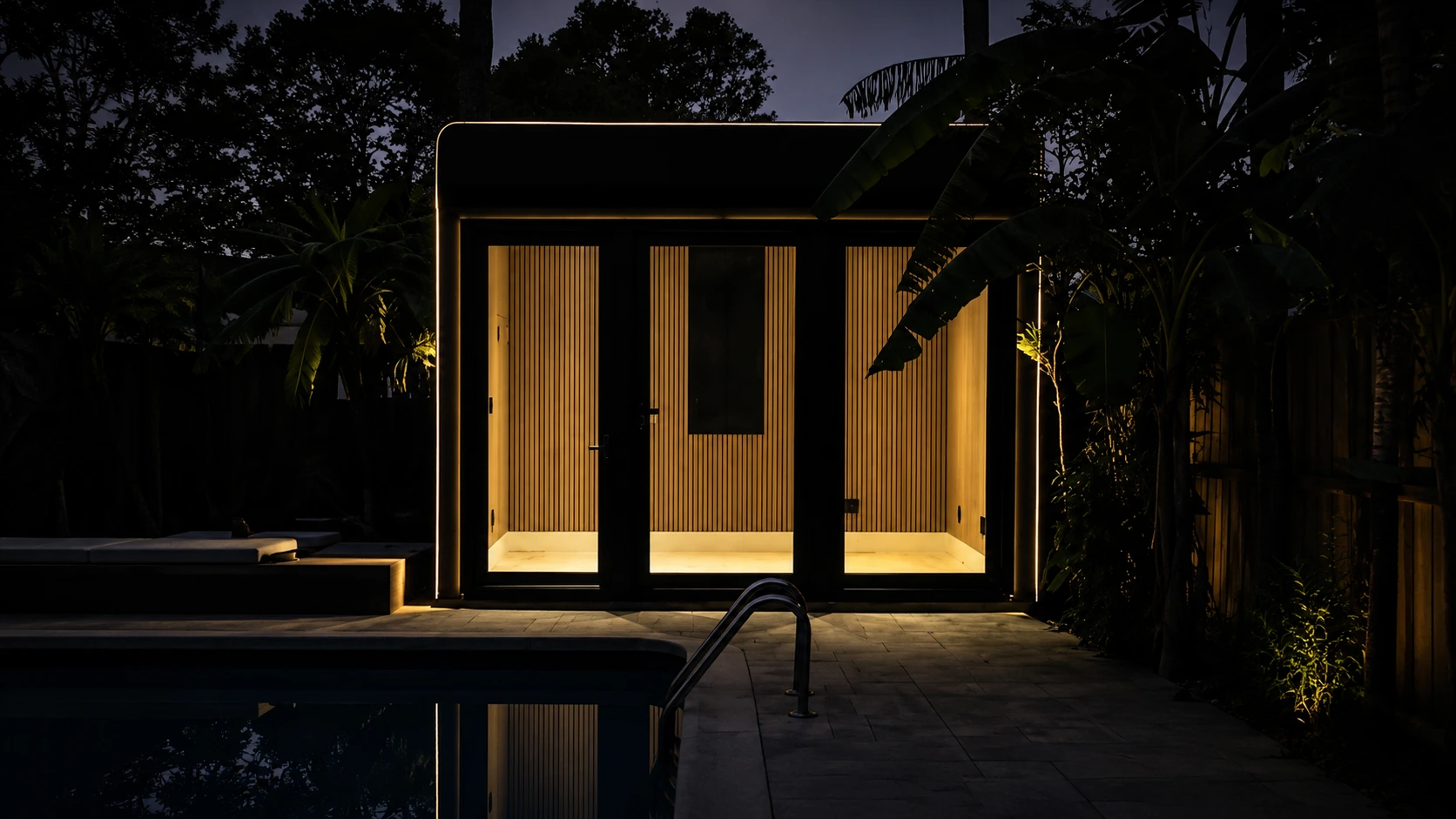
At Azure Printed Homes, we manufacture modular living spaces using robotically printed construction and recycled materials. For emergency housing, this means units can be produced with more speed and consistency than many traditional building methods. That can help communities add safe, usable space when housing is needed quickly.
Qualifying for emergency housing depends on the program, city, county, nonprofit, or agency involved. But in most cases, it comes down to need, safety, income, displacement, and available documentation. In this article, we’ll walk through what those requirements often look like, what people may need to prepare, and how faster modular building can help communities respond when housing cannot wait.
When Housing Cannot Wait
Emergency housing is not one single type of housing. It can mean a shelter bed for the night, a temporary motel placement, rental assistance, rapid re-housing, interim housing, or modular homes placed after a disaster.
The right option depends on the need. A person sleeping outside tonight needs a different response than a family waiting for repairs after a fire. A city responding to disaster displacement needs a different plan than a nonprofit helping people move out of shelters and into more stable spaces.
Still, most emergency housing programs are trying to solve the same basic problem. Someone does not have safe, stable housing right now, or they are very close to losing it.
Emergency housing may be considered when someone is:
- Sleeping outside, in a car, or in another place not meant for living
- Staying in a shelter and needing the next step
- Facing eviction or sudden loss of housing
- Displaced by fire, flood, storm, or another emergency
- Living in unsafe or uninhabitable housing
- Leaving domestic violence, trafficking, or another dangerous situation
- Recently homeless and at high risk of becoming homeless again
- Unable to stay safely with friends or family
The wording may change from one program to another. But the core idea is usually the same. Emergency housing is meant for people who cannot safely stay where they are and cannot quickly solve the housing problem on their own.
The First Place to Start
Emergency housing is usually handled locally. Even when funding comes from a state or federal source, the actual help is often coordinated through city, county, or nonprofit systems.
For many people, the first step is calling 211 or a local housing crisis line. Some areas use a coordinated entry system. That means there is a shared intake process that helps connect people to shelter, rental help, housing programs, or referrals.
This can save time because people do not always know which program matches their situation. A coordinated entry worker can help sort that out.
What to Do First
If you or someone you know needs emergency housing, start with the basics:
- Call 211 or your local housing crisis line
- Contact nearby shelters or homeless services
- Ask whether your area uses coordinated entry
- Explain where you slept last night and why you cannot stay there
- Share urgent safety concerns right away
- Ask what documents are needed
- Write down names, phone numbers, dates, and next steps
- Follow up if you do not hear back
- Ask about rental assistance if you are still housed but at risk of losing it
It may take more than one call. That is frustrating, but it is common. Keep notes and ask each person what the next step should be.
Paperwork Helps, But It Should Not Stop You
Documents can make the process faster. But people in crisis often do not have every paper ready. Someone may have left home quickly. A fire or flood may have destroyed belongings. A person may not have easy access to IDs, leases, or income records.
That does not mean they should wait to ask for help.
The first call matters even if the paperwork is incomplete. The agency can explain what is required, what can be replaced, and what may be verified another way.
Documents Worth Gathering
When possible, helpful documents may include:
- Photo ID
- Birth certificates for children
- Social Security cards or numbers, if required
- Proof of income or benefits
- Eviction notice or lease termination letter
- Court notice, if there is one
- Letter from a shelter, caseworker, or outreach worker
- Proof of displacement after a disaster
- Medical, disability, or benefits documentation if relevant
- Contact information for a previous landlord or housing provider
The key is to gather what you can, not to delay until everything is perfect.
Why Qualification Is Only Half the Problem
A person can qualify for emergency housing and still have nowhere to go right away. That is one of the hardest parts of the housing system.
Some communities simply do not have enough shelter beds, rental units, interim homes, or accessible housing. A family may be approved for help, but the right unit may not be available. A person may be referred to a program, but the waitlist may already be long. A city may have funding after a disaster, but not enough places to house people while rebuilding happens.
The building process has to be part of the conversation.
Emergency housing is often discussed as a policy issue, and it is. But it is also a construction issue. Communities need physical spaces that can be planned, approved, built, delivered, connected, and maintained. If that part moves too slowly, the whole response slows down.
Traditional construction can be difficult in urgent situations. It often depends on long site-built timelines, many trades working in sequence, weather conditions, material delays, and rising costs. Those challenges exist in normal housing projects. During an emergency, they become even more visible.
Housing needs to be built in a way that is more predictable.
How Faster Building Can Support Emergency Housing
Our process starts in a controlled factory environment. Instead of building everything from scratch on site, we robotically print the structural shell using recycled materials, then install finishes, prepare systems, deliver the unit, and install it on site.
That changes the rhythm of the project.
Site work can happen while the unit is being fabricated. Foundations, grading, drainage, utility planning, access routes, and local approvals can move alongside production instead of waiting for every part of construction to happen in one place. It does not remove the need for planning, but it can make the process cleaner and more coordinated.
For emergency housing, that can matter in a few practical ways.
A faster factory-built process can help communities:
- Reduce the time between planning and usable housing
- Create repeatable unit types for larger response efforts
- Limit on-site disruption compared with long traditional builds
- Improve cost predictability before work begins
- Support more consistent quality across multiple units
- Plan around utilities, access, and installation earlier
- Scale housing in phases as sites become ready
This is not about rushing through the serious parts. Emergency housing still needs to be safe, durable, permitted, and placed correctly. People do not need rushed buildings. They need real housing that can arrive faster without feeling temporary in the worst way.
Matching the Building Type to the Need
Not every emergency housing need calls for the same type of structure.
Some situations need small, fast, flexible spaces. Others need full residential units with kitchens, bathrooms, sleeping areas, and stronger long-term use. Some communities may need interim housing for people moving out of homelessness. Others may need disaster recovery units, workforce housing for response teams, or repeatable small homes for a larger site.
This is why modular housing should not be treated as one product for every problem. The right fit depends on how the space will be used, how long it needs to serve people, and what the site can support.
Compact Support Spaces
Our Studio Series is compact and flexible. These smaller structures can be useful when a project needs extra space without creating a full residential unit.
They may work well for support functions, administrative use, wellness rooms, intake areas, staff space, or other non-full-time residential needs. In emergency housing projects, these spaces can help the larger site function better.
Flexible Housing on Wheels
Our X Series homes on wheels are chassis-based models built for mobility and comfort. They can make sense where local placement rules support that kind of use, especially when flexibility matters.
For some emergency or temporary housing needs, a movable unit can offer a practical path. The key is making sure the site, local rules, utilities, and access plan all line up before the unit arrives.
More Complete Living Spaces
Our Homes & ADUs are larger residential-style units. They are better aligned with housing that needs bedrooms, bathrooms, kitchens, utility connections, and a more permanent feel.
These models can be a stronger fit when the goal is not only short-term shelter, but a livable space that supports daily routines. For families, displaced residents, or longer-term interim housing, that extra functionality matters.
Larger Sites and Repeatable Systems
For larger-scale work, our professional building systems are designed for developers, architects, general contractors, and public or private partners thinking beyond one unit.
With light-gauge steel, high-performance envelopes, SIPs, and optional 3D-printed facades, these systems can support repeatable housing, multifamily projects, infill housing, WUI and mountain residential needs, and interim housing for the unhoused.
That last use matters here. Emergency housing is often not just one home. It may be a group of homes, a phased site, or a repeatable system that needs to scale without becoming chaotic.
Building for Real Life, Not Just Speed
Speed matters in emergency housing, but speed alone is not enough.
A temporary unit still needs to feel safe. A small home still needs to be durable. A disaster recovery site still needs comfort, privacy, utilities, and basic dignity. Interim housing still needs maintenance and a path into longer-term stability.
We use recycled plastic waste in our printed structures because sustainability should not disappear when housing is urgent. We also prioritize energy efficiency, consistent fabrication, and waste reduction because emergency housing should not create a new problem while solving an immediate one.
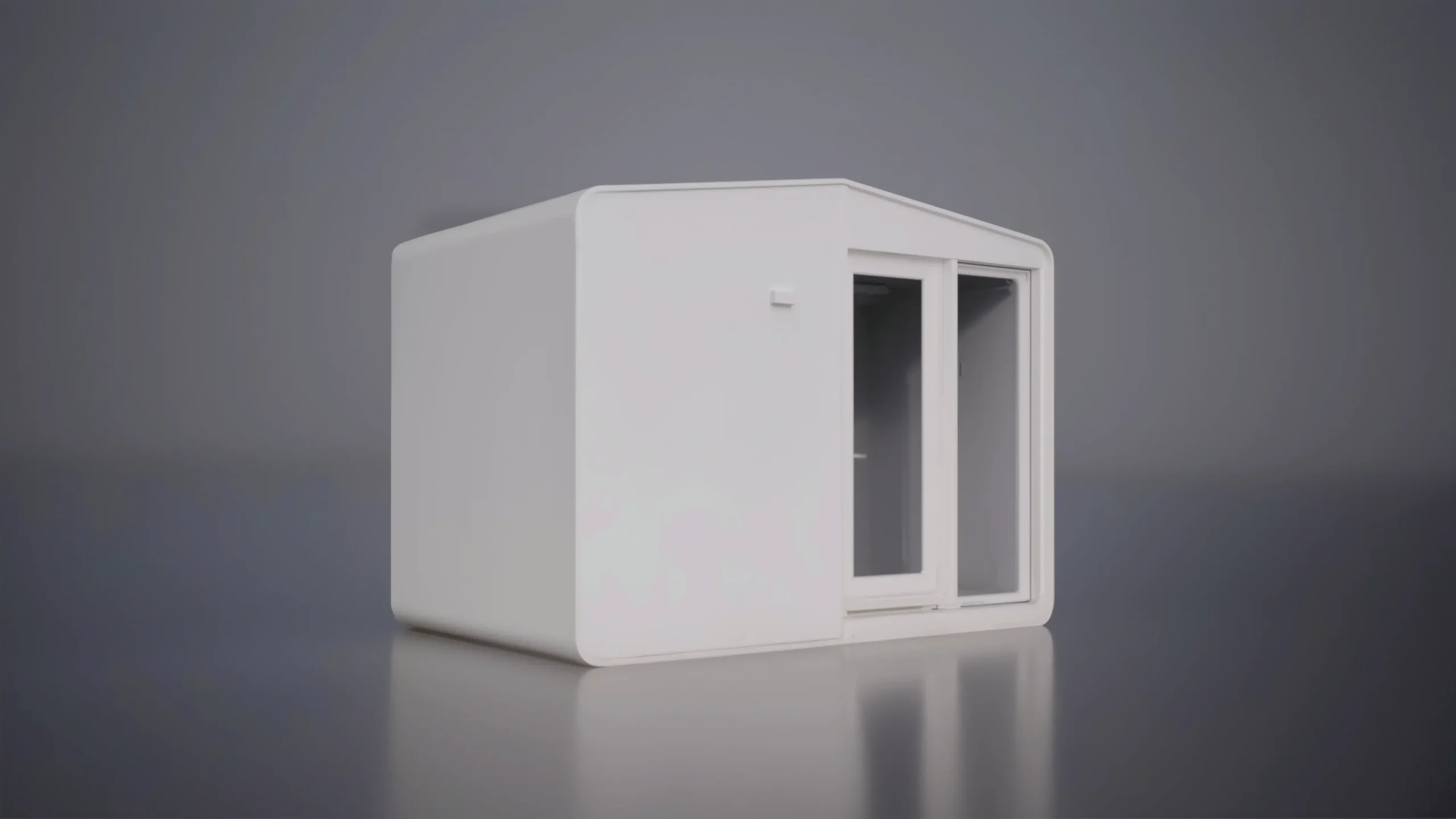
The largest of our models can print in about one day. Across our approach, we focus on faster building, less waste, and more predictable fabrication. Those details help when a community needs housing that can move from concept to reality without getting stuck in a long, expensive construction process.
Emergency housing is for people who need a safe place to stay. It is not only a line item, a case number, or a unit count. It has to provide the basics that matter right away: a secure door, a place to sleep, and enough space to feel stable again.
Where the Process Can Get Stuck
Emergency housing sounds immediate, but the process is not always fast. The biggest issue is usually capacity. There may be more people who need help than there are places available.
People may run into issues like:
- No shelter beds available that day
- Missing documents
- Long waitlists
- Income slightly above the program limit
- A program that only serves certain groups
- Pets, belongings, or family size making placement harder
- Lack of accessible units
- Limited transportation
- Local housing shortages
- Confusing referral rules
This is where eligibility and construction meet. A person may need help now, while the local housing supply is already stretched. A city may want to respond faster, but still need land, approvals, infrastructure, and units that can be deployed in a practical way.
The application process matters. So does the building pipeline.
Final Thoughts
So, how do you qualify for emergency housing?
In most cases, it comes down to need, safety, income, housing status, local program rules, and available space. A person may qualify because they are homeless, at risk of homelessness, displaced by disaster, leaving unsafe housing, or unable to stay where they are.
The first practical step is local. Call 211, contact a shelter or housing hotline, ask about coordinated entry, and explain the situation clearly. Gather documents if you can, but do not wait for perfect paperwork before asking for help.
For communities, the question is bigger. It is not only who qualifies. It is whether there are enough safe places for people to go once they do.
Emergency housing starts with a simple requirement: people need safe, usable space quickly. It should be practical, humane, and suited to the site. Modular spaces, recycled materials, and factory-controlled production can help communities add housing faster and with fewer surprises when the need is urgent.
Ready when you are should not just be a nice phrase. In emergency housing, it should be the goal.