A national housing emergency happens when the need for safe, stable housing grows faster than the country can realistically respond.
It is not just a shortage of homes. It is what happens when that shortage starts affecting everyday life at a larger scale. Families cannot find a place they can afford. Workers are pushed farther from their jobs. Cities struggle to respond to homelessness. Communities hit by fires, floods, or storms cannot rebuild quickly enough. Local governments want more housing, but the usual process moves too slowly.
At Azure Printed Homes, we look at this issue through a very practical question: how can we build real living spaces faster, with less waste, and with more predictable results?
A national housing emergency does not need vague promises. It needs homes that can be planned, produced, delivered, and installed in a smarter way.
When the Pressure Stops Being Local
Housing problems often start close to home. A rent increase. A crowded house. A long commute. A delayed permit. A family waiting for an ADU so a parent can live nearby.
But when the same pressure shows up in city after city, it becomes something bigger. That is when housing starts to feel less like a private problem and more like a national emergency.
The details may change by region. One area may be dealing with wildfire recovery. Another may need more workforce housing. Another may have too few affordable rentals or too much unused land caught in slow approval processes. Still, the pattern is similar.
People need homes, and the old pace of building is not keeping up.
A national housing emergency is not only about how many homes are missing. It is about how long people are expected to wait while the system catches up.
The Human Side of the Housing Gap
Housing emergencies are easy to describe with numbers, but they are felt in regular life first.
A teacher cannot live near the school where they work. A young family stays in a too-small apartment because every better option is out of reach. A senior needs to move closer to relatives, but there is no extra space. A community loses homes in a disaster and then waits months or years for replacement housing.
These are not abstract planning issues. They affect where people sleep, where they work, how they care for family, and whether they can stay in the communities they already know.
A housing emergency can show up as:
- Overcrowded homes
- Long waits for affordable units
- Workers priced out of local neighborhoods
- Families delaying moves because nothing is available
- Seniors without nearby support
- Disaster survivors stuck in temporary housing
- Cities relying on short-term fixes for too long
That is why the response has to be practical. People do not just need “units.” They need places that can support real life.
Fast Housing Still Has to Be Good Housing
When people hear “emergency housing,” they may think of something temporary, basic, or uncomfortable. Sometimes emergency shelter is necessary. In a crisis, people need immediate safety.
But housing should go further than shelter.
A home needs privacy. It needs insulation, comfort, ventilation, power, and a layout that makes daily life possible. In many cases, it also needs a bathroom, kitchen, water, sewer, and a clear connection to the land around it.
Speed matters, but speed alone is not enough. A fast solution that does not hold up creates another problem later. A slow solution that looks perfect on paper may not help people when they need housing now.
The better answer sits somewhere in the middle: build faster, but still build with care.
That is where emergency building becomes important. It is not about cutting corners. It is about changing the way homes are produced so communities are not starting from zero every time.
Why the Usual Building Timeline Falls Short
Traditional construction can work well, but it is often not designed for urgent housing needs.
A project may move through design, engineering, bidding, permitting, site work, material ordering, labor scheduling, inspections, and weather delays. Some of that is necessary. Safety and code compliance matter. But the full process can become slow, expensive, and hard to predict.
During a housing emergency, delays have a real cost. Every extra month can mean more families in unstable housing, more money spent on temporary solutions, and more pressure on already stretched communities.
Common delays often come from:
- Building each project from scratch
- Too much work happening on-site
- Weather slowing construction
- Labor shortages
- Material waste and changing prices
- Late utility planning
- Permit issues found after the design is already chosen
- Lack of repeatable housing models
This is why more communities are looking at modular, prefab, and industrialized building systems. These approaches do not remove every challenge, but they can make the process more predictable.
More work happens in a controlled environment. Site work can happen at the same time. Designs can be repeated and adapted instead of recreated from the ground up.
Matching the Home to the Moment
A national housing emergency does not have one type of solution. Different needs call for different kinds of space.
A small backyard studio cannot do the job of a full ADU. A home on wheels is not the same as a permanent dwelling. A multifamily building system serves a different purpose than a single backyard unit.
That is why the housing type has to match the use case.
Small Spaces That Take Pressure Off
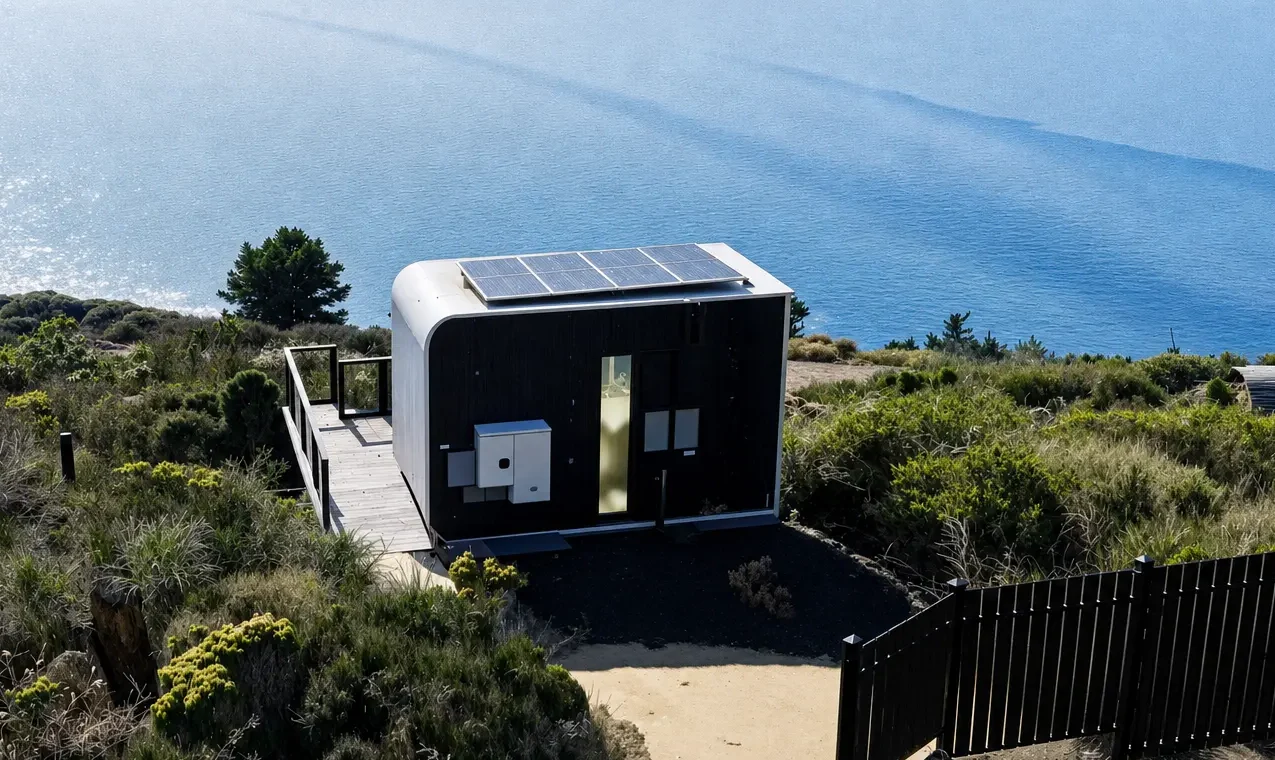
Our Studio Series is built for flexible extra space. These compact models can work as backyard offices, creative rooms, wellness spaces, support spaces, or simple structures near a main home or community site.
In a housing emergency, that kind of space can still matter. Not every need is a full dwelling. Sometimes a family needs more usable room. Sometimes a property needs a private work area. Sometimes a community site needs a small structure that supports services around housing.
The important thing is to use the space for what it does well. A studio is useful because it is focused. It should not be forced into the role of a full home.
Mobile Homes With a Clear Place to Land
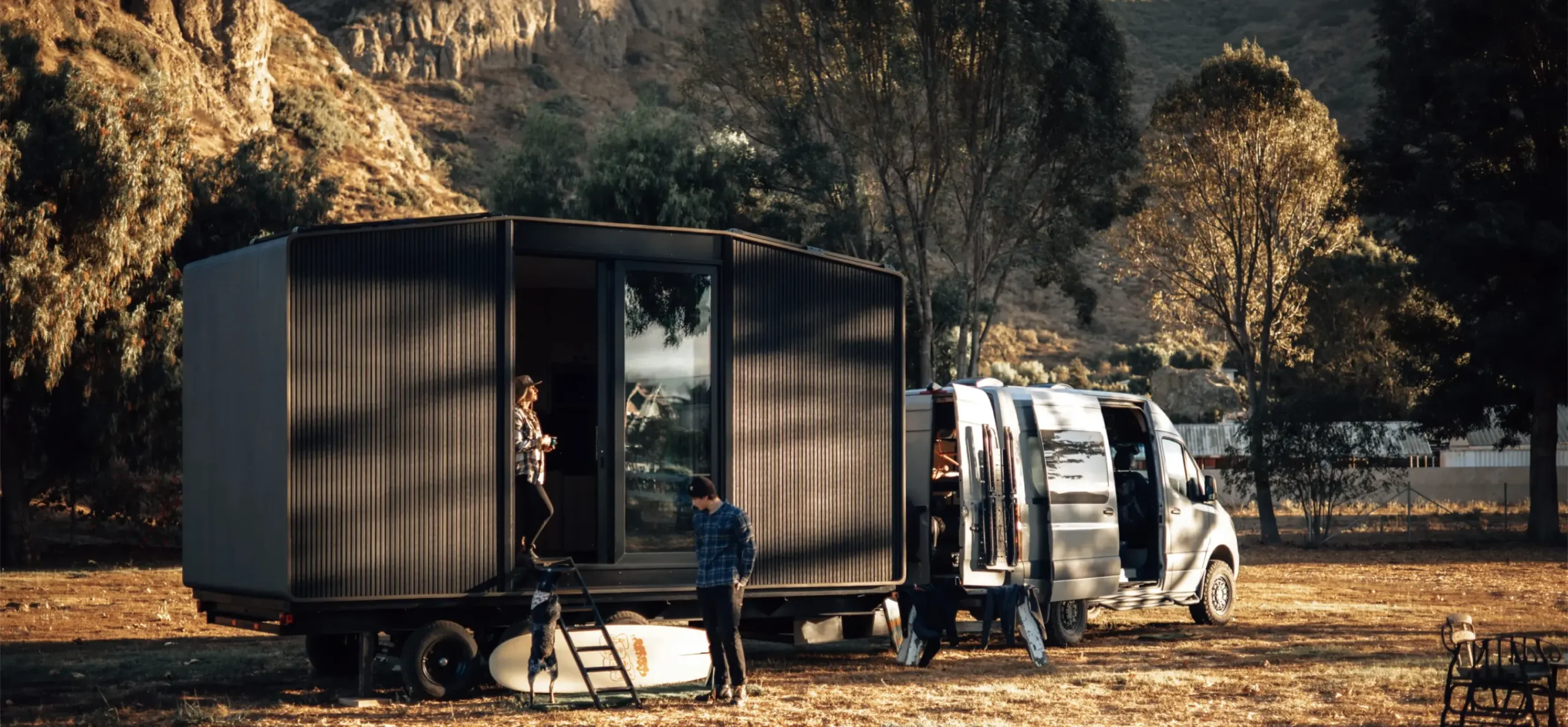
Our X Series homes on wheels are designed for mobility and comfort. They can make sense for flexible housing needs, especially where local rules allow wheel-based or park model-style placement.
This can be helpful for certain recovery situations, workforce housing, glamping sites, temporary placements, or communities that need housing outside the usual foundation-based path.
But placement is everything. A home on wheels still needs a legal and practical place to sit. It needs access, drainage, utility planning, and local approval.
Mobility is useful. It is not a shortcut around planning.
ADUs and Small Homes for Longer-Term Needs
For more complete residential use, ADUs and small homes often make more sense.
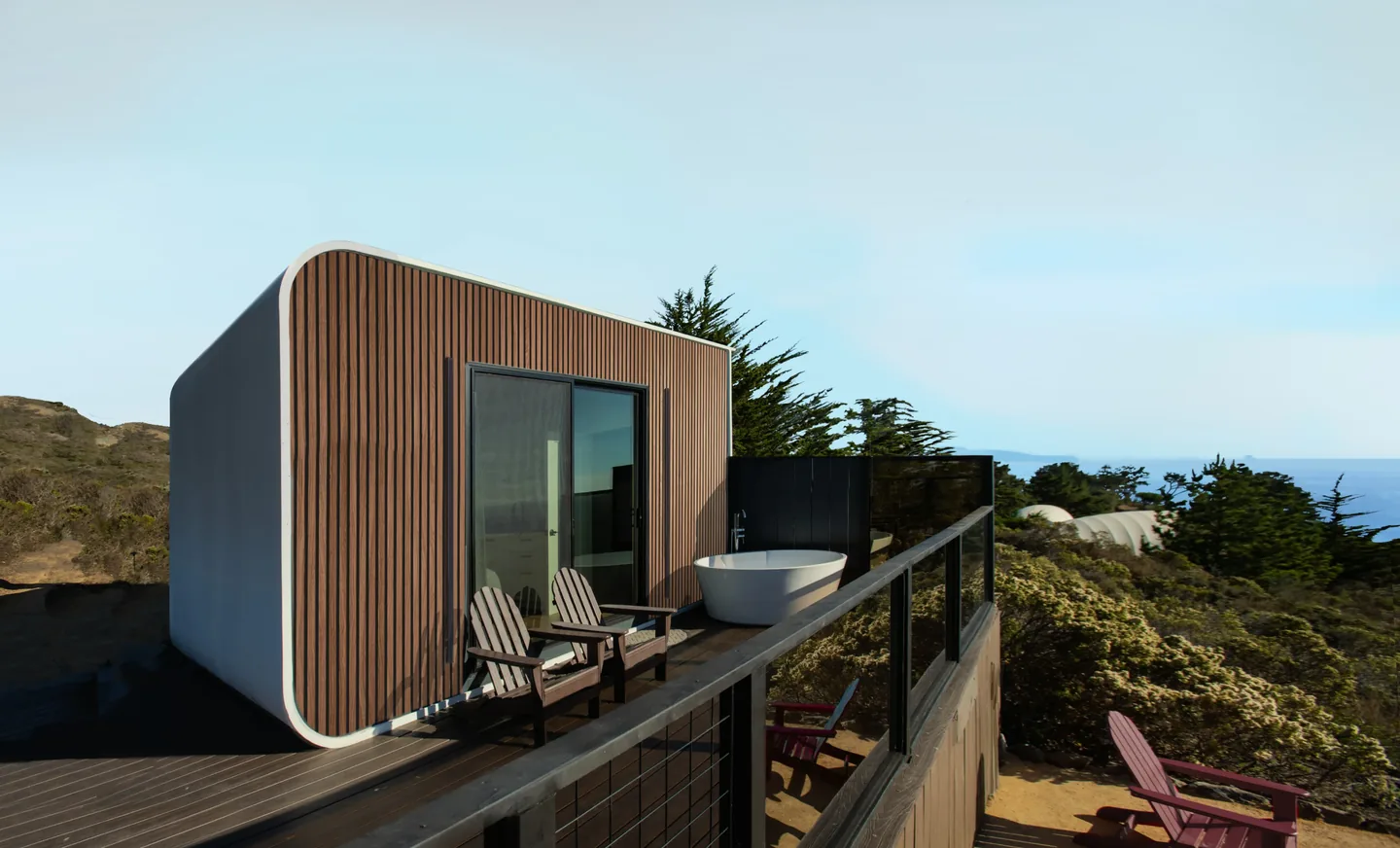
Our Homes & ADUs category is built for family space, guest housing, rental potential where allowed, and more permanent living needs. These units require more planning than a small studio, including permits, utilities, foundation work, drainage, delivery access, and site review.
That planning is part of what makes the space livable.
In a national housing emergency, ADUs can be especially practical because they use land that already exists. A backyard, side lot, infill parcel, or underused property can become part of the housing response without waiting for every project to begin as a large development.
That does not make the process automatic. Local rules still matter. But the potential is real.
When the Need Is Bigger Than One Unit
Some housing problems need more than one small home at a time.
That is where professional building systems become important. Larger projects may involve multifamily housing, missing middle housing, wildfire rebuilds, mountain communities, or interim housing for people who need a safer place while they move toward permanent stability.
For these projects, repeatability matters. Developers, architects, and general contractors need systems that reduce complexity and support faster delivery without making every building feel generic.
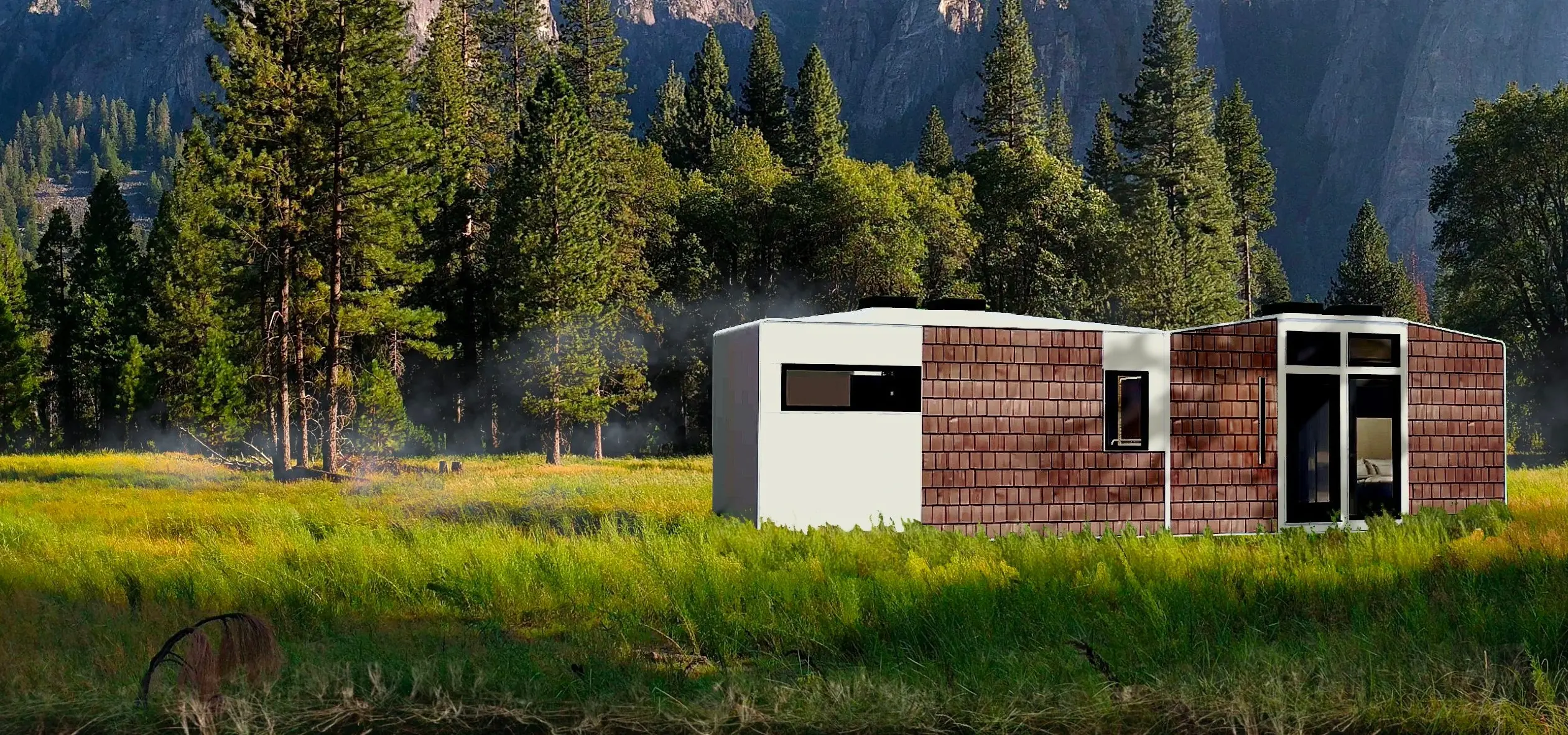
Our professional building systems combine elements like light-gauge steel, high-performance envelopes, and 3D-printed facade components. The goal is not to make one perfect model for every site. The goal is to create a smarter building process that can scale.
When the need is urgent, a repeatable system can save time before construction even begins.
The Site Still Decides a Lot
Emergency building does not mean ignoring the land.
The site can make or break the project. A unit may be well designed, but it still needs a real place to go. That place has rules, access points, utility limits, drainage needs, soil conditions, and neighbors.
Before choosing a housing solution, it helps to ask:
- What will the space be used for?
- Is it temporary, transitional, or permanent?
- Does local zoning allow this type of unit?
- Are water, sewer, and power available?
- What permits are needed?
- Can the unit be delivered safely?
- Does the site need grading, foundation work, or drainage planning?
- Who will maintain the space after it is installed?
These questions may feel basic, but they prevent expensive mistakes.
The fastest housing project is usually not the one that skips planning. It is the one that gets the right questions answered early.
Building Faster Without Wasting More
In a housing emergency, it can be tempting to focus only on speed. When people need homes, time matters.
But faster building should not mean more waste, weaker materials, or short-lived structures. That only moves the problem into the future.
Sustainability still matters because housing is not separate from the environment around it. Fires, heat, storms, high energy costs, and material waste all affect how communities live and rebuild.
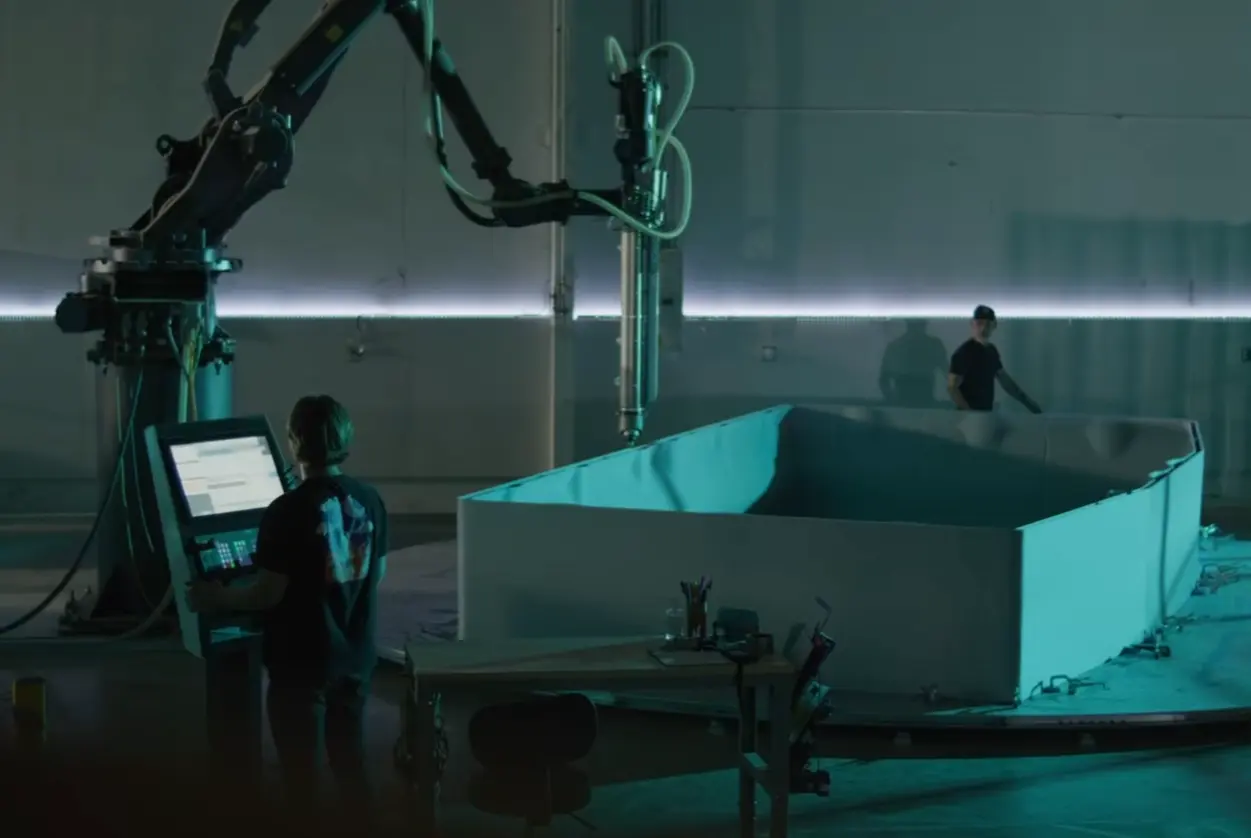
Our approach uses recycled plastic waste in the 3D-printing process. We also focus on controlled factory fabrication because it can reduce construction waste and make production more predictable.
That matters in emergency housing because the response should not create a new burden while solving an old one.
Better building should be faster, yes. But it should also be cleaner, stronger, and easier to repeat.
A More Useful Way to Think About the Emergency
A national housing emergency is not solved by one product, one policy, or one company. It is too large for that.
But the way we build has to be part of the answer.
We need more housing types. We need faster production. We need better use of existing land. We need local rules that make sense. We need systems that can respond to disasters, affordability pressure, family needs, and larger community projects without treating every single home like a brand-new experiment.
At Azure Printed Homes, we build future-focused modular living spaces because we believe housing needs a better rhythm. Configure the right unit. Produce it in a controlled environment. Deliver it with a clear site plan. Install it where it can actually serve the people who need it.
That is not a magic fix. It is a more practical path.
Final Thought
A national housing emergency means the need for housing has moved beyond normal market pressure. It means people are waiting too long for safe, stable places to live. It means the usual building timelines are not enough.
The response has to be faster, but still thoughtful. Smaller homes, ADUs, homes on wheels, modular construction, and scalable building systems can all play a role when they are matched to the right site and the right need.
Emergency building is not about rushing. It is about being ready.
Ready to use land better. Ready to reduce waste. Ready to build in a more predictable way. Ready to help communities move from waiting to living.