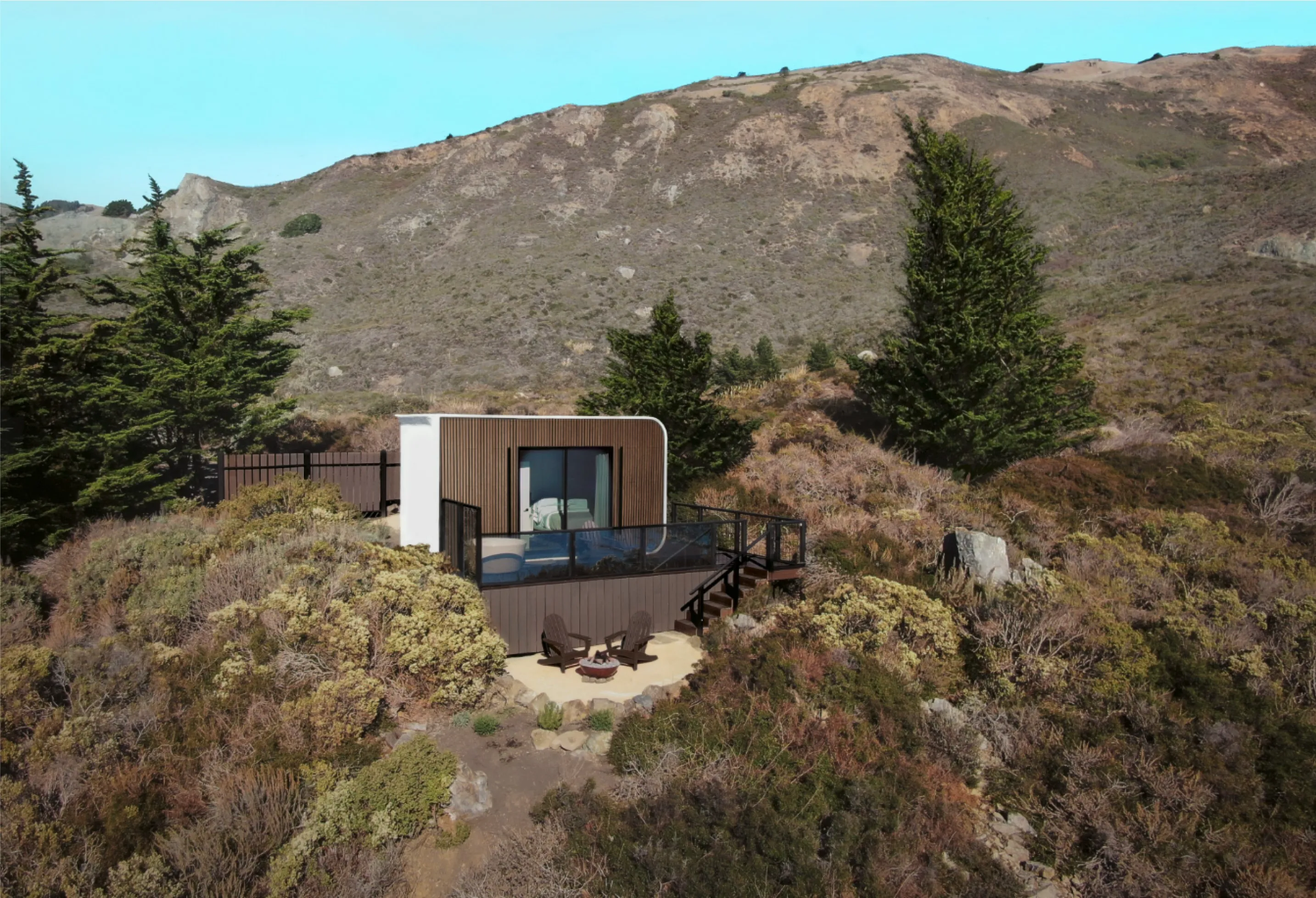
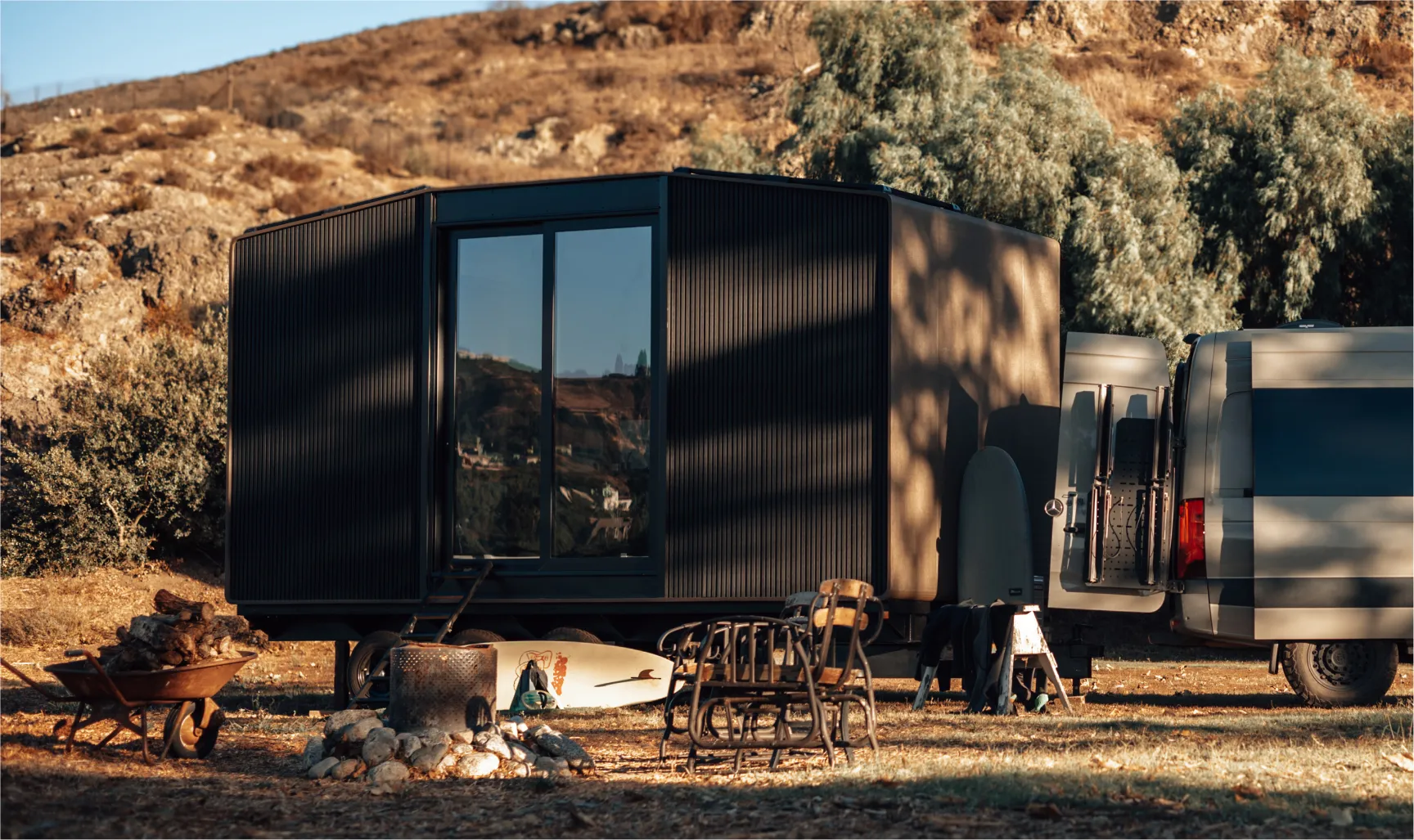
Tiny homes on wheels can look simple from the outside, but the price depends on more than square footage. Size matters, of course. So do the layout, finishes, built-in systems, delivery needs, and where the home will actually be placed.
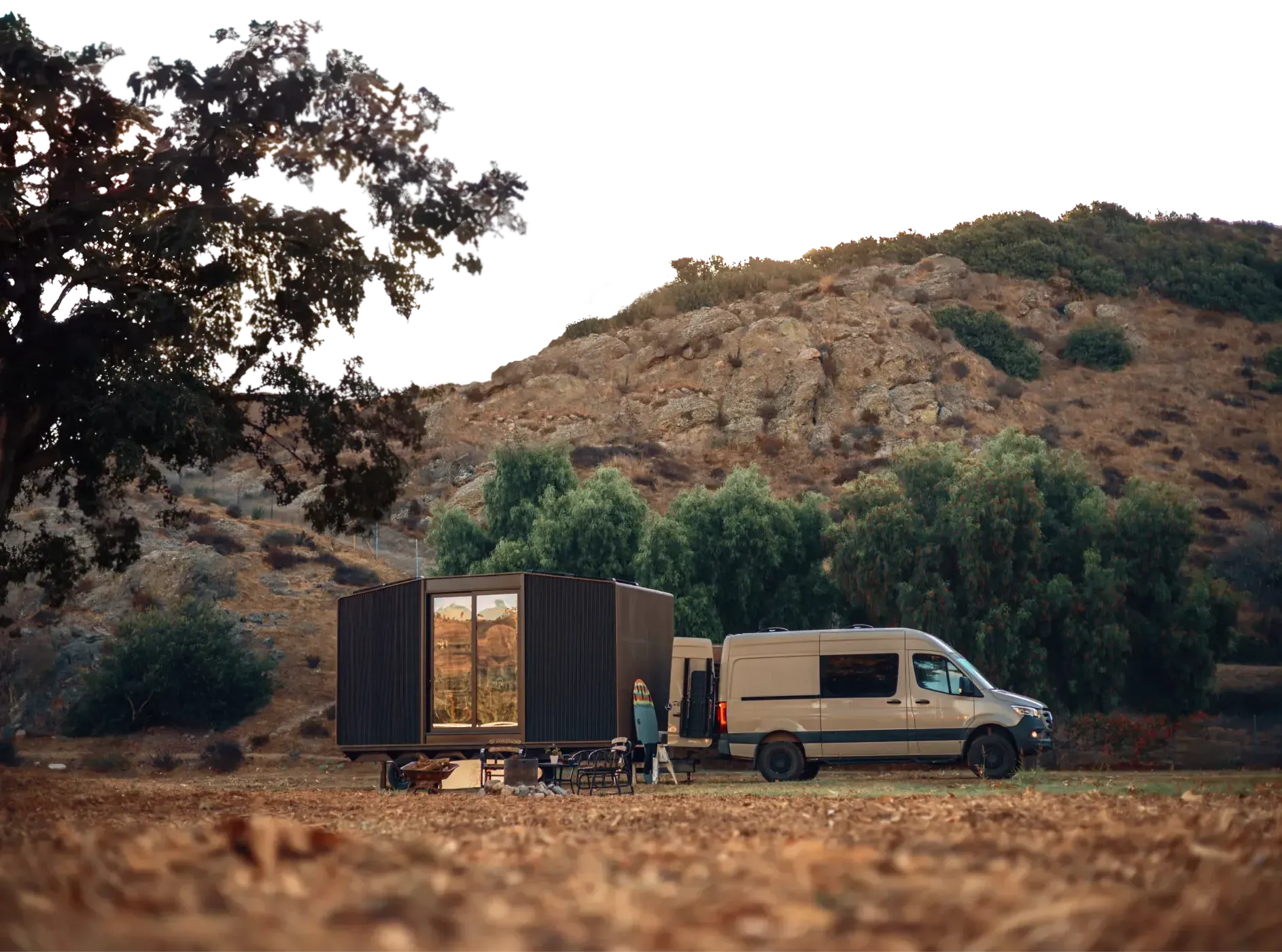
At Azure Printed Homes, our X Series was created for people who want compact living with more flexibility. These are chassis-based homes designed for mobility, comfort, and everyday function. They are not just empty shells on wheels. They include real home features like kitchens, bathrooms, sleeping space, and room to make the space feel personal.
Our current X Series starting prices range from $69,900 to $109,900, depending on the model. The smaller X_180 starts at $69,900. The X_270 starts at $84,900. The larger X_360 starts at $109,900.
Those numbers are a helpful starting point, but they are not the whole project budget. A tiny home on wheels still needs a real plan. Before ordering, homeowners should think about placement rules, utility access, delivery, setup, and how the home will be used day to day. The best tiny home project is not just the one that fits the budget. It is the one that fits the land, the lifestyle, and the rules in the place where it will go.
The Starting Price of a Tiny Home on Wheels
The price of a tiny home on wheels depends heavily on size. More square footage usually means more structure, more materials, more systems, and more room to live comfortably.
Our X Series includes three chassis-based models:
| X Series Model | Size | Layout | Starting Price |
| X_180 | 180 sq ft | Studio-style home on wheels | $69,900 |
| X_270 | 270 sq ft | 1 bedroom, 1 bathroom | $84,900 |
| X_360 | 360 sq ft | 2 bedrooms, 1 bathroom | $109,900 |
Each model is designed for a different type of buyer. Some people want the smallest possible setup that still feels functional. Others want a separate bedroom, more storage, or enough space to stay longer without feeling squeezed.
The important thing is to avoid comparing tiny homes only by the lowest number. A 180 sq ft studio-style home on wheels and a 360 sq ft two-bedroom model are not trying to solve the same problem.
Why Tiny Home Prices Vary So Much
Tiny homes on wheels are often talked about like one product category, but the range is wide. Some are very basic. Some are built for occasional use. Others are designed with real residential features and better long-term comfort.
A lower price can be appealing, but it may come with tradeoffs. It might mean less insulation, fewer built-ins, limited plumbing, smaller appliances, cheaper materials, or a layout that works better in photos than in everyday use.
The biggest price factors usually include:
- Size and floor plan
- Kitchen and bathroom features
- Sleeping layout
- Built-in storage
- Insulation and weather performance
- Appliances and fixtures
- Interior finish level
- Utility connection needs
- Chassis and structural requirements
- Delivery distance and access
- Site preparation
This is why it helps to ask what the tiny home is meant to do before focusing only on the price. A weekend retreat, a park-style living setup, a guest space, and a more regular home base all need different things.
What the Starting Price Does Not Always Cover
A starting price is the cost of the model before the full project picture is built around it. That is normal in small-space construction. It is also why buyers should avoid treating the model price as the full budget.
Delivery and Setup
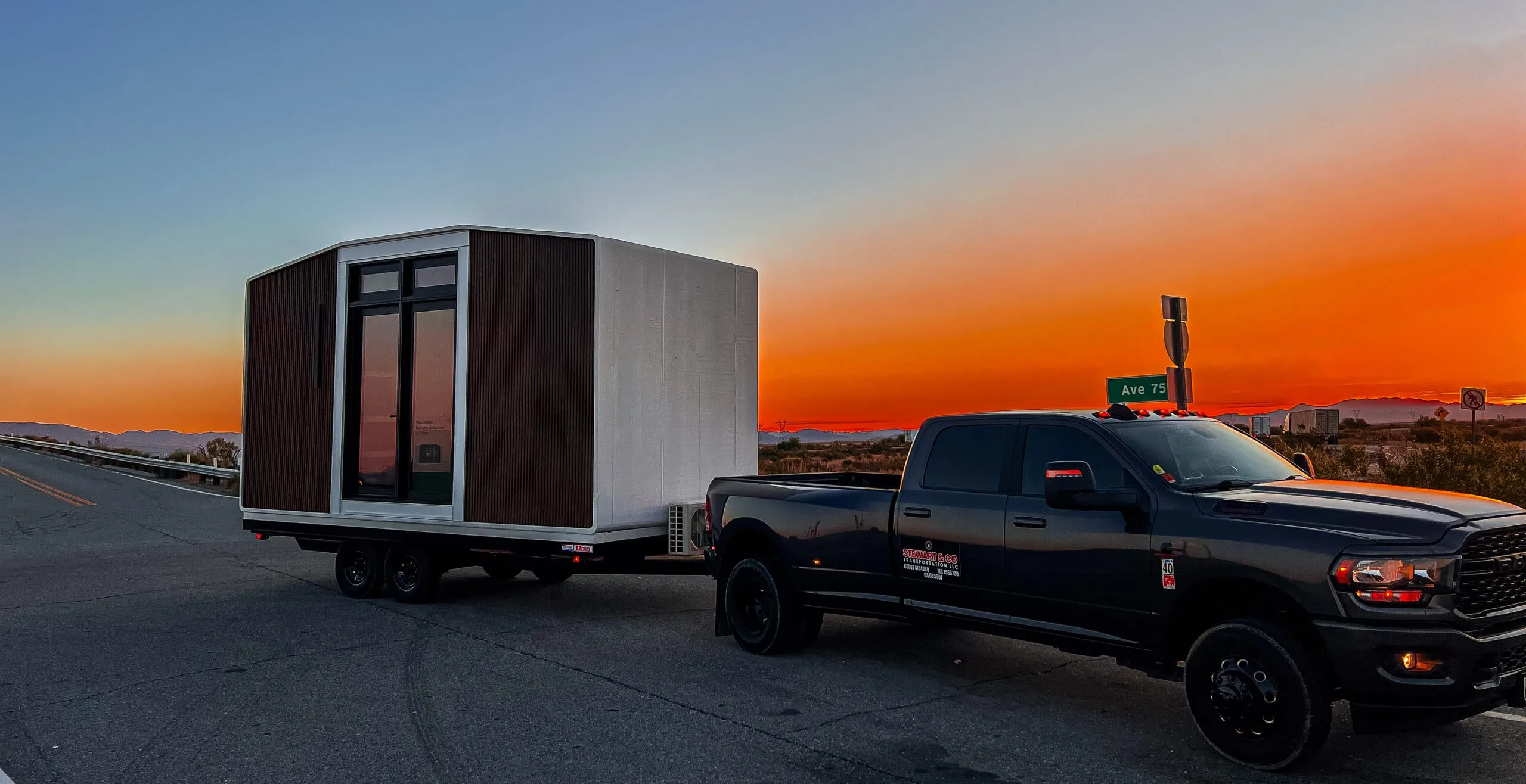
A tiny home on wheels still has to get to the site safely. Delivery distance, access, turning space, gates, slopes, and the final placement area can all affect the cost. A smooth delivery path can keep things simple. A tight or difficult site may need more planning.
Site Preparation
The land matters. The unit needs a stable place to sit, and the area should be graded so water drains properly. Some sites may need more work before the home arrives, especially if the ground is uneven, access is limited, or drainage needs to be improved.
Utility Planning
If the tiny home will be used regularly, utilities need to be part of the budget. Electrical service, water, sewer, and connection points can change the final number. The farther the unit sits from existing utilities, the more planning the project usually needs.
Local Requirements
A tiny home on wheels may be movable, but it still needs a legal place to go. Local rules, placement approvals, utility permits, HOA limits, or park model-style requirements can all affect the project. Checking this early helps avoid expensive surprises later.
Site Work Can Change the Final Number
The easiest tiny home projects usually happen on properties that are already easy to access, reasonably flat, and simple to connect to utilities. The harder ones usually involve tight turns, narrow gates, steep slopes, long utility runs, drainage issues, or unclear local rules.
A chassis-based home still needs a proper place to sit. It may be movable, but it should not be treated casually. If water collects under the unit, if the site is uneven, or if the access path is not realistic, the project can become more complicated.
Before choosing a model, it helps to look at the property with practical eyes.
Ask questions like:
- Can the unit be delivered safely?
- Is there enough turning space?
- Is the ground properly graded?
- Will water drain away from the unit?
- How far are the utility connection points?
- Are there trees, fences, walls, or slopes in the way?
- Is the location allowed by local rules?
- Will the unit have enough privacy and access?
A beautiful tiny home can still be a poor fit for the wrong site. That does not mean the project cannot work. It just means the site should be part of the budget from the beginning.
Utilities Are a Big Part of the Cost Conversation
A tiny home on wheels can feel simple until utilities enter the conversation. Once a home has a kitchen, bathroom, shower, washer/dryer planning, or regular living use, utility planning becomes important.
The X Series includes real home features, which means buyers should think about how the home will connect and function wherever it is placed.
Electricity is usually the first thing people consider. After that, water and sewer planning can affect the project more than expected. The distance to existing connection points, the condition of the property, and the local requirements can all influence cost.
This is also where intended use matters. A unit used occasionally may have different needs than one used for daily living. A park-style placement may have different infrastructure than a private backyard. A remote location may need more planning than a prepared site.
There is no useful one-size-fits-all number here. The right question is not just, “How much is the tiny home?” It is also, “What does this tiny home need to work properly in this location?”
Permits and Placement Rules Matter
A tiny home on wheels can be flexible, but flexible does not mean rule-free.
This is one of the most important parts of the price guide because the wrong assumption can get expensive. A buyer may find a model they love, calculate the starting price, and forget to check whether the unit can be placed where they want to use it.
Local rules can vary by city, county, property type, zoning, community, and intended use. A tiny home on wheels may be treated differently from an ADU, a backyard studio, a foundation-based dwelling, or a recreational vehicle-style unit.
Before buying, it helps to confirm:
- Whether homes on wheels are allowed on the property
- Whether the unit can be used full-time or occasionally
- Whether park model-style placement rules apply
- Whether utility connections require permits
- Whether local inspections are needed
- Whether HOA or community rules create limits
- Whether setbacks, access, or parking rules apply
This step is not exciting, but it protects the budget. A tiny home that cannot legally sit where it is supposed to go is not a good deal, no matter how good the starting price looks.
Tiny Home on Wheels vs ADU Pricing
A tiny home on wheels and an ADU can both be small living spaces, but they are not the same planning path.
Our X Series Homes on Wheels range from 180 to 360 sq ft and start at $69,900. Our Homes & ADUs models are larger residential-style units, ranging from 360 to 900 sq ft, with starting prices from $89,900 to $219,900.
The price difference is not just about size. It is also about use, placement, permitting, foundation, utilities, and long-term purpose.
A home on wheels may make more sense when mobility or flexible placement is part of the plan. An ADU may make more sense when the goal is a more permanent residential setup, rental potential where allowed, family housing, or a property-based investment.
Neither one is automatically better. They solve different problems.
A tiny home on wheels may be a better fit when:
- The project needs mobility
- The site allows chassis-based placement
- The buyer wants a compact home with core living features
- The use case is travel, park-style living, or flexible land use
- The buyer understands placement rules before ordering
An ADU may be a better fit when:
- The unit will stay on one property
- The buyer wants a permanent backyard home
- The goal is rental income where allowed
- Family or guest housing is the main use
- Local ADU rules support the project
The price should be viewed through that lens. A cheaper option is not cheaper if it cannot be used the way the buyer needs.
How to Think About Budget Before Choosing a Model
A better tiny home budget starts with more than the model price. The home is the main number, but it is not the only number.
Start With the Model
For our X Series, the starting prices are clear. The X_180 starts at $69,900, the X_270 starts at $84,900, and the X_360 starts at $109,900. This gives buyers a useful starting range based on size and layout.
Add the Project Costs
Next comes the site. Delivery, placement, grading, utility connections, and any local requirements should be considered before the budget is treated as complete. A prepared site with easy access is very different from a property with long utility runs or tight delivery conditions.
Leave Room for Real Life
There are also the smaller things that make the space easier to use once it arrives. Steps, skirting, outdoor lighting, internet, furniture, storage, privacy, and landscaping may not sound major at first, but they affect how the tiny home feels day to day.
Many buyers only plan for the first layer. The smoother projects usually include all three. That does not make the project complicated. It just makes the budget more honest.
What Can Make a Tiny Home on Wheels Feel Worth the Price
A tiny home on wheels is not only about reducing square footage. It is about using space carefully.
That is where design matters. In a small home, every awkward corner shows up quickly. A poor layout can make 360 sq ft feel cramped. A good layout can make 180 sq ft feel surprisingly workable.
Useful features usually matter more than flashy ones. A functional kitchen, a bathroom that feels comfortable, storage in the right places, enough natural light, and a smart sleeping layout can change the way the space feels every day.
The real value often comes from:
- A layout that fits the use
- Weather-ready comfort
- Durable materials
- Less waste in the construction process
- Faster fabrication compared with traditional building
- A smaller footprint with real living function
- Flexibility if life plans change
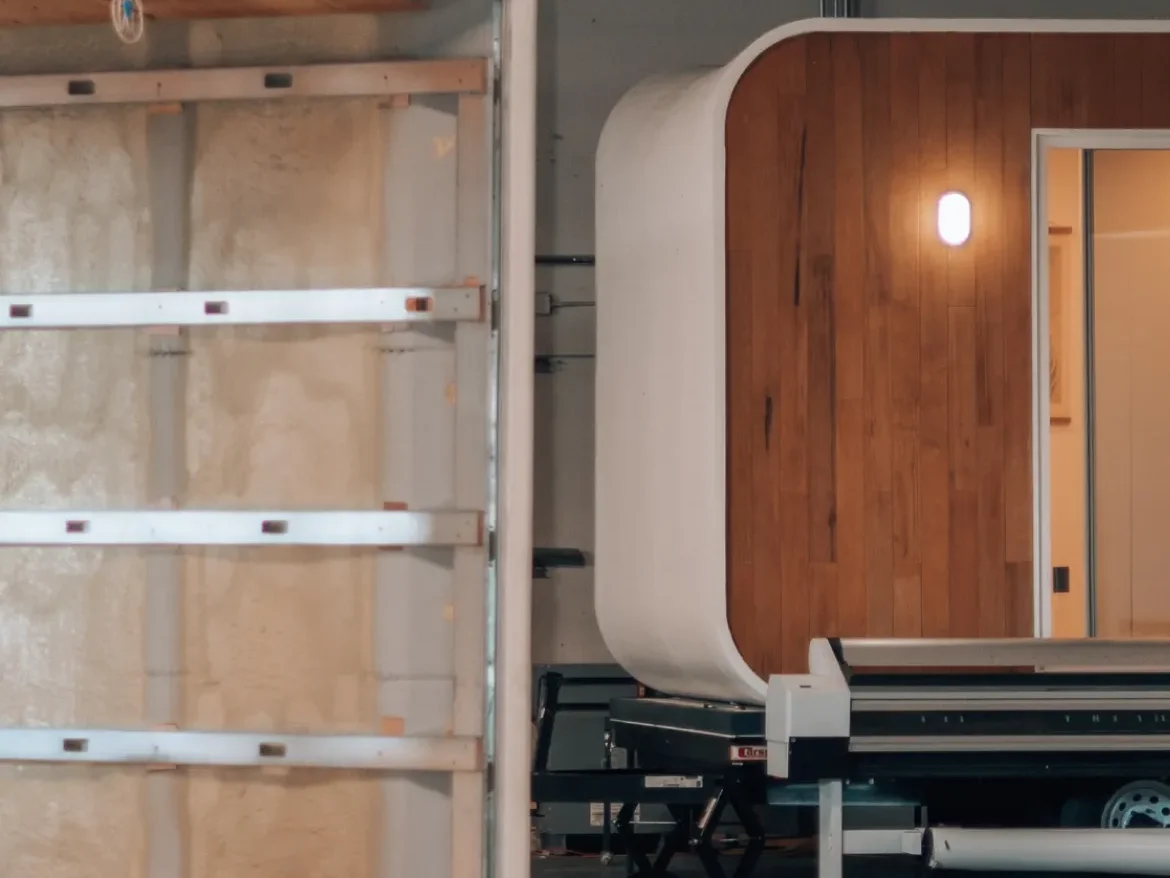
At Azure, we also build with recycled plastic as part of our 3D-printed approach. That matters to many buyers, but not in a vague “green” way. It is about using durable recycled material and building with less waste than the old construction model.
A tiny home should feel thoughtful. Not stripped down just for the sake of being small.
Is the Cheapest Tiny Home on Wheels the Best Choice?
Sometimes yes. Often no.
If someone needs a compact studio-style setup and the site is a fit, the smallest model may be the smartest choice. There is no reason to pay for space that will not be used.
But if the home will be used often, or by more than one person, or for longer stays, the cheapest option can become frustrating. Tiny living is easier when the layout matches real habits.
The better question is not, “What is the lowest price?” It is, “What is the smallest model that still works for the way this home will be used?”
That question tends to lead to better decisions.
For one buyer, the X_180 may be enough. For another, the X_270 may be the better balance. For someone who needs two bedrooms and more separation, the X_360 may make more sense even with the higher starting price.
Saving money on the wrong layout is not really saving money. It is just moving the problem into daily life.
Common Budget Mistakes to Avoid
Tiny homes on wheels can be practical, but they still need planning. The biggest mistakes usually come from treating the home like a quick purchase instead of a small building project.
Common mistakes include:
- Looking only at the model price
- Forgetting delivery and setup costs
- Assuming the unit can be placed anywhere
- Not checking local rules early
- Underestimating utility needs
- Choosing too little space for the actual use
- Ignoring drainage and grading
- Planning for rental income before confirming it is allowed
- Leaving no room in the budget for finishing details
The best way to avoid these issues is to slow down at the beginning. A few clear answers early can prevent expensive surprises later.
A Simple Price Planning Checklist
Before deciding how much to spend on a tiny home on wheels, it helps to write down the full project picture.
Here is a simple way to think through it:
- Choose the use first: travel, park-style living, guest space, rental where allowed, or flexible personal space
- Match the size to the use: 180, 270, or 360 sq ft
- Check the placement rules before ordering
- Confirm delivery access
- Review grading and drainage
- Plan electrical, water, and sewer needs
- Ask what site work may be needed
- Think about stairs, skirting, storage, outdoor space, and privacy
- Keep a budget cushion for real-world details
This is not meant to make the project feel heavy. It is meant to make it more realistic. A tiny home on wheels is more enjoyable when the boring parts have already been handled.
Final Thoughts
Tiny homes on wheels can be a smart way to create a smaller, more flexible living space. They can work for travel-minded buyers, park-style settings, guest use, flexible land use, and people who want the comforts of home without a full-size house.
At Azure Printed Homes, our X Series starting prices range from $69,900 to $109,900. The X_180 keeps things compact. The X_270 adds a one-bedroom layout. The X_360 gives more room with two bedrooms and a larger setup.
But the best tiny home project is not just the one with the right model price. It is the one with a real place to go, a clear utility plan, a site that can support it, and local rules that allow the intended use.
A tiny home on wheels should make life feel simpler, not more confusing. The price guide starts with the model, but the better decision comes from looking at the whole picture.