Sustainable homes are not just about adding solar panels or choosing a smaller floor plan. A truly sustainable home starts with smarter decisions from the very beginning – how the space is designed, what materials are used, how much energy it needs, and how well it supports real life over time.
For many people, building sustainably means creating a home that is comfortable, efficient, durable, and less wasteful. It should make daily living easier, not harder. It should also use resources with more care, from construction materials to long-term energy use.
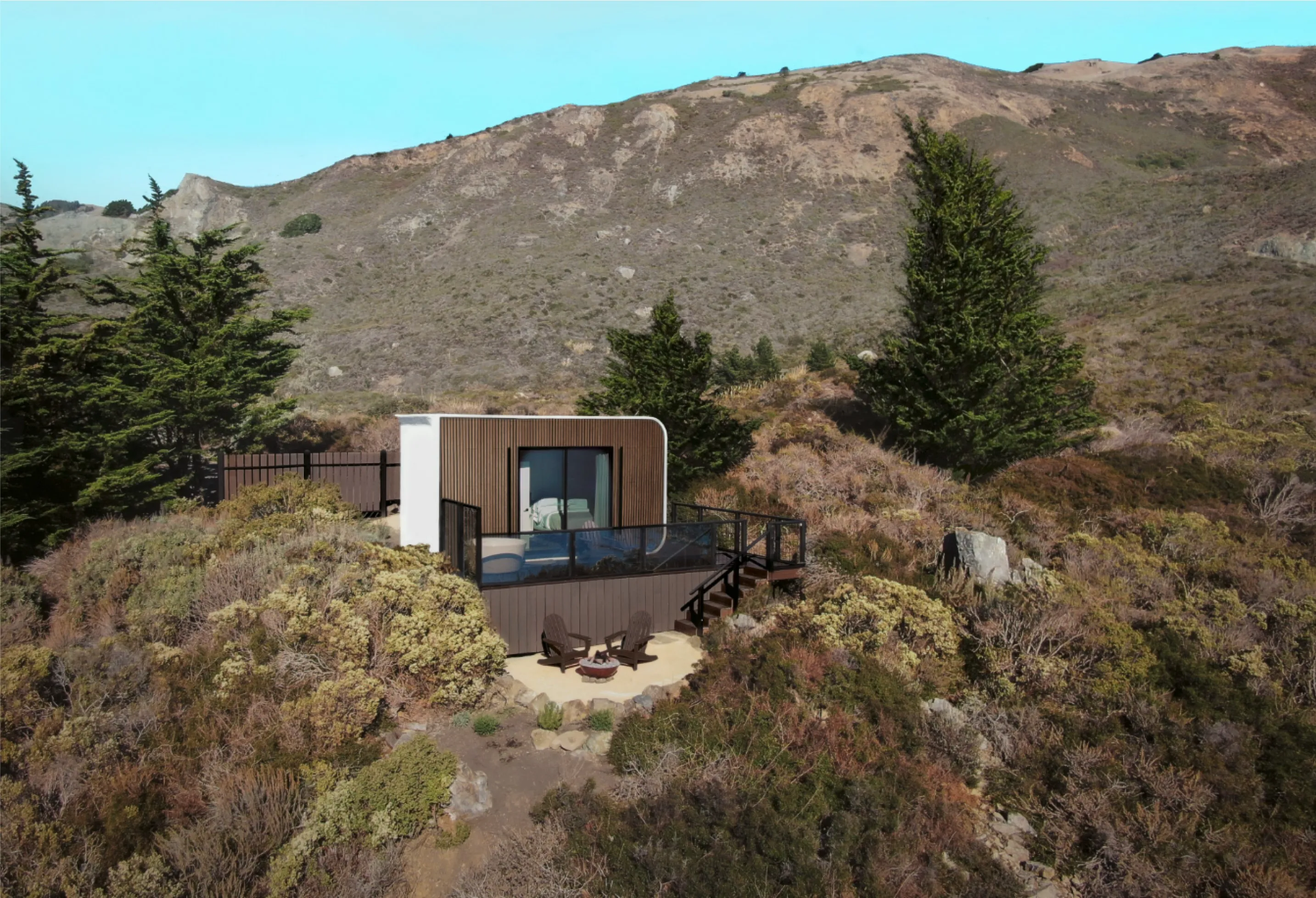
At Azure Printed Homes, we create modular living spaces with 3D-printed construction, recycled materials, customizable designs, and energy-efficient features. We build for a future where homes can be produced faster, adapted more easily, and designed around the way people actually live.
What Makes a Home Sustainable?
A sustainable home is designed to reduce waste, use resources responsibly, and perform efficiently over time. That includes the building process, the materials, the layout, the systems inside the home, and the way the home fits on the property.
A home can be more sustainable when it:
- Uses durable materials that last longer
- Reduces construction waste
- Requires less energy for heating, cooling, and daily use
- Makes smart use of available land
- Fits the owner’s actual needs
- Can adapt to future use
- Is built with a more efficient construction process
Sustainability is not one feature. It is the result of many smart choices working together.
Step-by-Step Guide to Building a Sustainable Home
A sustainable project does not start with materials alone. It starts with purpose, planning, and a clear understanding of how the home will fit into the property and daily life. From the layout to the construction method, every choice can help reduce waste and improve long-term value.
1. Start With the Right Design
Good design is one of the most important parts of building a sustainable home. A poorly planned home may use more materials, cost more to heat and cool, and feel less comfortable over time.
Before choosing a model or layout, it helps to think about how the space will actually be used. A backyard studio, ADU, guest house, tiny home, glamping unit, and home on wheels all have different needs.
A sustainable design should consider:
- How many people will use the space
- Whether it needs a kitchen or bathroom
- How much storage is required
- Where natural light should enter
- How privacy will be handled
- How utilities will connect
- Whether the space may need to serve a new purpose later
The goal is not always to build the biggest home possible. Often, the smarter choice is to build the right amount of space and make every square foot useful.
2. Choose Materials With Less Waste
Materials have a major impact on how sustainable a home can be. Traditional construction can create a large amount of waste from cutting, framing, over-ordering, and on-site changes. Sustainable building looks for ways to reduce that waste before it happens.
This is one reason 3D-printed construction is changing the conversation. Instead of relying only on conventional building methods, robotic printing can create structures with precision and repeatability. That can help reduce unnecessary material use and support a cleaner construction process.
At Azure, we use recycled materials in our 3D-printed homes. For a 120 sq ft unit, approximately 100,000 recycled plastic bottles are used in the printed material. That gives plastic waste a new purpose while creating modern modular living spaces for studios, ADUs, tiny homes, glamping units, and homes on wheels.
3. Build for Energy Efficiency
Energy efficiency matters long after the home is installed. A sustainable home should be designed to use less energy for heating, cooling, lighting, and everyday living.
This can include:
- A compact and efficient layout
- Proper insulation
- Energy-efficient heating and cooling
- Good window placement
- Smart ventilation
- Efficient appliances and fixtures
- Solar or battery options where appropriate
Smaller homes often have an advantage because there is less space to heat, cool, and maintain. But size alone is not enough. The design still has to work well. A compact home with poor airflow, bad insulation, or an awkward layout may not perform the way people expect.
4. Think About the Site Before Building
A sustainable home does not exist on its own. The property matters too. Site planning can affect comfort, utility costs, drainage, access, installation, and long-term performance.
Before starting a project, it helps to review:
- Sun exposure
- Shade and wind direction
- Drainage and grading
- Delivery access
- Utility connections
- Privacy from neighbors
- Parking or guest access
- Local zoning and permit requirements
- Foundation or placement needs
A well-planned site can help the home work better from day one. It can also reduce future problems, such as water issues, difficult maintenance, or poor placement.
5. Consider Modular and 3D-Printed Construction
Sustainable building is not only about what a home is made from. It is also about how it is built.
Modular and factory-based construction can help make the process more predictable. Instead of completing every step on-site, many parts of the home can be produced in a controlled setting. This can reduce weather delays, limit site disruption, and support better quality control.
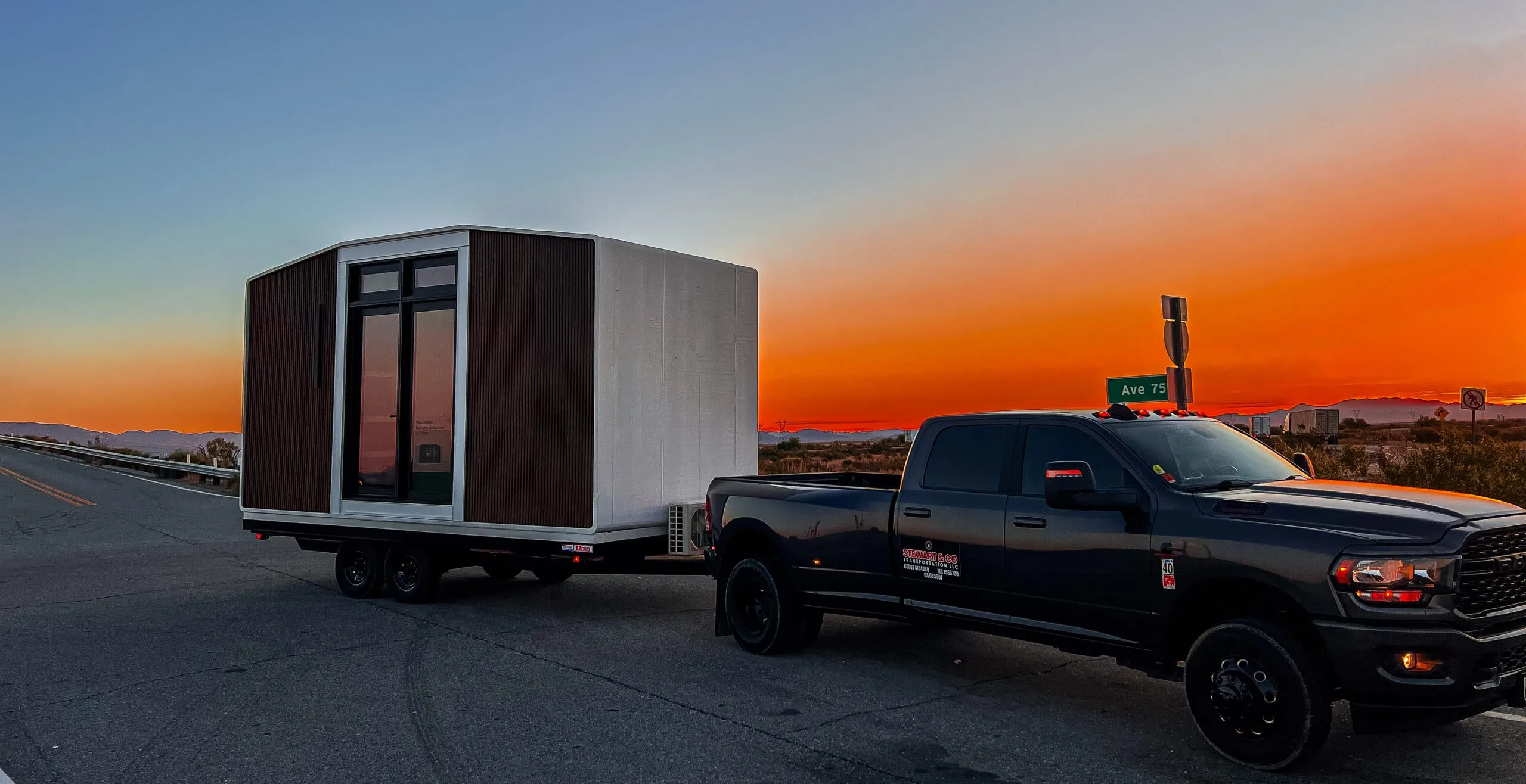
At Azure, our process is designed around a clear path: configure the unit, robotically print the structure, install finishes, deliver the home, and complete on-site installation. This approach helps simplify the journey from idea to usable space.
For homeowners, property owners, developers, and hospitality projects, that can make sustainable housing feel more practical and less overwhelming.
5. Build Only What You Need
One of the simplest ways to build more sustainably is to avoid unnecessary space. A large home may offer more room, but it also uses more materials, more land, and more energy.
That does not mean everyone should live in the smallest possible structure. It means the home should match the real use case.
For example:
- A backyard office may only need a private studio layout
- A guest suite may need sleeping space and a bathroom
- An ADU may need a kitchen, bathroom, storage, and long-term comfort
- A glamping unit may need privacy, views, and durable finishes
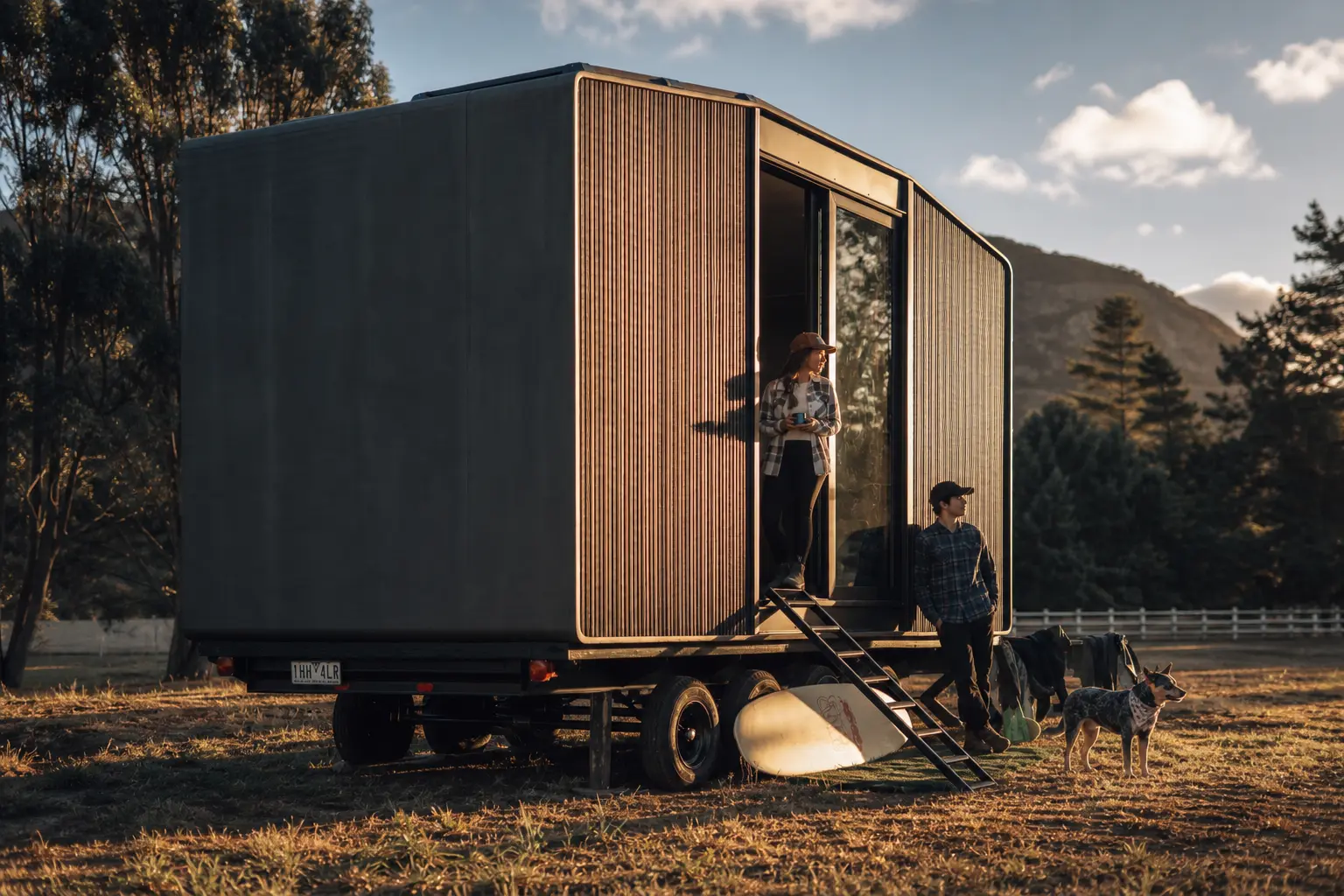
- A home on wheels may need flexibility and compact full-time function
Sustainable housing works best when it supports real life. The right size is the size that does the job well without wasting space.
6. Plan for Long-Term Use
A home that only works for a short period of time is not truly sustainable. Long-term durability matters. So does flexibility.
A sustainable home should be built with the future in mind. Maybe a backyard studio becomes a guest space later. Maybe an ADU supports family now and rental income in the future. Maybe a glamping unit needs to stay comfortable through many seasons of guest use.
Planning ahead can help reduce the need for major renovations later. That may mean choosing a better layout, stronger materials, efficient systems, or features that make the space easier to maintain.
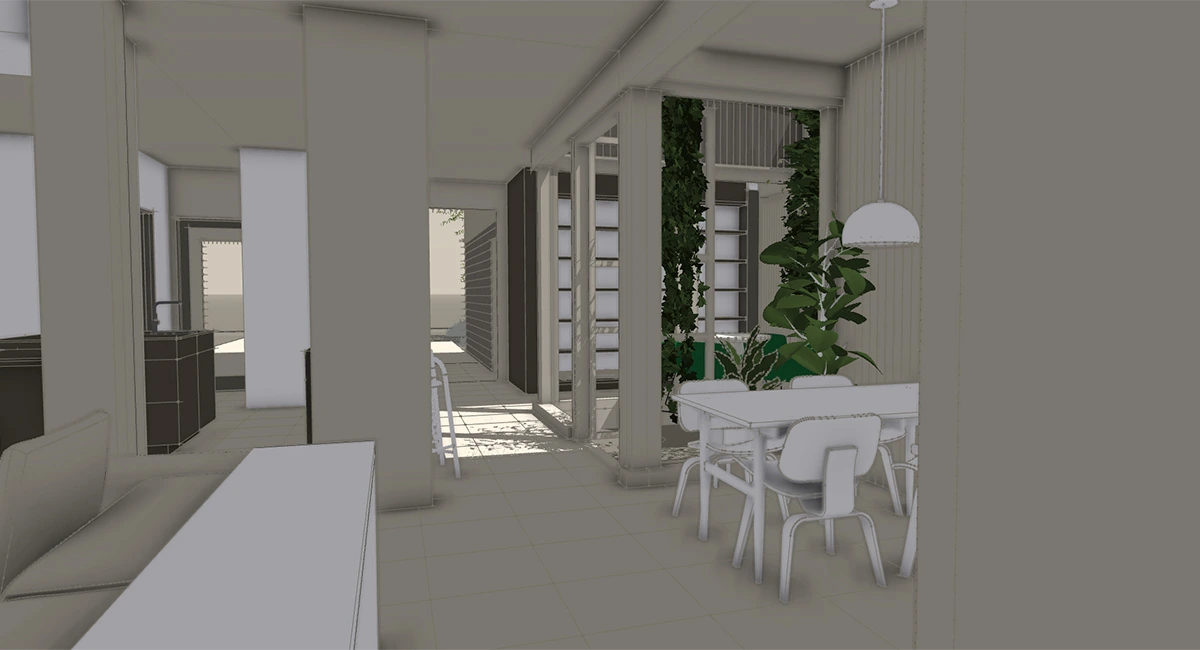
Sustainable Housing Solutions for Every Property Type
Sustainable housing is not limited to one type of buyer, property, or project. It can support many different needs, from a quiet backyard workspace to a full-time residence, guest unit, rental space, or hospitality accommodation.
For homeowners, a sustainable home may mean adding useful space without taking on a large traditional build. For landowners, it may mean creating guest stays or rental opportunities on underused property. For developers, it may mean building flexible housing with a more efficient construction process. For communities, it may mean creating faster, more practical housing solutions when space and time matter.
Common uses include:
- Backyard studios for work, creativity, or extra space
- Accessory dwelling units for family, guests, or rental income
- Tiny homes for compact full-time living
- Homes on wheels for flexible placement and mobility
- Glamping accommodations for nature-focused hospitality
- Multifamily ADU projects for denser housing needs
- Development projects that require repeatable, scalable units
- Government and emergency housing for faster shelter solutions
At Azure, our 3D-printed modular spaces are designed to support many of these uses with customizable layouts, recycled materials, and a more efficient building process.
Each use case is different, but the core idea stays the same: create practical spaces with smarter construction, less waste, and a stronger focus on how people live now and in the future.
How Much Do Sustainable Homes Cost?
The cost of building a sustainable home depends on the size, design, finishes, utilities, site conditions, delivery needs, and installation requirements. A small studio will usually cost less than a full ADU or larger residential unit.
| Type of Space | Size Range | Best For | Azure Starting Price |
| Compact studios | 100-120 sq ft | Backyard offices, creative studios, private workspaces, small guest spaces | $24,900-$29,900 |
| Smaller ADU-style homes | 180-360 sq ft | Guest suites, rentals, tiny living, extra backyard housing | $49,900-$89,900 |
| Larger ADU-style homes | 540-900 sq ft | Long-term living, family use, larger rental units, full residential layouts | $134,900-$219,900 |
| Homes on wheels | 180-360 sq ft | Flexible living, mobile housing, travel-friendly setups, off-site placement | $69,900-$109,900 |
These starting prices give property owners a clearer way to compare options and choose a model that fits the project.
Common Mistakes to Avoid
Building sustainably takes planning. Some mistakes can make a project more expensive, less efficient, or harder to use.
Common issues include:
- Choosing a layout before defining the purpose
- Ignoring utility needs until late in the process
- Building more space than necessary
- Forgetting about storage
- Overlooking site access and delivery requirements
- Choosing materials only by appearance
- Not planning for long-term maintenance
- Treating sustainability as a single feature instead of a full approach
The best results usually come from thinking through the full project early. A sustainable home should feel intentional from the foundation to the final finish.
The Future of Sustainable Home Building
Sustainable homes are becoming more practical, more flexible, and more connected to modern lifestyles. People want spaces that are efficient, comfortable, and easier to place where they are needed.
3D-printed modular construction is part of that shift. It offers a different way to think about housing – one that can reduce waste, use recycled materials, speed up production, and create customizable spaces for many types of properties.
At Azure Printed Homes, we believe sustainable living should feel modern, useful, and achievable. Whether the project is a studio, ADU, tiny home, glamping unit, or home on wheels, the goal is to build smarter spaces that support real life today and a better way forward tomorrow.
Conclusion
Building a sustainable home starts with thoughtful choices. The design should fit the purpose. The materials should be used responsibly. The home should be efficient, durable, and comfortable for the people who use it.
Sustainability is not about making life more complicated. It is about building with more intention. With smarter planning, efficient construction, and modern modular options, sustainable homes can be practical, flexible, and ready for the way people live now.