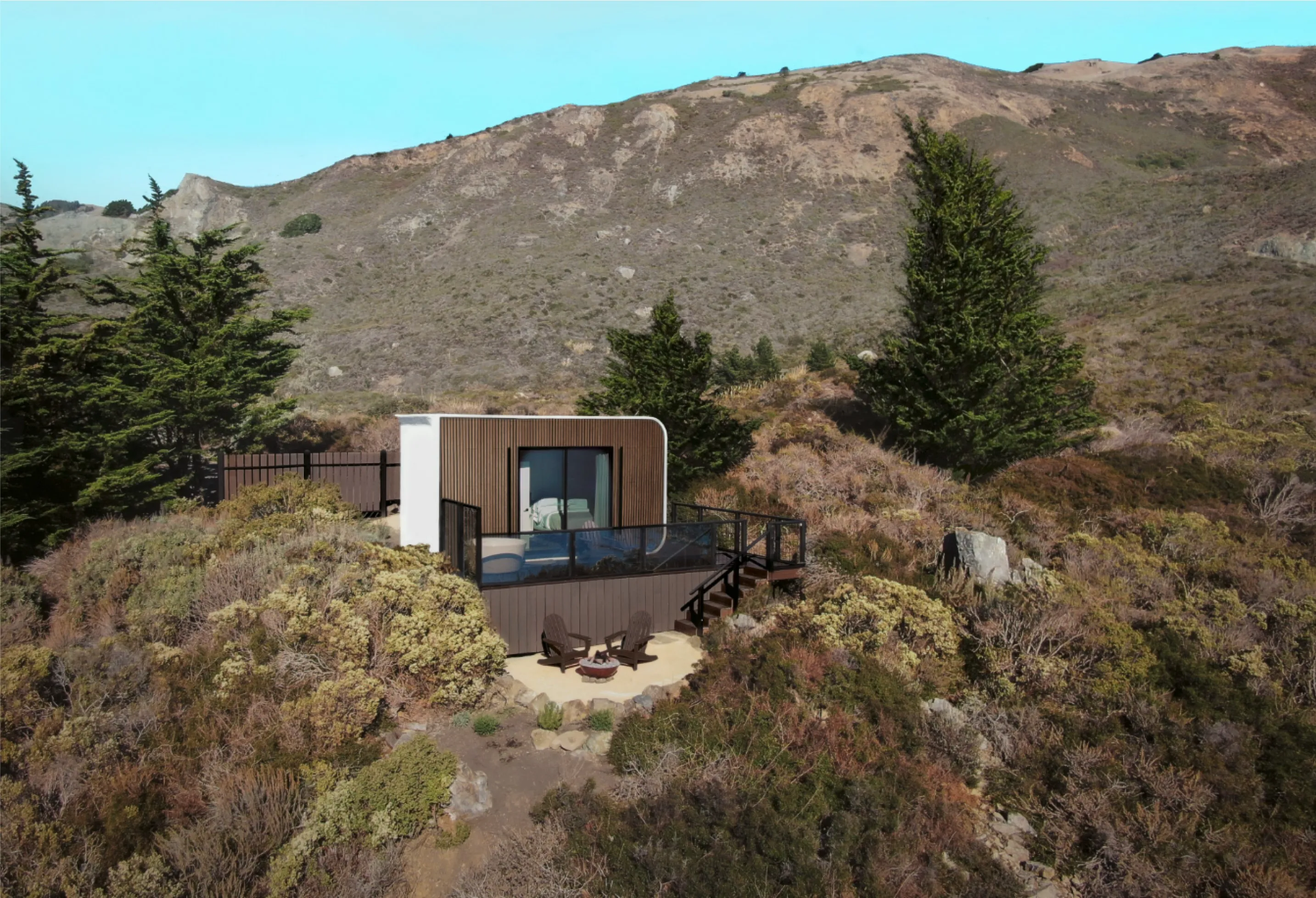
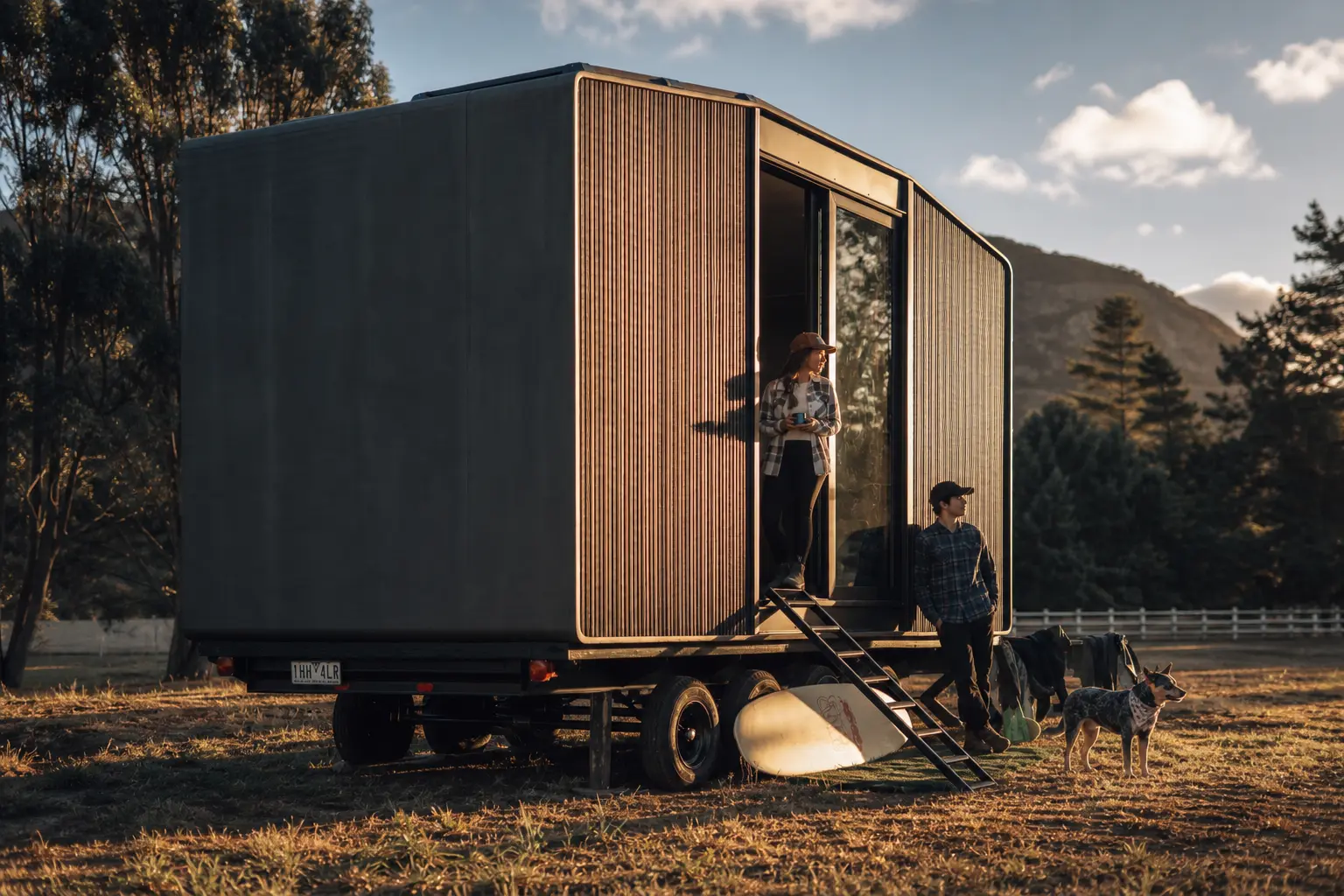
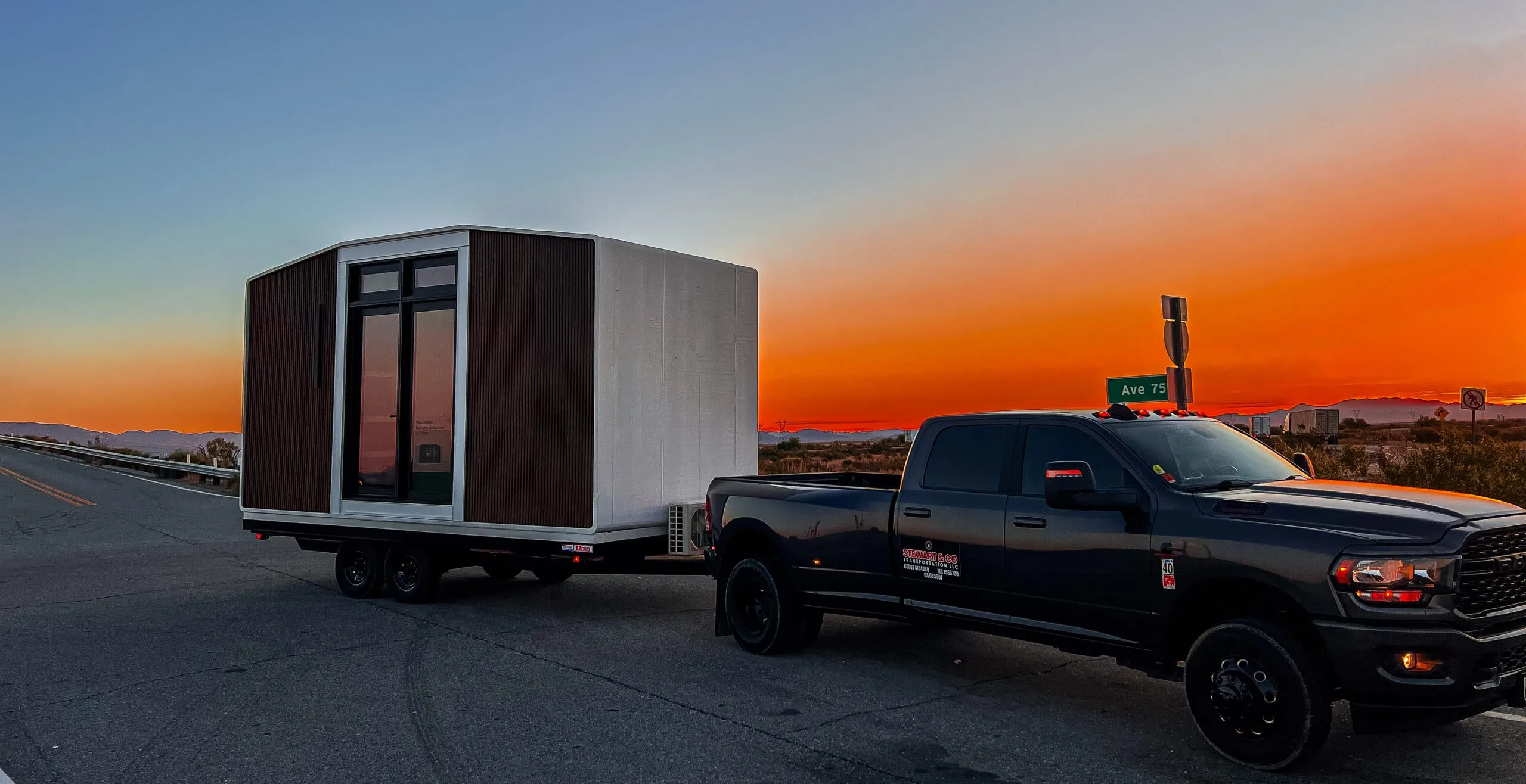
Tiny homes have become more than a design trend. For many people, they represent a smarter way to live with less waste, lower energy needs, and a smaller footprint. Instead of asking how much space a person can build, tiny homes ask a better question: how much space is actually needed?
That shift matters. A well-designed tiny home can support daily comfort, guest stays, rental use, work, travel, or glamping without the scale and resource demands of a traditional build. When the design is intentional, small living does not have to feel limited. It can feel efficient, flexible, and surprisingly complete.
At Azure Printed Homes, we create future-focused modular spaces with 3D-printed construction, recycled materials, customizable designs, and energy-efficient features. We focus on building modern homes that use materials more wisely while still feeling comfortable, practical, and ready for real life.
What Makes Tiny Homes Sustainable?
Tiny homes are sustainable because they usually require fewer materials, less land, and less energy to build and operate. Their smaller size naturally reduces waste, but sustainability depends on more than square footage alone.
A sustainable tiny home should be designed around real use. It should make good use of space, include efficient systems, and be built with materials that support long-term performance. The best tiny homes are not just small. They are thoughtful.
Smaller Spaces with Fewer Materials
One of the clearest sustainability benefits of tiny homes is material efficiency. A smaller structure generally needs fewer building materials than a larger traditional home. That can reduce construction waste and lower the environmental impact of the project.
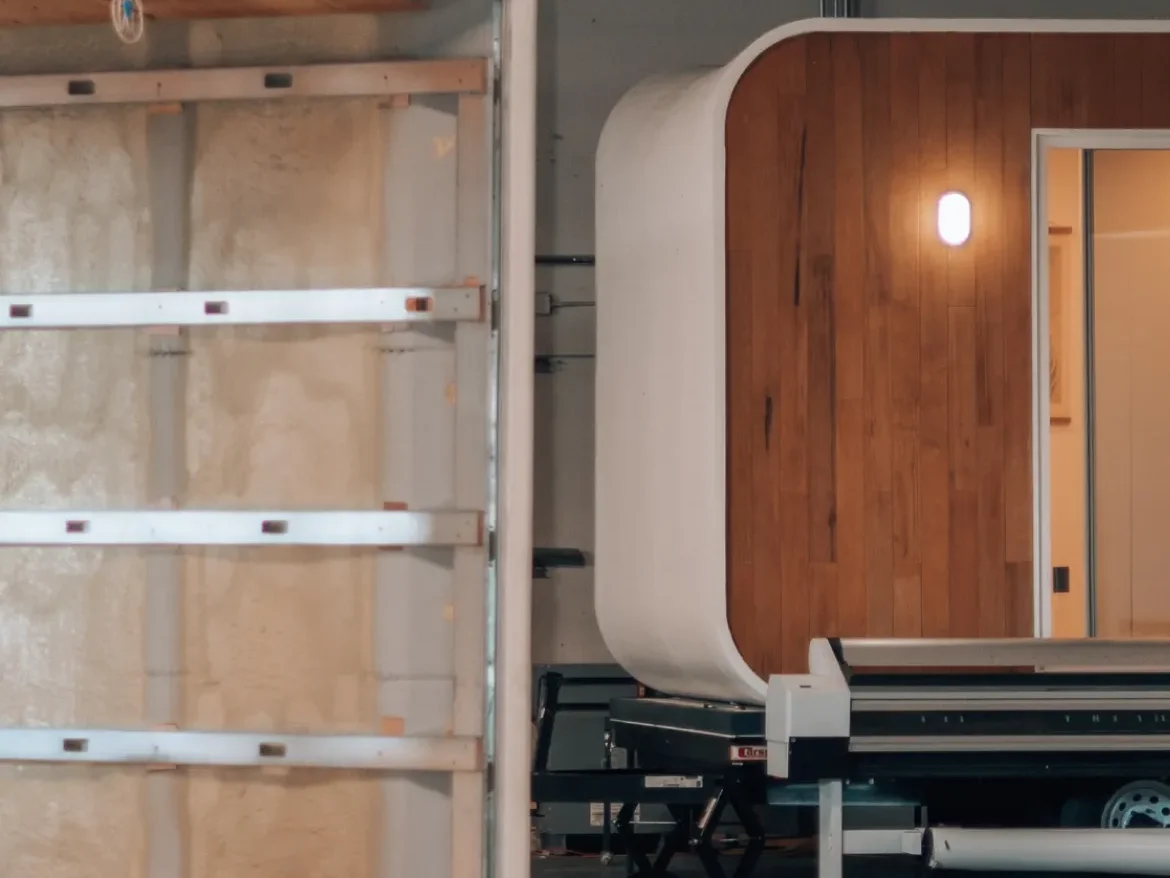
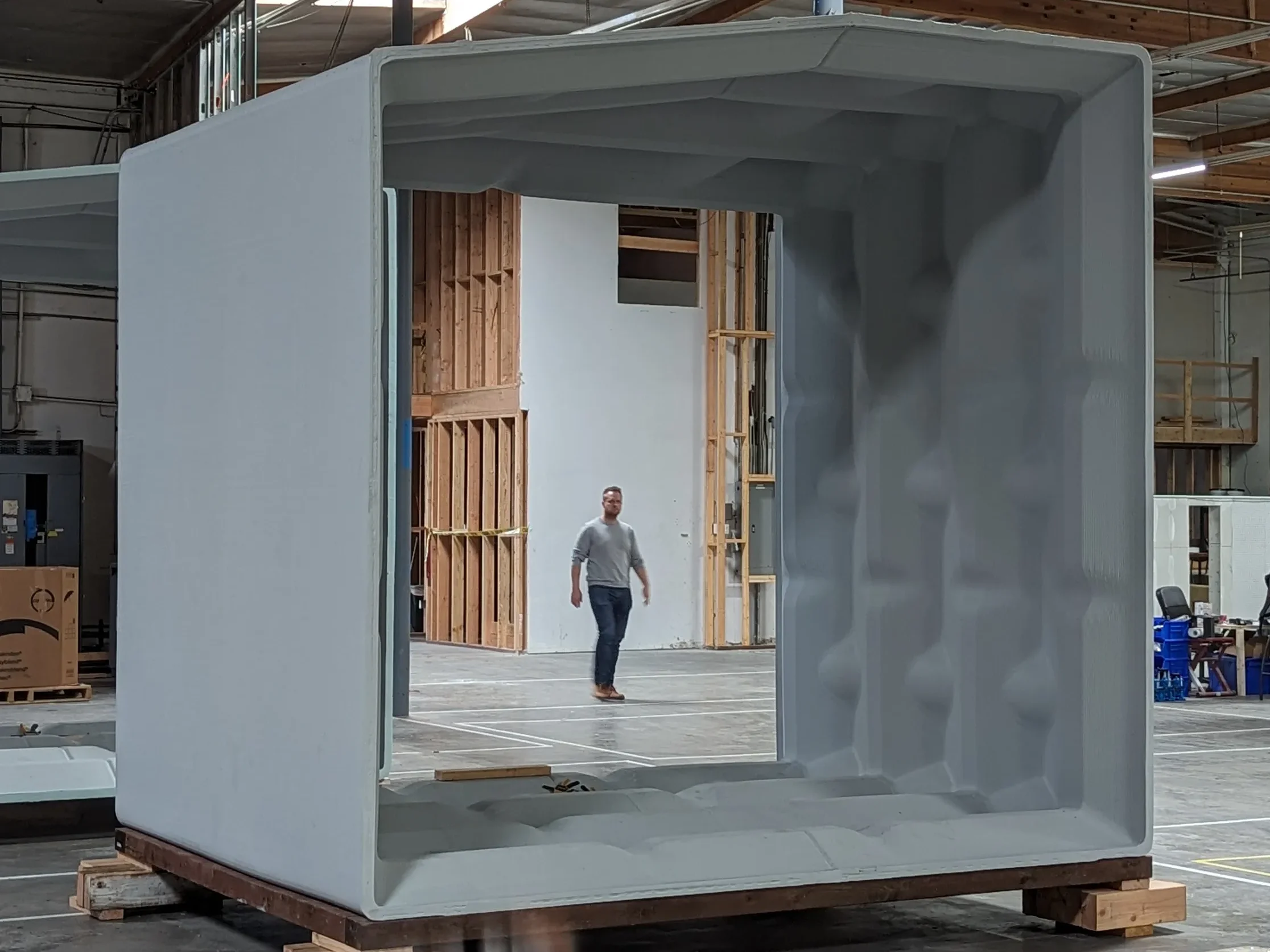
This is especially important when the home is designed with precision. At Azure, our 3D-printed construction process helps create repeatable, efficient structures with less unnecessary waste. Instead of relying only on conventional building methods, we use robotic printing to form modern modular spaces with a more controlled process.
For a 120 sq ft unit, we use recycled plastic equivalent to about 100,000 plastic bottles. That turns discarded material into part of a useful living space, giving sustainability a more practical role in the home itself.
Reduced Energy Use
A smaller home typically requires less energy for heating, cooling, lighting, and daily operation. There is simply less space to condition and maintain.
This can make tiny homes attractive for people who want a more efficient lifestyle without giving up comfort. With the right insulation, layout, ventilation, and utility planning, a compact home can feel comfortable throughout the year while using energy more efficiently.
Energy efficiency also supports lower long-term costs. A tiny home may be smaller, but when it is designed well, it can still include the essentials people need for daily living, guest use, or flexible property use.
Less Land Disturbance
Tiny homes can often fit into spaces where a larger structure would not make sense. They may be used as backyard studios, ADUs, guest units, glamping accommodations, or compact residences.
Because they take up less space, tiny homes can help property owners use land more efficiently. Instead of starting a large construction project, a smaller modular unit can add function to an existing property with a lighter overall footprint.
This is one reason tiny homes are popular for:
- Backyard offices and studios
- Guest suites
- Rental units
- Glamping sites
- Vacation properties
- Compact full-time living
- Flexible housing on existing land
The structure matters, but the site plan matters too. Drainage, access, utilities, privacy, sunlight, and outdoor space all play a role in making the project work well over time.
Efficient Factory-Based Production
Traditional construction often involves many trades, repeated deliveries, weather delays, and a lot of on-site disruption. Tiny homes and modular units can simplify that process when much of the work happens in a controlled production environment.
At Azure, our process includes configuration, robotic printing, finish installation, delivery, and on-site installation. This helps make the path from idea to usable space more direct.
A more controlled process can also support consistent quality. When production is less dependent on weather and scattered on-site schedules, it becomes easier to manage materials, timing, and finishes.
Encouraging Smarter Living
Sustainability is not only about how a home is built. It is also about how space is used.
Tiny homes encourage people to think carefully about layout, storage, furniture, utilities, and daily habits. Every square foot has a purpose. That does not mean the home has to feel bare or uncomfortable. It means the design needs to be planned better.
A good tiny home should include:
- Efficient storage
- Natural light
- Comfortable sleeping or living areas
- Practical bathroom access
- Kitchen or kitchenette options when needed
- Heating and cooling planning
- Utility connections
- Durable finishes
- Outdoor space when possible
When these details are handled well, a tiny home can support a simpler lifestyle without feeling like a compromise.
Using Recycled Components
Many people like the idea of sustainable housing, but they also want to know what makes it sustainable in a practical sense. Recycled materials are one of the clearest answers.
At Azure, we use recycled plastic in our 3D-printed construction process. This helps reduce reliance on traditional materials and gives plastic waste a new purpose. For buyers, it creates a home that is not only modern and efficient, but also connected to a more responsible use of resources.
That kind of sustainability is easy to understand. It is not abstract. It is built into the structure.
Sustainable Tiny Housing for Different Lifestyles and Properties
Another reason tiny homes are sustainable is their flexibility. A single compact unit can solve different needs depending on the property, the budget, and the owner’s long-term goals. Instead of building more space than necessary, property owners can choose a smaller structure that fits the actual use case.
That flexibility can reduce the need for larger, more expensive builds when a compact home, studio, or modular unit would work better.
| Use Case | How a Tiny Home Can Help |
| Backyard studio | Creates a quiet space for work, creativity, wellness, or hobbies without adding a large home addition. |
| Guest unit | Gives visitors a private place to stay while keeping the main home separate. |
| Rental space | Adds potential income opportunities when local rules allow short-term or long-term rental use. |
| Family housing | Provides extra space for relatives, aging parents, adult children, or extended family. |
| Glamping accommodation | Creates a comfortable guest experience for outdoor hospitality properties. |
| Full-time residence | Supports a simpler lifestyle with a smaller footprint and more intentional use of space. |
| Vacation property | Adds useful living space to land without requiring a large traditional build. |
At Azure, we design modular spaces for different uses, including studio models, homes & ADUs, homes on wheels, tiny homes, glamping units, and development-focused projects. The goal is to match the space to the purpose, not force every project into the same idea of a home. When the home fits the need from the beginning, the result can be more efficient, more useful, and easier to enjoy over time.
Planning a Tiny Home for Long-Term Sustainability
A tiny home is not automatically sustainable just because it is small. Poor planning can lead to wasted money, inefficient systems, or a space that does not work well after the first few months.
Before starting a tiny home project, it helps to think through:
- Intended use: Will the space be used as a studio, guest unit, rental, glamping stay, or full-time home?
- Number of users: How many people need to sleep, work, cook, relax, or store belongings there?
- Bathroom and kitchen needs: Does the unit need full amenities, a kitchenette, or a simpler layout?
- Utility access: What power, water, wastewater, heating, cooling, and internet connections are available?
- Site placement: Where will the unit sit, and how will drainage, sunlight, access, and delivery work?
- Privacy and movement: How will people enter, park, walk around, and use the space comfortably?
- Permit requirements: What local rules, zoning limits, or approvals may apply?
- Long-term performance: How should the home function after years of regular use?
This planning stage is where many important decisions happen. A tiny home should fit the property, the budget, and the long-term use case.
Are Tiny Homes Always the Most Sustainable Choice?
Tiny homes can be a sustainable choice, but they still need to be built and used responsibly. A tiny home with poor materials, inefficient systems, or the wrong layout may not deliver the benefits people expect.
The most sustainable option is usually the one that fits the actual need. If someone needs a private workspace, a studio may be enough. If they need long-term housing, a larger ADU-style unit may make more sense. If the goal is travel or flexible placement, a home on wheels may be a better fit.
A tiny home also needs to match the property. Utility access, site preparation, delivery, permits, privacy, and daily comfort all affect how well the space performs over time. A unit that is too small, poorly placed, or missing the right features can create problems later, even if it uses fewer materials at the start.
That is why design matters. Sustainability should support real life, not make life harder. The right home should reduce waste, use space wisely, and still feel comfortable for the way people actually live.
Conclusion
Tiny homes are sustainable because they do more with less. They use space carefully, require fewer resources, and can support lower energy use over time. For property owners, families, travelers, investors, and people looking for flexible living options, they offer a practical path toward more efficient housing.
The future of housing does not always have to be bigger. Sometimes, it just needs to be better designed.