ADU value is not calculated from one neat number. It is not only the square footage. It is not only the rental income. It is not only the cost of the unit either.
A good ADU value estimate looks at the whole project: what the unit adds to the property, how it can legally be used, what it costs to build, how much rent it may produce, and how well it fits the land around it.
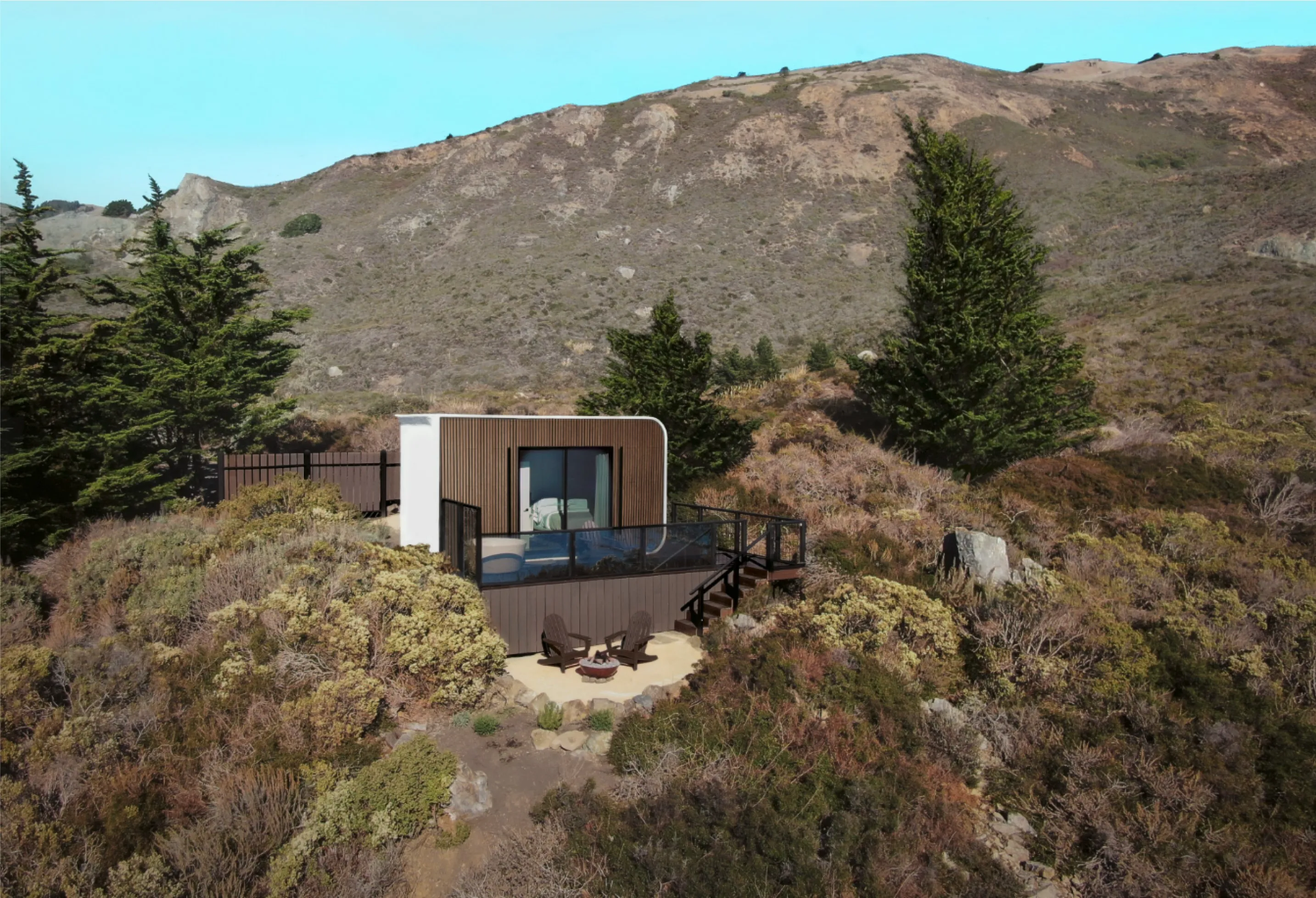
At Azure Printed Homes, ADUs are designed as full living spaces with a real purpose. A 360 sq ft unit may work well for one person, a guest, or a compact rental where local rules allow it. A 720 sq ft or 900 sq ft ADU can support family housing, longer stays, or stronger rental potential. Some homeowners want income. Others need space for a parent, adult child, caregiver, or quiet work setup. For many, the value comes from having more flexibility on the property.
That is why the value question needs a practical answer. An ADU adds the most value when the model, site, permits, budget, and use case all work together.
ADU Value Starts With Use
Before anyone can calculate value, the first question is simple: what is the ADU actually for?
That answer changes the math.
An ADU used as a long-term rental may be valued partly around income. An ADU built for family may be valued more around daily usefulness, privacy, and flexibility. An ADU that makes a property more attractive to future buyers may show its value later, when the home is sold.
The most common ADU value drivers are:
- Rental income where local rules allow it
- More usable living space on the same property
- A separate place for family, guests, or caregivers
- More flexible property use over time
- Stronger resale appeal in markets where ADUs are in demand
- Better use of a lot that already has space
- Avoiding the cost of moving or adding a traditional home addition
A mistake we see often is treating every ADU as if it has the same financial purpose. It does not. A homeowner planning to rent the unit needs to think differently than someone creating a private space for a parent. Both projects can add value, but the value is measured in different ways.
The Three Main Ways ADU Value Is Usually Viewed
There is no single universal formula for ADU value, but most people end up looking at it through three angles.
1. Income Value
This is the rental side of the calculation.
If the ADU can legally be rented, the potential rent becomes part of the value conversation. A homeowner may look at monthly rent, yearly gross income, expected vacancy, operating costs, maintenance, insurance, taxes, utilities, and financing.
For example, a rental ADU is not valued only by asking, “How much can I charge each month?” The better question is, “What does the unit realistically produce after the ongoing costs are included?”
Income value matters most when the ADU is being planned as a rental unit. It matters less when the ADU is mainly for family or personal use.
2. Market Value
This is the resale side.
Market value depends on what buyers in the area are willing to pay for a property with an ADU. In some neighborhoods, a permitted ADU can make a home much more attractive because buyers see future rental income, guest space, or multi-generational living potential.
In other areas, the value may be more modest if buyers are not actively looking for ADUs or if local rental demand is weaker.
This is why location matters so much. The same ADU can be valued differently in different cities, neighborhoods, and housing markets.
3. Cost Value
This looks at what it costs to create the added space.
Cost value includes the unit itself, site preparation, foundation, delivery, utility connections, permits, finish choices, and other project expenses. It gives homeowners a grounded way to compare what they are spending against what they are gaining.
This does not mean an ADU automatically adds back every dollar spent. Real estate does not work that cleanly. But cost still matters because it helps define whether the project makes sense from the start.
Permitted Space Usually Carries More Value
A permitted ADU is usually easier to value than an unpermitted or unclear structure.
That does not mean every permitted ADU gets the same value. It means the unit has a cleaner place in the property record, the appraisal conversation, and the resale conversation.
Permits matter because they help answer important questions:
- Is the unit legally allowed on the property?
- Can it be used as living space?
- Does it meet local requirements?
- Are utilities, foundation, and drainage properly handled?
- Can a future buyer, lender, insurer, or appraiser understand what it is?
This is where ADUs are different from casual backyard structures. A nice-looking building in the yard may be useful, but if it is not permitted for the use the homeowner wants, its value can be limited.
For our Homes & ADUs, this is why we treat site planning as part of the project, not an afterthought. Larger residential-style units need more formal planning around local rules, utilities, foundation, grading, drainage, access, and inspections.
Square Footage Matters, But It Is Not Everything
ADU value is often tied to added square footage, but square footage alone can be misleading.
A 360 sq ft ADU with a smart layout, kitchen, bathroom, privacy, and good access may create more real value than a larger unit that feels cramped, poorly placed, or hard to use. A 900 sq ft ADU may support stronger residential use, but it also needs more site space, a larger budget, and more planning.
The value is not just “more square feet equals more money.” It is more like this:
How much useful, legal, comfortable space did the property gain?
That word “useful” does a lot of work.
An ADU that feels private, easy to access, and comfortable will usually make more sense than one squeezed into the wrong corner of the property. Placement matters. Light matters. Entry matters. So do parking, walkways, outdoor space, noise, and privacy from the main home.
How Rental Income Affects ADU Value
Rental income is one of the biggest reasons homeowners ask about ADU value.
The basic rental calculation starts with expected monthly rent. From there, homeowners should look at the real income picture, not just the best possible number.
A practical rental review may include:
- Expected monthly rent
- Vacancy allowance
- Utilities
- Insurance
- Maintenance
- Property management if needed
- Cleaning or turnover costs
- Taxes
- Financing costs
- Local rental rules
- Long-term rental demand
A rental ADU can look great on paper when only the monthly rent is shown. The number gets more realistic once operating costs are included.
Local rules also matter. A unit may have strong rental potential only if that use is allowed. Short-term rentals, long-term rentals, family use, and guest use can all be treated differently depending on the city or county.
For rental thinking, a larger ADU with a kitchen, bathroom, sleeping area, and proper utility connections usually creates a stronger housing use case than a basic backyard studio. It also costs more. That tradeoff is part of the value calculation.
Resale Value Depends on the Buyer
Some homeowners ask, “How much will an ADU increase my home value?”
The honest answer is that it depends on the buyer and the market.
One buyer may see the ADU as future rental income. Another may see a place for aging parents. Another may want a home office, guest space, or private area for an adult child. A different buyer may not care much about the ADU at all if it does not match their lifestyle.
That is why the best ADU projects are not only built for one narrow use. They are flexible enough to make sense in more than one life stage.
A good ADU can serve as family space now, rental space later where allowed, guest space during one season, and work space during another. That flexibility can make the property feel more useful to future buyers.
Build Cost Is Part of the Value Calculation
The model price helps homeowners start the conversation, but it should not be confused with the full project budget.
At Azure, our Homes & ADUs models give homeowners a clear starting point:
| Azure ADU Model | Size | Layout Snapshot | Starting Price |
| A_360 | 360 sq ft | 1 kitchen, 1 bedroom, 1 bathroom | $89,900 |
| A_540 | 540 sq ft | 1 kitchen, 1 bedroom, 1 bathroom | $134,900 |
| A_720 | 720 sq ft | 1 bedroom or 2 junior bedroom option, 1 kitchen, 1 bathroom | $174,900 |
| A_900 | 900 sq ft | 1 kitchen, 2 bedrooms, 1.5 bathrooms | $219,900 |
These prices are useful for early planning because they show the difference between a compact residential unit and a larger ADU with more living capacity.
But the final project cost can also include delivery, foundation, utility connections, permits, site work, finish selections, inspections, HVAC, electrical upgrades, drainage, and other property-specific needs.
That is why a lower starting price does not always mean a better value. The better value is the model that fits the goal without forcing the property to do something it cannot easily support.
Site Work Can Change the Numbers Fast
Site work is one of the least glamorous parts of an ADU project, but it can have a big impact on value.
A flat, open backyard with easy access is very different from a tight lot with slope, drainage issues, trees, hardscape, limited delivery clearance, or long utility runs.
A strong value calculation should include the land around the unit. Not just the unit itself.
A site review should usually look at:
- Delivery path
- Yard slope
- Drainage
- Foundation needs
- Distance to sewer, water, and electrical connections
- Electrical panel capacity
- Fire access
- Setbacks
- Lot coverage
- Privacy from the main home
- Walkway and entry location
- Space for future maintenance
This part can feel boring at first. Then it becomes the part that saves the project from surprises.
The ADU might be manufactured in a controlled environment, but it still has to land on a real property with real conditions. That is where value can be protected or quietly lost.
Utility Connections Affect Both Cost and Use
Utilities are a major part of the ADU value calculation because they define what the unit can actually do.
A backyard studio may only need electrical service. A true ADU with a kitchen and bathroom needs water, sewer, electrical, and plumbing connections. That makes the unit more useful, but it also changes the budget.
For our larger units, electricity, water, and sewer connections are part of the planning picture. Plumbing and electrical work can be completed inside the unit before delivery, with exterior connections prepared for site hookup. The property side still needs to be ready.
This is why homeowners should not compare a simple studio and a full ADU as if they are the same type of project. They serve different purposes. They also create value differently.
Time Has Value Too
Time is easy to forget in a value calculation.
A long build can mean months of disruption, uncertainty, carrying costs, and delayed use. A faster path to a finished space can make the project easier to plan, especially when the unit is meant to support rental income or family housing.
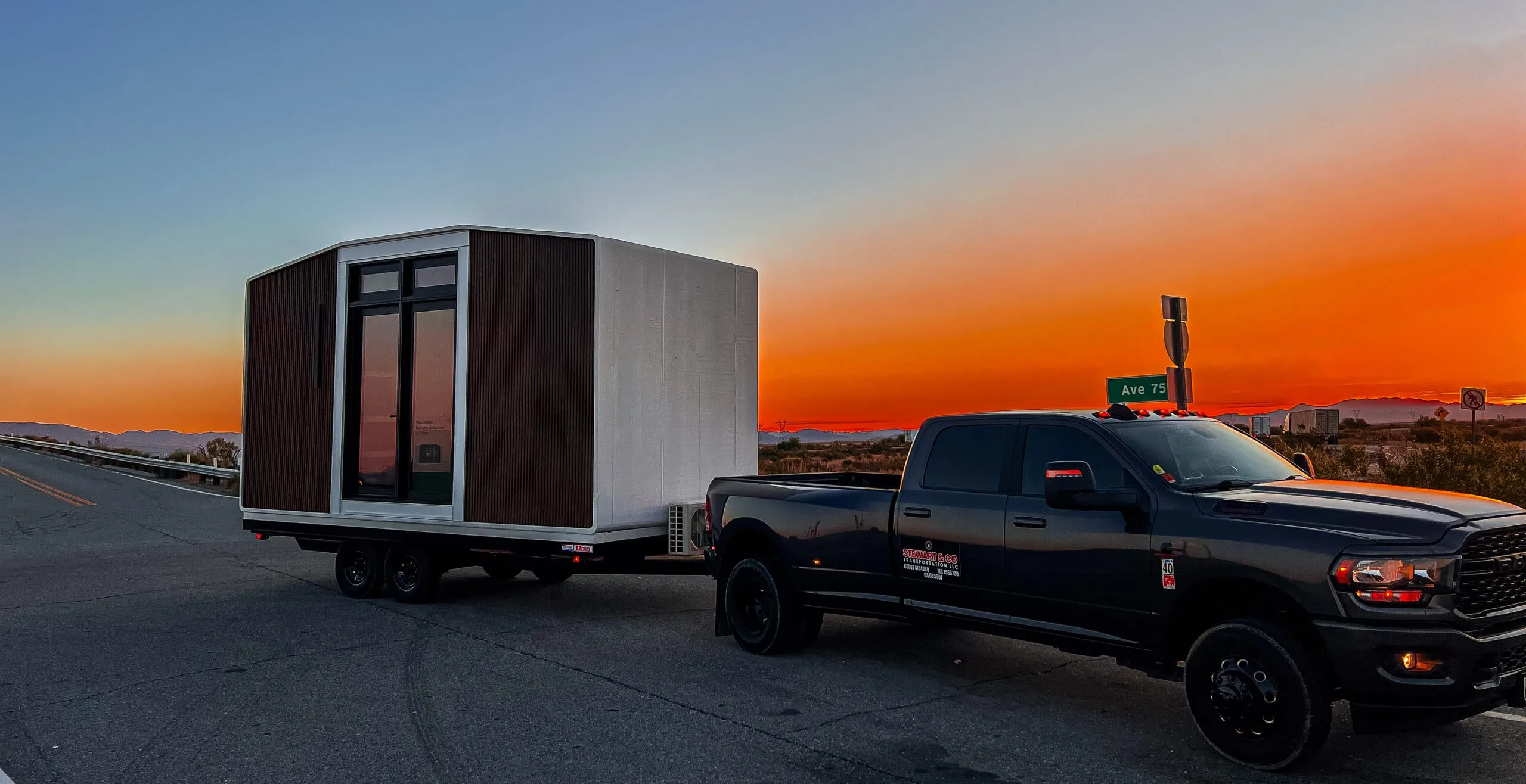
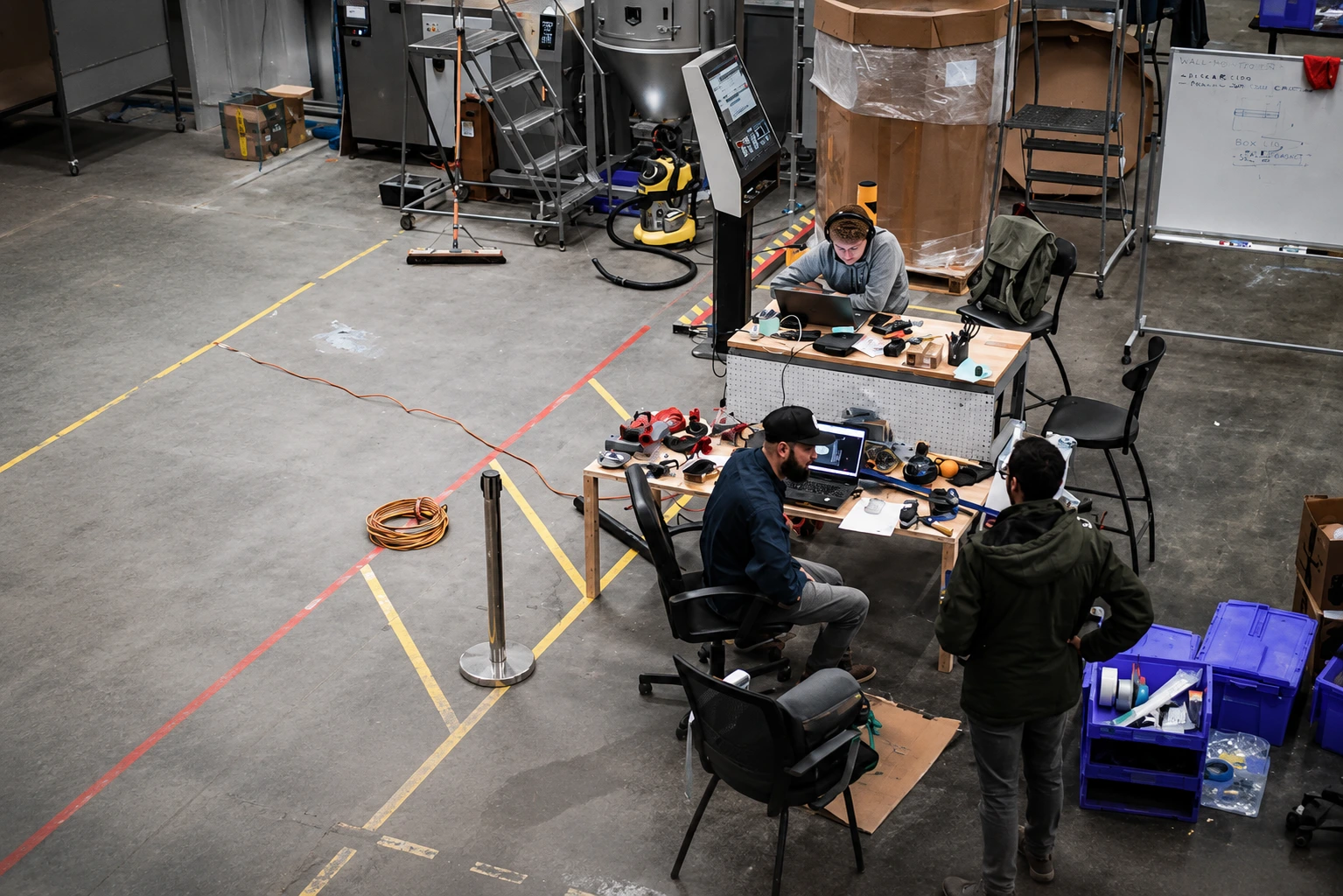
Our process is designed around off-site manufacturing. The structural shell is robotically printed with recycled materials, then the unit is fabricated with electrical, plumbing, interior finishes, and other selected details before delivery and installation.
That does not remove the need for permits or site preparation. It does help separate much of the building process from the backyard itself. Site work can often move forward while the unit is being manufactured, which can make the whole project feel more organized.
Time does not automatically equal value. But when a homeowner has a clear goal, a more predictable process can make the numbers easier to trust.
The ADU’s Layout Can Make or Break the Value
Two ADUs with the same square footage can feel completely different.
A good layout uses space carefully. It gives the occupant a real place to sleep, cook, sit, store belongings, and move around without feeling boxed in. A poor layout can make a larger unit feel smaller than it is.
Layout affects value because people do not live inside measurements. They live inside rooms.
For example, a 360 sq ft ADU may work well for one person, a guest setup, or compact rental use where allowed. A 540 sq ft ADU gives more breathing room. A 720 sq ft model can support different bedroom configurations. A 900 sq ft model offers more separation and may fit families or longer-term living better.
The right choice depends on the property goal, not just the biggest number on the model list.
Personal Value Is Still Real Value
Not every ADU value calculation needs to start with rent or resale.
Sometimes the value is living closer to family without sharing every room. Sometimes it is giving an adult child a place to land. Sometimes it is keeping a parent nearby. Sometimes it is finally getting a quiet workspace that is not the kitchen table.
That kind of value is harder to put in a spreadsheet, but it is still real.
A homeowner may not collect rent from a family-use ADU, but the unit may help avoid assisted living costs, reduce household stress, support caregiving, or make the property work for multiple generations. Those are not small things.
The best valuation conversations leave room for both sides: the financial return and the practical return.
What Can Lower ADU Value
An ADU can add value, but not every project does it well.
Value can be weakened when the plan depends on too many assumptions or when the project ignores the property around it.
Common issues include:
- Unclear permits or legal use
- A model that is too small for the intended purpose
- A site that is expensive to prepare
- Long or difficult utility connections
- Poor privacy from the main home
- Bad access or awkward placement
- Rental income assumptions that are too optimistic
- Over-customized choices that may not appeal to future buyers
- A budget based only on the model price
- Local rules that limit the intended use
Most of these problems are avoidable when the planning starts early. The ADU should match the use, the property, and the budget before anyone gets too attached to a floor plan.
A Simple Way to Estimate ADU Value
Homeowners do not need a complicated spreadsheet to begin. A simple framework can make the value conversation much clearer.
Start with these questions:
- What is the main use? Rental, family housing, guest space, caregiver space, work, resale appeal, or a mix?
- Is the use allowed? Check local zoning, ADU rules, rental rules, HOA limits, setbacks, and permit requirements.
- What size actually fits the goal? Do not choose the smallest model if the use needs more comfort. Do not choose the largest model if the site or budget does not support it.
- What is the full project cost? Include the model, delivery, site work, foundation, utilities, permits, finish choices, and possible upgrades.
- What value does it create? Look at rental income, resale appeal, family use, flexibility, and savings compared with moving or building a traditional addition.
- What could change later? Think about future resale, changing family needs, maintenance, taxes, insurance, and long-term use.
This is not a perfect appraisal. It is a practical starting point. It helps homeowners see whether the project is grounded before money starts moving.
Taxes, Insurance, and Financing Should Be Part of the Conversation
An ADU can affect more than the backyard.
Homeowners may need to review property taxes, insurance coverage, financing terms, appraisal expectations, utility billing, and rental reporting. These details do not make the project bad or overly complicated. They just belong in the value calculation.
A permitted ADU may increase assessed value. Rental income may affect taxes. Insurance may need to be adjusted. A lender may look at the ADU differently depending on whether it is existing, planned, rented, or newly built.
This is where it helps to slow down. A good ADU plan should make sense not only on installation day, but also a year later when bills, records, maintenance, and use patterns are part of normal life.
The Best ADU Value Comes From Alignment
The strongest ADU projects usually have one thing in common: alignment.
The unit fits the site. The size fits the use. The use fits the local rules. The budget includes more than the model price. The layout makes daily life easier. The property gains something real.
That sounds simple, but it is where many projects either work well or get messy.
At Azure Printed Homes, our role is not just to make smaller homes. It is to help make modular living spaces feel more practical, more predictable, and more useful on real properties. Our 3D-printed process, recycled materials, and off-site manufacturing are part of that, but value still comes back to the basics: does the space work, and does the whole project make sense?
Conclusion
ADU value is calculated through a mix of income, market demand, build cost, permitted use, square footage, site conditions, and long-term flexibility. No single number tells the full story.
A rental ADU may be judged by income potential. A family ADU may be judged by comfort and usefulness. A resale-focused ADU may be judged by how much more attractive the property becomes to future buyers. Most projects sit somewhere in the middle.
The main point is this: an ADU is most valuable when it is planned as part of the property, not just placed on it. The model, site, utilities, budget, permits, and use case all need to work together.
A smaller ADU can be the right answer. A larger ADU can be the right answer. The right value calculation is the one that looks past the starting price and asks what the space will actually do for the people living there.