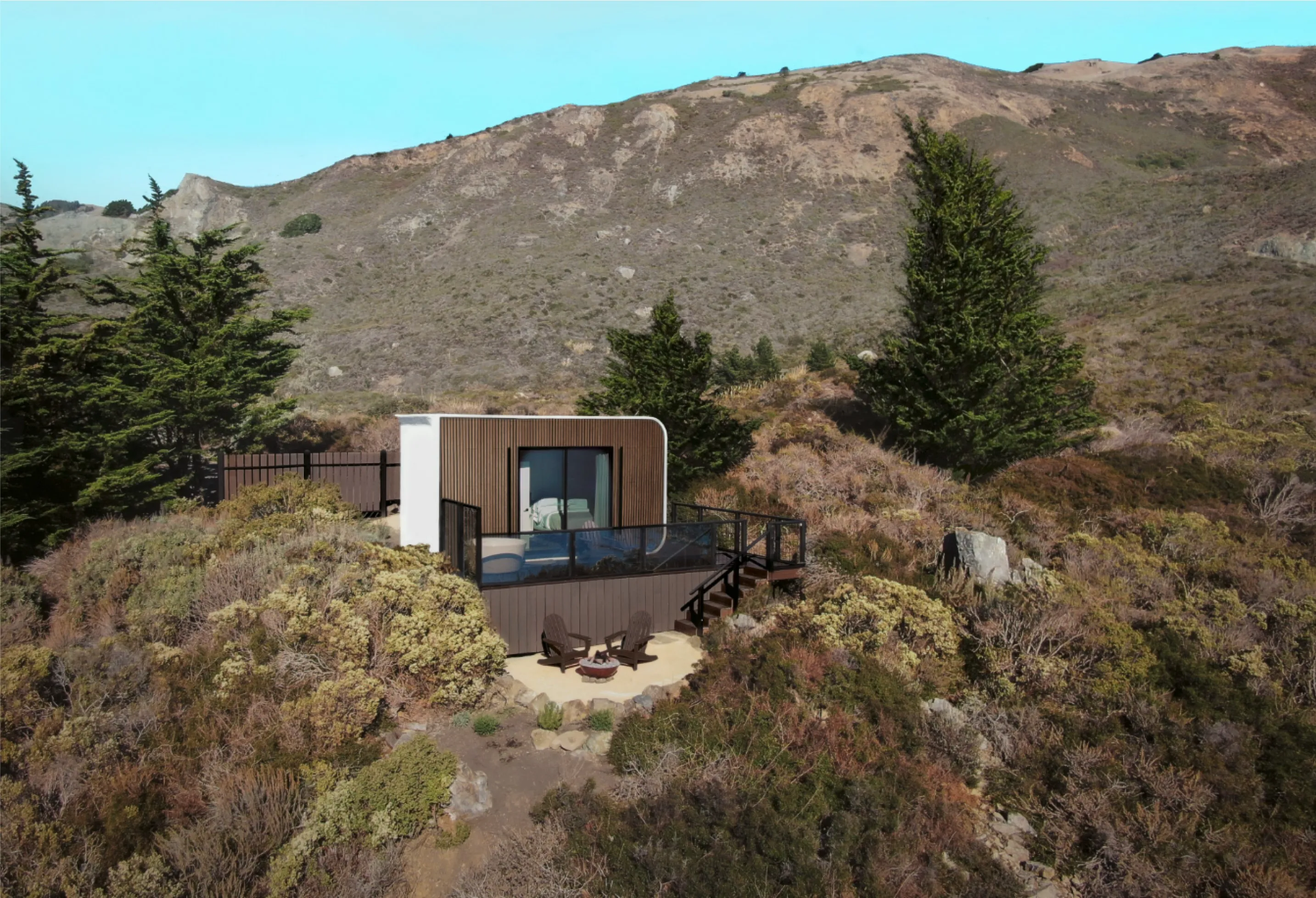
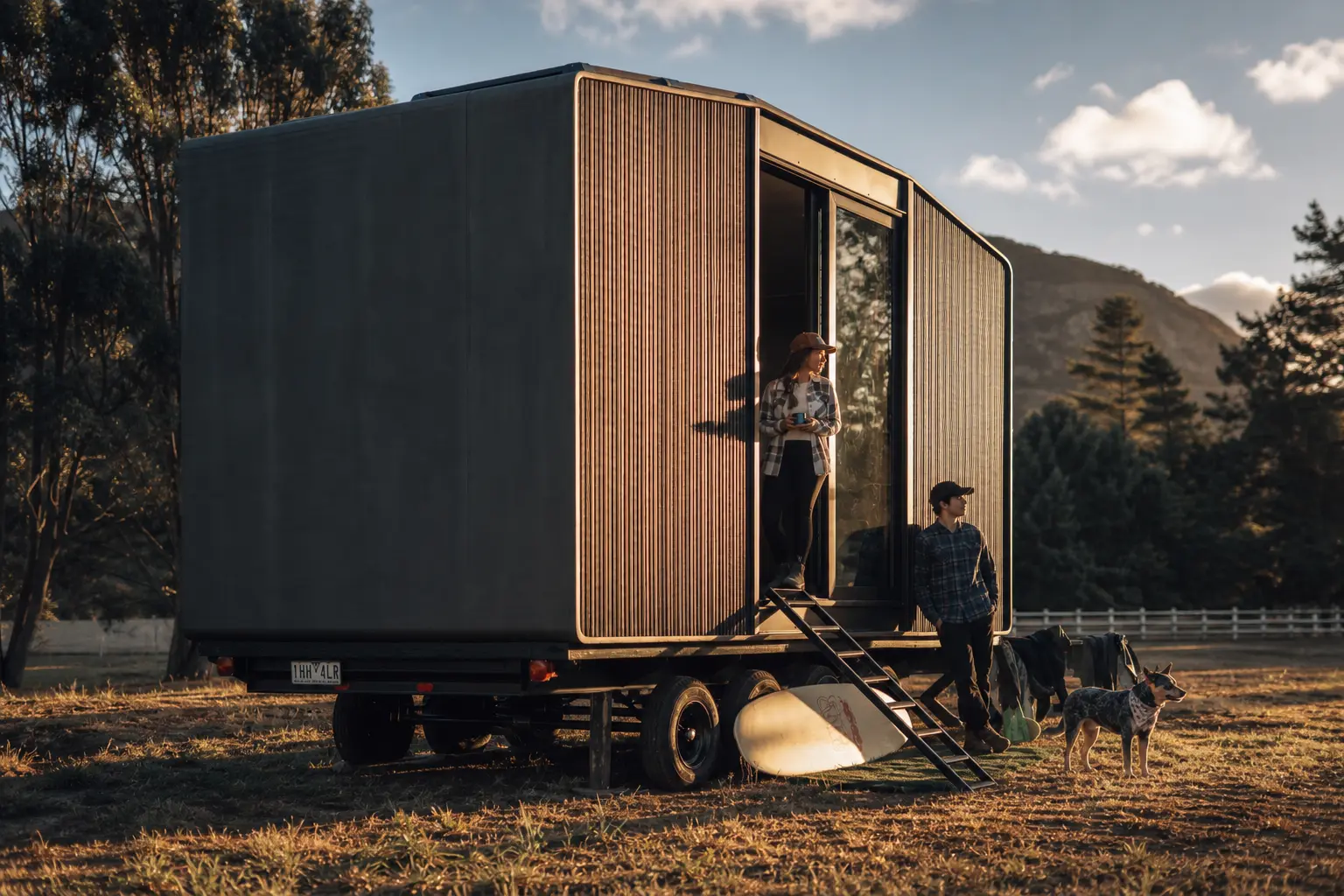
Building an ADU for cheap is not really about chasing the lowest possible number. That is where projects get messy. A cheap ADU that is poorly planned can become expensive very quickly once the property, utilities, permits, delivery access, and foundation work enter the picture.
A better goal is to build an ADU affordably without making choices that create problems later.
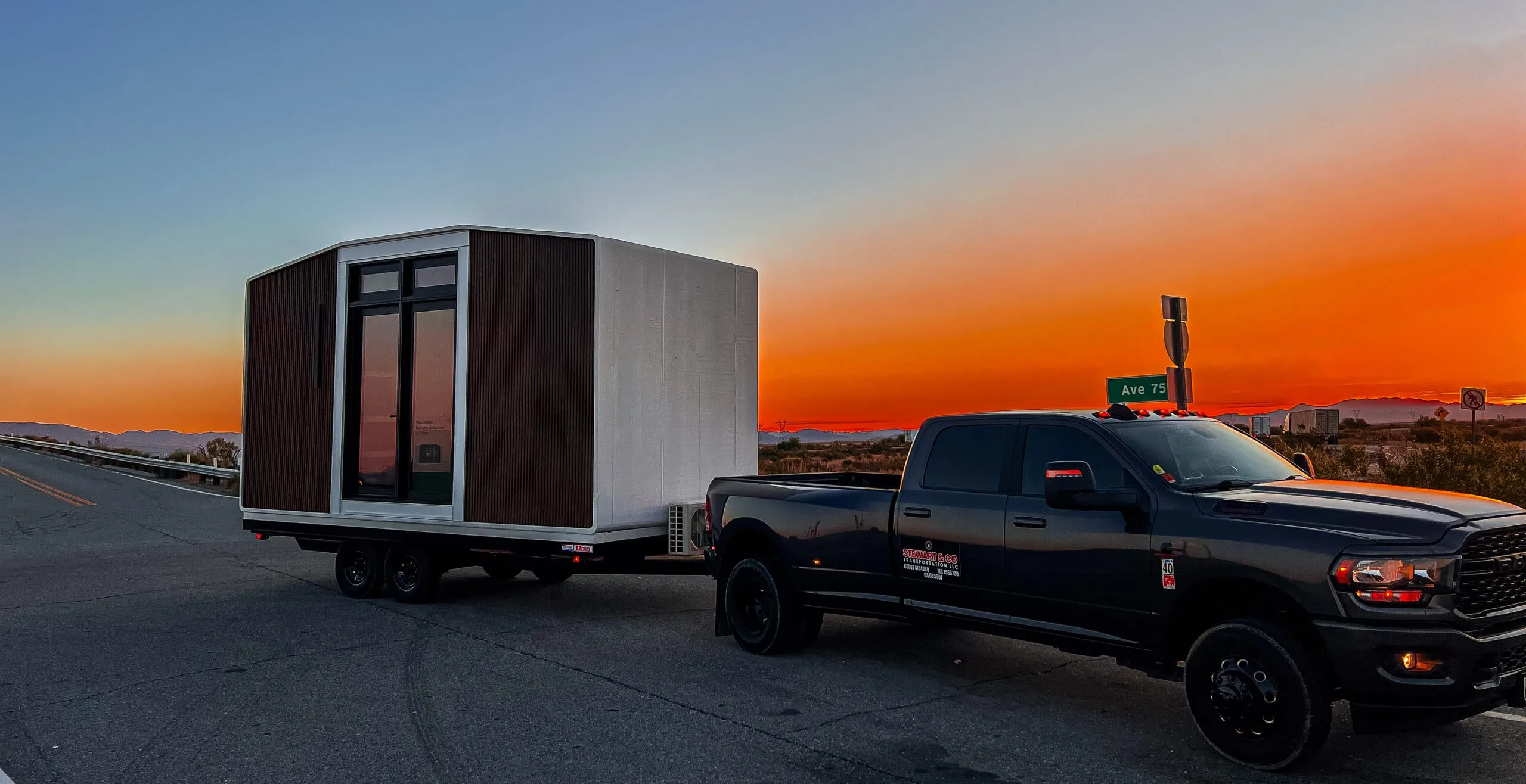
At Azure Printed Homes, we work with 3D-printed prefab ADUs because a more predictable building process can help homeowners plan with fewer surprises. The structure is made off-site, the design is configured before fabrication, and the unit is delivered when the site is ready. That does not remove every cost. No honest ADU conversation should pretend it does. But it can make the process easier to understand from the beginning.
The key is knowing where to save and where not to cut corners.
Start With the Right Size, Not the Cheapest Idea
The first way to control ADU cost is to choose the right size for the actual use. Not the biggest model. Not automatically the smallest. The one that fits the job.
A smaller ADU usually costs less to build, transport, place, finish, and connect. It may also be easier to fit on the lot. But if the unit is too small for the way it will be used, the savings may not feel like savings for long.
A homeowner planning a rental unit, a place for a parent, or a full-time living space will likely need a different layout than someone who only needs occasional guest space. A compact ADU can work beautifully when the use is clear. It becomes frustrating when the plan asks too much from too little space.
Our Homes & ADUs models are designed for residential-style use, with larger layouts ranging from 360 sq ft to 900 sq ft. For someone trying to keep the project affordable, the A-360 is often the natural place to start because it includes the basics in a smaller footprint.
A Look at Azure ADU Starting Prices
Starting prices help with early planning, but they are not the full project budget. Site work, permits, delivery, utility connections, foundation needs, and local requirements can all affect the final number.
| Azure ADU Model | Size | Starting Price |
| A-360 | 360 sq ft | $89,900 |
| A-540 | 540 sq ft | $134,900 |
| A-720 | 720 sq ft | $174,900 |
| A-900 | 900 sq ft | $219,900 |
These numbers are useful because they give homeowners a real starting point. The mistake is treating the model price like the total cost to move in. An ADU is not just a product. It is a home that has to work on a real property.
Be Honest About What “Cheap” Means
Cheap can mean a few different things.
It can mean the lowest upfront cost. It can mean the best value over time. It can mean the fastest path to usable space. It can also mean avoiding a traditional backyard construction project that takes longer than expected and keeps adding costs.
For most homeowners, the smartest version of “cheap” is not bare-bones. It is controlled. A controlled project has fewer unknowns, fewer late changes, and fewer site surprises.
That means looking at the full picture early:
- Model size and layout
- Site access
- Delivery path
- Foundation needs
- Utility connections
- Drainage and grading
- Local permits
- Inspection requirements
- Finish choices
- Long-term use
This is not the glamorous part of building an ADU. Nobody gets excited about utility trenching or drainage. But these are often the details that decide whether the project stays affordable.
Choose a Simple Layout
A simple layout is one of the easiest ways to protect the budget.
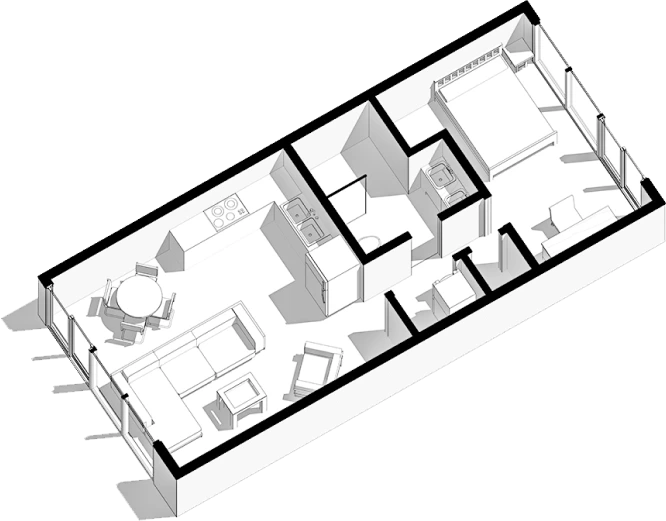
Every extra wall, room, plumbing fixture, or custom feature can add complexity. A clean layout is easier to manufacture, easier to finish, easier to inspect, and easier to live with. Simple does not mean plain. It means the space is doing its job without trying too hard.
For a low-cost ADU, the layout should answer a few basic questions:
- Where will someone sleep?
- Is the kitchen compact but usable?
- Is the bathroom easy to access?
- Is there enough storage for daily life?
- Does the layout avoid wasted hallway space?
- Can furniture actually fit?
That last one matters more than people expect. A floor plan can look fine on paper and still feel awkward when a bed, table, sofa, or desk goes in. Good small-space design is not about squeezing everything in. It is about making the essentials feel natural.
Do Not Overspend on Customization
Customization can be helpful. It can also quietly push a budget in the wrong direction.
A few thoughtful choices can make an ADU feel personal and comfortable. Too many changes can increase cost, slow down decisions, and make the project harder to price. If the goal is affordability, it helps to stay close to a proven model and make changes only where they truly improve the way the unit will be used.
This is especially important with prefab and 3D-printed construction. One of the advantages of a more controlled building process is predictability. The more a homeowner moves away from a standard layout or finish package, the more that predictability can shrink.
A cheaper ADU plan usually keeps the big pieces simple: size, layout, structure, and utility placement. Personal style can still show up in smaller choices like furniture, lighting, landscaping, and exterior setup.
Plan the Site Before Falling in Love With a Floor Plan
The site can make or break an affordable ADU project.
A flat, accessible backyard with nearby utility connections is very different from a tight lot with slope, drainage issues, limited crane or delivery access, or long utility runs. The ADU itself may be the same model, but the site cost can be completely different.
Before choosing a unit, homeowners should look closely at the land around the main house.
Access Comes First
Can the ADU be delivered to the right spot? Is there enough room through the driveway, side yard, gate, or rear access point? Are there fences, trees, overhead lines, tight turns, or narrow areas that could complicate delivery?
These details are easy to overlook because they are not part of the home itself. But they matter. A difficult delivery path can add planning, equipment, labor, and time.
Drainage Is Not Optional
Water needs somewhere to go. If the yard already has pooling, erosion, or slope problems, those issues should be addressed before the ADU arrives.
Good drainage protects the unit, the foundation, and the rest of the property. Skipping this step to save money is one of those choices that can come back later in a very annoying way.
Utilities Can Change the Budget
A true ADU with a kitchen and bathroom needs electrical, water, and sewer connections. If those connection points are close and accessible, the project is usually easier to plan. If they are far away, blocked, undersized, or tied to an older system, the cost can rise.
This is why “cheap ADU” planning should always include utility review early. The model price may look manageable, but utility work can change the math.
Understand Permits Before You Spend Too Much
Permits are not the place to guess.
An ADU has to fit local rules, zoning, setbacks, utility requirements, building code, fire safety, and inspection standards. California has made ADUs more common, but cities and counties still play a major role in how projects are reviewed.
For larger residential-style units, permits are part of the process. That includes the unit itself and often the site work around it, such as foundation, drainage, grading, and utilities.
Trying to avoid permits on a structure that needs them is not a real cost-saving strategy. It can lead to delays, fines, forced changes, trouble with insurance, or problems when selling the property later.
A better approach is to keep the design straightforward so the permitting path is cleaner.
Avoid the “Tiny Studio as Full ADU” Mistake
A small backyard studio can be a great choice for the right purpose. It may work well as an office, creative space, wellness room, hobby area, or flexible backyard structure. But it is not the same thing as a full ADU.
This distinction matters when trying to save money.
A 100 or 120 sq ft studio is usually much cheaper than a residential ADU, but it is not designed to do the same job. If someone needs a legal dwelling with a kitchen, bathroom, sleeping space, utility connections, and long-term housing potential, a studio should not be forced into that role.
That is how people end up disappointed. They start with the cheapest structure, then realize the use case needs plumbing, permits, more space, more systems, and more approvals.
A cheaper project begins with the right category, not just the smallest footprint.
Keep the Finish Package Practical
Finishes are one of the areas where homeowners can save without making the ADU feel cheap.
A durable, simple finish package is usually better than chasing trendy upgrades. Small spaces do not need heavy decoration. They need surfaces that hold up, clean easily, and make the room feel calm and usable.
Good places to stay practical include:
- Flooring
- Cabinet style
- Countertops
- Bathroom fixtures
- Lighting
- Paint colors
- Door hardware
- Window coverings
This does not mean everything has to be basic. It just means the spending should match the purpose of the ADU. A rental unit needs durability. A family unit needs comfort. A guest space needs simplicity. A luxury finish package may look nice, but it is not always the best choice for an affordable build.
Spend Where It Protects the ADU
Some costs are worth keeping.
Foundation, anchoring, drainage, utility connections, electrical work, plumbing, insulation, and code compliance are not the areas to casually trim. These are the parts that help the ADU function safely and last longer.
A cheaper cabinet can be replaced. A poor foundation decision is a bigger problem. A simple light fixture is fine. Bad drainage is not. A modest bathroom finish is acceptable. Plumbing shortcuts are not.
This is the difference between cutting cost and cutting quality.
For us, a good affordable ADU should still feel like a real home. It should be comfortable in daily use, stable on the site, and planned well enough that the homeowner is not fixing avoidable issues later.
Use Prefab Construction to Reduce Uncertainty
One reason homeowners look at prefab ADUs is predictability.
Traditional backyard construction can involve a long chain of trades, weather delays, material waste, schedule gaps, and day-to-day disruption around the home. Prefab construction does not remove every variable, but it can shift much of the building process into a more controlled environment.
At Azure, the structural shell is robotically printed with recycled materials, then the unit is fabricated with systems and finishes before delivery. Site work can often happen while the unit is being manufactured, which helps the overall process feel more organized.
The cost advantage is not only about the structure. It is also about reducing some of the mess that comes with building everything from scratch in the backyard.
Think About Long-Term Use, Not Just the First Year
A low-cost ADU should still make sense five years from now.
Maybe the original plan is to house a parent. Later, it may become a guest space. Maybe it starts as a rental and later becomes a place for an adult child. Maybe it gives the homeowner flexibility without needing to move.
That is why the cheapest possible layout is not always the best value. A slightly larger or better-planned ADU may serve more uses over time.
This is where the A-360, A-540, A-720, and A-900 serve different needs. A compact model can be great when the goal is to keep the project lean. A larger model may make more sense when the ADU needs to support family housing, longer stays, or stronger rental potential where allowed.
The right decision depends on the property, budget, and purpose.
Watch Out for Costs That Hide Outside the Unit
When homeowners compare ADU prices, they often focus on the home itself. That is understandable. It is the visible part. But many important costs live outside the unit.
The most common outside costs include:
- Permit fees
- Site preparation
- Utility trenching
- Electrical panel upgrades
- Sewer or septic work
- Water line connections
- Foundation work
- Drainage improvements
- Delivery equipment
- Landscaping repair
- Walkways and exterior lighting
Not every project will need all of these. Some sites are simple. Others are not. The affordable path is to identify these costs before the budget is already stretched.
A Simple Low-Cost ADU Planning Path
A practical path might look like this:
- Decide the main use of the ADU
Will it be for family, guests, rental use where allowed, or flexible long-term space? - Choose the smallest model that still works
Do not overbuild, but do not choose a unit that is too small for real life. - Review the site early
Look at access, slope, drainage, utilities, setbacks, and delivery space before getting too far into design. - Keep the layout and finishes simple
Use proven plans and durable finishes instead of adding custom details that do not improve daily use. - Confirm permits and utility needs
Avoid assumptions. Local rules and property conditions decide a lot. - Hold a contingency budget
Even a well-planned ADU can have site-related costs. A little breathing room helps.
Final Word
The cheapest smart way to build an ADU is to keep the project compact, simple, legal, and site-aware.
For many homeowners, that means starting with a smaller residential-style ADU model, limiting customization, choosing practical finishes, and checking the property before committing to a plan. It also means accepting that some costs should not be avoided. Permits, utilities, drainage, foundation, and safe installation are part of doing the project correctly.
At Azure Printed Homes, we are focused on making ADUs more predictable through 3D-printed prefab construction, recycled materials, and a process that moves much of the work off-site. That can help homeowners avoid some of the delays and waste that often come with conventional construction.
But the smartest savings still come from planning.
A cheap ADU should not feel like a shortcut. It should feel like a smaller, cleaner version of a good housing decision. Spend less where the project allows it. Spend properly where the structure, site, and daily living experience depend on it. That is how an affordable ADU can stay affordable after it is built.