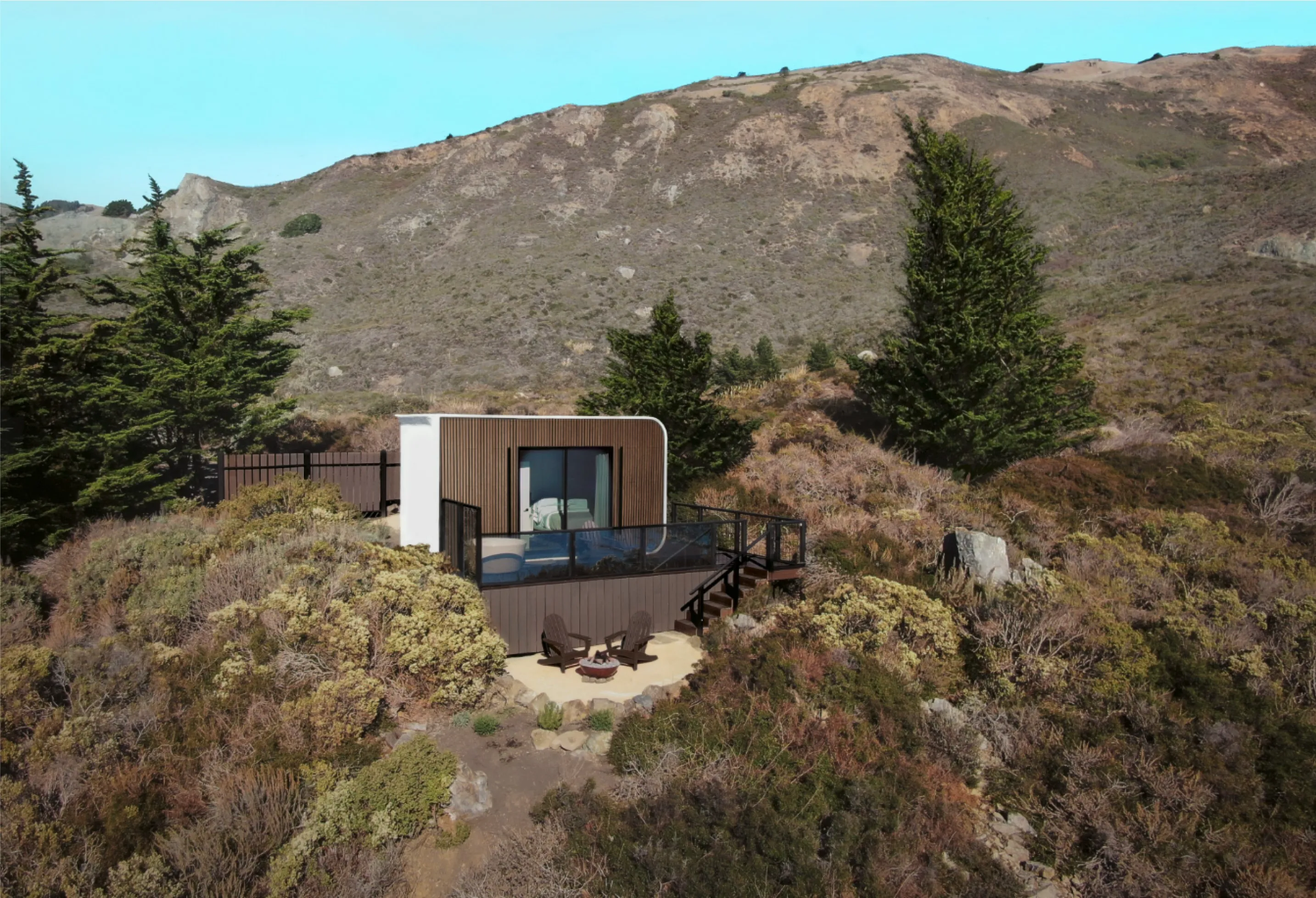
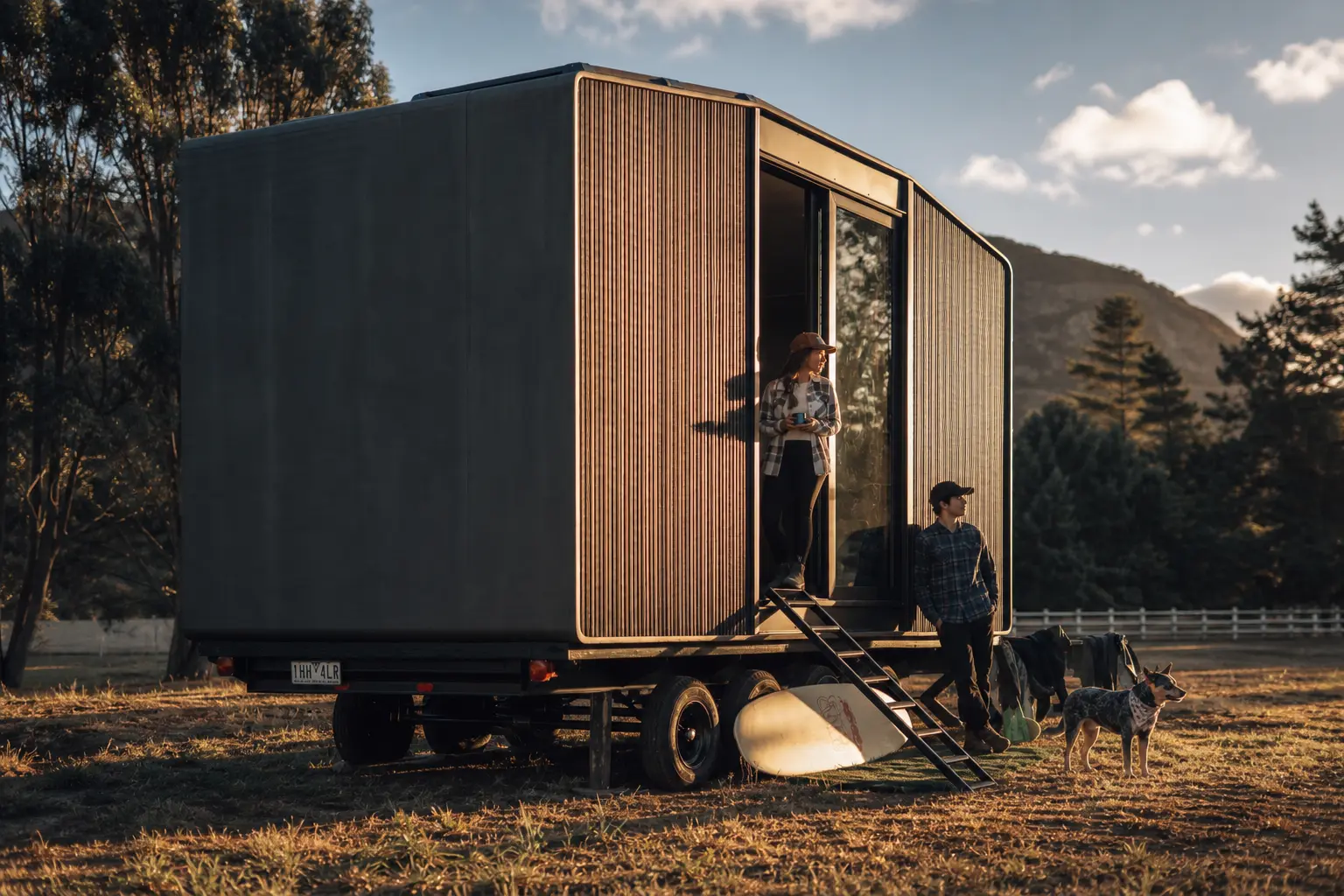
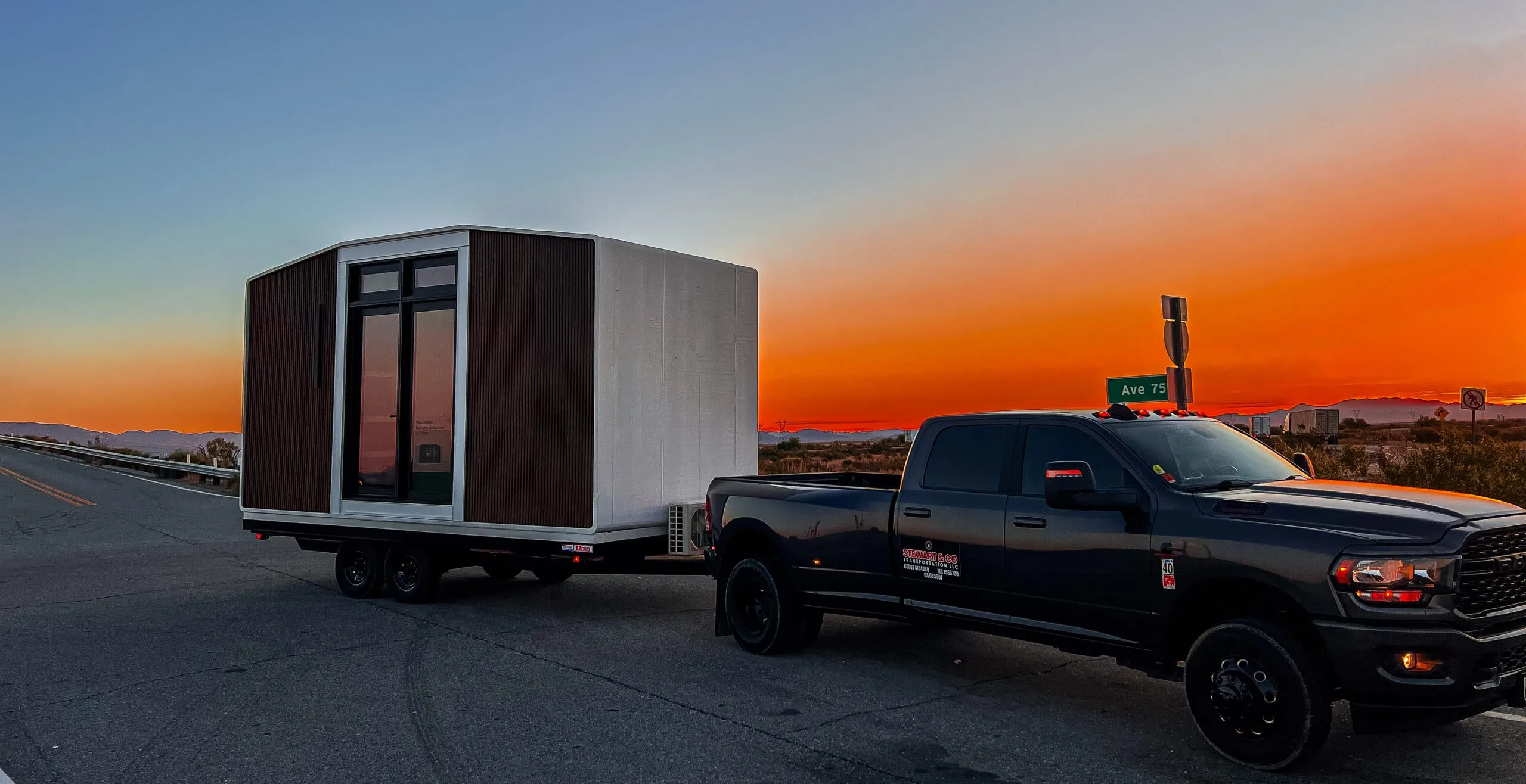
ADUs are getting a lot more attention, and it is easy to see why. A backyard home can help families stay close, create room for guests, support rental income where allowed, or make better use of a property that already has open space.
But before picking a floor plan, there is one practical question to answer first: are ADUs allowed where you live?
The short answer is that many states allow ADUs in some form. The more useful answer is that rules are not the same everywhere. Some states have clear statewide ADU laws. Others leave most of the decision to cities, counties, or local zoning departments.
At Azure Printed Homes, we build 3D-printed prefab spaces for people who want smarter ways to add usable space. Our Homes & ADUs line includes residential-style models from 360 sq ft to 900 sq ft, with kitchens, bathrooms, and layouts built for real life. But even a faster, more efficient build still needs the right legal and site foundation.
This guide breaks down where ADUs are more supported, where the rules depend on local zoning, and what homeowners should check before choosing a model.
The Real Answer Is Local, Not Just Statewide
It would be nice if ADU rules worked like a simple yes-or-no map. They do not.
State law may say ADUs must be allowed in certain residential areas. A city may still control the size, height, setbacks, parking, design, and utility requirements. A county may have different rules for rural land. An HOA may add private restrictions. The building department may also review fire access, safety, foundation, and utility connections.
So, when people ask what states allow ADUs, the state is only the starting point.
A state can be ADU-friendly, but your property may still have limits. Coastal zones, wildfire areas, flood zones, septic systems, old utility lines, narrow access, and lot size can all affect what is possible.
That is why the first step is not choosing the biggest unit. It is finding out what your land can actually support.
Why ADU Rules Are Changing Across the Country
ADUs are not new. Garage apartments, in-law suites, guest cottages, and backyard units have been around for a long time. What has changed is how seriously states are taking them as part of the housing conversation.
Housing costs are high. Families need more flexible space. Cities need more housing without adding large new developments everywhere. Homeowners want options for parents, adult children, caregivers, guests, or renters.
ADUs help fill that gap because they add housing on land that already exists. They can support multigenerational living, create smaller rental options where allowed, and make a single property more useful over time.
That is why more states are updating their rules. The goal is usually not to remove every local requirement. It is to stop reasonable ADU projects from being blocked for no practical reason.
States Where ADUs Have the Clearest Path
Some states have stronger statewide ADU support than others. In these states, homeowners often have a clearer starting point because local governments have less room to block ADUs completely.
That does not mean every lot is automatically approved. It does mean ADUs are generally treated as a normal residential option.
California: The State That Put ADUs on the Map
California is one of the most ADU-friendly states in the country. The state has updated ADU laws several times to make approvals more predictable and reduce common barriers.
For homeowners, California is often the first place people think of when they hear about backyard homes. ADUs are already common in many cities, and state rules support different types of units, including detached ADUs, attached ADUs, conversions, and junior ADUs.
Azure Printed Homes is based in Gardena, CA, and our units are manufactured in Los Angeles. We understand why homeowners here want faster, cleaner, and more practical ways to add space without going through a long, messy construction process.
Still, local details matter. Fire zones, coastal areas, utility capacity, setbacks, and site access can shape the project.
Oregon: A Strong Option for Backyard Housing
Oregon has also been ahead of many states in supporting ADUs. State rules recognize interior, attached, and detached ADUs, while still allowing reasonable local standards for siting and design.
For homeowners, that gives a better starting point. In many places, the question is less “Can I have an ADU at all?” and more “What size, placement, and permit path apply to my lot?”
Oregon also shows why local review still matters. Urban lots, rural land, septic systems, wildfire risk, and environmental limits can all affect the final answer.
Washington: More Flexibility for Homeowners
Washington has made strong moves toward ADU flexibility, especially in Growth Management Act communities. State guidance also points to ADUs as part of the housing planning process.
For many homeowners, this can mean more options for attached and detached units. A property may be able to support an ADU now and possibly more flexibility later, depending on local standards.
The practical side still counts. Sewer, water, stormwater, fire access, parking, and lot layout can all affect what is realistic.
Maine: Clear Rules With a Practical Local Check
Maine requires municipalities to allow at least one ADU on many lots where a single-family home is the principal structure, subject to the rules that apply.
This is useful for homeowners because it gives ADUs a clearer place in residential planning. It also makes sense beyond big cities. Smaller towns and rural areas also need flexible housing for families, renters, and aging relatives.
The local check is still important. Septic capacity, wells, shoreland zoning, water supply, and site access can all matter in Maine.
Massachusetts: A Newer Push Toward By-Right ADUs
Massachusetts has moved toward allowing ADUs by right in many residential settings. This is a major change for homeowners who want space for family, guests, or rental use where allowed.
“By right” generally means the ADU can move through a regular approval path if it meets the rules. It should not need a special discretionary approval simply because it is an ADU.
That makes planning more predictable. But the unit still needs to meet local standards, building codes, safety rules, and utility requirements.
New Hampshire: More Room for Attached and Detached Options
New Hampshire allows ADUs in single-family homes under state law, and local guidance in many places treats them as a normal residential option. Depending on local rules, attached and detached options may be possible.
This helps homeowners who want more independence than an interior apartment can offer. A detached backyard ADU can give a parent, adult child, guest, or tenant more privacy while keeping them close.
Local standards still matter, especially around water, sewage disposal, parking, and occupancy rules.
Montana: More Property Flexibility for Homeowners
Montana has also moved toward stronger ADU support. State law has revised zoning rules to allow accessory dwelling units and limit certain local restrictions.
That gives homeowners more flexibility to use their land. An ADU may be attached, detached, or internal depending on the rules and the property.
Montana is also a reminder that climate and site conditions matter. Snow loads, access roads, foundation needs, utilities, and long-term durability all need attention.
States Where the Door Is Open, But the Details Matter
Some states support ADUs, but the rules may apply only in certain cities, certain zoning areas, or certain types of units. These states can still be good places for ADU projects, but homeowners need to look closer.
Colorado: Promising Rules in Many Larger Communities
Colorado has passed ADU legislation that applies to certain communities. In many covered areas, local governments must allow one ADU where single-unit detached homes are allowed.
This is helpful, but it does not mean every rural or mountain property automatically qualifies. Homeowners still need to check whether their city or county is covered and what site rules apply.
Arizona: ADU Access in Bigger Cities
Arizona has ADU rules that apply to larger municipalities. In those cities, ADUs may be allowed on residential parcels, with standards for attached and detached units.
This can create opportunity in areas with high housing demand. Still, heat, shading, water, utilities, setbacks, and parking should be reviewed early.
Utah: Easier for Internal ADUs Than Detached Units
Utah’s strongest statewide support has focused on internal ADUs. These are units created inside the main home, such as a basement apartment or converted interior space.
That can be useful for rental housing or family living. But detached backyard ADUs are more local. If you want a separate unit, the city or county rules matter a lot.
Vermont: Supportive, But Site-Specific
Vermont is generally supportive of ADUs in many residential settings, but the property still has to work. Wastewater, water supply, flood areas, setbacks, and local zoning can all affect approval.
This is a good reminder that “allowed” does not always mean “easy.” The land has to support the unit safely.
Where ADUs Depend Heavily on the City or County
In many states, ADUs are still mostly a local question. This includes places where there may not be broad statewide ADU rules, but individual cities or counties allow them.
That can include states like Texas, Florida, Georgia, North Carolina, New York, Pennsylvania, Illinois, Nevada, and many others. One city may allow detached ADUs with clear standards. Another may allow only garage conversions. Another may allow guest houses but not rental use.
Some places may not even use the term ADU. They may call the same idea an accessory apartment, in-law suite, secondary dwelling, casita, guest house, or mother-in-law unit.
A useful local check should include:
- Whether detached ADUs are allowed
- Whether attached or internal ADUs are treated differently
- Maximum size
- Lot coverage limits
- Setback requirements
- Height limits
- Parking rules
- Owner-occupancy rules
- Rental restrictions
- Short-term rental limits
- Utility connection requirements
- Fire access requirements
- HOA or private covenant restrictions
This early research is not glamorous, but it can save a lot of time and money.
Why the Right Lot Matters as Much as the Right State
A good ADU project is not just about being in an ADU-friendly state. The lot has to make sense too.
A flat backyard with good access and nearby utilities may be easier to plan. A narrow lot, steep slope, older septic system, limited electrical service, or tight driveway may need more work.
This is where model choice matters. A 360 sq ft ADU may fit a smaller backyard where a larger unit would feel forced. A 540 sq ft model can offer more breathing room without taking over the lot. A 720 sq ft or 900 sq ft home may be better for family living, but only if the property can support the footprint, setbacks, utilities, and access.
The right unit is not always the largest one. It is the one that fits the land, follows the rules, and works for real daily use.
Matching ADU Rules With the Way You Want to Use the Space
Before choosing a model, ask what the ADU is really for. The use case affects size, layout, utilities, privacy, permits, and rental rules.
Family Housing
Many homeowners want an ADU for family. A parent may need to live closer. An adult child may need independence without being too far away. A caregiver may need private space nearby.
For family housing, the unit should feel like a real home. A kitchen, bathroom, bedroom, storage, and privacy all matter.
Guest Space
Guest space may not need the same layout as full-time housing, but it still needs to be planned properly. If the unit has a kitchen, bathroom, and sleeping area, it may still be treated as an ADU by local rules.
A smaller model may work well here, especially if the goal is comfort without overbuilding.
Rental Use Where Allowed
Rental income is one of the biggest reasons people look into ADUs. A backyard home can create long-term rental potential where local rules allow it.
This is the part to verify carefully. Some cities allow long-term rentals but restrict short-term rentals. Some require owner occupancy. Some limit separate utility meters or require registration.
Rental plans should be based on local rules, not guesswork.
Downsizing Without Leaving the Property
Some homeowners think about ADUs as a long-term plan. They may move into the smaller home later and let family use the main house. Or they may want a more manageable living space without leaving the neighborhood.
For this kind of use, comfort and durability matter. The unit should work now and still make sense years from now.
Permits, Utilities, and Site Work Should Come Early
Permits may not be exciting, but they matter. A permitted ADU is easier to insure, easier to connect to utilities, easier to rent where allowed, and easier to explain if the property is ever sold.
Utilities matter too. A real ADU usually needs water, sewer or septic, electrical service, HVAC planning, drainage, and safe access. Site work may include grading, foundation, trenching, and stormwater planning.
This is where the project becomes real. The unit is only one part of the plan. The land has to be ready for it.

A Simple Homeowner Check Before Choosing an ADU
Before choosing a model, answer these questions:
- Does my city or county allow detached ADUs?
- What ADU types are allowed?
- What is the maximum size?
- What setbacks apply?
- Can the unit include a full kitchen and bathroom?
- Are long-term rentals allowed?
- Are short-term rentals restricted?
- Is owner occupancy required?
- Is extra parking required?
- Can my utilities support the unit?
- Does my property need sewer, septic, or electrical upgrades?
- Are there fire, coastal, flood, or wildfire restrictions?
- Does my HOA limit ADUs?
- What permits are needed before installation?
These questions help separate a good idea from a realistic project.
What Makes a State Truly ADU-Friendly?
A state is truly ADU-friendly when homeowners have a clear path, not just vague permission.
The strongest ADU states usually limit local bans, allow ADUs in many residential areas, reduce unnecessary parking or owner-occupancy barriers, and use administrative approvals instead of long discretionary hearings.
But even in those states, the property still matters. A friendly law helps. A prepared lot helps more. A clear use case helps most.
The best projects line up all three: rules, land, and purpose.
Final Thoughts: Start With the Rules, Then Choose the Home
ADUs can be a smart way to add space, support family, create rental potential where allowed, or make better use of land you already own. But they are not just something you drop into a backyard without planning.
California, Oregon, Washington, Maine, Massachusetts, New Hampshire, and Montana offer some of the clearer statewide support. Colorado, Arizona, Utah, and Vermont may also offer strong opportunities depending on the location and unit type. In many other states, the answer depends heavily on the city or county.
For us at Azure Printed Homes, building smarter means looking at the whole project. Our 3D-printed prefab Homes & ADUs are designed to help homeowners move faster than traditional construction, with comfortable residential-style layouts and a more modern approach to building. But even a smarter home needs the right legal and site foundation.
Start with the rules. Check the land. Understand the use. Then choose the home that fits.
That is how an ADU moves from a nice idea to a real place where someone can live, work, rest, or stay close to the people who matter.