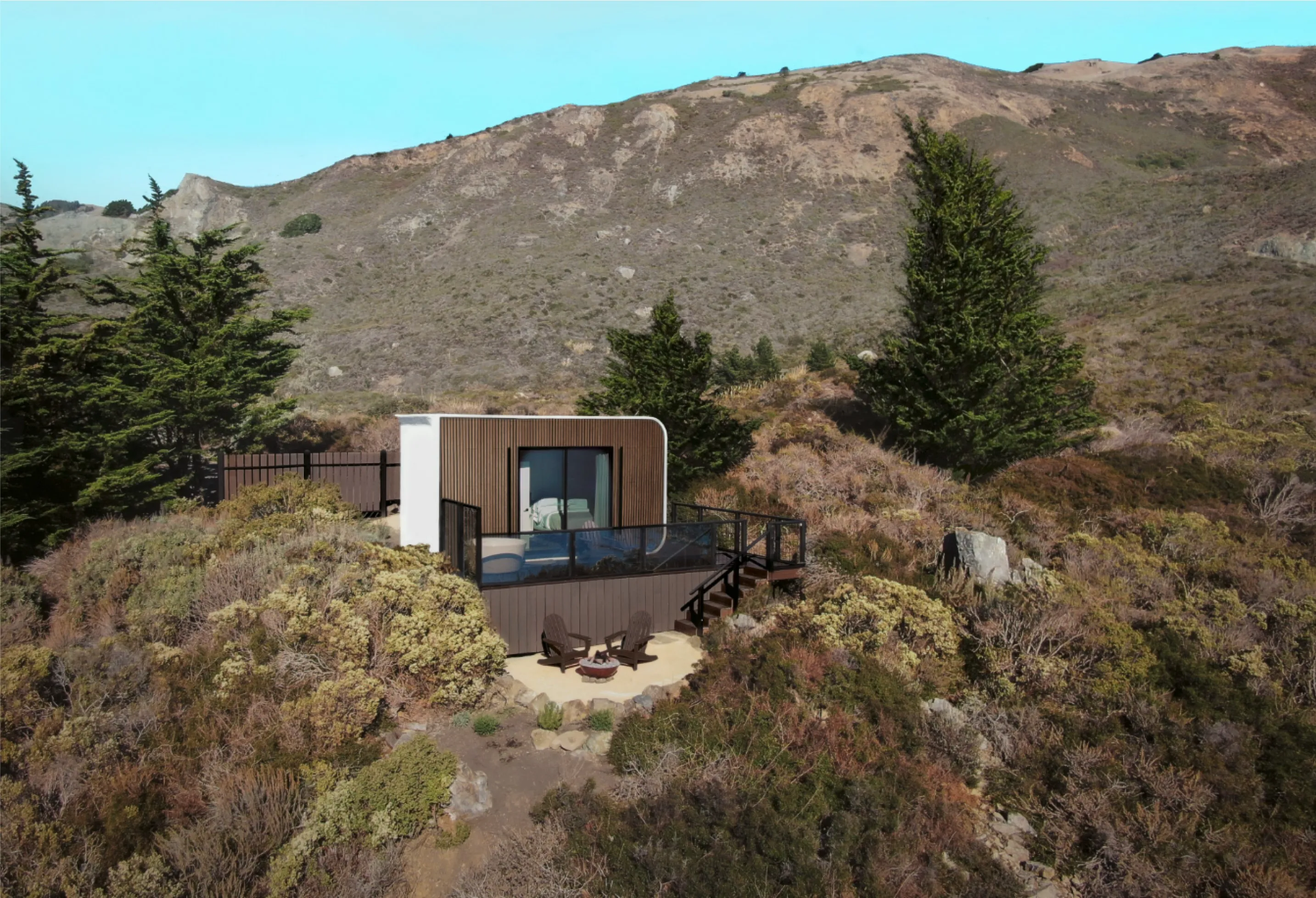
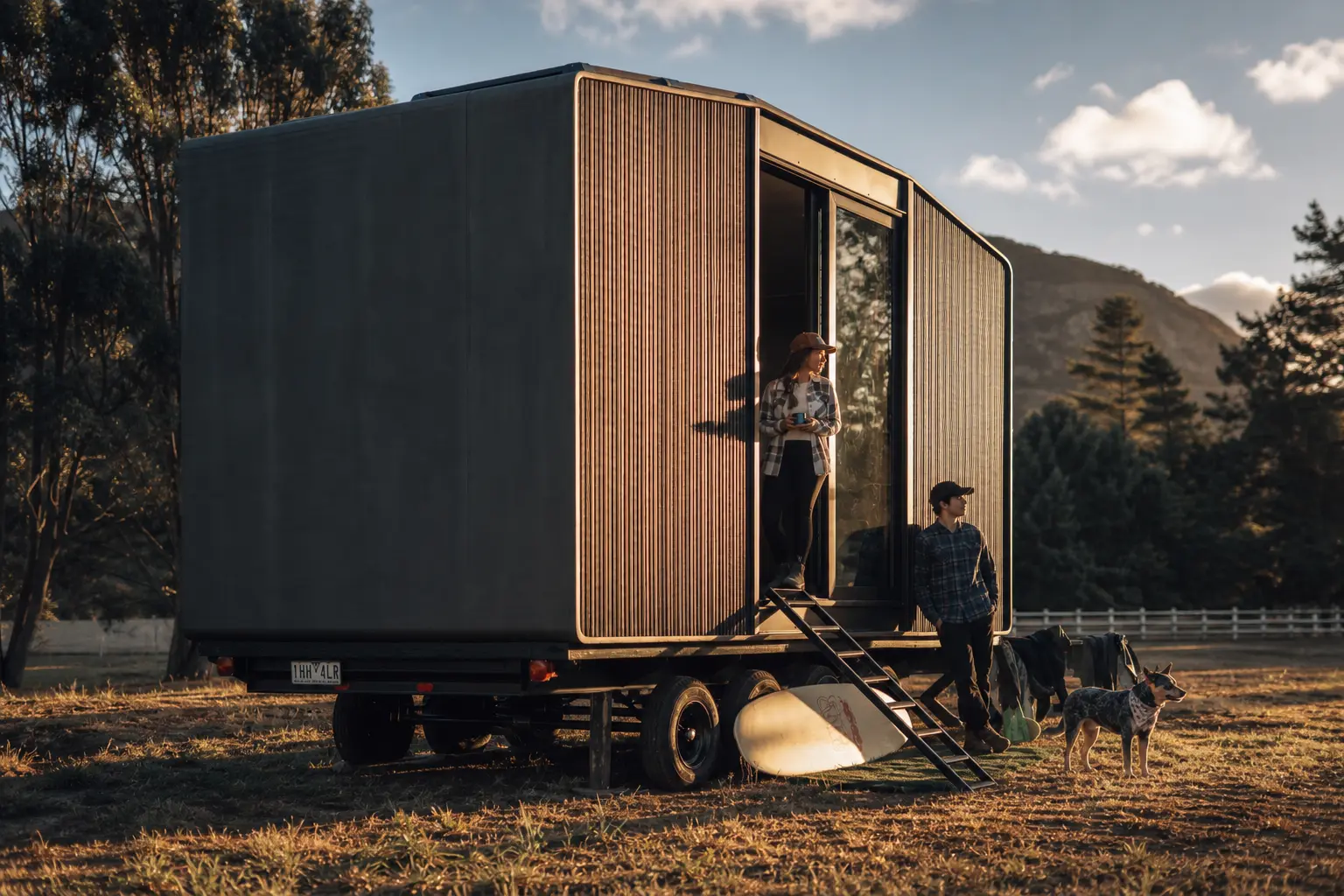
The honest answer is that an ADU does not have one fixed price. The model itself has a starting cost, but the full project depends on the property, local rules, utility connections, foundation work, delivery, installation, and the choices made along the way.
That can sound a little annoying at first. Most homeowners want a clear number before they start planning. We get that. Nobody wants to fall in love with a backyard home and then discover later that the real budget looks completely different.
At Azure Printed Homes, we try to make the starting point clearer. Our Homes & ADUs line includes residential-style models from 360 sq ft to 900 sq ft, with current starting prices from $89,900 to $219,900. These are the models most homeowners look at when they want a real backyard living space with a kitchen, bathroom, bedroom, and utility connections.
Still, the model price is not the whole ADU cost. It is the beginning of the budget. A finished ADU also needs the right site, permits, utility hookups, access, and installation plan.
So, how much does an ADU really cost to build? The better question is: what does it cost to build the ADU that actually fits your property and your goal?
Start With the Unit, Then Budget the Property
The unit is usually the easiest number to understand. It has a size, a layout, and a starting price.
The property is where the budget becomes more personal.
A flat backyard with easy access and nearby utilities is different from a sloped yard with tight side clearance. A property with enough electrical, water, and sewer capacity is different from one that needs upgrades. A city with a simple ADU process is different from one with extra review steps or local restrictions.
That is why two homeowners can choose the same ADU model and still end up with different final project costs.
A real ADU budget usually includes two sides:
- The ADU structure itself
- Everything needed to place, connect, permit, and finish it on the property
Both matter. A well-built unit still needs a site that can support it.
Azure ADU Model Pricing
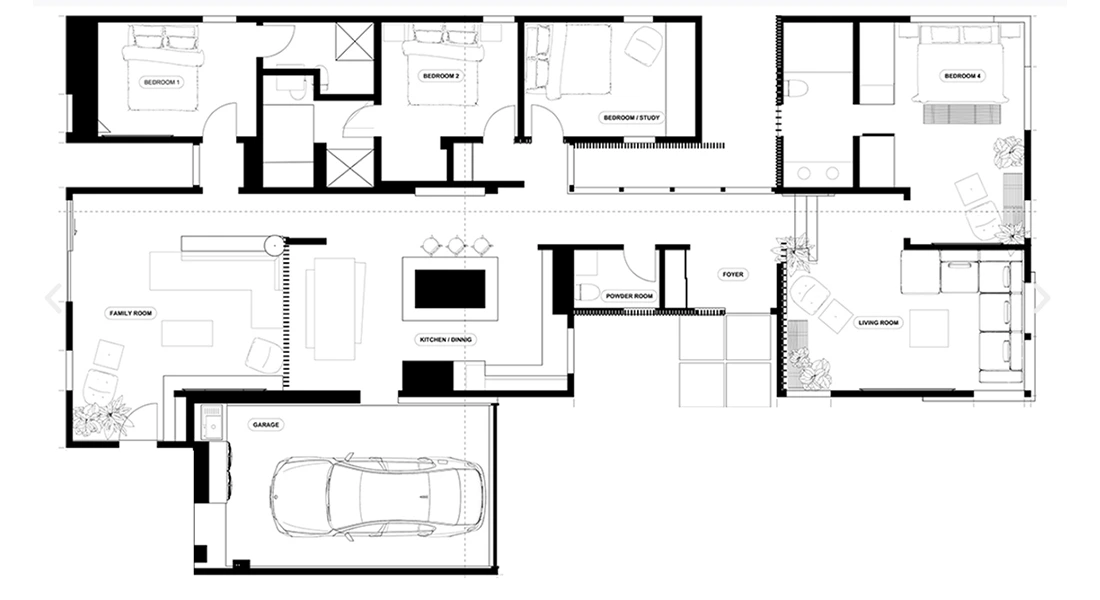
For ADU planning, the most relevant Azure models are our Homes & ADUs. These are the larger residential-style units designed for real living, not just occasional backyard use.
| ADU Model | Size | Layout | Starting Price |
| A-360 | 360 sq ft | Kitchen, 1 bedroom, 1 bathroom | From $89,900 |
| A-540 | 540 sq ft | Kitchen, 1 bedroom, 1 bathroom | From $134,900 |
| A-720 | 720 sq ft | 1-bedroom or 2 junior bedroom options, kitchen, 1 bathroom | From $174,900 |
| A-900 | 900 sq ft | Kitchen, 2 bedrooms, 1.5 bathrooms | From $219,900 |
These prices give homeowners a useful starting point, but they should not be treated as the final project total. Site work, permits, foundation, utilities, delivery, installation, and optional upgrades can all affect the final number.
The 360 sq ft model can work well for compact living, guest space, or rental potential where allowed. The 540 sq ft model gives more breathing room while still staying efficient. The 720 sq ft model works for homeowners who want more layout flexibility. The 900 sq ft model is our largest ADU option and is better suited for longer-term living needs, modern families, or homeowners who want more space from the start.
What Is Usually Not Included in the Starting Price?
A starting price helps you compare models. It does not tell you the full cost of the finished ADU.
The final project budget can change depending on what the property needs before the unit can be delivered, connected, inspected, and used.
Common added costs may include:
- Local permits and plan review
- Site preparation
- Foundation work
- Grading and drainage
- Utility trenching and connections
- Electrical, water, and sewer hookups
- Delivery logistics
- Installation
- HVAC or energy-related upgrades
- Solar or battery options
- Fire, hillside, coastal, or wildfire-related requirements
- Interior or exterior upgrades
- Landscaping or repairs after installation
Some of these costs may be small on one property and more serious on another. That is normal. An ADU is a smaller home, but it is still a real home. It has to connect to land, utilities, and local rules.
What Can Affect the Final ADU Cost?
The model price gives you a starting point, but the final ADU cost depends on what has to happen around the unit. Permits, site work, utilities, delivery, installation, and finish choices can all move the number.
This is where ADU budgeting becomes more personal. One backyard may be simple and straightforward. Another may need extra grading, longer utility runs, or more review from the local building department. The sooner these details are checked, the easier it is to plan the full cost with fewer surprises.
Permits and Local Review
Permits are not the fun part of building an ADU, but they can affect the cost in a real way.
Local authorities usually look at where the ADU will sit, how large it is, how it connects to utilities, how drainage is handled, and whether the project meets the rules for that property. In some areas, ADU approval is fairly direct. In others, the process can involve more review, especially if the property has hillside conditions, fire zones, flood rules, coastal rules, HOA restrictions, or limited access.
Permit-related costs may include application fees, drawings, engineering, energy review, utility review, corrections, inspections, and local fees where applicable.
Good permitting protects the project. It helps make sure the ADU is safe, legal, and usable for the purpose the homeowner has in mind. The real mistake is leaving permits until the end. They belong near the beginning of the budget conversation.
Site Conditions and Access
The backyard itself can make the project easier or more complicated.
A clean, level site with open access is usually easier to work with. A tight yard, steep grade, old retaining wall, poor drainage, narrow driveway, or complicated utility route can add cost.
Site work may include clearing, grading, drainage improvements, trenching, foundation preparation, access planning, and restoring affected areas after installation.
Before choosing a model, it helps to ask:
- Can the unit be delivered into the yard safely?
- Is there enough side access, driveway access, or crane access?
- Is the ground level enough for the planned foundation?
- Where will water drain during heavy rain?
- How far are the water, sewer, and electrical connections?
- Are there trees, fences, walls, slopes, or overhead lines in the way?
- Does the property have fire, flood, hillside, or coastal rules?
These are not glamorous questions, but they can save money and frustration. A beautiful floor plan will not help much if the unit cannot be placed properly.
Utility Connections
A full ADU is not just a finished room in the backyard. It is a living space. That means utilities are a major part of the budget.
A real ADU usually needs water, sewer, electrical service, heating and cooling, and sometimes added capacity from the main property. Depending on the site, utility work can be simple or more involved.
The distance from the main service connections matters. So does the condition of existing systems. A short, clear utility path is different from a long trench around hardscape, landscaping, or other structures.
Homeowners should also think about future use. If the ADU may be used for family, guests, or rental potential where allowed, the utility setup needs to support real daily living. The kitchen, bathroom, shower, lighting, heating, cooling, and outlets all need to work reliably.
This is why the smallest possible model is not always the smartest choice. If the ADU needs to support everyday living, the size and utility plan should match that use.
Delivery and Installation
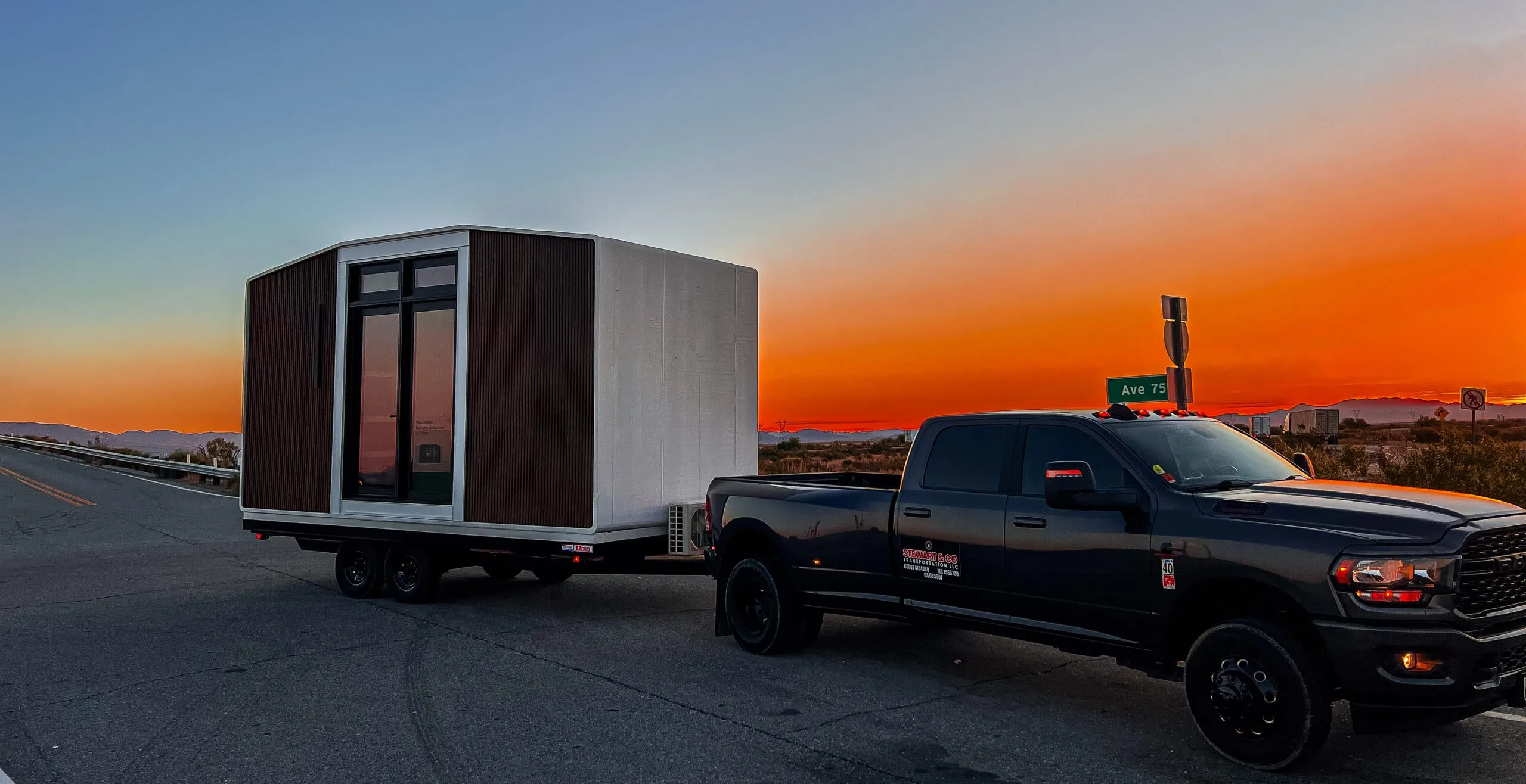
Prefab construction changes the build experience, but it does not remove the need for careful delivery and installation.
At Azure Printed Homes, we manufacture our units off-site using robotic 3D-printing and prefabrication. That helps reduce the amount of work happening in the backyard and can make the process more predictable than a fully site-built project.
Still, the unit has to reach the property and be installed correctly. Delivery access matters. The route matters. The final placement matters. Some projects may need additional equipment or coordination depending on the site.
Installation may include setting the unit, anchoring it, connecting services, completing inspections, and making sure the ADU is ready for use.
Prefab works best when the site is ready before the unit arrives. If the foundation, utilities, access, and approvals are planned ahead, the process feels much less chaotic.
Finishes and Options
Finishes are another place where budgets can stretch.
Some homeowners want simple, durable, efficient choices. Others want upgraded materials, added storage, higher-end appliances, solar, batteries, or more design customization.
Neither approach is wrong. The important part is deciding what matters before the project gets too far.
A rental-focused ADU may need durable finishes that are easy to clean and maintain. A family-use ADU may need more comfort, better lighting, smart storage, or accessibility features. A guest unit may need to feel welcoming without being overbuilt.
Good budgeting is not about choosing the cheapest option every time. It is about spending where the ADU will be used and felt every day.
How Size Changes the Cost Conversation
Size is one of the biggest cost drivers, but it is not just about square footage.
A 360 sq ft ADU and a 900 sq ft ADU both need permits, delivery, foundation planning, utilities, and installation. The larger unit costs more because there is more structure, more interior space, and more material. But some project costs exist no matter which model is chosen.
That is why homeowners should think about value, not only size.
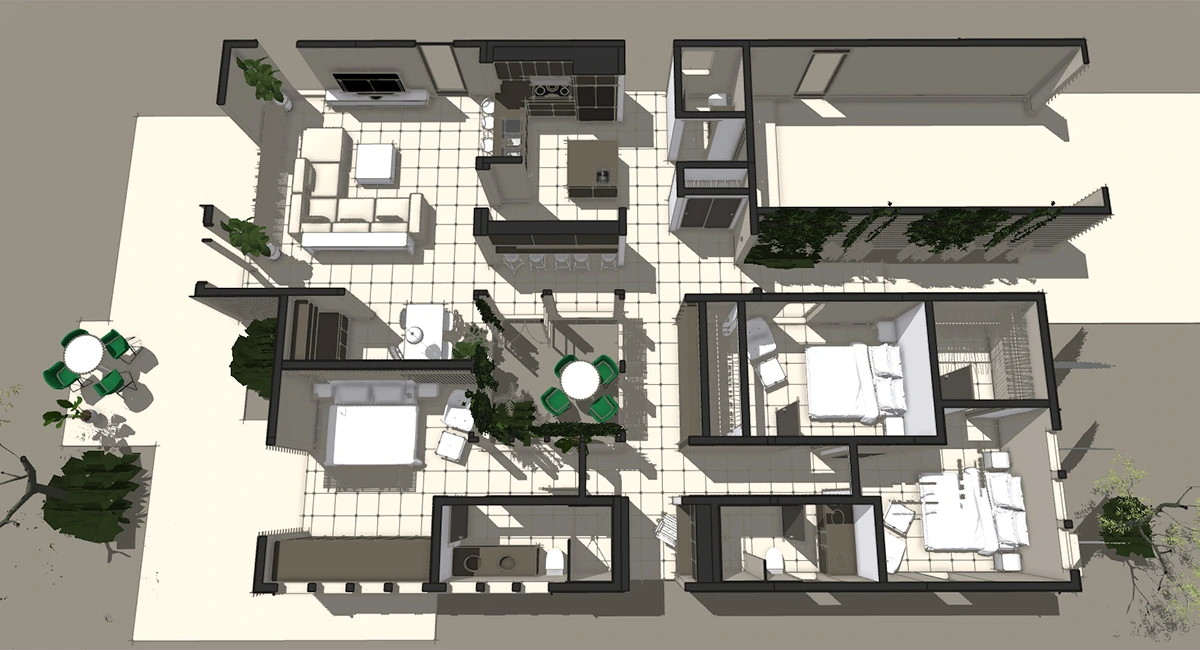
A 360 sq ft ADU may be a smart choice when the goal is compact living, guest use, or a smaller rental setup where allowed. A 540 sq ft ADU can feel more comfortable for one person or a couple. A 720 sq ft ADU can work better when layout flexibility matters. A 900 sq ft ADU may be the better fit when two bedrooms or long-term family use are important.
The cheapest model can be the right answer. But only when it matches the real use.
Can an ADU Create Income?
For many homeowners, income is part of the ADU conversation. That makes sense. A backyard unit can sometimes support rental income where local rules allow it.
But the numbers need to be grounded. An ADU should not be planned around a vague idea like “we will rent it somehow.” The better approach is to check the local rules, understand demand, estimate the full project cost, and think through the ongoing expenses.
Long-Term Rental Potential
A full ADU with a kitchen, bathroom, private living space, and proper utility connections is usually a stronger fit for long-term rental use than a simple backyard studio.
A long-term rental can create steady monthly income, but it also needs the right setup. Privacy, access, parking, noise, storage, maintenance, and utility billing can all affect the experience for both the homeowner and the tenant.
Local rules matter here. Some cities allow long-term ADU rentals more easily than short-term rentals. Others have specific requirements. This should be checked before the budget depends on rental income.
Short-Term Rental Considerations
Some homeowners think about short-term rental income first. It can look attractive on paper, but it is also more rule-dependent and more management-heavy.
Short-term rental use may involve local licensing, occupancy rules, taxes, cleaning, guest turnover, insurance, and neighborhood concerns. In some areas, it may not be allowed at all.
That does not mean it never works. It just means the income plan needs to be confirmed before the project is built around it.
Family Housing Has Value Too
Not every return is monthly rent.
For many homeowners, an ADU creates value by solving a family need. A parent can live nearby with privacy. An adult child can have a more independent space. Guests can stay without taking over the main house. A caregiver can be close when needed.
That kind of value is harder to put into a spreadsheet, but it can matter every day.
A well-planned ADU can help a family stay connected without everyone living under the same roof. For many people, that is the real reason the project makes sense.
What Can Raise the Cost, and What Helps Keep It Predictable?
Some ADU costs are easy to see early. Others only show up after the property is reviewed more closely. That is why a realistic budget should leave room for both the expected pieces and the site-specific details.
The good news is that many cost surprises can be reduced with early planning. A homeowner does not need every technical answer on day one, but they should understand the main cost drivers before choosing a model.
Common Budget Pressure Points
The most common things that can increase ADU cost include:
- Difficult site access
- Long utility runs
- Utility service upgrades
- Sloped yards
- Drainage problems
- Special foundation needs
- Fire zone or wildfire requirements
- Flood, coastal, or hillside review
- HOA restrictions
- Design upgrades
- Higher-end finishes
- Solar or battery additions
- Local fees or inspections
- Changes after design or planning has already started
That last point matters more than people sometimes expect. Changes can get expensive. Moving something around during the early planning stage is one thing. Changing a layout after drawings, production planning, or site coordination has already started can be much more complicated.
How to Keep the Budget More Grounded
The smoother projects usually have a clear use case, a realistic budget, and fewer late surprises.
A more predictable ADU plan usually includes:
- A clear reason for building the ADU
- A model size that fits the use case
- Early review of local rules
- A basic site access check
- A utility connection plan
- A realistic allowance for permits and inspections
- A foundation and drainage plan
- Finish choices made early
- A budget that includes more than the model price
This is where prefab and 3D-printed construction can help. Because much of the unit is produced in a controlled environment, the structure itself can be easier to plan than a fully site-built backyard project.
The site still matters. The permits still matter. The utilities still matter. But the home is not being built from scratch in the yard piece by piece.
That is a big part of why we build this way. We want the process to feel smarter, faster, and less wasteful, while still being honest about the work needed to turn a model into a finished ADU.
A Simple ADU Budget Checklist
Before choosing a model, it helps to walk through the budget in a practical way.
Use this as a starting checklist:
- Choose the use first: family, guest space, rental potential, downsizing, or extra living space
- Pick an ADU model that fits that use
- Check local zoning and ADU rules
- Ask about permits and inspections
- Review the site for access, slope, drainage, and delivery
- Plan the foundation
- Map water, sewer, and electrical connections
- Check whether service upgrades are needed
- Decide on finishes and options early
- Include delivery and installation in the budget
- Keep a contingency for unknowns
This is not meant to make the project feel complicated. It is meant to make it honest. ADUs are easier to plan when the budget includes the whole project from the start.
The Bottom Line on ADU Cost
For Azure’s Homes & ADUs, current starting prices range from $89,900 for the 360 sq ft model to $219,900 for the 900 sq ft model.
The full cost of a finished ADU depends on the model, property, permits, foundation, drainage, utility connections, delivery, installation, and finish choices. That is the number that matters most.
The best ADU budget is not the lowest number on a price sheet. It is the number that reflects what the homeowner is actually trying to build.
At Azure Printed Homes, we believe ADUs should feel more approachable than traditional construction often does. A backyard home should not mean endless mess, guesswork, and stress. It should be a clearer path toward more space, more flexibility, and a property that works better for real life.
A good ADU starts with a useful model. A great ADU starts with a useful plan.