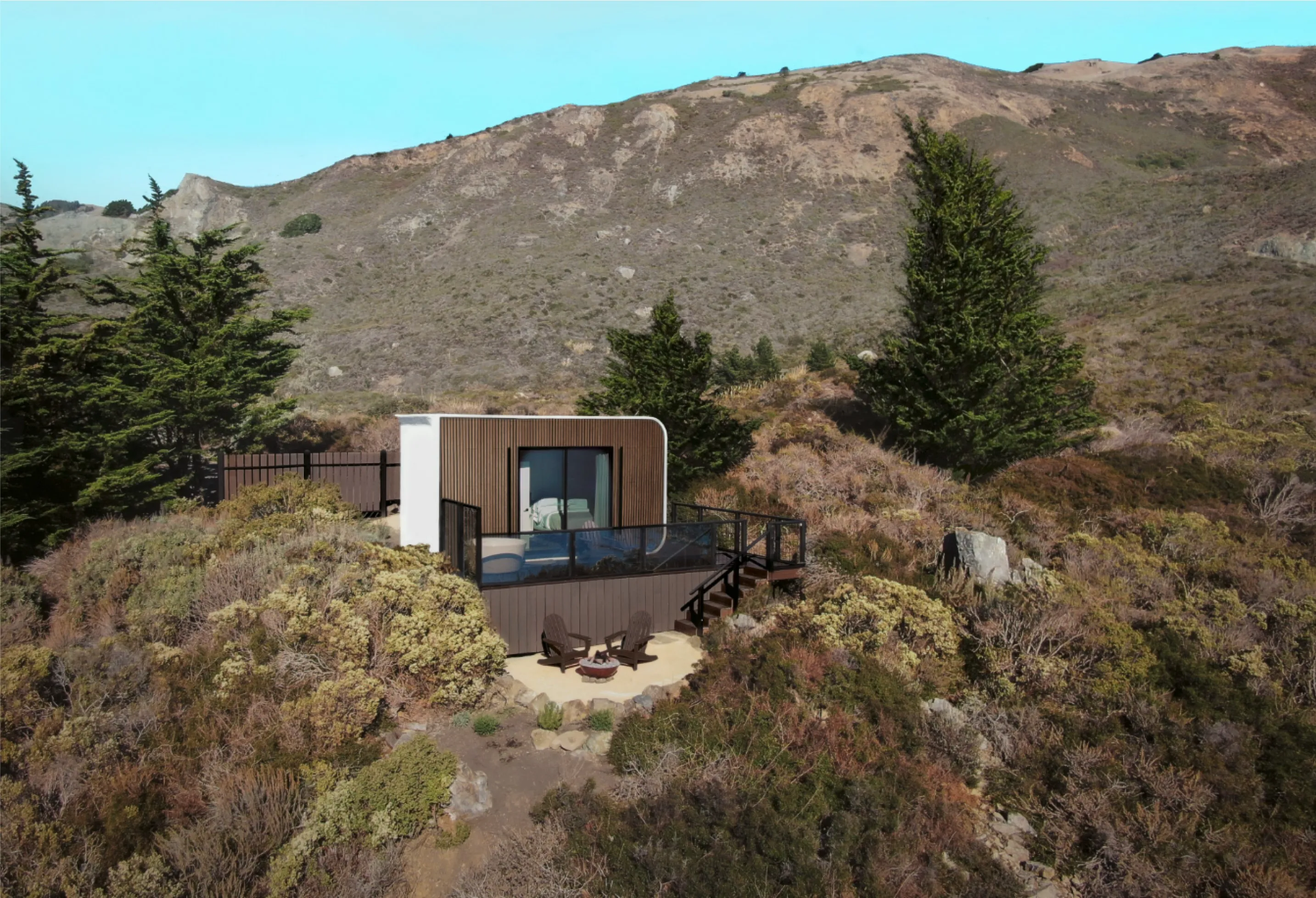
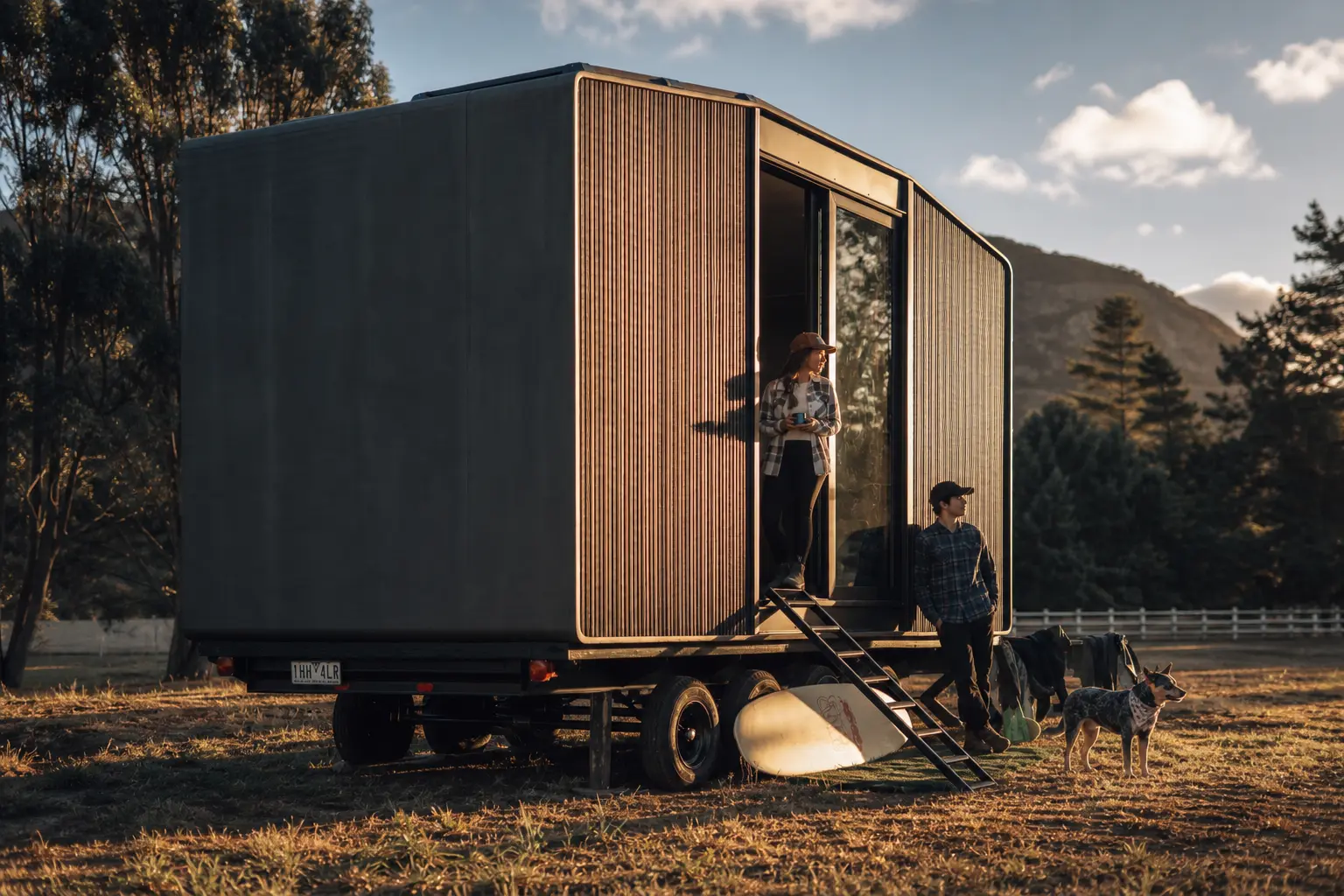
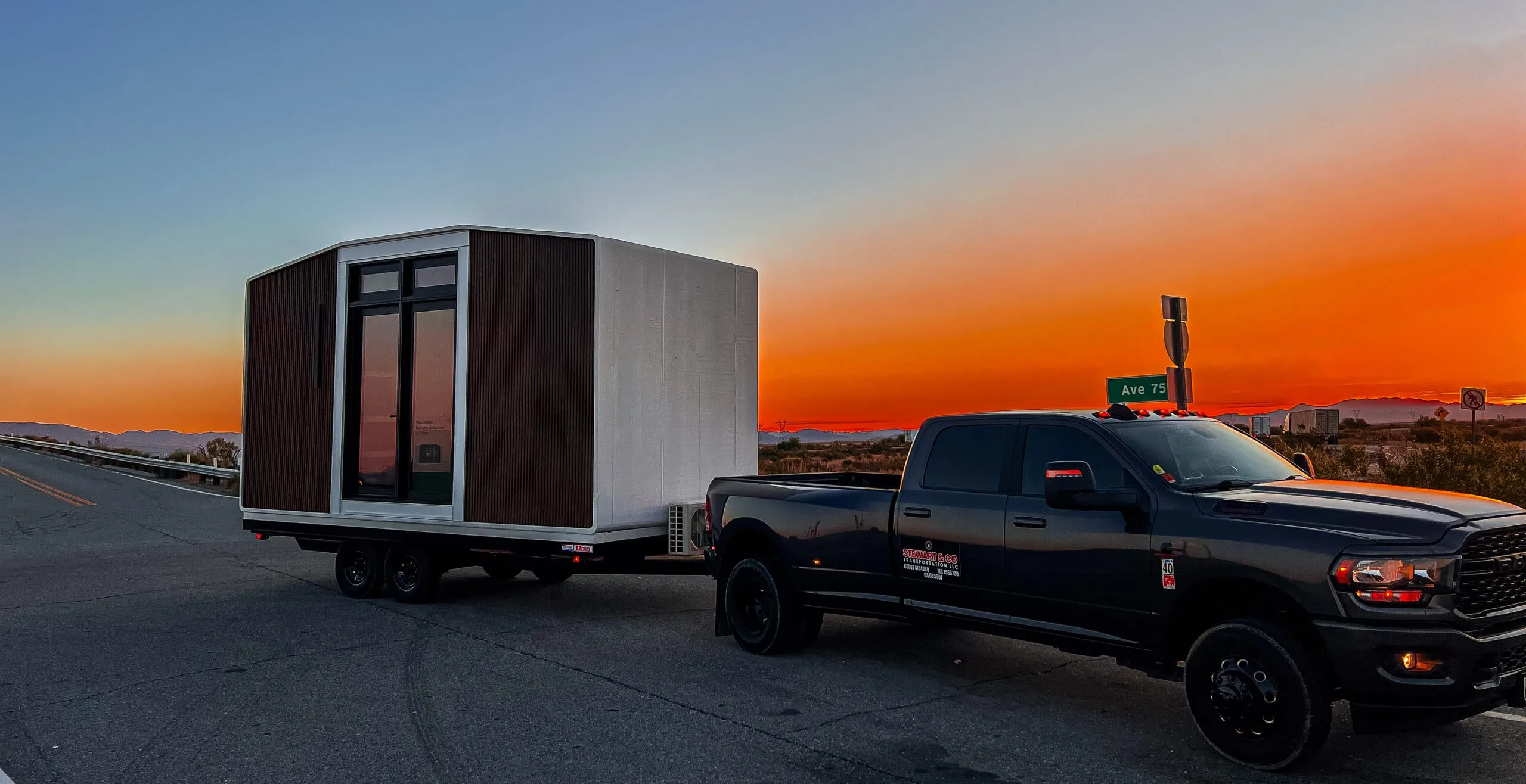
3D printed homes can look simple from the outside, but the materials behind them are anything but ordinary. These homes are created through a mix of advanced printing technology, durable building components, insulation, interior finishes, utilities, and in some cases, recycled materials.
At Azure Printed Homes, we build future-focused modular living spaces with robotic 3D-printing technology and recycled plastic waste. From compact studios to ADUs and homes on wheels, we design our units to be faster to produce, easier to customize, and more resource-conscious than many traditional construction methods.
The Main Material Depends on the Printing Method
Not all 3D printed homes use the same base material. Some are printed with concrete-based mixtures, while others use polymer-based or composite materials. The material is chosen based on the design, climate needs, building type, engineering requirements, and production method.
The printed material usually forms the main shell of the home. This can include the walls, exterior structure, or modular body of the unit. From there, the home is completed with the systems and finishes people expect in a livable space.
For buyers, the important thing is not only what material is printed. It is how the entire unit is engineered, finished, delivered, and installed.
What 3D Printed Homes Consist Of
A 3D printed home is more than a printed shell. It is a complete building system made from structural materials, insulation, openings, utilities, finishes, and site-ready components. Each part has a role in making the home durable, comfortable, and usable day to day.
Recycled Printing Material
One of the most interesting materials used in modern 3D printed housing is recycled plastic. Instead of treating plastic waste as something disposable, it can be processed and reused as part of a building material system.
At Azure Printed Homes, more than 60% of our print material comes from recycled plastic. A 120 sq ft unit can use the equivalent of about 100,000 recycled plastic bottles. That gives plastic waste a second life in a useful, long-lasting structure.
This approach also helps reduce waste during production. Our robotic printing process is designed for precision, which means material is placed where it needs to go instead of being heavily cut, trimmed, or discarded like many traditional job-site materials.
The Printed Shell
The printed shell is one of the most important parts of a 3D printed home. It gives the unit its shape and creates the main structure that the rest of the home is built around.
Depending on the model, the shell may be designed for a studio, ADU, tiny home, glamping unit, office pod, or home on wheels. The printed form can support clean modern shapes, efficient layouts, and repeatable production.
This is where robotic printing is especially useful. It allows the home to be manufactured with consistency and accuracy, while still leaving room for customization.
Insulation and Weather Protection
A 3D printed home still needs to feel comfortable inside. That means insulation matters.
Insulation helps control indoor temperature, reduce energy use, and make the home more comfortable across different seasons. A finished 3D printed unit may also include weather-resistant exterior systems, sealed openings, roofing components, windows, and doors.
At Azure Printed Homes, our units are designed to be watertight, insulated, and energy efficient. For buyers, that matters because a small home, studio, or ADU should not only be quick to build. It also needs to feel practical once it is in use.
Windows, Doors, and Openings
The printed structure creates the body of the home, but windows and doors make it livable. These elements bring in light, allow ventilation, and shape how the space feels from day to day.
Window placement can also affect energy performance and comfort. A compact home with good natural light can feel more open, while a poorly planned layout can feel cramped even if the square footage is similar.
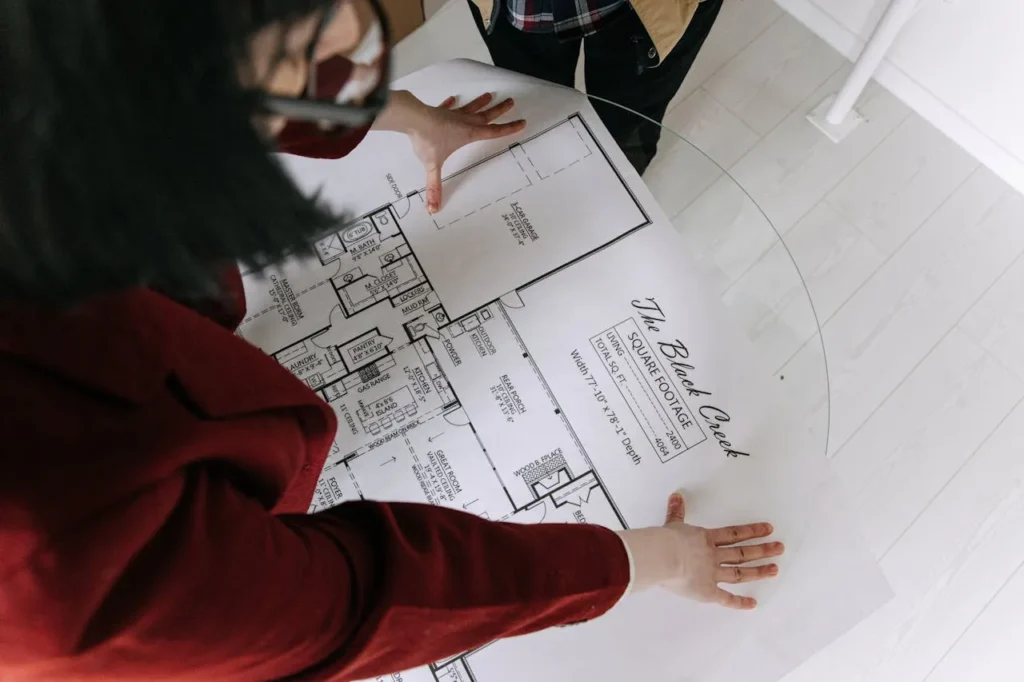
This is why customization is such a useful part of the process. Buyers can think about how the space will be used before choosing the layout, openings, and finishes.
Electrical, Plumbing, and Mechanical Systems
A 3D printed home is not just a shell. To function as a real living space, it needs the systems that support daily use.
These may include:
- Electrical wiring and outlets
- Interior and exterior lighting
- Plumbing lines
- Bathroom fixtures
- Kitchen or kitchenette connections
- HVAC
- Ventilation
- Water and sewer connections
- Solar panels and battery options, depending on the project
At Azure Printed Homes, finishes and systems are installed during fabrication based on the selected configuration. That can include electrical, plumbing, and interior finishes before the unit is delivered.
Interior Finishes
Inside, a 3D printed home can include many of the same finishes found in other types of housing. The exact package depends on the model and configuration.
Common interior elements may include flooring, wall finishes, cabinetry, countertops, bathroom fixtures, lighting, storage, and built-in furniture. A simple studio may need fewer features, while an ADU or home on wheels may need a more complete living setup.
This is where the purpose of the unit matters. A backyard office, guest studio, rental unit, vacation space, and full-time home all need different finish levels.
Additional Materials and Preparation 3D Printed Homes May Need
A 3D printed home is not only made from printed material. Depending on the model, use case, and location, it may also need structural support, utility connections, transport planning, site work, and final installation materials.
Chassis for Homes on Wheels
Homes on wheels need a chassis-based structure that supports mobility. Our X Series homes on wheels are built on a chassis, which allows the printed and finished living space to work as a movable unit.
This makes them different from a permanent ADU or studio, even though both can be factory-built and modular. Models such as X180, X270, and X360 combine compact living layouts with the added structure needed for transport and flexible placement.
Foundation or Placement Area
Permanent or semi-permanent 3D printed homes may need a prepared foundation or stable placement area before delivery. This can depend on the model, local rules, soil conditions, and how the unit will be used.
Some projects may require pads, footings, piers, anchoring, or other foundation solutions. The goal is to give the home a level, safe, and properly supported place to sit.
Utility Connections
Most livable 3D printed homes also need utility planning. This may include electrical service, water lines, sewer or septic connections, HVAC setup, and sometimes solar panels or battery options.
A studio used as an office may have simpler utility needs than a full ADU with a bathroom and kitchen. Planning these connections early helps avoid delays during final installation.
Delivery and Access Planning
Before a unit arrives, the site needs to be accessible. Delivery routes, driveway width, turning space, overhead clearance, and equipment access can all affect the installation process.
A well-built unit still needs a practical path to the property. If access is tight, steep, blocked, or restricted, the project may need extra preparation before delivery.
Grading, Drainage, and Local Approvals
The property may also need grading and drainage work so water moves away from the unit and the placement area remains stable. Local approvals, permits, zoning rules, and inspections can also affect what is required before the home can be installed or used.
That is why buyers should think about the full project, not just the home itself. The printed structure matters, but the site, utilities, access, and approvals are what help turn it into a usable living space.
What Different Azure Models Are Made For
Azure Printed Homes creates several types of modular living spaces, and each one has a slightly different purpose.
Studio Series
Our Studio Series is designed for compact uses such as backyard offices, creative rooms, wellness spaces, guest areas, or flexible personal space. Models like the A/D/C-100, A/D/C-120, and N100 are built for buyers who want a smaller footprint without starting a traditional construction project from scratch.
Homes and ADUs
Our larger homes and ADUs are designed for people who need more complete living space. These models can support uses such as guest housing, rental use, family space, or compact full-time living where local rules allow it.
Homes on Wheels
Our X Series homes on wheels are built for mobility and compact living. These units are useful for buyers who want a chassis-based option with more flexibility than a fixed structure.
Glamping and Hospitality Units
For glamping sites, vacation rentals, and hospitality projects, 3D printed units can offer a faster way to add unique guest spaces. The combination of modern design, recycled materials, and factory production can make them practical for outdoor stays and destination-based projects.
Durability and Sustainability of 3D Printed Homes
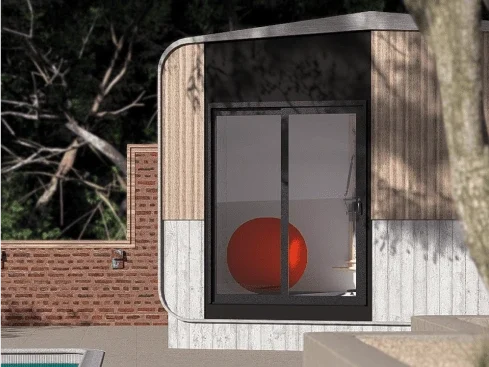
A 3D printed home should be judged by more than the material used in the printer. Durability depends on the full system: engineering, production quality, insulation, weather protection, installation, site conditions, and long-term maintenance.
At Azure Printed Homes, we design our units for real use, not just visual impact. Our homes are built with practical performance in mind, including water resistance, insulation, pest resistance, non-toxic materials, and structural considerations for wind, seismic activity, and snow load requirements.
Key benefits can include:
- Stronger material control: Robotic printing places material accurately and consistently.
- Less production waste: Material is used more precisely, with less cutting and trimming.
- Recycled content: We at Azure use recycled plastic waste as part of our printed material system.
- Better comfort: Insulation and weather protection help make the space usable year-round.
- Practical durability: Units are designed for daily use, weather exposure, and long-term performance.
- More predictable fabrication: Factory production helps control quality before delivery.
For buyers, the main point is simple: 3D printed homes are not only about new technology. They are about using materials, design, and production methods in a smarter way to create spaces that are durable, efficient, and useful.
Final Thoughts
3D printed homes are made from more than one material. The printed shell may get the most attention, but a complete home also includes insulation, windows, doors, finishes, electrical systems, plumbing, HVAC, and installation planning.
The real value comes from how everything works together. Materials, technology, design, and site preparation all shape the final result.
At Azure Printed Homes, we use robotic 3D printing and recycled plastic waste to create modular spaces that are fast to produce, customizable, and built for modern living. From compact studios to ADUs and homes on wheels, the goal is simple: turn smarter materials into useful spaces people can actually live, work, host, and relax in.