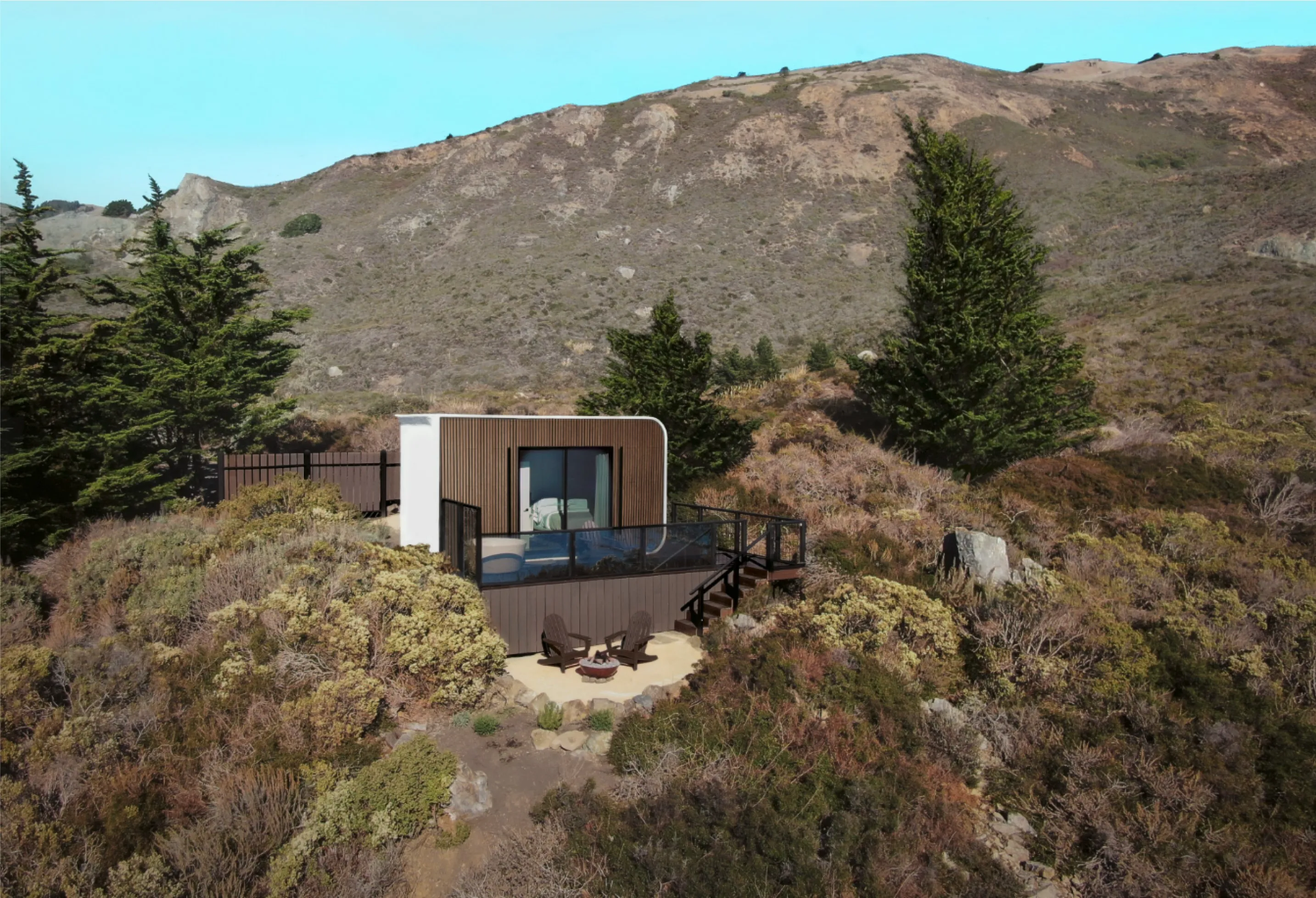
Park model homes can last for several decades when they are built well, installed correctly, and maintained over time. In many cases, a properly cared-for park model home may last 30 to 50 years or more, but the real answer depends on the materials, climate, foundation or setup, usage, and regular upkeep.
At Azure Printed Homes, we create compact modular living spaces using robotic 3D printing, recycled plastic materials, and factory-built methods. Our work includes studios, ADUs, homes on wheels, glamping units, tiny homes, office pods, and other flexible housing options. Since small structures are often compared with park model homes, it helps to understand what actually affects lifespan before choosing the right solution.
Average Lifespan of a Park Model Home
A park model home often lasts around 30 to 50 years with proper care. Some may last longer if they are built with durable materials, protected from moisture, and placed on a stable site. Others may need major repairs much sooner if they are exposed to water damage, extreme weather, poor ventilation, or neglected maintenance.
The lifespan is not based only on the unit itself. A well-built home can still age quickly if the site is not prepared correctly. Drainage, leveling, utility connections, skirting, roof care, and ventilation all play a role.
Think of it this way: the structure is only one part of the equation. The land, climate, installation, and owner care matter just as much.
What Affects How Long a Park Model Home Lasts?
Several factors decide whether a park model home stays comfortable and usable for decades or starts needing major repairs earlier.
Build Quality and Materials
The materials used in the structure make a major difference. Framing, exterior siding, roofing, insulation, windows, doors, plumbing, and electrical systems all affect long-term performance.
Lower-cost units may look good at first, but weaker materials can show wear faster. Moisture-resistant materials, solid construction, sealed openings, and durable exterior finishes usually help extend the home’s useful life.
This is one reason material choice matters so much in compact housing. We use recycled plastic materials in our 3D-printed structures, with more than 60% of our print material coming from recycled plastic. Our goal is to create modular spaces that reduce waste while still supporting strength, consistency, and long-term use.
Site Preparation
A park model home needs a stable and well-prepared site. If the ground shifts, holds water, or is not properly leveled, the home may experience problems over time.
Good site preparation may include grading, drainage planning, utility access, foundation support, and safe delivery access. Even a small home needs a serious setup process. Skipping this step can shorten the lifespan of the structure and create avoidable repair costs.
Climate and Weather Exposure
Climate has a big impact on how long any small home lasts. Homes placed in dry, mild climates often age differently than homes placed in areas with heavy rain, snow, humidity, high heat, salt air, or strong winds.
Moisture is one of the biggest concerns. Water can affect roofing, walls, floors, windows, and utility systems if it is not managed correctly. Strong sun can also wear down exterior finishes over time. In colder regions, freezing temperatures can affect plumbing and insulation if the home is not prepared for seasonal use.
Maintenance Habits
Regular maintenance can add years to a park model home’s life. Small problems become expensive when they are ignored.
Owners should check the roof, siding, sealants, windows, doors, skirting, plumbing, HVAC systems, and drainage around the home. A yearly inspection is usually a smart habit, especially before and after harsh weather seasons.
A park model home may be smaller than a traditional house, but it still needs regular care. Smaller does not mean maintenance-free.
How Often the Home Is Used
A park model used a few months a year may wear differently than one used full-time. Daily use affects flooring, fixtures, appliances, plumbing, HVAC, cabinetry, and interior finishes.
Vacation use can be easier on some parts of the home, but it can also create other issues. If the unit sits closed for long periods, humidity, pests, and ventilation problems can appear. Full-time use may create more visible wear, but regular occupancy also means issues are often noticed sooner.
Movement and Relocation
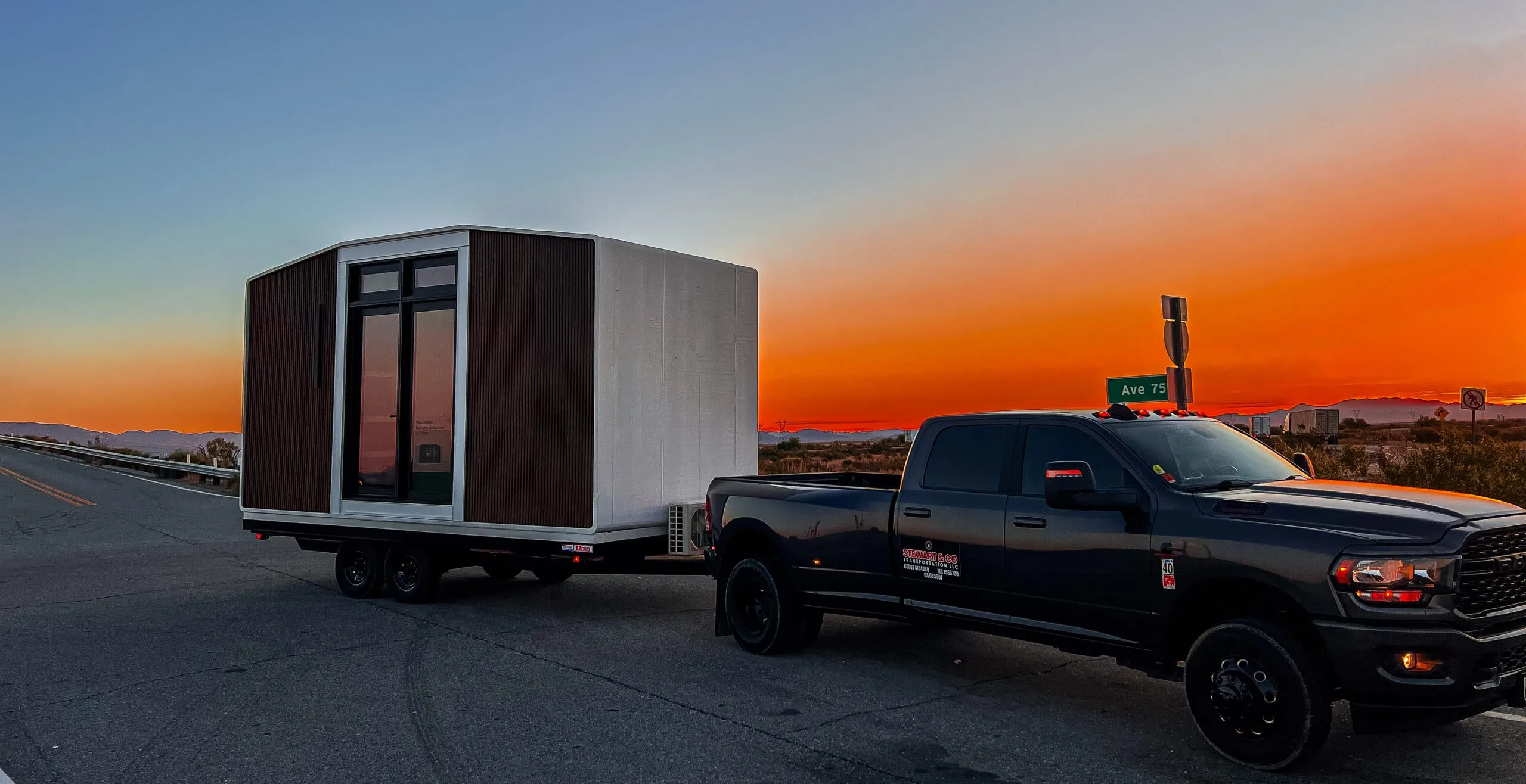
Park model homes are usually designed to be transported to a site, but frequent relocation can affect their lifespan. Moving a unit places stress on the structure, connections, finishes, and chassis or support system.
A home that is delivered once and properly installed may age differently than one that is moved many times. If mobility is important, buyers should look closely at whether a chassis-based option or home on wheels is a better fit.
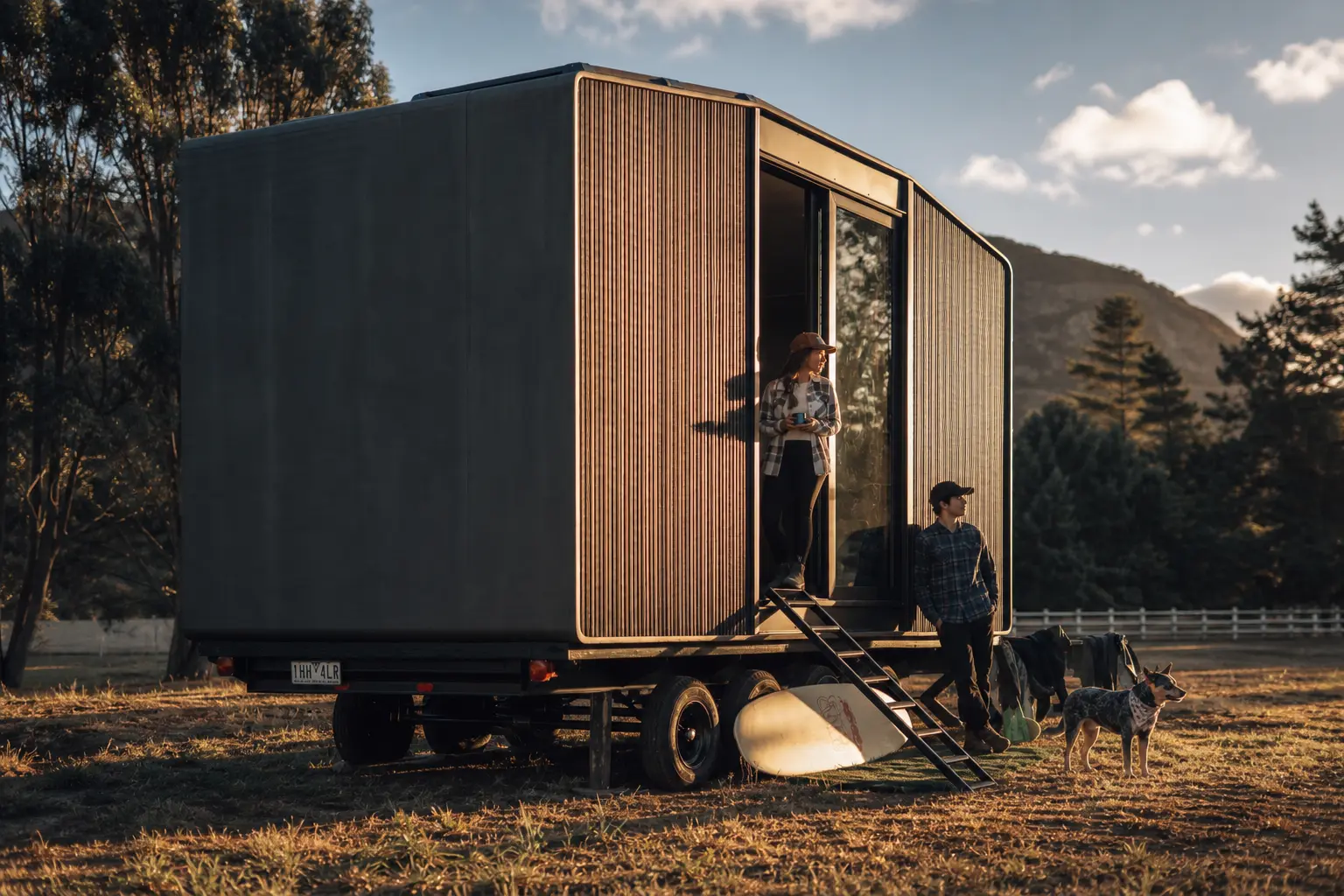
Our X Series homes on wheels are designed for flexible living and mobility. Models include X180 at $69,900, X270 at $84,900, and X360 at $109,900. These units are useful for buyers who want a compact living space with a chassis-based design rather than a more permanent small-home setup.
Common Signs a Park Model Home Is Aging
Even a well-maintained park model home will show age over time. Some signs are normal. Others may point to deeper problems.
Common signs include:
- Roof wear: Cracks, leaks, soft spots, or damaged flashing may suggest the roof needs attention.
- Window and door issues: Drafts, sticking, gaps, or water stains can point to settling or seal problems.
- Floor changes: Soft spots, uneven areas, or squeaking may be signs of moisture or structural wear.
- Exterior fading or cracking: Siding and finishes can wear down from sun, rain, and temperature changes.
- Plumbing problems: Leaks, low pressure, or freezing damage can shorten the life of the home.
- HVAC wear: Heating and cooling systems may need repair or replacement before the structure itself reaches the end of its life.
Catching these problems early is usually easier and cheaper than waiting until they spread.
Comparing Park Model Homes with Other Compact Housing Options
Park model homes can last a long time, but they are not always the same as traditional houses or modular compact homes. The differences usually come down to classification, foundation, intended use, local rules, and how the structure is placed on the property. Before choosing one, buyers should look beyond size and price and think about how the home will actually be used over time.
Park Model Homes and Traditional Homes
A park model home can remain usable for many years with proper care, but it is usually not designed or classified in the same way as a traditional site-built house. Traditional homes are commonly built on permanent foundations and intended for long-term residential use under local building codes.
Park model homes may follow different rules depending on the location, size, placement, and purpose. That does not make them a bad option. It simply means buyers should understand what type of structure they are purchasing and whether it fits the property, local requirements, and expected use.
Park Model Homes and Modular Compact Homes
Park model homes and modular compact homes can look similar from the outside, but they are not always built, placed, or approved in the same way. A park model is often associated with recreational or seasonal placement, while a modular compact home may be designed for uses such as ADUs, studios, tiny homes, glamping units, or residential applications, depending on local approvals.
This is where buyers often need to compare the real use case, not just the appearance. A structure meant for occasional stays may not have the same requirements as a unit intended for daily living, rental use, guest housing, or permanent backyard placement.
Azure Printed Homes Options
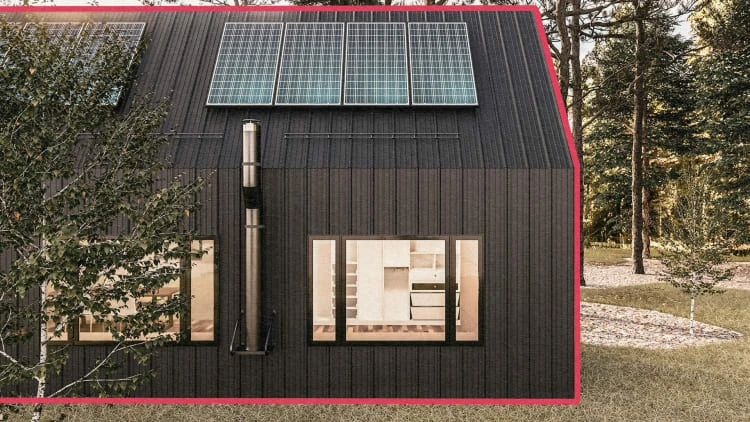
At Azure Printed Homes, we build several types of compact and modular spaces for different property needs. Our Studio Series includes models such as A/D/C-100 and N100 starting at $24,900, along with A/D/C-120 models at $29,900. These smaller units can support uses such as backyard studios, workspaces, creative rooms, wellness spaces, guest areas, or flexible personal space.
For buyers who need more room, our home and ADU models include A-180 at $49,900, A-360 at $89,900, A-540 at $134,900, A-720 at $174,900, and A-900 at $219,900. These options give buyers a broader way to compare park model homes with modular ADUs, small homes, and other compact living solutions.
How to Help a Park Model Home Last Longer
The best way to extend the life of a park model home is to treat it like a real structure, not a temporary item.
Prepare the Site Correctly
The site should be level, stable, accessible, and designed to manage water. Poor drainage can shorten the life of almost any structure. Before placing a unit, it is worth checking soil conditions, runoff, utility routes, local requirements, and access for delivery.
Protect the Home from Moisture
Water is one of the biggest causes of long-term damage. Roof leaks, poor seals, condensation, and standing water around the home can all create problems. Regular inspections around the roof, windows, doors, plumbing, and base of the home can help prevent bigger repairs.
Maintain Heating, Cooling, and Ventilation
Comfort systems affect more than comfort. Proper ventilation helps reduce moisture buildup inside the home. HVAC systems should be serviced as needed, and filters should be checked regularly.
Inspect the Exterior Every Year
The exterior takes the most abuse from weather. Look for cracks, gaps, fading, loose trim, worn sealant, damaged skirting, or changes around windows and doors. Small repairs can help protect the structure for many more years.
Avoid Unnecessary Moves
If the home is not designed for frequent mobility, avoid moving it unless necessary. Every relocation can create stress on the structure. For buyers who expect to move the home more often, a home on wheels may be a better choice than a traditional park model setup.
When a Park Model Home Makes Sense and When It Does Not
Not every property or living situation requires the same type of housing. A park model home can be an excellent long-term solution in some cases, while other projects may benefit from a different type of compact home. Understanding the strengths and limitations of park model homes can help buyers make a more informed decision.
Best-Fit Uses
Park model homes are often well suited for seasonal living, vacation properties, RV parks, glamping developments, guest accommodations, and small residential communities. Their compact size and relatively simple installation process can make them attractive for buyers who want functional living space without building a full-size house.
They may also work well on properties that already have utility access, clear site access, and local regulations that support this type of structure. In these situations, a park model home can provide many years of use while keeping project complexity relatively manageable.
Possible Limitations
Park model homes are not always the ideal solution for every property. In some locations, zoning regulations, building codes, or occupancy restrictions may limit how the structure can be used. What works well as a vacation retreat or guest space may not always be approved for full-time residential living.
Certain sites can also create challenges. Steep terrain, difficult delivery access, limited utility availability, or extensive site preparation requirements can increase project costs and reduce some of the advantages that attract buyers to park model homes in the first place.
Conclusion
A park model home can last 30 to 50 years or more when it is built well, installed correctly, and maintained with care. Its real lifespan depends on materials, weather exposure, site preparation, movement, ventilation, and regular upkeep.
For buyers comparing park model homes with other compact housing options, the best choice is the one that fits the property, intended use, budget, and local rules. At Azure Printed Homes, we create 3D-printed modular spaces, studios, ADUs, homes on wheels, tiny homes, glamping units, and office pods using recycled plastic materials and robotic construction. The goal is simple: make compact living more efficient, more flexible, and more future-ready without making the process harder than it needs to be.