Modular homes are often cheaper than traditional site-built homes because the building process is organized differently. More of the work happens before the home reaches the property, which can reduce delays, waste, repeated setup, and some of the labor problems that come with building everything outdoors from scratch.
The savings do not come from one shortcut. They usually come from several practical advantages working together: controlled production, clearer scheduling, repeatable designs, better material planning, fewer weather interruptions, and less time spent managing an open jobsite.
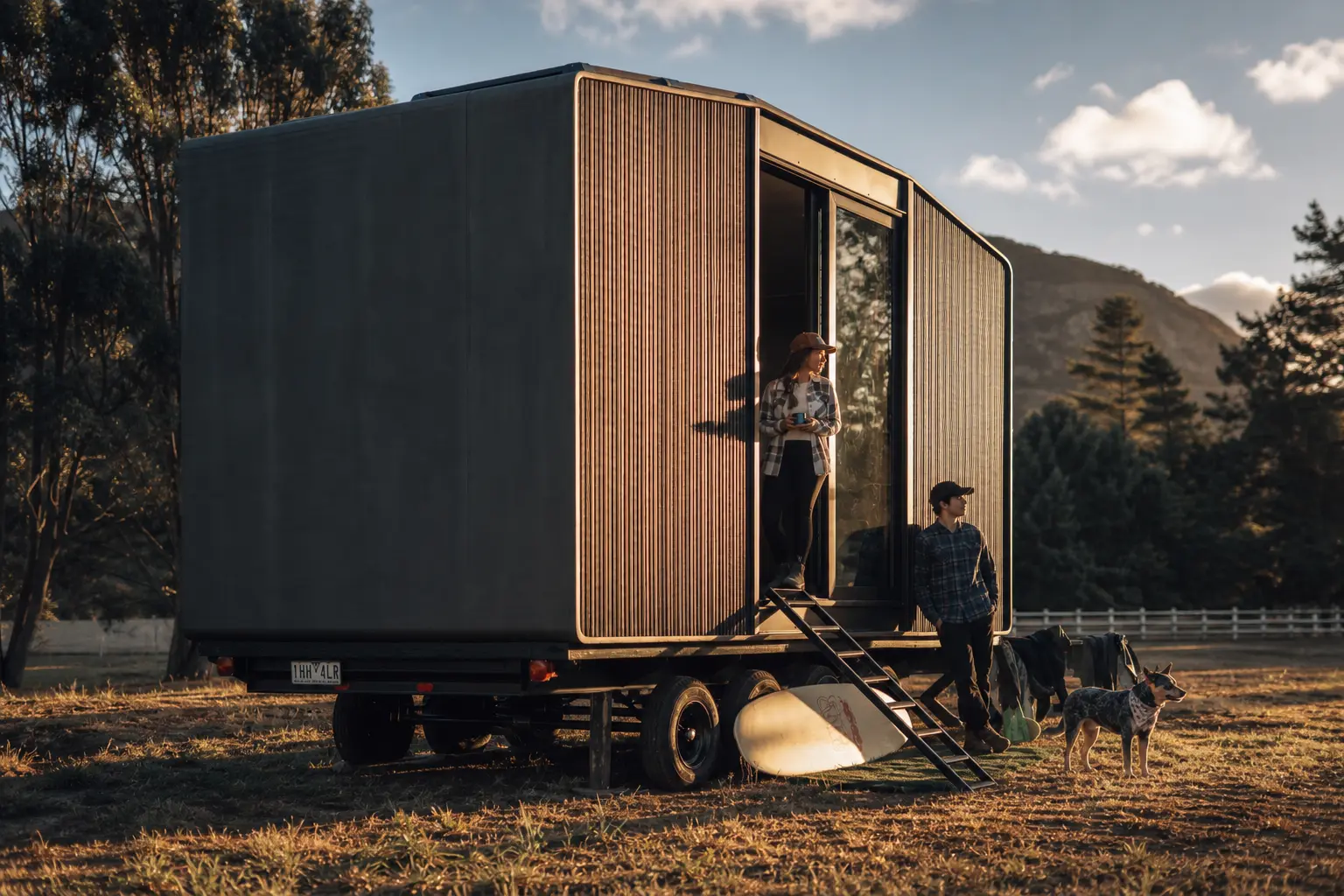
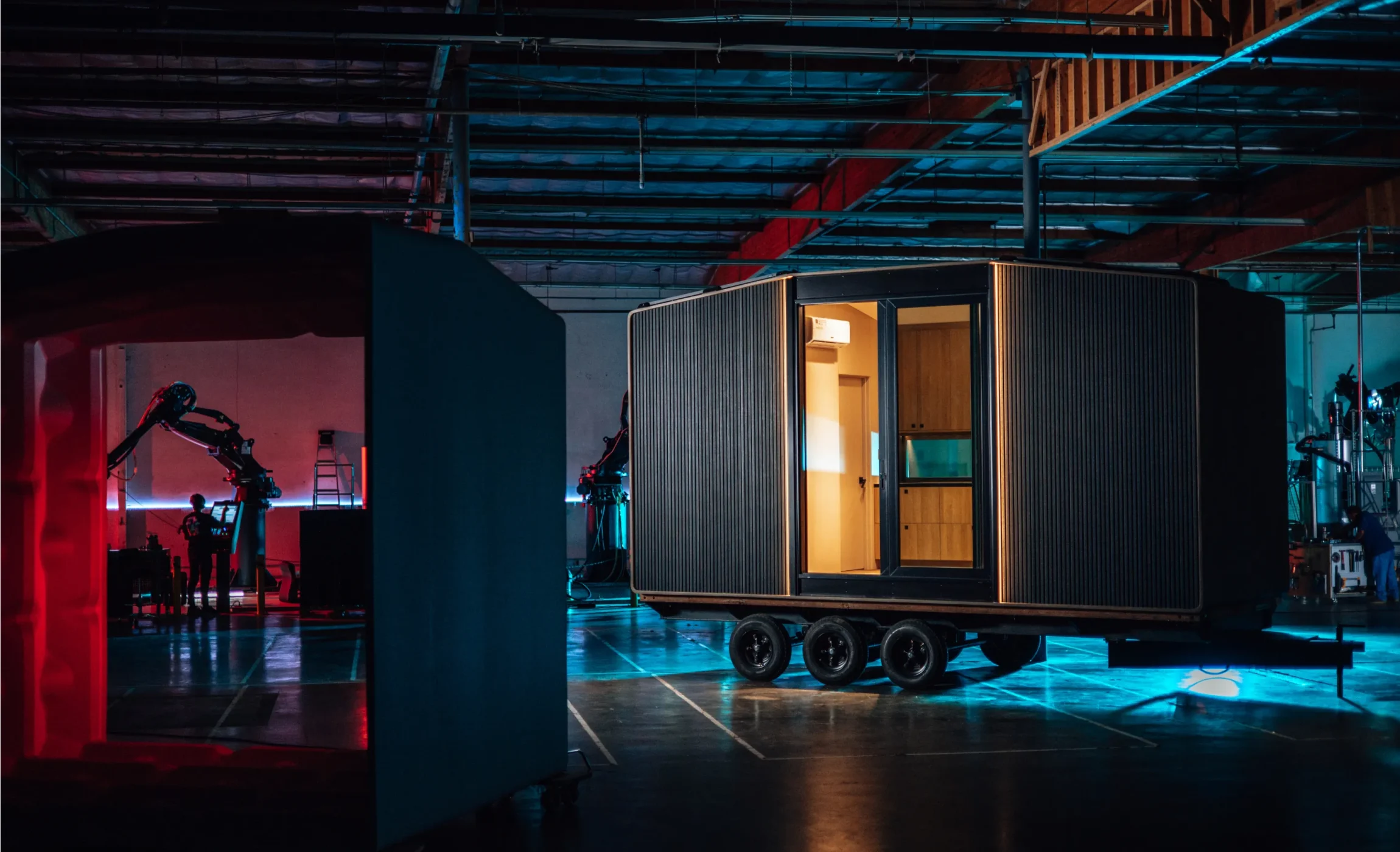
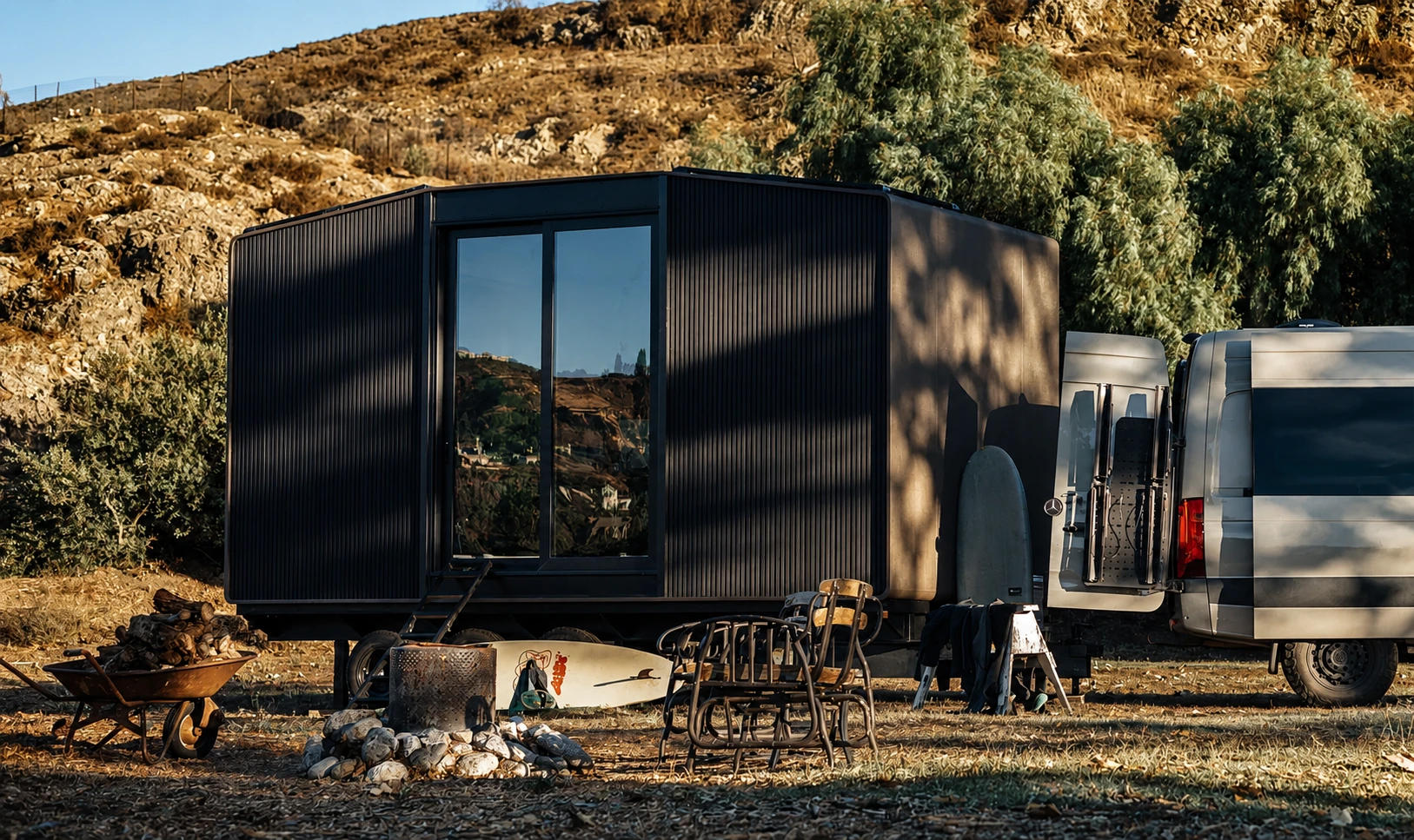
At Azure Printed Homes, this is one of the reasons prefab construction matters to us. We build 3D-printed homes, ADUs, backyard studios, and homes on wheels with the goal of moving more of the difficult construction work into a controlled production process. The site still matters, but the structure does not have to depend on months of conventional work happening piece by piece on the property.
The Basic Reason Modular Homes Often Cost Less
A modular home can cost less because the builder is not starting over on every site in the same way a traditional builder often does. In a factory setting, crews, tools, materials, and production steps are already organized around the work.
That can reduce costs through:
- Faster construction timelines
- Less material waste
- More predictable labor
- Bulk material purchasing
- Fewer weather delays
- Repeatable designs and systems
- Better scheduling between trades
- Less time spent managing an exposed jobsite
This does not mean every modular home is inexpensive. A large custom modular home with premium finishes, complex site work, and difficult delivery needs can still cost a lot. But modular construction can remove some of the cost pressure that comes from building the entire structure on-site.
Where The Savings Usually Come From
Modular homes are cheaper for practical reasons, not because they are supposed to be lower quality. The cost advantage usually comes from how the work is sequenced and controlled.
Less Time Lost On The Jobsite
Traditional construction often involves a lot of waiting. Crews wait for the weather to clear. Materials wait to be delivered. One trade waits for another trade to finish. A small delay can affect the next stage, then the next one after that.
With modular construction, much of the home is produced before it reaches the site. That means the builder can avoid some of the stop-and-start rhythm of outdoor construction.
Shorter timelines can help reduce labor hours, site management costs, equipment rentals, and the general cost of keeping a project open for too long.
Labor Is Easier To Coordinate
Labor is one of the hardest parts of traditional construction to control. Workers may need to travel between sites, set up tools repeatedly, work around weather, or wait for missing materials.
In a factory, the work is more organized. Crews can follow repeatable steps, tools stay nearby, and materials are stored in one place. That does not remove the need for skilled labor. It simply makes the labor easier to use efficiently.
This is one of the quiet cost advantages of modular building. The savings are not always visible in the finished home, but they show up in the way the project is managed.
Materials Are Used More Carefully
Construction waste costs money. Extra cuts, damaged supplies, over-ordering, theft, weather exposure, and leftover materials all add to the final price.
Factory construction can reduce some of that waste because materials are measured, stored, and used in a more controlled setting. Leftover materials can often be reused on another unit instead of being discarded at the end of a single project.
This is also where modern prefab methods can go further. At Azure Printed Homes, more than 60% of our print material comes from recycled plastic. That material efficiency is part of the broader shift toward building with less waste and more predictable production.
Clearer Planning Is Involved From The Start
When a home is based on a repeatable system, pricing can become easier to understand. The builder already knows how certain layouts, dimensions, utility paths, window placements, and finishes work together.
That can reduce errors and make the early planning stage less open-ended.
Minimizing Mid-Project Surprises
Traditional custom builds can become expensive when decisions keep changing during construction. Modular homes usually require more decisions earlier in the process, before production begins.
That can feel stricter, but it also helps keep the project from drifting. Fewer late changes usually means fewer cost surprises.
Bulk Purchasing Makes Materials Cheaper
Modular builders may buy materials in larger quantities than a one-off builder working on a single house. That can help reduce per-unit costs for some supplies.
This may include:
- Windows
- Doors
- Insulation
- Fixtures
- Fasteners
- Interior finishes
- Mechanical systems
- Repeated structural components
Material prices can still change, and modular homes are not immune to market conditions. But a more organized purchasing process can make costs easier to plan.
A traditional custom build may require more one-time ordering, more delivery coordination, and more price variation. Modular production can smooth some of that out.
The Costs That Do Not Disappear
This is where buyers need to be careful. Modular homes can be cheaper to build, but the full project is not only the home itself.
The property still needs to be prepared. The home still needs to be delivered, placed, connected, and approved.
Site Preparation
The land may need grading, drainage work, access improvements, or soil preparation. A flat, accessible lot with utilities nearby is a very different project from a sloped property with poor access or long utility runs.
Foundation
Most modular homes need a proper foundation. That cost depends on the soil, design, local code, and site conditions. A simple foundation on a straightforward lot is one thing. A more complex site can raise the budget quickly.
Delivery And Installation
Transport, crane work, setting the modules, joining sections, sealing, and finishing all affect cost. A difficult delivery route or tight property can make installation more expensive.
Utilities And Permits
Electrical, water, sewer, HVAC, inspections, and local approvals still matter. A modular home may arrive with many systems already prepared, but the final exterior connections and approvals are still part of the project.
Where Modular Savings Can Shrink
Modular homes are not always cheaper in the final number. The savings can shrink when the project becomes more complicated.
Costs can rise because of:
- Heavy customization
- Premium finishes
- Difficult delivery routes
- Crane or special placement needs
- Remote sites
- Poor soil
- Extensive grading
- Long utility connections
- Local permitting delays
- Foundation complexity
- Changes made late in the process
This is why modular pricing should always be compared as a full project, not only as a base home price.
At Azure Printed Homes, we treat the unit and the site as two connected parts of the same plan. A factory-built structure can make production more predictable, but the property still has to support delivery, placement, foundation, drainage, and exterior utility connections.
Cheaper Does Not Mean Poorly Built
Some people hear “cheaper” and assume modular homes must be lower quality. That is not necessarily true.
A modular home can cost less because the process is more efficient, not because the builder is cutting corners. In fact, modular homes often need to be strong enough to handle transport, lifting, setting, and final assembly.
The real difference is between cost savings and cost cutting.
Good modular savings come from better scheduling, less waste, controlled production, and repeatable systems. Bad cost cutting comes from weak materials, poor installation, unclear site planning, or rushed work.
Those are very different things.
Modular Homes Vs Manufactured Homes On Price
Modular and manufactured homes are both factory-built, but they are not the same. Their prices are often different because they follow different code paths, foundation expectations, and placement rules.
Manufactured homes are built to the federal HUD Code and constructed on a permanent chassis. They are often less expensive than modular homes, but they may be treated differently by zoning, financing, insurance, and resale markets.
Modular homes are typically built to state and local building codes and placed on permanent foundations. They can cost more than manufactured homes, but they are often closer to site-built homes in how they are approved, financed, and valued.
So when asking why modular homes are cheaper, the comparison matters. Cheaper than a traditional site-built home? Often, yes. Cheaper than manufactured housing? Not always.
How 3D-Printed Prefab Pushes The Idea Further
Modern prefab construction is trying to solve the same problems that make conventional building expensive: long timelines, material waste, labor coordination, weather exposure, and unpredictable site conditions.
3D-printed construction adds another layer to that shift. Instead of relying only on conventional framing and long on-site build schedules, more of the structure can be produced through a controlled, repeatable process.
At Azure Printed Homes, our 3D-printed prefab approach is built around that idea. We create compact homes, ADUs, backyard studios, and homes on wheels in a way that reduces the amount of conventional construction needed on the property.
The clearer the unit is before delivery, the easier it is to plan the rest of the project around the site.
How Buyers Should Compare Prices
The smartest way to compare modular home pricing is to look at the whole budget, not only the base price.
A realistic comparison should include:
- Base home or unit price
- Design and customization
- Delivery
- Foundation
- Site preparation
- Utility connections
- Permits and inspections
- Installation or setting costs
- Exterior work
- Optional upgrades
- Timeline and financing costs
A traditional home may have a higher base construction cost but include some work in one contract. A modular home may have a lower unit price but separate site costs. Without comparing the same categories, the numbers can be misleading.
The better question is not “which one looks cheaper at first?” It is “which option gives the clearest full project cost for the home or space that is actually needed?”
Final Thoughts
Modular homes are often cheaper because the process is more efficient. Factory construction can reduce waste, shorten timelines, organize labor better, limit weather delays, and make material use more predictable.
But the final cost still depends on the land. Foundation, permits, delivery, grading, drainage, utilities, installation, and local requirements all affect the full budget.
At Azure Printed Homes, we see the value of modular and prefab thinking in that balance. A home or small-space unit should be built efficiently, but it also needs a site that is ready for real use. That is where modular construction can become more than a lower-cost option. It can become a clearer way to plan the whole project.