Modular and manufactured homes are often grouped together because both are built in a factory. That part is true, but it is not enough to understand the difference. The bigger difference is how each home is regulated, how it is placed, what kind of foundation it uses, and how local rules treat it once it reaches the property.
A modular home is usually built in sections, transported to the site, and assembled on a permanent foundation. It is generally built to the same state and local building codes that apply to traditional site-built homes. A manufactured home is also factory-built, but it is built to the federal HUD Code and is constructed on a permanent chassis. HUD’s manufactured housing program regulates construction standards and enforcement for manufactured homes through third-party inspection agencies and state agencies.
The Short Answer
The main difference is this: modular homes are typically built to state and local building codes, while manufactured homes are built to the federal HUD Code.
That one difference affects many other parts of the project:
- How the home is inspected
- What foundation is used
- Where the home can be placed
- How the home is financed
- How it is insured
- How local zoning may treat it
- Whether it is viewed more like site-built housing or a separate manufactured housing category
Both can be good options, but they are not interchangeable. A buyer comparing modular and manufactured homes should not only compare floor plans and prices. They should also ask what code the home is built under and what the local property rules allow.
What Is A Modular Home?
A modular home is built in sections, usually called modules, inside a factory. Those modules are then transported to the building site and assembled into a finished home. Once installed, a modular home often looks and functions much like a traditional home.
The important point is not just where it is built. It is the code path. Modular homes are generally built to the same state and local building codes that apply to site-built homes in the location where the home will be placed. HUD’s factory-built housing comparison also describes modular housing as regulated by state and local building codes similar or identical to those for site-built homes.
That usually means modular homes are placed on a permanent foundation and become part of the real property. Local permitting, inspections, utility connections, foundation design, and site work still matter. The factory may build the modules, but the property still has to be ready for the home.
What Is A Manufactured Home?
A manufactured home is also built in a factory, but it follows a different regulatory system. Manufactured homes are built to the federal Manufactured Home Construction and Safety Standards, often called the HUD Code. The federal standard covers construction, design, and performance needs for quality, durability, and safety.
Manufactured homes are also tied to the chassis. The federal definition describes a manufactured home as a transportable structure built on a permanent chassis and designed to be used as a dwelling.
That chassis is one of the easiest ways to understand the difference. A modular home is typically assembled on a permanent foundation like a site-built home. A manufactured home is built on a permanent chassis and regulated under the HUD system.
Manufactured homes can still be attractive, efficient, and practical. But they may be treated differently by zoning rules, lenders, insurers, and local jurisdictions. That is why the category matters before a buyer chooses a model.
How Modular And Manufactured Homes Compare
Modular and manufactured homes are both factory-built, but the project details can feel very different once the home reaches the site.
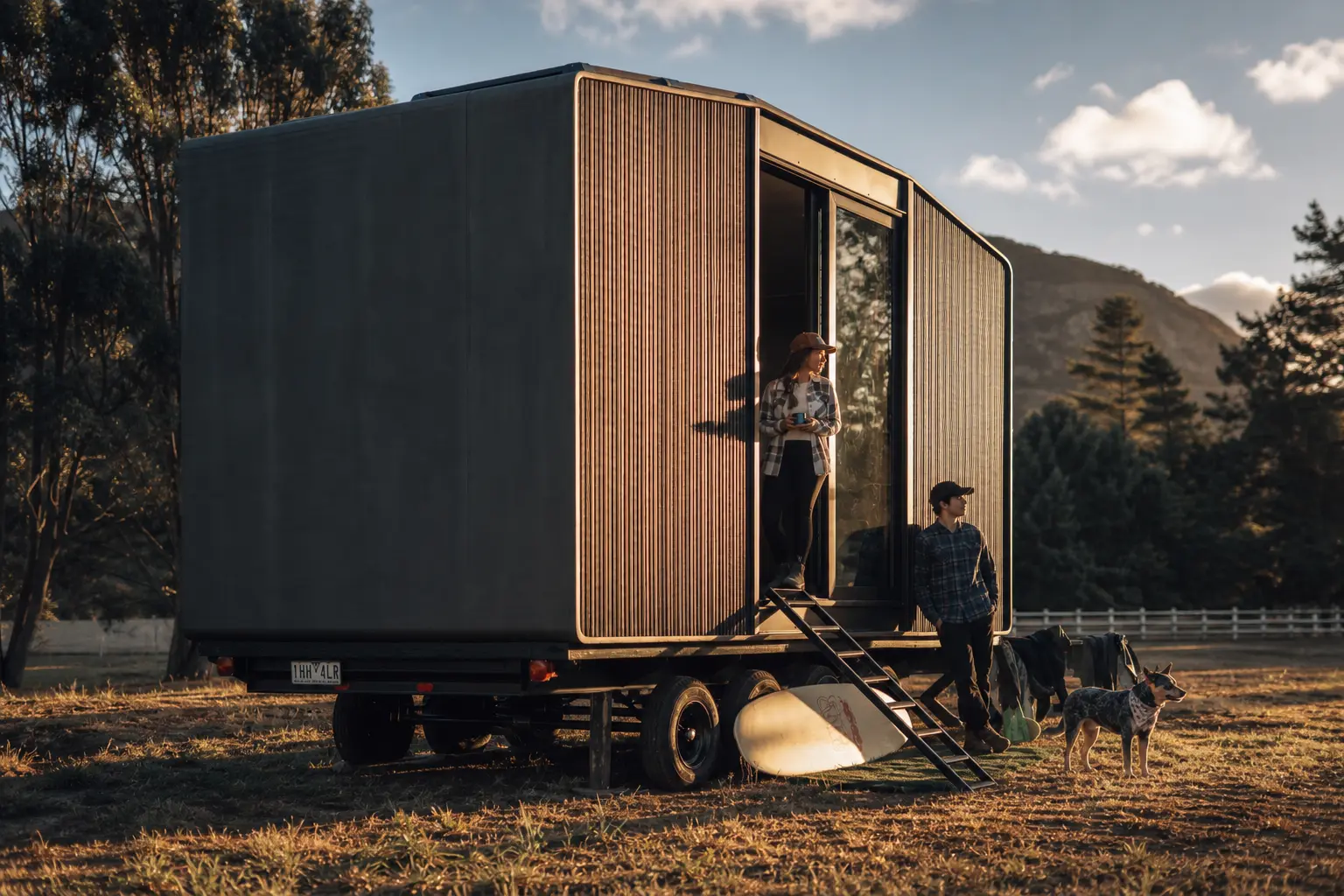
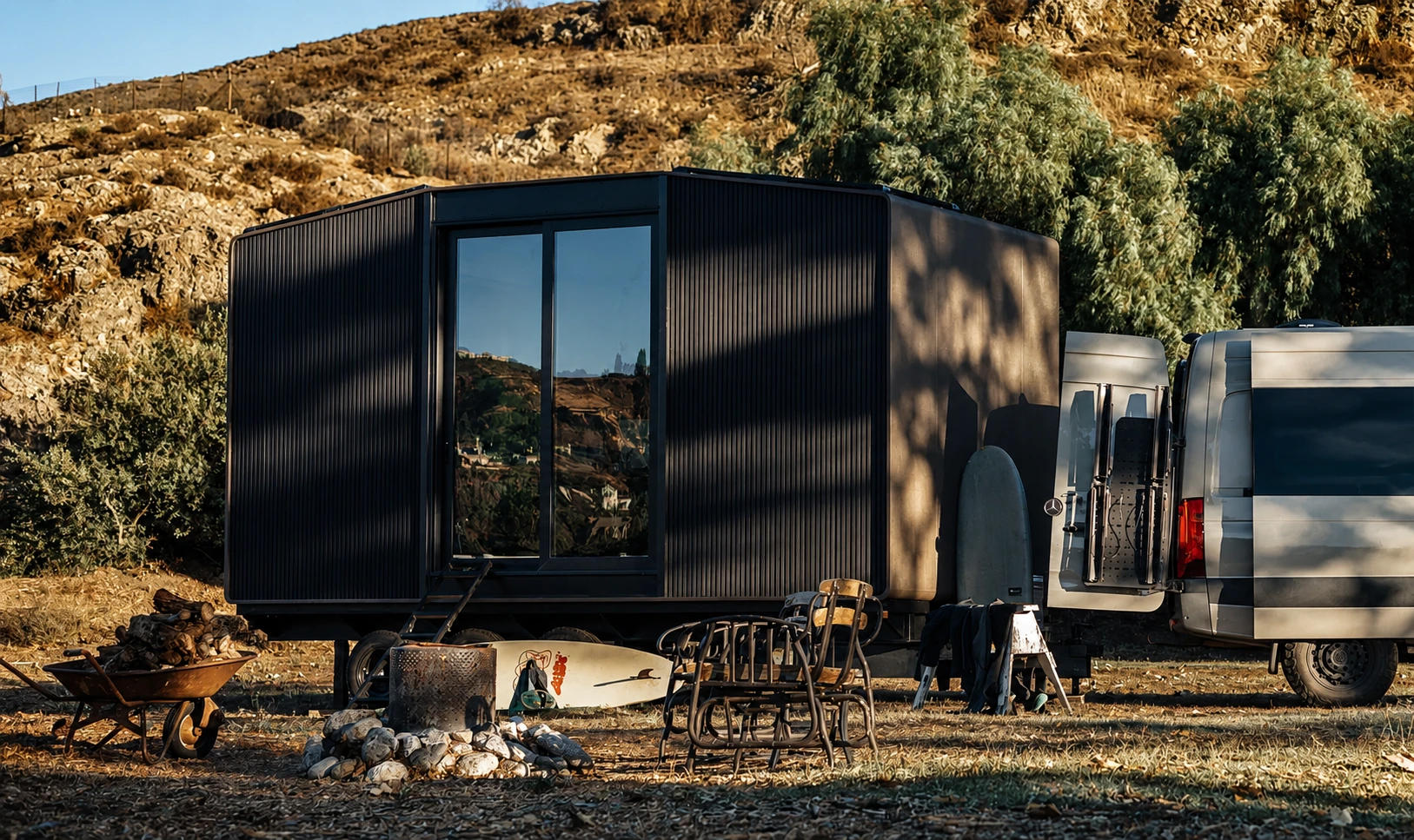
At Azure Printed Homes, we work in the broader prefab and factory-built housing space, with 3D-printed small homes, ADUs, studios, and homes on wheels. That makes this distinction important. Factory-built does not automatically mean “manufactured home.” The category, code path, foundation, and local approval process all matter.
Building Code
Modular homes are usually built to state and local building codes, often the same codes used for site-built homes. Manufactured homes are built to the federal HUD Code, which is a national standard for manufactured housing.
This is the core difference. It shapes inspection, placement, financing, and how local authorities classify the home.
Foundation
Modular homes are usually installed on permanent foundations. That makes them closer to traditional homes in how they are placed and treated.
Manufactured homes are built on a permanent chassis. They may be placed on different types of supports or foundations depending on the site, jurisdiction, and installation method, but the chassis remains central to the manufactured home category.
Inspection And Approval
Modular homes are generally reviewed through state and local code processes. Manufactured homes are inspected under the HUD system, which includes enforcement through third-party inspection agencies and state agencies.
For buyers, this means the approval path is not the same. It is important to know which system applies before planning permits or site work.
Placement And Zoning
Modular homes are often treated more like site-built homes because they follow local building codes and are installed on permanent foundations.
Manufactured homes may face different zoning rules. Some areas allow them broadly. Others limit them to specific zones, parks, or manufactured housing communities. Rules can vary by city, county, and property type.
Financing And Insurance
Modular homes may be financed and insured more like traditional homes when they are permanently installed and classified as real property.
Manufactured homes can have different financing and insurance paths, especially if the home is treated as personal property rather than real property. The exact options depend on title status, land ownership, lender requirements, and local rules.
Resale And Long-Term Use
Modular homes often follow a resale path closer to site-built homes because they are permanent structures built to local code. Manufactured homes can also be long-term housing, but resale and valuation may be affected by location, land ownership, age, condition, and whether the home is titled as real property or personal property.
The difference is not about one being “good” and the other being “bad.” It is about how each category works legally, structurally, and financially.
Where Prefab And 3D-Printed Homes Fit In
Prefab is a broad word. It simply means parts of the home are built before they arrive on-site. Modular homes are prefab. Manufactured homes are prefab. Panelized homes, kit homes, and some 3D-printed homes can also fall into the prefab conversation.
This is why buyers should be careful with labels. “Prefab” does not automatically mean modular. “Factory-built” does not automatically mean manufactured. A home can be built off-site and still follow a different code path depending on design, foundation, certification, and local approval.
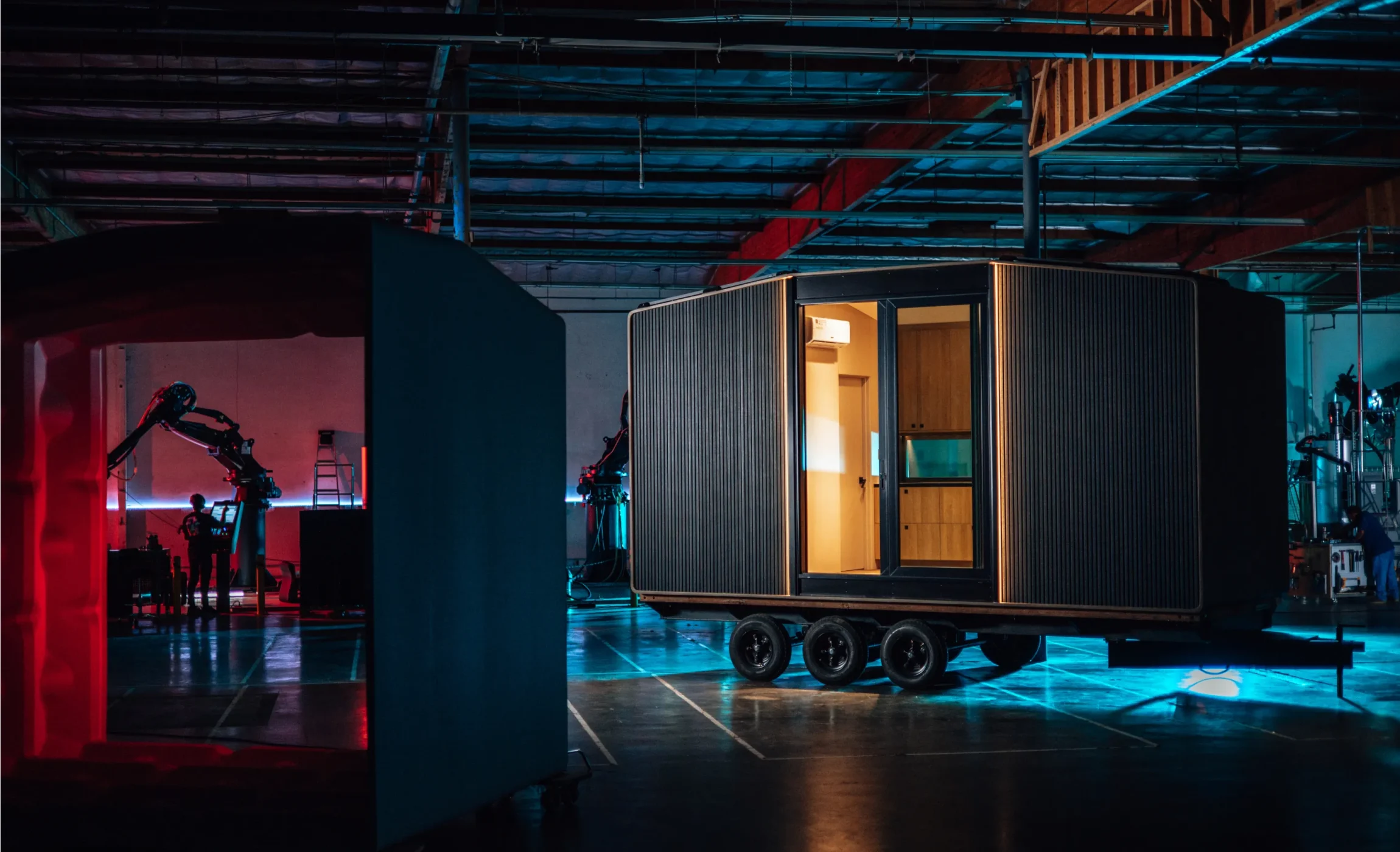
At Azure Printed Homes, we build future-focused modular living spaces using 3D-printed construction and recycled materials. Our work sits in the modern prefab category, with small homes, ADUs, backyard studios, homes on wheels, glamping units, and emergency housing solutions. Our units are built with the goal of making small-space construction more predictable, efficient, and easier to plan from factory production to site placement.
Why The Difference Matters Before You Buy
The modular versus manufactured distinction affects the whole project, not just the name of the home.
It can change:
- Whether the home can go on your property
- Which permits are needed
- What foundation is required
- How utilities are connected
- Whether the unit is treated as real property
- What financing options may be available
- How insurance is handled
- How resale may work later
A buyer who chooses only by price or appearance may miss the bigger issue. The home has to match the site, the local rules, and the intended use.
This matters even more with smaller homes, ADUs, and homes on wheels. A backyard studio, a park model, a modular home, and a manufactured home may all look compact, but local authorities may treat them very differently.
Questions To Ask Before Choosing Either Option
Before choosing a modular or manufactured home, buyers should ask a few practical questions:
- What code is the home built under?
- Is it built to local/state code or HUD Code?
- Will it be installed on a permanent foundation?
- Is it built on a permanent chassis?
- Is this type of home allowed on the property?
- What permits are required?
- Who handles foundation, grading, drainage, and utilities?
- How will the home be titled?
- Will financing and insurance treat it as real property or personal property?
- What inspections are required before occupancy?
These questions are not just technical details. They help prevent a buyer from choosing a home that looks right but does not fit the property or approval process.
Why Azure Is A Practical Option For Modern Prefab Housing
For buyers who are interested in factory-built housing but do not want to get lost in old categories, Azure offers a more modern way to think about prefab living.
Our 3D-printed prefab process is designed around controlled production, recycled materials, compact layouts, and site planning. We build small homes, backyard studios, homes on wheels, and ADU-style units for different use cases, from extra space to compact housing.
The key is clarity. A buyer should know what type of unit they are choosing, how it will be built, where it can be placed, what site work is needed, and what local approvals may apply. That is where a planned prefab approach can make the project feel more practical than trying to sort through vague labels like “mobile,” “modular,” or “manufactured” after the fact.
A Brief Summary
The difference between modular and manufactured homes comes down mainly to codes, foundation, and classification. Modular homes are typically built in factory sections to state and local building codes, then installed on a permanent foundation. Manufactured homes are built in a factory to the federal HUD Code and are constructed on a permanent chassis.
Both can serve real housing needs. The right choice depends on the property, budget, local rules, financing path, and how the home will be used.