Tiny homes can be safe, but safety depends on more than size. A well-built tiny home still needs the right structure, materials, utility setup, foundation or support system, and a site that makes sense for the way the home will be used.
A tiny home is not unsafe just because it is small. The real question is whether it was built for its purpose. A backyard studio, a home on wheels, and a larger ADU-style unit all have different safety needs. They also follow different rules once placement, utilities, permits, weather, and site conditions come into the picture.
At Azure Printed Homes, we build 3D-printed prefab spaces for several small-space uses, including Tiny Homes, Studio Series units, Homes on Wheels, and Homes & ADUs. Our approach gives buyers a more planned way to think about safety, because the unit is manufactured in a controlled setting while the site can be prepared for delivery, foundation, drainage, and utility connections.
The Short Answer
Yes, tiny homes can be safe when they are properly designed, manufactured, placed, and connected. The safest tiny homes are not just compact structures with nice finishes. They are built to handle weather, moisture, insulation, structural loads, utilities, drainage, and local requirements.
For buyers, the main safety questions are practical:
- Was the unit built for the way it will be used?
- Is it designed for local weather conditions?
- Does it need a foundation, pier system, chassis, or other support?
- Are electrical, water, sewer, and HVAC systems planned correctly?
- Is the site graded so water does not collect under or around the unit?
- Is this type of tiny home allowed in the chosen location?
- Are permits or inspections required before installation?
A tiny home can be well built and still create problems if the site is not ready. Safety comes from the full project, not only from the unit.
Tiny Home Safety Starts With The Type Of Unit
Not every tiny home is the same. A small backyard studio does not have the same safety profile as a home on wheels. A larger ADU-style unit brings in another level of planning again.
A backyard studio may mostly need structural durability, weather protection, insulation, safe electrical planning, and a stable base. A home on wheels has to account for chassis-based construction, transport, leveling, support points, placement rules, and drainage. An ADU-style unit may need fuller permitting, a more permanent foundation plan, utility connections, inspections, and long-term residential performance.
That is why the better question is not only “are tiny homes safe?” It is: safe for what use, in what location, and under what conditions?
What Actually Makes A Tiny Home Safe?
A tiny home is safe when the structure, site, systems, and local requirements work together. It is not enough for the unit to look finished or compact. The home also has to handle weather, stay dry, connect to utilities correctly, sit on the right support system, and be allowed in the place where it is installed.
This is where buyers should slow down a little. A backyard studio, a home on wheels, and an ADU-style unit can all be safe, but they do not follow the same safety checklist.
Structure And Materials
A tiny home needs to handle daily use, moisture, temperature changes, weather, and normal wear over time. Some tiny homes are built with conventional wood framing. Others use modular systems, steel, composite materials, or 3D-printed components. The right choice depends on the builder, the site, the climate, and how the space will be used.
Our units are designed for long-term wear and tear, extreme temperature, and seismic activity. The structures are watertight, highly insulated, and pest resistant. The material has undergone accelerated long-term weathering testing, and the recycled plastic used in our print material is non-toxic and VOC-free.
That matters because tiny homes are often placed in real working conditions: backyards, rental settings, park communities, glamping sites, disaster recovery projects, or compact housing sites. The structure has to do more than look clean. It has to hold up.
Weather Performance
Weather is one of the biggest safety factors for any small structure. Wind, snow, heat, cold, rain, and drainage can all change how a tiny home performs.
A unit placed in a dry, mild climate does not face the same demands as one placed in a snowy region, a high-wind area, or a site with poor drainage. Buyers should ask how the home is designed to perform in the conditions where it will actually be used.
Our modules are designed to withstand wind speeds of 150 mph, which covers most conditions in the continental United States. For areas with wind speeds above 150 mph, modules can be strengthened for an additional cost. Our Backyard Studios and ADUs are also designed to withstand snow load according to ASCE 7-10.
Those numbers are useful, but they do not replace site planning. A safe structure still needs proper placement, grading, drainage, and support.
Foundation And Site Preparation
A tiny home is only as safe as the place it sits. Even a strong prefab unit can run into problems if it is placed on weak soil, uneven ground, poor drainage, or the wrong support system.
Foundation needs depend on the unit type. Some homes may need pier footings. Others may use a perimeter concrete or CMU foundation. In some cases, a slab may not be necessary, but the support system still has to match the soil, load, and local requirements.
For our units, a perimeter concrete or CMU foundation is advisable, and units should be bolted down with hold-down bolts. A more specific foundation design may be needed when the site is not a standard flat lot with good, compacted soil.
For wheel-based tiny homes, the ground under the unit also matters. The site should be graded and sloped for storm drainage runoff, and the area beneath the unit should be graded to prevent water accumulation. Pier footings need firm, undisturbed soil or soil compacted to at least 90% of its maximum relative density.
Homes On Wheels
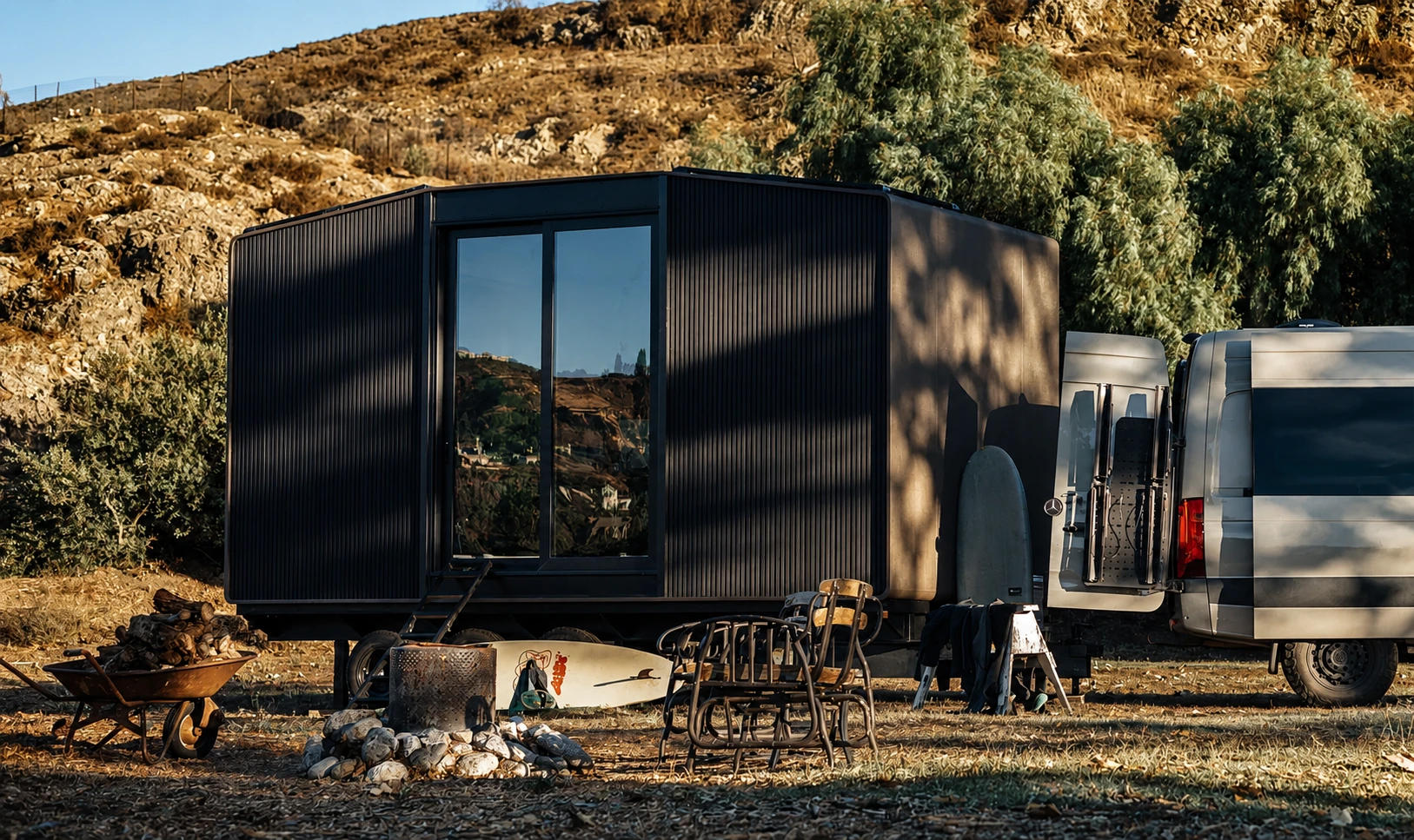
A home on wheels is not the same as a backyard studio or a permanent ADU. It may be compact and movable, but it still needs safe placement.
The chassis, support points, utility connections, leveling, drainage, and property rules all matter. Buyers also need to confirm that a wheel-based unit is allowed on the property or in the community where they plan to use it.
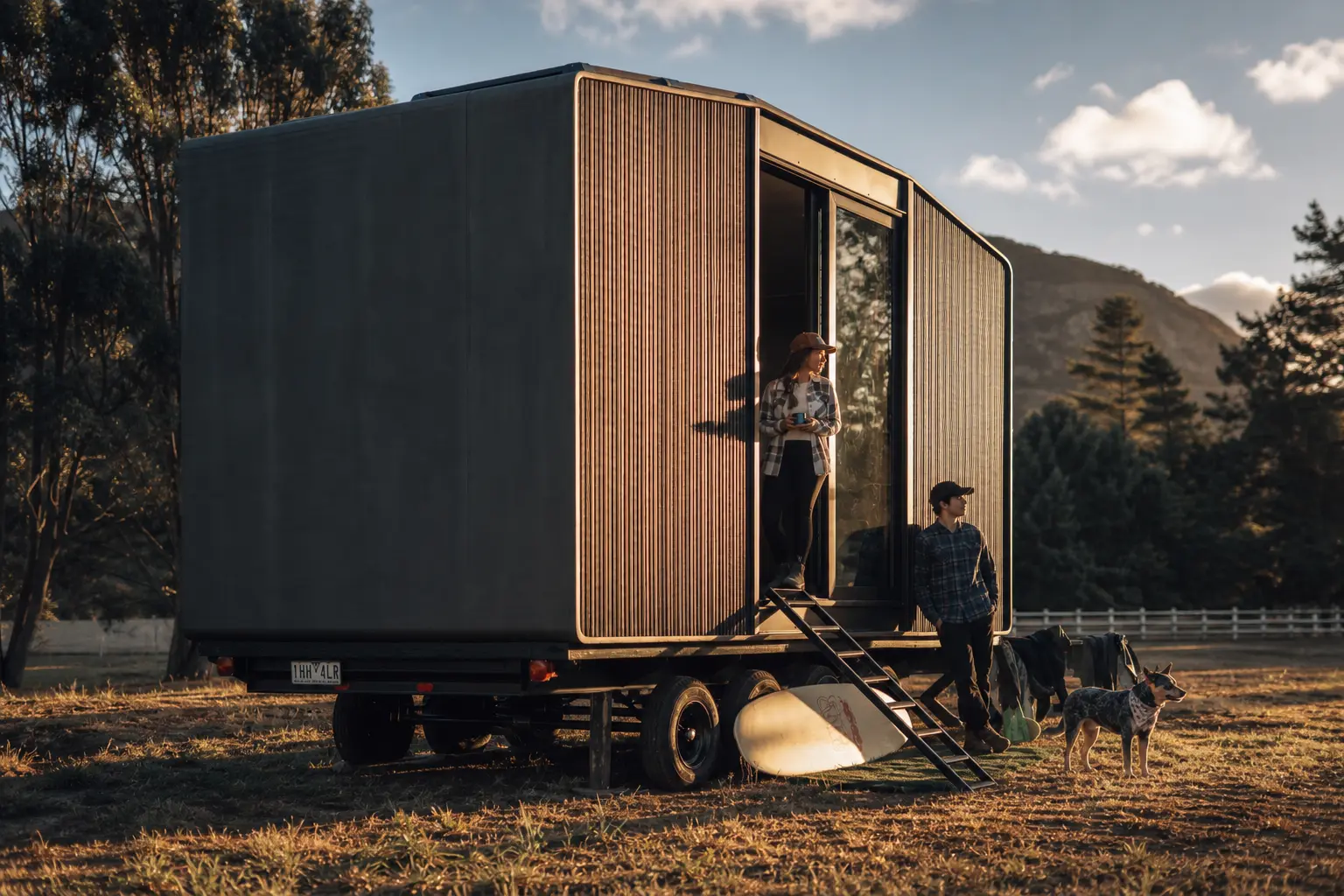
Our wheel-based tiny homes, also known as park models, are ANSI-certified at the factory. Buyers still need to make sure their property allows park models and that the site is prepared correctly before installation.
Factory certification helps with the unit itself. Property approval and site safety are still part of the buyer’s planning.
Utility Connections
Electricity, water, sewer, HVAC, heating, and cooling systems are a major part of tiny home safety. A small space does not make these systems less important.
Poor electrical work can create risk. Bad drainage can cause moisture problems. Improper sewer or water connections can make the space difficult or unsafe to use. HVAC also matters because tiny homes can heat up or cool down quickly depending on climate and insulation.
Our units larger than 120 sq ft are designed with electricity, water, and sewer connections. Units under 120 sq ft are wired for electrical only. Plumbing and electrical work is completed inside the unit before delivery, with exterior connections prepared for site hookup.
That separation is useful for planning. The unit can be built with its internal systems prepared, while the site still needs proper exterior hookups by the right trades or utility providers.
Moisture, Insulation, And Pest Resistance
A tiny home needs to stay dry, comfortable, and protected from pests. These details are easy to overlook when people focus only on layout, finishes, or price.
Moisture is especially important. A compact unit has less room for problems to hide, so water intrusion, poor ventilation, or bad drainage can quickly affect comfort and durability. Insulation matters too because small spaces respond quickly to outdoor temperatures.
Our 3D-printed structures are watertight, highly insulated, and pest resistant. Our Tiny Homes are printed and sealed for energy efficiency, with insulation customized for the destination. Buyers can also add HVAC for comfort, solar panels, and batteries for more self-sufficient use.
These are the kinds of details buyers should check before choosing a tiny home builder or model.
Local Rules And Permits
Local rules are not just paperwork. They are part of safety. Permits, zoning, setbacks, utility requirements, and inspections exist because the unit has to work in a specific place.
A tiny home may be safe as a structure but still not allowed on a certain property. A backyard studio may be treated differently from an ADU. A home on wheels may fall under different rules again.
Any unit over 120 sq ft requires a building permit with the local authority. For our factory-built units, we handle the building permit for the unit itself, while the buyer handles site-related permits for foundation, grading, drainage, and utilities.
This is why safe planning starts before the order is placed. The unit, property, and local requirements need to line up.
What Buyers Should Ask Before Choosing A Tiny Home
A safe tiny home project starts with practical questions. Before choosing a builder or model, buyers should ask:
- What type of tiny home is this?
- Is it built for full-time living, occasional use, rental use, or extra backyard space?
- What weather conditions is it designed for?
- What wind and snow loads apply?
- What foundation or support system is needed?
- How should the site be graded?
- What utility connections are required?
- Who handles electrical, water, sewer, and HVAC connections?
- What permits are needed?
- Is this type of unit allowed on the property?
These questions are not meant to slow the project down. They help prevent the wrong unit from being placed on the wrong site.
Why Azure Is A Practical Option For Safety Planning
A safe tiny home project is easier when the unit and the site are treated as separate but connected parts of the same plan.
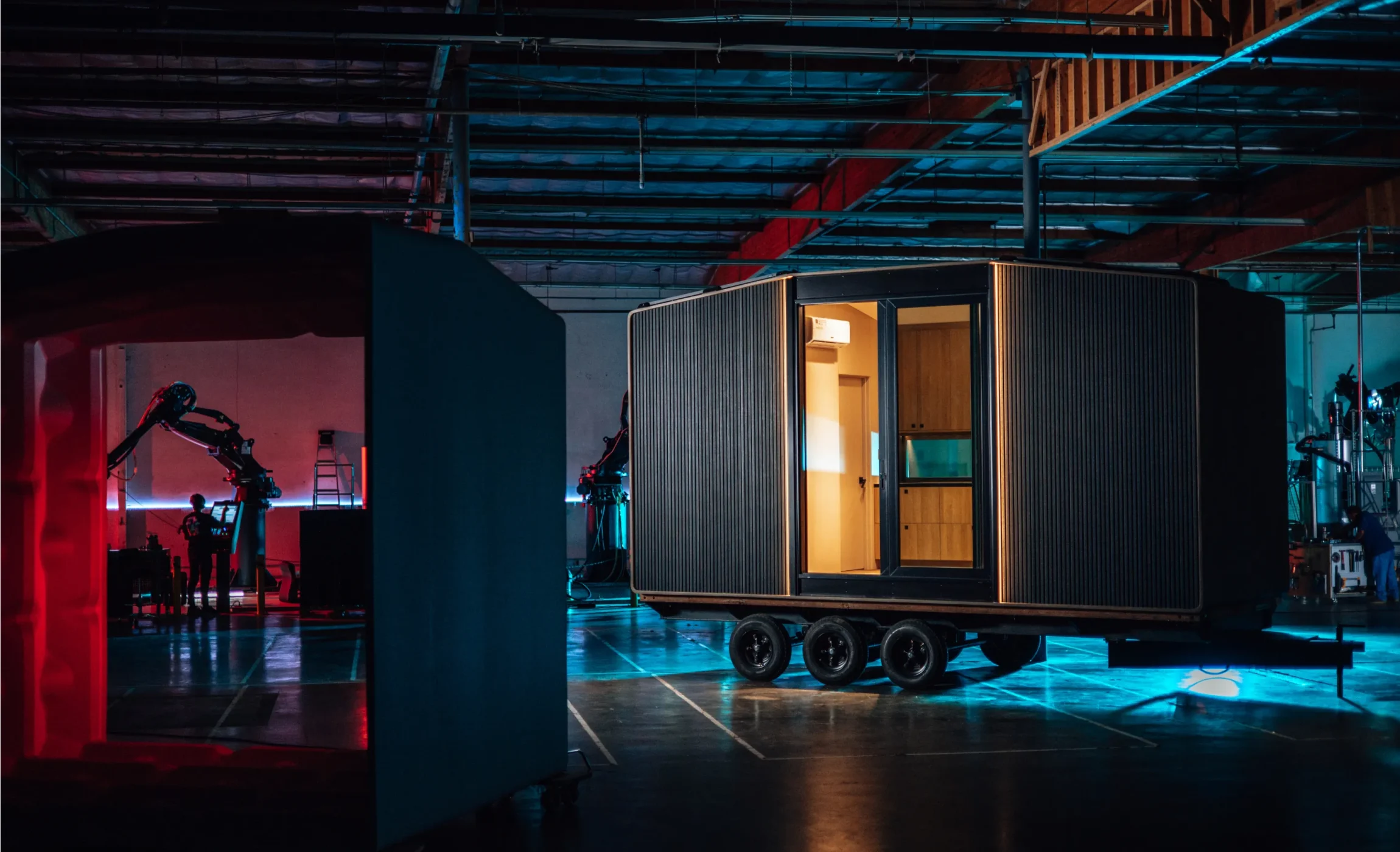
This is where our factory-based process helps. We manufacture the unit in a controlled setting, while the property can be prepared for delivery, foundation, drainage, utilities, and placement. That does not remove the need for site work, but it gives the project a clearer structure.
Our tiny homes and small-space units are built around durable 3D-printed construction, recycled material, insulation, water resistance, pest resistance, and long-term use. Our small homes are finished in the factory, which allows model production and site preparation to move forward at the same time.
For buyers who want a tiny home that feels less improvised and more planned, that matters.
Final Thoughts
Tiny homes can be safe, but safety is not automatic. It depends on the builder, materials, engineering, foundation, site drainage, utilities, local approvals, and how the unit will be used.
A backyard studio has one safety profile. A home on wheels has another. An ADU-style unit has another again. The best choice is the one that fits the property, the climate, the rules, and the intended use.
At Azure Printed Homes, we build 3D-printed prefab units with safety, durability, and site planning in mind. The unit itself matters, but so does the place it will sit, the systems it will connect to, and the conditions it will face over time.