Tiny homes can hold their value, but it depends on the kind of tiny home, where it sits, how it is used, and how well the project was planned from the beginning. A small backyard studio will not be valued the same way as a home on wheels or a larger ADU-style unit. The land, permits, utility connections, condition, and local demand all shape the answer.
It is also worth separating two ideas: holding value and appreciating in value. A tiny home may hold value well because it is useful, durable, and well-maintained. That does not automatically mean it will appreciate like traditional real estate. In many cases, the strongest value comes from what the space allows you to do – work from home, house guests, support family, create rental potential where allowed, or use land more efficiently.
At Azure Printed Homes, we build 3D-printed prefab spaces in several formats, from compact Studio Series backyard units to X Series Homes on Wheels and larger Homes & ADUs. Because these spaces solve different problems, they also hold value in different ways.
Holding Value Is Not the Same as Appreciating
A tiny home can hold value without necessarily gaining value every year. That distinction matters.
A unit that stays in good condition, has a clear use, and can be legally placed may remain attractive to future buyers. A unit with unclear permitting, poor utility planning, or heavy wear may lose value faster, even if it looked like a good deal at first.
There are usually three layers to think about:
| Value Layer | What It Means | Why It Matters |
| Structure value | The value of the unit itself | Depends on build quality, age, condition, layout, and maintenance |
| Site value | The value created by where and how it is placed | Depends on land, permits, foundation, access, and utilities |
| Use value | The practical benefit the space provides | Depends on whether it solves a real need for the owner or future buyer |
The strongest tiny home projects usually have all three. The structure is durable, the site is appropriate, and the use case is obvious.
What Helps a Tiny Home Keep Its Value
A tiny home is more likely to hold value when the next person can understand it quickly. What is it for? Is it legal where it sits? Is it connected properly? Has it been maintained? Does it still feel useful?
A few things matter more than people sometimes expect:
- Legal placement: A tiny home with clear local approval is easier to value than one placed in a gray area.
- Useful layout: A flexible layout can appeal to more people than a highly personalized one.
- Good site work: Drainage, access, foundation, and utility connections can protect the unit over time.
- Durable materials: A strong shell and weather-resistant design help the unit stay usable longer.
- Maintenance history: Regular care can make a small structure feel dependable instead of temporary.
- Clear documentation: Permits, warranty details, delivery records, and utility information can all help at resale.
None of these are flashy, but they are the things that make a tiny home feel like a real asset instead of a temporary purchase.
Value by Tiny Home Type
Tiny homes do not all hold value in the same way. The format matters because each type has a different buyer, purpose, and approval path.
Studio Series for Everyday Use
A backyard studio usually holds value through usefulness. It may not behave like a full dwelling, but it can make a property more practical.
Our Studio Series includes compact units for offices, creative rooms, hobby spaces, guest-style rooms, or flexible extra space. The N_100 is a 100 sq ft model, while the D_120 and A_120 are 120 sq ft models. Current main product listings show the N_100 starting at $24,900, with the D_120 and A_120 starting at $29,900.
This type of space can be valuable because it solves a common problem without becoming a full residential project. A clean, well-placed studio can make a home more livable, especially for remote work, privacy, or creative use.
The main limit is function. A studio without a bathroom or kitchen should not be judged like a full tiny home. Its value comes from being simple, focused, and easy to use.
X Series Homes on Wheels
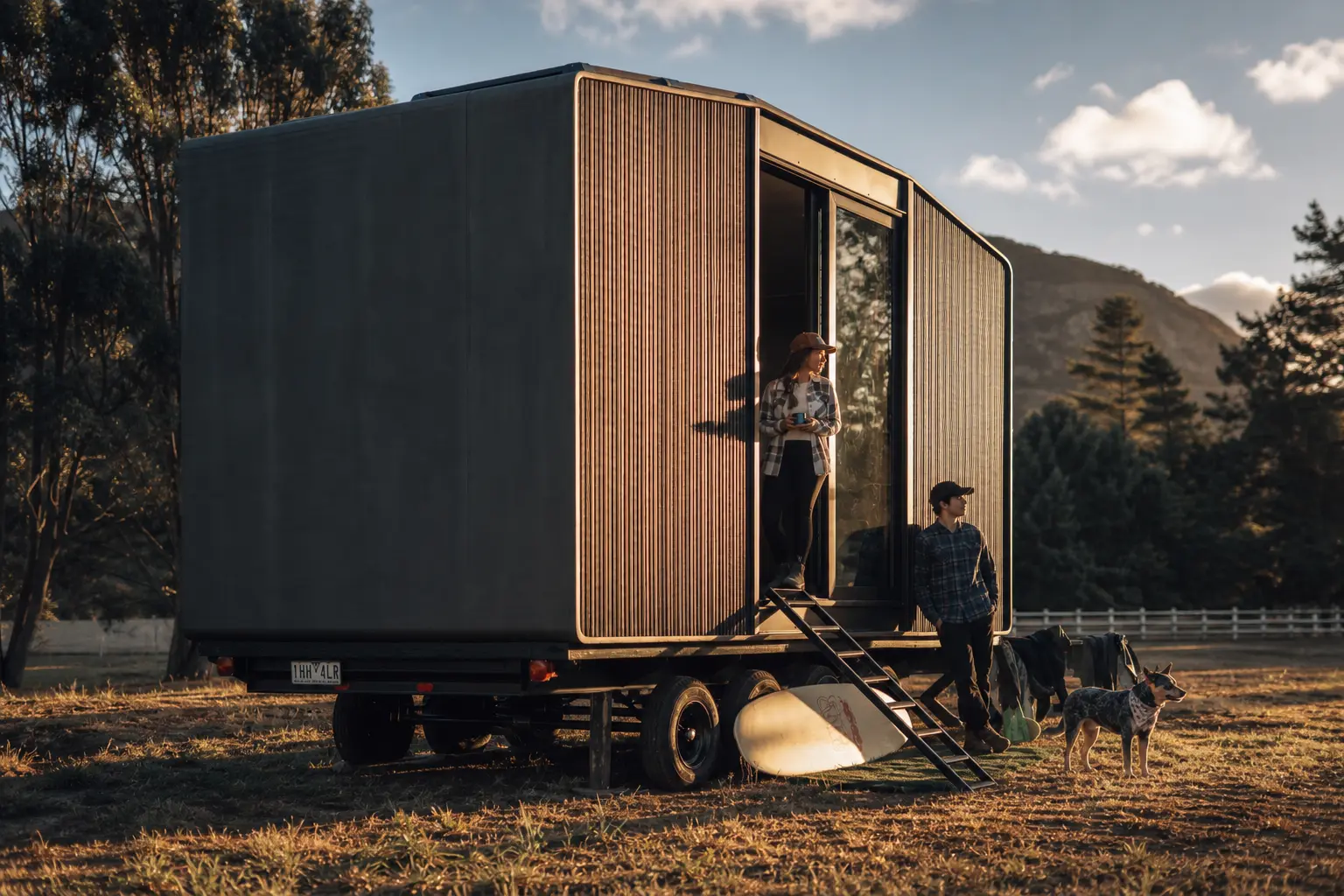
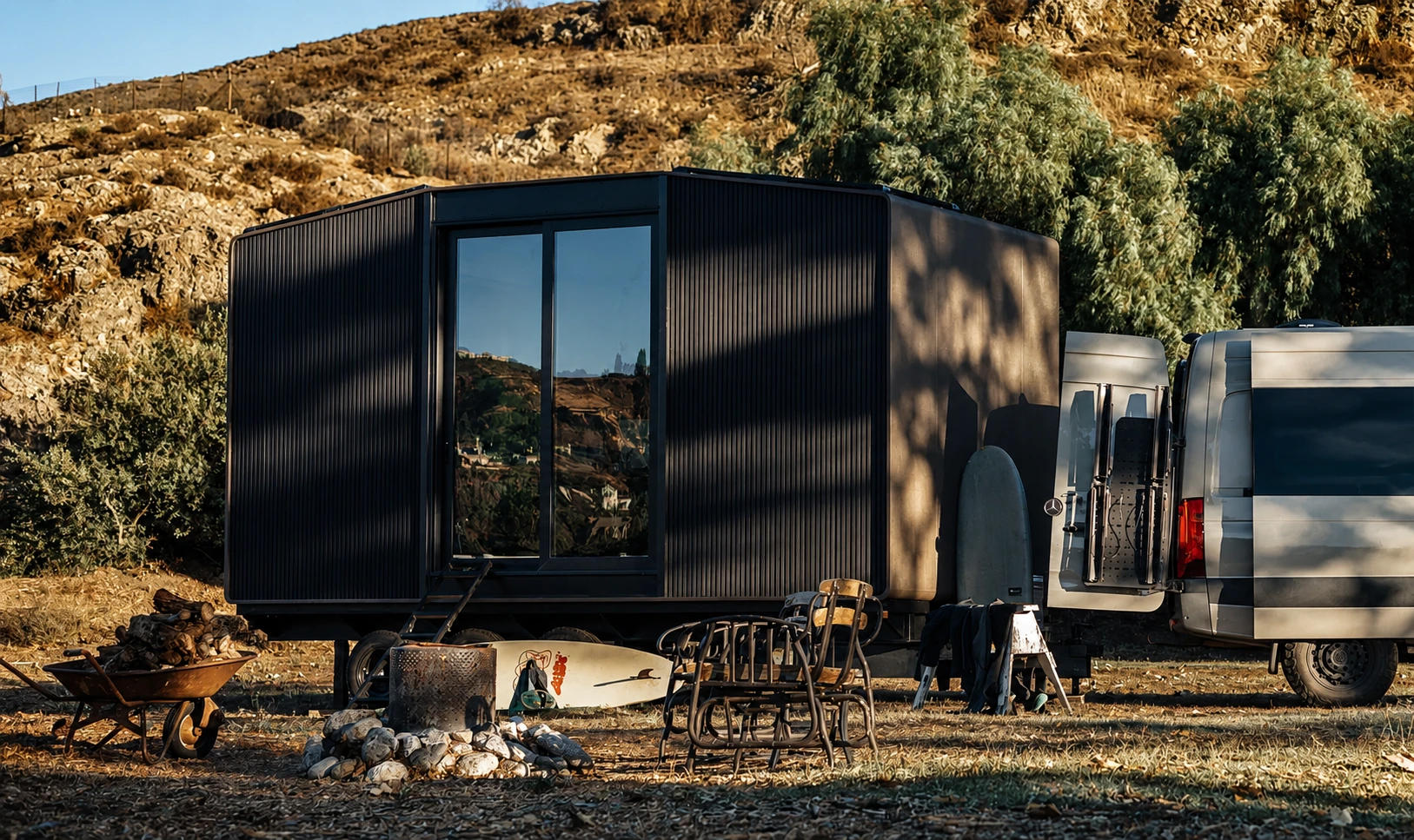
Homes on wheels are different because mobility changes the value story. They may appeal to buyers who want compact living, park-style placement, or flexibility, but they also need a legal place to sit.
Our X Series includes the X_180 at 9′ x 20′, the X_270 at 9′ x 30′, and the X_360 at 9′ x 40′. These models include kitchen and bathroom layouts, and the larger models add dedicated bedroom space. Current main listings show starting prices around $69,900 for the X_180, $84,900 for the X_270, and $109,900 for the X_360.
A home on wheels may hold value well when it is maintained, easy to relocate, and allowed in the places buyers want to use it. The risk is assuming wheels make everything simpler. If placement rules are unclear or the site cannot support the unit properly, resale becomes harder.
Homes & ADUs for More Permanent Plans
Homes & ADUs usually have the strongest value story when the goal is long-term use. They are larger, more residential, and often tied more closely to the property.
Our Homes & ADUs category includes models from 360 sq ft up to 900 sq ft. Prices vary and reach up to $219,900 depending on the model.
These units may support family housing, guest space, rental potential where allowed, or more permanent backyard living. Because they do more, they also need more planning. Permits, foundation, utilities, site access, drainage, and local rules all affect long-term value.
A well-planned ADU-style project may make a property more useful to future buyers. A poorly planned one can become complicated quickly.
What Can Pull Value Down
Tiny homes lose value faster when the project is built around assumptions. The unit may be small, but the issues around it can still be large.
Common value problems include:
- Unclear permits: A future buyer may hesitate if the legal status is hard to verify.
- Wrong site fit: Poor access, bad drainage, or limited utility options can reduce usefulness.
- Too much customization: Personal design choices can narrow the resale audience.
- Weak maintenance: Exterior wear, water problems, and neglected systems can hurt confidence.
- Mismatch with use: A studio used like a full home, or a large unit placed without proper site planning, can create problems.
- Overlooking total cost: A low starting price does not help if site work, delivery, and utilities were underestimated.
The best way to protect value is to make the project understandable. A future buyer should be able to see what the unit is, how it was placed, what systems it uses, and why it works on that site.
The Site Is Part of the Asset
A tiny home does not hold value in isolation. The land around it matters.
A flat, accessible site with proper drainage and clear utility connections gives the structure a better long-term position. A difficult site can make even a good unit feel less valuable.
We design units larger than 120 sq ft with electricity, water, and sewer connections. Units under 120 sq ft are wired for electrical only. Plumbing and electrical work is completed inside the unit before delivery, with exterior connections prepared for site hookup.
That difference matters for value. A small electrical-only studio can be a strong fit for work or creative use. A larger unit with water and sewer can support more complete living needs. The unit should not be asked to do more than its systems support.
Maintenance Is Where Value Gets Protected
Durability helps, but maintenance still matters. A tiny home that is checked, cleaned, protected, and repaired when needed will usually hold value better than one that is ignored.
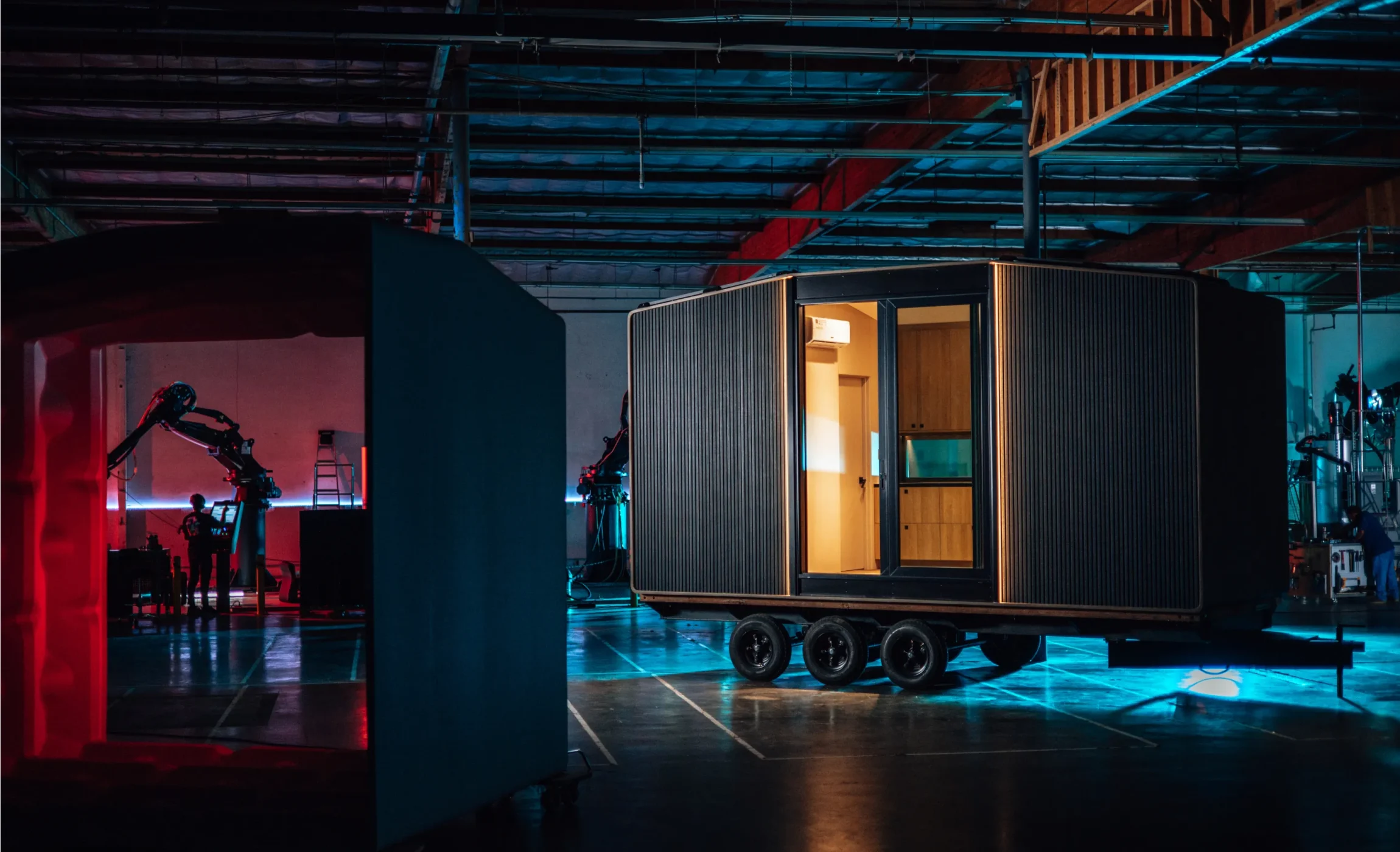
More than 60% of our print material comes from recycled plastic, and our units are designed for long-term wear, extreme temperatures, seismic activity, water resistance, insulation, and pest resistance.
We also provide a 10-year warranty to the original purchaser for Backyard Studios and ADUs against defects in material and workmanship under normal residential use. For the exterior shell, each structure has an external UV protection layer that we recommend recoating every 15 years to help protect the printed shell.
Those details matter because value is not only about the day of purchase. It is also about how the unit looks and performs years later.
Value Can Come From Use, Not Only Resale
Some tiny homes hold value because they create direct resale appeal. Others create value because they make daily life or land use better.
A backyard studio may reduce the need for a larger renovation. A home on wheels may support flexible living where placement is allowed. A larger ADU-style unit may help with family housing or rental potential where local rules permit it.
This is where math becomes personal. A tiny home may be worth keeping even if it does not appreciate dramatically, because it solves a problem the owner would otherwise pay for in another way.
The most practical value often comes from a clear answer to one question: what does this space help us do that we could not do before?
A Simple Value Check Before You Buy
Before buying a tiny home with value in mind, it helps to test the project from a few angles:
- Use case: What problem will the space solve?
- Legal fit: Is the unit allowed where it will sit?
- Site readiness: Can the property support delivery, utilities, drainage, and placement?
- Long-term demand: Would another buyer understand and want this space later?
- Maintenance plan: Can the unit be cared for properly over time?
- Total budget: Does the budget include more than the starting price?
A tiny home is more likely to hold value when these answers are clear before the unit is ordered.
Final Thoughts on Tiny Home Value
Tiny homes can hold their value, but the outcome depends on the structure, site, use case, legal status, utility planning, and maintenance. A well-placed backyard studio can add everyday usefulness. A home on wheels can hold appeal when placement is allowed and the unit is cared for. A larger ADU-style unit may support stronger long-term value when it fits the property and local rules.
For us, value starts with fit. The right tiny home is not just the one with the lowest starting price or the most square footage. It is the one that makes sense on the land, works for the intended use, and still feels practical years after delivery.