Housing conversations often include terms like affordable housing, workforce housing, missing middle housing, and housing supply. While they are closely connected, they do not all mean the same thing.
Understanding the difference matters whether you’re a homeowner, developer, local government, or simply trying to make sense of today’s housing market. Affordable housing and workforce housing address different needs, serve different income groups, and often rely on different funding models. At the same time, both are part of a much larger conversation about creating enough homes for growing communities.
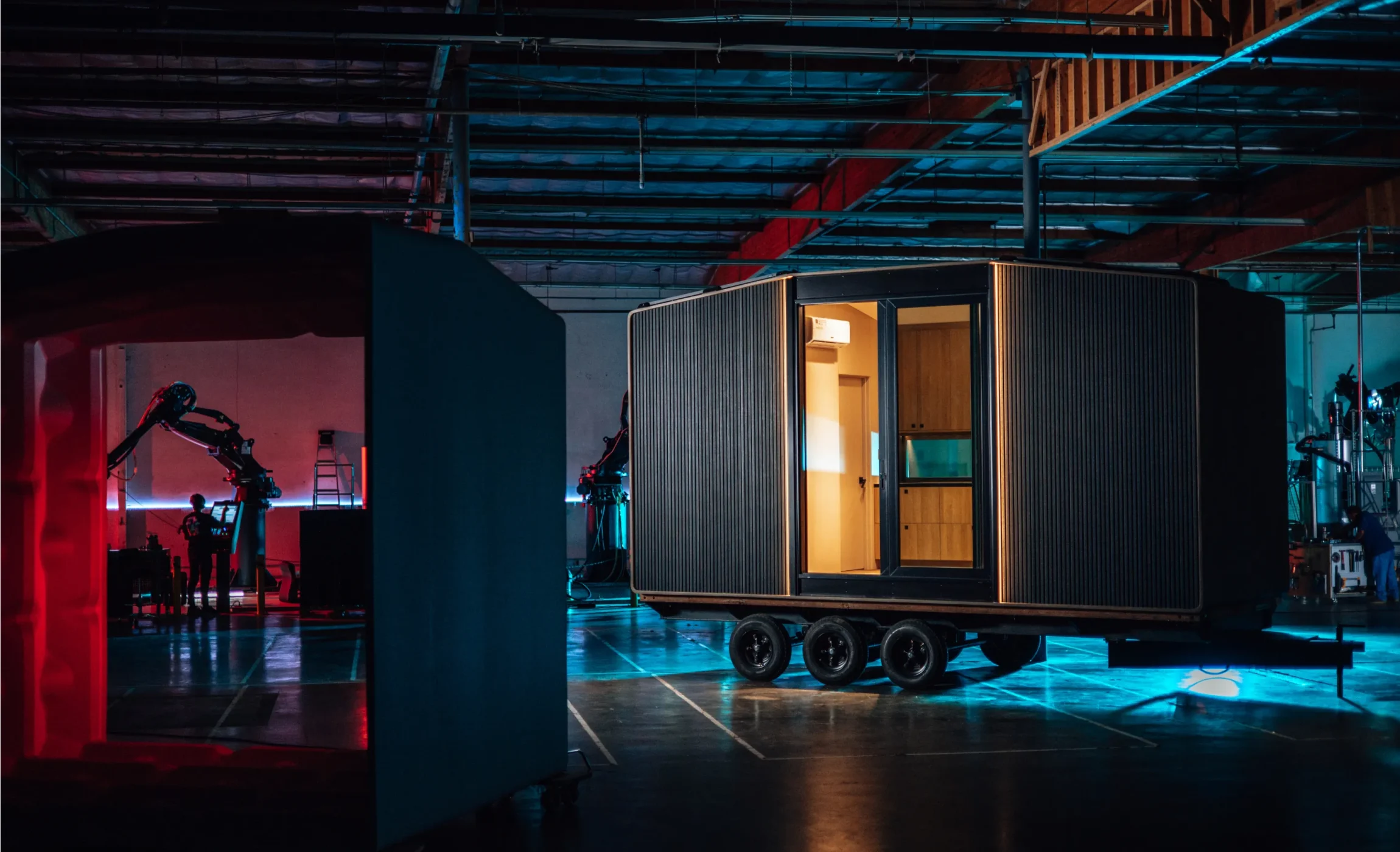
At Azure Printed Homes, we approach housing challenges through the lens of supply. We use robotic construction, recycled materials, and factory-built manufacturing to create studios, homes on wheels, ADUs, and larger modular homes that can help communities add housing more efficiently while maintaining quality and design flexibility.
Understanding the Two Housing Types
Affordable housing and workforce housing are closely related, but they are not the same. The main difference is who each type of housing is meant to serve.
Affordable Housing
Affordable housing is usually defined by cost. In broad terms, housing is considered affordable when a household spends no more than about 30% of its gross income on housing costs.
For renters, that usually includes rent and utilities. For homeowners, it often includes mortgage payments, property taxes, insurance, and utilities.
This means affordable housing is not one fixed price. A monthly payment that works for one household may be too expensive for another. In many policy discussions, affordable housing often refers to homes supported by public programs for lower-income households, but the basic idea is still tied to the relationship between income and housing cost.
Workforce Housing
Workforce housing is generally designed for households earning about 60% to 120% of the Area Median Income. These residents may earn too much to qualify for many housing assistance programs, but still struggle to afford market-rate homes near their workplaces.
This often includes teachers, nurses, first responders, skilled tradespeople, retail employees, hospitality workers, municipal employees, and young professionals.
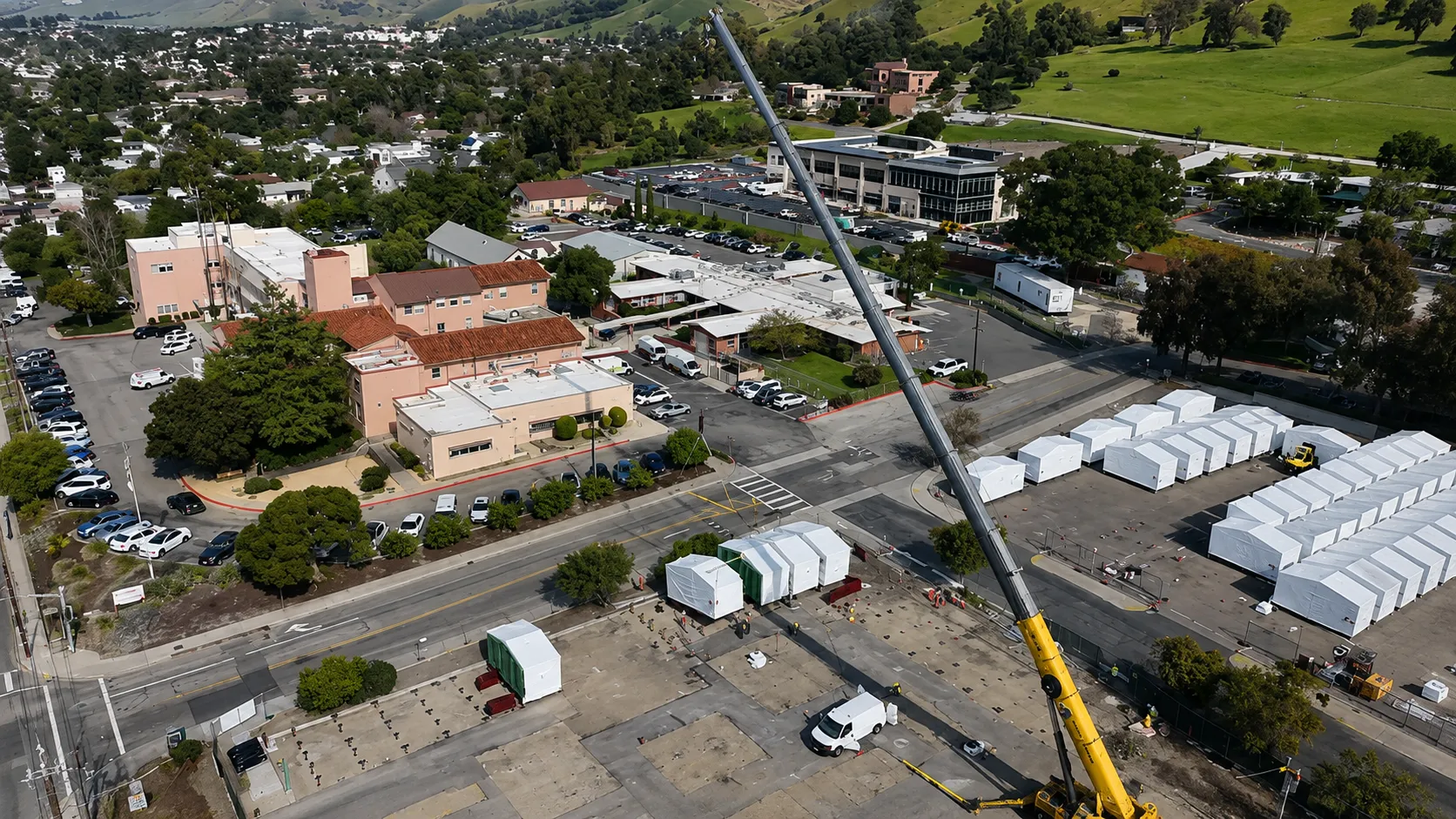
Workforce housing helps fill the gap between subsidized affordable housing and higher-cost market housing, giving moderate-income workers more realistic options near the communities they serve.
Workforce Housing and Affordable Housing Key Differences
Although the terms are sometimes used interchangeably, they describe different parts of the housing market.
| Affordable Housing | Workforce Housing |
| Based on housing costs relative to household income | Designed for moderate-income working households |
| Often serves households below about 60% of AMI | Often serves households between about 60% and 120% of AMI |
| Frequently supported through public programs | Typically developed through market-based solutions |
| May include subsidized rental or ownership opportunities | Focuses on attainable housing for employed residents |
The two categories are not competitors. Instead, they address different needs within the same housing system.
Common Myths About Workforce and Affordable Housing
Because the terms are often used in news stories, policy discussions, and real estate conversations, it’s easy to assume they all mean the same thing. In reality, several common misconceptions can make it harder to understand how different housing solutions fit into today’s market.
Myth 1: Workforce Housing and Affordable Housing Mean the Same
They are related, but they are not interchangeable. Affordable housing generally refers to housing costs that are within reach based on a household’s income. Workforce housing is designed for moderate-income households, many of whom earn too much to qualify for traditional housing assistance but still face challenges finding homes they can afford near where they work.
Both play important roles in creating a balanced housing market, but they serve different groups of residents.
Myth 2: Workforce Housing Is Government Housing
Not necessarily. Unlike many affordable housing developments, workforce housing is often provided through market-based projects rather than government subsidy programs. Private developers, nonprofit organizations, and local partnerships may all contribute to creating workforce housing that meets the needs of teachers, healthcare professionals, first responders, and other essential workers.
The goal is to provide attainable housing for working households, regardless of whether a project receives public funding.
Myth 3: Affordable Housing Is Always Subsidized
This is one of the most common misunderstandings. Affordable housing does include many publicly supported developments, but the term itself is broader. In general, housing is considered affordable when a household spends no more than about 30% of its gross income on housing costs.
Because incomes vary from one household to another, affordability is relative. A home that is affordable for one family may not be affordable for another, even if neither receives housing assistance.
Myth 4: Only Apartments Can Support Affordable or Workforce Housing
Affordable housing and workforce housing describe who a home serves, not what the home looks like. Depending on local needs and regulations, housing options may include:
- Apartments
- Mixed-income communities
- Accessory Dwelling Units (ADUs)
- Tiny homes
- Studios
- Modular homes
- Townhomes
- Duplexes
At Azure Printed Homes, this flexibility is built into the product lineup. A backyard studio, compact home on wheels, ADU, or larger modular home can serve different housing needs depending on the site, timeline, and local requirements.
Why Communities Need Both
Affordable housing and workforce housing are not competing ideas. Instead, they address different challenges within the same housing market.
Lower-income households may need housing supported through public programs or other affordability initiatives. Moderate-income workers, meanwhile, often need homes that are within reach financially but do not qualify for traditional housing assistance. Both groups play an important role in healthy, growing communities.
When housing options are limited, the effects can be felt across the local economy. Employers may struggle to fill positions, workers may face longer commutes, and families may have fewer opportunities to live near schools, jobs, and essential services.
Creating a more balanced housing market means expanding the variety of homes available rather than relying on one solution. Apartments, townhomes, ADUs, mixed-income developments, and modular homes can all contribute to meeting different housing needs.
At Azure Printed Homes, we see modern factory-built construction as one piece of that larger picture. By building homes in a controlled manufacturing environment, we help homeowners, developers, and communities add housing with greater predictability while maintaining flexibility in design and use.
Solutions That Support Affordable and Workforce Housing
There is no single building type that defines either affordable housing or workforce housing. Both can take many forms depending on the community, available land, local regulations, and project goals.
Multifamily and Mixed-Income Developments
Apartment buildings, condominiums, and mixed-income communities are among the most common ways to increase housing supply in growing cities and suburbs. By creating more homes on a single site, these developments can accommodate a wider range of households while making efficient use of available land.
Mixed-income communities are particularly valuable because they bring together residents with different income levels, helping create neighborhoods that offer a broader range of housing opportunities.
Tiny Homes and Studios
Tiny homes and studio units can support housing flexibility in a very practical way. They are not a complete answer to every affordable or workforce housing need, but they can create smaller, more attainable spaces for certain uses.
A compact studio or tiny home may work well for:
- Backyard rental housing
- Independent space for a family member
- Temporary or transitional housing
- Staff housing
- Guest accommodations
- Small residential projects where space is limited
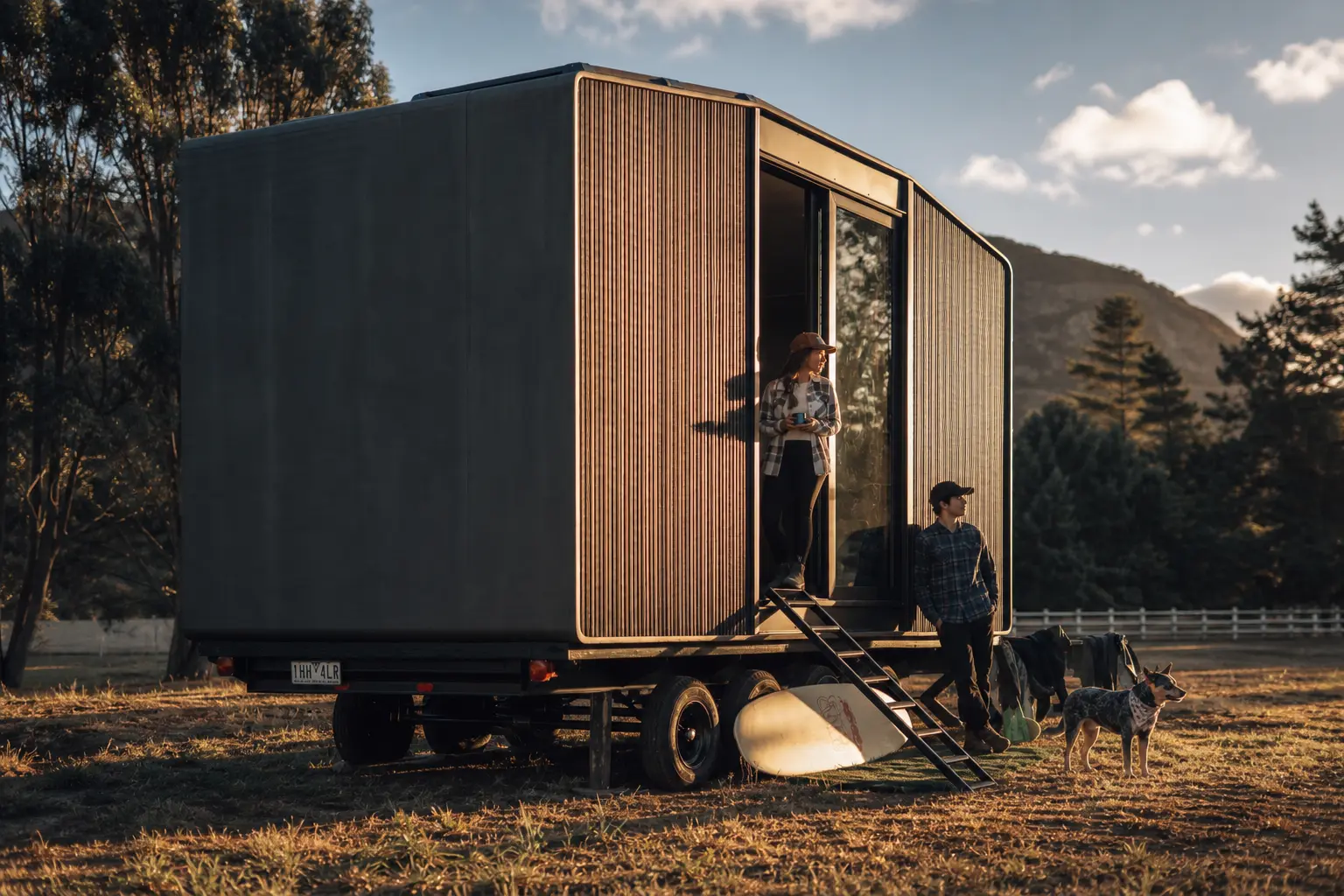
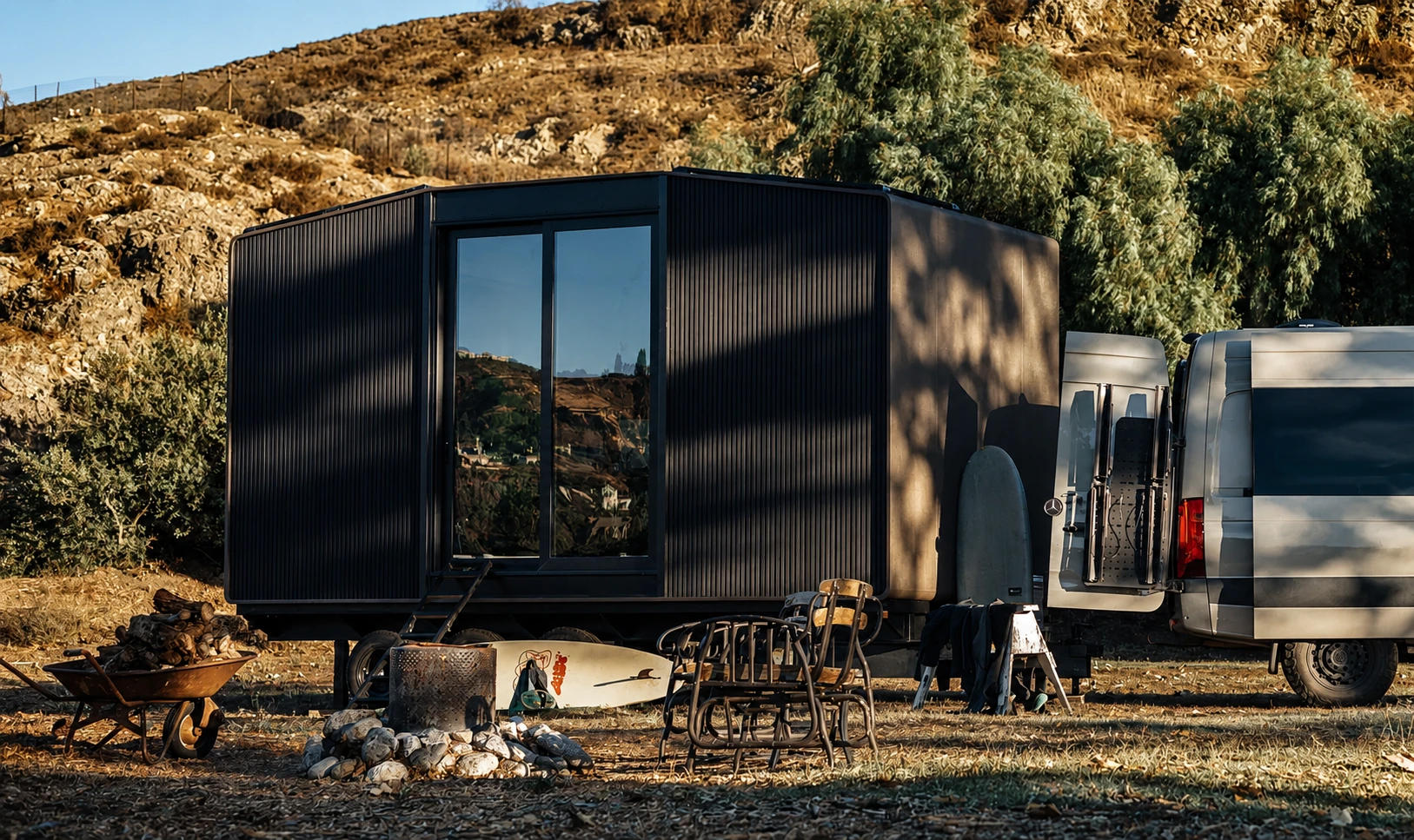
At Azure Printed Homes, we build compact studios, tiny homes, and homes on wheels using robotic manufacturing, recycled materials, and factory-built construction. These smaller models can give homeowners, developers, and communities another way to add usable living space without taking on the scale of a full traditional build.
Accessory Dwelling Units (ADUs)
Accessory Dwelling Units have become an increasingly popular way to add housing within existing neighborhoods without requiring large-scale redevelopment.
Depending on local regulations, an ADU may be used as:
- Long-term rental housing
- Independent living space for family members
- Housing for aging parents
- Caregiver accommodations
- Living space for local employees
- A guest house or backyard residence
Because ADUs make use of existing residential lots, they can gradually increase housing availability while fitting naturally into established communities.
At Azure Printed Homes, ADUs are one of our core product categories. We design modular ADUs in a variety of sizes that can be customized for different properties and lifestyles. By completing much of the construction process in our factory, we help streamline installation while delivering modern, energy-efficient living spaces.
Mixed-Use and Infill Development
Not every community has large parcels of land available for new neighborhoods. In many cases, expanding housing means making better use of existing spaces.
Mixed-use developments combine residential and commercial uses within the same area, creating neighborhoods where people can live, work, and access everyday services more conveniently. Infill development focuses on building new housing within already developed communities, helping increase housing supply without expanding outward.
Together with ADUs and modular homes, these approaches provide communities with more flexibility when planning for future growth.
Choosing the Right Housing Approach
The right housing approach depends on the community, the available land, local regulations, and the households the project is meant to serve. Some areas need more homes for lower-income residents. Others need attainable housing for teachers, healthcare workers, first responders, and other moderate-income workers. Most communities need a mix.
| Housing Goal | Common Solution |
| Support lower-income households | Affordable housing developments and publicly supported housing |
| Provide homes for moderate-income workers | Workforce housing developments |
| Add housing to existing residential lots | Accessory Dwelling Units (ADUs) |
| Create smaller, flexible living spaces | Tiny homes and studios |
| Add housing in growing urban areas | Multifamily and mixed-use developments |
| Improve construction predictability | Factory-built modular construction |
At Azure Printed Homes, we build modular studios, backyard ADUs, homes on wheels, tiny homes, and larger residential homes for a range of uses. Our process combines robotic manufacturing, recycled materials, and factory-built construction to create customizable living spaces with a more streamlined path from design to delivery.
Final Thoughts
Workforce housing and affordable housing are often discussed together, but they are not the same. Affordable housing focuses on keeping housing costs within reach based on household income. Workforce housing is aimed at moderate-income workers who may earn too much for many assistance programs but still struggle with local housing costs.
Both terms describe who the housing is meant to serve, not how the home is built. Apartments, ADUs, tiny homes, studios, modular homes, and mixed-use developments can all play a role depending on local needs.
At Azure Printed Homes, robotic manufacturing, modular construction, recycled materials, and flexible design come together to help expand housing options. From compact studios and homes on wheels to ADUs and larger residential homes, our goal is to make modern housing more efficient, practical, and adaptable for the way people live today.