Finding affordable senior housing can feel overwhelming, especially when balancing budget, comfort, independence, and future care needs. The good news is that affordable options exist for many different lifestyles. Some older adults are looking for a smaller home that requires less maintenance, while others need a community with support services or room for family nearby.
Today’s senior housing is much more diverse than many people realize. From government-supported housing programs to accessory dwelling units (ADUs), modular homes, and independent living communities, there are solutions for different budgets and stages of retirement.
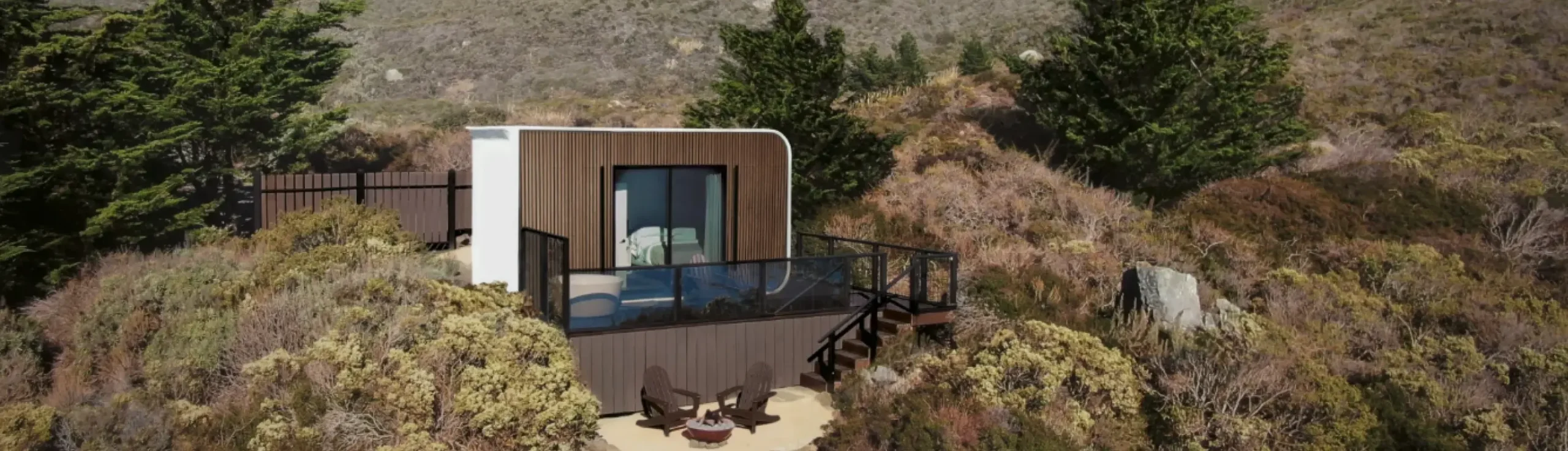
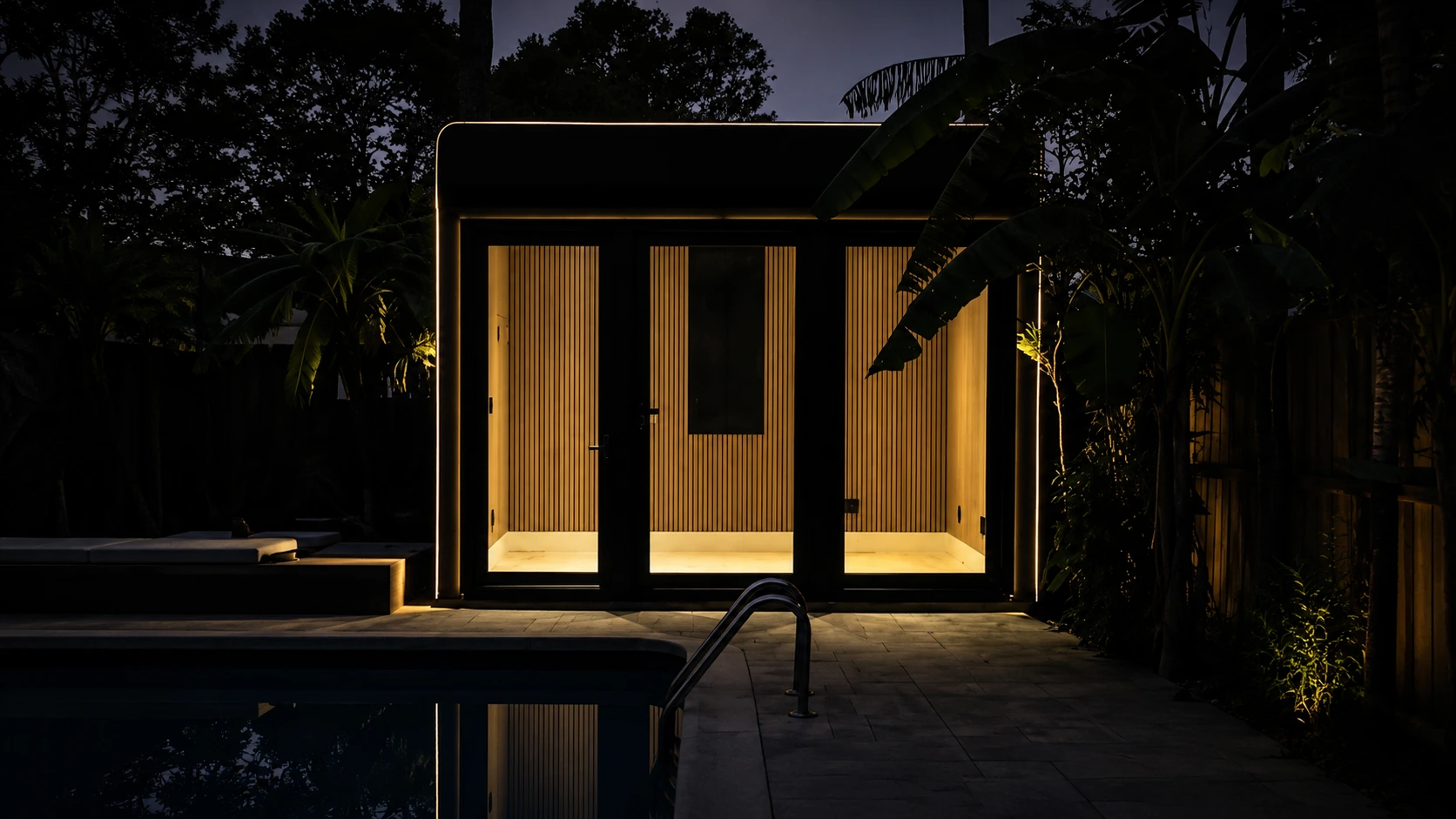
For many homeowners, creating an ADU on an existing property has become an attractive long-term solution. At Azure Printed Homes, we design and manufacture future-focused modular living spaces that can serve as independent homes for aging parents or family members. We handle the factory construction, including electrical, plumbing, and interior finishes, before delivering the completed unit for installation, making it possible to create comfortable senior housing close to loved ones without the complexity of a traditional construction project.
What Is Affordable Senior Housing?
Affordable senior housing refers to housing designed to meet the financial needs of older adults while providing an appropriate level of comfort, safety, and accessibility. The right option depends on several factors, including:
- Income
- Health and mobility
- Desired level of independence
- Family support
- Location
- Ongoing housing costs
Some seniors are completely independent and simply want to downsize into a smaller, easier-to-maintain home. Others need occasional assistance with daily activities, while some require full-time medical care. Because these situations differ, affordable senior housing includes much more than traditional retirement communities.
Where to Search for Affordable Senior Housing
Finding affordable senior housing often requires using several resources.
Local Housing Authorities
City and county housing agencies often maintain waiting lists for subsidized senior housing and can explain local eligibility requirements. They may also provide applications for income-based apartments, public housing, or voucher programs. Because availability varies by area, contacting the local authority early can help seniors understand timelines and required documents.
Government Housing Programs
Federal housing programs provide affordable rental opportunities in many communities. Depending on the program, assistance may come through reduced rent, housing vouchers, or subsidized apartment developments. Eligibility is usually based on income, household size, age, and local program rules, so applicants should review the requirements carefully.
Local Agencies on Aging
Many communities have organizations that help seniors understand available housing resources, financial assistance programs, transportation, and caregiving services. These agencies often know about local opportunities that may not appear in online searches. They can also help seniors connect with meal programs, home support, and other services that make independent living more manageable.
Online Housing Directories
Online housing directories allow seniors to compare housing options based on location, services, amenities, and price. They can be useful for narrowing down choices before scheduling tours or speaking with property managers. When comparing properties, it helps to consider not only monthly rent but also transportation costs, maintenance expenses, and future healthcare needs.
Common Types of Affordable Senior Housing
Affordable senior housing is not limited to one type of residence. Some options are designed for active older adults who want fewer maintenance responsibilities, while others provide financial assistance, family support, or help with daily activities. Comparing the main housing types can make it easier to identify which option fits a senior’s budget, independence, health needs, and preferred lifestyle.
Independent Living Communities
Independent living communities are designed for active older adults who do not need regular medical care. Residents typically live in private apartments or cottages while enjoying maintenance-free living and access to shared amenities. Depending on the community, services may include landscaping, exterior maintenance, community events, fitness facilities, dining options, and transportation services. These communities can reduce many of the responsibilities associated with owning a traditional home while allowing seniors to remain independent.
Government-Assisted Housing
Several government programs help eligible seniors find affordable housing. Common options include:
- Section 202 housing for qualifying older adults
- Housing Choice Vouchers (Section 8)
- Low-Income Housing Tax Credit (LIHTC) properties
Eligibility typically depends on income, age, and local availability. Waiting lists may exist in many areas, making early applications important.
Accessory Dwelling Units (ADUs)
An ADU is a secondary residence located on the same property as a primary home. Sometimes called a backyard home or granny flat, an ADU allows older adults to maintain privacy while remaining close to family. This option has become increasingly popular because it combines independence with convenient family support. Rather than relocating to a large senior community, many families prefer creating a private residence nearby.
We offer factory-built ADUs in multiple sizes, from compact one-bedroom layouts to larger homes with additional living space. Our robotically printed homes utilizing recycled materials are designed for efficient production, and each unit is completed with electrical, plumbing, and interior finishes before delivery, simplifying much of the building process.
Adult Family Homes
Adult family homes provide housing for a small number of residents in a residential setting. These homes often offer assistance with:
- Meals
- Housekeeping
- Laundry
- Medication reminders
- Personal care
Because they serve fewer residents than larger facilities, they often provide a more personal living environment.
Shared Housing
Some seniors reduce housing costs by sharing a home with another older adult. Sharing expenses for housing, utilities, groceries, and maintenance can significantly lower monthly living costs while also reducing social isolation. Finding the right roommate requires careful planning, but for many retirees, shared housing provides both financial and social benefits.
Living With Family
Many families decide to bring aging parents closer by creating dedicated living space on their property. Instead of sharing one house, an ADU provides greater privacy while allowing family members to remain nearby if help is needed. This arrangement can evolve over time as care needs change, making it one of the most flexible housing solutions available.
Benefits of Choosing Modular ADUs
A modular ADU offers a practical middle ground between living completely independently and moving into a senior living community. Built as a separate home on the same property as the primary residence, an ADU gives older adults their own space while keeping family close by. This arrangement can make everyday life more convenient, provide peace of mind, and adapt as care needs change over time.
When families choose one of our modular homes or ADUs, we focus on making the process as straightforward as possible. We offer:
- Multiple home sizes: We build ADUs from 360 to 900 square feet, including one-bedroom and two-bedroom layouts to suit different household needs.
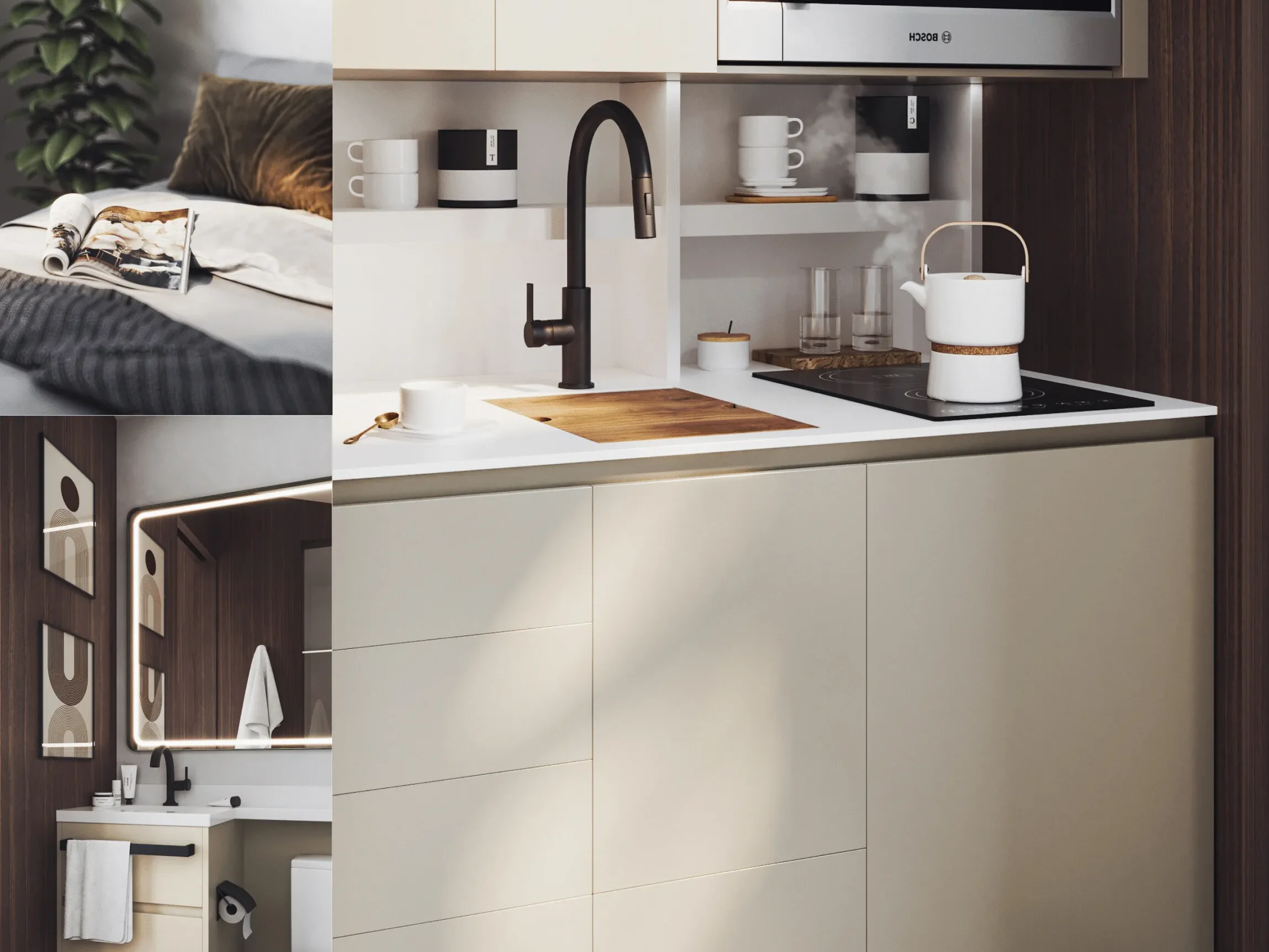
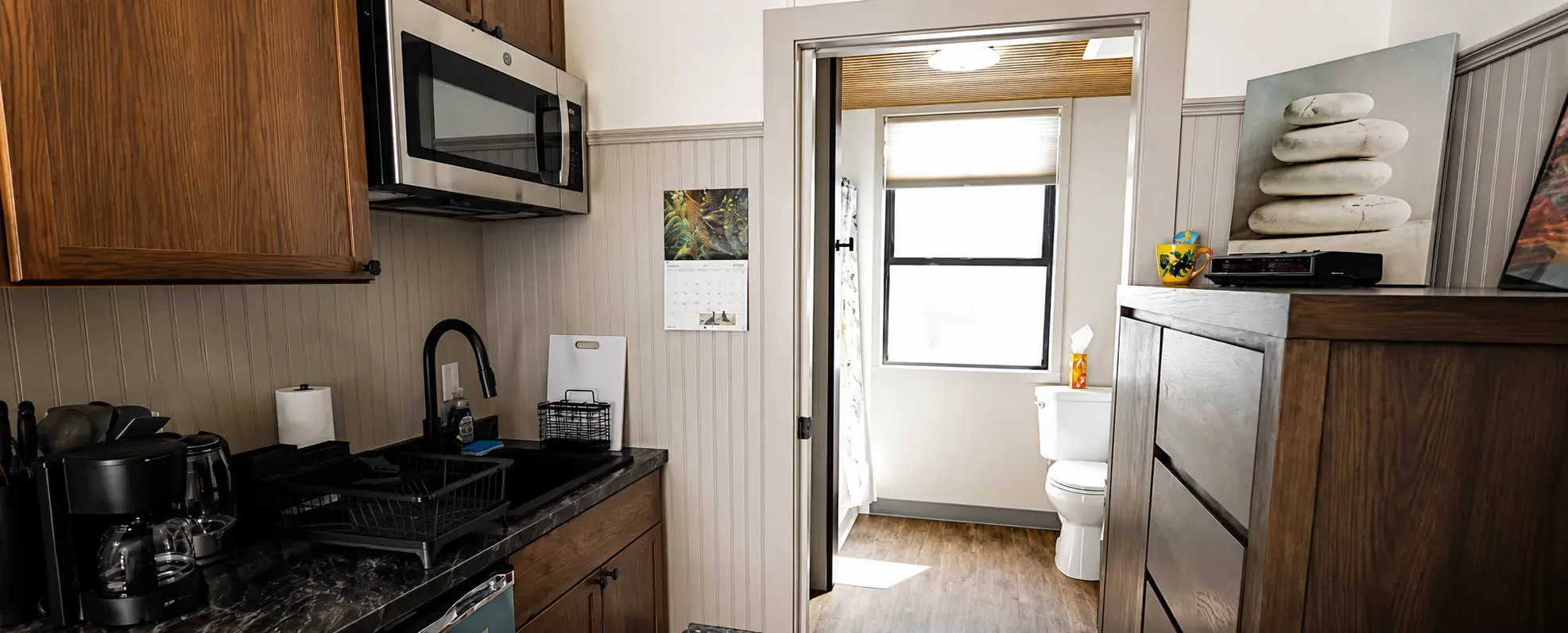
- Factory-completed interiors: We install the electrical, plumbing, mechanical systems, and interior finishes before the home leaves our factory.
- Long-term flexibility: Our homes can support aging in place today while remaining useful for changing family needs in the years ahead.
- A step-by-step process: We guide every project from configuring the unit and robotic printing through fabrication, delivery, and final installation.
- Factory-built efficiency: While site preparation is underway, we manufacture the home in our factory, helping the project move forward in parallel.
- Customization options: We allow buyers to personalize finishes and, where possible, adjust layouts, dimensions, bedrooms, bathrooms, and orientation to better fit the property.
- Recycled materials: More than 60% of our printed material comes from recycled plastic, giving plastic waste a new purpose in future-focused modular living spaces.
Choosing the right ADU ultimately comes down to balancing independence, comfort, long-term flexibility, and a construction process that fits both the family’s timeline and future plans.
Choosing the Right ADU for Senior Living
The right ADU depends on more than square footage. A senior living alone may prefer a compact one-bedroom layout that is easier to maintain, while a couple may need more storage, a larger living area, or a second bedroom for guests or a caregiver. Families should also think about the size of the lot, local permit requirements, mobility needs, and how the home may be used in the future.
We offer several homes and ADUs that can support different senior living arrangements. Each model includes a kitchen, bathroom, living space, and factory-installed electrical, plumbing, mechanical systems, and interior finishes.
| Model | Layout | Best Suited For | Practical Senior Living Benefits | Starting Price |
|---|---|---|---|---|
| A-360 | 360 sq ft, 1 bedroom, 1 bathroom, 1 kitchen | One independent senior with simple space needs | Compact footprint, less space to clean, and a separate bedroom rather than a studio-style layout | $89,900 |
| A-540 | 540 sq ft, 1 bedroom, 1 bathroom, 1 kitchen | One senior or a couple who wants more everyday living space | Larger kitchen and living areas, more room for storage, and greater flexibility for furniture placement | $134,900 |
| A-720 | 720 sq ft, 1 or 2 bedrooms, 1 bathroom, 1 kitchen | A couple, a senior who regularly hosts family, or a household that may need caregiver space | Choice of one- or two-bedroom layouts, additional privacy, and more flexibility as family or care needs change | $174,900 |
| A-900 | 900 sq ft, 2 bedrooms, 1.5 bathrooms, 1 kitchen | Two seniors, multigenerational living, or a senior who needs a dedicated guest or caregiver room | Two bedrooms, an additional half bathroom, and more separation between private and shared areas | $219,900 |
The A-360 may be enough for a senior who values simplicity, while the A-540 offers more breathing room without becoming difficult to maintain. The A-720 and A-900 are better suited to households that need an extra bedroom, more privacy, or space that can adapt over time. We can also customize finishes and, where the design and site allow, adjust dimensions, orientation, bedrooms, bathrooms, and selected layout details. The most suitable option is the one that balances the resident’s current independence with the space and flexibility they may need later.
Questions to Ask Before Choosing Senior Housing
Before making a decision, families should look beyond the monthly cost. A housing option may seem affordable at first, but the location, maintenance needs, available support, and ability to adapt over time can have a major effect on the resident’s comfort and long-term expenses. Helpful questions include:
- Will this home still work five or ten years from now? Consider whether the layout can support changing mobility, health, or caregiving needs without requiring another move.
- Is the location close to healthcare providers? Easy access to doctors, pharmacies, urgent care, and hospitals can become increasingly important over time.
- Is reliable transportation available? Seniors who no longer drive may need public transportation, community shuttles, family support, or nearby services within a short distance.
- How much maintenance is required? Older homes may come with ongoing repair costs, yard work, roofing issues, plumbing updates, or other responsibilities that become harder to manage.
- Can accessibility features be added later? It helps to know whether the home can accommodate wider doorways, grab bars, walk-in showers, ramps, or other changes if needed.
- Are family members or trusted caregivers nearby? Proximity can make it easier to help with appointments, groceries, emergencies, and everyday tasks while still respecting the senior’s independence.
- What additional costs should be expected? Families should ask about utilities, insurance, property taxes, community fees, transportation, maintenance, healthcare support, and future care expenses.
- Does the space feel comfortable and practical? A home should have enough room for daily routines, storage, visitors, and hobbies without becoming difficult or expensive to maintain.
Thinking beyond immediate needs can help families choose housing that remains practical, comfortable, and affordable for years instead of solving only the current problem.
Final Thoughts
Affordable senior housing comes in many forms, from independent living communities and government-supported housing to shared homes and family-based solutions. The best choice depends on budget, health, lifestyle, and long-term goals. For families who already own property, an ADU can provide a practical way to support aging in place while maintaining independence.
At Azure Printed Homes, we build robotically printed modular homes utilizing recycled materials and guide buyers through configuration, fabrication, delivery, and installation. By combining efficient factory construction with customizable designs, we help create comfortable living spaces that can support multigenerational living for years to come.