Tiny homes are allowed on land in many states, but rarely in a simple “yes, anywhere” way. The state may recognize tiny homes through building codes, ADU laws, factory-built housing rules, or local zoning tools. The actual lot still has to qualify.
That is the part people often miss. Owning land does not automatically mean you can place any tiny home on it. A permanent tiny home, a backyard studio, a home on wheels, and an ADU-style unit can all follow different rules, even in the same state.
In our work at Azure Printed Homes, we usually start with the same practical question: what kind of small space is the land supposed to support? A compact Studio Series unit, an X Series Home on Wheels, and a larger Homes & ADUs model do not ask the same things from a property. The state matters, but the land, zoning, foundation, utilities, and intended use matter just as much.
The State Is Only the First Filter
A state can make tiny homes easier to approve, but local zoning usually decides where they can actually go. Cities and counties may control minimum lot size, setbacks, utility requirements, parking, foundation rules, ADU permissions, and whether homes on wheels are allowed for long-term use.
The building code side matters too. Appendix Q of the International Residential Code created a code path for tiny houses of 400 square feet or less, excluding lofts. But adoption and enforcement vary by state and jurisdiction, and zoning still has to allow the use.
So when someone asks what states allow tiny homes on land, the better answer is: several states have clearer legal paths, but every project still needs a local check.
States With Clearer Tiny Home Pathways
This is not a complete legal map of every county in the country. It is a useful starting point for states where tiny homes, small homes, ADUs, or factory-built tiny structures have clearer recognition in state codes, statutes, or official guidance.
| State | Why It Is Worth Checking | What Still Needs Local Review |
| California | California has Appendix AQ for tiny houses and a strong ADU framework. | Local zoning, ADU rules, site access, utilities, and whether the unit type fits the property. |
| Oregon | Oregon defines small homes as single-family residences not more than 400 sq ft and ties them to the 2018 IRC, including Appendix Q. | Local land use, permits, foundation, fire safety, and whether the unit is site-built, prefab, or on wheels. |
| Maine | Maine law says municipalities must permit tiny homes on individual house lots where single-family dwellings are allowed, or as accessory structures, subject to land use requirements. | Local land use standards, setbacks, utilities, and whether the tiny home fits the allowed use. |
| Colorado | Colorado has state regulations covering factory-built structures and tiny homes. | Local zoning, installation, foundation, inspections, and site-specific requirements. |
| North Carolina | State guidance says tiny homes are acceptable as permanent single-family dwellings when they meet minimum requirements. | Local permits, zoning, setbacks, foundation, inspections, and modular certification when built off-site. |
| Tennessee | Tennessee uses the 2018 IRC in areas covered by the state residential permit program, while some local governments enforce their own codes or have opted out. | Local zoning, permit authority, foundation, utilities, and whether the unit is residential, modular, or wheel-based. |
| Florida | The Florida Building Code includes Appendix Q for tiny houses. | Local zoning, foundation, ADU rules, park model rules, and whether the structure is permanent or movable. |
| New Mexico | New Mexico has Appendix AQ provisions for tiny houses used as dwelling units on permanent foundations. | Whether the unit is on a foundation or chassis, local zoning, inspections, and utility requirements. |
| Washington | Washington’s code includes Appendix AQ language defining tiny houses as dwelling units of 400 sq ft or less, excluding sleeping lofts. | Local zoning, permits, ADU rules, foundation, utilities, and inspection path. |
Oregon’s official small-home backgrounder is especially clear about the split between site-built permanent small homes and tiny homes on wheels, which may follow a different regulatory path. Maine is also unusually direct because its statute says municipalities must permit tiny homes in certain single-family or accessory-structure contexts, while still applying land use requirements.
“Allowed on Land” Can Mean Different Things
A tiny home can be allowed on land in more than one way. This is why two people in the same state can get different answers from their local office.
Permanent Tiny Home
This is usually a tiny house built or installed as a dwelling on a foundation. It may use Appendix Q or a state-specific tiny house appendix when adopted. This path is often clearer than a wheel-based setup because the home is treated more like a building.
North Carolina is a good example. State guidance says tiny homes can be acceptable as permanent single-family dwellings when they meet requirements such as local permitting, zoning, foundation compliance, habitable-space standards, plumbing, heat, egress, and energy rules.
ADU or Backyard Dwelling
In many places, tiny homes work best as accessory dwelling units. That means the tiny home is not the main house on the lot, but a secondary dwelling on a property that already has a primary home.
California is one of the strongest examples of an ADU-friendly state, but the exact project still depends on the property, local process, utility connections, and whether the structure meets the right category.
Factory-Built or Modular Tiny Home
A tiny home can also be built off-site and delivered to land. That can make production more predictable, but it does not remove the need for approval.
Colorado’s rules specifically address factory-built structures and tiny homes, including requirements around factory-built residential structures, installations, foundations, and enforcement.
Home on Wheels or Park Model-Style Unit
Homes on wheels are usually the most location-sensitive. A chassis-based tiny home may be legal in some parks, communities, rural settings, or specific districts, but that does not mean it can sit permanently on any private lot.
New Mexico’s code language is a useful example of the distinction. Tiny houses on permanent foundations fall under the tiny house code path, while tiny houses on a chassis with a permanent axle are treated as recreational vehicles as long as the axle remains in place.
How We Think About Our Units on Different Lots
For us, the state-by-state question becomes easier when the unit type is clear first. The same piece of land may be a good match for one small-space format and a poor match for another.
Our current product directions fit different planning paths:
- Studio Series: Compact 100-120 sq ft backyard units for offices, creative rooms, hobby spaces, guest-style rooms, or flexible extra space. These are usually not planned as full second homes.
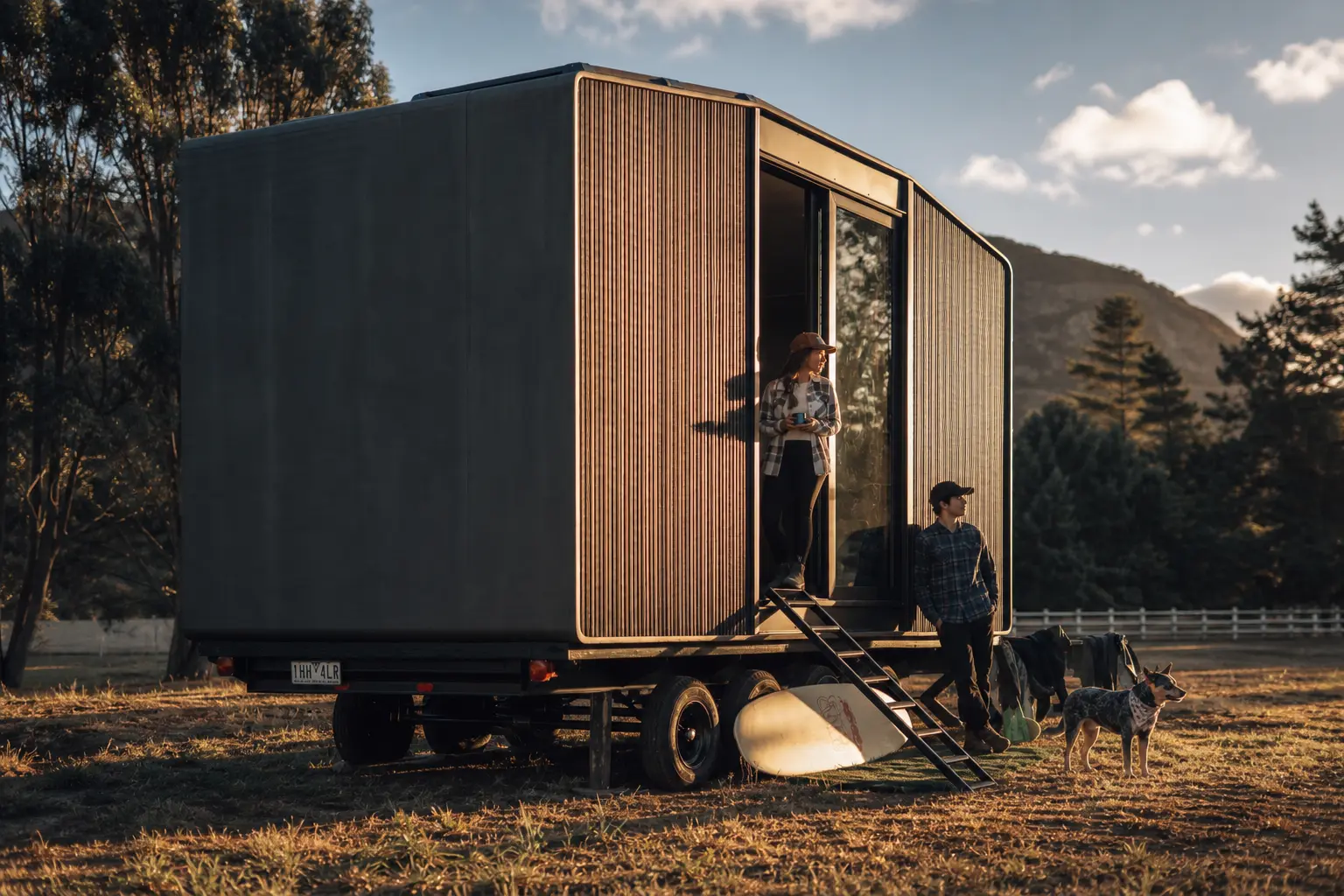
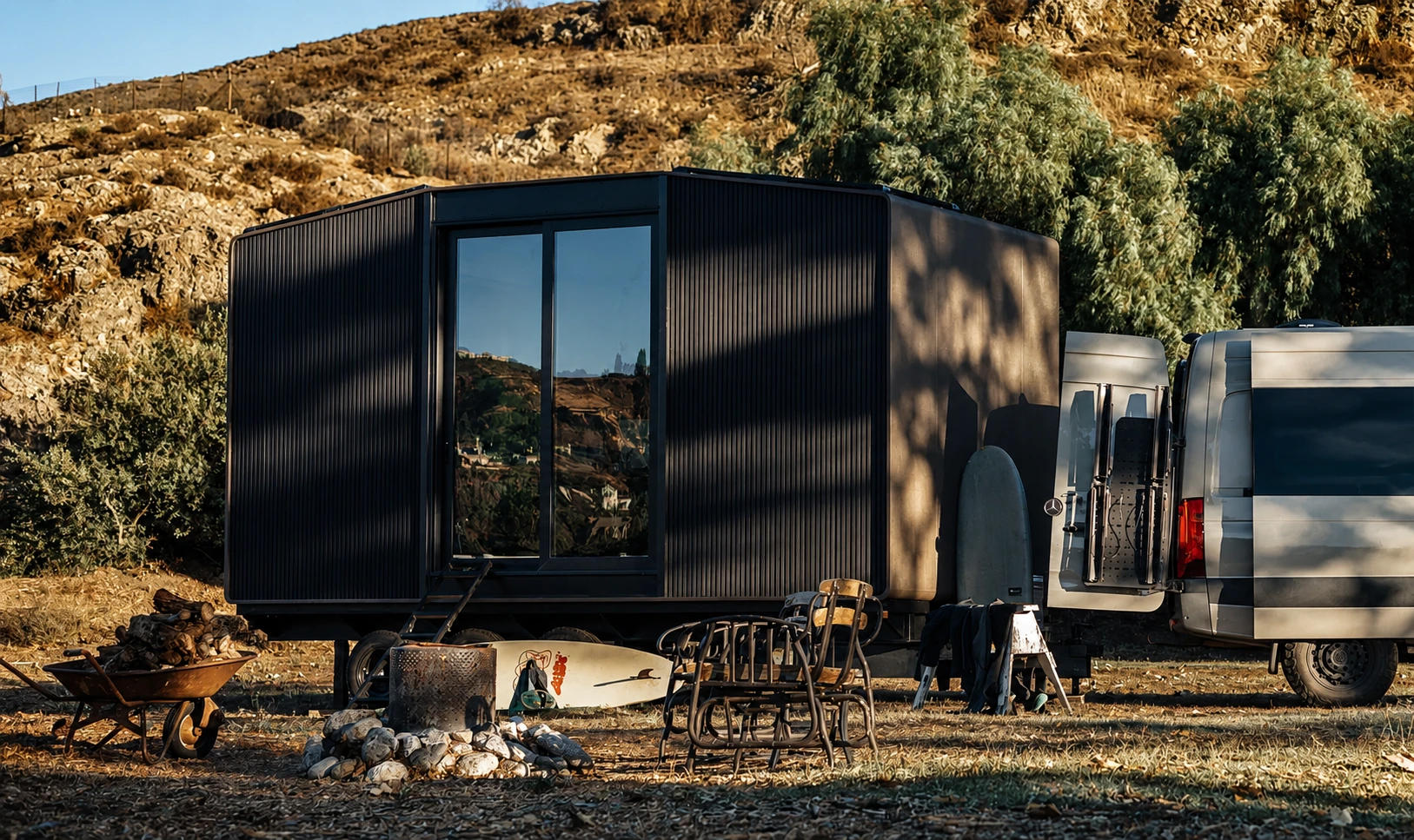
- X Series Homes on Wheels: Chassis-based homes from 180 to 360 sq ft. These need a careful placement check because the property has to allow that kind of unit.
- Homes & ADUs: Larger residential-style units from 360 to 900 sq ft. These usually require more formal planning around permits, foundation, drainage, utilities, site access, and inspections.
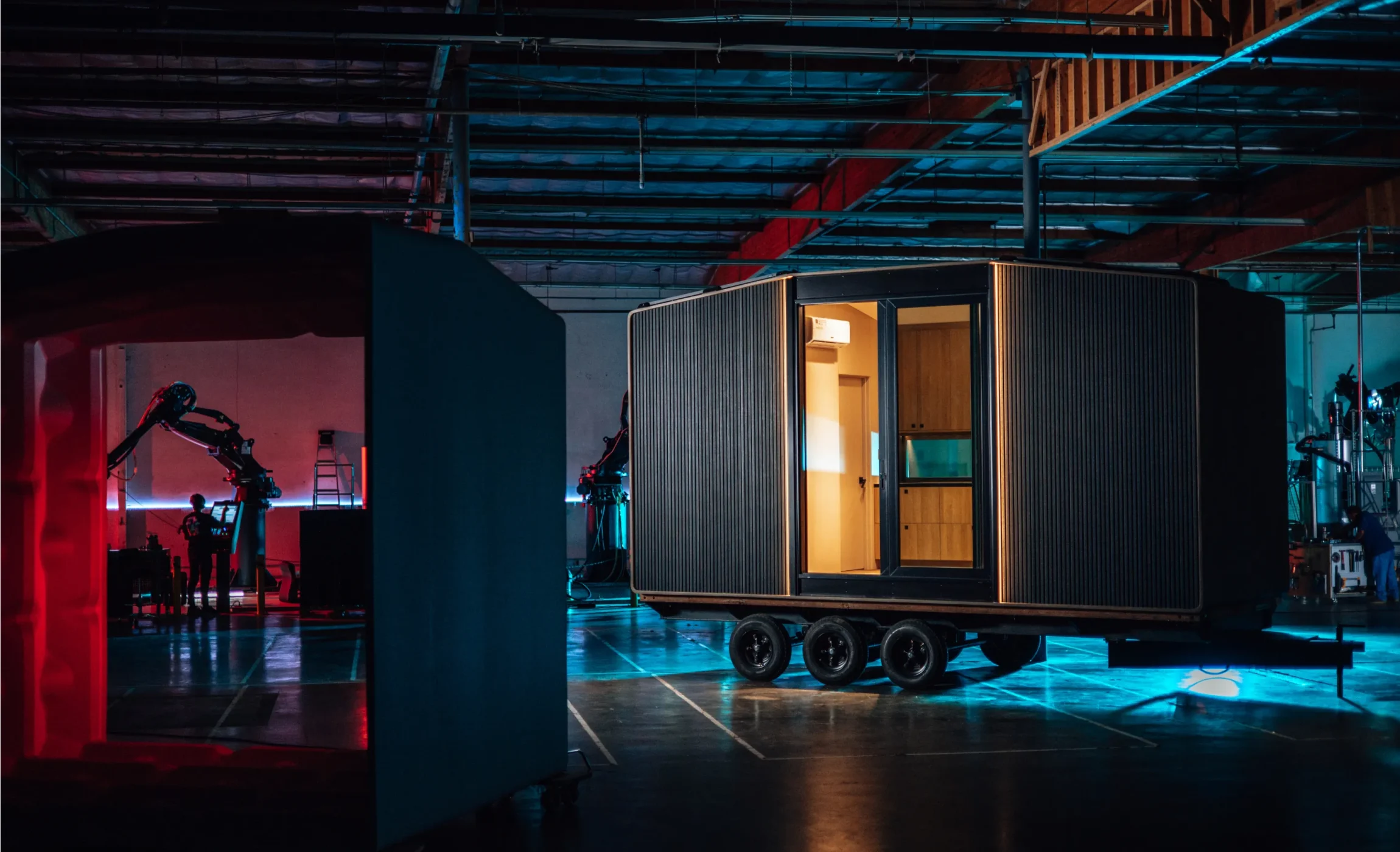
We manufacture our units in Los Angeles, CA, and can ship within the continental US, Mexico, and Canada by flatbed truck. Units larger than 120 sq ft are designed with electricity, water, and sewer connections, while units under 120 sq ft are wired for electrical only.
That detail matters because the legal path often changes when the unit moves from “extra space” to “residential use.”
Tiny Homes on Wheels Need a Separate Check
A state may allow tiny homes, but still restrict tiny homes on wheels. This is one of the most common surprises for buyers.
A permanent tiny home on a foundation may be reviewed as a dwelling. A home on wheels may be reviewed more like an RV, park model, movable tiny home, or another special category. That affects whether full-time living is allowed, whether utilities can be connected, and whether the unit can stay on private land long term.
For our X Series Homes on Wheels, we treat the site as part of the product decision. The X_180, X_270, and X_360 are built for compact living, but the property still has to allow wheel-based placement and the site still needs proper drainage, support, access, and utility planning.
Wheels can add flexibility, but they do not cancel zoning.
States Where the Local Answer Matters Most
Some states may not have one clear statewide tiny home path, but tiny homes can still work in certain counties or cities. This is common in states where local governments control much of the zoning conversation.
In those places, the question is less “Does the state allow tiny homes?” and more:
- Primary use: Will this be a main home, ADU, backyard studio, park model, rental where allowed, or temporary structure?
- Zoning district: Does the property allow that use?
- Foundation: Does the unit need to be on a permanent foundation?
- Utilities: Is the unit electrical-only, or does it need water, sewer, septic, and plumbing?
- Occupancy: Can someone live in it full-time, seasonally, or only use it as accessory space?
- Inspection path: Who reviews the structure and who inspects the site work?
This is why a tiny home may be possible in one county and blocked in the next. The state opens the conversation, but the local lot answers it.
Before You Buy Land for a Tiny Home
Buying land first and checking rules later can become expensive. A parcel can look perfect online and still fail because of zoning, access, utilities, septic limits, floodplain rules, HOA restrictions, road frontage, or minimum dwelling size.
Before buying land for a tiny home, the safer order is:
- Check zoning first: Confirm the allowed use, not just the lot size.
- Ask about the unit category: Tiny home, ADU, modular, manufactured, park model, RV, or accessory structure.
- Confirm utilities: Water, sewer, septic, electrical, and drainage can decide whether the project works.
- Review access: Delivery, emergency access, driveway width, and placement space matter.
- Look at foundation rules: A permanent home and a wheel-based unit may follow different paths.
- Ask about occupancy: Some places allow a structure but not full-time living in it.
This is also where product choice becomes clearer. A 100 sq ft studio asks less from a property than a 900 sq ft ADU-style home. A home on wheels may be easier to deliver but harder to place legally. A larger residential unit may take more planning but give a stronger long-term use case.
What This Means for Azure Buyers
We do not treat “tiny home on land” as one generic project. The better path is to match the structure to the property.
A Studio Series unit may be a good fit when the goal is simple extra space. A Homes & ADUs model may make more sense when the project needs to support guests, family, or rental potential where allowed. An X Series Home on Wheels may be right for a site that specifically allows chassis-based or park model-style placement.
The most important step comes before configuration. The land should be checked for zoning, utility needs, access, foundation or support requirements, and local approval. Once that path is clear, choosing the model becomes much easier.
Wrapping Up
Many states allow tiny homes on land in some form, especially when the unit fits a recognized path such as a permanent dwelling, ADU, factory-built home, modular unit, or approved park model-style setup. States like California, Oregon, Maine, Colorado, North Carolina, Tennessee, Florida, New Mexico, and Washington all have clearer code or legal pathways worth reviewing.
But no state list replaces a local property check. The same tiny home may be approved on one lot, limited on another, and not allowed at all in a different zoning district.
For us at Azure Printed Homes, the best tiny home plan starts with the land and the use case. The right unit should fit the property, follow the local approval path, connect to the right utilities, and make sense for the way the space will actually be used.