A month-long stay is different from a short trip. A hotel may work for a few nights, but extended stays usually call for more space, greater privacy, flexible terms, and a setting that makes everyday routines feel manageable.
That is where national corporate housing fits in. It provides fully furnished temporary accommodations across multiple cities or regions, often for stays of 30 days or more. Instead of arranging housing separately in each location, companies, government agencies, and relocating professionals can work with one provider to find a move-in ready place that meets their needs.
What National Corporate Housing Is and What It Includes
National corporate housing is a temporary housing service that provides fully furnished apartments, homes, or other residential accommodations for stays that typically begin at 30 days or longer.
Unlike traditional apartment rentals, these accommodations are ready for immediate occupancy. They usually include furniture, kitchen equipment, household essentials, utilities, internet service, and appliances, allowing residents to move in with only their personal belongings.
The “national” aspect refers to providers that operate across multiple cities, making it easier for organizations with employees in different locations to arrange housing through one partner instead of coordinating with separate local companies.
Although individual properties vary, national corporate housing generally focuses on making the move-in process as simple as possible. Common features include:
- Fully furnished living spaces
- Bedrooms with linens
- Equipped kitchens
- Dining areas
- Utilities
- High-speed internet
- Laundry facilities
- Housewares and cookware
- Parking, depending on the property
Many communities also include amenities such as fitness centers, swimming pools, business centers, walking trails, or outdoor gathering spaces. The goal is to create an environment that feels much more like home than temporary lodging.
How National Corporate Housing Works
The process is designed to make arranging temporary housing simpler, faster, and easier to manage. Instead of searching for a separate rental, furnishing it, setting up utilities, and signing a long lease, the resident receives a move-in ready housing option tailored to the length and purpose of the stay.
In most cases, the process follows a few basic steps:
- A temporary housing need is identified, such as a business assignment, relocation, military duty, or extended project.
- The preferred city, neighborhood, move-in date, and expected length of stay are determined.
- A furnished property that matches the resident’s space, location, and budget requirements is selected.
- The booking and lease terms are finalized, often with utilities and essential services included.
- The resident moves into a fully equipped home with furniture, kitchenware, internet, and other everyday necessities already in place.
- The stay can often be extended when assignments, construction timelines, or relocation plans change.
This approach removes many of the challenges associated with traditional rentals. There is no need to purchase furniture, arrange utility accounts, transport household items, or commit to a standard year-long lease. For companies and organizations managing multiple placements, it also creates a more consistent way to coordinate temporary housing across different locations.

Who Uses National Corporate Housing
Corporate housing serves a wide range of people whose housing needs extend beyond a typical vacation stay.
Business Travelers
Professionals working on long-term projects often need accommodations that support both work and everyday living. Having separate spaces for sleeping, working, cooking, and relaxing creates a much more productive environment than a standard hotel room.
Relocating Employees
When employees move to a new city, they may need temporary housing while purchasing a home or waiting for permanent accommodations to become available. Corporate housing provides stability during this transition, allowing families to become familiar with their new community without rushing into long-term decisions.
Government and Military Personnel
Government employees and military members frequently receive temporary assignments requiring housing for several weeks or months. Fully furnished accommodations simplify these assignments by providing everything needed for daily living without requiring long-term rental commitments.
Healthcare Professionals
Traveling nurses, physicians, therapists, and other healthcare workers often accept assignments lasting several months. Corporate housing offers a comfortable place to return after demanding shifts while remaining flexible enough to accommodate changing contracts.
Insurance and Disaster Recovery
Temporary housing is also valuable after unexpected events such as home damage or natural disasters. Families can maintain a more normal routine while repairs or rebuilding take place.
Looking Beyond Traditional Corporate Housing Solutions
Renting furnished apartments through a corporate housing provider is one way to meet temporary housing needs, but it is not the only option. As demand continues to grow, many businesses, developers, property owners, and organizations are also exploring ways to create their own furnished housing inventory.
Building dedicated corporate housing can offer greater control over location, availability, design, and long-term operating costs. Instead of depending entirely on existing rental properties, organizations can develop purpose-built accommodations that support business travelers, healthcare professionals, military personnel, seasonal workers, or employees on extended assignments.
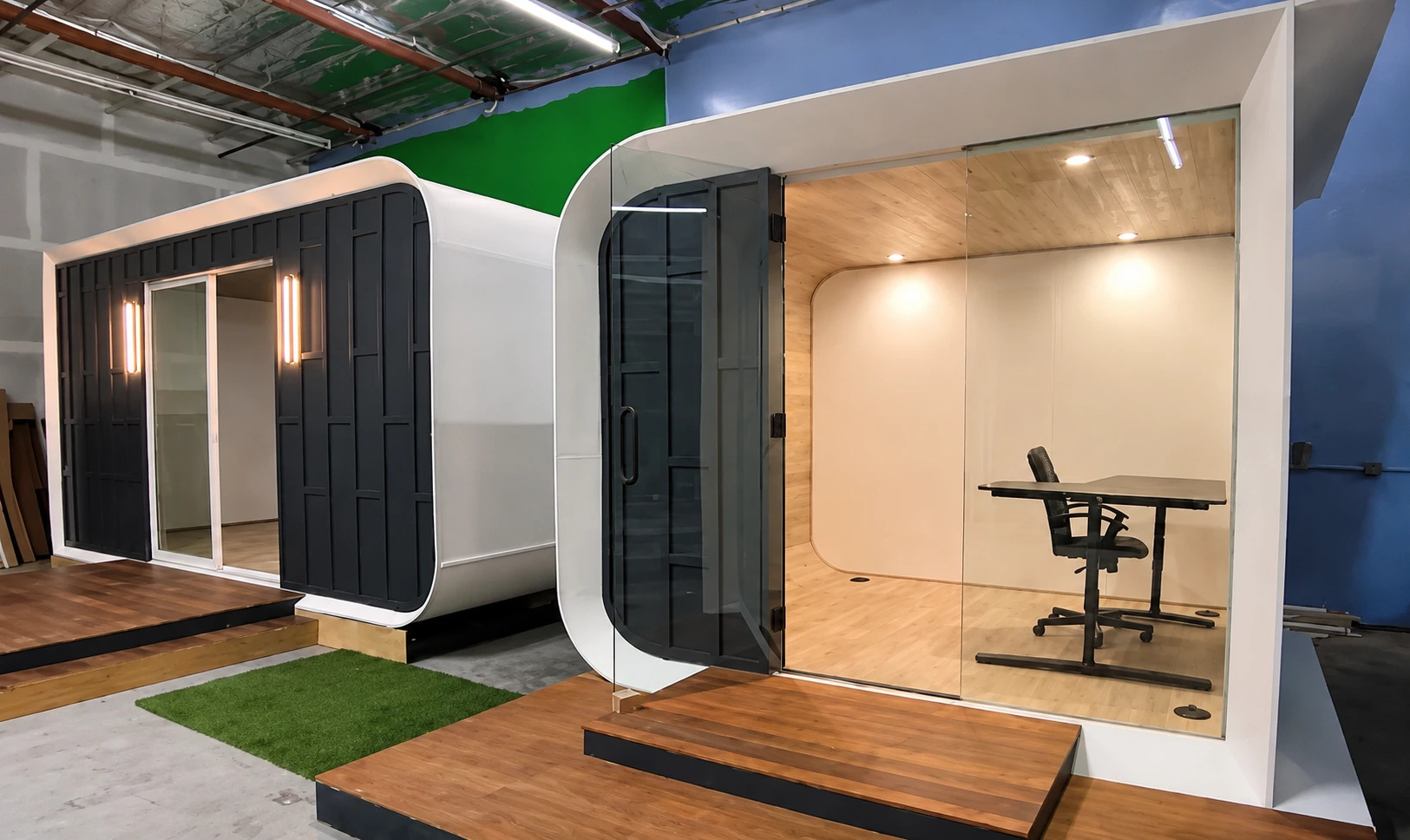
This shift has created new opportunities for modular construction. Factory-built housing can be delivered faster than many traditional construction projects while offering the comfort, privacy, and residential features people expect from extended-stay accommodations.
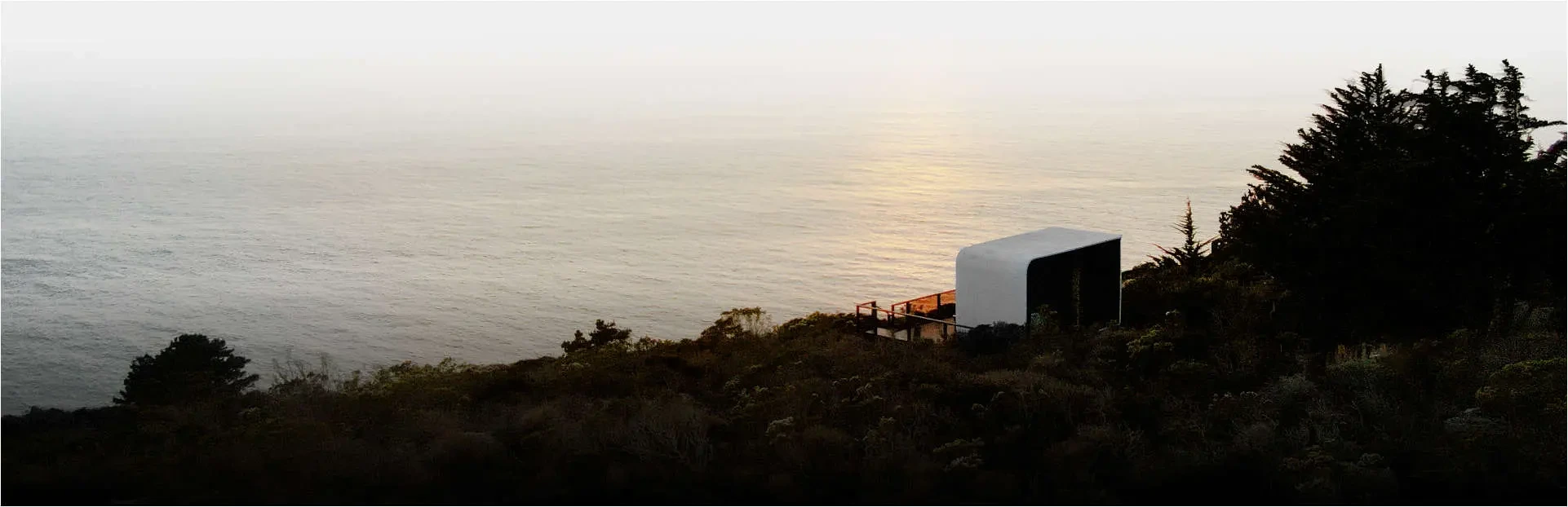
At Azure Printed Homes, we build future-focused modular living spaces that can support exactly these kinds of housing needs. Our studio series, homes, and ADUs provide flexible options for organizations looking to expand temporary housing capacity. Because we manufacture our homes in a controlled factory environment using robotic construction, each unit is completed with electrical, plumbing, mechanical systems, and interior finishes before delivery, creating move-in ready spaces that are designed for modern living.
Why Factory-Built Housing Makes Sense for Extended Stays
As demand for corporate housing continues to grow, many organizations are looking beyond traditional apartments and considering purpose-built accommodations. Factory-built housing has become an attractive option because it offers greater control over project timelines, consistency, and long-term property management while creating comfortable spaces for extended stays.
Unlike conventional construction, factory-built homes are manufactured in a controlled environment before being transported to the project site. This approach can reduce weather-related delays, improve quality control, and simplify much of the construction process.
We use robotic manufacturing to create modern modular living spaces that are designed for efficient production and comfortable everyday living. Our homes are built in a factory where electrical, mechanical, plumbing, and interior finishes are completed before delivery, helping reduce on-site construction time.
We also can provide benefits such as:
- Faster delivery than many traditional construction projects
- Flexible floor plans for individual residents, couples, families, or project teams
- Energy-efficient designs suited to year-round use
- Durable materials that support frequent resident turnover
- Factory-controlled production with less exposure to weather-related delays
- Sustainable manufacturing that uses recycled materials
- Customizable layouts, finishes, and optional features
- Compact and larger housing options within one product range
- A clear process covering design, manufacturing, delivery, and installation
Our printed construction also gives projects a measurable sustainability component. More than 60% of the print material comes from recycled plastic, and approximately 100,000 recycled plastic bottles are used for every 120 square feet of printed living space. For locations where non-combustible construction is more appropriate, we can also manufacture housing with robotically formed light-gauge steel.
Solutions for Corporate Housing Projects
Corporate housing projects rarely follow a one-size-fits-all model. Some organizations need compact accommodations for individual professionals, while others require larger homes for relocating families, project teams, or long-term assignments. Choosing a modular solution often depends on the expected occupancy, available land, and operational goals.
We offer several modular product lines that can support different types of corporate housing developments, from individual furnished units to larger residential communities.
| Corporate housing need | Azure solution | Typical use |
|---|---|---|
| Compact housing for one resident | N100, A/D/C-100, A/D/C-120 Studio Series | Business travelers, interns, healthcare professionals, temporary assignments |
| One-bedroom corporate housing | A-360 and A-540 Homes & ADUs | Extended business stays, employee relocation, furnished rentals |
| One or two-bedroom housing | A-720 Homes & ADUs | Small families, project teams, long-term assignments |
| Family corporate housing | A-900 Homes & ADUs | Employee relocations and executive housing |
| Large-scale developments | Custom modular homes up to approximately 3,000 sq ft | Corporate campuses, workforce housing, multifamily developments |
We also customize floor plans to fit project requirements rather than limiting customers to standard layouts. Depending on the project, layouts can be modified, finishes selected, and additional features incorporated to better support long-term occupancy.
Our manufacturing process follows a clear path from configuring the design to robotic printing or automated fabrication, completing interior systems and finishes, delivering the completed unit, and installing it on-site.
What Construction Approach Should You Choose?
The right construction method depends on the type of corporate housing project, expected occupancy, budget, location, and long-term goals. Each approach offers different advantages depending on how the housing will be used.
Traditional construction may be appropriate when:
- Every building will be highly customized
- Construction timelines are less critical
- The project involves complex site-specific architecture
- Local construction resources are readily available
Factory-built modular construction may be a better fit when:
- Housing is needed on a faster timeline
- Multiple units are being developed
- Consistent quality is important
- Construction schedules need greater predictability
- Sustainability is a project priority
- Organizations want move-in ready buildings with completed interiors
- Future expansion may be planned
We support projects ranging from compact backyard studios to larger homes and custom modular residences. Our combination of robotic manufacturing, recycled materials, customizable designs, and factory-built construction provides organizations with flexible options for developing modern housing that can support extended stays and changing workforce needs.

What to Plan Before Building Corporate Housing
Creating dedicated corporate housing involves more than choosing a floor plan. The project also needs to account for who will live there, how long they are likely to stay, what services they will need, and how the site will support daily use.
Before selecting a housing model, organizations should consider:
Expected Occupancy
A compact studio may work well for one professional on a temporary assignment, while relocating families or project teams may need one- or two-bedroom layouts. Estimating the typical number of residents helps determine the right unit size and configuration.
Length and Type of Stay
Housing for short-term assignments may prioritize compact layouts and easy turnover. Longer stays often require more storage, separate living areas, full kitchens, and additional privacy.
Site Capacity
The available land will influence how many units can be installed, how they are arranged, and whether parking, walkways, shared outdoor areas, or future expansion can be included.
Utilities and Site Preparation
Every project needs a plan for foundations, grading, drainage, electrical service, water, sewer, and other utility connections. These site-specific items should be reviewed early because they affect the schedule and total project cost.
Local Permits
Permit requirements vary by location and unit type. Units larger than 120 square feet generally require a local building permit, along with approvals connected to the foundation, grading, drainage, and utilities.
Furnishings and Resident Needs
Corporate housing should support everyday routines from the first day of occupancy. Organizations may need to plan for furniture, kitchen equipment, linens, internet access, laundry, storage, work areas, and parking in addition to the building itself.
Delivery and Installation
The route to the property, site access, crane or equipment needs, and final utility connections should all be considered before manufacturing begins.
We help clients move through these decisions in a clear sequence. The process can include client assessment, site assessment, design development, factory approval, construction, delivery, installation, and utility connection. That structure helps align the selected model with the site, intended occupants, and project timeline before the unit reaches production.
Conclusion
National corporate housing provides a practical solution for people who need comfortable, fully furnished accommodations for 30 days or longer. While furnished apartments remain a popular choice, more organizations are exploring purpose-built housing as demand for flexible accommodations continues to grow.
Factory-built modular construction offers an alternative that combines faster production, consistent quality, customizable layouts, and move-in ready living spaces. Whether the goal is to house business travelers, relocating employees, healthcare professionals, or project teams, choosing the right construction approach can help create housing that is both comfortable for residents and efficient to operate over the long term.
We are helping expand those possibilities through future-focused modular living spaces that combine robotic manufacturing, sustainable materials, and customizable designs. From compact studios to larger homes, our process aims to support modern extended stays while making the journey from concept to occupancy simpler and more efficient.