Housing affordability has become one of the biggest challenges facing governments, developers, and homebuyers around the world. In many countries, home prices have climbed much faster than incomes, making homeownership increasingly difficult. At the same time, growing populations, urbanization, and housing shortages continue to put pressure on existing housing markets.
While affordability is often discussed in terms of home prices alone, it actually depends on several factors. Household income, mortgage costs, rental markets, financing options, and construction costs all play an important role. Looking at these together provides a much clearer picture of which countries offer the most affordable housing and which continue to struggle.
This guide explores the countries that currently lead in housing affordability, those facing the greatest challenges, and how modern construction technologies are creating new opportunities.
How Housing Affordability Is Measured
Comparing housing markets across countries requires more than looking at average home prices. Several widely used metrics help measure affordability more accurately.
The most common is the price-to-income ratio, which compares average home prices with average annual household income. Lower ratios generally indicate that homes are easier to afford.
Other useful measurements include:
- Mortgage costs as a percentage of household income
- Housing affordability indexes
- Price-to-rent ratios
- Gross rental yields
Together, these metrics help explain why two countries with similar home prices can have very different levels of affordability.
Which Countries Actually Have the Most Affordable Housing?
According to the World Population Review affordability rankings, several countries stand out for relatively favorable housing affordability compared to household incomes.
Saudi Arabia
Saudi Arabia ranks among the strongest performers for housing affordability. Government housing initiatives, continued residential development, and comparatively moderate purchase costs contribute to improved accessibility for many buyers. Its low price-to-income ratio indicates that home prices remain relatively affordable compared to average household incomes.
Oman
Oman also performs well thanks to relatively low housing costs compared to average incomes. Continued investment in residential development has helped maintain competitive affordability. As with other countries, affordability varies by location and property type, but overall housing costs remain favorable relative to local incomes.
South Africa
South Africa offers comparatively affordable housing in many regions, although affordability varies significantly between cities and rural communities. The country’s relatively low price-to-income ratio places it among the most affordable housing markets in the rankings. Local market conditions, employment opportunities, and regional demand continue to influence housing costs across different areas.
United States
The United States remains one of the countries identified as having relatively affordable housing overall according to the published affordability rankings. However, national averages often hide substantial regional differences.
In many metropolitan areas, including parts of California, Washington, New York, and Florida, home prices continue to outpace income growth. At the same time, many smaller cities and rural communities remain considerably more affordable.
Puerto Rico
Puerto Rico combines comparatively affordable home prices with a lower price-to-income ratio than many larger housing markets. Its position in the ranking suggests that property prices are more balanced against local incomes than in many countries with severe affordability problems. However, costs can still vary considerably between urban, coastal, and less densely populated areas.
Qatar
Qatar completes the group of countries identified as offering some of the most affordable housing based on the combined affordability indicators. Its ranking reflects not only property prices, but also the relationship between income levels, mortgage costs, and overall purchasing power. As elsewhere, actual affordability depends on location, housing type, and financing conditions.
Which Countries Face the Greatest Housing Affordability Challenges?
While some countries perform relatively well on housing affordability, others face much greater pressure. In these markets, housing costs are often difficult to manage because property prices, household incomes, financing conditions, and available supply are out of balance.
| Country or market | Main affordability challenge |
| Syria | Extremely high housing costs relative to income |
| Cuba | Limited affordability and restricted housing access |
| Ethiopia | Low household incomes compared with property prices |
| Cameroon | High purchase costs relative to local earning levels |
| Sri Lanka | Significant pressure from housing costs and household finances |
| Nepal | Property prices remain difficult to match with average incomes |
| Hong Kong and China | High urban property prices and strong demand |
| South Korea and Singapore | Expensive housing in dense metropolitan markets |
| Portugal and Israel | Rising prices and limited supply in high-demand areas |
| Ukraine | Housing affordability is weakened by high costs relative to income |
Several other countries, including Vietnam and markets across Europe and Latin America, also face substantial affordability challenges. The exact causes differ, but common pressures include limited housing supply, expensive financing, rapid urban growth, and home prices rising faster than household incomes.
Why Housing Affordability Varies So Much
Housing affordability depends on many interconnected factors.
Housing Supply
One of the largest influences is the availability of new housing. When population growth exceeds new construction, prices typically rise. Communities with limited available land, restrictive zoning, or lengthy permitting processes often experience persistent shortages.
Construction Costs
Material prices, labor shortages, transportation, and project timelines all affect final home prices. Traditional construction methods can involve lengthy schedules that increase financing costs and delay occupancy.
Local Regulations
Permitting requirements, development approvals, environmental reviews, and infrastructure planning all influence both construction timelines and project costs. Rules can vary significantly between states, cities, and individual jurisdictions, so the same housing project may move faster in one location than another.
Financing Conditions
Interest rates and mortgage availability have a direct impact on affordability. Even when home prices remain stable, higher financing costs can significantly increase monthly payments.
How Modern Construction Is Expanding Affordable Housing Options
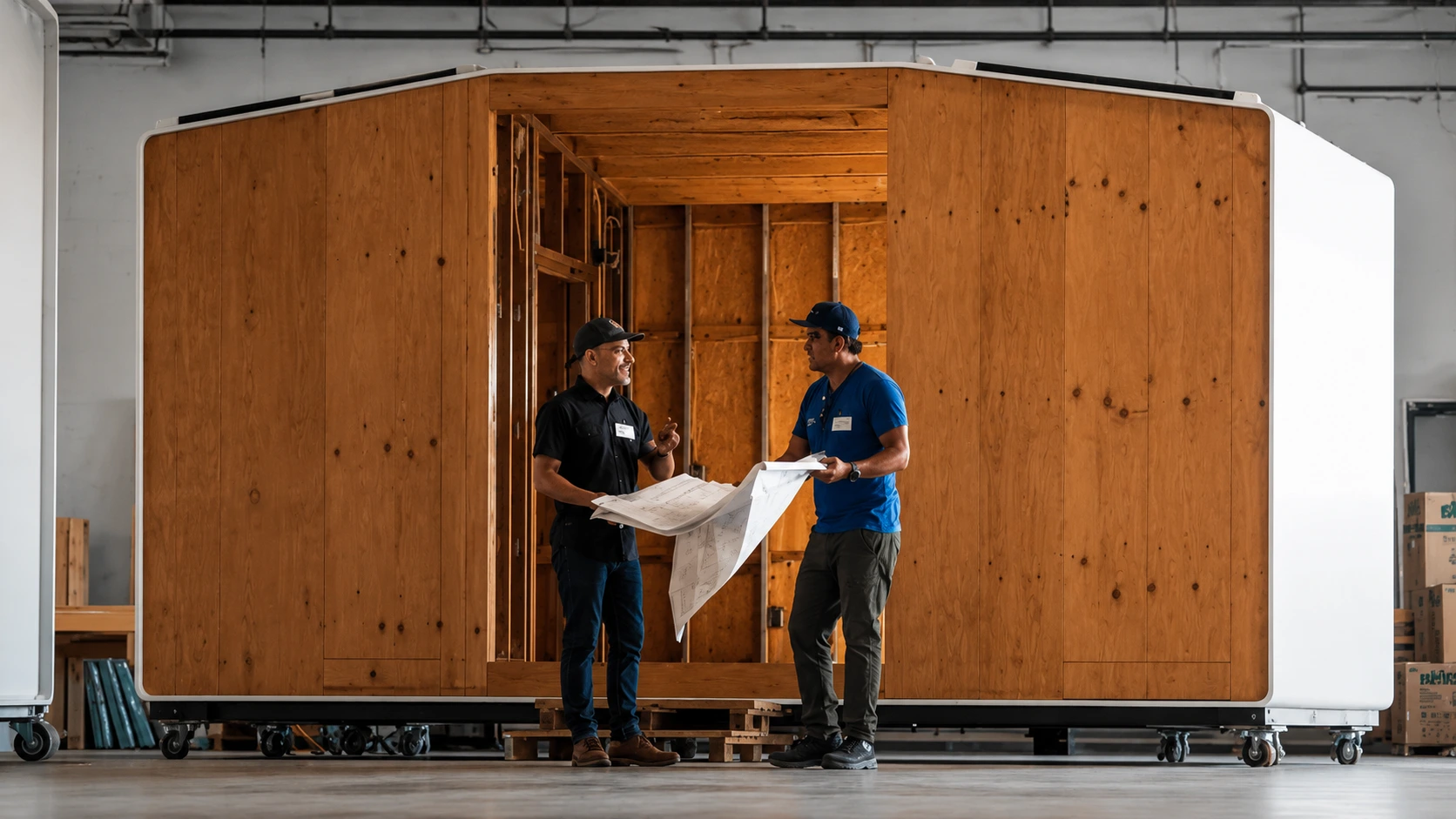
Governments, developers, and communities are increasingly exploring construction methods that can add housing more efficiently without relying entirely on traditional on-site building. Modular construction, factory-built housing, automated manufacturing, sustainable materials, and robotic construction technologies are all part of this shift. By moving more work into controlled production environments, builders can improve consistency, reduce material waste, and shorten project timelines.
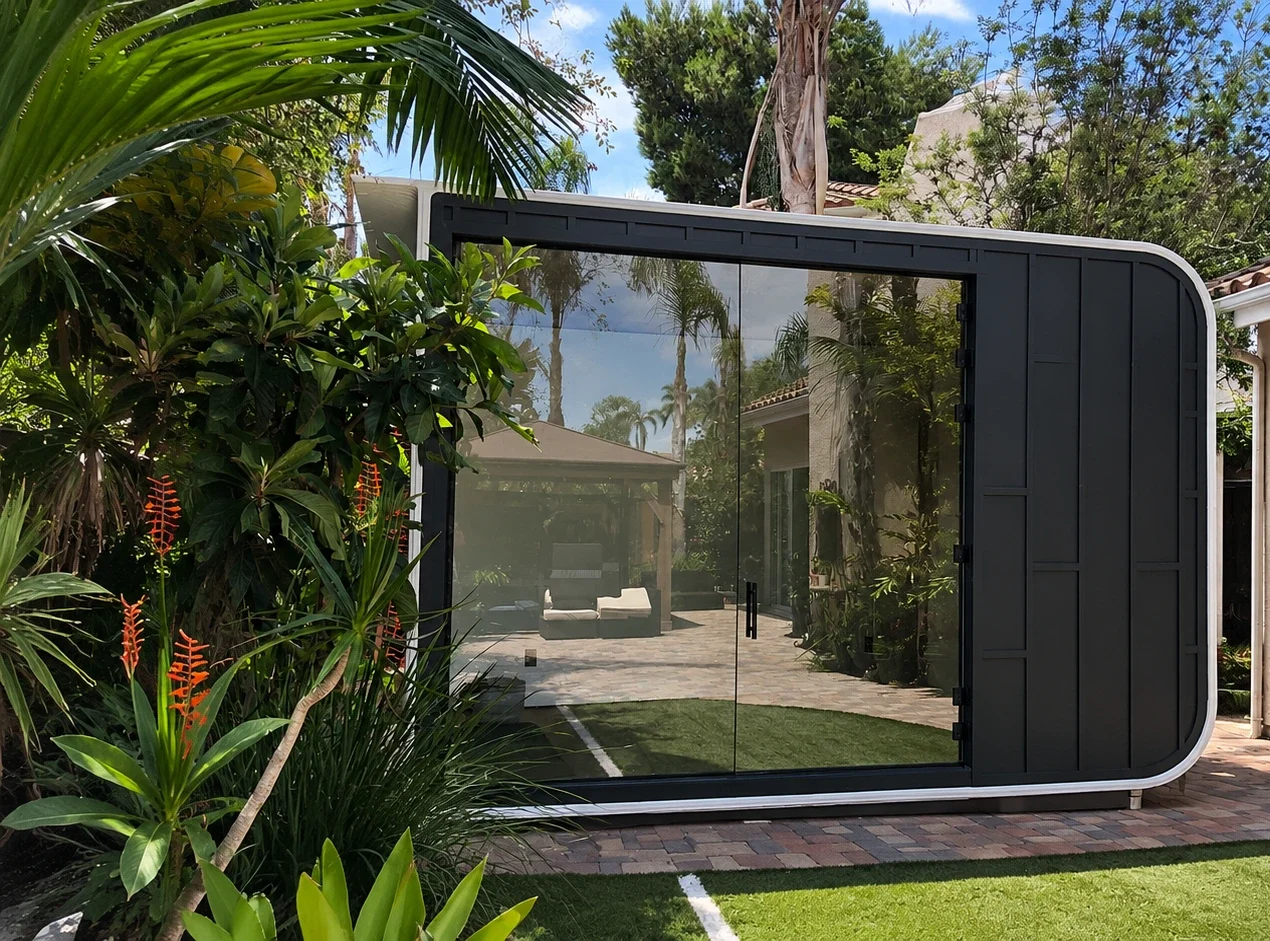
These methods are especially relevant in the United States, where many regions need more ADUs, workforce housing, emergency accommodations, and smaller residential developments. Modern modular construction does not replace every conventional building method, but it gives communities another practical way to increase housing supply.
At Azure Printed Homes, we produce future-focused modular living spaces in our factory using robotic printing and recycled materials. We complete electrical, plumbing, and interior finishes before delivery, so much of the work that would normally take place on-site is already finished. This can simplify installation and help projects move from planning to occupancy more efficiently, while still giving buyers and developers flexibility in unit size, layout, and finishes.
Why Modern Modular Housing Benefits Affordable Housing
As housing demand continues to grow, developers, municipalities, nonprofit organizations, and public agencies are looking for building solutions that can deliver homes more efficiently without compromising quality. Modern modular construction has become one of the most practical approaches because it combines faster manufacturing, greater predictability, and more sustainable building practices. Rather than replacing conventional construction, it provides another way to increase housing supply while helping projects stay on schedule and within budget.
We apply these principles to a wide range of residential projects. Our manufacturing process is designed to help developers, housing providers, and communities deliver homes more efficiently while maintaining flexibility for different project types. Key benefits include:
- Support for diverse housing projects: We build everything from backyard studios and ADUs to workforce housing and larger residential projects.
- Faster project delivery: We can complete backyard studios in approximately 30–60 days, while larger ADUs and homes typically require 90–120 days, depending on customization, permitting, and location.
- Greater project predictability: Because most construction takes place in a controlled factory environment, our manufacturing process helps reduce weather-related delays and provides a more consistent production schedule.
- Flexible construction options: We offer both recycled-plastic and light-gauge steel construction. For projects in high fire hazard severity zones, light-gauge steel provides an alternative solution.
- Sustainable manufacturing: Our recycled-plastic homes contain more than 60% recycled plastic, repurposing approximately 100,000 plastic bottles for every 120 square feet of printed structure.
By combining faster manufacturing, flexible construction options, and sustainable materials, we help developers, communities, and housing organizations deliver projects more efficiently while expanding access to high-quality housing.
Housing Solutions for Different Project Needs
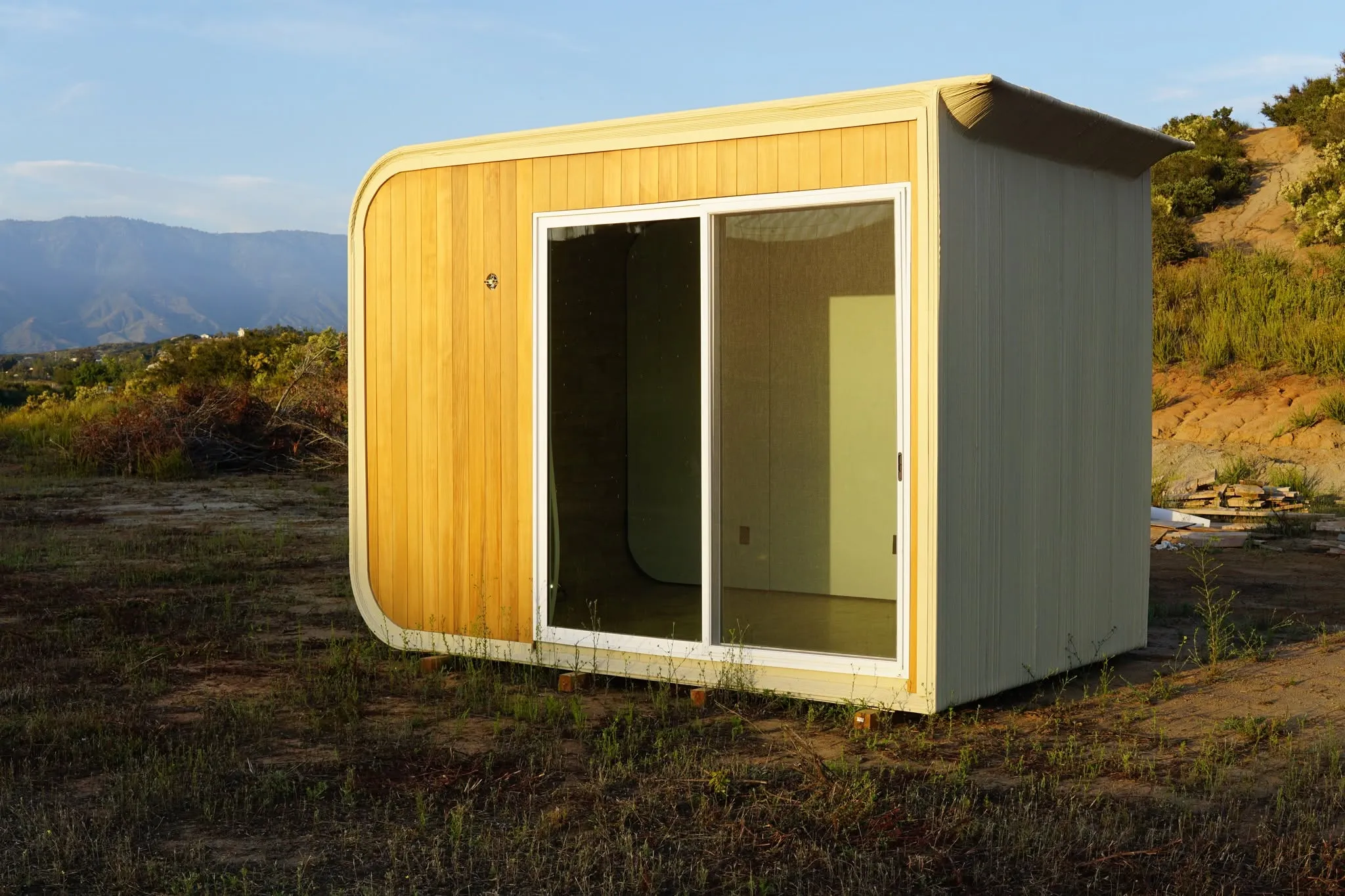
Housing projects vary by available land, intended use, occupancy requirements, mobility, local regulations, and the level of customization needed. Some projects call for a compact backyard studio, while others require a permanent ADU, a mobile residence, a larger family home, or a completely custom layout. Choosing the right format makes it easier to align the available space and budget with the project’s long-term purpose.
We offer standard models across several product families as well as custom solutions for projects that require different dimensions, layouts, features, or architectural configurations.
Studio Series
Our Studio Series provides compact spaces for home offices, creative studios, guest rooms, and other flexible uses. Starting models include:
- N100: Starting at $24,900
- A/D/C-100: Starting at $29,900
- A/D/C-120: Starting at $29,900
Homes and ADUs
Our Homes and ADUs support permanent residential uses, including backyard homes, rental properties, workforce housing, and community developments. Starting models include:
- A-360: Starting at $89,900
- A-540: Starting at $134,900
- A-720: Starting at $174,900
- A-900: Starting at $219,900
Custom Housing Solutions
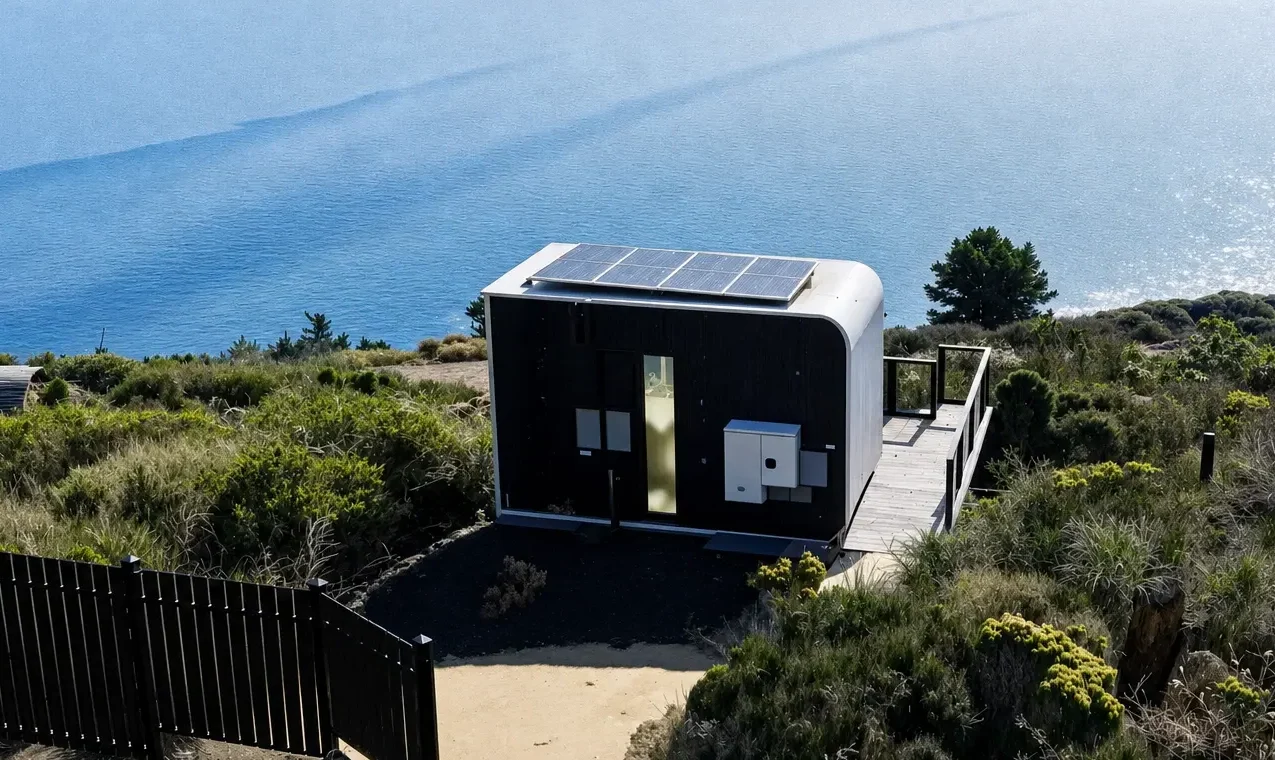
For projects that do not fit a standard model, we also create custom solutions. Floor plans can be adjusted by changing dimensions, bedroom and bathroom counts, room orientation, and other layout details. Depending on project requirements, custom options may also include multiple stories, balconies, elevators, solar panels, heated floors, and personalized finishes.
Custom homes can reach approximately 3,000 square feet, with pricing typically starting at around $400 per square foot, depending on the design and selected features.
By combining ready-to-configure models with flexible custom development, we can support everything from a compact individual space to a larger residential project designed around specific site and occupancy needs.
The Future of Affordable Housing Depends on More Than Location
Housing affordability is often discussed in terms of country rankings, but long-term affordability depends on much more than home prices alone. Population growth, land availability, infrastructure, labor shortages, financing costs, and planning regulations all influence how quickly new homes can be built and how affordable they remain over time.
As housing demand continues to increase, many governments, developers, and housing providers are expanding the way they approach residential construction. Alongside traditional building methods, modular manufacturing, off-site construction, automation, and more sustainable materials are becoming important tools for increasing housing supply while improving project efficiency.
At Azure Printed Homes, these principles are applied through robotically printed modular construction. Our product range includes studios, ADUs, and fully custom housing solutions for projects with unique layouts or larger floor plans. Using recycled-plastic construction, light-gauge steel options, and factory-completed systems helps streamline production while supporting a wide variety of residential applications, from individual homes to workforce, emergency, and community housing developments.
Conclusion
There is no single country that offers the most affordable housing in every situation. While countries such as Saudi Arabia, Oman, South Africa, the United States, Puerto Rico, and Qatar currently rank among the more affordable markets based on widely used housing indicators, affordability ultimately depends on local incomes, financing options, housing supply, and regional market conditions.
Addressing housing affordability requires a combination of effective policies, responsible planning, and construction methods that can deliver homes more efficiently. As demand continues to grow, expanding housing supply through innovative building technologies and scalable manufacturing will become an increasingly important part of making quality housing more accessible in communities around the world.