Finding affordable housing can feel overwhelming, especially if you’re applying for the first time. Between income requirements, waiting lists, required documents, and different housing programs, it’s easy to wonder where to begin.
The good news is that the process becomes much more manageable when it’s broken down into clear steps. Whether you’re looking for a public housing program, an income-restricted apartment, or a Housing Choice Voucher, understanding how applications work can save time and help you avoid common mistakes.
Signing Up for Affordable Housing Step by Step
Signing up for affordable housing usually involves several stages. The exact requirements depend on the program and location, but the basic process is similar in most cases. Follow these steps to understand your options, prepare your documents, and submit a complete application.
Understand What Affordable Housing Means
Affordable housing isn’t simply housing with a lower price tag. In the United States, affordable housing generally refers to homes that meet specific income requirements established by federal, state, or local programs.
The U.S. Department of Housing and Urban Development (HUD) considers housing affordable when a household spends no more than 30% of its gross income on housing costs. Many affordable housing programs also use Area Median Income (AMI) to determine eligibility. Because AMI varies by location, someone who qualifies in one city may not qualify in another.
Several different types of affordable housing programs are available, including:
- Public housing
- Housing Choice Voucher (Section 8) programs
- Income-restricted apartment communities
- Affordable housing lotteries in certain cities
- State and local housing assistance programs
Each program has its own application process, income limits, and eligibility requirements.
Check Whether You Qualify
Before starting an application, determine whether you meet the eligibility requirements for the program you’re interested in.
Most affordable housing providers evaluate several factors, including household income, household size, citizenship or eligible immigration status, current housing situation, age or disability status for certain programs, and local residency preferences in some communities.
Income is one of the most important factors. Many programs are designed for households earning a percentage of the area’s median income, such as 30%, 50%, 60%, or 80% of AMI. Some programs also prioritize applicants experiencing homelessness, seniors, veterans, or households with disabilities.
Find Affordable Housing Programs in Your Area
Affordable housing is administered locally, so available opportunities vary from one city or county to another.
Good places to begin include:
- Your local Public Housing Agency (PHA)
- City or county housing departments
- State housing finance agencies
- Affordable housing websites and local housing directories
- Property management companies offering income-restricted apartments
Many communities maintain online application portals where applicants can browse available units, join waiting lists, or submit applications electronically. Since demand often exceeds supply, waiting lists can remain open only for limited periods.

Gather the Required Documents
Preparing documents ahead of time can make the application process much smoother.
Many housing providers request:
- Government-issued identification
- Social Security numbers or other identification documents
- Recent pay stubs
- Tax returns
- Bank statements
- Benefit award letters
- Employment verification
- Rental history
- Birth certificates for household members
- Proof of current address
Some programs may ask for additional documentation depending on your circumstances. Keeping digital copies of these documents can make it easier to submit multiple applications if needed.
Complete the Application Carefully
Even small mistakes can delay an affordable housing application. Answer every question fully, report all household income accurately, and include each person who will live in the home. Make sure every required document is attached, then review names, dates, phone numbers, email addresses, and other details before submitting the form.
Keep copies of the completed application and all supporting documents for your records. If anything is missing or unclear, the housing provider may request more information or remove the application from consideration. Many programs also have firm deadlines, so submitting early can help prevent last-minute problems.
Prepare for Waiting Lists
Affordable housing programs often receive more applications than they have available homes. Because of this, applicants may remain on a waiting list for several months or even years, depending on the location, program, and housing type.
Some housing authorities accept applications throughout the year, while others open their waiting lists only during limited enrollment periods. After applying, keep your phone number, email address, and mailing address current. Respond quickly to requests for documents, renew the application when required, and report any changes in household size or income.
Missing a deadline or failing to respond to a notice can result in removal from the waiting list, so it is important to monitor messages and keep all confirmation details.
Understand the Different Application Processes
Not every affordable housing program follows the same process.
Public Housing
Applicants generally apply directly through their local Public Housing Agency. If approved, the applicant is offered housing when an appropriate unit becomes available.
Housing Choice Voucher Program
Voucher applicants also apply through their local Public Housing Agency. If selected, they receive a voucher that can be used to rent qualifying housing from participating landlords, subject to program requirements.
Income-Restricted Apartments
Income-restricted communities often accept applications directly through their leasing office or property management company. Applicants usually complete a standard rental application along with income verification.
Housing Lotteries
Some cities use lottery systems to allocate affordable apartments fairly among qualified applicants. These programs often have strict application windows and detailed eligibility requirements.
Prepare for Income Verification
Housing providers carefully verify household income before approving an application.
Verification may include:
- Employment confirmation
- Tax records
- Benefit statements
- Retirement income
- Self-employment documentation
- Asset information
Applicants should report income honestly and provide requested documentation promptly. Providing inaccurate information can delay processing or result in denial.
From Approval to Tackling the Affordable Housing Crisis
Approval is an important step, but it does not always lead to an immediate move-in. Depending on the program, applicants may still need to sign lease documents, complete eligibility or background checks, attend an orientation, and arrange a move-in date. Some programs also require annual income reviews after the household moves in. Voucher recipients usually have an additional task: finding an eligible rental property within the allowed timeframe.
These final steps reveal a larger challenge. Affordable housing programs can help people manage housing costs, but assistance alone cannot solve the shortage of available homes. When demand is higher than supply, waiting lists grow, approved applicants struggle to find suitable units, and communities face continued pressure on rents and housing access.
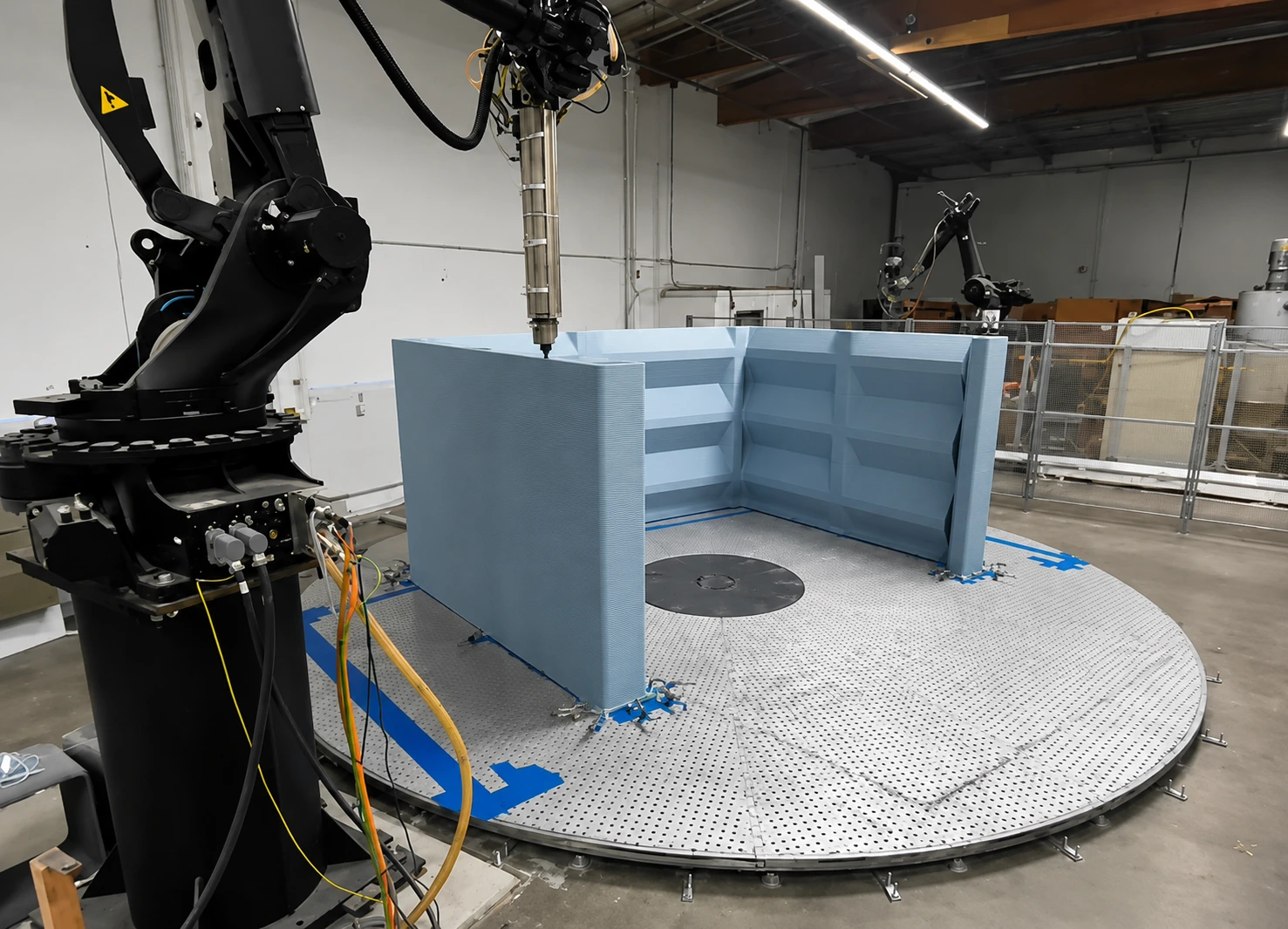
This is where modern construction methods can support a broader solution. At Azure Printed Homes, we use robotically printed construction, recycled materials, and factory-based production to create future-focused modular living spaces on more predictable timelines. Electrical, plumbing, mechanical systems, and interior finishes are completed during fabrication, helping projects move more efficiently from design to installation.
We offer studio models, ADUs, and residential homes that can be adapted for different housing needs. The process begins with choosing and customizing a design, followed by robotic printing, factory fabrication, delivery, on-site installation, and utility connections. By simplifying these stages, we help developers, municipalities, nonprofit organizations, and housing partners plan projects with greater clarity while supporting energy efficiency, durability, and consistent quality.
Tackling the affordable housing crisis requires both access and supply. Financial assistance helps households afford a home, while faster and more efficient construction can help create more homes in the first place. When these two efforts work together, communities have a stronger path toward reducing shortages and expanding access to quality housing.
Modular Options for Affordable Housing Projects
Modern modular construction can support many different housing needs. Depending on the project, communities may require compact studios, accessory dwelling units, or larger single-family homes. We offer several product lines designed to serve these different applications while following the same streamlined process of configuration, robotic printing, factory fabrication, delivery, and installation.
Studio Series
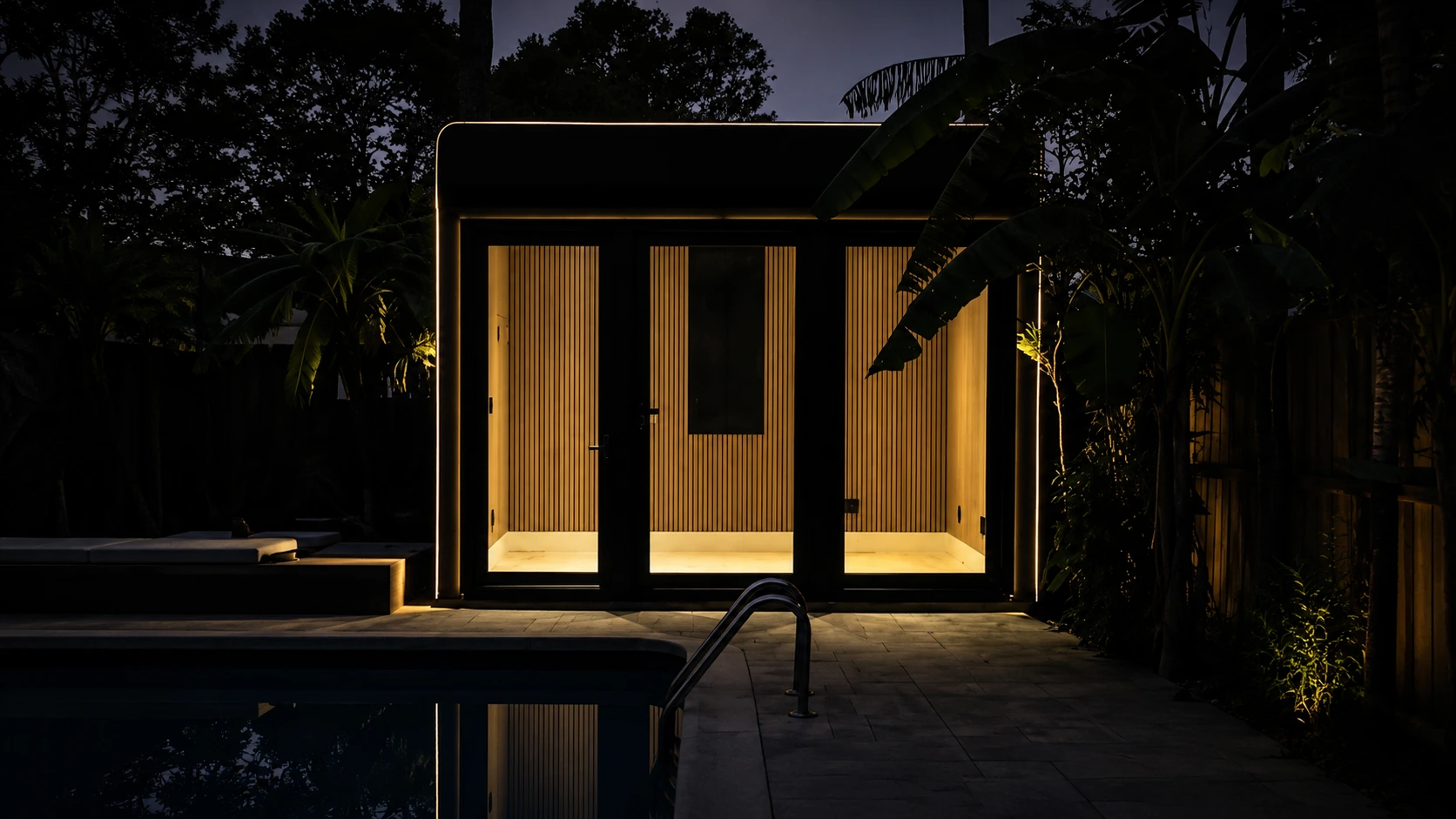
Our studio series provides compact spaces that can be used for backyard offices, guest accommodations, workforce housing, temporary housing, or small residential units. Models such as the N-100, A/D/C-100, and A/D/C-120 are designed to maximize functionality within a smaller footprint while benefiting from the same factory-built quality and energy-efficient construction as our larger homes.
Homes and ADUs
For homeowners, developers, and housing organizations looking for permanent residences, we offer a range of homes and accessory dwelling units. Models including the A-360, A-540, A-720, and A-900 provide multiple layout options with kitchens, bathrooms, and one or more bedrooms depending on the model. Customers can customize their floor plan before production begins, allowing each project to better match local housing needs.
Custom Residential Projects
Some communities require housing solutions that extend beyond standard floor plans. For these projects, we also develop custom residential designs that allow clients to tailor layouts, sizes, and finishes to their specific requirements. The same robotic printing technology, factory fabrication process, and installation workflow are applied while providing greater flexibility for unique developments, multifamily communities, or affordable housing initiatives.
The Strengths of Modern Construction for Affordable Housing Needs
Addressing the affordable housing crisis requires more than funding and housing assistance. Communities also need construction methods that can deliver quality homes more efficiently while maintaining strong standards for durability, energy performance, and long-term value.
Modern modular construction helps meet these goals by moving much of the building process into a controlled factory environment. This approach can reduce material waste, improve quality control, shorten construction schedules, and limit weather-related delays. Because many systems are completed before delivery, on-site work can also become more predictable and easier to manage.
We combine modular construction with robotic 3D-printing technology to create future-focused modular living spaces using recycled materials. Our approach offers several practical strengths:
- Faster production: Robotic printing and factory fabrication help shorten the construction process compared with many traditional methods.
- More predictable timelines: Controlled production conditions reduce weather-related delays and help projects move from design to installation with greater clarity.
- Factory-completed systems: Electrical, plumbing, mechanical systems, and interior finishes are installed during fabrication before the unit leaves the factory.
- Reduced material waste: Precision manufacturing helps limit excess materials, while recycled plastic can be used in suitable models.
- Energy-efficient construction: Insulation, double-pane windows, and carefully planned building systems support better energy performance.
- Flexible customization: Customers can choose and customize layouts, finishes, dimensions, and features to suit the needs of a specific project.
- Consistent quality: Factory-based production makes it easier to maintain the same standards across multiple units.
- Simplified project planning: A clear process covering configuration, fabrication, delivery, installation, and utility connections helps clients understand each stage.
These strengths make modern modular construction useful for projects ranging from a single compact unit to larger residential developments. The goal is not simply to build faster, but to create durable, adaptable homes through a process that is easier to plan and scale.
Final Thoughts
Signing up for affordable housing takes patience, preparation, and persistence. Understanding eligibility requirements, gathering documents, completing applications carefully, and staying engaged throughout the process can improve your chances of securing housing assistance.
As communities continue working to address housing shortages, expanding the supply of well-designed, energy-efficient homes will remain an important part of the solution. At Azure Printed Homes, we create future-focused modular living spaces using robotically printed construction to help deliver high-quality housing more efficiently while maintaining the flexibility to meet a wide range of community needs.